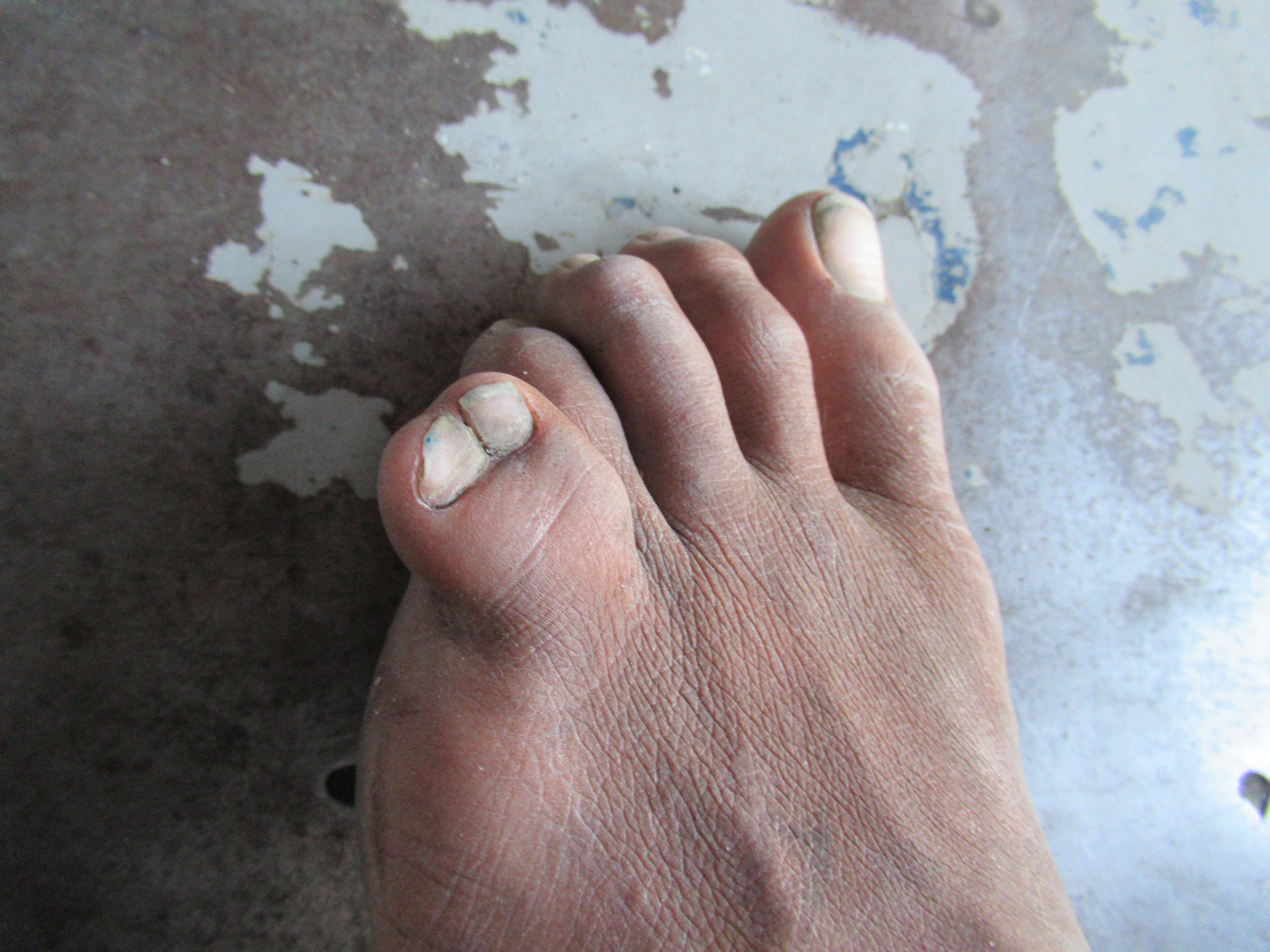
É uma condição em que nascem dedos a mais (polidactilia), principalmente no lado do polegar da mão ou do dedão do pé. Na mão, o polegar afetado tem uma duplicação bem leve: pode ser mais largo, ter a ponta dividida em duas ou a ponta curvada para o lado do polegar. Às vezes, o dedo médio e o anelar podem estar unidos em diferentes graus. Nos pés, há uma duplicação parcial ou total do dedão ou do segundo dedo, e esses dedos do pé também podem estar unidos.
Introdução
O que você precisa saber de cara
A polissindactilia é uma alteração congênita visível ao nascimento em que a criança apresenta dedos a mais associados à fusão da pele entre os dedos das mãos ou dos pés. Ela afeta principalmente o lado do polegar e o dedão do pé, decorrendo comumente de variações no gene GLI3. O cuidado principal é cirúrgico para liberar e reconstruir a função dos membros, complementado por reabilitação motora. No Brasil, a condição não consta na lista oficial de PCDTs de doenças raras do Ministério da Saúde, sendo o suporte garantido pela rede assistencial e de reabilitação do SUS.
É uma condição em que nascem dedos a mais (polidactilia), principalmente no lado do polegar da mão ou do dedão do pé. Na mão, o polegar afetado tem uma duplicação bem leve: pode ser mais largo, ter a ponta dividida em duas ou a ponta curvada para o lado do polegar. Às vezes, o dedo médio e o anelar podem estar unidos em diferentes graus. Nos pés, há uma duplicação parcial ou total do dedão ou do segundo dedo, e esses dedos do pé também podem estar unidos.
Encontrou um erro ou informação desatualizada? Sugira uma correção →
Entender a doença
Do básico ao detalhe, leia no seu ritmo
Preparando trilha educativa...
Sinais e sintomas
O que aparece no corpo e com que frequência cada sintoma acontece
Características mais comuns
Os sintomas variam de pessoa para pessoa. Abaixo estão as 7 características clínicas mais associadas, ordenadas por frequência.
Linha do tempo da pesquisa
Encontrou um erro ou informação desatualizada? Sugira uma correção →
Genética e causas
O que está alterado no DNA e como passa nas famílias
Genes associados
1 gene identificado com associação a esta condição.
Curadoria gene-doença
fontes oficiaisGreig cephalo-poly-syndactyly syndrome
Autosomal dominant disorder affecting limb and craniofacial development. It is characterized by pre- and postaxial polydactyly, syndactyly of fingers and toes, macrocephaly and hypertelorism.
Variantes genéticas (ClinVar)
374 variantes patogênicas registradas no ClinVar.
Classificação de variantes (ClinVar)
Distribuição de 444 variantes classificadas pelo ClinVar.
Vias biológicas (Reactome)
5 vias biológicas associadas aos genes desta condição.
Diagnóstico
Os sinais que médicos procuram e os exames que confirmam
Tratamento e manejo
Remédios, cuidados de apoio e o que precisa acompanhar
Onde tratar no SUS
Hospitais de referência no Brasil e o protocolo oficial do SUS (PCDT)
🇧🇷 Atendimento SUS — Polissindactilia
Selecione um estado ou use sua localização para ver resultados.
Dados de DATASUS/CNES, SBGM, ABNeuro e Ministério da Saúde. Sempre confirme a disponibilidade diretamente com o estabelecimento.
Pesquisa ativa
Ensaios clínicos abertos e novidades científicas recentes
Pesquisa e ensaios clínicos
Nenhum ensaio clínico registrado para esta condição.
Publicações mais relevantes
Combined Long-Read Genome and Transcriptome Sequencing Establishes Novel Variants in MEGF8 as the Cause for Carpenter Syndrome Type 2.
Carpenter syndrome type 2 (CRPT2) is a rare autosomal recessive disease mainly characterized by craniosynostosis and polysyndactyly. CRPT2 is the rarer subtype of Carpenter syndrome (CRPTS) and is caused by biallelic variants in the multiple epidermal growth factor-like domains 8 gene (MEGF8). Due to its rarity and phenotypic overlap with other craniosynostosis syndromes, definitive molecular diagnosis of CRPT2 can be challenging. Here, we describe a proband with CRPT2 carrying compound heterozygous variants in MEGF8: one de novo variant disrupting splicing and a maternally inherited missense variant. To resolve these variants, we leveraged long-read genome sequencing to phase the missense variant alleles and RNA sequencing to determine splicing impact. This case highlights the diagnostic value of using sequencing methods beyond the more conventional short-read exome sequencing. Our findings expand the spectrum of MEGF8 variants causing CRPT2 and underscore the utility of emerging sequencing technologies in elucidating complex or previously unresolved genotypes. Expanding access to such technologies is anticipated to accelerate rare disease diagnosis and deepen our understanding of the genetic mechanisms underlying these conditions.
RAB23 loss-of-function mutation causes context-dependent ciliopathy in Carpenter syndrome.
The primary cilium is a signal transduction organelle whose dysfunction clinically causes ciliopathies in humans. RAB23 is a small GTPase known to regulate the Hedgehog signalling pathway and ciliary trafficking. Mutations of RAB23 in humans lead to Carpenter syndrome (CS), an autosomal recessive disorder clinically characterized by craniosynostosis, polysyndactyly, skeletal defects, obesity, and intellectual disability. Although the clinical features of CS bear some resemblance to those of ciliopathies, the exact relationship between the pathological manifestations of CS and the ciliary function of RAB23 remains ambiguous. Besides, the in vivo ciliary functions of RAB23 remain poorly characterised. Here, we demonstrate in vivo and in vitro Rab23 loss-of-function mutants modelling CS, including Rab23 conditional knockout (CKO) mouse mutants, CS patient-derived induced pluripotent stem cells (iPSCs), and zebrafish morphants. The Rab23-CKO mutants exhibit multiple developmental and phenotypical traits recapitulating the clinical features of human ciliopathies and CS, indicating a causal link between the loss of Rab23 and ciliopathy. In line with the ciliopathy-like phenotypes, all three different vertebrate mutant models consistently show a perturbation of primary cilia formation, intriguingly, in a context-dependent manner. Rab23-CKO mutants reveal cell-type specific ciliary abnormalities in chondrocytes, mouse embryonic fibroblasts, neural progenitor cells and neocortical neurons, but not in epithelial cells, cerebellar granule cells and hippocampus neurons. A profound reduction in ciliation frequency was observed specifically in neurons differentiated from CS patient iPSCs, whereas the patients' fibroblasts, iPSCs and neural progenitor cells maintained normal ciliation percentages but shortened cilia length. Furthermore, Rab23-KO neural progenitor cells show perturbed ciliation and desensitized to primary cilium-dependent activation of the Hedgehog signaling pathway. Collectively, these findings indicate that the absence of RAB23 causes dysfunctional primary cilia in a cell-type distinctive manner, which underlies the pathological manifestations of CS. Our findings present the first in vivo evidence validating the unique context-specific function of RAB23 in the primary cilium. Through the use of patient-derived iPSCs differentiated cells, we present direct evidence of primary cilia anomalies in CS, thereby confirming CS as a ciliopathy disorder.
Creation of a Natural Interdigital Web in Toe Polysyndactyly With a Dorsal Trapezoidal and Plantar Triangular Flap Design.
Surgical correction of polysyndactyly of the toes requires not only functional separation of the digits but also creation of an aesthetically acceptable interdigital web, as postoperative appearance strongly affects psychosocial outcomes. Although traditional techniques, including Z-plasty and dorsal rectangular flaps as well as web-preserving flaps with or without skin grafting, have been described, complications such as web creep, wound dehiscence, and valgus deformity of the residual toes remain problematic. Here, we report a case of polysyndactyly involving the fourth, fifth, and sixth toes of the left foot in a five-year-old girl. A trapezoidal dorsal rectangular flap was created in the fourth interdigital space and combined with a triangular plantar flap to achieve a web that was narrow in the mid-portion and broader at the base. The dorsal flap base and plantar inset were advanced 2 mm proximally to enhance web depth. Residual skin defects were covered using a full-thickness skin graft harvested from the medial malleolar region. Six months postoperatively, the reconstructed web showed appropriate depth, tapering, and alignment consistent with the adjacent interdigital spaces. No valgus deviation was observed in the residual toes. The skin graft demonstrated excellent take with only minor pigmentation differences and no significant scar contracture or web creep. The patient's postoperative function and ambulation were uneventful. The combination of a trapezoidal dorsal rectangular flap and plantar triangular flap with proximal advancement of the inset facilitates the creation of a deep and natural-appearing interdigital web. Adjunctive full-thickness skin grafting allows tension-free closure of larger skin deficits, reducing the risk of secondary complications. Although this report describes a single case, the technique may be useful in the aesthetic reconstruction of polysyndactyly of the toes.
Presurgical Nasal Molding in a Bilateral Cleft Lip and Palate Patient with Patau Syndrome Using a Novel Bhatia's Hook: A Case Report.
Presurgical nasoalveolar molding (PNAM) is a technique used in cleft lip and palate (CLP) patients to reshape the alveolus, lips, and nostrils before surgical intervention, thereby reducing cleft severity. This case report presents a 2-month-old male diagnosed with bilateral CLP and provisional Patau syndrome, characterized by additional anomalies such as right hind limb hypomobility and polysyndactyly. Due to the patient's cardiac condition, conventional nasoalveolar molding (NAM) was contraindicated. Instead, a modified nasal hook named Bhatia's hook was designed and fabricated using stainless steel wire and cold-cure acrylic, designed to mold the nasal structures without alveolar manipulation. The treatment objectives included improving nasal projection, reducing alar width and cleft gap, retracting the premaxilla, and centering the premaxilla. Over a 4-month period, biweekly adjustments led to significant improvements in nasal tip elevation, reduced septal deviation, decreased premaxillary protrusion, and minimized cleft size. Cheiloplasty performed at 6 months resulted in more effective surgical outcomes, including enhanced columella length and external nasal morphology. The successful management of this case underscores the potential of customized nasal hooks in improving surgical results for CLP patients with complicating factors. This modified nasal hook approach offers a viable alternative for nasal molding in patients with complex medical conditions, providing ease of fabrication and consistent force application. Bhatia V, Afeefa P, Ratre RK, et al. Presurgical Nasal Molding in a Bilateral Cleft Lip and Palate Patient with Patau Syndrome Using a Novel Bhatia's Hook: A Case Report. Int J Clin Pediatr Dent 2025;18(5):587-590. The FLNB-related disorders can be divided into two groups of conditions caused by loss of function or gain of function of filamin-B. Biallelic loss-of-function pathogenic variants in FLNB cause spondylocarpotarsal synostosis syndrome (FLNB-SCT). Monoallelic gain-of-function pathogenic variants in FLNB cause a spectrum of phenotypic severity ranging from apparently isolated clubfoot to Larsen syndrome (FLNB-LS), atelosteogenesis type 3 (FLNB-AO3), and atelosteogenesis type 1 (FLNB-AO1), which is perinatal lethal. For the purposes of this GeneReview, the previously described entities Piepkorn dysplasia and boomerang dysplasia are subsumed under the FLNB-AO1 spectrum. FLNB-SCT is characterized by postnatal disproportionate short stature; scoliosis and lordosis due to vertebral fusions; carpal and tarsal synostosis; and, variably, clubfeet, hearing loss, and dental enamel hypoplasia. FLNB-LS is characterized by combinations of congenital dislocations of the hip, knee, and elbow; clubfeet (equinovarus or equinovalgus foot deformities); scoliosis and cervical kyphosis (which can be associated with a cervical myelopathy); short, broad, spatulate distal phalanges; distinctive craniofacial features (prominent forehead, depressed nasal bridge, malar flattening, and widely spaced eyes); vertebral anomalies; and supernumerary carpal and tarsal ossification centers. Individuals with FLNB-LS may also present with midline cleft palate and hearing loss. FLNB-AO1 and FLNB-AO3 are characterized by severe short-limbed dwarfism; dislocated hips, knees, and elbows; and clubfeet. FLNB-AO1 is lethal in the perinatal period. At its most severe, the spectrum of phenotypes assigned FLNB-AO1 can present with perinatal-lethal micromelic dwarfism characterized by flipper-like limbs (polysyndactyly with complete syndactyly of all fingers and toes, hypoplastic or absent first digits, and duplicated intermediate and distal phalanges); macrobrachycephaly; prominent forehead; hypertelorism; and proptosis. Occasional features include cleft palate, omphalocele, and cardiac and genitourinary anomalies. In individuals with FLNB-AO3, survival beyond the neonatal period is possible with intensive and invasive respiratory support. The diagnosis of FLNB-SCT is established in a proband by identification of biallelic loss-of-function pathogenic variants in FLNB by molecular genetic testing. The diagnosis of other FLNB-related disorders (LS, AO1, AO3) is established in a proband by identification of a heterozygous gain-of-function pathogenic variant in FLNB by molecular genetic testing. Treatment of manifestations: Cervical spine instability in asymptomatic infants can be successfully managed with posterior arthrodesis. Function can be stabilized (if not improved) in infants with myelopathic signs by a combination of anterior decompression and circumferential arthrodesis. Hip dislocation in individuals with FLNB-LS usually requires operative reduction. Scoliosis and clubfeet are managed in a routine manner. Anesthetic agents that allow more rapid induction and recovery are preferred in those with laryngotracheomalacia. When possible, cleft palate and hearing loss are best managed by multidisciplinary teams. Surveillance: Annual orthopedic evaluation for progressive scoliosis; feeding and growth assessment for those with cleft palate by a multidisciplinary team; annual audiologic and dental evaluations. Pregnancy management: Delivery of an affected infant has the potential to be complicated by extended breech presentation due to dislocation of the hips and knees. FLNB-SCT is inherited in an autosomal recessive manner. If both parents are known to be heterozygous for an FLNB pathogenic variant, each sib of an affected individual has at conception a 25% chance of inheriting biallelic pathogenic variants and being affected, a 50% chance of inheriting one pathogenic variant and being heterozygous, and a 25% chance of inheriting neither of the familial FLNB pathogenic variants. Heterozygous sibs of a proband with FLNB-SCT can exhibit mild reductions in stature but no other medically significant phenotypic manifestations. Once the FLNB pathogenic variant(s) have been identified in an affected family member, heterozygote testing for at-risk relatives and prenatal/preimplantation genetic testing are possible. FLNB-LS, FLNB-AO1, FLNB-AO3, and FLNB-related apparently isolated clubfoot are inherited in an autosomal dominant manner. Comparatively mild (e.g., FLNB-LS) and severe (e.g., FLNB-AO3) forms of the autosomal dominant FLNB-related disorders can occur in the same family. Some individuals diagnosed with an autosomal dominant FLNB-related disorder have the disorder as the result of a pathogenic variant inherited from a heterozygous or mosaic parent. Some individuals have the disorder as the result of a de novo pathogenic variant (the vast majority of lethal FLNB conditions are the result of de novo pathogenic variants). Each child of a proband who is heterozygous for an FLNB pathogenic variant has a 50% chance of inheriting the pathogenic variant. Each child of a proband with somatic mosaicism for an FLNB pathogenic variant has up to a 50% chance of inheriting the pathogenic variant. Offspring who inherit an FLNB pathogenic variant from a proband with somatic mosaicism may be more severely affected than the proband. Once the FLNB pathogenic variant has been identified in an affected family member, prenatal/preimplantation genetic testing are possible.
A Practical Prenatal Ultrasound Classification System for Lower Limb Anomalies-PRELLIM Classification.
To address the current lack of a prenatal classification system for fetal lower limb anomalies, we developed and evaluated the PRELLIM (PREnatal Lower LIMb impairment) classification. A systematic literature review was conducted to identify existing classifications. Based on sonographic features, we developed the PRELLIM classification and applied it to a retrospective cohort of fetuses with isolated lower limb anomalies assessed between 2007 and 2024 at Amsterdam UMC's fetal medicine unit. No standardized prenatal classification system for lower limb anomalies was found. PRELLIM distinguishes isolated and non-isolated anomalies and categorizes them into clinically relevant subgroups (absent/short, duplication, fusion, contracture, bowing and other). It was applied to 643 fetuses with isolated lower limb anomalies. Contractures were most common (n = 599; 93.2%), followed by poly(syn)dactyly (n = 26; 4.0%), reduction defects (n = 9; 1.5%), bowing (n = 5; 0.8%), and a case of sirenomelia (0.1%). Three additional cases (0.4%) were classified as "other": two lymphangiomas and one amniotic band with lower leg constriction. PRELLIM is the first prenatal classification tailored to sonographically detectable lower limb anomalies. It aims to enhance diagnostic consistency, improve interdisciplinary communication, and support prenatal counseling and decision-making.
Publicações recentes
Combined Long-Read Genome and Transcriptome Sequencing Establishes Novel Variants in MEGF8 as the Cause for Carpenter Syndrome Type 2.
Creation of a Natural Interdigital Web in Toe Polysyndactyly With a Dorsal Trapezoidal and Plantar Triangular Flap Design.
Presurgical Nasal Molding in a Bilateral Cleft Lip and Palate Patient with Patau Syndrome Using a Novel Bhatia's Hook: A Case Report.
A Practical Prenatal Ultrasound Classification System for Lower Limb Anomalies-PRELLIM Classification.
📚 EuropePMC115 artigos no totalmostrando 97
Combined Long-Read Genome and Transcriptome Sequencing Establishes Novel Variants in MEGF8 as the Cause for Carpenter Syndrome Type 2.
American journal of medical genetics. Part ACreation of a Natural Interdigital Web in Toe Polysyndactyly With a Dorsal Trapezoidal and Plantar Triangular Flap Design.
CureusPresurgical Nasal Molding in a Bilateral Cleft Lip and Palate Patient with Patau Syndrome Using a Novel Bhatia's Hook: A Case Report.
International journal of clinical pediatric dentistryA Practical Prenatal Ultrasound Classification System for Lower Limb Anomalies-PRELLIM Classification.
Prenatal diagnosisRAB23 loss-of-function mutation causes context-dependent ciliopathy in Carpenter syndrome.
PLoS geneticsDetection of a new heterozygous pathogenic NFIA variant in metopic craniosynostosis with preaxial polysyndactyly: A case report.
JPRAS openDouble-Wing Flap for Polysyndactyly of the Fifth Toe.
Annals of plastic surgeryTwo Nonsense GLI3 Variants Are Identified in Two Chinese Families With Polydactyly.
Molecular genetics & genomic medicineCongenital Hallux Varus in Children: A Case of Bilateral Presentation.
CureusPolydactyly and syndactyly linked to GLI3 and TBX5 mutations: A pediatric case report.
Global medical geneticsThe Application of a Cross-Shaped Advancement Flap in Polysyndactyly of the Fifth Toe.
The journal of hand surgery Asian-Pacific volumeDermoid Cysts of the Auricle: A Review of the Literature.
Pediatric dermatologyDYNC2H1 splicing variants causing severe prenatal short-rib polydactyly syndrome and postnatal orofaciodigital syndrome.
Annals of human geneticsThe First Patient with Tibial Hemimelia-Polysyndactyly-Triphalangeal Thumb Syndrome Caused by De Novo c.423+4916 T>C ZRS Variant: A Case Report.
International journal of molecular sciencesSkeletal dysmorphology and mineralization defects in Fgf20 KO mice.
Frontiers in endocrinology[Prenatal diagnosis of a fetus with Rubinstein-Taybi syndrome].
Zhonghua yi xue yi chuan xue za zhi = Zhonghua yixue yichuanxue zazhi = Chinese journal of medical geneticsPolybrachysyndactyly in all 4 extremities: Case report.
International journal of surgery case reportsOperative Management of Y-Shaped Metatarsal with Biphalangeal Sixth Toe.
Advances in skin & wound careThe phenotype of MEGF8-related Carpenter syndrome (CRPT2) is refined through the identification of eight new patients.
European journal of human genetics : EJHGRefinement of Surgery for Postaxial Polysyndactyly of the Toes: Esthetic Outcome in Japanese Feet.
Annals of plastic surgeryUnraveling the Genetic Tapestry: A Case Report on Oro-Facial-Digital Syndrome's Rare Features Across Generations in a Familial Trilogy.
CureusA novel GLI3 frameshift mutation in a Chinese pedigree with polydactyly: A case report.
HeliyonPolyhydramnios associated with rare genetic syndromes: two case reports.
Journal of medical case reportsA human embryonic limb cell atlas resolved in space and time.
NatureA Japanese patient with Teebi hypertelorism syndrome and a novel CDH11 EC1 domain variant.
American journal of medical genetics. Part AInfant with a big head and 'crossed' polysyndactyly.
Journal of paediatrics and child healthPotential benefit of rapid genetic testing for Pallister-Hall syndrome.
Clinical pediatric endocrinology : case reports and clinical investigations : official journal of the Japanese Society for Pediatric EndocrinologyUsefulness of Intraoperative Arthrography for Postaxial Polysyndactyly of the Foot.
Journal of pediatric orthopedicsReconstruction of polysyndactyly of the fused fifth toe with the fourth toe.
Journal of pediatric orthopedics. Part BPrimary Congenital Hallux Varus: A Step-Cut Surgical Approach.
CureusLaurin-Sandrow Syndrome: A Case Report and Review of Literature.
The journal of hand surgery Asian-Pacific volumeThe pZRS non-coding regulatory mutation resulting in triphalangeal thumb-polysyndactyly syndrome changes the pattern of local interactions.
Molecular genetics and genomics : MGGIntra-abdominal umbilical vein varix in a neonate with polysyndactyly.
Congenital anomaliesSingle-stage Congenital Polysyndactyly Release: Outcomes and Long-term Followup.
Techniques in hand & upper extremity surgeryAn Extremely Rare Case of Bonneau Syndrome with Novel Cardiac and Eye Manifestations.
Saudi journal of medicine & medical sciencesNeuroimaging appearance of hypothalamic hamartomas in monozygotic twins with Pallister-Hall syndrome: case report and review of the literature.
BMC neurology"Laurin-Sandrow Syndrome - a review of the literature and classification system".
Clinical dysmorphologyLong-read whole genome sequencing reveals HOXD13 alterations in synpolydactyly.
Human mutationGreig Cephalopolysyndactyly Contiguous Gene Syndrome: Case Report and Literature Review.
GenesExpansion of the phenotypic and mutational spectrum of Carpenter syndrome.
European journal of medical geneticsGLI3 variants causing isolated polysyndactyly are not restricted to the protein's C-terminal third.
Clinical geneticsPrenatal diagnosis of triphalangeal thumb-polysyndactyly syndrome by ultrasonography combined with genetic testing: A case report.
World journal of clinical casesHomozygous GLI3 variants observed in three unrelated patients presenting with syndromic polydactyly.
American journal of medical genetics. Part AComplex craniosynostosis in the context of Carpenter's syndrome.
Child's nervous system : ChNS : official journal of the International Society for Pediatric NeurosurgeryExpanding the genetic landscape of oral-facial-digital syndrome with two novel genes.
American journal of medical genetics. Part AClassification of Middle Phalangeal Postaxial Polysyndactyly Based on Intraoperative Arthrography Is Useful for Surgical Decision-making in Children Younger Than 2 Years.
Journal of pediatric orthopedicsFeingold syndrome type 2 in a patient from China.
American journal of medical genetics. Part ACase-control study of the treatment of postaxial polysyndactyly of the foot: Comparison of surgical results after removal of the fifth or sixth toe.
Archives of plastic surgeryCarpenter syndrome in a patient from Tanzania.
American journal of medical genetics. Part ALaurence-Moon-Bardet-Biedl Syndrome: A Rare Case With a Literature Review.
CureusMeasuring parent proxy-reported quality of life of 11 rare diseases in children in Zhejiang, China.
Health and quality of life outcomesA 300-kb microduplication of 7q36.3 in a patient with triphalangeal thumb-polysyndactyly syndrome combined with congenital heart disease and optic disc coloboma: a case report.
BMC medical genomicsSurgical Outcomes and Predictive Factors of Medial Toe Excision for Polysyndactyly of the Fifth Toe.
Foot & ankle internationalNovel GLI3 pathogenic variants in complex pre- and postaxial polysyndactyly and Greig cephalopolysyndactyly syndrome.
American journal of medical genetics. Part ARAB23 coordinates early osteogenesis by repressing FGF10-pERK1/2 and GLI1.
eLifeLarge duplication in LMBR1 gene in a large Chinese pedigree with triphalangeal thumb polysyndactyly syndrome.
American journal of medical genetics. Part ARoutine circumcision? The role of prepuce in syndactyly repair.
Journal of pediatric urologyAesthetic and Anatomic Reconstruction of Polysyndactyly of the Fifth Toe Fused With the Fourth Toe.
Annals of plastic surgeryPrenatal diagnosis of Greig Cephalopolysyndactyly Syndrome. When to suspect it.
The journal of maternal-fetal & neonatal medicine : the official journal of the European Association of Perinatal Medicine, the Federation of Asia and Oceania Perinatal Societies, the International Society of Perinatal ObstetriciansManagement of Paronychia in Patients With Apert Syndrome.
Techniques in hand & upper extremity surgeryNovel frameshift mutations of ANKUB1, GLI3, and TAS2R3 associated with polysyndactyly in a Chinese family.
Molecular genetics & genomic medicineSub-Exome Target Sequencing in a Family With Syndactyly Type IV Due to a Novel Partial Duplication of the LMBR1 Gene: First Case Report in Fujian Province of China.
Frontiers in geneticsPierre Robin Sequence in a Child With Ectopic Kidney, Polysyndactyly, And Short Stature: A Case Report.
CureusSmith-Lemli-Opitz syndrome - Fetal phenotypes with special reference to the syndrome-specific internal malformation pattern.
Birth defects researchPrenatal diagnosis of Desbuquois dysplasia Type 1: Utilization of high-density SNP array to map homozygosity and identify the gene.
American journal of medical genetics. Part ANovel GLI3 variant causes Greig cephalopolysyndactyly syndrome in three generations of a Lithuanian family.
Molecular genetics & genomic medicineAcute myocardial infarction and haemodynamic stroke in a young patient with Bardet-Biedl syndrome.
BMJ case reportsPallister-Hall Syndrome Presenting in Adolescence.
Case reports in geneticsAutistic symptoms in Greig cephalopolysyndactyly syndrome: a family case report.
Journal of medical case reportsFAM92A Underlies Nonsyndromic Postaxial Polydactyly in Humans and an Abnormal Limb and Digit Skeletal Phenotype in Mice.
Journal of bone and mineral research : the official journal of the American Society for Bone and Mineral ResearchProximal Preaxial Hallucal Polysyndactyly with Tibial Hemimelia: Diabetic Embryopathy.
The Journal of pediatrics[Analysis of NIPBL gene mutation in a patient with Cornelia de Lange syndrome].
Zhonghua yi xue yi chuan xue za zhi = Zhonghua yixue yichuanxue zazhi = Chinese journal of medical geneticsPiepkorn type of osteochondrodysplasia: Defining the severe end of FLNB-related skeletal disorders in three fetuses and a 106-year-old exhibit.
American journal of medical genetics. Part ARab23 and developmental disorders.
Reviews in the neurosciencesLoss of Tctn3 causes neuronal apoptosis and neural tube defects in mice.
Cell death & diseaseA point mutation in the pre-ZRS disrupts sonic hedgehog expression in the limb bud and results in triphalangeal thumb-polysyndactyly syndrome.
Genetics in medicine : official journal of the American College of Medical GeneticsHomozygous CHST11 mutation in chondrodysplasia, brachydactyly, overriding digits, clino-symphalangism and synpolydactyly.
Journal of medical genetics[Bardet-Biedl syndrome and Kidney failure: a case report].
Giornale italiano di nefrologia : organo ufficiale della Societa italiana di nefrologiaHuman Malformation Syndromes of Defective GLI: Opposite Phenotypes of 2q14.2 (GLI2) and 7p14.2 (GLI3) Microdeletions and a GLIA/R Balance Model.
Cytogenetic and genome researchThe G protein-coupled receptor Gpr161 regulates forelimb formation, limb patterning and skeletal morphogenesis in a primary cilium-dependent manner.
Development (Cambridge, England)Santos syndrome is caused by mutation in the WNT7A gene.
Journal of human geneticsThe Double Volar Flap Technique for Aesthetic Repair of Syndactyly and Polysyndactyly of Toe without Skin Grafting.
Plastic and reconstructive surgery. Global openGastrointestinal disorders in Curry-Jones syndrome: Clinical and molecular insights from an affected newborn.
American journal of medical genetics. Part AA novel GJA1 mutation in oculodentodigital dysplasia with extensive loss of enamel.
Oral diseasesEarly Surgical Correction of the Nasal Deformity in Laurin-Sandrow Syndrome.
The Journal of craniofacial surgeryMicroduplication of 7q36.3 encompassing the SHH long‑range regulator (ZRS) in a patient with triphalangeal thumb‑polysyndactyly syndrome and congenital heart disease.
Molecular medicine reportsAn increased duplication of ZRS region that caused more than one supernumerary digits preaxial polydactyly in a large Chinese family.
Scientific reportsA Recurrent Mosaic Mutation in SMO, Encoding the Hedgehog Signal Transducer Smoothened, Is the Major Cause of Curry-Jones Syndrome.
American journal of human geneticsA syndrome of microcephaly, short stature, polysyndactyly, and dental anomalies caused by a homozygous KATNB1 mutation.
American journal of medical genetics. Part AOro-facial-digital syndrome type II with otolaryngological manifestations.
Journal of oral and maxillofacial pathology : JOMFP[Analysis of the difference between the appearance and the bony structure in the polysyndactyly of the fifth toe fused with the fourth toe].
Zhonghua zheng xing wai ke za zhi = Zhonghua zhengxing waike zazhi = Chinese journal of plastic surgeryUsing the avian mutant talpid2 as a disease model for understanding the oral-facial phenotypes of oral-facial-digital syndrome.
Disease models & mechanismsTechnique of Dorsal Transversely Oriented Transposition Flap for Web Reconstruction in Toe Syndactyly Surgery.
The Journal of foot and ankle surgery : official publication of the American College of Foot and Ankle SurgeonsVariable phenotypes in Greig cephalopolysyndactyly sydrome (GCPS) and their relevance to plastic surgery.
Irish journal of medical scienceA classification system for ulnar polydactyly and clinical series.
The Journal of hand surgery[Ellis van Creveld. Case report].
Revista chilena de pediatriaA novel GLI3c.750delC truncation mutation in a multiplex Greig cephalopolysyndactyly syndrome family with an unusual phenotypic combination in a patient.
Meta geneAssociações
Organizações que acompanham esta doença — pra ter apoio e orientação
Ainda não temos associações cadastradas para Polissindactilia.
É de uma associação que acompanha esta doença? Fale com a gente →
Doença com base genética
Um médico geneticista pode ajudar no diagnóstico de Polissindactilia e no aconselhamento genético da família.
Doenças relacionadas
Doenças com sintomas parecidos — ajudam quem ainda está buscando diagnóstico
Perguntas frequentes
O que as famílias mais perguntam sobre esta doença — cada resposta com a fonte de onde saiu
Por se tratar de uma anomalia morfológica congênita no desenvolvimento dos ossos e tecidos, não se fala em cura biológica, mas sim em correção cirúrgica das alterações. Procedimentos reparadores e cirurgias de liberação são aplicados para restabelecer a forma e a função dos membros.
Referências
Fontes citadas no texto, publicações do grafo e bases de dados usadas neste verbete
6 publicações do grafo RarasNet (PubMed) · 7 bases de dados. Títulos, periódicos e PMIDs vêm direto da fonte, sem intermediação de IA.
Dados compilados pelo RarasNet a partir de fontes abertas (Orphanet, OMIM, MONDO, PubMed/EuropePMC, ClinicalTrials.gov, DATASUS, PCDT/MS). Este conteúdo é informativo e não substitui avaliação médica.
Citar este verbete
Raras. (s.d.). Polissindactilia. Em Raras — Enciclopédia de Doenças Raras do Brasil. https://raras.org/doenca/polissindactilia
Formato APA. Conteúdo sob CC BY 4.0 — reuso livre com atribuição.
Conteúdo mantido por Agente Raras · Médicos e pesquisadores podem colaborar
Polissindactilia
📋 Origem dos dados
Esta página agrega dados de fontes públicas e oficiais. Dados sobre cobertura no SUS (PCDT, CEAF) são verificados ativamente por agente proativo (ver badge no infobox). Demais dados têm atribuição de fonte + data da última sincronização — clique para abrir o original.
- Doença rara (ontologia)
- fonte: Orphanet
- Identificador unificado
- fonte: MONDO
- Genética mendeliana
- fonte: OMIM
- Codificação WHO/SUS
- fonte: WHO ICD-10 / DATASUS
- CID-11 (futuro)
- fonte: WHO ICD-11
- NIH/GARD
- fonte: GARD (NIH)
- Dado público estruturado
- fonte: Wikidata

