Síndromes de blefarofimose e deficiência intelectual são um grupo de doenças genéticas raras que são caracterizadas por blefarofimose, ptose e deficiências intelectuais. Essas doenças geralmente seguem padrões de herança autossômica recessiva, autossômica dominante, recessiva ligada ao X ou mitocondrial.
Introdução
O que você precisa saber de cara
Visão geral
A Síndrome de perturbação do desenvolvimento intelectual-dismorfia facial-hipermobilidade articular-perda auditiva é uma doença genética rara que afeta o desenvolvimento neurológico, a forma do rosto, a mobilidade das articulações e a audição. Estima-se que sua prevalência seja inferior a 1 caso a cada 1.000.000 de pessoas. A condição pode ser herdada de forma autossômica dominante ou autossômica recessiva, ou seja, pode ser transmitida por um ou ambos os pais, dependendo do padrão genético envolvido.[1][2]
Sinais e sintomas
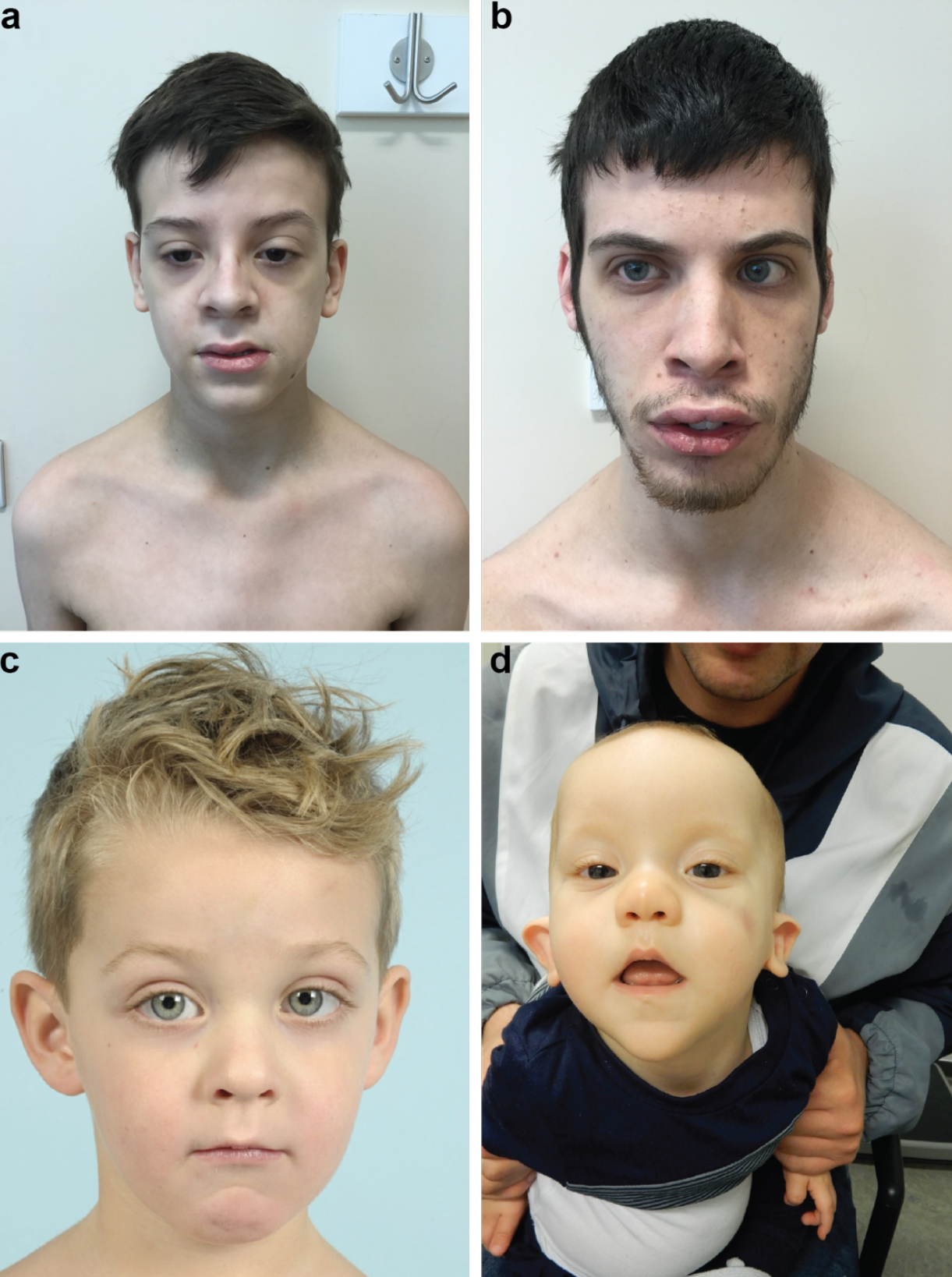
Os sinais e sintomas mais frequentemente relatados incluem: deficiência intelectual, atraso global do desenvolvimento, dificuldades alimentares na infância, convulsões, ansiedade e transtorno do déficit de atenção com hiperatividade (TDAH). No exame físico, podem ser observados: macrocefalia (cabeça grande) ou microcefalia (cabeça pequena), braquicefalia (formato arredondado do crânio), testa larga, filtro longo (espaço aumentado entre o nariz e o lábio superior), ptose (pálpebra caída), estrabismo, nistagmo (movimentos involuntários dos olhos), orelhas proeminentes, boca aberta, hipotonia facial (flacidez dos músculos da face) e hipermobilidade articular (articulações muito flexíveis). Alterações neurológicas como ventriculomegalia (dilatação dos ventrículos cerebrais), leucomalácia periventricular (lesão na substância branca do cérebro) e anormalidades no eletroencefalograma (EEG) também podem estar presentes. Outros achados incluem pé plano, estenose do ducto lacrimal (obstrução do canal lacrimal), maturação esquelética acelerada e perda auditiva.[1][2]
Causas genéticas
A síndrome é causada por alterações (variantes patogênicas) no gene TET3, que fornece instruções para a produção da enzima Methylcytosine dioxygenase TET3. Essa enzima participa de processos de regulação da expressão gênica, especialmente durante o desenvolvimento do sistema nervoso. A herança pode ser autossômica dominante (quando uma cópia alterada do gene já é suficiente para causar a doença) ou autossômica recessiva (quando ambas as cópias do gene precisam estar alteradas).[1][3][4]
Diagnóstico
O diagnóstico é baseado na avaliação clínica dos sinais e sintomas característicos e confirmado por meio de teste genético molecular que identifique variantes patogênicas no gene TET3. Atualmente, há 247 variantes registradas no ClinVar associadas a essa condição. O diagnóstico diferencial inclui outras síndromes que cursam com deficiência intelectual, dismorfias faciais e hipermobilidade articular.[1][3][4]
Tratamento e manejo
Não há cura específica para a síndrome. O manejo é multidisciplinar e sintomático, envolvendo acompanhamento com neurologista, geneticista, oftalmologista, otorrinolaringologista, fisioterapeuta, terapeuta ocupacional e fonoaudiólogo. Intervenções precoces para estimulação do desenvolvimento, suporte educacional e tratamento de comorbidades (como convulsões, TDAH e ansiedade) são fundamentais. A perda auditiva deve ser monitorada e tratada conforme necessário. Não há medicamentos específicos aprovados para a síndrome.[1][3]
Prognóstico e qualidade de vida
O prognóstico varia conforme a gravidade dos sintomas e a presença de complicações associadas, como convulsões de difícil controle ou perda auditiva significativa. Com acompanhamento multidisciplinar e suporte adequado, muitas pessoas podem alcançar melhor qualidade de vida e desenvolvimento de habilidades adaptativas. Não há dados de sobrevida específicos para esta síndrome.[1][2]
Conteúdo informativo gerado e mantido automaticamente a partir de fontes oficiais (Orphanet, HPO, OMIM, SUS). Não substitui avaliação médica.
A síndrome Beck-Fahrner (BEFAHRS) é uma condição genética rara causada por alterações no gene TET3. As famílias costumam notar atraso global do desenvolvimento, tônus muscular reduzido (hipotonia), dificuldades alimentares e traços faciais específicos. Também podem ocorrer manifestações como convulsões, traços comportamentais autistas e hipermobilidade articular. Não existe medicamento específico curativo, e a condição não possui um protocolo oficial (PCDT) no Ministério da Saúde, sendo o cuidado baseado em apoio multiprofissional no SUS.
Síndromes de blefarofimose e deficiência intelectual são um grupo de doenças genéticas raras que são caracterizadas por blefarofimose, ptose e deficiências intelectuais. Essas doenças geralmente seguem padrões de herança autossômica recessiva, autossômica dominante, recessiva ligada ao X ou mitocondrial.
Escala de raridade
<1/50kMuito rara
1/20kRara
1/10kPouco freq.
1/5kIncomum
1/2k
Encontrou um erro ou informação desatualizada? Sugira uma correção →
Entender a doença
Do básico ao detalhe, leia no seu ritmo
Preparando trilha educativa...
Sinais e sintomas
O que aparece no corpo e com que frequência cada sintoma acontece
Partes do corpo afetadas
+ 9 sintomas em outras categorias
Características mais comuns
Os sintomas variam de pessoa para pessoa. Abaixo estão as 40 características clínicas mais associadas, ordenadas por frequência.
Linha do tempo da pesquisa
Encontrou um erro ou informação desatualizada? Sugira uma correção →
Genética e causas
O que está alterado no DNA e como passa nas famílias
Genes associados
1 gene identificado com associação a esta condição. Padrão de herança: Autosomal dominant, Autosomal recessive.
Curadoria gene-doença
fontes oficiaisBeck-Fahrner syndrome
A developmental disorder characterized by mild to severe intellectual disability, global developmental delay, hypotonia, autistic traits, movement disorders, growth abnormalities including overgrowth or poor growth, and facial dysmorphism. Both autosomal dominant and autosomal recessive inheritance has been reported.
Variantes genéticas (ClinVar)
247 variantes patogênicas registradas no ClinVar.
Vias biológicas (Reactome)
2 vias biológicas associadas aos genes desta condição.
Diagnóstico
Os sinais que médicos procuram e os exames que confirmam
Tratamento e manejo
Remédios, cuidados de apoio e o que precisa acompanhar
Onde tratar no SUS
Hospitais de referência no Brasil e o protocolo oficial do SUS (PCDT)
🇧🇷 Atendimento SUS — Síndrome de perturbação do desenvolvimento intelectual-dismorfia facial-hipermobilidade articular-perda auditiva
Centros de Referência SUS
13 centros habilitados pelo SUS para Síndrome de perturbação do desenvolvimento intelectual-dismorfia facial-hipermobilidade articular-perda auditiva
Centros para Síndrome de perturbação do desenvolvimento intelectual-dismorfia facial-hipermobilidade articular-perda auditiva
Detalhes dos centros
Hospital Infantil Albert Sabin
R. Tertuliano Sales, 544 - Vila União, Fortaleza - CE, 60410-794 · CNES 2407876
Serviço de Referência
Hospital de Apoio de Brasília (HAB)
AENW 3 Lote A Setor Noroeste - Plano Piloto, Brasília - DF, 70684-831 · CNES 0010456
Serviço de Referência
Hospital Estadual Infantil e Maternidade Alzir Bernardino Alves (HIABA)
Av. Min. Salgado Filho, 918 - Soteco, Vila Velha - ES, 29106-010 · CNES 6631207
Serviço de Referência
Hospital das Clínicas da UFMG
Av. Prof. Alfredo Balena, 110 - Santa Efigênia, Belo Horizonte - MG, 30130-100 · CNES 2280167
Serviço de Referência
Hospital Universitário João de Barros Barreto
R. dos Mundurucus, 4487 - Guamá, Belém - PA, 66073-000 · CNES 2337878
Serviço de Referência
Instituto de Medicina Integral Prof. Fernando Figueira (IMIP)
R. dos Coelhos, 300 - Boa Vista, Recife - PE, 50070-902 · CNES 0000647
Serviço de Referência
Hospital Pequeno Príncipe
R. Des. Motta, 1070 - Água Verde, Curitiba - PR, 80250-060 · CNES 3143805
Serviço de Referência
Hospital de Clínicas da UFPR
R. Gen. Carneiro, 181 - Alto da Glória, Curitiba - PR, 80060-900 · CNES 2364980
Serviço de Referência
Instituto Nacional de Saúde da Mulher, da Criança e do Adolescente Fernandes Figueira (IFF/Fiocruz)
Av. Rui Barbosa, 716 - Flamengo, Rio de Janeiro - RJ, 22250-020 · CNES 2269988
Serviço de Referência
Hospital de Clínicas de Porto Alegre (HCPA)
Rua Ramiro Barcelos, 2350 Bloco A - Av. Protásio Alves, 211 - Bloco B e C - Santa Cecília, Porto Alegre - RS, 90035-903 · CNES 2237601
Serviço de Referência
Hospital das Clínicas da FMUSP
R. Dr. Ovídio Pires de Campos, 225 - Cerqueira César, São Paulo - SP, 05403-010 · CNES 2077485
Serviço de Referência
Hospital de Clínicas da UNICAMP
R. Vital Brasil, 251 - Cidade Universitária, Campinas - SP, 13083-888 · CNES 2748223
Serviço de Referência
Hospital de Clínicas de Ribeirão Preto (HCRP-USP)
R. Ten. Catão Roxo, 3900 - Vila Monte Alegre, Ribeirão Preto - SP, 14015-010 · CNES 2082187
Serviço de Referência
Dados de DATASUS/CNES, SBGM, ABNeuro e Ministério da Saúde. Sempre confirme a disponibilidade diretamente com o estabelecimento.
Pesquisa ativa
Ensaios clínicos abertos e novidades científicas recentes
Pesquisa e ensaios clínicos
Nenhum ensaio clínico registrado para esta condição.
Publicações mais relevantes
Emerging disease-modifying therapies for Angelman syndrome: A comprehensive review for pediatric neurologists.
Angelman syndrome (AS), a rare neurogenetic disorder affecting approximately 1 in 15,000 live births, results from loss of functional UBE3A gene expression and manifests with severe developmental delay, intellectual disability, absent speech, ataxia, epilepsy, and distinctive behavioral features. Until recently, only symptomatic management was available. This review provides pediatric neurologists with a comprehensive, practice-oriented overview of emerging disease-modifying therapies for AS, focusing on therapeutic approaches advancing through clinical development. The molecular pathophysiology of AS, natural history considerations critical for trial interpretation, and the current evidence for antisense oligonucleotide (ASO) therapies (ION582, GTX-102/apazunersen, rugonersen), gene replacement approaches (MVX-220), and next-generation strategies including CRISPR-based gene editing, artificial transcription factors, small molecules, and novel delivery platforms are reviewed. ASO therapies targeting the UBE3A antisense transcript represent the most clinically advanced approach, with three candidates showing proof-of-concept efficacy in Phase 1/2 studies and two advancing to pivotal Phase 3 trials. Gene replacement therapy offers potential single-administration treatment but faces challenges regarding safety, immune responses, and durability. Next-generation approaches including CRISPR activation, epigenetic editing, and blood-brain barrier-penetrating delivery systems show preclinical promise. Critical challenges include outcome measurement limitations, genotype stratification, long-term safety monitoring, and ensuring equitable access. These advances herald a transformation in AS clinical care and represent a milestone in precision pediatric neurology.
Recessive Loss of DIAPH1 Function Causes a Progressive Neurodevelopmental Syndrome with Variable Immunological Involvement.
Biallelic DIAPH1 pathogenic variants cause a neurodevelopmental syndrome occasionally associated with immunodeficiency. This study aims to define the clinical and immunological spectrum of DIAPH1-related neuroimmunological syndrome and explore the gene's developmental role using vertebrate models. 53 individuals with biallelic DIAPH1 variants, including 33 previously unreported patients were studied. Clinical features were analysed and functional studies were conducted using knockout models in Danio rerio and Xenopus tropicalis. Clinical features included developmental delay, intellectual disability, progressive microcephaly, cortical visual impairment or blindness, epilepsy, and frequent occipital-predominant brain abnormalities. Almost half suffered from infections, mainly affecting their respiratory tract related to epilepsy and aspiration. Although the majority had normal lymphocyte subsets and serum immunoglobulins, T-cell receptor excision circles and naïve T-lymphocyte counts were consistently low. The Xenopus model mirrored growth and eye defects seen in humans, while zebrafish exhibited no overt malformations but showed seizure-like behaviour in Phenothiazine assays. DIAPH1 is critical for neurodevelopment, immune regulation, and DNA repair. The DNA repair defect may influence susceptibility to infection, lymphoma, or treatment-related toxicity. Although absolute T-cell numbers are not consistent with SCID, impaired T-cell maturation suggests these patients could be identified by TREC newborn screening before neurological symptoms develop.
Expanding the Phenotypic Spectrum of the Recurrent De Novo FBXO31 p.Asp334Asn Variant: Evidence for a Novel Neurodevelopmental Disorder (Kruer Syndrome).
Biallelic loss-of-function variants in FBXO31 cause autosomal-recessive intellectual disability. A recurrent de novo variant, c.1000G>A(p.Asp334Asn), has been described in association with an autosomal-dominant phenotype. To refine this phenotype and its clinical implications, we re-evaluated three published cases and ascertained four additional probands via advocacy networks, GeneMatcher, and clinician referral. Phenotyping included neurologic, behavioral, and dysmorphology assessment. All seven individuals carried the recurrent de novo FBXO31 p.Asp334Asn variant. A core neurodevelopmental profile was observed and included cerebral palsy (mixed hypotonia, spasticity, and dystonia), global developmental delay/intellectual disability, and speech impairment. Neuropsychiatric features were sometimes prominent and included attention-deficit/hyperactivity disorder, anxiety, stereotypies, autistic features, and behavioral dysregulation. Neuroimaging often showed a hypoplastic corpus callosum and posterior-predominant white-matter changes. In one individual, gray matter heterotopias were also observed. A subtle but consistent facial gestalt was noted. Recurrent FBXO31 p.Asp334Asn variants lead to a recognizable neurodevelopmental syndrome. Based on our findings, we recommend including FBXO31 in diagnostic algorithms for cerebral palsy and neurodevelopmental disorders. We propose the descriptive term "autosomal dominant FBXO31-associated neurodevelopmental disorder," and-consistent with the validating laboratory and with support from the FBXO31 Foundation-propose the eponym "Kruer syndrome."
Znhit3 regulates p53/p21 signaling and governs cerebellar granule cell development.
Mutations in ZNHIT3 are strongly associated with progressive encephalopathy with edema, hypsarrhythmia and optic atrophy (PEHO syndrome), characterized by severe cerebellar atrophy and profound intellectual disability; however, their role in cerebellar development remains unknown. By developing spatiotemporally-regulated conditional Znhit3 knockout mice, we discovered that Znhit3 is essential for granule cell progenitor survival, proliferation, differentiation, and migration. Knockout of Znhit3 caused loss of granule cell progenitors due to apoptosis, premature cell-cycle exit, and migration arrest and resulted in progressive anterior-lobe atrophy and motor deficits. The granule cell progenitor-autonomous defects secondarily impaired Purkinje cell alignment, dendritic maturation, and synaptic organization. Transcriptomic analyses revealed activation of the p53/p21 pathway, rRNA processing defects, and nucleolar stress. Genetic or pharmacologic inhibition of p53/p21 signaling rescued granule cell progenitor development and restored cerebellar architecture in the Znhit3-knockout mice. Thus, ZNHIT3 is a critical regulator of ribosome biogenesis and cerebellar growth, suggesting nucleolar stress-p53/p21 signaling as a potential therapeutic target in ZNHIT3-related disorders.
Tuberous sclerosis complex.
Tuberous sclerosis complex (TSC) is a rare genetic disease caused by heterozygous loss-of-function variants in TSC1 or TSC2. Patients present with benign tumours known as hamartomas in the brain, eyes, lungs, kidneys, heart and skin. Many hamartomas contain mosaic second hit variants in TSC1 or TSC2. The most disabling features of TSC include epilepsy and TSC-associated neuropsychiatric disorders (TAND) such as intellectual disability and autism spectrum disorder. Remarkable progress has been made both in understanding the pathogenesis of TSC and in its clinical management, largely due to the discovery of the link between TSC1 and TSC2 and the mechanistic target of rapamycin (mTOR) signalling pathway. TSC1 and TSC2 form a protein complex that inhibits mTOR. Naturally occurring inhibitors of mTOR (rapamycin) and its analogues, collectively known as rapalogues, have been used to test various hypotheses in preclinical models and are approved for the treatment of several manifestations of TSC. Approved drug treatments (rapalogues) exist for subependymal giant cell astrocytomas, renal angiomyolipomas, pulmonary lymphangioleiomyomatosis, facial angiofibromas and refractory seizures. However, there is still an unmet need for effective treatment of TAND and refractory epilepsy, despite the available medical and surgical options.
Publicações recentes
De novo variants in KDM2A cause a syndromic neurodevelopmental disorder.
Bi-allelic PRMT9 loss-of-function variants cause a syndromic form of intellectual disability.
Bilateral Testicular Regression Syndrome and Optic Nerve Atrophy: Clinical Aspects of a Child with a SEMA3E Loss-of-Function Variant.
A rare variant of USP9X associated with female-restricted X-linked syndromic intellectual disability.
The first description of CTNNB1 syndrome in the Tunisian population: clinical investigation, molecular docking and molecular dynamics simulation of β-catenin/E-cadherin complex.
📚 EuropePMCmostrando 200
Emerging disease-modifying therapies for Angelman syndrome: A comprehensive review for pediatric neurologists.
Brain & developmentRecessive Loss of DIAPH1 Function Causes a Progressive Neurodevelopmental Syndrome with Variable Immunological Involvement.
Genetics in medicine : official journal of the American College of Medical GeneticsExpanding the Phenotypic Spectrum of the Recurrent De Novo FBXO31 p.Asp334Asn Variant: Evidence for a Novel Neurodevelopmental Disorder (Kruer Syndrome).
Clinical geneticsZnhit3 regulates p53/p21 signaling and governs cerebellar granule cell development.
Cell death and differentiationContribution of astrocytic calcium signaling to auditory hypersensitivity in a mouse model of fragile X syndrome.
Neurobiology of diseaseThe disproportionate burden of severe obesity in youth with special needs and the role of metabolic and bariatric surgery.
Seminars in pediatric surgeryBiallelic Novel SKOR2 Variants in Individuals With Cerebellar Hypoplasia and Intellectual Disability, Expanding the Phenotypic Spectrum of Valence-Farazi Cerebellar Ataxia Syndrome.
American journal of medical genetics. Part ATuberous sclerosis complex.
Nature reviews. Disease primersNovel ANKRD11 Mutation in KBG Syndrome: A diagnostic triad of hearing loss, radiological macrodontia and artificial intelligence-assisted facial phenotyping.
Sultan Qaboos University medical journalStimulation of the medial septum diagonal band of broca rescues learning and memory deficits in Fmr1 KO mice.
iScienceDe Novo 3q27.1 Microdeletion Refines the Critical Region and Implicates PSMD2 Haploinsufficiency in Growth and Neurodevelopmental Abnormalities.
American journal of medical genetics. Part ADental Implants in Adults With Intellectual Disabilities: A Multicenter Retrospective Study. Part 1: Implant Outcomes.
Journal of oral rehabilitationWDTC1 Haploinsufficiency as a Cause of Neurodevelopmental Phenotypes.
Clinical geneticsPRPS1 (p.V42L) Mutation in Arts Syndrome Induces Aberrant Neural Stem Cell Development and Neuronal Senescence-Like Phenotype: Rescue by Nicotinamide Mononucleotide Supplementation.
International journal of stem cellsCalcium release channel deficiency syndrome in patients diagnosed with idiopathic ventricular fibrillation and decedents classified as sudden unexplained death in the young.
Europace : European pacing, arrhythmias, and cardiac electrophysiology : journal of the working groups on cardiac pacing, arrhythmias, and cardiac cellular electrophysiology of the European Society of CardiologyUncovering targets and molecular pathways for personalizing treatment in epilepsy.
Expert opinion on therapeutic targetsMedicaid home and community based services are vital for adults with intellectual and developmental disabilities: A descriptive study of service use among all adult enrollees, 2022.
Disability and health journalTranscriptome analysis of patients with loss-of-function POGZ variants in four unrelated Chinese families.
GeneCognitive, Behavioral, and Emotional Manifestations in Nodding Syndrome: A Neuropsychological Narrative Review.
Revista de neurologiaCorrelations between phenotype and gene region-specific episignatures in Rubinstein-Taybi syndrome and Menke-Hennekam syndrome.
Human molecular geneticsNeuroradiological Phenotype Expansion of the Siddiqi Syndrome: A Case Report.
Cellular and molecular neurobiologyNeurocardiogenetics: Exploring the association of rare RYR2 variants with neuropsychiatric disorders in general and disease populations.
Journal of neurogeneticsCase Report: A female case of X-linked intellectual disability syndrome type 34 caused by a NONO frameshift variant and literature review.
Frontiers in pediatricsInput-and cell-type-specific developmental alterations to thalamic synapses in a Dravet syndrome mouse model.
bioRxiv : the preprint server for biologyDe novo mutation in the ARHGAP32 gene endorses the implication of GTPase-activating proteins (RhoGAP family) in idiopathic autism spectrum disorder.
Frontiers in psychiatryNovel Mutations in KCNJ10 Gene Associated With SeSAME Syndrome: Rare Disorder With Possible Common Mutation.
Molecular genetics & genomic medicineAltered Brain Structure in an ATRX-Deficient Mouse Model of Autism Spectrum Disorder.
Autism research : official journal of the International Society for Autism ResearchNeuronal Heterotopy in a Patient with Wiedemann-Steiner Syndrome Caused by a Truncating KMT2A Variant: Clinical and Genetic Correlations.
Reports (MDPI)Up-regulation of Minibrain/DYRK1A contributes to macrocephaly and brain overgrowth in a Drosophila model of fragile X syndrome.
Proceedings of the National Academy of Sciences of the United States of AmericaFirst Report of a Child With a DeSanto-Shinawi Syndrome and a Polymorphous Low-Grade Neuroepithelial Tumor of the Young.
American journal of medical genetics. Part APsilocybin improves novel object recognition in a rat model of Fragile X Syndrome through the modulation of the BDNF/TrkB signaling pathway.
Neuropsychopharmacology : official publication of the American College of NeuropsychopharmacologyNovel VARS1 variants define new clinical and molecular subtypes of a rare neurodevelopmental syndrome.
Biochimica et biophysica acta. Molecular basis of diseaseManagement of Pathological Dental Attrition in Prader-Willi Syndrome: A Case Report Using the Personalized Radboud Strategy.
Special care in dentistry : official publication of the American Association of Hospital Dentists, the Academy of Dentistry for the Handicapped, and the American Society for Geriatric DentistryUBE3A isoform-selective and non-selective contributions to Angelman syndrome phenotypes.
Molecular psychiatryGABAB Receptor signaling in CA1 Pyramidal Cells is not Regulated by Aging in the APP/PS1 Mouse Model of Amyloid Pathology.
eNeuroHippocampal glial alterations are associated with Lamin B1 dysregulation and abnormal nuclear morphology in a rat model of fragile X syndrome.
Neurobiology of diseaseBi-allelic loss-of-function variants in JKAMP cause a neurodevelopmental syndrome associated with dysregulation of GPR37 trafficking.
American journal of human geneticsLoss of Zmiz1 in Mice Leads to Impaired Cortical Development and Autistic-Like Behaviors.
Biological psychiatryType 2 Diabetes in a Portuguese Adolescent With Hijazi-Reis Syndrome.
CureusA Patient With Intellectual Disability, Agenesis of Corpus Callosum, and Congenital Heart Disease Associated With Chromosome 10p11.2 Microdeletion.
American journal of medical genetics. Part AUBTF Haploinsufficiency-Related Disorder: Report of a New Case Series and Definition of the Facial Gestalt.
Clinical geneticsBeyond Neurodevelopmental Delay: BICRA-Related Coffin-Siris Syndrome 12 with Severe Intestinal Dysmotility and Recurrent Pneumothorax.
GenesPrenatal Diagnosis of Radio-Tartaglia Syndrome Caused by a Loss-of-Function Variant in SPEN in a Chinese Family.
International journal of developmental neuroscience : the official journal of the International Society for Developmental NeuroscienceAAV-mediated neuronal expression of FOXG1 restores oligodendrocyte maturation, myelination, and hippocampal structure in mouse models of FOXG1 syndrome.
bioRxiv : the preprint server for biologyExpanding the Phenotypic Spectrum Associated With Loss-of-Function SMARCA4 Variants to Eye Developmental Anomalies.
Clinical geneticsCowden Syndrome in Childhood: Gastrointestinal Involvement in a Multisystem Genetic Disorder-A Case Report.
Reports (MDPI)Intellectual Developmental Disorder of Autosomal Dominant 61 Caused by a MED13 Variant Presenting With Congenital Unilateral Sensorineural Hearing Loss: A Case Report.
CureusOlfactory Deficits in Fragile X Syndrome.
The European journal of neuroscienceAlpha-mannosidosis due to a novel MAN2B1 truncating mutation in a Chinese patient: a new report and long-term follow-up.
Documenta ophthalmologica. Advances in ophthalmologyA novel CLPP variant in a Pakistani family with Perrault syndrome associated with recurrent fevers.
Clinica chimica acta; international journal of clinical chemistryThe missense mutation Y65C in PQBP1 causes microcephaly and cognitive deficits through a combination of partial loss-of-function and gain-of-function effects.
Nature communicationsTemporal transcriptomic changes during neurodevelopment in a mouse model of Smith-Lemli-Opitz syndrome.
The Journal of steroid biochemistry and molecular biologyDe novo MAP2K4 variants cause a novel neurodevelopmental syndrome with impaired JNK signaling in iPSC-derived neurons.
medRxiv : the preprint server for health sciencesMeasuring economic burden in families of individuals with Angelman Syndrome in Poland: a caregivers' survey.
Orphanet journal of rare diseasesDe novo variants in KDM2A cause a syndromic neurodevelopmental disorder.
American journal of human geneticsSpinocerebellar ataxia, autosomal recessive type 23 (SCAR23) with compound TDP2 variants: clinical, molecular, and quantitative follow-up.
Neurological sciences : official journal of the Italian Neurological Society and of the Italian Society of Clinical NeurophysiologyA pediatric case of diphthamide biosynthesis 1 gene defect presenting with developmental delay, short stature, dysmorphic features, and sparse hair (Loucks-Innes syndrome): a case report.
Journal of medical case reportsChinese clinical practice guidelines for super minimally invasive surgery of digestive tract tumors.
Journal of translational internal medicineVPS13B recruits lipid vesicles to promote mitochondrial fission and quality control.
Nature communicationsAltered Auditory Maturation in Fragile X Syndrome and Its Involvement in Audiogenic Seizure Susceptibility.
Autism research : official journal of the International Society for Autism ResearchSexual Health and Transition Needs in an Adolescent Girl With Attention-deficit Hyperactivity Disorder and Smith-magenis Syndrome.
Journal of developmental and behavioral pediatrics : JDBPTatton-Brown-Rahman Syndrome Due to a Novel DNMT3A Variant Presenting With Autism, Attention-Deficit/Hyperactivity Disorder (ADHD), and Regression: A Saudi Case Report.
CureusA Novel SIL1 Variant (p.E342K) Associated with Marinesco-Sjögren Syndrome Impairs Protein Stability and Function.
International journal of molecular sciencesDoublecortin-expressing cells are selectively altered in the piriform cortex but not in neurogenic areas of symptomatic Mecp2-heterozygous mice.
NeuroscienceAnesthetic Management of a Patient With Myhre Syndrome.
Anesthesia progressFive novel EP300 variants expand the genetic and phenotypic spectrum of Rubinstein-Taybi syndrome type 2 in Chinese patients.
Frontiers in geneticsRare co-existence of 15q26 deletion syndrome and lymphangioleiomyomatosis: diagnostic and therapeutic challenge.
Journal of applied geneticsModeling Mowat-Wilson syndrome with patient iPSCs reveals transcriptional and phenotypic defects in neural progenitors.
Neurobiology of diseaseDelayed onset of striatal projection neuron hyperexcitability in Fmr1-/y mice.
Frontiers in cellular neuroscienceRevisiting Wiedemann-Steiner Syndrome: Novel KMT2A Variants and Broadened Clinical Spectrum.
Balkan medical journalAltered Short Non-Coding RNA Landscape in the Hippocampus of a Mouse Model of CDKL5 Deficiency Disorder.
BiomoleculesA Novel STAG2 Frameshift Variant in Mullegama-Klein-Martinez Syndrome with Complex Conotruncal Heart Defect.
GenesThe Bounce-back Effect: What Happens After Cessation of Low-dose Semaglutide in People With HIV.
Clinical infectious diseases : an official publication of the Infectious Diseases Society of AmericaExpanding the Phenotype of Syndromic SLC30A9 -Associated Disease.
American journal of medical genetics. Part AEffects of Metformin on children with Fragile X Syndrome: a randomized, double-blind, placebo-controlled trial.
Molecular autismLong-read sequencing identifies a novel de novo inversion in SMARCC2 in a pediatric patient with Coffin-siris syndrome 8: a case report.
BMC medical genomicsZMYND11 Restrains KMT2A to Enable a Neuronal Developmental Program.
bioRxiv : the preprint server for biologyGanaxolone, an approved therapy for CDKL5-Deficiency Disorder, is an inhibitor of PTP1B.
bioRxiv : the preprint server for biologyJAK1/2 Inhibition Delays Cachexia and Improves Survival through Increased Food Intake.
bioRxiv : the preprint server for biologyBi-allelic PRMT9 loss-of-function variants cause a syndromic form of intellectual disability.
American journal of human geneticsWDR81 Mutation in Two Siblings: A Case Report and Review of Literature.
Molecular syndromologyBilateral Testicular Regression Syndrome and Optic Nerve Atrophy: Clinical Aspects of a Child with a <italic>SEMA3E</italic> Loss-of-Function Variant.
Sexual development : genetics, molecular biology, evolution, endocrinology, embryology, and pathology of sex determination and differentiationA rare variant of USP9X associated with female-restricted X-linked syndromic intellectual disability.
Molecular biology reportsAstrocytic Chromatin Remodeler ATRX Gates Hippocampal Memory Consolidation Through Metabolic and Synaptic Regulation.
GliaNance-Horan Syndrome: Further Delineation of the Affected Male and the Female Carrier Phenotypes.
American journal of medical genetics. Part AExpanding the Phenotype Spectrum of β-Mannosidosis.
Neurology. GeneticsDescriptive Epidemiology From the Myhre Syndrome Foundation Registry: The Value of Self-Reported Data.
American journal of medical genetics. Part C, Seminars in medical geneticsTwo Chinese patients with Basilicata-Akhtar syndrome caused by novel MSL3 variants: a case report and literature review.
Translational pediatricsGene Therapy for Fragile X Syndrome, Challenges, and Promises.
The journal of gene medicineIdentification of a novel de novo NONO variants causing X-linked syndromic intellectual developmental disorder-34 in a fetus.
European journal of obstetrics, gynecology, and reproductive biologyFirst Report of a Familiar MYCBP2 Pathogenic Variant: Expanding the Knowledge of Neurodevelopmental Disorders.
Balkan journal of medical genetics : BJMGKCNT1 (Slack/Slo2.2) and KCNT2 (Slick/Slo2.1) Dysregulation in Intellectual Disability and Behavioral Phenotypes: A Systematic Review.
CureusAberrant hippocampal gamma oscillations in a mouse model of fragile X syndrome: insights from in vitro slice models.
Molecular autismSpermine synthase in Snyder-Robinson syndrome and cancer.
Molecular biology reportsADNP Exhibits Methyltransferase Activity in Overexpression Systems and Modulates DNA and Histone Methylation.
Autism research : official journal of the International Society for Autism ResearchIn-depth behavioral characterization of a rat model of Schaaf-Yang syndrome.
Scientific reportsThe Emerging Role of Phosphodiesterase Inhibitors in Fragile X Syndrome and Autism Spectrum Disorder.
Pharmaceuticals (Basel, Switzerland)Rubinstein-Taybi Syndrome: A Comprehensive Analysis of a Polish Cohort with Most Cases Due to Novel CREBBP and EP300 Variants.
GenesBridging Genotype to Phenotype in KMT5B-Related Syndrome: Evidence from RNA-Seq, 18FDG-PET, Clinical Deep Phenotyping in Two New Cases, and a Literature Review.
GenesA Case Report: Co-Occurrence of TNRC6B Gene Variant and Xq28 Microdeletion Syndrome With Comprehensive Literature Review.
Birth defects researchThe first description of CTNNB1 syndrome in the Tunisian population: clinical investigation, molecular docking and molecular dynamics simulation of β-catenin/E-cadherin complex.
Molecular biology reportsA Novel Variant in the BICRA Gene, Expanding the Phenotype: A Case Report.
Case reports in geneticsBi-allelic variants in the ribosomal protein RPS6KC1 cause a complex neurodevelopmental disorder.
American journal of human geneticsFunctional Characterization of a Novel GPC3 Missense Variant in Simpson-Golabi-Behmel Syndrome.
American journal of medical genetics. Part AScreen time in children with neurodevelopmental disorders and their parents: a survey-based study in a paediatric Italian sample.
Disability and rehabilitation. Assistive technologyGenomic Testing in Australia: A Budget Impact Analysis Using Diffusion Modeling From a Healthcare System Perspective.
Value in health : the journal of the International Society for Pharmacoeconomics and Outcomes ResearchRemoving Barriers to Bariatric Surgery: The Role of Intellectual and Developmental Disabilities on Outcomes in Adolescents and Young Adults.
Clinical obesityA 2-year-old girl with merged phenotypes: galactosemia and Coffin-Lowry syndrome.
Journal of pediatric endocrinology & metabolism : JPEMDe Novo Heterozygous ZFX Frameshift Variant in a Female With an X-Linked Neurodevelopmental Disorder.
American journal of medical genetics. Part ADevelopmental arrest of astrocyte lineage in Snai2 deletion mice: implication for the intellectual disability in patients with Waardenburg syndrome.
Translational psychiatrySETBP1 variants outside the degron disrupt DNA-binding, transcription and neuronal differentiation capacity to cause a heterogeneous neurodevelopmental disorder.
Nature communicationsBiallelic NDUFA9 variants cause a progressive neurodevelopmental disorder with prominent dystonia and mitochondrial complex I deficiency.
Brain communicationsA Novel Intragenic Duplication of CREBBP in Rubinstein-Taybi Syndrome: A Case Report Expanding the Genotype-Phenotype Spectrum.
Molecular syndromologyNew Pathogenic Variant in the GLI3 Gene in the First Colombian Patient Associated With Pallister-Hall Syndrome: A Clinical Report.
Molecular genetics & genomic medicineACTB deletions or single-nucleotide loss-of-function variants: expansion and further delineation of the phenotype and review of the literature.
Journal of medical geneticsClinical and molecular findings of KMT2D-related Kabuki syndrome: A series of 13 patients with 3 novel variants.
European journal of medical geneticsCRISPR activation of the ribosome-associated quality control factor ASCC3 ameliorates fragile X syndrome phenotypes in mice.
Science translational medicineHomozygous PGAP2 Mutation Causes Hyperphosphatasia with Mental Retardation Syndrome-3: Genetic and Clinical Evaluation of the Ultra-Rare Inherited Glycosylphosphatidylinositol Biosynthesis Defect.
Molecular syndromologyMultidimensional Characterisation of Eating Behaviour in Genetic Obesity: A Systematic Review.
Obesity factsCourtship and distress ultrasonic vocalizations are altered in a mouse model of Angelman syndrome.
Journal of neurodevelopmental disordersZscan4 as a Candidate Conveyor of Early Developmental Defects in O-GlcNAc Transferase Intellectual Disability.
Molecular & cellular proteomics : MCPRare features in Feingold syndrome type 1.
European journal of medical geneticsProbing DNA damage in Rett syndrome neurons uncovers a role for MECP2 regulation of PARP1.
Stem cell reportsFX ENTRAIN: scientific context, study design, and biomarker driven brain-computer interfaces in neurodevelopmental conditions.
Frontiers in neuroscienceNormalization of network activity in an epilepsy model with a constitutively active GABBR2 variant.
Brain : a journal of neurologyFurther phenotypical delineation of DLG3-related neurodevelopmental disorders.
European journal of human genetics : EJHGOptimized in vivo base editing restores auditory function in a DFNA15 mouse model.
Nature communicationsPTBP1 variants displaying altered nucleocytoplasmic distribution are responsible for a neurodevelopmental disorder with skeletal dysplasia.
The Journal of clinical investigationHuman Neuron and Mouse Models Reveal Synaptic Imbalance in Kabuki Syndrome.
bioRxiv : the preprint server for biologyA Novel Frameshift Variant in the hnRNPK Gene Associated with Au-Kline Syndrome Identified During Prenatal Diagnosis: A Case Report.
Annals of clinical and laboratory scienceTwo Siblings With Al Kaissi Syndrome: Clinical, Radiological, and Molecular Characterization of Compound Heterozygous CDK10 Variants.
American journal of medical genetics. Part AIn utero rescue of neurological dysfunction in a mouse model of Wiedemann-Steiner syndrome.
JCI insightNovel neuropathological observations in an adult with Dravet syndrome.
EpilepsiaPrenatal Diagnosis of MSL2-Related Ventriculomegaly in Association With an Inherited 15q13 Microduplication.
Clinical geneticsNovel variants in ZNF462 and phenotype update in patients with Weiss-Kruszka syndrome: a case series.
Translational pediatricsChromosome 15q Structural Variants Associated with Syndromic Autism Spectrum Disorder: Clinical and Genomic Insights from Three Case Reports in a Brazilian Reference Center.
International journal of molecular sciencesIdentification of a Non-Coding Causative Variant Underlying Warsaw Breakage Syndrome Using Long-Read Based Genomic Sequencing and Transcriptome Analysis.
American journal of medical genetics. Part AThe role of resistance training in mitigating cancer-induced cachexia: A systematic review.
Sports medicine and health scienceTest-Retest Reliability and Variability Over Time for Repeated Audiometric Assessment in Individuals With Down Syndrome.
American journal of audiologyDeletion of the SHORT Syndrome Gene Prkce Results in Brain Atrophy and Cognitive and Motor Behavior Deficits in Mice.
Neuroscience bulletinExaggerated NMDA Receptor-Primed Metaplasticity via SK Channel Dysregulation in Fmr1 Knockout Mice.
bioRxiv : the preprint server for biologyA 17-year-old female with Down syndrome and Crohn's disease: a rare case report from Syria.
Annals of medicine and surgery (2012)Benefits of Maternal Choline Supplementation on Aged Basal Forebrain Cholinergic Neurons (BFCNs) in a Mouse Model of Down Syndrome and Alzheimer's Disease.
BiomoleculesLoss of Necdin causes social deficit and aberrant synaptic function through destabilization of SynGAP.
Molecular psychiatrySevere Elimination Disorders and Normal Intelligence in a Case of MAP1B Related Syndrome: A Case Report.
GenesBi-Allelic Loss-of-Function Variant in MAN1B1 Cause Rafiq Syndrome and Developmental Delay.
International journal of molecular sciencesCase Report: Identification of a novel hemizygous missense RPL10 gene variant in two unrelated patients.
Frontiers in pediatricsIdentification of a novel, pathogenic CREBBP variant in a patient with Menke-Hennekam syndrome: a Case Report.
Frontiers in geneticsDominant-negative effects of Weaver syndrome-associated EZH2 variants.
Genes & developmentCase Series of Nizon-Isidor Syndrome by Heterozygous Variants in MED12L With Further Evidence of Mitotic Instability in One Case With Diploid-Triploid Mosaicism.
American journal of medical genetics. Part AState-of-the-art management of Dravet syndrome.
Developmental medicine and child neurologyThe NuRD component CHD3 promotes BMP signalling during cranial neural crest cell specification.
EMBO reportsReduced Muscle Loss in Patients With NSCLC Taking Fibrates: Findings From a Retrospective Observational Study.
Journal of cachexia, sarcopenia and muscleA Coffin-Siris syndrome-associated mutation modeled in Caenorhabditis elegans affects multiple developmental processes.
G3 (Bethesda, Md.)WDR26-related Skraban-Deardorff syndrome: clinical, genetic and pathomechanistic insights.
European journal of medical researchRAB23 loss-of-function mutation causes context-dependent ciliopathy in Carpenter syndrome.
PLoS geneticsFunctional Characterization of Two Novel Biallelic PIGV Variants in a Patient With Myoclonic Seizures and Elevated Alkaline Phosphatase: A Case Report.
American journal of medical genetics. Part ASMARCB1-related schwannomatosis and other SMARCB1-associated phenotypes: clinical spectrum and molecular pathogenesis.
Familial cancerClinically Meaningful Reduction in Drop Seizures in Patients with Lennox-Gastaut Syndrome Treated with Cannabidiol: Post Hoc Analysis of Phase 3 Clinical Trials.
CNS drugsProlonged Follow-Up in a 30-Year-Old Male With a Novel Pathogenic Variant in MSL3 : A Case Report and a Brief Review of the Literature.
American journal of medical genetics. Part ARestoring DSCAM expression rescues neuronal morphology and axon guidance deficits in Down syndrome.
bioRxiv : the preprint server for biologyCase report of paroxysmal dystonia in a child with KBG syndrome: Expansion of the phenotype and utility of whole exome sequencing.
MedicineExpanding the Clinical Phenotype Associated with the NIN Gene; Report of a Patient with Short Stature, Microcephaly and Hearing Loss.
Archives of Iranian medicinec.7156C > T p.(Gln2386*) variant causes loss-of-function of the USP9X gene in a female-restricted X-linked syndromic intellectual disability: a case report.
Journal of medical case reportsβ-Actin Deficiency in Baraitser-Winter Syndrome Type 1 Disrupts T-Cell Function and Immune Regulation: Implications for Targeted Therapy in Actinopathies.
Journal of clinical immunologyFMRP-dependent translational control negatively regulates adapter protein complex 2-mediated endocytosis.
iScienceA survey of hypothalamic phenotypes identifies molecular and behavioral consequences of MYT1L haploinsufficiency in male and female mice.
Hormones and behaviorExpanding the Phenotypic Spectrum Associated with DPH5-Related Diphthamide Deficiency.
GenesA 261 kb deletion spanning three genes is causing Rubinstein-Taybi syndrome type 1 in a 6-year-old boy belonging to Kashmir valley, India.
GeneEffects of SLC6A8 mutation-induced creatine deficiency on cellular function in fibroblasts.
Scientific reportsOcular Manifestations in Congenital Insensitivity to Pain with Anhidrosis: A Window into a Rare Syndrome.
Vision (Basel, Switzerland)Hypotrichosis 14: novel variants of the LSS gene in five Chinese families and insights from literature review.
Human genomicsFMRP regulation of STAT3-MYC signaling is critical for adult hippocampal neurogenesis and cognitive flexibility.
Cell death and differentiationTatton-Brown-Rahman-Syndrome-associated DNMT3A mutations de-repress cortical interneuron differentiation to disrupt neuronal network function.
bioRxiv : the preprint server for biologyLate onset of striatal projection neuron hyperexcitability in Fmr1 -/y mice.
bioRxiv : the preprint server for biologyFBRSL1 regulates the expression of chromatin regulators BRPF1 and KAT6A.
Human geneticsA Novel SON Gene Variant Associated with Rare Clinical Features in ZTTK Syndrome: A Case Report and Literature Review.
Molecular syndromologyCase Report: Diagnostic assessment, developmental trajectory and treatment approaches in a case of a complex neurodevelopmental syndrome associated with non- synonymous variants in MECP2 (p. R133C) and GABBR1.
Frontiers in pediatricsMechanism of EHMT2-mediated genomic imprinting associated with Prader-Willi syndrome.
Nature communicationsDevelopmental and Epileptic Encephalopathy as a Novel Clinical Hallmark of SCA21.
NeuropediatricsA novel TIMM8A mutation in Mohr-Tranebjaerg syndrome without hearing loss and with basal ganglia iron deposition.
Orphanet journal of rare diseasesEGR3 Deletion Rescues Developmental and Epileptic Encephalopathy in Kcna1-null Mice.
bioRxiv : the preprint server for biologyPersistent hypokalemia due to Conn's syndrome resolved by robot-assisted laparoscopic adrenalectomy. A correct diagnostic approach for proper surgical therapy. Case report.
Journal of surgical case reports[Cohen syndrome in a child caused by compound heterozygous variants in VPS13B gene].
Zhongguo dang dai er ke za zhi = Chinese journal of contemporary pediatricsA novel heterozygous mutation of ANKRD11 causes KBG syndrome in a preterm neonate: a case report and literature review.
Frontiers in pediatricsEffects of 12 Weeks of Chromium, Phyllanthus emblica Fruit Extract, and Shilajit Supplementation on Markers of Cardiometabolic Health, Fitness, and Weight Loss in Men and Women with Risk Factors to Metabolic Syndrome Initiating an Exercise and Diet Intervention: A Randomized Double-Blind, Placebo-Controlled Trial.
NutrientsComprehensive analysis of CNOT3-related neurodevelopmental disorders: phenotypic and genotypic characterization.
European journal of human genetics : EJHGFunctional analysis of human EED variants using Drosophila.
GeneticsA novel homozygous missense DNAJC3 variant in syndromic juvenile-onset diabetes.
Journal of pediatric endocrinology & metabolism : JPEMAssociation of genetic variants, protein domains, and phenotypes in the ZMIZ1 syndromic neurodevelopmental disorder.
Frontiers in neuroscienceAltered Microglial Plasticity in the Periaqueductal Grey of Pre-Symptomatic Mecp2-Heterozygous Mice Following Early-Life Stress.
Neuromolecular medicineA Japanese Case of Lenz-Majewski Syndrome With a Novel PTDSS1 Variant.
Molecular genetics & genomic medicineFirst Report of a Novel Pathogenic Variant in the RREB1 Gene Associated With Obesity and Metabolic Syndrome.
Clinical geneticsThe role of Goldilocks protein kinase DYRK1A in embryonic development.
Developmental biologyEarly-Onset Movement Disorder Syndrome Caused by Biallelic Variants in PDE1B Encoding Phosphodiesterase 1B.
Movement disorders : official journal of the Movement Disorder SocietyLifting Limits: The Impact of Strength Training in Down Syndrome-A Systematic Review and Meta-Analysis.
Journal of intellectual disability research : JIDRClinical variability in individuals with ATR-X syndrome in the Netherlands.
European journal of medical geneticsThe genetic and phenotypic spectrum of GABRB1-related disorders.
Brain : a journal of neurologyDyggve-Melchior-Clausen Syndrome in Ecuador: Expanding Knowledge on a Rare Genetic Disorder.
GenesUnraveling Glypican-3: From Structural to Pathophysiological Roles and Mechanisms-An Integrative Perspective.
CellsAssociações
Organizações que acompanham esta doença — pra ter apoio e orientação
Ainda não temos associações cadastradas para Síndrome de perturbação do desenvolvimento intelectual-dismorfia facial-hipermobilidade articular-perda auditiva.
É de uma associação que acompanha esta doença? Fale com a gente →
Doença com base genética
Um médico geneticista pode ajudar no diagnóstico de Síndrome de perturbação do desenvolvimento intelectual-dismorfia facial-hipermobilidade articular-perda auditiva e no aconselhamento genético da família.
Doenças relacionadas
Doenças com sintomas parecidos — ajudam quem ainda está buscando diagnóstico
Perguntas frequentes
O que as famílias mais perguntam sobre esta doença — cada resposta com a fonte de onde saiu
A síndrome é provocada por mutações no gene TET3, responsável por codificar a enzima Methylcytosine dioxygenase TET3. O quadro pode ser transmitido com padrão de herança autossômica dominante ou autossômica recessiva.
Referências
Fontes citadas no texto, publicações do grafo e bases de dados usadas neste verbete
5 fontes citadas no texto · 10 publicações do grafo RarasNet (PubMed) · 4 bases de dados. Títulos, periódicos e PMIDs vêm direto da fonte, sem intermediação de IA.
Dados compilados pelo RarasNet a partir de fontes abertas (Orphanet, OMIM, MONDO, PubMed/EuropePMC, ClinicalTrials.gov, DATASUS, PCDT/MS). Este conteúdo é informativo e não substitui avaliação médica.
Citar este verbete
Raras. (2026). Síndrome de perturbação do desenvolvimento intelectual-dismorfia facial-hipermobilidade articular-perda auditiva. Em Raras — Enciclopédia de Doenças Raras do Brasil. https://raras.org/doenca/sindrome-de-perturbacao-do-desenvolvimento-intelectual-dismorfia-facial-hipermobilidade-articular-perda-auditiva
Formato APA. Conteúdo sob CC BY 4.0 — reuso livre com atribuição.
Conteúdo mantido por Agente Raras · Médicos e pesquisadores podem colaborar
Síndrome de perturbação do desenvolvimento intelectual-dismorfia facial-hipermobilidade articular-perda auditiva
📋 Origem dos dados
Esta página agrega dados de fontes públicas e oficiais. Dados sobre cobertura no SUS (PCDT, CEAF) são verificados ativamente por agente proativo (ver badge no infobox). Demais dados têm atribuição de fonte + data da última sincronização — clique para abrir o original.
- Doença rara (ontologia)
- fonte: Orphanet
- Identificador unificado
- fonte: MONDO
- Genética mendeliana
- fonte: OMIM
- Dado público estruturado
- fonte: Wikidata

