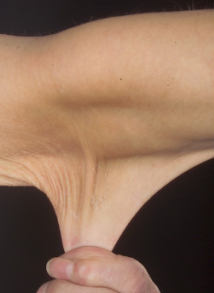
As Síndromes de Ehlers-Danlos (SED) são um grupo de doenças hereditárias (que passam de pais para filhos) que afetam o tecido conjuntivo do corpo. Elas têm características clínicas (sintomas) e genéticas (causas nos genes) muito variadas, e são marcadas principalmente por articulações excessivamente flexíveis (que se movem mais do que o normal), pele que estica muito (mais elástica que o comum) e tecidos mais frágeis.
Introdução
O que você precisa saber de cara
A síndrome de Ehlers-Danlos é um grupo de distúrbios que afetam os tecidos conjuntivos que sustentam a pele, os ossos, os vasos sanguíneos e muitos outros órgãos e tecidos. Defeitos nos tecidos conjuntivos causam os sinais e sintomas dessas condições, que variam de articulações levemente frouxas a complicações potencialmente mortais.
As várias formas da síndrome de Ehlers-Danlos foram classificadas de diferentes maneiras. Originalmente, 11 formas da síndrome de Ehlers-Danlos foram nomeadas usando numerais romanos para indicar os tipos (tipo I, tipo II, e assim por diante). Em 1997, pesquisadores propuseram uma classificação mais simples (a nomenclatura de Villefranche) que reduziu o número de tipos para seis e lhes atribuiu nomes descritivos baseados em suas principais características. Em 2017, a classificação foi atualizada para incluir formas raras da síndrome de Ehlers-Danlos que foram identificadas mais recentemente. A classificação de 2017 descreve 13 tipos da síndrome de Ehlers-Danlos.
Uma amplitude de movimento articular incomumente grande (hipermobilidade) ocorre na maioria das formas da síndrome de Ehlers-Danlos, sendo uma característica marcante do tipo hipermóvel. Bebês e crianças com hipermobilidade frequentemente apresentam tônus muscular fraco (hipotonia), o que pode atrasar o desenvolvimento de habilidades motoras como sentar, ficar em pé e caminhar. As articulações frouxas são instáveis e propensas a luxações e dor crônica. No tipo arthrochalasia da síndrome de Ehlers-Danlos, os bebês apresentam hipermobilidade e luxações de ambos os quadris ao nascer.
Muitas pessoas com as síndromes de Ehlers-Danlos têm pele macia, aveludada, altamente elástica (elástica) e frágil. As pessoas afetadas tendem a apresentar hematomas com facilidade, e alguns tipos da condição também causam cicatrização anormal. Pessoas com a forma clássica da síndrome de Ehlers-Danlos apresentam feridas que se abrem com pouco sangramento e deixam cicatrizes que se alargam ao longo do tempo, criando cicatrizes características em forma de “papel de cigarro”. O tipo dermatosparaxis do distúrbio é caracterizado por pele frouxa que cede e forma rugas, podendo estar presentes pregas de pele extras (redundantes).
Problemas de sangramento são comuns no tipo vascular da síndrome de Ehlers-Danlos e são causados por rupturas (ruptura) imprevisíveis de vasos sanguíneos e órgãos. Essas complicações podem levar a hematomas fáceis, sangramento interno, um furo na parede do intestino (perfuração intestinal) ou AVC. Durante a gravidez, mulheres com síndrome de Ehlers-Danlos vascular podem apresentar ruptura do útero. Outras formas da síndrome de Ehlers-Danlos que envolvem ruptura dos vasos sanguíneos incluem os tipos cifoescoliótico, clássico e clássico-similar.
Outros tipos da síndrome de Ehlers-Danlos apresentam sinais e sintomas adicionais. O tipo cardíaco-valvular causa problemas graves nas válvulas que controlam o fluxo de sangue através do coração. Pessoas com o tipo cifoescoliótico experimentam curvatura severa da coluna que piora com o tempo e pode interferir na respiração ao restringir a expansão pulmonar. Um tipo de síndrome de Ehlers-Danlos chamado síndrome da córnea frágil é caracterizado pela finura da camada transparente do olho (a córnea) e outras anomalias oculares. O tipo espondilodispástico apresenta baixa estatura e anomalias esqueléticas, como membros anormalmente curvados (arqueados). Anomalias musculares, incluindo hipotonia e articulações permanentemente dobradas (contraturas), estão entre os sinais característicos das formas musculocontractural e miopática da síndrome de Ehlers-Danlos. O tipo periodontal causa anomalias nos dentes e nas gengivas.
Fonte: MedlinePlus Genetics (NLM/NIH), traduzidoAs Síndromes de Ehlers-Danlos (SED) são um grupo de doenças hereditárias (que passam de pais para filhos) que afetam o tecido conjuntivo do corpo. Elas têm características clínicas (sintomas) e genéticas (causas nos genes) muito variadas, e são marcadas principalmente por articulações excessivamente flexíveis (que se movem mais do que o normal), pele que estica muito (mais elástica que o comum) e tecidos mais frágeis.
Escala de raridade
<1/50kMuito rara
1/20kRara
1/10kPouco freq.
1/5kIncomum
1/2k
Encontrou um erro ou informação desatualizada? Sugira uma correção →
Entender a doença
Do básico ao detalhe, leia no seu ritmo
Preparando trilha educativa...
Sinais e sintomas
O que aparece no corpo e com que frequência cada sintoma acontece
Partes do corpo afetadas
+ 251 sintomas em outras categorias
Características mais comuns
Os sintomas variam de pessoa para pessoa. Abaixo estão as 657 características clínicas mais associadas, ordenadas por frequência.
Linha do tempo da pesquisa
Encontrou um erro ou informação desatualizada? Sugira uma correção →
Genética e causas
O que está alterado no DNA e como passa nas famílias
Genes associados
23 genes identificados com associação a esta condição. Padrão de herança: Autosomal dominant, Autosomal recessive, X-linked recessive.
Curadoria gene-doença
fontes oficiaisCaffey disease
An autosomal dominant disorder characterized by an infantile episode of massive subperiosteal new bone formation that typically involves the diaphyses of the long bones, mandible, and clavicles. The involved bones may also appear inflamed, with painful swelling and systemic fever often accompanying the illness. The bone changes usually begin before 5 months of age and resolve before 2 years of age.
Periventricular nodular heterotopia 1
A developmental disorder characterized by the presence of periventricular nodules of cerebral gray matter, resulting from a failure of neurons to migrate normally from the lateral ventricular proliferative zone, where they are formed, to the cerebral cortex. PVNH1 is an X-linked dominant form. Heterozygous females have normal intelligence but suffer from seizures and various manifestations outside the central nervous system, especially related to the vascular system. Hemizygous affected males die in the prenatal or perinatal period.
Geleophysic dysplasia 1
An autosomal recessive disorder characterized by severe short stature, short hands and feet, joint limitations, and skin thickening. Radiologic features include delayed bone age, cone-shaped epiphyses, shortened long tubular bones, and ovoid vertebral bodies. Affected individuals have characteristic facial features including a 'happy' face with full cheeks, shortened nose, hypertelorism, long and flat philtrum, and thin upper lip. Other distinctive features include progressive cardiac valvular thickening often leading to an early death, toe walking, tracheal stenosis, respiratory insufficiency, and lysosomal-like storage vacuoles in various tissues.
Brittle cornea syndrome 2
A disorder characterized by extreme corneal thinning resulting in corneal rupture after minor trauma, blue sclerae, keratoconus or keratoglobus, hyperelasticity of the skin, and hypermobile joints.
Brittle cornea syndrome 1
An autosomal recessive disorder characterized by extreme corneal thinning resulting in corneal rupture after minor trauma, blue sclerae, keratoconus or keratoglobus, hyperelasticity of the skin, and hypermobility of the joints. It shares some features with, but is much less severe than, the ocular form of Ehlers-Danlos syndrome (EDS6).
Ehlers-Danlos syndrome, musculocontractural type 2
A form of Ehlers-Danlos syndrome characterized by progressive multisystem manifestations, including joint dislocations and deformities, skin hyperextensibility, skin bruisability and fragility with recurrent large subcutaneous hematomas, cardiac valvular, respiratory, gastrointestinal, and ophthalmologic complications. Motor developmental delay is associated with muscle hypoplasia, muscle weakness, and an abnormal muscle fiber pattern in histology in adulthood.
Ehlers-Danlos syndrome, dermatosparaxis type
A form of Ehlers-Danlos syndrome, a group of connective tissue disorders characterized by skin hyperextensibility, articular hypermobility, and tissue fragility. EDSDERMS is an autosomal recessive form characterized by extreme skin fragility and easy bruising, large fontanels, blue sclerae, puffy eyelids, micrognathia, umbilical hernia, and short fingers. Joint hypermobility becomes more important with age.
Ehlers-Danlos syndrome, classic type, 1
A form of Ehlers-Danlos syndrome, a group of connective tissue disorders characterized by skin hyperextensibility, articular hypermobility, and tissue fragility. The main features of classic Ehlers-Danlos syndrome are joint hypermobility and dislocation, and fragile, bruisable skin. EDSCL1 inheritance is autosomal dominant.
Ullrich congenital muscular dystrophy 2
A form of Ullrich congenital muscular dystrophy, a disease characterized by generalized muscle weakness and striking hypermobility of distal joints in conjunction with variable contractures of more proximal joints and normal intelligence. Additional findings may include kyphoscoliosis, protruded calcanei, and follicular hyperkeratosis (rough skin). More severely affected patients manifest at birth and never achieve independent ambulation, while patients with milder phenotypes might maintain ambulation into adulthood. UCMD2 is a severe, autosomal recessive form with onset at birth.
Intervertebral disc disease
A common musculo-skeletal disorder caused by degeneration of intervertebral disks of the lumbar spine. It results in low-back pain and unilateral leg pain.
Ehlers-Danlos syndrome, vascular type
A severe form of Ehlers-Danlos syndrome, a group of connective tissue disorders characterized by skin hyperextensibility, articular hypermobility, and tissue fragility. EDSVASC is an autosomal dominant disease characterized by joint and dermal manifestations as in other forms of the syndrome, and by proneness to spontaneous rupture of bowel and large arteries. The vascular complications may affect all anatomical areas.
Ehlers-Danlos syndrome, spondylodysplastic type, 2
A form of Ehlers-Danlos syndrome, a group of connective tissue disorders characterized by skin hyperextensibility, articular hypermobility, and tissue fragility. EDSSPD2 is an autosomal recessive form characterized by an aged appearance, developmental delay, short stature, craniofacial disproportion, generalized osteopenia, defective wound healing, hypermobile joints, hypotonic muscles, and loose but elastic skin.
Ehlers-Danlos syndrome, musculocontractural type 1
A form of Ehlers-Danlos syndrome characterized by distinctive craniofacial dysmorphism, congenital contractures of thumbs and fingers, clubfeet, severe kyphoscoliosis, muscular hypotonia, hyperextensible thin skin with easy bruisability and atrophic scarring, wrinkled palms, joint hypermobility, and ocular involvement.
Ehlers-Danlos syndrome, classic type, 2
A form of Ehlers-Danlos syndrome, a group of connective tissue disorders characterized by skin hyperextensibility, articular hypermobility, and tissue fragility. The main features of classic Ehlers-Danlos syndrome are joint hypermobility and dislocation, and fragile, bruisable skin. EDSCL2 inheritance is autosomal dominant.
Ehlers-Danlos syndrome, kyphoscoliotic type, 1
A form of Ehlers-Danlos syndrome, a group of connective tissue disorders characterized by skin hyperextensibility, articular hypermobility, and tissue fragility. EDSKSCL1 is an autosomal recessive form characterized by severe muscle hypotonia at birth, generalized joint laxity, scoliosis at birth, and scleral fragility and rupture of the ocular globe.
Ehlers-Danlos syndrome, spondylodysplastic type, 3
A form of Ehlers-Danlos syndrome, a group of connective tissue disorders characterized by skin hyperextensibility, articular hypermobility, and tissue fragility. EDSSPD3 is an autosomal recessive form characterized by a generalized skeletal dysplasia involving mainly the spine and striking clinical abnormalities of the hands, in addition to classic features of Ehlers-Danlos syndrome. Clinical features include postnatal growth retardation, moderate short stature, protuberant eyes with bluish sclerae, hands with finely wrinkled palms, atrophy of the thenar muscles, and tapering fingers. Radiologic features include mild to moderate platyspondyly, mild to moderate osteopenia of the spine, small ileum, flat proximal femoral epiphyses, short, wide femoral necks, and broad metaphyses (elbows, knees, wrists, and interphalangeal joints).
Ehlers-Danlos syndrome, spondylodysplastic type, 1
A form of Ehlers-Danlos syndrome, a group of connective tissue disorders characterized by skin hyperextensibility, articular hypermobility, and tissue fragility. EDSSPD1 is an autosomal recessive form characterized by short stature, developmental anomalies of the forearm bones and elbow, and bowing of extremities, in addition to the classic features of Ehlers-Danlos syndrome.
Complement component C1s deficiency
A rare defect resulting in C1 deficiency and impaired activation of the complement classical pathway. C1 deficiency generally leads to severe immune complex disease with features of systemic lupus erythematosus and glomerulonephritis.
Ehlers-Danlos syndrome, arthrochalasia type, 2
A form of Ehlers-Danlos syndrome, a connective tissue disorder characterized by hyperextensible skin, atrophic cutaneous scars due to tissue fragility and joint hyperlaxity. EDSARTH2 is an autosomal dominant condition characterized by frequent congenital hip dislocation and extreme joint laxity with recurrent joint subluxations and minimal skin involvement.
Ehlers-Danlos syndrome, periodontal type, 1
A form of Ehlers-Danlos syndrome, a connective tissue disorder characterized by hyperextensible skin, atrophic cutaneous scars due to tissue fragility and joint hyperlaxity. EDSPD1 is characterized by the association of typical features of Ehlers-Danlos syndrome with gingival recession and severe early-onset periodontal disease, leading to premature loss of permanent teeth. EDSPD1 inheritance is autosomal dominant.
Ehlers-Danlos syndrome, kyphoscoliotic type, 2
A form of Ehlers-Danlos syndrome, a group of connective tissue disorders characterized by skin hyperextensibility, articular hypermobility, and tissue fragility. EDSKSCL2 is an autosomal recessive form characterized by severe generalized hypotonia at birth, myopathy, early-onset progressive kyphoscoliosis, joint hypermobility without contractures, hyperelastic skin with follicular hyperkeratosis, easy bruising, and occasional abnormal scarring, sensorineural hearing impairment, and normal pyridinoline excretion in urine.
Ehlers-Danlos syndrome, classic-like, 1
A form of Ehlers-Danlos syndrome, a group of connective tissue disorders characterized by skin hyperextensibility, articular hypermobility, and tissue fragility. EDSCLL1 patients lack atrophic scars, a major diagnostic criteria for classic Ehlers-Danlos syndrome. Delayed wound healing is only present in a subset of patients. EDSCLL1 inheritance is autosomal recessive.
Ehlers-Danlos syndrome, classic-like, 2
A variant form of Ehlers-Danlos syndrome, a connective tissue disorder. EDSCLL2 patients show severe joint and skin laxity, osteoporosis affecting the hips and spine, osteoarthritis, soft redundant skin that can be acrogeria-like, delayed wound healing with abnormal atrophic scarring, and shoulder, hip, knee, and ankle dislocations. Additional variable features include gastrointestinal and genitourinary manifestations (bowel rupture, gut dysmotility, cryptorchidism, and hernias), vascular complications (mitral valve prolapse and aortic root dilation), and skeletal anomalies. EDSCLL2 inheritance is autosomal recessive.
Variantes genéticas (ClinVar)
3.000 variantes patogênicas registradas no ClinVar.
Classificação de variantes (ClinVar)
Distribuição de 15.680 variantes classificadas pelo ClinVar.
Vias biológicas (Reactome)
47 vias biológicas associadas aos genes desta condição.
Diagnóstico
Os sinais que médicos procuram e os exames que confirmam
Tratamento e manejo
Remédios, cuidados de apoio e o que precisa acompanhar
Onde tratar no SUS
Hospitais de referência no Brasil e o protocolo oficial do SUS (PCDT)
🇧🇷 Atendimento SUS — Síndrome Ehlers-Danlos
Centros de Referência SUS
24 centros habilitados pelo SUS para Síndrome Ehlers-Danlos
Centros para Síndrome Ehlers-Danlos
Detalhes dos centros
Hospital Universitário Prof. Edgard Santos (HUPES)
R. Dr. Augusto Viana, s/n - Canela, Salvador - BA, 40110-060 · CNES 0003808
Serviço de Referência
Hospital Infantil Albert Sabin
R. Tertuliano Sales, 544 - Vila União, Fortaleza - CE, 60410-794 · CNES 2407876
Serviço de Referência
Hospital de Apoio de Brasília (HAB)
AENW 3 Lote A Setor Noroeste - Plano Piloto, Brasília - DF, 70684-831 · CNES 0010456
Serviço de Referência
Hospital Estadual Infantil e Maternidade Alzir Bernardino Alves (HIABA)
Av. Min. Salgado Filho, 918 - Soteco, Vila Velha - ES, 29106-010 · CNES 6631207
Serviço de Referência
Hospital das Clínicas da UFG
Rua 235 QD. 68 Lote Área, Nº 285, s/nº - Setor Leste Universitário, Goiânia - GO, 74605-050 · CNES 2338424
Serviço de Referência
Hospital Universitário da UFJF
R. Catulo Breviglieri, Bairro - s/n - Santa Catarina, Juiz de Fora - MG, 36036-110 · CNES 2297442
Atenção Especializada
Hospital das Clínicas da UFMG
Av. Prof. Alfredo Balena, 110 - Santa Efigênia, Belo Horizonte - MG, 30130-100 · CNES 2280167
Serviço de Referência
Hospital Universitário Julio Müller (HUJM)
R. Luis Philippe Pereira Leite, s/n - Alvorada, Cuiabá - MT, 78048-902 · CNES 2726092
Atenção Especializada
Hospital Universitário João de Barros Barreto
R. dos Mundurucus, 4487 - Guamá, Belém - PA, 66073-000 · CNES 2337878
Serviço de Referência
Hospital Universitário Lauro Wanderley (HULW)
R. Tabeliao Estanislau Eloy, 585 - Castelo Branco, João Pessoa - PB, 58050-585 · CNES 0002470
Atenção Especializada
Instituto de Medicina Integral Prof. Fernando Figueira (IMIP)
R. dos Coelhos, 300 - Boa Vista, Recife - PE, 50070-902 · CNES 0000647
Serviço de Referência
Hospital Pequeno Príncipe
R. Des. Motta, 1070 - Água Verde, Curitiba - PR, 80250-060 · CNES 3143805
Serviço de Referência
Hospital Universitário Regional de Maringá (HUM)
Av. Mandacaru, 1590 - Parque das Laranjeiras, Maringá - PR, 87083-240 · CNES 2216108
Atenção Especializada
Hospital de Clínicas da UFPR
R. Gen. Carneiro, 181 - Alto da Glória, Curitiba - PR, 80060-900 · CNES 2364980
Serviço de Referência
Hospital Universitário Pedro Ernesto (HUPE-UERJ)
Blvd. 28 de Setembro, 77 - Vila Isabel, Rio de Janeiro - RJ, 20551-030 · CNES 2280221
Serviço de Referência
Instituto Nacional de Saúde da Mulher, da Criança e do Adolescente Fernandes Figueira (IFF/Fiocruz)
Av. Rui Barbosa, 716 - Flamengo, Rio de Janeiro - RJ, 22250-020 · CNES 2269988
Serviço de Referência
Hospital São Lucas da PUCRS
Av. Ipiranga, 6690 - Jardim Botânico, Porto Alegre - RS, 90610-000 · CNES 2232928
Serviço de Referência
Hospital de Clínicas de Porto Alegre (HCPA)
Rua Ramiro Barcelos, 2350 Bloco A - Av. Protásio Alves, 211 - Bloco B e C - Santa Cecília, Porto Alegre - RS, 90035-903 · CNES 2237601
Serviço de Referência
Hospital Universitário da UFSC (HU-UFSC)
R. Profa. Maria Flora Pausewang - Trindade, Florianópolis - SC, 88036-800 · CNES 2560356
Serviço de Referência
Hospital das Clínicas da FMUSP
R. Dr. Ovídio Pires de Campos, 225 - Cerqueira César, São Paulo - SP, 05403-010 · CNES 2077485
Serviço de Referência
Hospital de Base de São José do Rio Preto
Av. Brg. Faria Lima, 5544 - Vila Sao Jose, São José do Rio Preto - SP, 15090-000 · CNES 2079798
Atenção Especializada
Hospital de Clínicas da UNICAMP
R. Vital Brasil, 251 - Cidade Universitária, Campinas - SP, 13083-888 · CNES 2748223
Serviço de Referência
Hospital de Clínicas de Ribeirão Preto (HCRP-USP)
R. Ten. Catão Roxo, 3900 - Vila Monte Alegre, Ribeirão Preto - SP, 14015-010 · CNES 2082187
Serviço de Referência
UNIFESP / Hospital São Paulo
R. Napoleão de Barros, 715 - Vila Clementino, São Paulo - SP, 04024-002 · CNES 2688689
Serviço de Referência
Dados de DATASUS/CNES, SBGM, ABNeuro e Ministério da Saúde. Sempre confirme a disponibilidade diretamente com o estabelecimento.
Pesquisa ativa
Ensaios clínicos abertos e novidades científicas recentes
Ensaios em destaque
Com ensaio aberto em 7 países. O ponto verde marca onde há vaga agora.
🟢 Recrutando agora
15 pesquisas recrutando participantes. Converse com seu médico sobre a possibilidade de participar.
Outros ensaios clínicos
88 ensaios clínicos encontrados, 26 ativos.
Publicações mais relevantes
Mostrando amostra de 200 publicações de um total de 2.208
Children and adolescents with disorders of gut-brain interaction with comorbid hypermobility and orthostatic intolerance have worse outcomes.
Disorders of gut-brain interaction (DGBI) affect about 40% of children and are often comorbid with hypermobility spectrum disorders (HSDs) and orthostatic intolerance (OI). However, how these comorbidities impact outcomes in pediatric DGBI is not well understood. This study aimed to compare outcomes in DGBI patients with HSD, OI, both, or neither. We reviewed records of patients aged 9-21 years from a multidisciplinary DGBI clinic. Patients met Rome IV criteria for DGBI and had documented HSD and/or OI diagnoses from specialists in gastroenterology, rheumatology, genetics, cardiology, adolescent medicine, and others. HSD terms included Ehlers-Danlos syndrome, hypermobile Ehlers-Danlos syndrome, and generalized hypermobility; OI terms included postural orthostatic tachycardia syndrome, dysautonomia, and orthostatic hypotension. Clinical data included the following validated questionnaires: abdominal pain index, nausea severity scale, functional disability inventory, patient health questionnaire-9 (Depression), children somatization inventory, pediatric insomnia severity index, pain catastrophizing scale for children, and screen for child anxiety related disorders (Anxiety). We compared DGBI patients with both HSD and OI, those with either disorder, and those without. Of 175 patients, 46% had HSD and 43% had OI. Patients with both HSD and OI had significantly worse nausea, depression, disability, and somatization scores than others (p < 0.01). HSD and OI groups individually also showed worse outcomes than non-HSD/non-OI groups. Moderate correlations were found between depression and anxiety in OI and nausea and disability in HSD. Comorbid HSD and OI worsen DGBI symptoms. Accurate diagnosis and treatment are critical to improving outcomes due to shared autonomic dysfunction.
Spontaneous coronary artery dissection and vascular Ehlers-Danlos syndrome: a systematic review and case series.
Spontaneous coronary artery dissection (SCAD) is a cause of acute myocardial infarction predominantly affecting adult women. A proportion of SCAD cases are associated with rare heritable connective tissue disorders. Vascular EDS (vEDS), due to deleterious variants in COL3A1, is one of the most common of these. Our aim was to identify specific features of SCAD in vEDS which may aid patient selection for genetic testing. A systematic review of published cases of individuals with SCAD and vEDS was conducted. Additionally, patients with SCAD and genetically confirmed vEDS (SCAD-vEDS) were identified through the UK national EDS service and UK SCAD registry. Data were collected on presentation, management and extra-cardiac findings. Angiography was compared with an age and sex-matched, exome sequenced, control cohort with SCAD but without vEDS (SCAD-nonvEDS). Data from ten SCAD-vEDS patients were identified. There was a lower average age of SCAD and higher proportion of males in individuals with SCAD-vEDS, however differences should be interpreted carefully given cohort size. Fifty-six cases of SCAD-vEDS were identified through systematic review. Systemic features were present in most but not all cases. This report presents a new, angiographically characterised case-control cohort along with a systematic review of the current literature. Whilst clinical differences appear between the SCAD-vEDS and SCAD-nonvEDS groups, these are insufficient to accurately distinguish SCAD-vEDS from the general SCAD population. All individuals with SCAD should be evaluated for underlying vEDS but clinical assessment will miss some cases. Wider genetic testing in some SCAD patients may be merited to enable appropriate management. Systematic review registration: https://www.crd.york.ac.uk/prospero/536751 Identifier: 536751.
Generation of an induced pluripotent stem cell and isogenic control line from a vascular Ehlers-Danlos Syndrome (vEDS) patient harboring a pathogenic c.755G>T in the COL3A1 gene.
We report the generation and characterization of a collagen III-mutant human iPSC line (JHUi007-A) and an isogenic gene-edited control (JHUi007-A-1). Reprogramming of dermal fibroblasts, obtained from a patient with vascular Ehlers-Danlos syndrome (vEDS) carrying the COL3A1 c.755G>T variant, was performed using integration-free Sendai virus. Isogenic controls were produced by CRISPR/Cas9 gene editing. Both lines displayed typical morphologies, expressed stemness factors, formed derivatives of all three germ layers, and maintained a normal karyotype. These lines readily differentiated into vascular smooth muscle cells with cytoskeletal differences between vEDS and control cells, confirming the utility of this resource to study disease processes.
Prevalence of Intracranial and Cervical Artery Abnormalities in Patients with Hypermobile Ehlers-Danlos Syndrome and Hypermobility Spectrum Disorders Presenting to an Academic Headache Clinic.
Background/Objective: It remains unknown whether patients with the more common forms of hypermobility carry an elevated risk for the development of intracranial/cervical artery abnormalities. The objective of this study was to determine the prevalence of unruptured intracranial aneurysms, spontaneous cervical artery dissections, and fibromuscular dysplasia in patients with hypermobile Ehlers-Danlos Syndrome (hEDS) and hypermobility spectrum disorders (HSD) who presented to an academic headache clinic. Methods: This is a retrospective cohort study. We used an electronic medical record to look for all patients seen at the Mayo Clinic Florida Headache Center and EDS Clinic between 2019 and 2025 with a diagnosis of hEDS or HSD and neuroimaging of both the intracranial and cervical arteries. Results: There were 103 patients who met the inclusion criteria. There was no statistically significant difference between hEDS and HSD patients in developing cerebral/cervical arterial anomalies. Of the sample, 95% of the hypermobile patients with abnormal neuroimaging also had migraine. A total of eleven (10.7%) patients (hEDS + HSD) were diagnosed with unruptured intracranial aneurysms. Trends included age less than 50 years, small aneurysms in the anterior circulation, and having migraine with aura. Five (4.8%) patients were diagnosed with spontaneous cervical artery dissection with trends for HSD, over the age of 50 years, vertebral artery involvement and a history of migraine without aura. Six (5.8%) patients were diagnosed with fibromuscular dysplasia with trends for HSD, over the age of 50 years, carotid artery involvement and a history of migraine with aura. Conclusions: This is the first study to identify that patients with the more common type of EDS, HSD and hEDS, and a possible concomitant history of migraine have a heightened risk for the development of unruptured intracranial aneurysms, spontaneous cervical artery dissections, and fibromuscular dysplasia. Our findings suggest the need for targeted screening with intracranial and extracranial arterial imaging for this unique patient population.
Shared autonomic phenotype of long COVID and myalgic encephalomyelitis/chronic fatigue syndrome.
Long COVID and myalgic encephalomyelitis/chronic fatigue syndrome (ME/CFS) are relatively common and disabling multisystem disorders that share overlapping features, including post-infectious onset and similar clinical manifestations such as brain fog, fatigue, muscle pain, and dysautonomia with orthostatic intolerance. These similarities suggest that Long COVID and ME/CFS may share common pathophysiological mechanisms, though the underlying mechanisms remain poorly understood, partly due to the difficulty in quantifying many of the symptoms. This retrospective study evaluated Long COVID and pre-COVID ME/CFS patients who completed autonomic testing between 2018 and 2023 at the Brigham and Women's Faulkner Hospital Autonomic Laboratory. The evaluations included autonomic tests (Valsalva maneuver, deep breathing, tilt-table test, and sudomotor function) with capnography and transcranial Doppler monitoring of cerebral blood flow velocity (CBFv) in the middle cerebral artery, neuropathic assessment through skin biopsies for small fiber neuropathy (SFN), invasive cardiopulmonary exercise testing (ICPET), and laboratory analyses covering metabolic, inflammatory, autoimmune, and hormonal profiles. A total of 143 Long COVID and 170 ME/CFS patients were analyzed and compared to 73 healthy controls and 290 patients with hypermobile Ehlers-Danlos syndrome (hEDS). Tests revealed extensive similarities between Long COVID and ME/CFS, including reduced orthostatic CBFv (92%/88% in Long COVID/ME/CFS), mild-to-moderate widespread autonomic failure (95%/89%), presence of SFN (67%/53%), postural tachycardia syndrome (POTS) (22%/19%), neurogenic orthostatic hypotension (15%/15%) and preload failure (96%/92%, assessed in 25/66 Long COVID/ME/CFS). Patients with hEDS exhibited more severe peripheral neurodegeneration compared to the other groups. Laboratory tests did not distinguish between the conditions. Both Long COVID and ME/CFS demonstrate dysregulation in cerebrovascular blood flow, autonomic reflexes, and small fiber neuropathy, suggesting that these conditions may share a common underlying pathophysiology. However, differing distributions of findings in patients with hEDS raise the question of whether these conditions represent distinct but overlapping syndromes or reflect a shared underlying pathway. Further research is required to clarify the relationship between these conditions and the potential underlying pathophysiological mechanisms.
Publicações recentes
Females with hypermobile Ehlers-Danlos syndrome self-report more sexual problems than chronic pain controls without hypermobility, males, or patients with hypermobile spectrum disorders.
🥈 ObservacionalA safe seal: controlled flow arrest with dual balloon protection for embolisation of a large spontaneous splenic arteriovenous fistula-a case report.
The prevalence of dysautonomia in chronic musculoskeletal pain: a systematic review and meta-analysis.
Tourniquet Use and Anesthesiology Considerations in Patients With Hypermobile Ehlers-Danlos Syndrome: Balancing Orthopedic Needs With Anesthetic Safety.
Spectrum of Respiratory Involvement in Ehlers-Danlos Syndrome: Insights From a Case Report.
📚 EuropePMC3.240 artigos no totalmostrando 200
Sleep-Related Hypoventilation in a Patient With Ehlers-Danlos Syndrome.
CureusPulmonary hemorrhage as an early clue: an integrated clinical-imaging-genetic diagnostic insight for vascular Ehlers-Danlos syndrome.
Orphanet journal of rare diseasesCraniocervical instability after inadvertent neck hyperextension in Ehlers-Danlos syndrome: a retrospective case series and literature review.
BMC neurologyAortic dissection during the perinatal period in women with Marfan-related disorders: a retrospective cohort study using the Japanese Diagnosis Procedure Combination database.
The journal of maternal-fetal & neonatal medicine : the official journal of the European Association of Perinatal Medicine, the Federation of Asia and Oceania Perinatal Societies, the International Society of Perinatal ObstetriciansA laboratory micro-CT technique is useful to visualize and characterize dermal skin components in a 3D manner.
Experimental and therapeutic medicineChildren and adolescents with disorders of gut-brain interaction with comorbid hypermobility and orthostatic intolerance have worse outcomes.
Journal of pediatric gastroenterology and nutritionImplications of Dermatologic Disorders in Facial Cosmetic Surgery: A Systematic Review.
Annals of plastic surgerySpontaneous coronary artery dissection and vascular Ehlers-Danlos syndrome: a systematic review and case series.
European journal of human genetics : EJHGTreating Ehlers-Danlos Syndrome in moderate crowding Class I cases.
Journal of clinical orthodontics : JCOOral Manifestations of Non Vascular Ehlers-Danlos Syndrome Cross-Sectional Study.
Oral diseasesSurgical screening protocol for craniocervical instability secondary to ehlers-danlos syndrome and other connective tissue disorders: analysis of a 347 patient case series.
Neurosurgical review[Analysis of clinical features and genetic variants in a Chinese pedigree affected with Spondyloepiphyseal dysplasia type Ehlers-Danlos syndrome due to variants of B3GALT6 gene].
Zhonghua yi xue yi chuan xue za zhi = Zhonghua yixue yichuanxue zazhi = Chinese journal of medical geneticsVascular Ehlers-Danlos syndrome with ruptured thoracic aortic aneurysm complicated by vascular graft and endograft infection and aortobronchial fistula.
Journal of vascular surgery cases and innovative techniquesImpaired attention and cognitive deficits associated with pain and autonomic symptoms in hypermobile Ehlers-Danlos syndrome: a pilot study.
Clinical autonomic research : official journal of the Clinical Autonomic Research SocietyEfficacy of Lidocaine Infusion in the Management of Chronic Myofascial Pain and Intractable Migrainous Headache in a Patient With Hypermobile Ehlers-Danlos Syndrome: A Case Report.
CureusProximity extension assay-based serum proteomic profiling identifies shared protein signatures in hypermobile Ehlers-Danlos syndrome and hypermobility spectrum disorders.
Clinical proteomicsTimely Diagnosis and Management in Adult Patients With Ehlers-Danlos Syndrome Experiencing Gynaecological Bleeding.
Haemophilia : the official journal of the World Federation of HemophiliaPatients with Ehlers-Danlos syndrome experience reduced effectiveness of lidocaine local anesthetic: a randomized cross-over clinical trial.
Regional anesthesia and pain medicineIn-Vivo Force-Length Relationship of the Medial Gastrocnemius Muscle in Hypermobile Ehlers-Danlos Syndrome and Hypermobility Spectrum Disorders.
Journal of musculoskeletal & neuronal interactionsMulti-System Genetic Architecture of Hypermobile Ehlers-Danlos Syndrome: Integrating Machine Learning with Subject-Level Genomic Analysis.
GenesGeneration of an induced pluripotent stem cell and isogenic control line from a vascular Ehlers-Danlos Syndrome (vEDS) patient harboring a pathogenic c.755G>T in the COL3A1 gene.
Stem cell researchPrevalence of Intracranial and Cervical Artery Abnormalities in Patients with Hypermobile Ehlers-Danlos Syndrome and Hypermobility Spectrum Disorders Presenting to an Academic Headache Clinic.
Neurology internationalArteriopathies: Too big to be true.
Annals of pediatric cardiologyAn Online Pilates Program for People with Hypermobility: A Pragmatic Clinical Trial Looking at Function, Interoception, Kinesiophobia, and Physical Activity Levels.
Journal of multidisciplinary healthcareHealth experiences and outcomes of autistic and non-autistic adults with hypermobile Ehlers-Danlos syndrome and hypermobility spectrum disorder.
BMC medicineTikTok as a Platform for Patient Education and Health Information in Rare Genetic Diseases: Cross-Sectional Study.
JMIR formative researchDevelopmental, but not Homeostatic, Collagen V Expression Regulates Mature Murine Supraspinatus Tendon Structure, Function, and Gene Expression.
Journal of orthopaedic research : official publication of the Orthopaedic Research SocietyBend the fingers: Ehlers Danlos syndrome and the associated disorders that impact treatment of chronic musculoskeletal pain.
Journal of back and musculoskeletal rehabilitationGenetic testing in thoracic aortic disease: diagnostic performance of the 2024 ESC algorithm.
European heart journalBeyond antifungals: vaginal ceramides as a barrier-restorative strategy for recurrent vulvovaginal candidiasis in Ehlers-Danlos syndrome.
Annals of medicine and surgery (2012)A comparison of reverse shoulder arthroplasty and glenohumeral arthrodesis for end-stage shoulder instability.
JSES internationalRobotic-assisted Left Pneumonectomy For Vanishing Lung Syndrome.
Journal of visualized experiments : JoVESex differences in self-reported symptoms and comorbidities associated with hypermobile Ehlers-Danlos syndrome and hypermobility spectrum disorders: A retrospective study.
Research squareContemporary Outcomes of Thoracic Endovascular Aortic Repair in Patients with Syndromic Genetic Aortopathy: A Multi-Centre National Study.
Annals of vascular surgeryThe transitional pain service: a narrative review on the approach to managing chronic post-surgical pain.
Journal of anesthesiaDevelopment and evaluation of a vision pose-tracking based Beighton score tool for generalized joint hypermobility in individuals with suspected Ehlers-Danlos syndromes.
Biomedical engineering onlineSafety and Impacts of Physical Activity for Individuals Living With Hypermobility Spectrum Disorders and Hypermobile Ehlers-Danlos Syndrome: Protocol for a Scoping Review.
JMIR research protocolsIdiopathic Localized Acquired Cutis Laxa in an Adult Male: A Case Report.
CureusThe role of perceived social support for outcomes for the long-term health condition hypermobile Ehlers-Danlos syndrome.
Journal of health psychologyTenascin-XB plays a role in the infiltration of immune cells in tumor microenvironment.
Biomedical research (Tokyo, Japan)Intercostal nerve radiofrequency ablation for slipping rib syndrome: a case report.
Pain managementSex differences in aortopathy, arteriopathy, and mortality in vascular Ehlers-Danlos syndrome.
Journal of vascular surgeryKyphoscoliotic Ehlers-Danlos syndrome associated with superior mesenteric artery aneurysm and abdominal aortic rupture: a case report.
Frontiers in pediatricsComplications and Management of Ehlers-Danlos Syndromes and Hypermobility Spectrum Disorders: A Literature Review.
Orthopedic nursingCase Report: Neuropsychiatric improvement after treatment of pelvic venous disorder in a multisyndromic patient.
Frontiers in cardiovascular medicineReasons for Participating in the EDS-HEART Program: Holistic and Performative Within a Supportive Community.
International journal of environmental research and public healthHealth-Related Quality of Life in Midlife and Older Women With Hypermobile Ehlers-Danlos Syndrome and Hypermobility Spectrum Disorders.
Nursing for women's healthSpontaneous celiac artery dissection revealing vascular Ehlers-Danlos syndrome.
The American journal of medicineShared autonomic phenotype of long COVID and myalgic encephalomyelitis/chronic fatigue syndrome.
PloS one[Open Thoracoabdominal Aortic Replacement for Midaortic Syndrome and COL3A1 Variant].
Zentralblatt fur ChirurgieAssociation between Ehlers-Danlos syndrome and mast cell activation syndrome: Is there scientific evidence?
Revista clinica espanolaA typical canine Ehlers-Danlos-like syndrome without collagen abnormalities: a suspected case of Tenascin-X deficiency.
BMC veterinary researchSurgical Management of Combined Patellofemoral and Proximal Tibiofibular Joint Instability in a Patient With Ehlers-Danlos Syndrome.
Arthroscopy techniquesPostoperative complications following tonsillectomy in children with Ehlers-Danlos Syndrome.
International journal of pediatric otorhinolaryngologyHeart Rate Variability and Intrinsic Autonomic Coupling in Ehlers-Danlos Syndrome.
CureusScroll, like, diagnose? Evaluating mast cell activation syndrome information on TikTok.
Allergy and asthma proceedingsJoint hypermobility syndrome for the urogynaecologist - A narrative review.
European journal of obstetrics, gynecology, and reproductive biologyGenetic Determinants of Wound Healing: Monogenic Disorders and Polygenic Influence.
CellsVascular Phenotype of Kyphoscoliotic Ehlers-Danlos Syndrome.
Indian journal of pediatricsOutcomes and experiences of patients with hypermobile Ehlers-Danlos syndrome and hypermobility spectrum disorders undergoing surgical interventions: a scoping review.
Rheumatology internationalPulmonary Vascular Abnormalities and Spontaneous Pneumothorax in Loeys-Dietz Syndrome.
Pathology internationalNovel Use of Meniscal Allograft Arthroplasty for Basal Joint Arthritis in a Patient With Ehlers-Danlos Syndrome: A Case Report.
CureusChiari type 1 malformations and hypermobility spectrum disorder: clinical outcomes and the importance of the differential diagnosis.
Child's nervous system : ChNS : official journal of the International Society for Pediatric NeurosurgeryViolaceous Pretibial Plaques: A Clue to Periodontal Variant of Ehlers-Danlos Syndrome.
Fetal and pediatric pathologyNutrient intake, dietary patterns and relationship to symptoms and comorbidities in hypermobile Ehlers-Danlos syndrome.
Clinical nutrition (Edinburgh, Scotland)Bilateral Cranial Cruciate Ligament Rupture Treatment in a Dog Affected by Classical Ehlers-Danlos Syndrome.
Veterinary sciencesA de novo variant of the COL3A1 gene: causality of vascular Ehlers-Danlos syndrome.
Advances in laboratory medicineA Family with Meester-Loeys Syndrome Caused by a Novel Missense Variant in the BGN Gene.
International journal of molecular sciencesAssessment of Collagen and Fibroblast Properties via Label-Free Higher Harmonic Generation Microscopy in Three-Dimensional Models of Osteogenesis Imperfecta and Ehlers-Danlos Syndrome.
International journal of molecular sciencesClinical Presentation, Diagnostic Delays, and Treatment Outcomes in Postural Orthostatic Tachycardia Syndrome (POTS): An Observational Case Series Study in a Single-Centre District General Hospital.
CureusComprehensive Risk Profile of Gastrointestinal and Extra Articular Comorbidities in Ehlers-Danlos Syndrome: A Propensity-Matched Analysis of 118,256 Individuals.
Alimentary pharmacology & therapeuticsThe association of point-of-care coagulation testing with bleeding symptoms in patients with Ehlers-Danlos syndrome: an exploratory cross-sectional study.
Canadian journal of anaesthesia = Journal canadien d'anesthesieChest Imaging Findings and Tissue Biopsy Experience in a Patient with Type IV Ehlers-Danlos Syndrome: A Case Report.
Journal of the Korean Society of RadiologyComprehensive genetic screening of in vitro fertilized embryos using preimplantation genetic testing for monogenic gene disorders via the Sanger sequencing technique.
Molecular biology reportsA Caregiver's Perspective: Identifying "Zebras"-Listening to Patients is a Clinical Necessity.
Journal of patient experiencePerceived quality of life, fatigue and the metabolic cost of walking in generalized hypermobility spectrum disorder and hypermobile Ehlers-Danlos syndrome.
Frontiers in rehabilitation sciencesSources and consequences of self-doubt in patients with Ehlers-Danlos syndrome: a qualitative study in Europe and North America.
BMJ openChallenges in the Management of Patients with Vascular Ehlers-Danlos Syndrome: Lessons from three Clinical Cases.
European journal of case reports in internal medicineUnderlying Aortopathies in Pregnancy: Early Detection, Management, and Advanced Planning.
Cardiology in reviewSurgical management of progressive spinal deformities in FKBP14-associated Ehlers-Danlos syndrome: a case report and literature review.
Child's nervous system : ChNS : official journal of the International Society for Pediatric NeurosurgeryDistressing Bleeding Symptoms in Interviews of Patients With Hypermobile Ehlers-Danlos Syndrome and Hypermobility Spectrum Disorder.
Haemophilia : the official journal of the World Federation of HemophiliaDiaphragmatic Hernia in a Newborn With COL1A1-Associated Classical Ehlers-Danlos Syndrome.
Case reports in geneticsEnvironmental exposures, epithelial barrier dysfunction, and the evolving landscape of allergic disorders and asthma.
Current opinion in allergy and clinical immunologyAortic Tissue Proteome Alterations in Vascular Ehlers-Danlos Syndrome.
Journal of proteome researchClinical utility of chromosomal microarray and whole exome sequencing in evaluating genetic causes for pregnancy loss using products of conception specimens.
Journal of perinatal medicineHuman Proteoglycan Linkage Region Glycosyltransferases are Dimeric and Show Unexpected Specificities.
Angewandte Chemie (International ed. in English)Hybrid prosthesis in frozen elephant trunk procedures for hereditary thoracic aortic diseases: a 14-year single-aortic center experience.
Journal of cardiothoracic surgeryWhat Factors and Patient-reported Outcome Measures Are Associated With Stress Fracture After Periacetabular Osteotomy?
Clinical orthopaedics and related researchCompression garments in hypermobile Ehlers-Danlos syndrome and hypermobility spectrum disorders: a retrospective cohort study.
BMC musculoskeletal disordersTo Ground Research in the Lived Experience of Patients and Caregivers, Give Us a Voice!
Annals of family medicinePlatelet defects in patients and mice with Ehlers-Danlos syndrome.
BloodUnderstanding Comorbidities in Hypermobile Ehlers-Danlos Syndrome: Could a Viral Infection Lead to a Diagnosis?
medRxiv : the preprint server for health sciencesFunctional analysis of a novel variant in the COL5A1 gene in a Polish patient with the classical type of Ehlers-Danlos syndrome.
Frontiers in geneticsPulmonary vascular Ehlers-Danlos syndrome with hemoptysis as the main manifestation: CT and histologic findings of lung parenchymal damage.
Orphanet journal of rare diseasesTo what extent do the muscles and tendons influence metabolic cost and exercise tolerance in the hypermobile Ehlers-Danlos Syndrome and Hypermobility Spectrum Disorders?
Clinical biomechanics (Bristol, Avon)Comparative assessment of left common iliac vein compression in patients with hypermobile Ehlers-Danlos syndrome, hypermobility spectrum disorder and healthy controls - A retrospective single-centre study.
PhlebologyHypothesis paper: high prevalence of Tinel sign in hypermobile Ehlers-Danlos syndrome.
Frontiers in neurologyNeurobiological and neuropsychological disturbance in EDS.
Frontiers in neurologyTreatment Modalities, Pain Response, and Referrals for Hypermobile Ehlers-Danlos Syndrome and Hypermobility Spectrum Disorders: A Retrospective Study.
Mayo Clinic proceedings. Innovations, quality & outcomesMultimodality Imaging for Thoracic Aortic Aneurysms.
Cardiology clinicsAebp1 loss in osteoprogenitors leads to skeletal defects resembling Ehlers-Danlos Syndrome by diminishing Wnt/β-catenin signaling.
JCI insightAssociations Between Pain and Substance Use Among Individuals Diagnosed with Ehlers-Danlos Syndromes or Generalized Hypermobility Spectrum Disorder.
International journal of behavioral medicineAggressive clinical course of vascular Ehlers-Danlos syndrome with a novel COL3A1 variant.
BMJ case reportsNonoperative Management of Infectious Mononucleosis-Associated Splenic Rupture: A Case Report.
WMJ : official publication of the State Medical Society of WisconsinConnective tissue changes in Ehlers-Danlos syndromes with and without axial spondyloarthropathy.
Journal of ultrasoundRare vascular presentation of PLOD1-related kyphoscoliotic Ehlers-Danlos syndrome in 10-year-old girl with severe arterial complications.
Kardiologia polskaElucidating the Molecular Basis in a Cohort of Patients With Combined Bleeding Tendencies and Joint Hypermobility Manifestations.
Haemophilia : the official journal of the World Federation of HemophiliaNo association between joint hypermobility, musculoskeletal pain and neurodevelopmental problems in a school-based sample of 11-year-old children.
BJPsych openPostpartum Presentation of a Variant of Uncertain Significance in COL3A1: A Case Report.
American journal of perinatologyCo-morbid monogenic disorders at chromosome region 1q2: LMNA- and FLG-related disorders in a patient referred for assessment of joint hypermobility.
Chromosome research : an international journal on the molecular, supramolecular and evolutionary aspects of chromosome biologyJoint Hypermobility: An Under-Recognised Cause of Palpitations, Dizziness, and Syncope in Young Females.
Journal of clinical medicineHypermobile Ehlers-Danlos Syndrome With Prominent Gastrointestinal and Autonomic Involvement in a Latin American Patient: A Case Report.
CureusEhlers-Danlos Syndrome: A Tale of Two Cases Highlighting Rare Subtypes and Diagnostic Considerations.
CureusWearable technology in the management of complex chronic illness: preliminary survey results on self-reported outcomes.
Frontiers in digital healthHow do people with disability and complex needs experience the built environment in apartments designed for people with disability?
Australian occupational therapy journalAutonomic symptom burden, comorbidities and quality of life in women with Hypermobility Spectrum Disorders and hypermobile Ehlers-Danlos syndrome.
Autonomic neuroscience : basic & clinicalExploring Transdiagnostic Eating Disorder Symptoms and Disorder of Gut-Brain Interaction Symptoms in Individuals With Connective Tissue Disorders.
The International journal of eating disordersIntersecting Pathologies: COL1A1-Related Syndrome in the Setting of Childhood-Onset Hypopituitarism: Case Report and Literature Review.
Diagnostics (Basel, Switzerland)Percutaneous transhepatic coil embolisation of a common hepatic artery aneurysm in vascular Ehlers-Danlos syndrome.
CVIR endovascularIdiopathic intracranial hypertension and Ehlers-Danlos syndrome: a case series.
Journal of neurologyOutcomes of revisional bariatric surgery in patient with hypermobile Ehlers-Danlos syndrome.
Journal of surgical case reportsIntramuscular hemorrhage during rehabilitation in a post-stroke patient with vascular Ehlers-Danlos syndrome: a case report and review of spasticity-related muscle injury.
Frontiers in rehabilitation sciencesExploring the Association Between Median Arcuate Ligament Syndrome and Hypermobile Ehlers-Danlos Syndrome: A Case Report.
CureusClinical application of radiofrequency echographic multi-spectrometry (REMS) for diagnosis and follow-up in several rare bone disorders: a case series.
BMC medical imagingNovel ATP7A Splice-Site Variant Causing Distal Motor Neuropathy and Occipital Horn Syndrome: Two Siblings and Literature Review.
GenesAnti-Nuclear Antibody (ANA) Positivity and Nuclear Antigen Reactivity in Patients with Joint Hypermobility Syndrome/Hypermobile Ehlers Danlos Syndrome (JHS/hEDS).
BiomedicinesHealth Care Content and Engagement in Chronic Illness Instagram Posts: Content Analysis.
JMIR formative researchComplex Genetics and Regulatory Drivers of Hypermobile Ehlers-Danlos Syndrome: Insights from Genome-Wide Association Study Meta-analysis.
medRxiv : the preprint server for health sciencesEvidence of Altered Enteric Nervous System Structure Associated With Severe Dysmotility in a Patient With Ehlers-Danlos Syndrome.
ACG case reports journalCaution Remains Warranted in Pregnancy With Vascular Ehlers-Danlos Syndrome.
BJOG : an international journal of obstetrics and gynaecologyComplex Wound Reconstruction in a Patient With Ehlers-Danlos Syndrome.
Plastic and reconstructive surgery. Global openPrevalence of Hypermobile Ehlers-Danlos Syndrome in Transgender and Gender Diverse Individuals: A Retrospective Cohort Study.
LGBT healthA Rare Tetrad of Sickle Cell Disease, Vascular Ehlers-Danlos Syndrome, Primary Ciliary Dyskinesia, and Phelan-McDermid Syndrome in a Saudi Child: A Complex Multisystem Pediatric Case Report.
Pediatric reportsImprovement in Upper Limb and Systemic Myalgic Encephalomyelitis/Chronic Fatigue Syndrome (ME/CFS) Symptoms After Surgical Treatment of Neurogenic Thoracic Outlet Syndrome.
CureusPathologies of the cervical spine in skeletal syndromes and dysplasias.
Orthopaedics & traumatology, surgery & research : OTSRProteomic discoveries in hypermobile Ehlers-Danlos syndrome reveal insights into disease pathophysiology.
ImmunoHorizonsInterventional varicose vein therapy using endoluminal laser ablation (1940 nm) in patients with Ehlers-Danlos syndromes: two case reports.
Journal der Deutschen Dermatologischen Gesellschaft = Journal of the German Society of Dermatology : JDDGPeriodontal Manifestations of Systemic Diseases.
Journal of periodontal researchHeightened Revision Risk After Ankle Ligament Repair in Patients With Ehlers-Danlos Syndrome or Hypermobility Spectrum Disorder: A Propensity-Matched National Database Study.
Foot & ankle internationalKLK15 alters connective tissues in hypermobile Ehlers-Danlos syndrome.
iScienceVaried Presentations of Arterial Events in Vascular Ehlers-Danlos Syndrome.
JACC. Case reports[Vascular Ehlers-Danlos syndrome discovered after splenic aneurysm rupture: a case report].
Nihon Shokakibyo Gakkai zasshi = The Japanese journal of gastro-enterologyConservative Management of Massive Retroperitoneal Hemorrhage in a Patient with Vascular Ehlers-Danlos Syndrome: A Case Report.
Vascular specialist internationalMitral annular disjunction distance is associated with adverse outcomes in children and young adults with connective tissue disorders.
Journal of cardiovascular magnetic resonance : official journal of the Society for Cardiovascular Magnetic ResonanceAnesthetic Management of a Pregnant Patient With Ehlers-Danlos Syndrome Undergoing Elective Cesarean Delivery: A Case Report.
CureusMedian arcuate ligament syndrome: challenges, comorbidities, and controversies.
Current opinion in pediatricsPostdural Puncture Headache in a Patient With Thoracic Arachnoid Web With Known Joint Hypermobility: Case Report.
Pain medicine case reports[Ehlers-Danlos syndromes: Diagnosis and care pathway of these complex and multisystemic diseases].
La Revue de medecine interneA Novel PTCH1 Non-Canonical Splice Region Variant Associated with Gorlin Syndrome: A Case Report.
Molecular syndromologyUnveiling the Spectrum: Clinical and Molecular Insights from a Spanish Pediatric Cohort with Hypermobility Disorders and Ehlers-Danlos Syndrome.
GenesDefining the Chronic Complexities of hEDS and HSD: A Global Survey of Diagnostic Challenges, Life-Long Comorbidities, and Unmet Needs.
Journal of clinical medicineLocalized and historical hypermobile spectrum disorders share self-reported symptoms and comorbidities with hEDS and HSD.
Frontiers in medicineA unique case of prenatal diagnosis of vascular Ehlers-Danlos syndrome.
International journal of gynaecology and obstetrics: the official organ of the International Federation of Gynaecology and ObstetricsCase Report: A rare presentation of vascular Ehlers-Danlos syndrome with a massive hemothorax and a chest wall hematoma.
Frontiers in medicineExploring patient experiences of pain fatigue and physical activity in syndromic heritable thoracic aortic disease using mixed methods.
Scientific reportsB3GALT6 mutations lead to compromised connective tissue biomechanics in Ehlers-Danlos syndrome.
JCI insightCollagen V Influences Homeostatic Maintenance of Patellar Tendon Failure Properties in Mature Female Mice.
Journal of orthopaedic research : official publication of the Orthopaedic Research SocietyHypermobile Ehlers-Danlos Syndrome: Cerebrovascular, Autonomic and Neuropathic Features.
American journal of medicine openADAMTS2: More than a procollagen N-proteinase.
Genes & diseasesAssociation Between Ehlers-Danlos Syndrome and Celiac Disease.
Gastro hep advancesNavigating the psychosocial landscape of Ehlers-Danlos syndrome: an autobiographic case study.
Discover mental healthHealth care supply in patients with Ehlers-Danlos syndromes and generalized hypermobility spectrum disorder: a German perspective.
Orphanet journal of rare diseasesFragility in Focus: Gallbladder Rupture in a Patient With Vascular Ehlers-Danlos Syndrome.
ANZ journal of surgeryOutcomes of fenestrated-branched endovascular aortic repair of thoracoabdominal aortic aneurysms in patients with heritable thoracic aortic diseases.
JTCVS techniquesVascular findings in five unrelated children with vascular Ehlers-Danlos syndrome: A multi-case report.
European journal of medical geneticsA Case of Complex Regional Pain Syndrome With Hypermobile Ehlers-Danlos Syndrome and Mast Cell Activation Syndrome: The Role of Unconventional Therapies.
CureusRisk factors of patellofemoral instability in patients with hypermobile Ehlers-Danlos syndrome.
Archives of orthopaedic and trauma surgerySurvival of anterior cruciate ligament reconstruction in patients with Ehlers-Danlos syndrome: A comparison with anatomic risk factors in existing literature.
International orthopaedics"There's no one-size-fits-all kind of solution": An interpretative phenomenological analysis of the experiences of autistic individuals living with Ehlers-Danlos syndrome.
Research in developmental disabilitiesKetamine Use in a Laboring Mother With Type 4 Ehlers-Danlos Syndrome, a Family History of Malignant Hyperthermia, and Opioid-Induced Seizures.
Cureus[Diagnostic value of whole exome sequencing in difficult and complicated pulmonary diseases].
Zhonghua jie he he hu xi za zhi = Zhonghua jiehe he huxi zazhi = Chinese journal of tuberculosis and respiratory diseasesPost-tonsillectomy risks in patients with Ehlers-Danlos syndrome.
International journal of pediatric otorhinolaryngologyRefractory Gastrojejunal Anastomosis Stenosis After TORe in a Patient with Ehlers-Danlos Syndrome.
Digestive diseases and sciencesHypovolemic shock due to massive subcutaneous hemorrhage in a patient with musculocontractural Ehlers-Danlos syndrome (mcEDS).
Wiener klinische WochenschriftNon-Traumatic Arytenoid Subluxation in a Patient With Hypermobile Ehlers-Danlos Syndrome.
The LaryngoscopeDiagnosis of vascular Ehlers Danlos syndrome and management of vascular complications: a vascular surgeons perspective.
Medizinische Genetik : Mitteilungsblatt des Berufsverbandes Medizinische Genetik e.V'Pediatric Ehlers-Danlos syndrome VI with retroperitoneal Hemorrhage: case report and management strategy'.
Oxford medical case reportsEhlers-Danlos syndrome and the risk of spontaneous colonic perforation: clinical insights and surgical implications.
Journal of surgical case reportsVoice Disorders in Ehlers-Danlos Syndrome.
American journal of speech-language pathologyDiverticulitis: A Review.
JAMASleep Characteristics in Individuals with Ehlers-Danlos Syndrome.
Medical sciences (Basel, Switzerland)Double-Allograft Shoulder Stabilization for Multidirectional Instability Is Associated With Improved Function and Survivability After 2 Years.
Arthroscopy, sports medicine, and rehabilitationSoft Tissue Stabilization of Midcarpal Instability in Ehlers-Danlos Patients Using a Cadaveric Tendon Graft.
Plastic and reconstructive surgery. Global openAssociation Between Orthostatic Intolerance Symptoms and Cognitive Complaints in Hypermobile Ehlers-Danlos Syndrome (hEDS) and Joint Hypermobility Spectrum Disorder (JHSD): A Cross-Sectional Analysis.
CureusAbdominal Compression Syndromes in the Hypermobile Ehlers-Danlos Syndrome.
American journal of medical genetics. Part ASeverely Kinked Ascending Aorta Prosthetic Graft Causing Thromboembolism.
JACC. Case reportsOrthopaedic Manifestations in Hypermobile Ehlers-Danlos Syndrome.
The Journal of bone and joint surgery. American volumeExploring physical activity patterns in adolescents with hypermobility spectrum disorder or hypermobile Ehlers-Danlos Syndrome.
Pediatric rheumatology online journalFeatures of Vulvodynia Associated With Ehlers-Danlos Syndrome.
Journal of lower genital tract diseaseUser-Driven Development of a Digital Behavioral Intervention for Chronic Pain: Multimethod Multiphase Study.
JMIR formative researchGenetic Diseases Mimicking Rheumatic Disorders: Insights From Southeastern Turkey.
American journal of medical genetics. Part AThe importance of stabilisation in enabling bone fusion demonstrated by successful revision of failed occipitocervical fusion using patient-specific atlantoaxial joint spacers: a case report.
Journal of spine surgery (Hong Kong)Walking and running in people who are hypermobile: A scoping review.
Gait & postureOral and maxillofacial clinical features of Ehlers-Danlos syndrome: a systematic review.
Oral surgery, oral medicine, oral pathology and oral radiologyOpen Repair of a True Aneurysm of the Superior Mesenteric Artery.
JACC. Case reportsThe Emerging Role of Filamin A and FLNA Gene in Central Nervous System Functions: Insights into Neurodevelopment and Disease.
Journal of integrative neuroscienceDecoding clinical diversity in monogenic TGFBR1 and TGFBR2 mutations: insights into the interplay of molecular mechanisms and hypomorphicity.
Frontiers in cell and developmental biologyPrevalence of obstructive sleep apnea and related oropharyngeal symptoms in pediatric Ehlers Danlos patients.
International journal of pediatric otorhinolaryngologyCOL1-related overlap disorder: An emerging phenotype linked to mono- and bi-allelic COL1A1/2 variants.
Archives of oral biologyA qualitative investigation of Ehlers-Danlos syndrome genetics triage.
Journal of genetic counselingAssociações
Organizações que acompanham esta doença — pra ter apoio e orientação
Ainda não temos associações cadastradas para Síndrome Ehlers-Danlos.
É de uma associação que acompanha esta doença? Fale com a gente →
Doença com base genética
Um médico geneticista pode ajudar no diagnóstico de Síndrome Ehlers-Danlos e no aconselhamento genético da família.
Doenças relacionadas
Doenças com sintomas parecidos — ajudam quem ainda está buscando diagnóstico
Perguntas frequentes
O que as famílias mais perguntam sobre esta doença — cada resposta com a fonte de onde saiu
É um grupo de distúrbios genéticos hereditários que atingem os tecidos conjuntivos responsáveis por sustentar órgãos, vasos e a pele. Manifesta-se principalmente por articulações hiperextensíveis, fragilidade nos tecidos e elasticidade anormal da pele.
Referências
Fontes citadas no texto, publicações do grafo e bases de dados usadas neste verbete
10 publicações do grafo RarasNet (PubMed) · 7 bases de dados. Títulos, periódicos e PMIDs vêm direto da fonte, sem intermediação de IA.
Dados compilados pelo RarasNet a partir de fontes abertas (Orphanet, OMIM, MONDO, PubMed/EuropePMC, ClinicalTrials.gov, DATASUS, PCDT/MS). Este conteúdo é informativo e não substitui avaliação médica.
Citar este verbete
Raras. (s.d.). Síndrome Ehlers-Danlos. Em Raras — Enciclopédia de Doenças Raras do Brasil. https://raras.org/doenca/sindrome-ehlers-danlos
Formato APA. Conteúdo sob CC BY 4.0 — reuso livre com atribuição.
Conteúdo mantido por Agente Raras · Médicos e pesquisadores podem colaborar
Síndrome Ehlers-Danlos
📋 Origem dos dados
Esta página agrega dados de fontes públicas e oficiais. Dados sobre cobertura no SUS (PCDT, CEAF) são verificados ativamente por agente proativo (ver badge no infobox). Demais dados têm atribuição de fonte + data da última sincronização — clique para abrir o original.
- Doença rara (ontologia)
- fonte: Orphanet
- Identificador unificado
- fonte: MONDO
- Codificação WHO/SUS
- fonte: WHO ICD-10 / DATASUS
- CID-11 (futuro)
- fonte: WHO ICD-11
- NIH/GARD
- fonte: GARD (NIH)
- Indexação biomédica
- fonte: MeSH (NLM)
- Dado público estruturado
- fonte: Wikidata
- Reposicionamento
- fonte: Drug Repurposing Hub
- Ensaios clínicos
- fonte: ClinicalTrials.gov

