Uma doença rara que afeta o desenvolvimento dos ossos, caracterizada por articulações grandes que nascem fora do lugar, deformidades nos pés, problemas de formação na coluna do pescoço, escoliose, pontas dos dedos (das mãos e dos pés) em formato de espátula, e características únicas na cabeça e no rosto, como o céu da boca rachado (fenda palatina).
Introdução
O que você precisa saber de cara
A síndrome de Larsen é um distúrbio que afeta o desenvolvimento dos ossos em todo o corpo. Os sinais e sintomas da síndrome de Larsen variam amplamente, mesmo dentro da mesma família. As pessoas afetadas geralmente nascem com luxações dos quadris, joelhos ou cotovelos. Anomalias nos pés, como pés voltados para dentro e para cima (pé torto), também são comuns. As pessoas afetadas geralmente têm pequenos ossos extras nos pulsos e tornozelos que são visíveis em imagens de raio‑X. As pontas dos dedos, especialmente os polegares, são tipicamente rombas e de forma quadrada (espatuladas).
Características faciais típicas em pessoas com a síndrome de Larsen incluem testa proeminente (frontal bossing), achatamento da ponte do nariz e da região média do rosto (hipoplasia do meio‑rosto), e olhos amplamente espaçados (hipertelorismo ocular). Muitas pessoas com a síndrome de Larsen têm uma abertura no céu da boca (palato fendido). As pessoas afetadas também podem apresentar perda auditiva causada por malformações nos pequenos ossos do ouvido (ossículos).
Estatura baixa é uma característica comum da síndrome de Larsen. Além disso, pessoas com a condição podem ter uma amplitude de movimento articular incomumente grande (hipermobilidade) ou deformidades articulares (contraturas) que restringem o movimento. Pessoas com a síndrome de Larsen também podem apresentar curvatura anormal da coluna (cifose ou escoliose) que pode prejudicar a respiração ou comprimir a medula espinhal, levando à fraqueza dos membros. Algumas pessoas afetadas apresentam problemas respiratórios, como fechamento parcial das vias aéreas, curtos períodos de pausa na respiração (apneia) e infecções respiratórias frequentes. Problemas cardíacos e renais também podem ocorrer em pessoas com a síndrome de Larsen. Pessoas com esta condição podem sobreviver até a idade adulta. Sua função intelectual geralmente não é afetada.
Fonte: MedlinePlus Genetics (NLM/NIH), traduzidoUma doença rara que afeta o desenvolvimento dos ossos, caracterizada por articulações grandes que nascem fora do lugar, deformidades nos pés, problemas de formação na coluna do pescoço, escoliose, pontas dos dedos (das mãos e dos pés) em formato de espátula, e características únicas na cabeça e no rosto, como o céu da boca rachado (fenda palatina).
Escala de raridade
<1/50kMuito rara
1/20kRara
1/10kPouco freq.
1/5kIncomum
1/2k
Encontrou um erro ou informação desatualizada? Sugira uma correção →
Entender a doença
Do básico ao detalhe, leia no seu ritmo
Preparando trilha educativa...
Sinais e sintomas
O que aparece no corpo e com que frequência cada sintoma acontece
Partes do corpo afetadas
+ 18 sintomas em outras categorias
Características mais comuns
Os sintomas variam de pessoa para pessoa. Abaixo estão as 64 características clínicas mais associadas, ordenadas por frequência.
Linha do tempo da pesquisa
Encontrou um erro ou informação desatualizada? Sugira uma correção →
Genética e causas
O que está alterado no DNA e como passa nas famílias
Genes associados
1 gene identificado com associação a esta condição. Padrão de herança: Autosomal dominant.
Curadoria gene-doença
fontes oficiaisVariantes genéticas (ClinVar)
508 variantes patogênicas registradas no ClinVar.
Classificação de variantes (ClinVar)
Distribuição de 94 variantes classificadas pelo ClinVar.
Vias biológicas (Reactome)
1 via biológica associada aos genes desta condição.
Diagnóstico
Os sinais que médicos procuram e os exames que confirmam
Tratamento e manejo
Remédios, cuidados de apoio e o que precisa acompanhar
Onde tratar no SUS
Hospitais de referência no Brasil e o protocolo oficial do SUS (PCDT)
🇧🇷 Atendimento SUS — Síndrome Larsen
Selecione um estado ou use sua localização para ver resultados.
Dados de DATASUS/CNES, SBGM, ABNeuro e Ministério da Saúde. Sempre confirme a disponibilidade diretamente com o estabelecimento.
Pesquisa ativa
Ensaios clínicos abertos e novidades científicas recentes
Pesquisa e ensaios clínicos
Nenhum ensaio clínico registrado para esta condição.
Publicações mais relevantes
Pathologies of the cervical spine in skeletal syndromes and dysplasias.
Skeletal syndromes and dysplasias include more than 150 entities, most often of genetic origin. Some of them cause abnormalities in the cervical spine, with or without instability, distortion or compression of the spinal cord. These abnormalities must be detected and treated if necessary because they can have serious consequences such as quadriplegia. Up to 30% of patients with Down syndrome are affected by occipitocervical or atlantoaxial instability. Dynamic cervical spine radiographs are the most common screening tool. Mucopolysaccharidoses (MPS) are a group of inherited lysosomal storage diseases that result in the accumulation of glycosaminoglycans sometimes responsible for craniocervical instability and cervical spinal canal stenosis. Their monitoring requires an MRI every two years. Neurofibromatosis type 1 and syndromes with connective tissue abnormalities (Marfan syndrome, Loeys-Dietz syndrome, Ehlers-Danlos syndrome) can cause severe and unstable cervical spine deformities that may remain asymptomatic for a long time. Cervical X-rays should therefore be performed if there is the slightest doubt. Some rare chondrodysplasias (punctate chondrodysplasia, Larsen syndrome, Metatropic dysplasia) or segmentation anomalies (Klippel Feil syndrome, Sprengel's disease) have cervical spine abnormalities that should be looked for. In case of progression of a deformity (usually kyphosis) or stenosis of the cervical spine, it is important to consider surgical treatment with correction and stabilization. Sometimes preceded by a period of Halo traction, the instrumentation must have "wide" limits and exceed the anatomical limits of the spinal deformity by at least 2-3 levels to prevent the development of an adjacent deformity. The increasing use of surgical navigation techniques allows for greater corrections and more efficient stabilizations, including severe cervical spinal deformities. Vigilance and the detection of these abnormalities remain the key to early and preventive treatment of the complications of these spinal anomalies on often difficult terrain. LEVEL OF EVIDENCE: >V (expert opinion). The FLNB-related disorders can be divided into two groups of conditions caused by loss of function or gain of function of filamin-B. Biallelic loss-of-function pathogenic variants in FLNB cause spondylocarpotarsal synostosis syndrome (FLNB-SCT). Monoallelic gain-of-function pathogenic variants in FLNB cause a spectrum of phenotypic severity ranging from apparently isolated clubfoot to Larsen syndrome (FLNB-LS), atelosteogenesis type 3 (FLNB-AO3), and atelosteogenesis type 1 (FLNB-AO1), which is perinatal lethal. For the purposes of this GeneReview, the previously described entities Piepkorn dysplasia and boomerang dysplasia are subsumed under the FLNB-AO1 spectrum. FLNB-SCT is characterized by postnatal disproportionate short stature; scoliosis and lordosis due to vertebral fusions; carpal and tarsal synostosis; and, variably, clubfeet, hearing loss, and dental enamel hypoplasia. FLNB-LS is characterized by combinations of congenital dislocations of the hip, knee, and elbow; clubfeet (equinovarus or equinovalgus foot deformities); scoliosis and cervical kyphosis (which can be associated with a cervical myelopathy); short, broad, spatulate distal phalanges; distinctive craniofacial features (prominent forehead, depressed nasal bridge, malar flattening, and widely spaced eyes); vertebral anomalies; and supernumerary carpal and tarsal ossification centers. Individuals with FLNB-LS may also present with midline cleft palate and hearing loss. FLNB-AO1 and FLNB-AO3 are characterized by severe short-limbed dwarfism; dislocated hips, knees, and elbows; and clubfeet. FLNB-AO1 is lethal in the perinatal period. At its most severe, the spectrum of phenotypes assigned FLNB-AO1 can present with perinatal-lethal micromelic dwarfism characterized by flipper-like limbs (polysyndactyly with complete syndactyly of all fingers and toes, hypoplastic or absent first digits, and duplicated intermediate and distal phalanges); macrobrachycephaly; prominent forehead; hypertelorism; and proptosis. Occasional features include cleft palate, omphalocele, and cardiac and genitourinary anomalies. In individuals with FLNB-AO3, survival beyond the neonatal period is possible with intensive and invasive respiratory support. The diagnosis of FLNB-SCT is established in a proband by identification of biallelic loss-of-function pathogenic variants in FLNB by molecular genetic testing. The diagnosis of other FLNB-related disorders (LS, AO1, AO3) is established in a proband by identification of a heterozygous gain-of-function pathogenic variant in FLNB by molecular genetic testing. Treatment of manifestations: Cervical spine instability in asymptomatic infants can be successfully managed with posterior arthrodesis. Function can be stabilized (if not improved) in infants with myelopathic signs by a combination of anterior decompression and circumferential arthrodesis. Hip dislocation in individuals with FLNB-LS usually requires operative reduction. Scoliosis and clubfeet are managed in a routine manner. Anesthetic agents that allow more rapid induction and recovery are preferred in those with laryngotracheomalacia. When possible, cleft palate and hearing loss are best managed by multidisciplinary teams. Surveillance: Annual orthopedic evaluation for progressive scoliosis; feeding and growth assessment for those with cleft palate by a multidisciplinary team; annual audiologic and dental evaluations. Pregnancy management: Delivery of an affected infant has the potential to be complicated by extended breech presentation due to dislocation of the hips and knees. FLNB-SCT is inherited in an autosomal recessive manner. If both parents are known to be heterozygous for an FLNB pathogenic variant, each sib of an affected individual has at conception a 25% chance of inheriting biallelic pathogenic variants and being affected, a 50% chance of inheriting one pathogenic variant and being heterozygous, and a 25% chance of inheriting neither of the familial FLNB pathogenic variants. Heterozygous sibs of a proband with FLNB-SCT can exhibit mild reductions in stature but no other medically significant phenotypic manifestations. Once the FLNB pathogenic variant(s) have been identified in an affected family member, heterozygote testing for at-risk relatives and prenatal/preimplantation genetic testing are possible. FLNB-LS, FLNB-AO1, FLNB-AO3, and FLNB-related apparently isolated clubfoot are inherited in an autosomal dominant manner. Comparatively mild (e.g., FLNB-LS) and severe (e.g., FLNB-AO3) forms of the autosomal dominant FLNB-related disorders can occur in the same family. Some individuals diagnosed with an autosomal dominant FLNB-related disorder have the disorder as the result of a pathogenic variant inherited from a heterozygous or mosaic parent. Some individuals have the disorder as the result of a de novo pathogenic variant (the vast majority of lethal FLNB conditions are the result of de novo pathogenic variants). Each child of a proband who is heterozygous for an FLNB pathogenic variant has a 50% chance of inheriting the pathogenic variant. Each child of a proband with somatic mosaicism for an FLNB pathogenic variant has up to a 50% chance of inheriting the pathogenic variant. Offspring who inherit an FLNB pathogenic variant from a proband with somatic mosaicism may be more severely affected than the proband. Once the FLNB pathogenic variant has been identified in an affected family member, prenatal/preimplantation genetic testing are possible.
Severe Osteoporosis in Larsen Syndrome-A Case Report of Bone Morphology and A Novel Filamin B (FLNB) Variant.
Larsen syndrome is a rare genetic condition characterized by facial dysmorphism and skeletal deformities. It is caused by heterozygous pathogenic variants in the Filamin B encoding gene (FLNB). FLNB is a cytoskeletal protein that plays a key role in bone morphogenesis; however, the skeletal phenotype of Larsen syndrome has not been described in detail. Here, we studied the skeletal presentation in two subjects with Larsen syndrome. A case-study including a 63-year-old women and her 33-year-old daughter with Larsen syndrome, both carrying a novel FLNB c.688G > T, p.(Val230Phe) variant. The bone morphologic evaluation included, radiographs, bone mineral density assessment, and high-resolution peripheral quantitative tomography (HR-pQCT). In addition, a transiliac crest bone biopsy from the mother was evaluated by µCT, histomorphometry, and in situ examination of FLNB expression within physiological human bone remodeling sites of controls. Both women were diagnosed with severe osteoporosis (T-score < -5). The HR-pQCT analysis showed a low trabecular bone volume, as well as a low cortical thickness compared to a healthy cohort. Histomorphometry and µCT analysis of the iliac bone biopsy confirmed low cortical thickness, and revealed a high density of small eroded and quiescent intracortical pores. The trabecular bone remodeling was not affected, while cortical remodeling events accumulated as small eroded pores and quiescent pores with an improved infilling. The FLNB variant is associated with low bone mineral density reflecting severe osteoporosis and an altered trabecular and cortical bone structure, while bone turnover was less affected at the time of analysis.
Partial Thymectomy during Tracheostomy for Superior Herniation of Normal Mediastinal Thymus in a Patient with Larsen Syndrome: A Case Report.
Superior herniation of the mediastinal thymus is a rare cause of neck mass, characterized by intermittent migration of normal thymic tissue into the suprasternal region due to increased intrathoracic pressure. Generally, thymus resection is discouraged to avoid inducing athymia and subsequent immunodeficiency in the child. To date, no prior cases of tracheostomy combined with partial thymectomy have been reported. We present a case in which partial resection of the thymus was necessary to facilitate a tracheostomy. A 3-month-old female infant diagnosed with Larsen syndrome, a rare congenital connective tissue disorder, presented with respiratory failure necessitating mechanical ventilation at birth. Despite successful extubation and subsequent management with noninvasive positive pressure ventilation, she experienced recurrent episodes of apnea and oxygen desaturation. Examination revealed an anterior midline neck swelling, synchronized with respiratory movements, originating from the suprasternal notch. Ultrasound, computed tomography, and magnetic resonance imaging of the neck confirmed the presence of a normal mediastinal thymus extending into the suprasternal region. Given the risk of upper airway stenosis after the otolaryngological evaluation, an early tracheostomy under general anesthesia was planned. Upon incising the thickened cervical fascia, the thymus was visualized on the anterior surface of the trachea. The thymus and its surrounding adhesions were separated, with resection of the upper pole, followed by closure of the hernia orifice. The tracheostomy was then performed as planned. The postoperative course was uneventful, marked by gradual respiratory improvement and resolution of the intermittently visible swelling during inspiration. Cannula exchanges were completed without complications, and the patient was discharged home with a heat moisture exchanger 3 months after surgery. We encountered a case of superior herniation of the normal mediastinal thymus in a patient with Larsen syndrome. While speculative, connective tissue abnormalities may contribute to this condition. In cases requiring tracheostomy, partial thymectomy and closure of the hernia orifice may be necessary to maintain fistula patency postoperatively. Chondrodysplasia with congenital joint dislocations, CHST3-related (CDCJD-CHST3) is characterized by short stature of prenatal onset, joint dislocations (knees, hips, radial heads), clubfeet, and limitation of range of motion that can involve all large joints. Kyphosis and occasionally scoliosis with slight shortening of the trunk develop in childhood. Minor heart valve dysplasia has been described in several persons. Intellect and vision are normal. The diagnosis of CDCJD-CHST3 is established in a proband with characteristic clinical and radiographic features and biallelic pathogenic variants in CHST3 identified by molecular genetic testing. Treatment of manifestations: Surgical correction of the abnormal joints is the only treatment modality; however, surgical correction is often only partially successful and multiple procedures are needed. Physical therapy has not been effective. Treatment of cardiac manifestations as needed per cardiologist; treatment of dental anomalies as needed per dentist. Surveillance: Clinical joint and spine evaluation with orthopedist with experience in skeletal dysplasia; radiographs as recommended per orthopedist; if normal at the time of diagnosis, echocardiogram should be repeated per cardiologist or every five years; follow up with dentist annually or as needed. Agents/circumstances to avoid: Activities with a high impact on joints (e.g., jogging) and obesity. CDCJD-CHST3 is inherited in an autosomal recessive manner. If both parents are known to be heterozygous for a CHST3 pathogenic variant, each sib of an affected individual has a 25% chance at conception of being affected, a 50% chance of being an asymptomatic carrier, and a 25% chance of being unaffected and not a carrier. Once the CHST3 pathogenic variants have been identified in an affected family member, carrier testing for at-risk family members and prenatal/preimplantation genetic testing for a pregnancy at increased risk are possible.
FLNB haploinsufficiency-related short stature: a new syndrome or an expanded spectrum of Larsen syndrome.
Larsen syndrome in a newborn with genu recurvatum.
Publicações recentes
Severe Osteoporosis in Larsen Syndrome-A Case Report of Bone Morphology and A Novel Filamin B (FLNB) Variant.
Pathologies of the cervical spine in skeletal syndromes and dysplasias.
📖 RevisãoPartial Thymectomy during Tracheostomy for Superior Herniation of Normal Mediastinal Thymus in a Patient with Larsen Syndrome: A Case Report.
🥈 Ensaio clínicoChondrodysplasia with Congenital Joint Dislocations, CHST3-Related.
📚 EuropePMC131 artigos no totalmostrando 61
Severe Osteoporosis in Larsen Syndrome-A Case Report of Bone Morphology and A Novel Filamin B (FLNB) Variant.
Calcified tissue internationalPathologies of the cervical spine in skeletal syndromes and dysplasias.
Orthopaedics & traumatology, surgery & research : OTSRPartial Thymectomy during Tracheostomy for Superior Herniation of Normal Mediastinal Thymus in a Patient with Larsen Syndrome: A Case Report.
Surgical case reportsFLNB haploinsufficiency-related short stature: a new syndrome or an expanded spectrum of Larsen syndrome.
World journal of pediatrics : WJPTwo-Staged Surgery for Kyphoscoliosis in Larsen Syndrome with A 30-Year Follow-Up: A Case Report.
Spine surgery and related researchCongenital Dislocation of the Knee in the Delivery Room.
The American journal of case reportsPrenatal and neonatal phenotype of Larsen of La Réunion Island syndrome (B4GALT7-linkeropathy).
European journal of medical geneticsLong-term Outcomes of Surgically Treated Congenital Dislocation of the Knee.
Journal of pediatric orthopedicsLarsen syndrome in a newborn with genu recurvatum.
Pediatrics and neonatologyB3GALT6-linkeropathy: Three illustrative patients spanning the disease spectrum.
European journal of medical geneticsLarsen Syndrome and Associated Spinal Deformities.
CureusFKBP14 kyphoscoliotic Ehlers-Danlos syndrome misdiagnosed as Larsen syndrome: a case report.
Cold Spring Harbor molecular case studiesSevere Aortic Root Dilatation in a Patient With Larsen Syndrome.
World journal for pediatric & congenital heart surgeryChronic Musculoskeletal Pain in a Case of Larsen Syndrome: Role of Myofascial Trigger Points.
Pain medicine case reportsStaged Bilateral Total Hip Arthroplasty in a Patient With Larsen Syndrome.
Arthroplasty todayCervicothoracic dislocation due to congenital and bone-dysplasia-related vertebral malformations.
Spine deformitySkeletal Dysplasia Families: A Stepwise Approach to Diagnosis.
Radiographics : a review publication of the Radiological Society of North America, IncAnesthetic challenges in the management of Larsen syndrome: A rare congenital anomaly.
Saudi journal of anaesthesiaDevelopmental Foot Deformities in Patients with Connective Tissue Disorders.
JBJS reviewsManagement Dilemma of a Neuropathic Knee in a Known Case of Larsen Syndrome: A Case Report.
Journal of orthopaedic case reportsEndonasal Exposure of Lateral Recess of the Sphenoid Sinus: Significance of Pterygoid Process Pneumatization.
American journal of rhinology & allergyCell-Dependent Pathogenic Roles of Filamin B in Different Skeletal Malformations.
Oxidative medicine and cellular longevityHybrid repair of a giant left subclavian artery aneurysm and arch coarctation in a patient with Larsen syndrome.
European heart journalSurgical management of cervical kyphosis in larsen syndrome. Case report and review of literature.
Annals of medicine and surgery (2012)Severe Cervical Kyphosis and Spondyloptosis with Myelopathy in Larsen Syndrome: A Report of 2 Cases.
JBJS case connectorPediatric cervical kyphosis in the MRI era (1984-2008) with long-term follow up: literature review.
Child's nervous system : ChNS : official journal of the International Society for Pediatric NeurosurgeryWhole Exome Sequencing in Individuals with Idiopathic Clubfoot Reveals a Recurrent Filamin B (FLNB) Deletion.
Clinical orthopaedics and related researchTranscaval aortic valve implantation in a patient with Larsen syndrome: technical and anesthetic challenges.
Indian journal of thoracic and cardiovascular surgeryCraniovertebral junction instability in Larsen syndrome: An institutional series and review of literature.
Journal of craniovertebral junction & spineAn orthodontic perspective on Larsen syndrome.
BMC oral health50 Years Ago in TheJournalofPediatrics: 50 Years Ago Today: The Expanding Phenotype of Larsen Syndrome.
The Journal of pediatricsDeciphering the Role of Filamin B Calponin-Homology Domain in Causing the Larsen Syndrome, Boomerang Dysplasia, and Atelosteogenesis Type I Spectrum Disorders via a Computational Approach.
Molecules (Basel, Switzerland)Novel GZF1 pathogenic variants identified in two Chinese patients with Larsen syndrome.
Clinical geneticsKnee arthrodesis for a congenital luxation with Larsen syndrome.
BMJ case reportsCongenital knee dislocation, case report and review of the literature.
The journal of maternal-fetal & neonatal medicine : the official journal of the European Association of Perinatal Medicine, the Federation of Asia and Oceania Perinatal Societies, the International Society of Perinatal ObstetriciansA 360-Degree Surgical Approach for Correction of Cervical Kyphosis and Atlantoaxial Dislocation in the Case of Larsen Syndrome.
Journal of neurosciences in rural practiceNovel in-frame FLNB deletion causes Larsen syndrome in a three-generation pedigree.
Cold Spring Harbor molecular case studiesFurther Defining the Phenotypic Spectrum of B3GAT3 Mutations and Literature Review on Linkeropathy Syndromes.
GenesSurgical Treatment of Congenital and Obligatory Dislocation of the Patella in Children.
Journal of pediatric orthopedicsOne-stage release by double surgical approach for neglected congenital vertical talus: results in a series of walking children in Tanzania.
Journal of pediatric orthopedics. Part BA case study of atypical Larsen syndrome with absent hallmark joint dislocations.
Molecular genetics & genomic medicineFEVR findings in patients with Loeys-Dietz syndrome type II.
Ophthalmic geneticsClinical diagnosis of Larsen syndrome, Stickler syndrome and Loeys-Dietz syndrome in a 19-year old male: a case report.
BMC medical geneticsCongenital dislocation of the knee in a three-year-old-child with Larsen syndrome: Treatment with a hexapod-type external fixator.
The KneeComparative analysis of the two extremes of FLNB-mutated autosomal dominant disease spectrum: from clinical phenotypes to cellular and molecular findings.
American journal of translational researchSeven additional families with spondylocarpotarsal synostosis syndrome with novel biallelic deleterious variants in FLNB.
Clinical geneticsOtologic manifestations of Larsen syndrome.
International journal of pediatric otorhinolaryngologyFilamin B: The next hotspot in skeletal research?
Journal of genetics and genomics = Yi chuan xue baoSkeletal Dysplasia Mutations Effect on Human Filamins' Structure and Mechanosensing.
Scientific reportsQuantification of transmission risk in a male patient with a FLNB mosaic mutation causing Larsen syndrome: Implications for genetic counseling in postzygotic mosaicism cases.
Human mutationGZF1 Mutations Expand the Genetic Heterogeneity of Larsen Syndrome.
American journal of human geneticsStructural Analysis of G1691S Variant in the Human Filamin B Gene Responsible for Larsen Syndrome: A Comparative Computational Approach.
Journal of cellular biochemistryOne Stage Bilateral Total Hip Arthroplasty in Siblings with Larsen Syndrome.
The open orthopaedics journalSpine malformation complex in 3 diverse syndromic entities: Case reports.
MedicineManagement of joint dislocations of the lower limb in Larsen syndrome: practical approach.
Annals of the Royal College of Surgeons of EnglandSupraglottic airway and caudal epidural for anesthetic management of a child with Larsen syndrome.
Journal of anaesthesiology, clinical pharmacologyCongenital dislocation of the knee at birth - Part I: Clinical signs and classification.
Orthopaedics & traumatology, surgery & research : OTSRAtlantoaxial dislocation adjacent to kyphotic deformity in a case of adult Larsen syndrome.
Journal of craniovertebral junction & spinePhenotype and genotype in patients with Larsen syndrome: clinical homogeneity and allelic heterogeneity in seven patients.
BMC medical geneticsMutations in Biosynthetic Enzymes for the Protein Linker Region of Chondroitin/Dermatan/Heparan Sulfate Cause Skeletal and Skin Dysplasias.
BioMed research internationalAnterior mediastinal tracheostomy with a median mandibular splitting approach in a Larsen syndrome patient with posterior cervical arthrodesis.
Pediatric surgery internationalAssociações
Organizações que acompanham esta doença — pra ter apoio e orientação
Ainda não temos associações cadastradas para Síndrome Larsen.
É de uma associação que acompanha esta doença? Fale com a gente →
Doença com base genética
Um médico geneticista pode ajudar no diagnóstico de Síndrome Larsen e no aconselhamento genético da família.
Doenças relacionadas
Doenças com sintomas parecidos — ajudam quem ainda está buscando diagnóstico
Perguntas frequentes
O que as famílias mais perguntam sobre esta doença — cada resposta com a fonte de onde saiu
A condição é causada por variantes genéticas no gene FLNB, que orienta a síntese da proteína Filamin-B. Essa alteração segue um padrão de herança autossômica dominante.
Referências
Fontes citadas no texto, publicações do grafo e bases de dados usadas neste verbete
7 publicações do grafo RarasNet (PubMed) · 7 bases de dados. Títulos, periódicos e PMIDs vêm direto da fonte, sem intermediação de IA.
Dados compilados pelo RarasNet a partir de fontes abertas (Orphanet, OMIM, MONDO, PubMed/EuropePMC, ClinicalTrials.gov, DATASUS, PCDT/MS). Este conteúdo é informativo e não substitui avaliação médica.
Citar este verbete
Raras. (s.d.). Síndrome Larsen. Em Raras — Enciclopédia de Doenças Raras do Brasil. https://raras.org/doenca/sindrome-larsen
Formato APA. Conteúdo sob CC BY 4.0 — reuso livre com atribuição.
Conteúdo mantido por Agente Raras · Médicos e pesquisadores podem colaborar
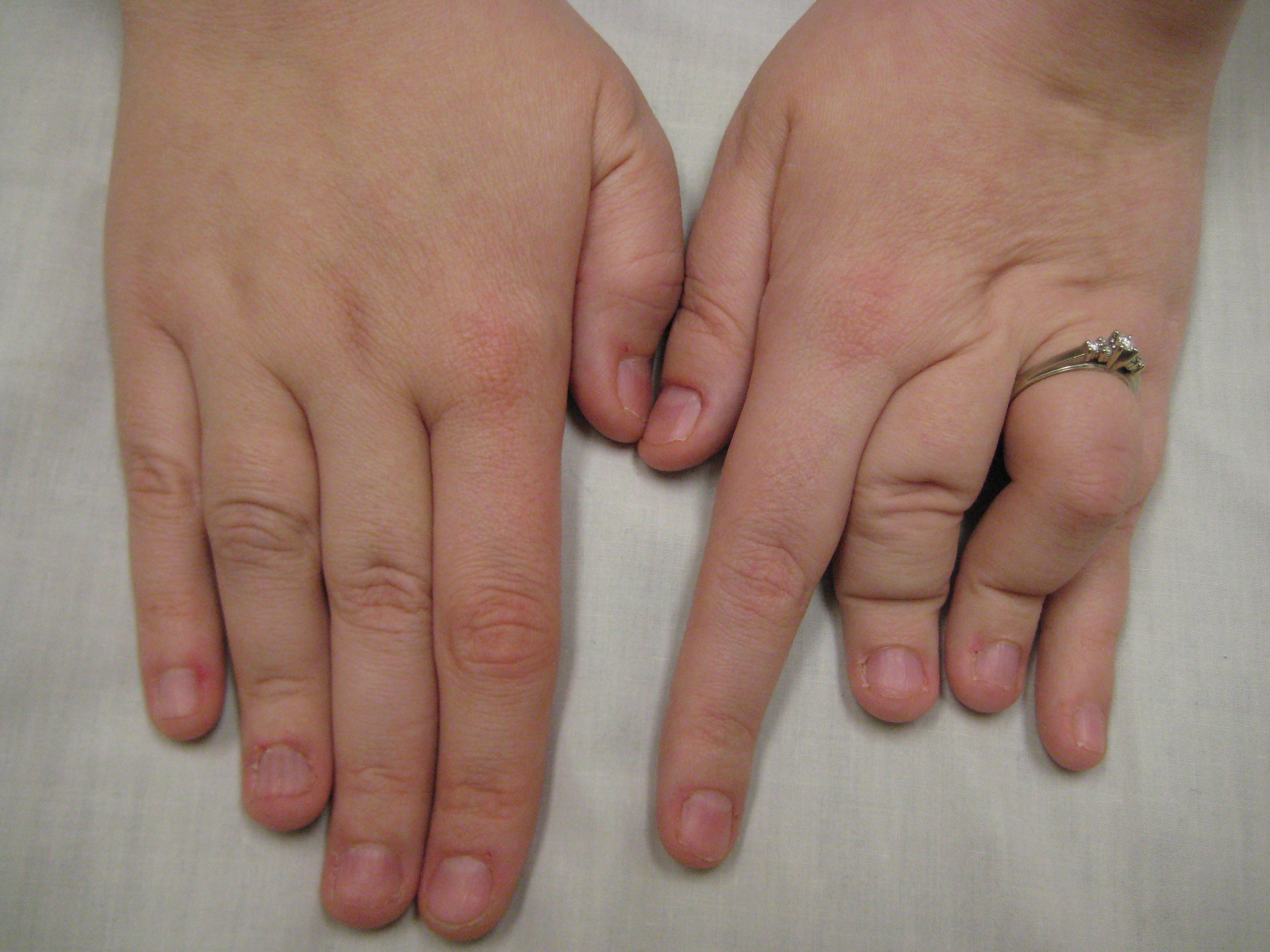
Síndrome Larsen
📋 Origem dos dados
Esta página agrega dados de fontes públicas e oficiais. Dados sobre cobertura no SUS (PCDT, CEAF) são verificados ativamente por agente proativo (ver badge no infobox). Demais dados têm atribuição de fonte + data da última sincronização — clique para abrir o original.
- Doença rara (ontologia)
- fonte: Orphanet
- Identificador unificado
- fonte: MONDO
- Genética mendeliana
- fonte: OMIM
- Codificação WHO/SUS
- fonte: WHO ICD-10 / DATASUS
- CID-11 (futuro)
- fonte: WHO ICD-11
- NIH/GARD
- fonte: GARD (NIH)
- Indexação biomédica
- fonte: MeSH (NLM)
- Dado público estruturado
- fonte: Wikidata

