
Um caso de epilepsia parcial que é causada por uma alteração genética herdada no DNA da pessoa.
Introdução
O que você precisa saber de cara
Um caso de epilepsia parcial que é causada por uma alteração genética herdada no DNA da pessoa.
Tem tratamento?
Encontrou um erro ou informação desatualizada? Sugira uma correção →
Entender a doença
Do básico ao detalhe, leia no seu ritmo
Preparando trilha educativa...
Sinais e sintomas
O que aparece no corpo e com que frequência cada sintoma acontece
Partes do corpo afetadas
+ 38 sintomas em outras categorias
Características mais comuns
Os sintomas variam de pessoa para pessoa. Abaixo estão as 108 características clínicas mais associadas, ordenadas por frequência.
Linha do tempo da pesquisa
Encontrou um erro ou informação desatualizada? Sugira uma correção →
Genética e causas
O que está alterado no DNA e como passa nas famílias
Genes associados
19 genes identificados com associação a esta condição.
Pore-forming subunit of Nav1.3, a voltage-gated sodium (Nav) channel that directly mediates the depolarizing phase of action potentials in excitable membranes. Navs, also called VGSCs (voltage-gated sodium channels) or VDSCs (voltage-dependent sodium channels), operate by switching between closed and open conformations depending on the voltage difference across the membrane. In the open conformation they allow Na(+) ions to selectively pass through the pore, along their electrochemical gradient.
Cell membraneBasal cell membrane
Epilepsy, familial focal, with variable foci 4
An autosomal dominant form of epilepsy characterized by focal seizures arising from different cortical regions, including the temporal, frontal, parietal, and occipital lobes. Seizure types commonly include temporal lobe epilepsy, frontal lobe epilepsy, and nocturnal frontal lobe epilepsy. Some patients may have intellectual disability or autism spectrum disorders. Seizure onset usually occurs in the first or second decades, although later onset has been reported, and there is phenotypic variability within families. A subset of patients have structural brain abnormalities. Penetrance of the disorder is incomplete. FFEVF4 is characterized by onset of focal seizures in the first years of life.
Extracellular matrix serine protease secreted by pioneer neurons that plays a role in layering of neurons in the cerebral cortex and cerebellum by coordinating cell positioning during neurodevelopment. Regulates microtubule function in neurons and neuronal migration. Binding to the extracellular domains of lipoprotein receptors VLDLR and LRP8/APOER2 induces tyrosine phosphorylation of DAB1 and modulation of TAU phosphorylation. Affects migration of sympathetic preganglionic neurons in the spinal
Secreted, extracellular space, extracellular matrix
Lissencephaly 2
A classic type lissencephaly associated with ataxia, intellectual disability, seizures and abnormalities of the cerebellum, hippocampus and brainstem.
Monooxygenase that promotes depolymerization of F-actin by mediating oxidation of specific methionine residues on actin to form methionine-sulfoxide, resulting in actin filament disassembly and preventing repolymerization (PubMed:29343822). In the absence of actin, it also functions as a NADPH oxidase producing H(2)O(2) (PubMed:21864500, PubMed:26845023, PubMed:29343822). Acts as a cytoskeletal regulator that connects NEDD9 to intermediate filaments. Also acts as a negative regulator of apoptosi
CytoplasmCytoplasm, cytoskeletonEndosome membraneMidbody
Component of N-methyl-D-aspartate (NMDA) receptors (NMDARs) that function as heterotetrameric, ligand-gated cation channels with high calcium permeability and voltage-dependent block by Mg(2+) (PubMed:20890276, PubMed:23933818, PubMed:23933819, PubMed:23933820, PubMed:24504326, PubMed:26875626, PubMed:26919761, PubMed:28242877, PubMed:36117210, PubMed:38538865, PubMed:8768735). NMDARs participate in synaptic plasticity for learning and memory formation by contributing to the slow phase of excita
Cell projection, dendritic spineCell membraneSynapsePostsynaptic cell membraneCytoplasmic vesicle membrane
Epilepsy, focal, with speech disorder and with or without impaired intellectual development
An autosomal dominant, highly variable neurologic disorder. Features range from severe early-onset seizures associated with delayed psychomotor development, persistent speech difficulties, and intellectual disability to a more benign entity characterized by childhood onset of mild or asymptomatic seizures associated with transient speech difficulties followed by remission of seizures in adolescence and normal psychomotor development. The disorder encompasses several clinical entities, including Landau-Kleffner syndrome, epileptic encephalopathy with continuous spike and wave during slow-wave sleep, autosomal dominant rolandic epilepsy, intellectual disability and speech dyspraxia, and benign epilepsy with centrotemporal spikes.
Gamma subunit of the heteropentameric ligand-gated chloride channel gated by gamma-aminobutyric acid (GABA), a major inhibitory neurotransmitter in the brain (PubMed:14993607, PubMed:16412217, PubMed:23909897, PubMed:2538761, PubMed:25489750, PubMed:27864268, PubMed:29950725, PubMed:30602789). GABA-gated chloride channels, also named GABA(A) receptors (GABAAR), consist of five subunits arranged around a central pore and contain GABA active binding site(s) located at the alpha and beta subunit in
Postsynaptic cell membraneCell membraneCell projection, dendriteCytoplasmic vesicle membrane
Developmental and epileptic encephalopathy 74
A form of epileptic encephalopathy, a heterogeneous group of severe early-onset epilepsies characterized by refractory seizures, neurodevelopmental impairment, and poor prognosis. Development is normal prior to seizure onset, after which cognitive and motor delays become apparent. DEE74 is an autosomal dominant form with onset in the first year of life.
Hormone regulating the release of corticotropin from pituitary gland (By similarity). Induces NLRP6 in intestinal epithelial cells, hence may influence gut microbiota profile (By similarity)
Secreted
Involved in normal synaptic function through regulation of Ca(2+) influx and neurotransmitter release in photoreceptor synaptic terminals and in auditory transmission. Modulator of CACNA1D and CACNA1F, suppressing the calcium-dependent inactivation and shifting the activation range to more hyperpolarized voltages (By similarity)
CytoplasmPresynapse
Cone-rod synaptic disorder, congenital non-progressive
A non-progressive retinal disorder characterized by stable low vision, nystagmus, photophobia, a normal or near-normal fundus appearance, and no night blindness.
Acts as a ligand for the urokinase plasminogen activator surface receptor. Plays a role in angiogenesis by inducing endothelial cell migration and the formation of vascular network (cords). Involved in cellular migration and adhesion. Increases the phosphorylation levels of FAK. Interacts with and increases the mitogenic activity of HGF. Promotes synapse formation. May have a role in the perisylvian region, critical for language and cognitive development
SecretedCytoplasmCell surfaceSynapse
Rolandic epilepsy, impaired intellectual development, and speech dyspraxia, X-linked
A condition characterized by the association of rolandic seizures with oral and speech dyspraxia, and intellectual disability. Rolandic seizures occur during a period of significant brain maturation. During this time, dysfunction of neural network activities such as focal discharges may be associated with specific developmental disabilities resulting in specific cognitive impairments of language, visuo-spatial abilities or attention.
Endocrine hormone of the central and peripheral nervous systems that binds and activates the G protein-coupled receptors GALR1, GALR2, and GALR3. This small neuropeptide may regulate diverse physiologic functions including contraction of smooth muscle of the gastrointestinal and genitourinary tract, growth hormone and insulin release and adrenal secretion
Secreted
Epilepsy, familial temporal lobe, 8
A focal form of epilepsy characterized by recurrent seizures that arise from foci within the temporal lobe. Seizures are usually accompanied by sensory symptoms, most often auditory in nature.
Component of neuronal acetylcholine receptors (nAChRs) that function as pentameric, ligand-gated cation channels with high calcium permeability among other activities. nAChRs are excitatory neurotrasnmitter receptors formed by a collection of nAChR subunits known to mediate synaptic transmission in the nervous system and the neuromuscular junction. Each nAchR subunit confers differential attributes to channel properties, including activation, deactivation and desensitization kinetics, pH sensiti
Synaptic cell membraneCell membrane
Epilepsy, nocturnal frontal lobe, 3
An autosomal dominant focal epilepsy characterized by nocturnal seizures with hyperkinetic automatisms and poorly organized stereotyped movements.
Component of neuronal acetylcholine receptors (nAChRs) that function as pentameric, ligand-gated cation channels with high calcium permeability among other activities. nAChRs are excitatory neurotrasnmitter receptors formed by a collection of nAChR subunits known to mediate synaptic transmission in the nervous system and the neuromuscular junction. Each nAchR subunit confers differential attributes to channel properties, including activation, deactivation and desensitization kinetics, pH sensiti
Synaptic cell membraneCell membrane
Epilepsy, nocturnal frontal lobe, 1
An autosomal dominant focal epilepsy characterized by nocturnal seizures with hyperkinetic automatisms and poorly organized stereotyped movements.
Sodium-activated K(+) channel (PubMed:37494189). Acts as an important mediator of neuronal membrane excitability (PubMed:37494189). Contributes to the delayed outward currents (By similarity). Regulates neuronal bursting in sensory neurons (By similarity). Contributes to synaptic development and plasticity (By similarity)
Cell membrane
Developmental and epileptic encephalopathy 14
A rare epileptic encephalopathy of infancy that combines pharmacoresistant seizures with developmental delay. This severe neurologic disorder is characterized by onset in the first 6 months of life of refractory focal seizures and arrest of psychomotor development. Ictal EEG shows discharges that arise randomly from various areas of both hemispheres and migrate from one brain region to another.
Regulates voltage-gated potassium channels assembled from KCNA1, KCNA4 and KCNAB1. It slows down channel inactivation by precluding channel closure mediated by the KCNAB1 subunit. Ligand for ADAM22 that positively regulates synaptic transmission mediated by AMPA-type glutamate receptors (By similarity). Plays a role in suppressing the production of MMP1/3 through the phosphatidylinositol 3-kinase/ERK pathway. May play a role in the control of neuroblastoma cell survival
SecretedSynapseCytoplasmGolgi apparatusEndoplasmic reticulum
Epilepsy, familial temporal lobe, 1
A focal form of epilepsy characterized by recurrent seizures that arise from foci within the temporal lobe. Seizures are usually accompanied by sensory symptoms, most often auditory in nature.
As a component of the GATOR1 complex functions as an inhibitor of the amino acid-sensing branch of the mTORC1 pathway (PubMed:23723238, PubMed:29590090, PubMed:35338845). In response to amino acid depletion, the GATOR1 complex has GTPase activating protein (GAP) activity and strongly increases GTP hydrolysis by RagA/RRAGA (or RagB/RRAGB) within heterodimeric Rag complexes, thereby turning them into their inactive GDP-bound form, releasing mTORC1 from lysosomal surface and inhibiting mTORC1 signa
Lysosome membrane
Catalytic component of the GATOR1 complex, a multiprotein complex that functions as an inhibitor of the amino acid-sensing branch of the mTORC1 pathway (PubMed:23723238, PubMed:29590090, PubMed:35338845, PubMed:38006878). In response to amino acid depletion, the GATOR1 complex has GTPase activating protein (GAP) activity and strongly increases GTP hydrolysis by RagA/RRAGA (or RagB/RRAGB) within heterodimeric Rag complexes, thereby turning them into their inactive GDP-bound form, releasing mTORC1
Lysosome membrane
May be involved in the proteolytic inactivation of enkephalins and neurotensin in some brain areas. May convert inactive angiotensin I into the biologically active angiotensin II (PubMed:18178555). Releases a C-terminal amino acid, with preference for large hydrophobic C-terminal amino acids and shows only very weak activity toward small amino acids and histidine (PubMed:20855895)
Secreted, extracellular space, extracellular matrix
As a component of the GATOR1 complex functions as an inhibitor of the amino acid-sensing branch of the mTORC1 pathway (PubMed:23723238, PubMed:25457612, PubMed:29590090, PubMed:29769719, PubMed:31548394, PubMed:35338845). In response to amino acid depletion, the GATOR1 complex has GTPase activating protein (GAP) activity and strongly increases GTP hydrolysis by RagA/RRAGA (or RagB/RRAGB) within heterodimeric Rag complexes, thereby turning them into their inactive GDP-bound form, releasing mTORC1
Lysosome membraneCytoplasm, cytosolCytoplasm, perinuclear region
Epilepsy, familial focal, with variable foci 1
An autosomal dominant form of epilepsy characterized by focal seizures arising from different cortical regions in different family members. Many patients have an aura and show automatisms during the seizures, whereas others may have nocturnal seizures. There is often secondary generalization. Some patients show abnormal interictal EEG, and some patients may have intellectual disability or autism spectrum disorders. Seizure onset usually occurs in the first or second decades, although later onset has been reported, and there is phenotypic variability within families. Penetrance of the disorder is incomplete.
Potassium channel activated by both membrane depolarization or increase in cytosolic Ca(2+) that mediates export of K(+) (PubMed:14523450, PubMed:29330545, PubMed:31152168). It is also activated by the concentration of cytosolic Mg(2+). Its activation dampens the excitatory events that elevate the cytosolic Ca(2+) concentration and/or depolarize the cell membrane. It therefore contributes to repolarization of the membrane potential. Plays a key role in controlling excitability in a number of sys
Cell membrane
Paroxysmal non-kinesigenic dyskinesia 3 with or without generalized epilepsy
An autosomal dominant neurologic disorder characterized by absence seizures, generalized tonic-clonic seizures, paroxysmal nonkinesigenic dyskinesia and involuntary dystonic or choreiform movements. Onset is usually in childhood. Patients may have seizures only, dyskinesia only, or both.
Component of neuronal acetylcholine receptors (nAChRs) that function as pentameric, ligand-gated cation channels with high calcium permeability among other activities. nAChRs are excitatory neurotrasnmitter receptors formed by a collection of nAChR subunits known to mediate synaptic transmission in the nervous system and the neuromuscular junction. Each nAchR subunit confers differential attributes to channel properties, including activation, deactivation and desensitization kinetics, pH sensiti
Synaptic cell membraneCell membrane
Epilepsy, nocturnal frontal lobe, 4
An autosomal dominant focal epilepsy characterized by nocturnal seizures associated with fear sensation, tongue movements, and nocturnal wandering, closely resembling nightmares and sleep walking.
Medicamentos e terapias
Mecanismo: Serotonin 1a (5-HT1a) receptor agonist
Variantes genéticas (ClinVar)
910 variantes patogênicas registradas no ClinVar.
Vias biológicas (Reactome)
28 vias biológicas associadas aos genes desta condição.
Diagnóstico
Os sinais que médicos procuram e os exames que confirmam
Tratamento e manejo
Remédios, cuidados de apoio e o que precisa acompanhar
Onde tratar no SUS
Hospitais de referência no Brasil e o protocolo oficial do SUS (PCDT)
🇧🇷 Atendimento SUS — Epilepsia parcial familiar
Selecione um estado ou use sua localização para ver resultados.
Dados de DATASUS/CNES, SBGM, ABNeuro e Ministério da Saúde. Sempre confirme a disponibilidade diretamente com o estabelecimento.
Pesquisa ativa
Ensaios clínicos abertos e novidades científicas recentes
Ensaios em destaque
🟢 Recrutando agora
2 pesquisas recrutando participantes. Converse com seu médico sobre a possibilidade de participar.
Outros ensaios clínicos
Publicações mais relevantes
Publicações recentes
Study of candidate gene cHRNA4 for familial epilepsy syndrome.
Mosaic SCN1A mutations in familial partial epilepsy with antecedent febrile seizures.
Autosomal dominant nocturnal frontal lobe epilepsy: a genotypic comparative study of Japanese and Korean families carrying the CHRNA4 Ser284Leu mutation.
Familial partial epilepsy with variable foci: a new family with suggestion of linkage to chromosome 22q12.
Malignant autosomal dominant frontal lobe epilepsy with repeated episodes of status epilepticus: successful treatment with vagal nerve stimulation.
📚 EuropePMC6 artigos no totalmostrando 1
Ver todos os 6 no EuropePMCAssociações
Organizações que acompanham esta doença — pra ter apoio e orientação
Ainda não temos associações cadastradas para Epilepsia parcial familiar.
É de uma associação que acompanha esta doença? Fale com a gente →
Comunidades
Grupos ativos de quem convive com esta doença aqui no Raras
Ainda não existe comunidade no Raras para Epilepsia parcial familiar
Pacientes, familiares e cuidadores se organizam em comunidades pra compartilhar experiências, fazer perguntas e se apoiar. Você pode ser o primeiro.
Tire suas dúvidas
Perguntas, dicas e experiências compartilhadas aqui na página
Participe da discussão
Faça login para postar dúvidas, compartilhar experiências e interagir com especialistas.
Fazer loginDoenças relacionadas
Doenças com sintomas parecidos — ajudam quem ainda está buscando diagnóstico
Referências e fontes
Bases de dados externas citadas neste artigo
Publicações científicas
Artigos indexados no PubMed ligados a esta doença no grafo RarasNet — título, periódico e PMID direto da fonte, sem intermediação de IA.
- Study of candidate gene cHRNA4 for familial epilepsy syndrome.
- Mosaic SCN1A mutations in familial partial epilepsy with antecedent febrile seizures.
- Autosomal dominant nocturnal frontal lobe epilepsy: a genotypic comparative study of Japanese and Korean families carrying the CHRNA4 Ser284Leu mutation.
- Familial partial epilepsy with variable foci: a new family with suggestion of linkage to chromosome 22q12.
- Malignant autosomal dominant frontal lobe epilepsy with repeated episodes of status epilepticus: successful treatment with vagal nerve stimulation.
Bases de dados e fontes oficiais
Identificadores e referências canônicas usadas para montar este verbete.
- ORPHA:309(Orphanet)
- MONDO:0017704(MONDO)
- Epilepsia(PCDT · Ministério da Saúde)
- GARD:2173(GARD (NIH))
- Variantes catalogadas(ClinVar)
- Busca completa no PubMed(PubMed)
- Q55787290(Wikidata)
Dados compilados pelo RarasNet a partir de fontes abertas (Orphanet, OMIM, MONDO, PubMed/EuropePMC, ClinicalTrials.gov, DATASUS, PCDT/MS). Este conteúdo é informativo e não substitui avaliação médica.
Conteúdo mantido por Agente Raras · Médicos e pesquisadores podem colaborar
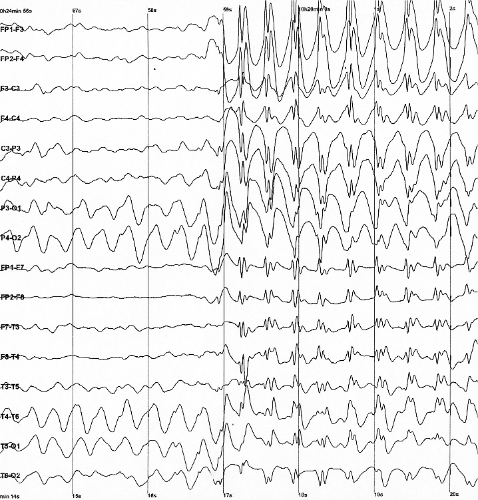
Epilepsia parcial familiar
📋 Origem dos dados
Esta página agrega dados de fontes públicas e oficiais. Dados sobre cobertura no SUS (PCDT, CEAF) são verificados ativamente por agente proativo (ver badge no infobox). Demais dados têm atribuição de fonte + data da última sincronização — clique para abrir o original.
- Doença rara (ontologia)
- fonte: Orphanet
- Identificador unificado
- fonte: MONDO
- NIH/GARD
- fonte: GARD (NIH)
- Dado público estruturado
- fonte: Wikidata
- Medicamentos (literatura)
- fonte: Orphanet
- Reposicionamento
- fonte: Drug Repurposing Hub