
A Síndrome de Simpson-Golabi-Behmel é uma condição genética rara, ligada ao cromossomo X, caracterizada por: crescimento excessivo antes e depois do nascimento; traços distintos no rosto e na cabeça; diversas malformações presentes desde o nascimento; aumento do tamanho dos órgãos e um risco maior de desenvolver tumores.
Introdução
O que você precisa saber de cara
A Síndrome de Simpson-Golabi-Behmel é uma condição genética rara, ligada ao cromossomo X, caracterizada por: crescimento excessivo antes e depois do nascimento; traços distintos no rosto e na cabeça; diversas malformações presentes desde o nascimento; aumento do tamanho dos órgãos e um risco maior de desenvolver tumores.
Escala de raridade
<1/50kMuito rara
1/20kRara
1/10kPouco freq.
1/5kIncomum
1/2k
Encontrou um erro ou informação desatualizada? Sugira uma correção →
Entender a doença
Do básico ao detalhe, leia no seu ritmo
Preparando trilha educativa...
Sinais e sintomas
O que aparece no corpo e com que frequência cada sintoma acontece
Partes do corpo afetadas
+ 49 sintomas em outras categorias
Características mais comuns
Os sintomas variam de pessoa para pessoa. Abaixo estão as 145 características clínicas mais associadas, ordenadas por frequência.
Linha do tempo da pesquisa
Encontrou um erro ou informação desatualizada? Sugira uma correção →
Genética e causas
O que está alterado no DNA e como passa nas famílias
Genes associados
3 genes identificados com associação a esta condição. Padrão de herança: X-linked recessive.
Curadoria gene-doença
fontes oficiaisCell surface proteoglycan that bears heparan sulfate. May be involved in the development of kidney tubules and of the central nervous system (By similarity)
Cell membraneSecreted, extracellular space
Keipert syndrome
An X-linked recessive syndrome characterized by craniofacial and digital abnormalities. Clinical features include a prominent forehead, a flat midface, hypertelorism, a broad nose, downturned corners of mouth, and widening of all distal phalanges. Additional variable features are cognitive impairment and sensorineural deafness.
Component of the centrioles controlling mother and daughter centrioles length. Recruits to the centriole IFT88 and centriole distal appendage-specific proteins including CEP164 (By similarity). Involved in the biogenesis of the cilium, a centriole-associated function. The cilium is a cell surface projection found in many vertebrate cells required to transduce signals important for development and tissue homeostasis (PubMed:33934390). Plays an important role in development by regulating Wnt signa
Cytoplasm, cytoskeleton, microtubule organizing center, centrosome, centrioleCytoplasm, cytoskeleton, cilium basal bodyNucleusCytoplasm, cytoskeleton, microtubule organizing center, centrosome, centriolar satellite
Orofaciodigital syndrome 1
A form of orofaciodigital syndrome, a group of heterogeneous disorders characterized by abnormalities in the oral cavity, face, and digits and associated phenotypic abnormalities that lead to the delineation of various subtypes. OFD1 is X-linked dominant syndrome, lethal in males. Craniofacial findings consist of facial asymmetry, hypertelorism, median cleft, or pseudocleft of the upper lip, hypoplasia of the alae nasi, oral clefts and abnormal frenulea, tongue anomalies (clefting, cysts, hamartoma), and anomalous dentition involving missing or extra teeth. Asymmetric brachydactyly and/or syndactyly of the fingers and toes occur frequently. Approximately 50% of OFD1 females have some degree of intellectual disability. Some patients have structural central nervous system anomalies such as agenesis of the corpus callosum, cerebellar agenesis, or a Dandy-Walker malformation. Patients with OFD1 can develop fibrocystic disease of the liver and pancreas, in addition to polycystic kidneys.
Cell surface proteoglycan (PubMed:14610063). Negatively regulates the hedgehog signaling pathway when attached via the GPI-anchor to the cell surface by competing with the hedgehog receptor PTC1 for binding to hedgehog proteins (By similarity). Binding to the hedgehog protein SHH triggers internalization of the complex by endocytosis and its subsequent lysosomal degradation (By similarity). Positively regulates the canonical Wnt signaling pathway by binding to the Wnt receptor Frizzled and stimu
Cell membrane
Simpson-Golabi-Behmel syndrome 1
A condition characterized by pre- and postnatal overgrowth (gigantism), facial dysmorphism and a variety of inconstant visceral and skeletal malformations. Characteristic dysmorphic features include macrocephaly with coarse, distinctive facies with a large protruding jaw, broad nasal bridge and cleft palate. Cardiac defects are frequent.
Variantes genéticas (ClinVar)
982 variantes patogênicas registradas no ClinVar.
Classificação de variantes (ClinVar)
Distribuição de 262 variantes classificadas pelo ClinVar.
Vias biológicas (Reactome)
24 vias biológicas associadas aos genes desta condição.
Diagnóstico
Os sinais que médicos procuram e os exames que confirmam
Tratamento e manejo
Remédios, cuidados de apoio e o que precisa acompanhar
Onde tratar no SUS
Hospitais de referência no Brasil e o protocolo oficial do SUS (PCDT)
🇧🇷 Atendimento SUS — Síndrome Simpson-Golabi-Behmel
Selecione um estado ou use sua localização para ver resultados.
Dados de DATASUS/CNES, SBGM, ABNeuro e Ministério da Saúde. Sempre confirme a disponibilidade diretamente com o estabelecimento.
Pesquisa ativa
Ensaios clínicos abertos e novidades científicas recentes
Pesquisa e ensaios clínicos
Nenhum ensaio clínico registrado para esta condição.
Publicações mais relevantes
Development of an integrative cross-omics approach for conceptual adverse outcome pathway network construction.
The abilities of recent high throughput techniques to measure biological responses is rapidly growing, therefore methods to analyse and organise these vast amounts of data into meaningful results are needed. Adverse outcome pathways (AOPs) and AOP networks (AOPNs) are an increasingly recognised framework for translating mechanistic information into useable knowledge to support policy decisions. However, many traditional statistical approaches may be ineffective at capturing nuances of high throughput data, particularly from multiple disparate layers of biological organisation. We present a comprehensive method that combines univariate differential expression (UD) analysis and multivariate integrative modeling (MIM) approaches, using transcriptomic and metabolomic data from adipocytes exposed to a classic obesogen, to develop a conceptual AOPN (cAOPN) for metabolic syndrome (MetS). Simpson-Golabi-Behmel syndrome (SGBS) preadipocyte cells were differentiated in tributyltin (TBT) and analysed using whole genome transcriptome and untargeted metabolomics analysis. UD and MIM results were used to identify perturbed features (PFs) for over-representation analysis for pathways and diseases and followed by integrated network and cluster analyses based on Jaccard similarity to reorganise resultant complex biological phenomena into exploratory depictions of cause-and-effect relationships. The resulting cAOPN for MetS was assembled and corroborated with the literature and mechanistic pathway databases that supported the identified disruptions in lipid regulation, iron transport, growth processes, key signalling processes, adipocyte differentiation, and hormonal homeostasis. Overall, by leveraging the strengths of multiple statistical methods in combination with heterogeneous data from multiple layers of biological organisation, this method facilitated the integration and interpretation of complex data into an exploratory mechanistic schema for AOP and AOPN hypothesis generation and prioritisation.
MiR-874-3p suppresses TNF-α-induced inflammation in adipocytes by targeting nucleolin.
Many investigations have indicated the significance of microRNAs (miRNAs) as potential biomarkers for early obesity in children. MiR-874-3p was revealed to be downregulated in overweight/obese children. However, the specific function and mechanism of miR-874-3p in the progression of childhood obesity remain unclear. Human Simpson-Golabi-Behmel syndrome (SGBS) adipocytes were stimulated with tumor necrosis factor α (TNF-α) to establish an in vitro cell model. CCK-8 assay and ELISA were used to assess cell viability and proinflammatory cytokine secretion, respectively. RT-qPCR was used for miR-874-3p expression analysis. Western blotting was utilized to evaluate protein levels of miR-874-3p downstream targets and nuclear factor kappa B (NF-κB) signaling-related markers. Luciferase reporter assay was conducted to verify the binding relation between miR-874-3p and nucleolin (NCL). MiR-874-3p overexpression attenuated TNF-α-induced inhibition of cell viability and promotion of proinflammatory cytokine production. Mechanistically, NCL served as a target of miR-874-3p, and overexpressing miR-874-3p inactivated NCL-mediated NF-κB signaling. Moreover, NCL upregulation reversed miR-874-3p overexpression-mediated effects on the viability and proinflammatory cytokines in SGBS adipocytes. MiR-874-3p alleviates TNF-α-induced inflammatory response in SGBS adipocytes by downregulating NCL and inactivating NF-κB signaling.
Canagliflozin regulates adipocyte lipolysis in vitro via a SGLT2 independent signaling pathway.
Adipose lipolysis, a process involving the degradation of triglycerides and the release of fatty acids and glycerol, is an important biological event in lipid metabolism. Canagliflozin (Cana), an oral antidiabetic drug, regulates blood glucose by inhibiting sodium-glucose cotransporter 2 (SGLT2) in renal tubules and has also been shown to improve lipid metabolism in adipocytes. This study aims to determine whether Cana directly affects adipose lipolysis and to explore the underlying mechanistic pathways. Primary mature adipocytes and differentiated preadipocytes isolated from the epididymal fat pads of Sprague-Dawley rats were used as in vitro models. The effects of Cana on glycerol release and lipase activity were evaluated using ELISA and Western blot analyses. Cana treatment directly inhibited basal glycerol release and lipase activity in both primary adipocytes and topically administered adipose tissue, achieving a dose-dependent 35% to 65% suppression of lipolysis. This was associated with a 2.3-fold decrease in the level of HSL phosphorylated at the Ser660 site. Using differentiated adipocytes derived from the human Simpson-Golabi-Behmel syndrome (SGBS) pre-adipocyte cell line, we found that Cana significantly attenuated glycerol release (~32% to 53% reductions) induced by lipolysis. Moreover, Cana exerted antilipolytic effects in models of both acute (isoprenaline-induced) and chronic (tumor necrosis factor-α-induced) lipolysis. Mechanistically, the antilipolytic effect of Cana was mediated through activation of the PI3K/AKT pathway and reduction of cAMP production. In conclusion, Cana regulates adipocyte lipolysis via an SGLT2-independent signaling pathway, which enhances our understanding of its role in modulating lipid metabolism.
Simpson-Golabi-Behmel Syndrome Associated With a Missense Variant at the Signal Peptide Cleavage Site of GPC3.
Translocation of newly synthesized proteins into the lumen of the endoplasmic reticulum (ER) is mediated by signal peptide recognition and cleavage. Here we report an individual with Simpson-Golabi-Behmel syndrome (SGBS) bearing a GPC3 missense variant at the signal peptide cleavage site of the glypican-3 protein. The c.71C>T; p.(Ala24Val) alteration in the key -1 position of the cleavage greatly reduces cleavage of the signal peptide, resulting in failure of the protein to efficiently exit the ER, and impaired glycosylation. Functional characterization of two other engineered variants at this position-one predicted to permit cleavage and the other to prevent it-corroborates our findings. This case highlights the potential for missense variants within the signal peptide cleavage site to underlie genetic disorders, and reinforces the idea that many of the missense variants in GPC3 that cause SGBS reside in motifs with high functional relevance to the processing and maturation of glypican-3.
Functional Characterization of a Novel GPC3 Missense Variant in Simpson-Golabi-Behmel Syndrome.
Simpson-Golabi-Behmel syndrome 1 (SGBS1) is a rare X-linked recessive condition characterized by overgrowth and multiple congenital anomalies. SGBS1 is caused by damaging variants in the Glypican-3 (GPC3) gene. The GPC3 protein plays a crucial role in cellular signaling processes including cell growth, embryogenesis, and differentiation. Functional maturation of GPC3 occurs via several steps of post-translational modification (PTM) and processing to enable its transport to, and anchorage on, the plasma membrane. GPC3 positively modulates the canonical Wnt signaling pathways, while negatively regulating the Hedgehog signaling pathways. Loss-of-function is the underlying mechanism of disease for SGBS1, with a minority of reported pathogenic variants being missense substitutions. We report a family with four affected individuals in whom a novel GPC3 missense variant was identified via exome sequencing: NM_004484.3: c.695C>A; p.(Ala232Asp). The variant segregated with disease in the family, and functional studies conducted using HEK293T cells demonstrate a distinct mis-localization of the mutant GPC3 protein, thereby supporting the pathogenicity of this novel missense variant. These findings allowed for an upgraded classification of the missense variant from a variant of uncertain significance to that of likely pathogenic.
Publicações recentes
Active whitening of human SGBS adipocytes is associated with coordinated AMPK-HIF-autophagy signalling and mitochondrial remodelling.
Development of an integrative cross-omics approach for conceptual adverse outcome pathway network construction.
MiR-874-3p suppresses TNF-α-induced inflammation in adipocytes by targeting nucleolin.
Canagliflozin regulates adipocyte lipolysis in vitro via a SGLT2 independent signaling pathway.
Palmitic acid differently modulates extracellular vesicles and cellular fatty acid composition of SGBS adipocytes without impairing their insulin signaling.
📚 EuropePMC131 artigos no totalmostrando 179
Development of an integrative cross-omics approach for conceptual adverse outcome pathway network construction.
Environment internationalMiR-874-3p suppresses TNF-α-induced inflammation in adipocytes by targeting nucleolin.
Journal of molecular histologyCanagliflozin regulates adipocyte lipolysis in vitro via a SGLT2 independent signaling pathway.
International journal of obesity (2005)Palmitic acid differently modulates extracellular vesicles and cellular fatty acid composition of SGBS adipocytes without impairing their insulin signaling.
Frontiers in endocrinologySimpson-Golabi-Behmel Syndrome Associated With a Missense Variant at the Signal Peptide Cleavage Site of GPC3.
American journal of medical genetics. Part ACapsaicin camphor and caffeic acid reduce adipogenesis and promote lipolysis with TRPV1 involvement.
Scientific reportsCytochrome P450 1A1 influences obesity-induced pulmonary hypertension.
British journal of pharmacologyFunctional Characterization of a Novel GPC3 Missense Variant in Simpson-Golabi-Behmel Syndrome.
American journal of medical genetics. Part AAnti-Inflammatory Role of Myo-Inositol in Obesity: Suppression of TNF-α-Induced Inflammation and Monocyte Adhesion in Hypertrophic Human Adipocytes.
Food science & nutritionUnraveling Glypican-3: From Structural to Pathophysiological Roles and Mechanisms-An Integrative Perspective.
CellsRadioactive Tracing of Testosterone Reveals Minimal Formation of 5α-DHT in SGBS Cells and Human Primary Adipocytes.
Journal of the Endocrine SocietyVitamin D modulates the content of inflammatory microRNAs in extracellular vesicles from human adipocyte cells in inflammatory context.
BioFactors (Oxford, England)The importance of thiamine availability in the thermogenic competency of human adipocytes.
Molecular and cellular endocrinologySimpson-Golabi-Behmel syndrome type 1 in a neonate with central hepatoblastoma.
BMJ case reportsExpanding the Genotypic and Phenotypic Spectrum of OFD1-Related Conditions: Three More Cases.
GenesDysmorphic syndromes with overgrowth - systematic review. Part 1 - monogenic syndromes.
Pediatric endocrinology, diabetes, and metabolismImplicating type 2 diabetes effector genes in relevant metabolic cellular models using promoter-focused Capture-C.
Diabetologia[Giant prostatic utricle cyst in a newborn with Simpson-Golabi-Behmel syndrome: Voiding cysturethrography essential for the diagnosis].
RoFo : Fortschritte auf dem Gebiete der Rontgenstrahlen und der NuklearmedizinPhenotypic spectrum and tumor risk in Simpson-Golabi-Behmel syndrome: Case series and comprehensive literature review.
American journal of medical genetics. Part AEndocrine disruption of adipose physiology: Screening in SGBS cells.
Journal of applied toxicology : JATIncreased secretion of adipocyte-derived extracellular vesicles is associated with adipose tissue inflammation and the mobilization of excess lipid in human obesity.
Journal of translational medicineHuman Genetics of Ventricular Septal Defect.
Advances in experimental medicine and biologyA case of pancreatoblastoma in a child with Simpson-Golabi-Behmel syndrome: Highlighting the importance of alpha fetoprotein monitoring.
Pediatric blood & cancerSimpson-Golabi-Behmel syndrome.
American journal of medical genetics. Part C, Seminars in medical geneticsSimpson-Golabi-Behmel syndrome type 1 with normal birth parameters.
BMJ case reportsSARS-CoV-2 Infection Alters the Phenotype and Gene Expression of Adipocytes.
International journal of molecular sciencesWhole-exome sequencing reveals causative genetic variants for several overgrowth syndromes in molecularly negative Beckwith-Wiedemann spectrum.
Journal of medical geneticsDIS3L2 Gene Mutation Causes the Perlman Syndrome of Overgrowth and Wilms Tumor Susceptibility.
CureusDivergent effects of the antiretroviral drugs, dolutegravir, tenofovir alafenamide, and tenofovir disoproxil fumarate, on human adipocyte function.
Biochemical pharmacologyMyricetin attenuates hypoxia-induced inflammation in human adipocytes.
Molecular biology reportsAnti-Adipogenic Activity of Rhaponticum carthamoides and Its Secondary Metabolites.
NutrientsCirculating Levels of Cathelicidin Antimicrobial Peptide (CAMP) Are Affected by Oral Lipid Ingestion.
NutrientsSingle-cell transcriptome dataset of human and mouse in vitro adipogenesis models.
Scientific dataMeteorin-like levels are associated with active brown adipose tissue in early infancy.
Frontiers in endocrinologyEffects of allicin on human Simpson-Golabi-Behmel syndrome cells in mediating browning phenotype.
Frontiers in endocrinologyInsulin-Induced AKR1C3 Induces Fatty Acid Synthase in a Model of Human PCOS Adipocytes.
EndocrinologyPrenatal diagnosis of Simpson-Golabi-Behmel syndrome type 1 with an 814 kb Xq26.2 deletion with the initial presentation of a thick nuchal fold.
Taiwanese journal of obstetrics & gynecologyStages of preadipocyte differentiation: biomarkers and pathways for extracellular structural remodeling.
HereditasHypoxia-driven metabolic reprogramming of adipocytes fuels cancer cell proliferation.
Frontiers in endocrinologyNovel GPC3 Gene Mutation in Simpson-Golabi-Behmel Syndrome with Endocrine Anomalies: A Case Report.
Balkan journal of medical genetics : BJMGDifferential effects of dolutegravir, bictegravir and raltegravir in adipokines and inflammation markers on human adipocytes.
Life sciencesDrug-Initiated Activity Metabolomics Identifies Myristoylglycine as a Potent Endogenous Metabolite for Human Brown Fat Differentiation.
Metabolites20 Years with SGBS cells - a versatile in vitro model of human adipocyte biology.
International journal of obesity (2005)SIMPSON-GOLABI-BEHMEL syndrome type 1: How placental immunohistochemistry can rapidly Predict the diagnosis.
PlacentaAdipocyte-Breast Cancer Cell Co-Culture in Transwells.
Methods in molecular biology (Clifton, N.J.)Insulin-inducible THRSP maintains mitochondrial function and regulates sphingolipid metabolism in human adipocytes.
Molecular medicine (Cambridge, Mass.)Precocious puberty in a case of Simpson-Golabi-Behmel syndrome with a de novo 240-kb deletion including GPC3.
Human genome variationMiR-122-5p regulates the pathogenesis of childhood obesity by targeting CPEB1.
Obesity research & clinical practiceTranscriptomic analysis of Simpson Golabi Behmel syndrome cells during differentiation exhibit BAT-like function.
Tissue & cellType I IFN stimulates IFI16-mediated aromatase expression in adipocytes that promotes E2-dependent growth of ER-positive breast cancer.
Cellular and molecular life sciences : CMLSConversion of Classical and 11-Oxygenated Androgens by Insulin-Induced AKR1C3 in a Model of Human PCOS Adipocytes.
EndocrinologyA prenatal case of Simpson-Golabi-Behmel syndrome type 1 with a 0.26-Mb deletion fragment at Xq26.2 inherited from mother: Case report.
MedicineHepatoblastoma in molecularly defined, congenital diseases.
American journal of medical genetics. Part A[Neuroblastoma in a boy with Simpson-Golabi-Behmel syndrome].
Zhonghua er ke za zhi = Chinese journal of pediatricsHedgehog pathway modulation by glypican 3-conjugated heparan sulfate.
Journal of cell scienceSimpson-Golabi-Behmel syndrome in one of the Dichorionic-diamniotic twin: a case report and literature review.
BMC pregnancy and childbirthmicroRNA-27a-3p but Not -5p Is a Crucial Mediator of Human Adipogenesis.
CellsCoffee Bioactive N-Methylpyridinium Attenuates Tumor Necrosis Factor (TNF)-α-Mediated Insulin Resistance and Inflammation in Human Adipocytes.
BiomoleculesA functional genomics pipeline identifies pleiotropy and cross-tissue effects within obesity-associated GWAS loci.
Nature communicationsDifferential DNA Methylation and Expression of miRNAs in Adipose Tissue From Twin Pairs Discordant for Type 2 Diabetes.
DiabetesPrenatal case of Simpson-Golabi-Behmel syndrome with a de novo 370Kb-sized microdeletion of Xq26.2 compassing partial GPC3 gene and review.
Molecular genetics & genomic medicineSimpson-Golabi-Behmel syndrome: One family, same mutation, different outcome.
American journal of medical genetics. Part AD-Chiro-Inositol Regulates Insulin Signaling in Human Adipocytes.
Frontiers in endocrinologyPro-inflammatory effects of DEHP in SGBS-derived adipocytes and THP-1 macrophages.
Scientific reportsSimpson-Golabi-Behmel-Syndrome in Dichorionic-Diamniotic Twin Pregnancy.
Clinics and practiceLower plasma PCSK9 in normocholesterolemic subjects is associated with upregulated adipose tissue surface-expression of LDLR and CD36 and NLRP3 inflammasome.
Physiological reportsRosmarinic acid attenuates obesity and obesity-related inflammation in human adipocytes.
Food and chemical toxicology : an international journal published for the British Industrial Biological Research AssociationA Case of Simpson-Golabi-Behmel Syndrome Presenting with Cutaneous Findings.
HCA healthcare journal of medicinemiR-146a regulates insulin sensitivity via NPR3.
Cellular and molecular life sciences : CMLSCD90 Is Dispensable for White and Beige/Brown Adipocyte Differentiation.
International journal of molecular sciencesGrowth arrest-specific 6 modulates adiponectin expression and insulin resistance in adipose tissue.
Journal of diabetes investigationThermogenic Activation Downregulates High Mitophagy Rate in Human Masked and Mature Beige Adipocytes.
International journal of molecular sciencesOFD Type I syndrome: lessons learned from a rare ciliopathy.
Biochemical Society transactionsTall stature in children and adolescents.
Minerva pediatricaIn vitro characterization of the effects of chronic insulin stimulation in mouse 3T3-L1 and human SGBS adipocytes.
AdipocyteA new human adipocyte model with PTEN haploinsufficiency.
AdipocyteBrowning capabilities of human primary adipose-derived stromal cells compared to SGBS cells.
Scientific reportsLipidomic Phenotyping Reveals Extensive Lipid Remodeling during Adipogenesis in Human Adipocytes.
MetabolitesResults of Treatment for Patients With Multicentric or Bilaterally Predisposed Unilateral Wilms Tumor (AREN0534): A report from the Children's Oncology Group.
CancerRare Course of Bilateral Congenital Diaphragmatic Hernia Treated Thoracoscopically-Case Report.
Frontiers in pediatricsIn Depth Quantitative Proteomic and Transcriptomic Characterization of Human Adipocyte Differentiation using the SGBS Cell Line.
ProteomicsThe Ability of Quercetin and Ferulic Acid to Lower Stored Fat is Dependent on the Metabolic Background of Human Adipocytes.
Molecular nutrition & food researchReduced circulating levels of chemokine CXCL14 in adolescent girls with polycystic ovary syndrome: normalization after insulin sensitization.
BMJ open diabetes research & careThe Extra-Virgin Olive Oil Polyphenols Oleocanthal and Oleacein Counteract Inflammation-Related Gene and miRNA Expression in Adipocytes by Attenuating NF-κB Activation.
NutrientsFunctional Screening of Candidate Causal Genes for Insulin Resistance in Human Preadipocytes and Adipocytes.
Circulation researchSimpson-Golabi-Behmel syndrome type 1 with subclinical hypothyroidism: A case report.
MedicineHydroxytyrosol Modulates Adipocyte Gene and miRNA Expression Under Inflammatory Condition.
NutrientsXq26 duplications lead to undergrowth or overgrowth via competing pathways including GPC3/GPC4.
Annals of human geneticsGlucose Restriction Plus Refeeding in Vitro Induce Changes of the Human Adipocyte Secretome with an Impact on Complement Factors and Cathepsins.
International journal of molecular sciencesElevated UCP1 levels are sufficient to improve glucose uptake in human white adipocytes.
Redox biologyThe expanding phenotype of OFD1-related disorders: Hemizygous loss-of-function variants in three patients with primary ciliary dyskinesia.
Molecular genetics & genomic medicineTruncating mutations in exons 20 and 21 of OFD1 can cause primary ciliary dyskinesia without associated syndromic symptoms.
Journal of medical geneticsIL-29 promoted obesity-induced inflammation and insulin resistance.
Cellular & molecular immunologyAmeloblastoma associated with syndromes: A systematic review.
Journal of stomatology, oral and maxillofacial surgeryWhole exome sequencing aids the diagnosis of Simpson-Golabi-Behmel syndrome in two male fetuses.
The Journal of international medical researchOpen Chromatin Profiling in Adipose Tissue Marks Genomic Regions with Functional Roles in Cardiometabolic Traits.
G3 (Bethesda, Md.)Adipocyte abundances of CES1, CRYAB, ENO1 and GANAB are modified in-vitro by glucose restriction and are associated with cellular remodelling during weight regain.
AdipocyteDifferentiating SGBS adipocytes respond to PPARγ stimulation, irisin and BMP7 by functional browning and beige characteristics.
Scientific reportsImmunotherapeutic Targeting of GPC3 in Pediatric Solid Embryonal Tumors.
Frontiers in oncologyOvergrowth syndromes - clinical and molecular aspects and tumour risk.
Nature reviews. EndocrinologyAntioxidant and Anti-Inflammatory Properties of Nigella sativa Oil in Human Pre-Adipocytes.
Antioxidants (Basel, Switzerland)CUGC for Simpson-Golabi-Behmel syndrome (SGBS).
European journal of human genetics : EJHGSimpson-Golabi-Behmel syndrome with 46,XY disorders of sex development: A case report.
American journal of medical genetics. Part ATetrad presentation of non-syndromic odontogenic keratocyst: An uphill diagnostic and therapeutic challenge.
Dental and medical problemsSimpson-Golabi-Behmel syndrome in a 39-year-old male patient with suspected acromegaly-A case study.
American journal of medical genetics. Part ASynchronous occurrence of multiple distinct jaw lesions in Simpson-Golabi-Behmel Syndrome: A case report.
Journal of stomatology, oral and maxillofacial surgeryIn vitro profiling of volatile organic compounds released by Simpson-Golabi-Behmel syndrome adipocytes.
Journal of chromatography. B, Analytical technologies in the biomedical and life sciencesMutation update for the GPC3 gene involved in Simpson-Golabi-Behmel syndrome and review of the literature.
Human mutationEnhancer deletion and allelic effects define a regulatory molecular mechanism at the VLDLR cholesterol GWAS locus.
Human molecular geneticsFor Debate: The Significance of Etiologic Diagnosis in Neonates with Overgrowth Syndromes. Lesson Learned from the Simpson-Golabi-Behmel Syndrome.
Pediatric endocrinology reviews : PERHydroxycarboxylic Acid Receptor Ligands Modulate Proinflammatory Cytokine Expression in Human Macrophages and Adipocytes without Affecting Adipose Differentiation.
Biological & pharmaceutical bulletinmiR-107 inhibits CDK6 expression, differentiation, and lipid storage in human adipocytes.
Molecular and cellular endocrinologyImpact of X-ray Exposure on the Proliferation and Differentiation of Human Pre-Adipocytes.
International journal of molecular sciencesTwo Consecutive Pregnancies with Simpson-Golabi-Behmel Syndrome Type 1: Case Report and Review of Published Prenatal Cases.
Molecular syndromologyIron Inhibits the Secretion of Apolipoprotein E in Cultured Human Adipocytes.
Cellular and molecular gastroenterology and hepatologyAdipose Tissue Transferrin and Insulin Resistance.
The Journal of clinical endocrinology and metabolismDuplications of GPC3 and GPC4 genes in symptomatic female carriers of Simpson-Golabi-Behmel syndrome type 1.
European journal of medical geneticsSynthesis and biological evaluations of marine oxohexadecenoic acids: PPARα/γ dual agonism and anti-diabetic target gene effects.
European journal of medicinal chemistryAcute lymphoblastic leukemia in a male with Simpson-Golabi-Behmel syndrome.
American journal of medical genetics. Part ADetecting epistasis within chromatin regulatory circuitry reveals CAND2 as a novel susceptibility gene for obesity.
International journal of obesity (2005)Ovotesticular Disorder of Sex Development (Ovotestis) in Simpson-Golabi-Behmel Syndrome: Expansion of the Clinical Spectrum.
Pediatric and developmental pathology : the official journal of the Society for Pediatric Pathology and the Paediatric Pathology SocietySimpson-Golabi-Behmel syndrome human adipocytes reveal a changing phenotype throughout differentiation.
Histochemistry and cell biologyIncreased Ifi202b/IFI16 expression stimulates adipogenesis in mice and humans.
DiabetologiaDEHP deregulates adipokine levels and impairs fatty acid storage in human SGBS-adipocytes.
Scientific reportsAre all Xq26.2 duplications overlapping GPC3 on array-CGH a cause of Simpson-Golabi-Behmel syndrome? When do we need transcript analysis?
Clinical geneticsNonisolated diaphragmatic hernia in Simpson-Golabi-Behmel syndrome.
Prenatal diagnosis[Overgrowth in children and in adults: novel clinical view, novel genes, novel phenotypes].
Casopis lekaru ceskychInterferon-gamma released from omental adipose tissue of insulin-resistant humans alters adipocyte phenotype and impairs response to insulin and adiponectin release.
International journal of obesity (2005)'The obesity paradox': a reconsideration of obesity and the risk of preterm birth.
Journal of perinatology : official journal of the California Perinatal AssociationHyperechoic renal medullary pyramids in a boy with Simpson-Golabi-Behmel syndrome.
Clinical dysmorphologyExtra-adrenal glucocorticoids contribute to the postprandial increase of circulating leptin in mice.
Journal of cell communication and signalingTrail (TNF-related apoptosis-inducing ligand) induces an inflammatory response in human adipocytes.
Scientific reportsSGBS cells as a model of human adipocyte browning: A comprehensive comparative study with primary human white subcutaneous adipocytes.
Scientific reportsPerinatal Case of Fatal Simpson-Golabi-Behmel Syndrome with Hyperplasia of Seminiferous Tubules.
The American journal of case reportsFirst reported case of Simpson-Golabi-Behmel syndrome in a female fetus diagnosed prenatally with chromosomal microarray.
Clinical case reportsCollagen beta (1-O) galactosyltransferase 1 (GLT25D1) is required for the secretion of high molecular weight adiponectin and affects lipid accumulation.
Bioscience reportsMolecular analysis of a novel intragenic deletion in GPC3 in three cousins with Simpson-Golabi-Behmel syndrome.
American journal of medical genetics. Part ATeneurin-2 (TENM2) deficiency induces UCP1 expression in differentiating human fat cells.
Molecular and cellular endocrinologymiR-146a-mediated suppression of the inflammatory response in human adipocytes.
Scientific reportsAdipocyte-specific Hypoxia-inducible gene 2 promotes fat deposition and diet-induced insulin resistance.
Molecular metabolismClozapine modifies the differentiation program of human adipocytes inducing browning.
Translational psychiatryLoss-of-function mutations and global rearrangements in GPC3 in patients with Simpson-Golabi-Behmel syndrome.
Human genome variationSimpson-Golabi-Behmel syndrome in a female: A case report and an unsolved issue.
American journal of medical genetics. Part ATRAIL (TNF-related apoptosis-inducing ligand) inhibits human adipocyte differentiation via caspase-mediated downregulation of adipogenic transcription factors.
Cell death & diseaseAccumulation of CD11c+CD163+ Adipose Tissue Macrophages through Upregulation of Intracellular 11β-HSD1 in Human Obesity.
Journal of immunology (Baltimore, Md. : 1950)A role for the metalloprotease invadolysin in insulin signaling and adipogenesis.
Biological chemistryPrenatal diagnosis of Simpson-Golabi-Behmel syndrome.
American journal of medical genetics. Part AWhole exome sequencing and array-based molecular karyotyping as aids to prenatal diagnosis in fetuses with suspected Simpson-Golabi-Behmel syndrome.
Prenatal diagnosisMetformin Increases Cortisol Regeneration by 11βHSD1 in Obese Men With and Without Type 2 Diabetes Mellitus.
The Journal of clinical endocrinology and metabolismMarsupialisation of kerastocystic odontogenic tumours in a patient with Simpson-Golabi-Behmel syndrome.
The British journal of oral & maxillofacial surgeryRedundant roles of the phosphatidate phosphatase family in triacylglycerol synthesis in human adipocytes.
DiabetologiaQuercetin Impacts Expression of Metabolism- and Obesity-Associated Genes in SGBS Adipocytes.
NutrientsInsulin/glucose induces natriuretic peptide clearance receptor in human adipocytes: a metabolic link with the cardiac natriuretic pathway.
American journal of physiology. Regulatory, integrative and comparative physiologyIdentification of carboxypeptidase X (CPX)-1 as a positive regulator of adipogenesis.
FASEB journal : official publication of the Federation of American Societies for Experimental BiologyTherapeutic potential of the dual peroxisome proliferator activated receptor (PPAR)α/γ agonist aleglitazar in attenuating TNF-α-mediated inflammation and insulin resistance in human adipocytes.
Pharmacological researchAnkyloglossia with cleft lip: A rare case report.
Journal of Indian Society of PeriodontologyImportance of adipocyte cyclooxygenase-2 and prostaglandin E2-prostaglandin E receptor 3 signaling in the development of obesity-induced adipose tissue inflammation and insulin resistance.
FASEB journal : official publication of the Federation of American Societies for Experimental BiologyA clinical and molecular investigation of two South African families with Simpson-Golabi-Behmel syndrome.
South African medical journal = Suid-Afrikaanse tydskrif vir geneeskundeSimpson-Golabi-Behmel syndrome: a prenatal diagnosis in a foetus with GPC3 and GPC4 gene microduplications.
Clinical geneticsWeight loss-induced stress in subcutaneous adipose tissue is related to weight regain.
The British journal of nutritionRare dental manifestation in Simpson-Golabi-Behmel syndrome.
General dentistryDelayed Intervention With Pyridoxamine Improves Metabolic Function and Prevents Adipose Tissue Inflammation and Insulin Resistance in High-Fat Diet-Induced Obese Mice.
DiabetesDistinctive findings in a boy with Simpson-Golabi-Behmel syndrome.
American journal of medical genetics. Part AFunctional characterization of retromer in GLUT4 storage vesicle formation and adipocyte differentiation.
FASEB journal : official publication of the Federation of American Societies for Experimental BiologyMyostatin in relation to physical activity and dysglycaemia and its effect on energy metabolism in human skeletal muscle cells.
Acta physiologica (Oxford, England)A recurrent germline mutation in the PIGA gene causes Simpson-Golabi-Behmel syndrome type 2.
American journal of medical genetics. Part AModulation of triglyceride accumulation in adipocytes by psychopharmacological agents in vitro.
Journal of psychiatric research[Fibroblast growth factor-1 inhibits Wnt/β-catenin pathway during adipogenesis].
Zhong nan da xue xue bao. Yi xue ban = Journal of Central South University. Medical sciencesLipiD-QuanT: a novel method to quantify lipid accumulation in live cells.
Journal of lipid researchWhole exome sequencing identifies a novel frameshift mutation in GPC3 gene in a patient with overgrowth syndrome.
GeneAngiotensin II directly impairs adipogenic differentiation of human preadipose cells.
Molecular and cellular biochemistryFructose Alters Intermediary Metabolism of Glucose in Human Adipocytes and Diverts Glucose to Serine Oxidation in the One-Carbon Cycle Energy Producing Pathway.
MetabolitesInverse relationship between body mass index and mitochondrial oxidative phosphorylation capacity in human subcutaneous adipocytes.
American journal of physiology. Endocrinology and metabolismMFAP5 is related to obesity-associated adipose tissue and extracellular matrix remodeling and inflammation.
Obesity (Silver Spring, Md.)Additive regulation of adiponectin expression by the mediterranean diet olive oil components oleic Acid and hydroxytyrosol in human adipocytes.
PloS oneParathyroid Hormone is Related to Dysplasia and a Higher Rate of Distal Colorectal Adenoma in Women but Not Men.
Hormones & cancerTNF-related apoptosis-inducing ligand promotes human preadipocyte proliferation via ERK1/2 activation.
FASEB journal : official publication of the Federation of American Societies for Experimental BiologyExpression of human and mouse adenine nucleotide translocase (ANT) isoform genes in adipogenesis.
The international journal of biochemistry & cell biologyIntestinal epithelial cells promote secretion of leptin and adiponectin in adipocytes.
Biochemical and biophysical research communicationsAssociações
Organizações que acompanham esta doença — pra ter apoio e orientação
Ainda não temos associações cadastradas para Síndrome Simpson-Golabi-Behmel.
É de uma associação que acompanha esta doença? Fale com a gente →
Comunidades
Grupos ativos de quem convive com esta doença aqui no Raras
Ainda não existe comunidade no Raras para Síndrome Simpson-Golabi-Behmel
Pacientes, familiares e cuidadores se organizam em comunidades pra compartilhar experiências, fazer perguntas e se apoiar. Você pode ser o primeiro.
Tire suas dúvidas
Perguntas, dicas e experiências compartilhadas aqui na página
Participe da discussão
Faça login para postar dúvidas, compartilhar experiências e interagir com especialistas.
Fazer loginDoenças relacionadas
Doenças com sintomas parecidos — ajudam quem ainda está buscando diagnóstico
Referências e fontes
Bases de dados externas citadas neste artigo
Publicações científicas
Artigos indexados no PubMed ligados a esta doença no grafo RarasNet — título, periódico e PMID direto da fonte, sem intermediação de IA.
- Development of an integrative cross-omics approach for conceptual adverse outcome pathway network construction.
- MiR-874-3p suppresses TNF-α-induced inflammation in adipocytes by targeting nucleolin.
- Canagliflozin regulates adipocyte lipolysis in vitro via a SGLT2 independent signaling pathway.
- Simpson-Golabi-Behmel Syndrome Associated With a Missense Variant at the Signal Peptide Cleavage Site of GPC3.
- Functional Characterization of a Novel GPC3 Missense Variant in Simpson-Golabi-Behmel Syndrome.
- Active whitening of human SGBS adipocytes is associated with coordinated AMPK-HIF-autophagy signalling and mitochondrial remodelling.
- Palmitic acid differently modulates extracellular vesicles and cellular fatty acid composition of SGBS adipocytes without impairing their insulin signaling.
Bases de dados e fontes oficiais
Identificadores e referências canônicas usadas para montar este verbete.
- ORPHA:373(Orphanet)
- MONDO:0010731(MONDO)
- GARD:7649(GARD (NIH))
- Variantes catalogadas(ClinVar)
- Busca completa no PubMed(PubMed)
- Q478891(Wikidata)
Dados compilados pelo RarasNet a partir de fontes abertas (Orphanet, OMIM, MONDO, PubMed/EuropePMC, ClinicalTrials.gov, DATASUS, PCDT/MS). Este conteúdo é informativo e não substitui avaliação médica.
Conteúdo mantido por Agente Raras · Médicos e pesquisadores podem colaborar
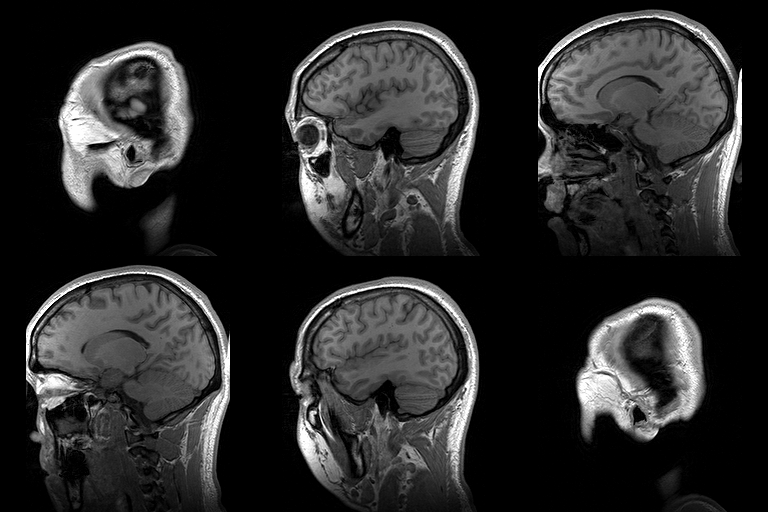
Síndrome Simpson-Golabi-Behmel
📋 Origem dos dados
Esta página agrega dados de fontes públicas e oficiais. Dados sobre cobertura no SUS (PCDT, CEAF) são verificados ativamente por agente proativo (ver badge no infobox). Demais dados têm atribuição de fonte + data da última sincronização — clique para abrir o original.
- Doença rara (ontologia)
- fonte: Orphanet
- Identificador unificado
- fonte: MONDO
- Codificação WHO/SUS
- fonte: WHO ICD-10 / DATASUS
- CID-11 (futuro)
- fonte: WHO ICD-11
- NIH/GARD
- fonte: GARD (NIH)
- Indexação biomédica
- fonte: MeSH (NLM)
- Dado público estruturado
- fonte: Wikidata