
Uma condição progressiva que se manifesta de várias formas, caracterizada por uma combinação de: fraqueza nos músculos mais próximos ao tronco, causada por problemas nos nervos; problemas nos nervos que afetam tanto a sensibilidade quanto o movimento; falta de coordenação motora; e um problema na retina (a parte do olho que enxerga) que afeta a visão e apresenta alterações na pigmentação.
Introdução
O que você precisa saber de cara
Uma condição progressiva que se manifesta de várias formas, caracterizada por uma combinação de: fraqueza nos músculos mais próximos ao tronco, causada por problemas nos nervos; problemas nos nervos que afetam tanto a sensibilidade quanto o movimento; falta de coordenação motora; e um problema na retina (a parte do olho que enxerga) que afeta a visão e apresenta alterações na pigmentação.
Escala de raridade
<1/50kMuito rara
1/20kRara
1/10kPouco freq.
1/5kIncomum
1/2k
Encontrou um erro ou informação desatualizada? Sugira uma correção →
Entender a doença
Do básico ao detalhe, leia no seu ritmo
Preparando trilha educativa...
Sinais e sintomas
O que aparece no corpo e com que frequência cada sintoma acontece
Partes do corpo afetadas
+ 6 sintomas em outras categorias
Características mais comuns
Os sintomas variam de pessoa para pessoa. Abaixo estão as 32 características clínicas mais associadas, ordenadas por frequência.
Linha do tempo da pesquisa
Encontrou um erro ou informação desatualizada? Sugira uma correção →
Genética e causas
O que está alterado no DNA e como passa nas famílias
Genes associados
1 gene identificado com associação a esta condição. Padrão de herança: Mitochondrial inheritance.
Curadoria gene-doença
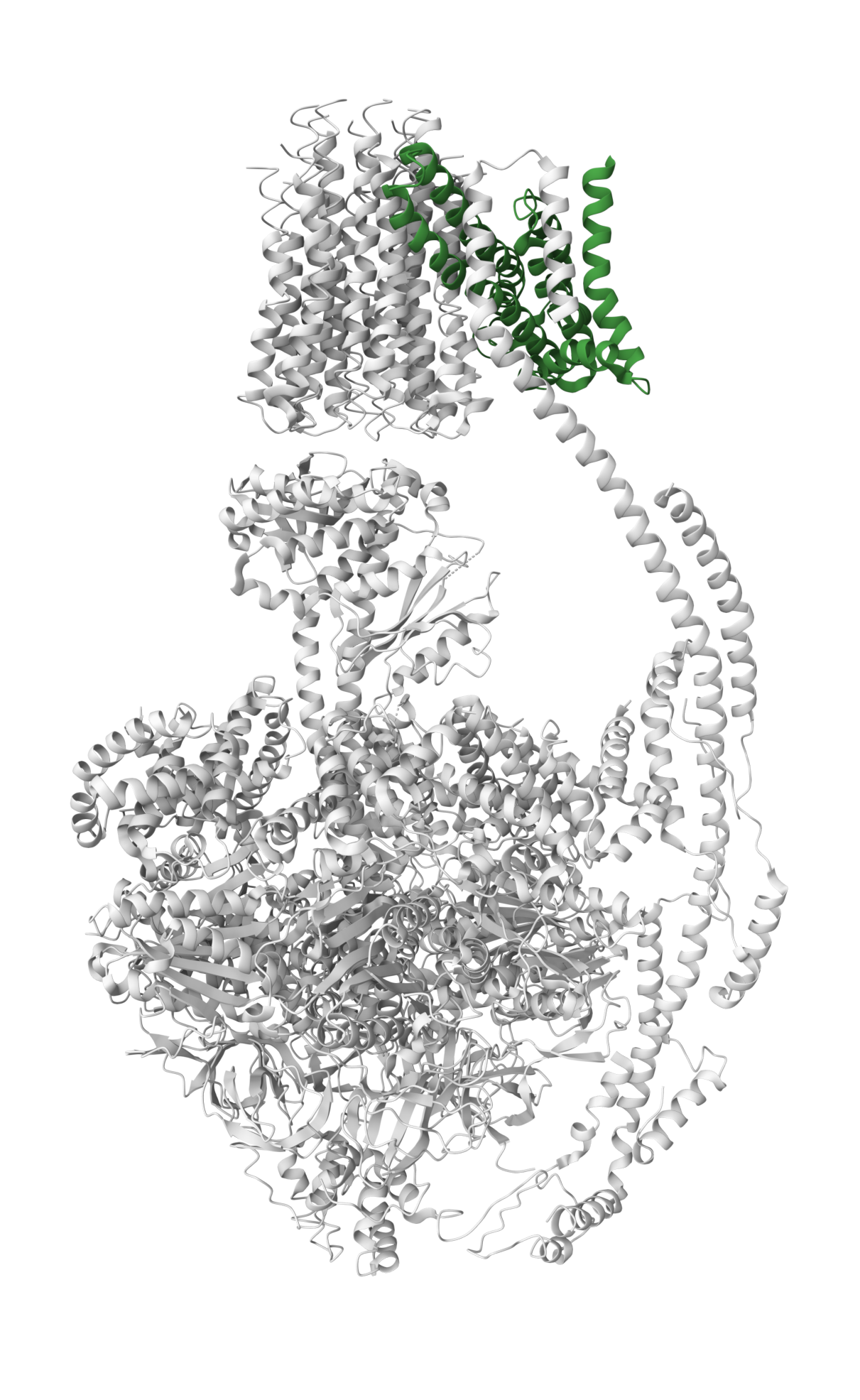
fontes oficiaisSubunit a, of the mitochondrial membrane ATP synthase complex (F(1)F(0) ATP synthase or Complex V) that produces ATP from ADP in the presence of a proton gradient across the membrane which is generated by electron transport complexes of the respiratory chain (Probable). ATP synthase complex consist of a soluble F(1) head domain - the catalytic core - and a membrane F(1) domain - the membrane proton channel (PubMed:37244256). These two domains are linked by a central stalk rotating inside the F(1
Mitochondrion inner membrane
Neuropathy, ataxia, and retinitis pigmentosa
A syndrome characterized by variable combination of developmental delay, psychomotor retardation, hearing loss, optic atrophy and retinitis pigmentosa, dementia, seizures, ataxia, proximal neurogenic muscle weakness, and sensory neuropathy.
Variantes genéticas (ClinVar)
52 variantes patogênicas registradas no ClinVar.
Classificação de variantes (ClinVar)
Distribuição de 11 variantes classificadas pelo ClinVar.
Vias biológicas (Reactome)
4 vias biológicas associadas aos genes desta condição.
Diagnóstico
Os sinais que médicos procuram e os exames que confirmam
Tratamento e manejo
Remédios, cuidados de apoio e o que precisa acompanhar
Onde tratar no SUS
Hospitais de referência no Brasil e o protocolo oficial do SUS (PCDT)
🇧🇷 Atendimento SUS — Síndrome NARP
Selecione um estado ou use sua localização para ver resultados.
Dados de DATASUS/CNES, SBGM, ABNeuro e Ministério da Saúde. Sempre confirme a disponibilidade diretamente com o estabelecimento.
Pesquisa ativa
Ensaios clínicos abertos e novidades científicas recentes
Ensaios em destaque
🟢 Recrutando agora
2 pesquisas recrutando participantes. Converse com seu médico sobre a possibilidade de participar.
Outros ensaios clínicos
Publicações mais relevantes
Targeting mitochondrial deubiquitinase USP30 to induce mitophagy in heteroplasmic mitochondrial diseases.
Mitochondrial DNA (mtDNA) diseases are heterogeneous and lack effective treatments. Their severity correlates with mutant mtDNA load. Mitophagy degrades dysfunctional mitochondria, contributing to a healthy mitochondrial pool. USP30, a mitochondrial deubiquitinase, limits mitophagy by removing the ubiquitin tagging mitochondria for degradation. We investigated whether inhibiting USP30 could enhance mitophagy and reduce mutant mtDNA load in a heteroplasmic mitochondrial disease. Cybrids cells harboring mutant m.8993T > G mtDNA - common cause of NARP syndrome and maternally inherited Leigh syndrome (MILS) - were treated with USP30 inhibitor MF-094 under glycolytic and oxidative phosphorylation conditions. On-target activity of MF-094 was assessed by mitochondrial ubiquitination (western-blot) and mitolysosome formation (microscopy). The mutation’s effects were investigated on cell proliferation and metabolism (respirometry and ATP levels). The impact of MF-094 on mutant mtDNA load and mtDNA copy number was quantified by PCR. Comparing with control cells (0% mutant mtDNA), cells with mutant mtDNA exhibited reduced proliferation and ATP levels under oxidative phosphorylation conditions; and reduced oxygen consumption, increased extracellular acidification, and sustained resazurin metabolism after mitochondrial inhibition under glycolytic conditions. MF-094 induced mitophagy via increased mitolysosome formation. Mechanistically, MF-094 showed on-target effects, increasing mitochondrial ubiquitination. However, chronic treatment (3–6 weeks) evoked only a small (5%) non-significant reduction in mutant mtDNA load. Despite inducing mitophagy, the USP30 inhibitor MF-094 showed little potential to manage m.8993T > G related diseases, as it did not significantly reduce the load of this NARP/MILS causing mtDNA mutation. These results highlight the complexity of mutant mtDNA management and the need for innovative strategies for these disorders. The online version contains supplementary material available at 10.1007/s43440-026-00829-7.
The Role of Visual Electrophysiology in Systemic Hereditary Syndromes.
Visual electrophysiology is a valuable tool for evaluating the visual system in various systemic syndromes. This review highlights its clinical application in a selection of syndromes associated with hearing loss, mitochondrial dysfunction, obesity, and other multisystem disorders. Techniques such as full-field electroretinography (ffERG), multifocal electroretinography (mfERG), pattern electroretinography (PERG), visual evoked potentials (VEP), and electrooculography (EOG) offer insights into retinal and optic nerve function, often detecting abnormalities before clinical symptoms manifest. In hearing loss syndromes like Refsum disease, Usher syndrome (USH), and Wolfram syndrome (WS), electrophysiology facilitates the detection of early retinal changes that precede the onset of visual symptoms. For mitochondrial disorders such as maternally-inherited diabetes and deafness (MIDD), Kearns-Sayre syndrome (KSS), and neuropathy, ataxia, and retinitis pigmentosa (NARP) syndrome, these tests can be useful in characterizing retinal degeneration and optic neuropathy. In obesity syndromes, including Bardet-Biedl syndrome (BBS), Alström syndrome, and Cohen syndrome, progressive retinal degeneration is a hallmark feature. Electrophysiological techniques aid in pinpointing retinal dysfunction and tracking disease progression. Other syndromes, such as Alagille syndrome (AGS), abetalipoproteinemia (ABL), Cockayne syndrome (CS), Joubert syndrome (JS), mucopolysaccharidosis (MPS), Neuronal ceroid lipofuscinoses (NCLs), and Senior-Løken syndrome (SLS), exhibit significant ocular involvement that can be evaluated using these methods. This review underscores the role of visual electrophysiology in diagnosing and monitoring visual system abnormalities across a range of syndromes, potentially offering valuable insights for early diagnosis, monitoring of progression, and management.
Extremely low-frequency electromagnetic field (ELF-EMF) enhances mitochondrial energy production in NARP cybrids.
A mutation (m.8993T > G) in MT-ATP6 in mitochondrial DNA (mtDNA) causes the neuropathy, ataxia, retinitis pigmentosa (NARP) syndrome by impairing mitochondrial energy production. Extremely low-frequency electromagnetic field (ELF-EMF) suppresses mitochondrial oxidative phosphorylation (OXPHOS) Complex II and induces mitohormetic activation of mitochondrial OXPHOS activities. We examined the effects of ELF-EMF on normal cybrids carrying 100% wild-type mtDNA (2SA cybrids) and NARP cybrids carrying 40% wild-type and 60% mutant mtDNA (NARP3-2 cybrids). We found that ELF-EMF had no effect on the copy number of mtDNA either in 2SA or NARP3-2 cybrids, or the ratio of wild-type-to-mutant mtDNA in NARP3-2 cybrids. Instead, ELF-EMF increased the transcription of mtDNA and the transcription ratio of wild-type-to-mutant mtDNA in NARP3-2 cybrids. In addition, ELF-EMF increased the expression of mitochondrial OXPHOS proteins and the mitochondrial OXPHOS Complex V activity in NARP3-2 cybrids. ELF-EMF upregulated fission-promoting phosphorylation of DRP1, as well as the expression of fusion-promoting MFN1 and MFN2, in NARP3-2 cybrids. ELF-EMF also increased ATP production estimated by oxygen consumption rates (OCR) and by a biochemical assay in NARP3-2 cybrids. Hormetic activation of mitochondria by ELF-EMF is likely to be effective to ameliorate defective mitochondrial energy production in NARP and other mitochondrial diseases.
Pain Relief in Mitochondrial Disorders: Use of Spinal Cord Stimulation in a Patient With NARP Syndrome.
Neuropathy, ataxia, retinitis pigmentosa (NARP) syndrome is a mitochondrial disorder of the ATPase 6 gene. There is a wide variation of symptoms, but damage to the neuronal structures can result in chronic pain. A 31-year-old woman's chronic back and lower extremity pain related to NARP syndrome was successfully treated with dorsal column spinal cord stimulation (SCS). SCS can be used as a means of pain management in patients with genetic etiologies. This case provides an example of treating symptoms related to genetic defects with simulation improving quality of life.
Syndromic retinitis pigmentosa.
Retinitis pigmentosa (RP) is a progressive inherited retinal dystrophy, characterized by the degeneration of photoreceptors, presenting as a rod-cone dystrophy. Approximately 20-30% of patients with RP also exhibit extra-ocular manifestations in the context of a syndrome. This manuscript discusses the broad spectrum of syndromes associated with RP, pathogenic mechanisms, clinical manifestations, differential diagnoses, clinical management approaches, and future perspectives. Given the diverse clinical and genetic landscape of syndromic RP, the diagnosis may be challenging. However, an accurate and timely diagnosis is essential for optimal clinical management, prognostication, and potential treatment. Broadly, the syndromes associated with RP can be categorized into ciliopathies, inherited metabolic disorders, mitochondrial disorders, and miscellaneous syndromes. Among the ciliopathies associated with RP, Usher syndrome and Bardet-Biedl syndrome are the most well-known. Less common ciliopathies include Cohen syndrome, Joubert syndrome, cranioectodermal dysplasia, asphyxiating thoracic dystrophy, Mainzer-Saldino syndrome, and RHYNS syndrome. Several inherited metabolic disorders can present with RP, including Zellweger spectrum disorders, adult Refsum disease, α-methylacyl-CoA racemase deficiency, certain mucopolysaccharidoses, ataxia with vitamin E deficiency, abetalipoproteinemia, several neuronal ceroid lipofuscinoses, mevalonic aciduria, PKAN/HARP syndrome, PHARC syndrome, and methylmalonic acidaemia with homocystinuria type cobalamin (cbl) C disease. Due to the mitochondria's essential role in supplying continuous energy to the retina, disruption of mitochondrial function can lead to RP, as seen in Kearns-Sayre syndrome, NARP syndrome, primary coenzyme Q10 deficiency, SSBP1-associated disease, and long chain 3-hydroxyacyl-CoA dehydrogenase deficiency. Lastly, Cockayne syndrome and PERCHING syndrome can present with RP, but they do not fit the abovementioned hierarchy and are thus categorized as miscellaneous. Several first-in-human clinical trials are underway or in preparation for some of these syndromic forms of RP.
Publicações recentes
Targeting mitochondrial deubiquitinase USP30 to induce mitophagy in heteroplasmic mitochondrial diseases.
Extremely low-frequency electromagnetic field (ELF-EMF) enhances mitochondrial energy production in NARP cybrids.
Pain Relief in Mitochondrial Disorders: Use of Spinal Cord Stimulation in a Patient With NARP Syndrome.
The Role of Visual Electrophysiology in Systemic Hereditary Syndromes.
Syndromic retinitis pigmentosa.
📚 EuropePMC25 artigos no totalmostrando 21
Targeting mitochondrial deubiquitinase USP30 to induce mitophagy in heteroplasmic mitochondrial diseases.
Pharmacological reports : PRExtremely low-frequency electromagnetic field (ELF-EMF) enhances mitochondrial energy production in NARP cybrids.
Scientific reportsPain Relief in Mitochondrial Disorders: Use of Spinal Cord Stimulation in a Patient With NARP Syndrome.
Pain medicine case reportsThe Role of Visual Electrophysiology in Systemic Hereditary Syndromes.
International journal of molecular sciencesSyndromic retinitis pigmentosa.
Progress in retinal and eye researchExpanded-Access Use of Elamipretide Improves Quality of Life in Patients With Rare Mitochondrial Disorders Characterized by Ophthalmic Symptoms: A Case Series.
Clinical case reportsCharacterization of two iPSC lines from patients with maternally inherited leigh (MILS) and neuropathy, ataxia, and retinitis pigmentosa (NARP) syndrome carrying the MT-ATP6 m.8993 T>G mutation at different degrees of heteroplasmy.
Stem cell researchPathological Role of High Sugar in Mitochondrial Respiratory Chain Defect-Augmented Mitochondrial Stress.
BiologyA novel MT-ATP6 variant associated with complicated ataxia in two unrelated Italian patients: case report and functional studies.
Orphanet journal of rare diseasesVariants in Human ATP Synthase Mitochondrial Genes: Biochemical Dysfunctions, Associated Diseases, and Therapies.
International journal of molecular sciencesNeuropathy, ataxia, retinitis pigmentosa: a case of a mother and two siblings.
Ophthalmic geneticsNeuropathy, Ataxia, and Retinitis Pigmentosa Syndrome.
Journal of clinical neuromuscular diseaseNovel Pathogenic Sequence Variation m.5789T>C Causes NARP Syndrome and Promotes Formation of Deletions of the Mitochondrial Genome.
Neurology. GeneticsMitochondrial Retinopathy.
Ophthalmology. RetinaDelineating MT-ATP6-associated disease: From isolated neuropathy to early onset neurodegeneration.
Neurology. GeneticsDeregulating mitochondrial metabolite and ion transport has beneficial effects in yeast and human cellular models for NARP syndrome.
Human molecular geneticsNext generation sequencing technologies for a successful diagnosis in a cold case of Leigh syndrome.
BMC neurologyRenal Involvement in Neuropathy, Ataxia, Retinitis Pigmentosa (NARP) Syndrome: A Case Report.
American journal of kidney diseases : the official journal of the National Kidney FoundationA 2 bp deletion in the mitochondrial ATP 6 gene responsible for the NARP (neuropathy, ataxia, and retinitis pigmentosa) syndrome.
Biochemical and biophysical research communicationsLow dose clozapine controls adult-onset psychosis associated with the neurogenic ataxia-retinitis pigmentosa (NARP) mutation.
Molecular genetics and metabolism reports[A case of neurologic muscle weakness, ataxia, and retinitis pigmentosa (NARP) syndrome with a novel mitochondrial mutation m.8729 G>A].
Rinsho shinkeigaku = Clinical neurologyAssociações
Organizações que acompanham esta doença — pra ter apoio e orientação
Ainda não temos associações cadastradas para Síndrome NARP.
É de uma associação que acompanha esta doença? Fale com a gente →
Comunidades
Grupos ativos de quem convive com esta doença aqui no Raras
Ainda não existe comunidade no Raras para Síndrome NARP
Pacientes, familiares e cuidadores se organizam em comunidades pra compartilhar experiências, fazer perguntas e se apoiar. Você pode ser o primeiro.
Tire suas dúvidas
Perguntas, dicas e experiências compartilhadas aqui na página
Participe da discussão
Faça login para postar dúvidas, compartilhar experiências e interagir com especialistas.
Fazer loginDoenças relacionadas
Doenças com sintomas parecidos — ajudam quem ainda está buscando diagnóstico
Referências e fontes
Bases de dados externas citadas neste artigo
Publicações científicas
Artigos indexados no PubMed ligados a esta doença no grafo RarasNet — título, periódico e PMID direto da fonte, sem intermediação de IA.
- Targeting mitochondrial deubiquitinase USP30 to induce mitophagy in heteroplasmic mitochondrial diseases.
- The Role of Visual Electrophysiology in Systemic Hereditary Syndromes.
- Extremely low-frequency electromagnetic field (ELF-EMF) enhances mitochondrial energy production in NARP cybrids.
- Pain Relief in Mitochondrial Disorders: Use of Spinal Cord Stimulation in a Patient With NARP Syndrome.
- Syndromic retinitis pigmentosa.
Bases de dados e fontes oficiais
Identificadores e referências canônicas usadas para montar este verbete.
- ORPHA:644(Orphanet)
- OMIM OMIM:551500(OMIM)
- MONDO:0010794(MONDO)
- GARD:262(GARD (NIH))
- Variantes catalogadas(ClinVar)
- Busca completa no PubMed(PubMed)
- Q3508576(Wikidata)
Dados compilados pelo RarasNet a partir de fontes abertas (Orphanet, OMIM, MONDO, PubMed/EuropePMC, ClinicalTrials.gov, DATASUS, PCDT/MS). Este conteúdo é informativo e não substitui avaliação médica.
Conteúdo mantido por Agente Raras · Médicos e pesquisadores podem colaborar
Síndrome NARP
📋 Origem dos dados
Esta página agrega dados de fontes públicas e oficiais. Dados sobre cobertura no SUS (PCDT, CEAF) são verificados ativamente por agente proativo (ver badge no infobox). Demais dados têm atribuição de fonte + data da última sincronização — clique para abrir o original.
- Doença rara (ontologia)
- fonte: Orphanet
- Identificador unificado
- fonte: MONDO
- Genética mendeliana
- fonte: OMIM
- Codificação WHO/SUS
- fonte: WHO ICD-10 / DATASUS
- CID-11 (futuro)
- fonte: WHO ICD-11
- NIH/GARD
- fonte: GARD (NIH)
- Indexação biomédica
- fonte: MeSH (NLM)
- Dado público estruturado
- fonte: Wikidata
- Ensaios clínicos
- fonte: ClinicalTrials.gov