
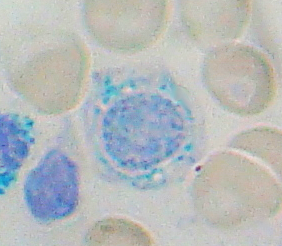
Um grupo de doenças raras e variadas da medula óssea, que podem ser hereditárias ou adquiridas. Elas podem aparecer sozinhas ou como parte de uma síndrome. Essas doenças são caracterizadas por uma produção reduzida de hemoglobina (a proteína que transporta oxigênio), causada por um uso inadequado do ferro no corpo, mesmo que os exames de sangue possam mostrar níveis de ferro normais ou até altos. Outra característica é a presença de células anormais chamadas "sideroblastos em anel" na medula óssea. Isso acontece porque há um acúmulo patológico de ferro dentro das mitocôndrias (que são como as "usinas de energia" das células), visível através de um exame especial chamado coloração de Perls. Esse grupo inclui a anemia sideroblástica adquirida (cuja causa pode ser desconhecida) e as anemias sideroblásticas constitucionais (aquelas com as quais a pessoa já nasce). Entre as anemias sideroblásticas constitucionais, existem aquelas que fazem parte de síndromes (como a Síndrome de Pearson, a miopatia mitocondrial e anemias sideroblásticas, a anemia sideroblástica ligada ao cromossomo X com ataxia, e a síndrome de anemia megaloblástica responsiva à tiamina). Há também as anemias sideroblásticas que não fazem parte de uma síndrome, incluindo tipos ligados ao cromossomo X ou de herança autossômica recessiva (termos que descrevem como a condição é herdada geneticamente).
Introdução
O que você precisa saber de cara
Um grupo de doenças raras e variadas da medula óssea, que podem ser hereditárias ou adquiridas. Elas podem aparecer sozinhas ou como parte de uma síndrome. Essas doenças são caracterizadas por uma produção reduzida de hemoglobina (a proteína que transporta oxigênio), causada por um uso inadequado do ferro no corpo, mesmo que os exames de sangue possam mostrar níveis de ferro normais ou até altos. Outra característica é a presença de células anormais chamadas "sideroblastos em anel" na medula óssea. Isso acontece porque há um acúmulo patológico de ferro dentro das mitocôndrias (que são como as "usinas de energia" das células), visível através de um exame especial chamado coloração de Perls. Esse grupo inclui a anemia sideroblástica adquirida (cuja causa pode ser desconhecida) e as anemias sideroblásticas constitucionais (aquelas com as quais a pessoa já nasce). Entre as anemias sideroblásticas constitucionais, existem aquelas que fazem parte de síndromes (como a Síndrome de Pearson, a miopatia mitocondrial e anemias sideroblásticas, a anemia sideroblástica ligada ao cromossomo X com ataxia, e a síndrome de anemia megaloblástica responsiva à tiamina). Há também as anemias sideroblásticas que não fazem parte de uma síndrome, incluindo tipos ligados ao cromossomo X ou de herança autossômica recessiva (termos que descrevem como a condição é herdada geneticamente).
Tem tratamento?
Escala de raridade
<1/50kMuito rara
1/20kRara
1/10kPouco freq.
1/5kIncomum
1/2k
Encontrou um erro ou informação desatualizada? Sugira uma correção →
Entender a doença
Do básico ao detalhe, leia no seu ritmo
Preparando trilha educativa...
Sinais e sintomas
O que aparece no corpo e com que frequência cada sintoma acontece
Partes do corpo afetadas
+ 80 sintomas em outras categorias
Características mais comuns
Os sintomas variam de pessoa para pessoa. Abaixo estão as 178 características clínicas mais associadas, ordenadas por frequência.
Linha do tempo da pesquisa
Encontrou um erro ou informação desatualizada? Sugira uma correção →
Genética e causas
O que está alterado no DNA e como passa nas famílias
Genes associados
12 genes identificados com associação a esta condição. Padrão de herança: Autosomal dominant, Autosomal recessive, Mitochondrial inheritance, Not applicable, X-linked dominant, X-linked recessive.
Mitochondrial glycine transporter that imports glycine into the mitochondrial matrix. Plays an important role in providing glycine for the first enzymatic step in heme biosynthesis, the condensation of glycine with succinyl-CoA to produce 5-aminolevulinate (ALA) in the mitochondrial matrix. Required during erythropoiesis Plays a role as pro-apoptotic protein that induces caspase-dependent apoptosis
Mitochondrion inner membrane
Anemia, sideroblastic, 2, pyridoxine-refractory
A form of sideroblastic anemia not responsive to pyridoxine. Sideroblastic anemia is characterized by anemia of varying severity, hypochromic peripheral erythrocytes, systemic iron overload secondary to chronic ineffective erythropoiesis, and the presence of bone marrow ringed sideroblasts. Sideroblasts are characterized by iron-loaded mitochondria clustered around the nucleus.
Integral membrane protein that functions as a NADPH-dependent ferric-chelate reductase, using NADPH from one side of the membrane to reduce a Fe(3+) chelate that is bound on the other side of the membrane (PubMed:26205815). Mediates sequential transmembrane electron transfer from NADPH to FAD and onto heme, and finally to the Fe(3+) chelate (By similarity). Can also reduce Cu(2+) to Cu(1+) (By similarity). Mediates efficient transferrin-dependent iron uptake in erythroid cells (By similarity). M
Endosome membrane
Anemia, hypochromic microcytic, with iron overload 2
A hematologic disease characterized by abnormal hemoglobin content in the erythrocytes which are reduced in size, severe anemia, erythropoietic hyperplasia of bone marrow, massive hepatic iron deposition, and hepatosplenomegaly.
Catalyzes the attachment of tyrosine to tRNA(Tyr) in a two-step reaction: tyrosine is first activated by ATP to form Tyr-AMP and then transferred to the acceptor end of tRNA(Tyr)
Mitochondrion matrix
Myopathy with lactic acidosis and sideroblastic anemia 2
A rare oxidative phosphorylation disorder specific to skeletal muscle and bone marrow. Affected individuals manifest sideroblastic anemia, progressive lethargy, muscle weakness, and exercise intolerance associated with persistent lactic acidemia.
Exports glutathione-coordinated iron-sulfur clusters such as [2Fe-2S]-(GS)4 cluster from the mitochondria to the cytosol in an ATP-dependent manner allowing the assembly of the cytosolic iron-sulfur (Fe/S) cluster-containing proteins and participates in iron homeostasis (PubMed:10196363, PubMed:17192393, PubMed:33157103). Moreover, through a functional complex formed of ABCB7, FECH and ABCB10, also plays a role in the cellular iron homeostasis, mitochondrial function and heme biosynthesis (PubMe
Mitochondrion inner membrane
Spinocerebellar ataxia, X-linked 6, with or without sideroblastic anemia
An X-linked recessive disorder characterized by an infantile to early childhood onset of non-progressive cerebellar ataxia and mild anemia, with hypochromia and microcytosis.
Acts as a co-chaperone in iron-sulfur cluster assembly in mitochondria (PubMed:20668094). Required for incorporation of iron-sulfur clusters into SDHB, the iron-sulfur protein subunit of succinate dehydrogenase that is involved in complex II of the mitochondrial electron transport chain (PubMed:26749241). Recruited to SDHB by interaction with SDHAF1 which first binds SDHB and then recruits the iron-sulfur transfer complex formed by HSC20, HSPA9 and ISCU through direct binding to HSC20 (PubMed:26
CytoplasmMitochondrion
Anemia, sideroblastic, 5
A form of sideroblastic anemia, a bone marrow disorder defined by the presence of pathologic iron deposits in erythroblast mitochondria. Sideroblastic anemia is characterized by anemia of varying severity, hypochromic peripheral erythrocytes, systemic iron overload secondary to chronic ineffective erythropoiesis, and the presence of bone marrow ringed sideroblasts. Sideroblasts are characterized by iron-loaded mitochondria clustered around the nucleus. SIDBA5 inheritance is autosomal recessive.
Mitochondrial chaperone that plays a key role in mitochondrial protein import, folding, and assembly. Plays an essential role in the protein quality control system, the correct folding of proteins, the re-folding of misfolded proteins, and the targeting of proteins for subsequent degradation. These processes are achieved through cycles of ATP binding, ATP hydrolysis, and ADP release, mediated by co-chaperones (PubMed:18632665, PubMed:25615450, PubMed:28848044, PubMed:30933555, PubMed:31177526).
MitochondrionNucleus, nucleolusCytoplasmMitochondrion matrix
Anemia, sideroblastic, 4
A form of sideroblastic anemia, a bone marrow disorder defined by the presence of pathologic iron deposits in erythroblast mitochondria. Sideroblastic anemia is characterized by anemia of varying severity, hypochromic peripheral erythrocytes, systemic iron overload secondary to chronic ineffective erythropoiesis, and the presence of bone marrow ringed sideroblasts. Sideroblasts are characterized by iron-loaded mitochondria clustered around the nucleus. SIDBA4 has been reported to be inherited as an autosomal recessive disease, with a pseudodominant pattern of inheritance in some families.
Dioxygenase that catalyzes the conversion of the modified genomic base 5-methylcytosine (5mC) into 5-hydroxymethylcytosine (5hmC) and plays a key role in active DNA demethylation. Has a preference for 5-hydroxymethylcytosine in CpG motifs. Also mediates subsequent conversion of 5hmC into 5-formylcytosine (5fC), and conversion of 5fC to 5-carboxylcytosine (5caC). Conversion of 5mC into 5hmC, 5fC and 5caC probably constitutes the first step in cytosine demethylation. Methylation at the C5 position
NucleusChromosome
Component of the 17S U2 SnRNP complex of the spliceosome, a large ribonucleoprotein complex that removes introns from transcribed pre-mRNAs (PubMed:12234937, PubMed:27720643, PubMed:32494006, PubMed:34822310, PubMed:36104565). The 17S U2 SnRNP complex (1) directly participates in early spliceosome assembly and (2) mediates recognition of the intron branch site during pre-mRNA splicing by promoting the selection of the pre-mRNA branch-site adenosine, the nucleophile for the first step of splicing
NucleusNucleus speckle
Pseudouridylate synthase that catalyzes pseudouridylation of tRNAs and mRNAs (PubMed:15772074, PubMed:24722331). Acts on positions 27/28 in the anticodon stem and also positions 34 and 36 in the anticodon of an intron containing tRNA (PubMed:24722331). Also catalyzes pseudouridylation of mRNAs: mediates pseudouridylation of mRNAs with the consensus sequence 5'-UGUAG-3' (PubMed:31477916, PubMed:35051350). Acts as a regulator of pre-mRNA splicing by mediating pseudouridylation of pre-mRNAs at loca
MitochondrionNucleusCytoplasm
Myopathy with lactic acidosis and sideroblastic anemia 1
A rare oxidative phosphorylation disorder specific to skeletal muscle and bone marrow. Affected individuals manifest progressive muscle weakness, exercise intolerance, lactic acidosis, sideroblastic anemia and delayed growth.
Catalyzes the pyridoxal 5'-phosphate (PLP)-dependent condensation of succinyl-CoA and glycine to form aminolevulinic acid (ALA), with CoA and CO2 as by-products (PubMed:14643893, PubMed:21252495, PubMed:21309041, PubMed:21653323, PubMed:32499479, PubMed:34492704). Contributes significantly to heme formation during erythropoiesis (PubMed:2050125) Catalyzes the pyridoxal 5'-phosphate (PLP)-dependent condensation of succinyl-CoA and glycine to form aminolevulinic acid (ALA), with CoA and CO2 as by-
Mitochondrion inner membrane
Anemia, sideroblastic, 1
A form of sideroblastic anemia that shows a variable hematologic response to pharmacologic doses of pyridoxine. Sideroblastic anemia is characterized by anemia of varying severity, hypochromic peripheral erythrocytes, systemic iron overload secondary to chronic ineffective erythropoiesis, and the presence of bone marrow ringed sideroblasts. Sideroblasts are characterized by iron-loaded mitochondria clustered around the nucleus.
Monothiol glutaredoxin involved in mitochondrial iron-sulfur (Fe/S) cluster transfer (PubMed:20364084, PubMed:23615440). Receives 2Fe/2S clusters from scaffold protein ISCU and mediates their transfer to apoproteins, to the 4Fe/FS cluster biosynthesis machinery, or export from mitochondrion (PubMed:20364084, PubMed:23615440, PubMed:24334290). Required for normal regulation of hemoglobin synthesis by the iron-sulfur protein ACO1 (PubMed:20364084)
Mitochondrion matrix
Anemia, sideroblastic, 3, pyridoxine-refractory
A form of sideroblastic anemia, a bone marrow disorder defined by the presence of pathologic iron deposits in erythroblast mitochondria. Sideroblastic anemia is characterized by anemia of varying severity, hypochromic peripheral erythrocytes, systemic iron overload secondary to chronic ineffective erythropoiesis, and the presence of bone marrow ringed sideroblasts. Sideroblasts are characterized by iron-loaded mitochondria clustered around the nucleus. SIDBA3 is refractory to treatment with vitamin B6, while iron chelation therapy may result in clinical improvement. SIDBA3 inheritance is autosomal recessive.
Nucleotidyltransferase that catalyzes the addition and repair of the essential 3'-terminal CCA sequence in tRNAs, which is necessary for the attachment of amino acids to the 3' terminus of tRNA molecules, using CTP and ATP as substrates (PubMed:11504732, PubMed:25193871, PubMed:25640237, PubMed:25652405, PubMed:29454993, PubMed:30959222, PubMed:31011209, PubMed:34023389). tRNA 3'-terminal CCA addition is required both for tRNA processing and repair (PubMed:22076379, PubMed:25640237). Promotes tR
MitochondrionCytoplasmNucleus
Sideroblastic anemia with B-cell immunodeficiency, periodic fevers, and developmental delay
An autosomal recessive disease characterized by severe sideroblastic anemia with onset in the neonatal period or infancy, recurrent periodic fevers without an infectious etiology, B-cell lymphopenia and hypogammaglobulinemia. Affected individuals show delayed psychomotor development with variable neurodegeneration. Additional variable features include sensorineural hearing loss, retinitis pigmentosa, nephrocalcinosis, and cardiomyopathy.
Medicamentos e terapias
Mecanismo: DNA polymerase (alpha/delta/epsilon) inhibitor
Mecanismo: DNA topoisomerase II alpha inhibitor
Mecanismo: Dihydrofolate reductase inhibitor
Mecanismo: Glucocorticoid receptor agonist
Mecanismo: DNA topoisomerase II inhibitor
Mecanismo: Inosine-5'-monophosphate dehydrogenase (IMPDH) inhibitor
Mecanismo: DNA polymerase (alpha/delta/epsilon) inhibitor
Mecanismo: DNA topoisomerase II alpha inhibitor
Variantes genéticas (ClinVar)
220 variantes patogênicas registradas no ClinVar.
Classificação de variantes (ClinVar)
Distribuição de 974 variantes classificadas pelo ClinVar.
Vias biológicas (Reactome)
31 vias biológicas associadas aos genes desta condição.
Diagnóstico
Os sinais que médicos procuram e os exames que confirmam
Tratamento e manejo
Remédios, cuidados de apoio e o que precisa acompanhar
Onde tratar no SUS
Hospitais de referência no Brasil e o protocolo oficial do SUS (PCDT)
🇧🇷 Atendimento SUS — Anemia sideroblástica
Selecione um estado ou use sua localização para ver resultados.
Dados de DATASUS/CNES, SBGM, ABNeuro e Ministério da Saúde. Sempre confirme a disponibilidade diretamente com o estabelecimento.
Pesquisa ativa
Ensaios clínicos abertos e novidades científicas recentes
Ensaios em destaque
🟢 Recrutando agora
2 pesquisas recrutando participantes. Converse com seu médico sobre a possibilidade de participar.
Outros ensaios clínicos
4 ensaios clínicos encontrados, 2 ativos.
Publicações mais relevantes
A Case of Mitochondrial Myopathy, Lactic Acidosis and Sideroblastic Anemia (MLASA Syndrome) and Long QT Interval in a 10-Year-Old Saudi Child.
MLASA syndrome is a rare mitochondrial disorder that presents in three distinct genetic forms: MLASA1, MLASA2, and MLASA3; MLASA1 is the most common form. The clinical features include mitochondrial myopathy, lactic acidosis, and sideroblastic anemia. Although presence of other features is not uncommon, its association with long QT (LQT) syndrome has not been described before. In addition, while MLASA syndrome has been reported from several countries worldwide, we present the first patient with MLASA1 syndrome from the Kingdom of Saudi Arabia in this case report. The 10-year-old girl with history of poor health since infancy and recurrent hospital admissions for infections and blood transfusions was referred to our hospital for allogeneic bone marrow transplantation. Early in her childhood, she was diagnosed with symptomatic LQT syndrome and, at a later age, with sideroblastic anemia. Whole-exome sequencing (WES) revealed homozygous mutations in the PUS1 gene and heterozygous mutations in the KCNQ1 gene. The WES test of the parents was negative, and there was no family history suggestive of a similar diagnosis. Therefore, our patient has most probably developed the syndrome as a result of a sporadic de novo mutation; however, the possibility of sex cell germline mosaicism cannot be excluded. Heterozygous KCNQ1 gene mutation is associated with the development of type 1 LQT syndrome. Detection of the MLASA syndrome and proper intervention at an early age are crucial for successful management. Associated LQT syndrome should always be anticipated. Despite the presence of a fully tissue-matched sibling, the parents of our patient declined the option of allogeneic bone marrow transplantation due to potential severe cardiac and liver complications.
X-Linked Sideroblastic Anemia Caused by ALAS2 Intron 1 Mutation Successfully Treated by Allogenic Hematopoietic Stem Cell Transplant.
Prognostic Factors for Sideroblastic Anemia with B-cell Immunodeficiency, Periodic Fevers, and Developmental Delay Due to TRNT1 Gene Mutations: A Case Report and Systematic Review.
Sideroblastic anemia with B-cell immunodeficiency, periodic fevers, and developmental delay (SIFD), a rare multisystemic syndrome, occurs due to loss-of-function mutations in the tRNA nucleotidyl transferase 1 (TRNT1) gene. This study reports the case of a 21-month-old female patient with SIFD and compound heterozygous mutations c.824T > A, p.Leu275X (a novel variant) and c.1246 A > G, p.Lys416Glu in TRNT1 gene. The patient had presented with recurrent fever since 10 days of age, along with vasculitis, systemic inflammation with elevated proinflammatory cytokines, decreased B-cell count, and failure to thrive. Furthermore, she did not respond to intravenous immunoglobulin (IVIG) treatment, but her condition stabilized with etanercept (a tumor necrosis factor [TNF] inhibitor) and corticosteroids therapy. In addition, this study includes a systematic review of the clinical presentations, genetic mutations, treatments, and outcomes of 75 patients with SIFD. The estimated 2-, 5-, and 10-year Kaplan–Meier survival probabilities for all patients were 88.45%, 76.67%, 68.84% for all patients; 82.40%, 58.86% and 44.85% for patients with onset age of ≤ 3 months; 70%, 40% and 26.68% for patients with seizures; 88.05%, 66.62% and 59.22% for patients with decreased B cell number; 50% and 33.33% for patients who received hematopoietic stem cell transplantation (HSCT), respectively (log-rank P < 0.05). We concluded that younger age of onset of ≤ 3 months, seizures, and decreased B-cell count are significant poor prognostic factors for survival. Anti-TNF therapy early in life may stabilize patients with autoinflammatory phenotypes; however, the role of HSCT remains controversial. The online version contains supplementary material available at 10.1007/s10875-026-02000-6.
A novel frameshift deletion in SLC25A38 and its role in mitochondrial dysfunction: A case study of sideroblastic anemia in a child from Iran.
Sideroblastic anemia (SA) is a rare hematological condition characterized by the accumulation of iron in the mitochondria of erythroid precursor cells, resulting in the formation of sideroblastic rings. It occurs in both inherited and acquired forms. A prevalent subtype of congenital sideroblastic anemia (CSA) results from autosomal recessive mutations in the SLC25A38 gene. This investigation included a clinical and genetic evaluation of a family with a child diagnosed with pyridoxine-refractory SA. Whole Exome Sequencing (WES) was performed on the patient to detect the genetic variation. Afterwards, to examine segregation, Sanger sequencing of the related gene was conducted on the patient’s parents and the fetus of this family. On the other hand, the proband’s aunt and her husband, whose daughter died from symptoms similar to SA, were also evaluated for this variation. The next step involved molecular docking studies for the SLC25A38 protein pre- and post-variation. The WES analysis demonstrated the c.482_485del (p. Ile161ThrfsTer4) variant in the SLC25A38 gene, present in the probands as homozygotes and in the parents as heterozygotes. The chemical binds and stability of the protein in the mutant form was observed to be diminished in comparison to the wild form. This study enabled the reclassification of the SLC25A38: c.482_485del from likely pathogenic to pathogenic, which will significantly assist specialists in making decisions about this variant.
Correlation of MLASA2 Clinical Phenotype and Survival with Mt-TyrRS Protein Damage: Linking Systematic Review, Meta-Analysis and 3D Hotspot Mapping.
Myopathy, Lactic Acidosis, and Sideroblastic Anemia type 2 (MLASA2) is a rare mitochondrial disorder caused by pathogenic variants (PVs) in the YARS2 gene (which encodes the Mt-TyrRS protein. We performed a comprehensive clinical-molecular synthesis by integrating a systematic review and meta-analysis of all published MLASA2 cases with survival modeling and three-dimensional structural mapping. Across the aggregated cohort, anemia (88.6%), sideroblastic phenotype (85.7%), and lactic acidosis (82.9%) were the most prevalent phenotypes. Fifteen PVs were identified, dominated by p.(Phe52Leu) (29.4%). Survival estimates were 94.1% at 10 years, 70.7% at 30 years, and 42.4% at 50 years; cardiomyopathy and diagnosis before age 10 were associated with decreased survival. We generated the first 3D structural map of all reported Mt-TyrRS PVs, identifying nine spatial hotspots across catalytic, anticodon-binding, and tRNA-binding domains. An integrated framework combining structural density, clinical severity, in silico predictions, and ΔΔG destabilization classified three clusters as High-risk, three as Medium-risk, and three as Low-risk. Among them, cluster 3, a large catalytic hotspot encompassing 44 residues and including nearly half of all MLASA2 cases, showed the strongest pathogenic convergence. This clinical-structural integration provides new insights for a better comprehension of MLASA2, enhancing variant interpretation and improving diagnostic and prognostic precision.
Publicações recentes
A case report of congenital sideroblastic anemia caused by a novel ALAS2 mutation in conjunction with thalassemia.
Cooley's Legacy Endures-Elliptocytes in X-Linked Sideroblastic Anemia due to Aminolevulinate Synthase 2 Mutations.
Successful Outcome of Haploidentical Hematopoietic Stem Cell Transplantation in X-Linked Sideroblastic Anemia.
Congenital sideroblastic anemia: Unravelling molecular pathogenesis and advancing precision therapeutics.
Prognostic Factors for Sideroblastic Anemia with B-cell Immunodeficiency, Periodic Fevers, and Developmental Delay Due to TRNT1 Gene Mutations: A Case Report and Systematic Review.
📚 EuropePMC551 artigos no totalmostrando 195
Prognostic Factors for Sideroblastic Anemia with B-cell Immunodeficiency, Periodic Fevers, and Developmental Delay Due to TRNT1 Gene Mutations: A Case Report and Systematic Review.
Journal of clinical immunologyA novel frameshift deletion in SLC25A38 and its role in mitochondrial dysfunction: A case study of sideroblastic anemia in a child from Iran.
Annals of hematologyA Case of Mitochondrial Myopathy, Lactic Acidosis and Sideroblastic Anemia (MLASA Syndrome) and Long QT Interval in a 10-Year-Old Saudi Child.
Saudi journal of medicine & medical sciencesCorrelation of MLASA2 Clinical Phenotype and Survival with Mt-TyrRS Protein Damage: Linking Systematic Review, Meta-Analysis and 3D Hotspot Mapping.
Current issues in molecular biologyX-Linked Sideroblastic Anemia Caused by ALAS2 Intron 1 Mutation Successfully Treated by Allogenic Hematopoietic Stem Cell Transplant.
Pediatric blood & cancerFirst Latin American Case of MLASA2 Caused by a Pathogenic Variant in the Anticodon-Binding Domain of YARS2.
International journal of molecular sciencesAmino acid supplementation in mitochondrial aminoacyl-tRNA synthetase defects: two case reports of tyrosine supplementation in YARS2-associated disease and a review of the literature.
Frontiers in pediatricsRespiratory complex I deficiency caused by a novel multi-exonic PUS1 deletion.
Journal of human geneticsX-Linked Sideroblastic Anemia Induced by a Novel ALAS2 Nonsense Mutation: A Case Report and Literature Review.
Annals of clinical and laboratory scienceA Case of Myelodysplastic Syndrome-Induced Acquired Sideroblastic Anemia.
EJIFCCSIFD-associated TRNT1 deficiency unveils importance of TSPO during macrophage antibacterial and antiviral responses.
Frontiers in immunologySuccessful treatment of congenital sideroblastic anemia with low-dose decitabine in a patient with NDUFB11 gene mutation (c.276_278del): A case report.
Current research in translational medicineDrug-induced severe sideroblastic anemia following combined olanzapine and fluvoxamine therapy: a case report.
Frontiers in psychiatryHyperferritinemia as a Clue to Neuroendocrine Carcinoma.
Cureus[Silent α-Thalassemia Complicated with the Alcohol-Induced Secondary Ring Sideroblastic Anemia].
Zhongguo shi yan xue ye xue za zhiMolecular Insights into the Pathophysiology of Dysregulated Erythropoiesis: The Crucial Role of Iron Homeostasis.
Molecular and cellular biology[The 511th case: severe anemia with increased ringed sideroblasts].
Zhonghua nei ke za zhiCongenital-onset MLASA2 from a novel YARS2 variant: A literature review.
Journal of neuromuscular diseases[Emerging perspectives on sideroblastic anemia].
[Rinsho ketsueki] The Japanese journal of clinical hematologyVitamin B6 Deficiency May Not Always Present As Microcytic Hypochromic Anemia.
CureusSuccessful Treatment of Anemia With Ringed Sideroblasts Induced by Antidepressants Through Vitamin B6 Supplementation and Discontinuation of Antidepressants.
Case reports in hematologyUpdate of the sideroflexin (SLC56) gene family.
Human genomicsInterface dermatitis in a patient with TRNT1 deficiency: A case report.
JAAD case reportsMyopathy, lactic acidosis and sideroblastic anemia syndrome 1 (MLASA1): clinical hallmarks in a large pedigree with a novel PUS1 R144Q mutation, remarkable response to somatropin, and review of the literature.
HaematologicaInfant With a Severe Form of GLRX5-Related Atypical Hyperglycinemia Exhibiting Novel Cardiac and Neurologic Disease Manifestations at Autopsy.
Pediatric and developmental pathology : the official journal of the Society for Pediatric Pathology and the Paediatric Pathology SocietyMyelodysplastic neoplasms with ring sideroblasts without SF3B1 mutations in adults: enrichment of germline variants in congenital sideroblastic anemia genes.
LeukemiaA 9-year-old child presenting with anemia accompanied by abnormal red blood cell morphology.
Practical laboratory medicineSideroblastic anemia Secondary to anti-tubercular Therapy in a Patient with Acute Promyelocytic Leukemia.
Indian journal of hematology & blood transfusion : an official journal of Indian Society of Hematology and Blood TransfusionThe role of genetic testing in accurate diagnosis of X-linked sideroblastic anemia: novel ALAS2 mutations and the impact of X-chromosome inactivation.
Scientific reports[Congenital Sideroblastic Anemia and Iron Overload in Older Age].
Acta medica portuguesaExpanding the Phenotype of DNA Ligase 1 Deficiency: First Report of Macrocytic Sideroblastic Anemia.
American journal of hematologySideroblastic anemia in children: challenges in diagnosis and management in three cases.
Annals of hematologyCase report: A novel 11-bp deletion in exon 11 causing a frameshift in the C-terminal of the ALAS2 gene leading to X-linked sideroblastic anemia-a family study.
Frontiers in medicineIdentification of a novel truncated pathogenic variant in PUS1 gene in two siblings of consanguineous Tunisian family: intrafamilial phenotypic variability related to mtDNA copy number.
Annals of hematologyX-linked sideroblastic anemia in females.
BloodSLC25A38 is required for mitochondrial pyridoxal 5'-phosphate (PLP) accumulation.
Nature communicationsP2 Receptor Antagonists Rescue Defective Heme Content in an In Vitro SLC25A38-Associated Congenital Sideroblastic Anemia Cell Model.
International journal of molecular sciencesAn erythroid-specific lentiviral vector improves anemia and iron metabolism in a new model of XLSA.
BloodEngineered bacterial lipoate protein ligase A (lplA) restores lipoylation in cell models of lipoylation deficiency.
The Journal of biological chemistryWhole Blood Transcriptome Analysis in Congenital Anemia Patients.
International journal of molecular sciences[Pathophysiology of sideroblastic anemia].
[Rinsho ketsueki] The Japanese journal of clinical hematologyA novel and apparent de novo ALAS2 missense variant associated with congenital sideroblastic anemia.
Frontiers in pediatricsCopper Deficiency Mimicking Myelodysplastic Syndrome: A Case Report.
CureusNon-syndromic congenital sideroblastic anaemia; phenotype, and genotype of 15 Indian patients.
Annals of hematologySevere pulmonary arterial hypertension in congenital sideroblastic anemia from PUS1 mutation - a case report.
BMC medical genomicsLuspatercept enhances hemoglobin levels in a Chinese boy with congenital sideroblastic anemia: A case report.
World journal of clinical casesATP-Binding Cassette Transporter of Clinical Significance: Sideroblastic Anemia.
Journal of personalized medicineMurine models of erythroid 5ALA synthesis disorders and their conditional synthetic lethal dependency on pyridoxine.
BloodElucidating the Role of Human ALAS2 C-terminal Mutations Resulting in Loss of Function and Disease.
BiochemistryHematologic Manifestations in Primary Mitochondrial Diseases.
Journal of pediatric hematology/oncologyZinc-Containing Over-The-Counter Product Causing Sideroblastic Anemia and Neutropenia.
CureusThe E592K variant of SF3B1 creates unique RNA missplicing and associates with high-risk MDS without ring sideroblasts.
Blood advancesLeber's hereditary optic neuropathy like disease in MT-ATP6 variant m.8969G>A.
American journal of ophthalmology case reportsUsing portable X-ray fluorescence elemental analysis to explore porous skeletal lesions: Interplay of sex, age at death, and cause of death.
American journal of biological anthropologyDolutegravir-induced severe sideroblastic anemia.
AIDS (London, England)[Role of aberrant RNA splicing in acquired sideroblastic anemia].
[Rinsho ketsueki] The Japanese journal of clinical hematologyMitochondrial tRNA pseudouridylation governs erythropoiesis.
BloodCongenital sideroblastic anemia with vacuolated bone marrow precursors secondary to SLC25A38 mutation-A great mimicker of Pearson syndrome.
International journal of laboratory hematologyDeconvoluting the Complexity of Congenital Sideroblastic Anemias through Genetic and Functional Profiling.
The Journal of molecular diagnostics : JMDPseudouridine synthase 1 regulates erythropoiesis via transfer RNAs pseudouridylation and cytoplasmic translation.
iScienceComprehensive Genomic Analysis Identifies a Diverse Landscape of Sideroblastic and Nonsideroblastic Iron-Related Anemias with Novel and Pathogenic Variants in an Iron-Deficient Endemic Setting.
The Journal of molecular diagnostics : JMDLuspatercept for the treatment of congenital sideroblastic anemia: Two case reports.
Current research in translational medicineTeaching NeuroImage: Glutaredoxin-5-Associated Variant Nonketotic Hyperglycinemia.
NeurologyDolutegravir-induced acquired sideroblastic anemia in a HIV positive patient: A challenging hematologic complication.
Clinical case reportsA Novel ALAS2 Mutation Causes Congenital Sideroblastic Anemia.
Mediterranean journal of hematology and infectious diseasesA stepwise diagnostic approach for undiagnosed Anemia in children: A model for low-middle income country.
Blood cells, molecules & diseasesCopper Deficiency as Wilson's Disease Overtreatment: A Systematic Review.
Diagnostics (Basel, Switzerland)Erythropoiesis-hepcidin-iron axis in patients with X-linked sideroblastic anaemia: An explorative biomarker study.
British journal of haematologyAnemia: Microcytic Anemia.
FP essentialsTwo new mutations in the GLRX5 gene cause sideroblastic anemia.
Blood cells, molecules & diseasesTRNT-1 Deficiency Is Associated with Loss of tRNA Integrity and Imbalance of Distinct Proteins.
GenesCase report: Muscle involvement in a Chinese patient with TRNT1-related disorder.
Frontiers in pediatricsLuspatercept as Potential Treatment for Congenital Sideroblastic Anemia.
The New England journal of medicineCase report: Sideroblastic anemia with B-cell immunodeficiency, periodic fevers, and developmental delay: Three cases and a literature review.
Frontiers in pediatricsThree siblings with variable degrees of neuromuscular involvement and congenital sideroblastic anemia: A peculiar phenotype and a surprise genotypic explanation.
Annals of human geneticsMLASA-1: A Rare Cause of Myopathy with Sideroblastic Anemia.
Annals of Indian Academy of NeurologySevere Microcytic Anemia Caused by Complex Hereditary Spherocytosis and X-Linked Sideroblastic Anemia with Mutations in SPTB and ALAS2 Genes.
Journal of clinical medicineClinical utility of targeted next-generation sequencing panel in routine diagnosis of hereditary hemolytic anemia: A national reference laboratory experience.
European journal of haematologyA Case Report on Pearson Syndrome With Emphasis on Genetic Screening in Patients Presenting With Sideroblastic Anemia and Lactic Acidosis.
CureusAllogenic Hematopoietic Stem Cell Transplant in Iranian Patients With Congenital Sideroblastic Anemia: A Single-Center Experience.
Experimental and clinical transplantation : official journal of the Middle East Society for Organ TransplantationThalidomide as an Effective Treatment in Sideroblastic Anemia, Immunodeficiency, Periodic Fevers, and Developmental Delay (SIFD).
Journal of clinical immunologyIARS2-related disease manifesting as sideroblastic anemia and hypoparathyroidism: A case report.
Frontiers in pediatricsRecurrent sideroblastic anemia during pregnancy.
Clinical case reportsCopper deficiency, a rare but correctable cause of pancytopenia: a review of literature.
Expert review of hematologyTransient Sideroblastic Anemia Post-COVID-19 Infection.
CureusIron Metabolism in the Disorders of Heme Biosynthesis.
MetabolitesCauses and Pathophysiology of Acquired Sideroblastic Anemia.
GenesA Rare Autoinflammatory Disorder in a Pediatric Patient with Favorable Response to Etanercept: Sideroblastic Anemia with B Cell Immunodeficiency, Periodic Fevers, and Developmental Delay Syndrome.
Pediatric allergy, immunology, and pulmonologyAcquired Sideroblastic Anemia: An Exploratory Comparative Statistical Analysis Between Clonal and Non-clonal Cases.
Mediterranean journal of hematology and infectious diseasesHSPA9 frameshift and loss-of-function mutations in a patient manifesting syndromic sideroblastic anemia and congenital anomalies.
Pediatric blood & cancerExploring the mechanistic link between SF3B1 mutation and ring sideroblast formation in myelodysplastic syndrome.
Scientific reportsCopper and Zinc Feud: Is This Myelodysplasia or Myelodysplastic Syndrome?
CureusIsolated Pyridoxine Deficiency Presenting as Peripheral Neuropathy Post-chemotherapy.
CureusWhen Ring Sideroblasts on Bone Marrow Smears Are Inconsistent with the Diagnosis of Myelodysplastic Neoplasms.
Diagnostics (Basel, Switzerland)[Recent advances in the knowledge of sideroblastic anemia].
[Rinsho ketsueki] The Japanese journal of clinical hematology[Differential diagnosis of inherited bone marrow failure syndromes in erythrocyte disorders].
[Rinsho ketsueki] The Japanese journal of clinical hematologyCongenital sideroblastic anemia model due to ALAS2 mutation is susceptible to ferroptosis.
Scientific reportsDecompensation of cardiorespiratory function and emergence of anemia during pregnancy in a case of mitochondrial myopathy, lactic acidosis, and sideroblastic anemia 2 with compound heterozygous YARS2 pathogenic variants.
American journal of medical genetics. Part ACase Report: Clinical and Hematological Characteristics of εγδβ Thalassemia in an Italian Patient.
Frontiers in pediatricsLoss of Function of mtHsp70 Chaperone Variants Leads to Mitochondrial Dysfunction in Congenital Sideroblastic Anemia.
Frontiers in cell and developmental biologyLuspatercept for myelodysplastic syndromes/myeloproliferative neoplasm with ring sideroblasts and thrombocytosis.
LeukemiaStructural basis for dysregulation of aminolevulinic acid synthase in human disease.
The Journal of biological chemistryCryo-EM structure of AMP-PNP-bound human mitochondrial ATP-binding cassette transporter ABCB7.
Journal of structural biologyHereditary myopathies associated with hematological abnormalities.
Muscle & nerveX-linked sideroblastic anaemia in a female fetus: a case report and a literature review.
BMC medical genomicsHypomorphic variant in TRNT1 induces a milder autoinflammatory disease with congenital cataracts and impaired sexual development.
Rheumatology (Oxford, England)36-year-old male with X-linked congenital sideroblastic anemia presenting as chronic microcytic anemia with iron overload.
International journal of laboratory hematologyAzacitidine is a potential therapeutic drug for pyridoxine-refractory female X-linked sideroblastic anemia.
Blood advancesCOVID-19 associated respiratory failure complicating a pericardial effusion in a patient with sideroblastic anemia.
Respiratory medicine case reportsGLRX5-associated [Fe-S] cluster biogenesis disorder: further characterisation of the neurological phenotype and long-term outcome.
Orphanet journal of rare diseases[A case of SIFD syndrome caused by novel compound heterozygous variants of TRNT1 gene].
Zhonghua yi xue yi chuan xue za zhi = Zhonghua yixue yichuanxue zazhi = Chinese journal of medical geneticsA phenotypic expansion of TRNT1 associated sideroblastic anemia with immunodeficiency, fevers, and developmental delay.
American journal of medical genetics. Part AHemochromatosis, Iron Overload-Related Diseases, and Pancreatic Cancer Risk in the Surveillance, Epidemiology, and End Results (SEER)-Medicare.
Cancer epidemiology, biomarkers & prevention : a publication of the American Association for Cancer Research, cosponsored by the American Society of Preventive Oncology[New mutation of congenital sideroblastic anemia: a case report and literature review].
Zhonghua xue ye xue za zhi = Zhonghua xueyexue zazhiTwo Novel Variants in YARS2 Gene Are Responsible for an Extended MLASA Phenotype with Pancreatic Insufficiency.
Journal of clinical medicineA synonymous coding variant that alters ALAS2 splicing and causes X-linked sideroblastic anemia.
Pediatric blood & cancerBiallelic mutations in the SARS2 gene presenting as congenital sideroblastic anemia.
HaematologicaThe First Case Report of X-Linked Sideroblastic Anemia With Ataxia of Chinese Origin and Literature Review.
Frontiers in pediatricsTwo cases of sideroblastic anemia with B-cell immunodeficiency, periodic fevers, and developmental delay (SIFD) syndrome in Chinese Han children caused by novel compound heterozygous variants of the TRNT1 gene.
Clinica chimica acta; international journal of clinical chemistrySLC25A38 congenital sideroblastic anemia: Phenotypes and genotypes of 31 individuals from 24 families, including 11 novel mutations, and a review of the literature.
Human mutationDifferentiating iron-loading anemias using a newly developed and analytically validated ELISA for human serum erythroferrone.
PloS oneHighly efficient gene editing and single cell analysis of hematopoietic stem/progenitor cells from X-linked sideroblastic anemia patients.
Signal transduction and targeted therapyCase Report: Expanding Clinical, Immunological and Genetic Findings in Sideroblastic Anemia With Immunodeficiency, Fevers and Development Delay (SIFD) Syndrome.
Frontiers in immunologyMammalian mitochondrial iron-sulfur cluster biogenesis and transfer and related human diseases.
Biophysics reportsA hemizygous p.R204Q mutation in the ALAS2 gene underlies X-linked sideroblastic anemia in an adult Chinese Han man.
BMC medical genomicsWhole-Exome Sequencing Identifies Small Mutations in Pakistani Muscular Dystrophy Patients.
Genetic testing and molecular biomarkersBiochemical impact of a disease-causing Ile67Asn substitution on BOLA3 protein.
Metallomics : integrated biometal scienceExpression, purification and microscopic characterization of human ATP-binding cassette sub-family B member 7 protein.
Protein expression and purification[Rare sideroblastic anemias: about 2 cases, review of the literature and reminder of the main etiologies].
Annales de biologie cliniqueSfxn1 is essential for erythrocyte maturation via facilitating hemoglobin production in zebrafish.
Biochimica et biophysica acta. Molecular basis of diseasePediatric Micra leadless pacemaker implantation via the internal jugular and femoral vein: a single-center, US experience.
Future cardiologyBiallelic IARS2 mutations presenting as sideroblastic anemia.
HaematologicaMitochondrial iron metabolism and its role in diseases.
Clinica chimica acta; international journal of clinical chemistryA Novel ALAS2 Missense Mutation in Two Brothers With Iron Overload and Associated Alterations in Serum Hepcidin/Erythroferrone Levels.
Frontiers in physiologyApparent recessive inheritance of sideroblastic anemia type 2 due to uniparental isodisomy at the SLC25A38 locus.
HaematologicaAcquisition of monosomy 7 and a RUNX1 mutation in Pearson syndrome.
Pediatric blood & cancerEvolution of the human mitochondrial ABCB7 [2Fe-2S](GS)4 cluster exporter and the molecular mechanism of an E433K disease-causing mutation.
Archives of biochemistry and biophysicsUnderstanding Sideroblastic Anemia: An Overview of Genetics, Epidemiology, Pathophysiology and Current Therapeutic Options.
Journal of blood medicineZinc-induced copper deficiency, sideroblastic anemia, and neutropenia: A perplexing facet of zinc excess.
Clinical case reportsClinical characterization and hematopoietic stem cell transplant outcomes for congenital sideroblastic anemia caused by a novel pathogenic variant in SLC25A38.
Pediatric blood & cancer[Ring sideroblasts and iron metabolism].
[Rinsho ketsueki] The Japanese journal of clinical hematologyAntioxidant defense mechanisms and its dysfunctional regulation in the mitochondrial disease, Friedreich's ataxia.
Free radical biology & medicinePeripheral Blood and Bone Marrow Findings in Chronic Alcoholics with Special Reference to Acquired Sideroblastic Anemia.
Indian journal of hematology & blood transfusion : an official journal of Indian Society of Hematology and Blood TransfusionMutations in the iron-sulfur cluster biogenesis protein HSCB cause congenital sideroblastic anemia.
The Journal of clinical investigationEnhancing mitochondrial function in vivo rescues MDS-like anemia induced by pRb deficiency.
Experimental hematologyNovel frameshift variant (c.409dupG) in SLC25A38 is a common cause of congenital sideroblastic anaemia in the Indian subcontinent.
Journal of clinical pathologyBiallelic TRNT1 variants in a child with B cell immunodeficiency, periodic fever and developmental delay without sideroblastic anemia (SIFD variant).
Immunology lettersPearson Syndrome: Spontaneously Recovering Anemia and Hypoparathyroidism.
Indian journal of pediatricsDiseases Associated with Defects in tRNA CCA Addition.
International journal of molecular sciencesHereditary Ataxia: A Focus on Heme Metabolism and Fe-S Cluster Biogenesis.
International journal of molecular sciencesThe expanding LARS2 phenotypic spectrum: HLASA, Perrault syndrome with leukodystrophy, and mitochondrial myopathy.
Human mutationDiseases Caused by Mutations in Mitochondrial Carrier Genes SLC25: A Review.
BiomoleculesNovel mutations in the ALAS2 gene from patients with X-linked sideroblastic anemia.
International journal of laboratory hematologyA Novel PUS1 Mutation in 2 Siblings with MLASA Syndrome: A Review of the Literature.
Journal of pediatric hematology/oncologyYARS2 Missense Variant in Belgian Shepherd Dogs with Cardiomyopathy and Juvenile Mortality.
GenesNovel biallelic TRNT1 mutations lead to atypical SIFD and multiple immune defects.
Genes & diseasesA Rare Case of Severe Copper Deficiency in an Infant with Exclusive Breast Feeding Mimicking Myelodysplastic Syndrome.
Case reports in oncologyIdentification of a novel heterozygous ALAS2 mutation in a young Chinese female with X-linked sideroblastic anemia.
Annals of hematologySideroblastic Anemia Associated With Isoniazid Prophylaxis in a Person Living With HIV.
American journal of therapeuticsBroadening the phenotypic spectrum of Pearson syndrome: Five new cases and a review of the literature.
American journal of medical genetics. Part APennies for Your Thoughts: A Case Series of Pancytopenia Due to Zinc-induced Copper Deficiency in the Same Patient.
Clinical practice and cases in emergency medicineA uniparental isodisomy event introducing homozygous pathogenic variants drives a multisystem metabolic disorder.
Cold Spring Harbor molecular case studies[Clinical features and gene mutation spectrum in children with sideroblastic anemia].
Zhongguo dang dai er ke za zhi = Chinese journal of contemporary pediatricsMyopathy, lactic acidosis and sideroblastic anemia 1 (MLASA1): A 25-year follow-up.
Molecular genetics and metabolism reportsCongenital sideroblastic anemia associated with B cell immunodeficiency, periodic fevers, and developmental delay: A case report and review of mucocutaneous features.
SAGE open medical case reports[A case report of X-linked sideroblastic anemia with novel ALAS2 gene mutation].
Zhonghua xue ye xue za zhi = Zhonghua xueyexue zazhiReticulocyte Hemoglobin Equivalent (Ret-He) Combined with Red Blood Cell Distribution Width Has a Differentially Diagnostic Value for Thalassemias.
HemoglobinPrevalence, characteristics, and predictors of tuberculosis associated anemia.
Journal of family medicine and primary careResults of a pilot study of isoniazid in patients with erythropoietic protoporphyria.
Molecular genetics and metabolismGenotype/phenotype correlations of childhood-onset congenital sideroblastic anaemia in a European cohort.
British journal of haematologyHeme biosynthesis and the porphyrias.
Molecular genetics and metabolism[A microcytic sideroblastic anemia successfully treated with B6 vitamin].
La Revue de medecine interneGraft failure after reduced-intensity stem cell transplantation for congenital sideroblastic anemia.
Pediatric hematology and oncologyPKD1L1-related situs inversus associated with sideroblastic anemia.
Clinical geneticsDimeric ferrochelatase bridges ABCB7 and ABCB10 homodimers in an architecturally defined molecular complex required for heme biosynthesis.
HaematologicaAtypical SIFD with novel TRNT1 mutations: a case study on the pathogenesis of B-cell deficiency.
International journal of hematologyRegulation and tissue-specific expression of δ-aminolevulinic acid synthases in non-syndromic sideroblastic anemias and porphyrias.
Molecular genetics and metabolismMyelodysplastic/myeloproliferative neoplasm with ring sideroblasts and thrombocytosis (MDS/MPN with RS-T) complicated by hyperleukocytosis and gene analysis in relation to leukocytosis.
Journal of clinical and experimental hematopathology : JCEHMolecular expression, characterization and mechanism of ALAS2 gain-of-function mutants.
Molecular medicine (Cambridge, Mass.)Generation and Molecular Characterization of Human Ring Sideroblasts: a Key Role of Ferrous Iron in Terminal Erythroid Differentiation and Ring Sideroblast Formation.
Molecular and cellular biologyGLRX5 mutations impair heme biosynthetic enzymes ALA synthase 2 and ferrochelatase in Human congenital sideroblastic anemia.
Molecular genetics and metabolismSideroblastic anemia associated with multisystem mitochondrial disorders.
Pediatric blood & cancerDelayed diagnosis of congenital sideroblastic anemia.
Seminars in hematologyDiverse phenotype in patients with complex I deficiency due to mutations in NDUFB11.
European journal of medical geneticsThe molecular genetics of sideroblastic anemia.
Blood[Molecular pathophysiology of sideroblastic anemia].
[Rinsho ketsueki] The Japanese journal of clinical hematologyReduced-toxicity allogeneic hematopoietic stem cell transplantation in congenital sideroblastic anemia.
Clinical case reportsRare anemias due to genetic iron metabolism defects.
Mutation research. Reviews in mutation researchMolecular pathophysiology and genetic mutations in congenital sideroblastic anemia.
Free radical biology & medicineCongenital sideroblastic anemia in a female.
American journal of hematologyThe phenotypic spectrum of germline YARS2 variants: from isolated sideroblastic anemia to mitochondrial myopathy, lactic acidosis and sideroblastic anemia 2.
HaematologicaRecurrent heteroplasmy for the MT-ATP6 p.Ser148Asn (m.8969G>A) mutation in patients with syndromic congenital sideroblastic anemia of variable clinical severity.
HaematologicaSideroblastic anemia with myopathy secondary to novel, pathogenic missense variants in the YARS2 gene.
HaematologicaAnti-Correlation between the Dynamics of the Active Site Loop and C-Terminal Tail in Relation to the Homodimer Asymmetry of the Mouse Erythroid 5-Aminolevulinate Synthase.
International journal of molecular sciencesEstablishment of a cell model of X-linked sideroblastic anemia using genome editing.
Experimental hematologyAssociações
Organizações que acompanham esta doença — pra ter apoio e orientação
Ainda não temos associações cadastradas para Anemia sideroblástica.
É de uma associação que acompanha esta doença? Fale com a gente →
Comunidades
Grupos ativos de quem convive com esta doença aqui no Raras
Ainda não existe comunidade no Raras para Anemia sideroblástica
Pacientes, familiares e cuidadores se organizam em comunidades pra compartilhar experiências, fazer perguntas e se apoiar. Você pode ser o primeiro.
Tire suas dúvidas
Perguntas, dicas e experiências compartilhadas aqui na página
Participe da discussão
Faça login para postar dúvidas, compartilhar experiências e interagir com especialistas.
Fazer loginDoenças relacionadas
Doenças com sintomas parecidos — ajudam quem ainda está buscando diagnóstico
Referências e fontes
Bases de dados externas citadas neste artigo
Publicações científicas
Artigos indexados no PubMed ligados a esta doença no grafo RarasNet — título, periódico e PMID direto da fonte, sem intermediação de IA.
- A Case of Mitochondrial Myopathy, Lactic Acidosis and Sideroblastic Anemia (MLASA Syndrome) and Long QT Interval in a 10-Year-Old Saudi Child.
- X-Linked Sideroblastic Anemia Caused by ALAS2 Intron 1 Mutation Successfully Treated by Allogenic Hematopoietic Stem Cell Transplant.
- Prognostic Factors for Sideroblastic Anemia with B-cell Immunodeficiency, Periodic Fevers, and Developmental Delay Due to TRNT1 Gene Mutations: A Case Report and Systematic Review.
- A novel frameshift deletion in SLC25A38 and its role in mitochondrial dysfunction: A case study of sideroblastic anemia in a child from Iran.
- Correlation of MLASA2 Clinical Phenotype and Survival with Mt-TyrRS Protein Damage: Linking Systematic Review, Meta-Analysis and 3D Hotspot Mapping.
- A case report of congenital sideroblastic anemia caused by a novel ALAS2 mutation in conjunction with thalassemia.
- Cooley's Legacy Endures-Elliptocytes in X-Linked Sideroblastic Anemia due to Aminolevulinate Synthase 2 Mutations.
- Successful Outcome of Haploidentical Hematopoietic Stem Cell Transplantation in X-Linked Sideroblastic Anemia.
- Congenital sideroblastic anemia: Unravelling molecular pathogenesis and advancing precision therapeutics.
Bases de dados e fontes oficiais
Identificadores e referências canônicas usadas para montar este verbete.
- ORPHA:1047(Orphanet)
- MONDO:0015194(MONDO)
- GARD:18714(GARD (NIH))
- Variantes catalogadas(ClinVar)
- Busca completa no PubMed(PubMed)
- Artigo Wikipedia(Wikipedia)
- Q2610084(Wikidata)
Dados compilados pelo RarasNet a partir de fontes abertas (Orphanet, OMIM, MONDO, PubMed/EuropePMC, ClinicalTrials.gov, DATASUS, PCDT/MS). Este conteúdo é informativo e não substitui avaliação médica.
Conteúdo mantido por Agente Raras · Médicos e pesquisadores podem colaborar
Anemia sideroblástica
📋 Origem dos dados
Esta página agrega dados de fontes públicas e oficiais. Dados sobre cobertura no SUS (PCDT, CEAF) são verificados ativamente por agente proativo (ver badge no infobox). Demais dados têm atribuição de fonte + data da última sincronização — clique para abrir o original.
- Doença rara (ontologia)
- fonte: Orphanet
- Identificador unificado
- fonte: MONDO
- NIH/GARD
- fonte: GARD (NIH)
- Indexação biomédica
- fonte: MeSH (NLM)
- Dado público estruturado
- fonte: Wikidata
- Medicamentos (literatura)
- fonte: Orphanet
- Reposicionamento
- fonte: Drug Repurposing Hub
- Ensaios clínicos
- fonte: ClinicalTrials.gov