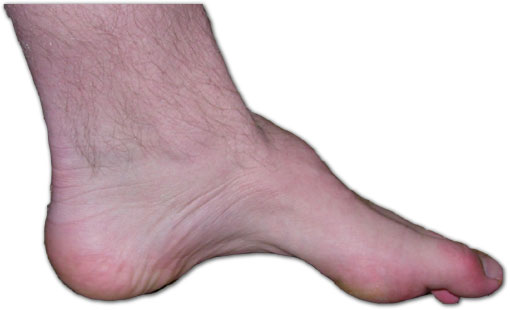
Aplasia cutis congenita (ACC) é uma condição de pele rara caracterizada pela falta localizada de pele, que geralmente fica no couro cabeludo, mas pode aparecer em qualquer parte do corpo, incluindo o rosto, o tronco e os braços e pernas. A ACC pode, às vezes, estar associada a outras alterações.
Introdução
O que você precisa saber de cara
Aplasia cutis congenita (ACC) é uma condição de pele rara caracterizada pela falta localizada de pele, que geralmente fica no couro cabeludo, mas pode aparecer em qualquer parte do corpo, incluindo o rosto, o tronco e os braços e pernas. A ACC pode, às vezes, estar associada a outras alterações.
Escala de raridade
<1/50kMuito rara
1/20kRara
1/10kPouco freq.
1/5kIncomum
1/2k
Encontrou um erro ou informação desatualizada? Sugira uma correção →
Entender a doença
Do básico ao detalhe, leia no seu ritmo
Preparando trilha educativa...
Sinais e sintomas
O que aparece no corpo e com que frequência cada sintoma acontece
Partes do corpo afetadas
+ 10 sintomas em outras categorias
Características mais comuns
Os sintomas variam de pessoa para pessoa. Abaixo estão as 23 características clínicas mais associadas, ordenadas por frequência.
Linha do tempo da pesquisa
Encontrou um erro ou informação desatualizada? Sugira uma correção →
Genética e causas
O que está alterado no DNA e como passa nas famílias
Genes associados
5 genes identificados com associação a esta condição. Padrão de herança: Autosomal dominant, Autosomal recessive, Not applicable.
Curadoria gene-doença
fontes oficiaisGTPase required for the synthesis of 40S ribosomal subunits and for processing of pre-ribosomal RNA (pre-rRNA) at sites A0, A1, and A2. Controls access of pre-rRNA intermediates to RCL1 during ribosome biogenesis by binding RCL1 in a GTP-dependent manner, and delivering it to pre-ribosomes. GTP-binding and/or GTP hydrolysis may induce conformational rearrangements within the BMS1-RCL1 complex allowing the interaction of RCL1 with its RNA substrate. Required for RCL1 import into the nucleus
Nucleus, nucleolus
Aplasia cutis congenita, non-syndromic
A disorder characterized by congenital absence of a portion of skin in a localized or widespread area of the body. The lesions are most commonly localized on the scalp, however aplasia cutis congenita can affect any part of the body.
Interlinks intermediate filaments with microtubules and microfilaments and anchors intermediate filaments to desmosomes or hemidesmosomes. Could also bind muscle proteins such as actin to membrane complexes in muscle. May be involved not only in the filaments network, but also in the regulation of their dynamics. Structural component of muscle. Isoform 9 plays a major role in the maintenance of myofiber integrity
Cytoplasm, cytoskeletonCell junction, hemidesmosomeCell projection, podosome
Epidermolysis bullosa simplex 5C, with pyloric atresia
A form of epidermolysis bullosa, a genodermatosis characterized by recurrent blistering, fragility of the skin and mucosal epithelia, and erosions caused by minor mechanical trauma. EBS5C is an autosomal recessive disorder characterized by severe skin blistering at birth and congenital pyloric atresia. Death usually occurs in infancy.
The heterodimer acts as an E1 ligase for SUMO1, SUMO2, SUMO3, and probably SUMO4. It mediates ATP-dependent activation of SUMO proteins followed by formation of a thioester bond between a SUMO protein and a conserved active site cysteine residue on UBA2/SAE2
CytoplasmNucleus
ACCES syndrome
An autosomal dominant syndrome characterized by a highly variable phenotypic spectrum. Clinical features include aplasia cutis congenita, thin scalp hair, dry skin, dental anomalies, ectrodactyly, and skeletal and neurodevelopmental abnormalities. Craniofacial, cardiac, renal and genital anomalies have also been reported. Affected individuals have early growth deficiencies that improve with age.
Integrin alpha-6/beta-4 is a receptor for laminin. Plays a critical structural role in the hemidesmosome of epithelial cells. Is required for the regulation of keratinocyte polarity and motility. ITGA6:ITGB4 binds to NRG1 (via EGF domain) and this binding is essential for NRG1-ERBB signaling (PubMed:20682778). ITGA6:ITGB4 binds to IGF1 and this binding is essential for IGF1 signaling (PubMed:22351760). ITGA6:ITGB4 binds to IGF2 and this binding is essential for IGF2 signaling (PubMed:28873464)
Cell membraneCell junction, hemidesmosome
Epidermolysis bullosa, junctional 5A, intermediate
A form of epidermolysis bullosa, a genodermatosis characterized by recurrent blistering, fragility of the skin and mucosal epithelia, and erosions caused by minor mechanical trauma. JEB5A is an autosomal recessive, intermediate form in which blistering lesions occur between the epidermis and the dermis at the lamina lucida level of the basement membrane zone. In intermediate forms of junctional epidermolysis bullosa, blistering does not lead to the formation of chronic granulation tissue and does not affect the lifespan of affected individuals. Nail dystrophy and dental enamel defects are present. Scarring or non-scarring alopecia and diffuse hair loss may occur.
Involved in the Notch signaling pathway as Notch ligand (PubMed:11134954). Activates NOTCH1 and NOTCH4. Involved in angiogenesis; negatively regulates endothelial cell proliferation and migration and angiogenic sprouting (PubMed:20616313). Essential for retinal progenitor proliferation. Required for suppressing rod fates in late retinal progenitors as well as for proper generation of other retinal cell types (By similarity). During spinal cord neurogenesis, inhibits V2a interneuron fate (PubMed:
Cell membrane
Adams-Oliver syndrome 6
A form of Adams-Oliver syndrome, a disorder characterized by the congenital absence of skin (aplasia cutis congenita) in combination with transverse limb defects. Aplasia cutis congenita can be located anywhere on the body, but in the vast majority of the cases, it is present on the posterior parietal region where it is often associated with an underlying defect of the parietal bones. Limb abnormalities are typically limb truncation defects affecting the distal phalanges or entire digits (true ectrodactyly). Only rarely, metatarsals/metacarpals or more proximal limb structures are also affected. Apart from transverse limb defects, syndactyly, most commonly of second and third toes, can also be observed. The clinical features are highly variable and can also include cardiovascular malformations, brain abnormalities and vascular defects such as cutis marmorata and dilated scalp veins.
Variantes genéticas (ClinVar)
367 variantes patogênicas registradas no ClinVar.
Classificação de variantes (ClinVar)
Distribuição de 4 variantes classificadas pelo ClinVar.
Vias biológicas (Reactome)
18 vias biológicas associadas aos genes desta condição.
Diagnóstico
Os sinais que médicos procuram e os exames que confirmam
Tratamento e manejo
Remédios, cuidados de apoio e o que precisa acompanhar
Onde tratar no SUS
Hospitais de referência no Brasil e o protocolo oficial do SUS (PCDT)
🇧🇷 Atendimento SUS — Aplasia cutis congênita
Centros de Referência SUS
24 centros habilitados pelo SUS para Aplasia cutis congênita
Centros para Aplasia cutis congênita
Detalhes dos centros
Hospital Universitário Prof. Edgard Santos (HUPES)
R. Dr. Augusto Viana, s/n - Canela, Salvador - BA, 40110-060 · CNES 0003808
Serviço de Referência
Hospital Infantil Albert Sabin
R. Tertuliano Sales, 544 - Vila União, Fortaleza - CE, 60410-794 · CNES 2407876
Serviço de Referência
Hospital de Apoio de Brasília (HAB)
AENW 3 Lote A Setor Noroeste - Plano Piloto, Brasília - DF, 70684-831 · CNES 0010456
Serviço de Referência
Hospital Estadual Infantil e Maternidade Alzir Bernardino Alves (HIABA)
Av. Min. Salgado Filho, 918 - Soteco, Vila Velha - ES, 29106-010 · CNES 6631207
Serviço de Referência
Hospital das Clínicas da UFG
Rua 235 QD. 68 Lote Área, Nº 285, s/nº - Setor Leste Universitário, Goiânia - GO, 74605-050 · CNES 2338424
Serviço de Referência
Hospital Universitário da UFJF
R. Catulo Breviglieri, Bairro - s/n - Santa Catarina, Juiz de Fora - MG, 36036-110 · CNES 2297442
Atenção Especializada
Hospital das Clínicas da UFMG
Av. Prof. Alfredo Balena, 110 - Santa Efigênia, Belo Horizonte - MG, 30130-100 · CNES 2280167
Serviço de Referência
Hospital Universitário Julio Müller (HUJM)
R. Luis Philippe Pereira Leite, s/n - Alvorada, Cuiabá - MT, 78048-902 · CNES 2726092
Atenção Especializada
Hospital Universitário João de Barros Barreto
R. dos Mundurucus, 4487 - Guamá, Belém - PA, 66073-000 · CNES 2337878
Serviço de Referência
Hospital Universitário Lauro Wanderley (HULW)
R. Tabeliao Estanislau Eloy, 585 - Castelo Branco, João Pessoa - PB, 58050-585 · CNES 0002470
Atenção Especializada
Instituto de Medicina Integral Prof. Fernando Figueira (IMIP)
R. dos Coelhos, 300 - Boa Vista, Recife - PE, 50070-902 · CNES 0000647
Serviço de Referência
Hospital Pequeno Príncipe
R. Des. Motta, 1070 - Água Verde, Curitiba - PR, 80250-060 · CNES 3143805
Serviço de Referência
Hospital Universitário Regional de Maringá (HUM)
Av. Mandacaru, 1590 - Parque das Laranjeiras, Maringá - PR, 87083-240 · CNES 2216108
Atenção Especializada
Hospital de Clínicas da UFPR
R. Gen. Carneiro, 181 - Alto da Glória, Curitiba - PR, 80060-900 · CNES 2364980
Serviço de Referência
Hospital Universitário Pedro Ernesto (HUPE-UERJ)
Blvd. 28 de Setembro, 77 - Vila Isabel, Rio de Janeiro - RJ, 20551-030 · CNES 2280221
Serviço de Referência
Instituto Nacional de Saúde da Mulher, da Criança e do Adolescente Fernandes Figueira (IFF/Fiocruz)
Av. Rui Barbosa, 716 - Flamengo, Rio de Janeiro - RJ, 22250-020 · CNES 2269988
Serviço de Referência
Hospital São Lucas da PUCRS
Av. Ipiranga, 6690 - Jardim Botânico, Porto Alegre - RS, 90610-000 · CNES 2232928
Serviço de Referência
Hospital de Clínicas de Porto Alegre (HCPA)
Rua Ramiro Barcelos, 2350 Bloco A - Av. Protásio Alves, 211 - Bloco B e C - Santa Cecília, Porto Alegre - RS, 90035-903 · CNES 2237601
Serviço de Referência
Hospital Universitário da UFSC (HU-UFSC)
R. Profa. Maria Flora Pausewang - Trindade, Florianópolis - SC, 88036-800 · CNES 2560356
Serviço de Referência
Hospital das Clínicas da FMUSP
R. Dr. Ovídio Pires de Campos, 225 - Cerqueira César, São Paulo - SP, 05403-010 · CNES 2077485
Serviço de Referência
Hospital de Base de São José do Rio Preto
Av. Brg. Faria Lima, 5544 - Vila Sao Jose, São José do Rio Preto - SP, 15090-000 · CNES 2079798
Atenção Especializada
Hospital de Clínicas da UNICAMP
R. Vital Brasil, 251 - Cidade Universitária, Campinas - SP, 13083-888 · CNES 2748223
Serviço de Referência
Hospital de Clínicas de Ribeirão Preto (HCRP-USP)
R. Ten. Catão Roxo, 3900 - Vila Monte Alegre, Ribeirão Preto - SP, 14015-010 · CNES 2082187
Serviço de Referência
UNIFESP / Hospital São Paulo
R. Napoleão de Barros, 715 - Vila Clementino, São Paulo - SP, 04024-002 · CNES 2688689
Serviço de Referência
Dados de DATASUS/CNES, SBGM, ABNeuro e Ministério da Saúde. Sempre confirme a disponibilidade diretamente com o estabelecimento.
Pesquisa ativa
Ensaios clínicos abertos e novidades científicas recentes
Ensaios em destaque
🟢 Recrutando agora
1 pesquisa recrutando participantes. Converse com seu médico sobre a possibilidade de participar.
Outros ensaios clínicos
Publicações mais relevantes
Surgical management of aplasia cutis congenita of the scalp and skull defect in a resource-limited setting: A case report.
Aplasia cutis congenita (ACC) is a rare congenital condition marked by the absence of skin layers and sometimes underlying structures. Its etiology is unclear, with up to 70% of cases involving the scalp. We report the first document case of ACC in Ghana. A 1-day-old female, born through spontaneous vaginal delivery after an uneventful pregnancy, was referred for management of a scalp defect noted at birth. Examination revealed an 8 × 5.5 cm central scalp defect with absent cranial vault, partial fronto-parietal bone loss, dural defect, exposed arachnoid membranes, and visible superior sagittal sinus. Other physical findings were normal. Brain magnetic resonance imaging (MRI), whole-body MRI, and echocardiography were unremarkable. A brain computed tomography confirmed a skull defect. The patient underwent a duraplasty using bovine pericardium and received serial wound dressings with epithelial growth factors. The defect reduced to 4.5 × 3.6 cm post-surgery and continues to improve pending potential cranioplasty at 2 years. ACC is primarily diagnosed clinically, and this patient was diagnosed with type 1 ACC. Management depends on subtype, location, defect size, and infection risk. In this case, surgery was employed due to the size of defect and the risk it posed. Prognosis is generally favorable, but limited resources may delay and increase complications in low-income settings. ACC with skull and dural involvement poses serious risks to infant survival in resource-limited settings, where systemic challenges are pervasive. This case highlights the importance of care that is locally adapted, affordable, and delivered through strong multidisciplinary collaboration.
Extensive Type V Truncal Aplasia Cutis Congenita in a Surviving Twin With Fetus Papyraceus: A Case Report.
Aplasia cutis congenita (ACC) is a rare developmental anomaly characterized by the absence of skin at birth. Type V ACC is a distinct subtype associated with fetus papyraceus-the compressed remnant of a deceased co-twin-and typically manifests as symmetrical, linear, or stellate lesions involving the trunk and proximal extremities. The proposed mechanism involves ischemic or thromboembolic injury to the surviving twin due to shared placental circulation. We describe a 30-day-old female neonate, the surviving twin of a dichorionic gestation, whose co-twin was delivered as a fetus papyraceus. The patient presented with extensive, bilaterally symmetrical, linear, and plaque-like areas of absent skin involving the anterior and posterior trunk. No scalp, limb, or mucosal involvement was observed. Systemic examination and laboratory workup were unremarkable. Based on the characteristic lesion pattern and obstetric history, a diagnosis of type V ACC was established. The patient was treated conservatively with topical calcipotriol and meticulous wound care, leading to progressive re-epithelialization and residual atrophic scarring. This case illustrates the classic presentation of type V ACC associated with fetus papyraceus and supports the vascular disruption hypothesis as the predominant pathogenic mechanism. Awareness of this rare entity facilitates early diagnosis, appropriate conservative management, and accurate counseling of parents regarding the excellent prognosis and low recurrence risk.
Three Yemeni Siblings With Johanson-Blizzard Syndrome: A Case Report and Literature Review.
Johanson-Blizzard syndrome (JBS), also known as UBR1-related disorder, is a very rare autosomal recessive disorder caused by pathogenic variants in the UBR1 gene and characterized by significant phenotypic variability. The condition is known to be mainly characterized by craniofacial abnormalities, exocrine pancreatic insufficiency, growth retardation, and sensorineural hearing loss. We describe three affected siblings from a consanguineous Yemeni family with JBS. Two brothers suffered from profound symptoms resulting in infant death, which included failure to thrive, exocrine pancreatic dysfunction, anemia, hypoalbuminemia, aplasia cutis congenita, and cardiomyopathy, which was only present in one sibling. The third sibling, who is still alive, is a one-year-old girl who presented with vomiting, diarrhea, failure to thrive, and marked facial dysmorphic features, including hypoplastic alae nasi, a beaked nose, brachycephaly, and a fifth-finger anomaly, without significant visceral malformations. Genome analysis of the affected sibling revealed a homozygous missense mutation in the UBR1 gene, following the American College of Medical Genetics and Genomics (ACMG) guidelines. Moreover, the familial form, consanguinity, and typical presentation are highly suggestive of a diagnosis of JBS. The current case report draws attention to the significant variability of JBS within families and, once again, emphasizes the need for precise clinical assessment in order to make a diagnosis, especially when molecular testing might be equivocal in resource-poor environments. Early multidisciplinary supportive care and genetic counseling are pivotal for optimizing patient survival and minimizing the rate of recurrence within affected kindreds. A narrative review of the literature was conducted to contextualize the clinical findings and highlight intrafamilial phenotypic variability.
Congenital Volkmann ischemic contracture in an African neonate: a case report.
Congenital Volkmann ischemic contracture (CVIC) is a rare entity, a sequel of intrauterine compartment syndrome (CS). Its early recognition is essential for adapted management. We report the case of a female neonate with left forearm CVIC, characterized by typical contracture and cutaneous lesions. No possible cause of intrauterine CS could be found postnatally. Skin lesions were conservatively managed with serial dressings till complete healing at 7 weeks. The patient is undergoing occupational therapy, with muscle transfer surgery planned at 2 years of age. Volkmann ischemic contracture is a sequel of CS. Whether it is congenital or acquired, it presents with typical features, which allow clinical differentiation from its main differentials: CS (which does not present with the typical forearm contracture) and aplasia cutis congenita (which does not present with neurological impairment). CVIC is a rarity, whose postnatal search of etiology can be disappointing. Management has two steps: early (treatment of skin lesions) and late (muscle transfer surgery).
Aplasia cutis congenita of the scalp with skull defect: an individual patient data systematic review of clinical features and treatment approaches.
Skull defects in aplasia cutis congenita of the scalp are rare but high-risk due to exposed underlying tissues. Because of its rarity, no clear consensus exists regarding optimal management. This study reviews published cases to evaluate clinical features, outcomes, and their relation to treatment strategies. A systematic review was conducted per PRISMA guidelines, including case reports and series (1970-2024) from PubMed, Scopus, Embase, Web of Science, and PsychINFO. Data were pooled and cases grouped by conservative vs. surgical management for comparison. Out of 1,230 articles, 83 studies (102 patients) met inclusion. Median age at presentation was the day of birth. Majority of patients were females (51.7%). Spontaneous vaginal delivery occurred in 54.6%, with syndromic associations in 48.6%. Most lesions were solitary (88.8%), vertex-located (78.4%), and averaged 7.9 cm. Dural defects were reported in about 50%; 66.7% had exposed sagittal sinuses. Surgery was performed in 69.6% of cases, and fewer than 30% achieved full skin and bone closure. Hemorrhage and infection were the most common complications; mortality was 10.9%. Overall complications were nearly twice as frequent with surgery, though closure and mortality rates were similar. One-third of surgeries were a combination of failed conservative management, staged procedures or reoperation. Surgical management was common but not clearly linked to better outcomes. Treatment decisions appear to be individualized and influenced by expertise and resources. Standardized reporting and prospective studies are needed to clarify associations between treatment approaches and outcomes.
Publicações recentes
Megalencephaly-polymicrogyria-polydactyly-hydrocephalus (MPPH) syndrome with aplasia cutis congenita due to PIK3R2 mutations: case report.
🥉 Relato de casoMutations in VCP cause Adams-Oliver syndrome with or without pulmonary hypertension.
🥇 Revisão sistemáticaMolecular mechanism study of novel compound heterozygous EOGT mutations leading to Adams-Oliver syndrome type 4.
🥉 Relato de casoAplasia Cutis Congenita in Bart's Syndrome: A Case Report and Literature Review.
Topical Gentamicin in the Management of Bart Syndrome: A Case Report.
🥉 Relato de caso📚 EuropePMC526 artigos no totalmostrando 193
Three Yemeni Siblings With Johanson-Blizzard Syndrome: A Case Report and Literature Review.
CureusCongenital Volkmann ischemic contracture in an African neonate: a case report.
International journal of surgery case reportsAplasia cutis congenita of the scalp with skull defect: an individual patient data systematic review of clinical features and treatment approaches.
Child's nervous system : ChNS : official journal of the International Society for Pediatric NeurosurgeryAplasia Cutis Congenita: Prenatal Magnetic Resonance Imaging, Postnatal Findings, and Long-Term Follow-Up.
Journal of clinical ultrasound : JCUAplasia Cutis Congenita of the Trunk.
Zeitschrift fur Geburtshilfe und NeonatologieSurgical management of aplasia cutis congenita of the scalp and skull defect in a resource-limited setting: A case report.
Surgical neurology internationalExtensive Type V Truncal Aplasia Cutis Congenita in a Surviving Twin With Fetus Papyraceus: A Case Report.
Case reports in pediatricsAdams-Oliver Syndrome: A Clinical Diagnosis in the Genomic Era.
CureusAdams-Oliver Syndrome: A Comprehensive Literature Review of Clinical, Nutritional, Genetic, and Molecular Aspects with Nursing Care Considerations.
International journal of molecular sciencesAplasia Cutis Congenita and Congenital Heart Disease: A Case Report, Highlighting the Limitation of Antenatal Screening.
The American journal of case reportsPlatelet-rich Plasma Injection and Lipofilling-assisted Hair Transplantation on Residual Scalp Alopecia Post Aplasia Cutis Congenita Verticis (ACCV).
International journal of trichologyMembranous aplasia cutis congenita.
Dermatology reportsHair Collar Sign with Naevus Flammeus: A Possible Sign of Aplasia Cutis Congenita.
Dermatology practical & conceptualFetal Growth Restriction in the Survivor Twin Following Spontaneous Demise in Monochorionic Pregnancy: A Case Report Highlighting Aplasia Cutis.
Clinical case reportsScalp-Ear-Nipple Syndrome: A Rare Sporadic Presentation.
International journal of dermatologyBart Syndrome: A Case with Extensive Skin Lesions and Multiple Congenital Anomalies in a Preterm Neonate.
Case reports in dermatologyAdams-Oliver syndrome: an unusual congenital disorder.
Oxford medical case reportsAplasia cutis congenita of limbs: diagnostic role of prenatal ultrasonography.
Quantitative imaging in medicine and surgeryCutaneous Features of Adams-Oliver Syndrome: Diagnosis, Differentiation, and Management.
Pediatric dermatologyType V aplasia cutis congenita.
BMJ case reportsSuccessful Conservative Management of Aplasia Cutis Congenita in a Preterm Neonate.
CureusRisk Assessment for Early Complications in Nonbreast Tissue Expansion: 9-year Experience With 308 Tissue Expanders.
Plastic and reconstructive surgery. Global openAdams-Oliver Syndrome in a Newborn: A Case Report and Comprehensive Literature Review.
CureusCoexisting Faun-Tail Nevus and Aplasia Cutis Without Dysraphism: A Rare Association.
The Journal of dermatologyFocal Cortical Dysplasia in an Infant With Aplasia Cutis Congenita: A Case Report.
CureusExtensive Erosions and Ulcerations in a Newborn.
Pediatric dermatologyAplasia Cutis Congenita on the Scalp.
Journal of the ASEAN Federation of Endocrine SocietiesPseudodidymosis Aplasticosebacea: An Overlooked Entity.
Pediatric dermatologyA newborn with a necrotic scalp lesion.
JAAD case reportsAplasia Cutis Congenita Type V Associated With Fetus Papyraceus in a Dichorionic Diamniotic Twin Pregnancy.
Case reports in pediatricsAplasia cutis congenita as a complication of early interstitial laser embryo reduction in a case of monochorionic triamniotic triplet pregnancy ‒ a case report.
Case reports in perinatal medicineA Rare Case of Chromosomal Abnormality: 19q13.11 Deletion in a Patient With Aplasia Cutis Congenita and Ambiguous Genitalia.
CureusUncovering a Diagnosis Through Reanalysis of UBA2 Variants in a Patient with Syndactyly, Polydactyly, and Aplasia Cutis Congenita: A Short Report and a Review of the Literature.
Genetic testing and molecular biomarkersAplasia Cutis: From Diagnosis to Management-2 Decades of Clinical Insights.
Plastic and reconstructive surgeryA Case Series of Aplasia Cutis Congenita and Its Management.
CureusAplasia cutis congenita associated with fetus papyraceous.
BMJ case reportsAplasia cutis congenita with unique vascular malformation and cranial hypoplasia: a case in a preterm infant.
Clinical and experimental pediatricsReport of a novel UBA2 variant causing Aplasia Cutis Congenita with Ectrodactyly syndrome (ACCES) in an Indian family.
Clinical dysmorphologyTransient pharmacological inhibition of SUMOylation during pregnancy induces craniofacial malformations in offspring mice.
European journal of cell biologyOutpatient management of large scalp aplasia cutis congenita without skull defect in a case of Adams-Oliver syndrome.
The Kaohsiung journal of medical sciencesFrieden's Group-V Aplasia Cutis Congenita with in utero Scarring in a Dichorionic Twin: A Case Report and Comprehensive Literature Review.
Case reports in dermatologyBart syndrome with musculoskeletal deformity: a rare case report.
Annals of medicine and surgery (2012)A Novel Approach to Aplasia Cutis Congenita With PolyNovo BTM.
The Journal of craniofacial surgeryAplasia cutis congenita in dizygotic twins exposed to methimazole.
International journal of dermatologyAplasia cutis congenita of the trunk in a newborn: a rare case report.
The Pan African medical journalA Case Report on Aplasia Cutis Congenita: Insights Into the Impact of Maternal Carbimazole Use.
CureusExtensive aplasia cutis congenita of the trunk.
Archives of disease in childhood. Fetal and neonatal editionAtypical presentation of ACCES syndrome resembling dominant Spondyloepiphyseal dysplasia tarda.
American journal of medical genetics. Part ALine-Field Optical Coherence Tomography: Usefulness in the Non-Invasive Differential Diagnosis of Congenital Alopecia of Infancy.
Dermatology practical & conceptualAn Extensive Case of Aplasia Cutis Congenita.
CureusMembranous aplasia cutis congenita: A rare case report highlighting clinical presentation, genetic insights, and the need for comprehensive evaluation.
HeliyonAplasia Cutis Congenita Pathomechanisms Reveal Key Regulators of Skin and Skin Appendage Morphogenesis.
The Journal of investigative dermatologyA Closer Look at Aplasia Cutis Congenita: Understanding a Unique Case.
CureusAdams-Oliver syndrome associated with refractory glaucoma.
Journal of AAPOS : the official publication of the American Association for Pediatric Ophthalmology and StrabismusPseudodidymosis aplasticosebacea: Binary phenomenon of congenital aplasia cutis congenita and nevus sebaceus.
JAAD case reportsLessons to Learn About the Misdiagnosis of a Rare Case in China: Bart Syndrome or Carmi Syndrome?
International medical case reports journalLarge skin defect in Type V aplasia cutis congenita treated with conservative treatment: a case report.
BMC pediatricsAplasia cutis congenita type VII of the lower extremity: a favourable disease course with minimal conservative treatment.
BMJ case reportsSevere case of aplasia cutis congenita.
Archives of disease in childhood. Fetal and neonatal editionAdams-Oliver syndrome: About a case.
Clinical case reportsSkin Expander for Scalp Reconstruction: Reappraisal of a Reconstructive Procedure for Aplasia Cutis Congenita.
The Journal of craniofacial surgeryAmniotic membrane dressings for treatment of aplasia cutis in newborns.
Pediatric dermatologyScalp Closure in Midline Cutis Aplasia-An Absolute Indication for Preoperative Imaging.
The Journal of craniofacial surgeryPort-wine stain associated with membranous aplasia cutis congenita and hair collar sign.
BMJ case reportsGastrointestinal Tract Granular Cell Tumor in the Pediatric Population: A Multicenter Experience.
Pediatric and developmental pathology : the official journal of the Society for Pediatric Pathology and the Paediatric Pathology SocietyKCTD1/KCTD15 complexes control ectodermal and neural crest cell functions, and their impairment causes aplasia cutis.
The Journal of clinical investigationA Case of Aplasia Cutis Congenita in the Setting of Maternal Carbimazole Use in the First Trimester.
JCEM case reportsGenome-wide association analysis unveils candidate genes and loci associated with aplasia cutis congenita in pigs.
BMC genomicsImaging of pediatric skull lytic lesions: A review.
Journal of neuroimaging : official journal of the American Society of NeuroimagingAplasia Cutis Congenita of the Scalp with Bone Defect and Exposed Sagittal Sinus in Trisomy 13 Newborn - a Case Report.
Medical archives (Sarajevo, Bosnia and Herzegovina)Large aplasia cutis congenita of the vertex conservative management.
Child's nervous system : ChNS : official journal of the International Society for Pediatric NeurosurgeryAplasia cutis congenita in monozygotic twins.
Skin health and diseaseMidline cutaneous anomalies of the craniospinal axis.
Journal of the American Academy of DermatologyAcute Bacterial Meningitis and Petrous Apicitis in a Child with Aplasia Cutis Congenita: A Case Report.
The journal of international advanced otologyEpidermolysis Bullosa With Pyloric Stenosis: A Novel Lethal Variant.
CureusConservative Management of a Rare Entity-Aplasia Cutis Congenita: A Case Report.
Plastic and aesthetic nursingA case report of Bart syndrome.
Clinical case reportsA rare case of aplasia cutis congenita.
Asian journal of surgeryAplasia Cutis Congenita With Cutaneous Meningioma: A Rare Case.
The American Journal of dermatopathologyA novel pathogenic variation of DOCK6 gene: the genotype-phenotype correlation in Adams-Oliver syndrome.
Molecular biology reportsA Disproportionality Analysis of the Adverse Effect Profiles of Methimazole and Propylthiouracil in Patients with Hyperthyroidism Using the Japanese Adverse Drug Event Report Database.
Thyroid : official journal of the American Thyroid AssociationA rare case of extensive aplasia cutis congenita: Our surgical approach.
Journal of plastic, reconstructive & aesthetic surgery : JPRASCase report: Aplasia cutis congenita of the scalp with bone defect and an exposed sagittal sinus in a trisomy 13 newborn.
Frontiers in pediatricsCase report: A case of epidermolysis bullosa complicated with pyloric atresia and a literature review.
Frontiers in pediatricsTrichoscopy of aplasia cutis congenita of the scalp in skin of color.
Journal of cosmetic dermatologyCryopreserved amniotic membrane in the treatment of limb skin defects of aplasia cutis congenita: a case study.
Journal of wound careType VII Aplasia Cutis Congenita in Neonates Related to Maternal HBV Infection? Case Report and Literature Review.
Clinical, cosmetic and investigational dermatologyHomozygosity for a novel DOCK6 variant in an individual without aplasia cutis congenita of the scalp and terminal transverse limb defects.
Clinical dysmorphologyAplasia Cutis Congenita of the Lower Limb: A Case Report.
CureusCase report: Recombinant human epidermal growth factor gel plus kangfuxin solution in the treatment of aplasia cutis congenita in a case with Adams-Oliver syndrome.
Frontiers in surgeryA Case of Unilateral Aplasia Cutis Congenita on the Hand in a Newborn Male Baby Exposed to Low Molecular Weight Heparin<em> in Utero</em>.
Journal of the College of Physicians and Surgeons--Pakistan : JCPSPAplasia cutis congenita of extremities (group VII): case report from North-Western Nigeria.
Sudanese journal of paediatricsAdams-Oliver syndrome and associated complications: Report of a family in Colombia and review of the literature.
Biomedica : revista del Instituto Nacional de SaludA successful case of preimplantation genetic testing for monogenic disorder for aplasia cutis congenita.
Frontiers in pediatricsSCALP syndrome with a germline heterozygous DOCK6 mutation and somatic mosaic NRAS Q61R mutation.
Pediatric dermatologyIntrafamilial phenotypic variability in autosomal recessive DOCK6-related Adams-Oliver syndrome.
European journal of medical geneticsEpidemiology of aplasia cutis congenita: A population-based study in Europe.
Journal of the European Academy of Dermatology and Venereology : JEADVFOSL2 truncating variants in the last exon cause a neurodevelopmental disorder with scalp and enamel defects.
Genetics in medicine : official journal of the American College of Medical GeneticsSynergistic effects of rare variants of ARHGAP31 and FBLN1 in vitro in terminal transverse limb defects.
Frontiers in geneticsCutaneous squamous cell carcinoma in an autosomal-recessive Adams-Oliver syndrome patient with a novel frameshift pathogenic variant in the EOGT gene.
American journal of medical genetics. Part ADermoscopic characteristics of membranous aplasia cutis congenita: Report of 56 cases.
Skin research and technology : official journal of International Society for Bioengineering and the Skin (ISBS) [and] International Society for Digital Imaging of Skin (ISDIS) [and] International Society for Skin Imaging (ISSI)Late-onset obstructive hydrocephalus associated with occipital encephalocele with large skull defect successfully treated by endoscopic third ventriculostomy.
Child's nervous system : ChNS : official journal of the International Society for Pediatric Neurosurgery[A child with a bald spot on her scalp].
Nederlands tijdschrift voor geneeskundeMutation update: The spectra of PLEC sequence variants and related plectinopathies.
Human mutationFibrous dysplasia in cardio-facio-cutaneous syndrome: A case report and review of literature.
American journal of medical genetics. Part AMaternal SARS-CoV-2 infection and aplasia cutis congenita in a newborn.
Journal of the European Academy of Dermatology and Venereology : JEADVPatient with recurrent mosaic KRAS variant: Rare oculoectodermal syndrome with severe neurologic phenotype.
The Journal of dermatologyCongenital cutaneous aplasia of the limbs: A case report.
Annals of medicine and surgery (2012)Adams-Oliver Syndrome: A Rare Congenital Disorder.
CureusSevere Adams-Oliver Syndrome after Maternal COVID-19 Infection Could Be Another Effect of the SARS-CoV-2 Inflammatory Storm? Case Report.
Fetal and pediatric pathologyIdentification of Codon 146 KRAS Variants in Isolated Epidermal Nevus and Multiple Lesions in Oculoectodermal Syndrome: Confirmation of the Phenotypic Continuum of Mosaic RASopathies.
International journal of molecular sciencesA case of aplasia cutis congenita following fetal reduction of triplet pregnancy conceived through in vitro fertilization.
The Turkish journal of pediatricsAplasia Cutis Congenita Associated with Trisomy 13.
Actas dermo-sifiliograficasA Unique Case of Primary Cutaneous Adenoid Cystic Carcinoma Associated with Aplasia Cutis Congenita in a Four-Year-Old Female: A Case Report.
Children (Basel, Switzerland)Trichorhinophalangeal syndrome type II associated with aplasia cutis congenita in a neonate.
Pediatric dermatologyChallenges in the management of extensive aplasia cutis congenita.
BMJ case reportsAdams-Oliver syndrome, intestinal obstruction and heart defects: a case series of aplasia cutis congenita.
Oxford medical case reportsNovel compound heterozygous ITGB4 mutations underlie lethal junctional epidermolysis bullosa with pyloric atresia and aplasia cutis congenita.
The Journal of dermatologyChoroidal calcifications in two cases of aplasia cutis congenita and oculoectodermal syndrome.
Ophthalmic geneticsUse of Ultra-high-frequency Ultrasound for Aplasia Cutis Congenita of the Scalp.
Plastic and reconstructive surgery. Global openA novel DLL4 mutation in Adams-Oliver syndrome with absence of the right pulmonary artery in newborn.
American journal of medical genetics. Part AExtensive Type V Aplasia Cutis Congenita Without Fetus Papyraceus or Placental Infarction: A Rare Case.
Clinical, cosmetic and investigational dermatology[An infant with multiple lesions of the scalp].
Nederlands tijdschrift voor geneeskundeScalp-Ear-Nipple syndrome: first report of a Potassium channel tetramerization domain-containing 1 in-frame insertion and review of the literature.
Clinical dysmorphologyIsolated aplasia cutis congenita: A report of two cases.
Clinical case reportsA case of aplasia cutis congenita type VII with tibial dysplasia.
Clinical and experimental dermatology[Aplasia cutis congenita medførende abduktionsfejlstilling af storetå].
Ugeskrift for laegerCase Report: Uncommon Association of ITGB4 and KRT10 Gene Mutation in a Case of Epidermolysis Bullosa With Pyloric Atresia and Aplasia Cutis Congenita.
Frontiers in geneticsImaging Spectrum of Calvarial Abnormalities.
Radiographics : a review publication of the Radiological Society of North America, IncAplasia cutis congenita in dizygotic twin infants.
Clinical and experimental dermatologyUBA2 variants underlie a recognizable syndrome with variable aplasia cutis congenita and ectrodactyly.
Genetics in medicine : official journal of the American College of Medical GeneticsAplasia Cutis Congenita: A Case Report.
West African journal of medicineA Case of Large Aplasia Cutis Congenita with Underlying Skull Defect: Effective Surgical Treatment with Integra® Dermal Regeneration Template.
Pediatric neurosurgeryBullous Aplasia Cutis Congenita-Description of a Novel Dermoscopic Feature.
Dermatology practical & conceptualMultiple aplasia cutis congenita type V and fetus papyraceous: a case report and review of the literature.
Journal of medical case reportsThe spectrum of pediatric scarring alopecia: A retrospective review of 27 patients seen at Mayo Clinic.
Pediatric dermatologyDermoscopy of Aplasia Cutis Congenita: A Case Report and Review of the Literature.
Dermatology practical & conceptualFrieden's type 7 aplasia cutis congenita in a premature neonate.
Journal der Deutschen Dermatologischen Gesellschaft = Journal of the German Society of Dermatology : JDDGAplasia cutis congenita with dermal melanocytosis.
The Australasian journal of dermatologyMultidisciplinary management of a previously unreported presentation of severe aplasia cutis congenita.
Pediatric dermatologyThe spiral flap: A novel approach to scalp closure in children.
American journal of otolaryngologyCongenital absence of the skin secondary to the self-improving subtype of dystrophic epidermolysis bullosa with recurrent lesions throughout early childhood.
JAAD case reports[Aplasia Cutis Congenita with Fetus Papyraceus (ACC type 5) - A Visual Diagnosis].
Klinische Padiatrie[Junctional epidermolysis bullosa-pyloric atresia syndrome with extensive congenital aplasia cutis].
Anales de pediatriaAplasia cutis congenita in a CDC42-related developmental phenotype.
American journal of medical genetics. Part ATopical ropivacaine for analgesia of aplasia cutis congenita in newborns with hereditary epidermolysis bullosa.
Orphanet journal of rare diseasesAplasia cutis congenita: a report of two cases from National Hospital Abuja, Nigeria and review of the literature.
The Pan African medical journalPseudo-cobra neck deformity due to aplasia cutis congenita.
International journal of pediatric otorhinolaryngologyAplasia cutis congenita with dystrophic epidermolysis bullosa: Bart syndrome.
Indian journal of dermatology, venereology and leprologyA Rare Congenital Case: Aplasia Cutis Congenita.
Facial plastic surgery : FPSExtensive Aplasia Cutis Congenita Encircling the Trunk Associated with Fetus Papyraceus.
Case reports in pediatricsMembranous aplasia cutis congenita in trisomy 18.
Italian journal of pediatricsAplasia Cutis Congenita as a Sole Manifestation of Congenital Varicella Syndrome.
Case reports in pediatricsTeratogen update: Antithyroid medications.
Birth defects researchEpidermolysis bullosa with congenital absence of skin: Review of the literature.
Pediatric dermatologyCongenital Triangular Alopecia - A Case Report.
International journal of trichologyType V aplasia cutis congenita in a preterm newborn successfully resolved.
Dermatologic therapyAdams-Oliver syndrome: a case of bilateral progressive ischemic maculopathy.
Journal of AAPOS : the official publication of the American Association for Pediatric Ophthalmology and StrabismusGenotype-phenotype correlations on epidermolysis bullosa with congenital absence of skin: A comprehensive review.
Clinical geneticsClassification of aplasia cutis congenita: a 25-year review of cases presenting to a tertiary paediatric dermatology department.
Clinical and experimental dermatologyA novel variant in DOCK6 gene associated with Adams-Oliver syndrome type 2.
Ophthalmic geneticsStanding on the shoulder of giants: Tubed pedicle radial forearm flap reconstruction for cutis aplasia.
JPRAS openAplasia cutis congenita of both knees: A new therapeutic strategy.
Archives de pediatrie : organe officiel de la Societe francaise de pediatrieMultiple Aplasia Cutis Congenita Lesions of the Scalp: A Case Study.
Neonatal network : NNBullous aplasia cutis congenita: A rare presentation of a rare disease.
Dermatology online journalTreatment of a Large Skull Defect and Brain Herniation in a Newborn With Adams-Oliver Syndrome.
CureusEarly Lethality Due to a Novel Desmoplakin Variant Causing Infantile Epidermolysis Bullosa Simplex With Fragile Skin, Aplasia Cutis Congenita, and Arrhythmogenic Cardiomyopathy.
Circulation. Genomic and precision medicineNovel In-Frame Deletion Mutation in NOTCH1 in a Chinese Sporadic Case of Adams-Oliver Syndrome.
DNA and cell biologyRecognizable neonatal clinical features of aplasia cutis congenita.
Italian journal of pediatricsPrenatal and postnatal phenotype of a pathologic variant in the ATP6AP1 gene.
European journal of medical geneticsLow risk of clinically important central nervous system dysraphism in a cohort study of 69 patients with isolated aplasia cutis congenita of the head.
Pediatric dermatologyAplasia cutis congenita in Korea: Single center experience and literature review.
Pediatrics international : official journal of the Japan Pediatric SocietyReconstruction of Congenital Cranial Defect Using Autologous Bone Graft in Aplasia Cutis Congenita.
The Journal of craniofacial surgeryAplasia Cutis Congenita in an Infant with Very Low Birth Weight.
The Journal of pediatricsAplasia cutis congenita of the scalp: Histopathologic features and clinicopathologic correlation in a case series.
Journal of cutaneous pathology[A case of aplasia cutis congenita following in utero exposure to carbimazole].
Annales de dermatologie et de venereologieNewborn with a solitary hairless skin defect on the scalp vertex.
Clinical case reportsIncontinentia Pigmenti Associated with Aplasia Cutis Congenita in a Newborn Male with Klinefelter Syndrome: Is the Severity of Neurological Involvement Linked to Skin Manifestations?
Dermatology and therapyExpanding the phenotype in Adams-Oliver syndrome correlating with the genotype.
American journal of medical genetics. Part AOculoectodermal Syndrome - Encephalocraniocutaneous Lipomatosis Associated with NRAS Mutation.
Acta dermato-venereologicaBart syndrome associated with skeletal deformities: An uncommon case report.
Dermatologic therapyAn Aplasia Cutis Congenita: Suggestion of Management Algorithm.
The Journal of craniofacial surgeryAplasia cutis congenita associated with a heterozygous loss-of-function UBA2 variant.
The British journal of dermatologyTreating aplasia cutis congenita in a newborn with the combination of ionic silver dressing and moist exposed burn ointment: A case report.
World journal of clinical casesA spot diagnosis! Aplasia cutis congenita in monozygotic twins.
Lancet (London, England)A huge absence of skin on the trunk: aplasia cutis congenita.
The Pan African medical journalAdams-Oliver syndrome caused by mutations of the EOGT gene.
American journal of medical genetics. Part ATopical Leptospermum Honey in the Management of Aplasia Cutis Congenita in Neonates: A Case Study.
Journal of wound, ostomy, and continence nursing : official publication of The Wound, Ostomy and Continence Nurses SocietyWidespread aplasia cutis congenita in sibs with PLEC1 and ITGB4 variants.
American journal of medical genetics. Part ATwo cases of aplasia cutis congenita with hair collar signs and macrophage hyperplasia.
The Journal of dermatologyExtensive aplasia cutis congenita associated with cephalocranial disproportion and brain extrusion.
Child's nervous system : ChNS : official journal of the International Society for Pediatric NeurosurgeryType V aplasia cutis congenita with fetus papyraceus.
JAAD case reportsCongenital Laser-Induced Burns: A Potential Complication after Laser Photocoagulation in Monochorionic Twin Pregnancy.
Fetal and pediatric pathologyAssociações
Organizações que acompanham esta doença — pra ter apoio e orientação
Ainda não temos associações cadastradas para Aplasia cutis congênita.
É de uma associação que acompanha esta doença? Fale com a gente →
Comunidades
Grupos ativos de quem convive com esta doença aqui no Raras
Ainda não existe comunidade no Raras para Aplasia cutis congênita
Pacientes, familiares e cuidadores se organizam em comunidades pra compartilhar experiências, fazer perguntas e se apoiar. Você pode ser o primeiro.
Tire suas dúvidas
Perguntas, dicas e experiências compartilhadas aqui na página
Participe da discussão
Faça login para postar dúvidas, compartilhar experiências e interagir com especialistas.
Fazer loginDoenças relacionadas
Doenças com sintomas parecidos — ajudam quem ainda está buscando diagnóstico
Referências e fontes
Bases de dados externas citadas neste artigo
Publicações científicas
Artigos indexados no PubMed ligados a esta doença no grafo RarasNet — título, periódico e PMID direto da fonte, sem intermediação de IA.
- Surgical management of aplasia cutis congenita of the scalp and skull defect in a resource-limited setting: A case report.
- Extensive Type V Truncal Aplasia Cutis Congenita in a Surviving Twin With Fetus Papyraceus: A Case Report.
- Three Yemeni Siblings With Johanson-Blizzard Syndrome: A Case Report and Literature Review.
- Congenital Volkmann ischemic contracture in an African neonate: a case report.
- Aplasia cutis congenita of the scalp with skull defect: an individual patient data systematic review of clinical features and treatment approaches.Child's nervous system : ChNS : official journal of the International Society for Pediatric Neurosurgery· 2026· PMID 41706195mais citado
- Megalencephaly-polymicrogyria-polydactyly-hydrocephalus (MPPH) syndrome with aplasia cutis congenita due to PIK3R2 mutations: case report.
- Mutations in VCP cause Adams-Oliver syndrome with or without pulmonary hypertension.
- Molecular mechanism study of novel compound heterozygous EOGT mutations leading to Adams-Oliver syndrome type 4.
- Aplasia Cutis Congenita in Bart's Syndrome: A Case Report and Literature Review.
- Topical Gentamicin in the Management of Bart Syndrome: A Case Report.
Bases de dados e fontes oficiais
Identificadores e referências canônicas usadas para montar este verbete.
- ORPHA:1114(Orphanet)
- OMIM OMIM:107600(OMIM)
- MONDO:0007145(MONDO)
- GARD:5835(GARD (NIH))
- Variantes catalogadas(ClinVar)
- Busca completa no PubMed(PubMed)
- Artigo Wikipedia(Wikipedia)
- Q1424491(Wikidata)
Dados compilados pelo RarasNet a partir de fontes abertas (Orphanet, OMIM, MONDO, PubMed/EuropePMC, ClinicalTrials.gov, DATASUS, PCDT/MS). Este conteúdo é informativo e não substitui avaliação médica.
Conteúdo mantido por Agente Raras · Médicos e pesquisadores podem colaborar