
As Ataxias Cerebelares Autossômicas Recessivas (ARCA) são um grupo diverso de doenças neurológicas raras que envolvem tanto o sistema nervoso central quanto o periférico (e, em alguns casos, outros sistemas e órgãos do corpo), e se caracterizam pela deterioração ou desenvolvimento anormal do cerebelo e da medula espinhal, com início, na maioria dos casos, antes dos 20 anos de idade.
Introdução
O que você precisa saber de cara
As Ataxias Cerebelares Autossômicas Recessivas (ARCA) são um grupo diverso de doenças neurológicas raras que envolvem tanto o sistema nervoso central quanto o periférico (e, em alguns casos, outros sistemas e órgãos do corpo), e se caracterizam pela deterioração ou desenvolvimento anormal do cerebelo e da medula espinhal, com início, na maioria dos casos, antes dos 20 anos de idade.
Tem tratamento?
Escala de raridade
<1/50kMuito rara
1/20kRara
1/10kPouco freq.
1/5kIncomum
1/2k
Encontrou um erro ou informação desatualizada? Sugira uma correção →
Entender a doença
Do básico ao detalhe, leia no seu ritmo
Preparando trilha educativa...
Sinais e sintomas
O que aparece no corpo e com que frequência cada sintoma acontece
Partes do corpo afetadas
+ 375 sintomas em outras categorias
Características mais comuns
Os sintomas variam de pessoa para pessoa. Abaixo estão as 876 características clínicas mais associadas, ordenadas por frequência.
Linha do tempo da pesquisa
Encontrou um erro ou informação desatualizada? Sugira uma correção →
Genética e causas
O que está alterado no DNA e como passa nas famílias
Genes associados
65 genes identificados com associação a esta condição. Padrão de herança: Autosomal recessive.
Curadoria gene-doença
fontes oficiaisCatalytic subunit of DNA polymerase gamma solely responsible for replication of mitochondrial DNA (mtDNA). Replicates both heavy and light strands of the circular mtDNA genome using a single-stranded DNA template, RNA primers and the four deoxyribonucleoside triphosphates as substrates (PubMed:11477093, PubMed:11897778, PubMed:15917273, PubMed:19837034, PubMed:9558343). Has 5' -> 3' polymerase activity. Functionally interacts with TWNK and SSBP1 at the replication fork to form a highly processiv
MitochondrionMitochondrion matrix, mitochondrion nucleoid
Progressive external ophthalmoplegia with mitochondrial DNA deletions, autosomal dominant, 1
A disorder characterized by progressive weakness of ocular muscles and levator muscle of the upper eyelid. In a minority of cases, it is associated with skeletal myopathy, which predominantly involves axial or proximal muscles and which causes abnormal fatigability and even permanent muscle weakness. Ragged-red fibers and atrophy are found on muscle biopsy. A large proportion of chronic ophthalmoplegias are associated with other symptoms, leading to a multisystemic pattern of this disease. Additional symptoms are variable, and may include cataracts, hearing loss, sensory axonal neuropathy, ataxia, depression, hypogonadism, and parkinsonism.
Multifunctional cell surface receptor that binds VLDL and transports it into cells by endocytosis and therefore plays an important role in energy metabolism. Also binds to a wide range of other molecules including Reelin/RELN or apolipoprotein E/APOE-containing ligands as well as clusterin/CLU (PubMed:24381170, PubMed:30873003). In the off-state of the pathway, forms homooligomers or heterooligomers with LRP8 (PubMed:30873003). Upon binding to ligands, homooligomers are rearranged to higher orde
Cell membraneMembrane, clathrin-coated pit
Cerebellar ataxia, impaired intellectual development, and dysequilibrium syndrome 1
An autosomal recessive, congenital, non-progressive cerebellar ataxia associated with disturbed equilibrium, delayed ambulation, intellectual disability, cerebellar hypoplasia and mild cerebral gyral simplification. Additional features include short stature, strabismus, pes planus and, rarely, seizures.
Processively dephosphorylates 'Ser-2' and 'Ser-5' of the heptad repeats YSPTSPS in the C-terminal domain of the largest RNA polymerase II subunit. This promotes the activity of RNA polymerase II. Plays a role in the exit from mitosis by dephosphorylating crucial mitotic substrates (USP44, CDC20 and WEE1) that are required for M-phase-promoting factor (MPF)/CDK1 inactivation
NucleusCytoplasm, cytoskeleton, microtubule organizing center, centrosomeCytoplasm, cytoskeleton, spindle poleMidbody
Congenital cataracts, facial dysmorphism, and neuropathy
An autosomal recessive developmental disorder characterized by a complex clinical phenotype with seemingly unrelated features involving multiple organs and systems. Developmental abnormalities include congenital cataracts and microcorneae, hypomyelination of the peripheral nervous system, impaired physical growth, delayed early motor and intellectual development, facial dysmorphism and hypogonadism. Central nervous system involvement, with cerebral and spinal cord atrophy, may be the result of disrupted development with superimposed degenerative changes. Affected individuals are prone to severe rhabdomyolysis after viral infections and to serious complications related to general anesthesia (such as pulmonary edema and epileptic seizures).
Required for protein translocation and folding in the endoplasmic reticulum (ER). Functions as a nucleotide exchange factor for the ER lumenal chaperone HSPA5
Endoplasmic reticulum lumen
Marinesco-Sjoegren syndrome
Autosomal recessive multisystem disorder which is characterized by cerebellar ataxia due to cerebellar atrophy, with Purkinje and granule cell loss and myopathy featuring marked muscle replacement with fat and connective tissue. Other cardinal features include bilateral cataracts, hypergonadotrophic hypogonadism and mild to severe intellectual disability. Skeletal abnormalities, short stature, dysarthria, strabismus and nystagmus are also frequent findings. Mutational inactivation of this protein may result in ER stress-induced cell death signaling or malfunctioning chaperone machineries that mishandle client proteins which are critical for the organs targeted in MSS.
May be involved in the trafficking and exocytosis of secretory vesicles in non-neuronal tissues. Is Ca(2+)-independent
Membrane
Spinocerebellar ataxia, autosomal recessive, 11
A form of spinocerebellar ataxia, a clinically and genetically heterogeneous group of cerebellar disorders. Patients show progressive incoordination of gait and often poor coordination of hands, speech and eye movements, due to degeneration of the cerebellum with variable involvement of the brainstem and spinal cord. SCAR11 is associated with psychomotor retardation.
Tubulin is the major constituent of microtubules, a cylinder consisting of laterally associated linear protofilaments composed of alpha- and beta-tubulin heterodimers (PubMed:23001566, PubMed:26732629, PubMed:28013290). Microtubules grow by the addition of GTP-tubulin dimers to the microtubule end, where a stabilizing cap forms. Below the cap, tubulin dimers are in GDP-bound state, owing to GTPase activity of alpha-tubulin. Plays a critical role in proper axon guidance in both central and periph
Cytoplasm, cytoskeleton
Cortical dysplasia, complex, with other brain malformations 7
A malformation of the cortex in which the brain surface is irregular and characterized by an excessive number of small gyri with abnormal lamination. Polymicrogyria is a heterogeneous disorder, considered to be the result of postmigratory abnormal cortical organization.
Transcription factor that can both act as an activator or a repressor depending on the context. Plays a central role in BMP signaling and olfactory neurogenesis. Associates with SMADs in response to BMP2 leading to activate transcription of BMP target genes. Acts as a transcriptional repressor via its interaction with EBF1, a transcription factor involved in terminal olfactory receptor neurons differentiation; this interaction preventing EBF1 to bind DNA and activate olfactory-specific genes. In
Nucleus
Nephronophthisis 14
An autosomal recessive disorder manifesting as infantile-onset kidney disease, cerebellar vermis hypoplasia, and situs inversus. Nephronophthisis is a progressive tubulo-interstitial kidney disorder histologically characterized by modifications of the tubules with thickening of the basement membrane, interstitial fibrosis and, in the advanced stages, medullary cysts.
Metalloendopeptidase of the mitochondrial matrix that functions in peptide cleavage and degradation rather than in protein processing (PubMed:10360838, PubMed:16849325, PubMed:19196155, PubMed:24931469). Has an ATP-independent activity (PubMed:16849325). Specifically cleaves peptides in the range of 5 to 65 residues (PubMed:19196155). Shows a preference for cleavage after small polar residues and before basic residues, but without any positional preference (PubMed:10360838, PubMed:19196155, PubM
MitochondrionMitochondrion matrix
Spinocerebellar ataxia, autosomal recessive, 30
A form of spinocerebellar ataxia, a clinically and genetically heterogeneous group of cerebellar disorders due to degeneration of the cerebellum with variable involvement of the brainstem and spinal cord. SCAR30 is a progressive disease characterized by childhood-onset global developmental delay with variably impaired intellectual development, motor dysfunction, and cerebellar ataxia. Affected individuals may also have psychiatric abnormalities.
Lysosomal serine protease with tripeptidyl-peptidase I activity (PubMed:11054422, PubMed:19038966, PubMed:19038967). May act as a non-specific lysosomal peptidase which generates tripeptides from the breakdown products produced by lysosomal proteinases (PubMed:11054422, PubMed:19038966, PubMed:19038967). Requires substrates with an unsubstituted N-terminus (PubMed:19038966)
LysosomeMelanosome
Ceroid lipofuscinosis, neuronal, 2
A form of neuronal ceroid lipofuscinosis. Neuronal ceroid lipofuscinoses are progressive neurodegenerative, lysosomal storage diseases characterized by intracellular accumulation of autofluorescent liposomal material, and clinically by seizures, dementia, visual loss, and/or cerebral atrophy. The lipopigment pattern seen most often in CLN2 consists of curvilinear profiles.
Thiol-specific peroxidase that catalyzes the reduction of hydrogen peroxide and organic hydroperoxides to water and alcohols, respectively. Plays a role in cell protection against oxidative stress by detoxifying peroxides (PubMed:17707404, PubMed:29438714, PubMed:33889951, PubMed:7733872). Acts synergistically with MAP3K13 to regulate the activation of NF-kappa-B in the cytosol (PubMed:12492477). Required for the maintenance of physical strength (By similarity)
MitochondrionCytoplasmEarly endosome
Spinocerebellar ataxia, autosomal recessive, 32
A form of spinocerebellar ataxia, a clinically and genetically heterogeneous group of cerebellar disorders due to degeneration of the cerebellum with variable involvement of the brainstem and spinal cord. SCAR32 is characterized by the onset of gait ataxia in the second or third decades of life. Other classic features include upper limb ataxia, oculomotor signs, dysphagia, and dysarthria. Some patients may have hyper- or hypokinetic movement abnormalities. Brain imaging shows cerebellar atrophy. Atrophy can extend to the brainstem and medullary olives.
Regulates COPI-mediated retrograde protein traffic at the interface between the Golgi apparatus and the endoplasmic reticulum (PubMed:18556652). Involved in the maintenance of the Golgi apparatus morphology (PubMed:26581903) Acts as a transcriptional activator. It binds to three different types of GC-rich DNA binding sites (box-A, -B and -C) in the beta-polymerase promoter region. It also binds to the TERT promoter region
Cytoplasm, cytoskeleton, microtubule organizing center, centrosomeEndoplasmic reticulum-Golgi intermediate compartmentGolgi apparatus, cis-Golgi networkCytoplasmNucleus
Spinocerebellar ataxia, autosomal recessive, 21
A form of spinocerebellar ataxia, a clinically and genetically heterogeneous group of cerebellar disorders due to degeneration of the cerebellum with variable involvement of the brainstem and spinal cord. SCAR21 is characterized by cerebellar atrophy and ataxia with onset in early childhood. Patients also manifest recurrent episodes of liver failure, hepatic fibrosis and a peripheral neuropathy.
Required during ciliogenesis for tubulin glutamylation in cilium. Probably acts by participating in the transport of TTLL6, a tubulin polyglutamylase, between the basal body and the cilium
Cytoplasm, cytoskeleton, microtubule organizing center, centrosomeCell projection, ciliumCytoplasm, cytoskeleton, cilium basal body
Joubert syndrome 15
An autosomal recessive disorder presenting with cerebellar ataxia, oculomotor apraxia, hypotonia, neonatal breathing abnormalities and psychomotor delay. Neuroradiologically, it is characterized by cerebellar vermian hypoplasia/aplasia, thickened and reoriented superior cerebellar peduncles, and an abnormally large interpeduncular fossa, giving the appearance of a molar tooth on transaxial slices (molar tooth sign). Additional variable features include retinal dystrophy, renal disease, liver fibrosis and polydactyly.
Does not exhibit calcium-activated chloride channel (CaCC) activity. Can inhibit the activity of ANO1
Cell membrane
Spinocerebellar ataxia, autosomal recessive, 10
A form of spinocerebellar ataxia, a clinically and genetically heterogeneous group of cerebellar disorders. Patients show progressive incoordination of gait and often poor coordination of hands, speech and eye movements, due to degeneration of the cerebellum with variable involvement of the brainstem and spinal cord. SCAR10 is characterized by onset in the teenage or young adult years of gait and limb ataxia, dysarthria, and nystagmus associated with marked cerebellar atrophy on brain imaging.
Component of the PEX1-PEX6 AAA ATPase complex, a protein dislocase complex that mediates the ATP-dependent extraction of the PEX5 receptor from peroxisomal membranes, an essential step for PEX5 recycling (PubMed:16314507, PubMed:16854980, PubMed:21362118, PubMed:29884772). Specifically recognizes PEX5 monoubiquitinated at 'Cys-11', and pulls it out of the peroxisome lumen through the PEX2-PEX10-PEX12 retrotranslocation channel (PubMed:29884772). Extraction by the PEX1-PEX6 AAA ATPase complex is
Cytoplasm, cytosolPeroxisome membraneCell projection, cilium, photoreceptor outer segment
Peroxisome biogenesis disorder complementation group 4
A peroxisomal disorder arising from a failure of protein import into the peroxisomal membrane or matrix. The peroxisome biogenesis disorders (PBD group) are genetically heterogeneous with at least 14 distinct genetic groups as concluded from complementation studies. Include disorders are: Zellweger syndrome (ZWS), neonatal adrenoleukodystrophy (NALD), infantile Refsum disease (IRD), and classical rhizomelic chondrodysplasia punctata (RCDP). ZWS, NALD and IRD are distinct from RCDP and constitute a clinical continuum of overlapping phenotypes known as the Zellweger spectrum (PBD-ZSS).
Uniporter that mediates the transport of extracellular choline and ethanolamine into cells, thereby playing a key role in phospholipid biosynthesis (PubMed:37100056, PubMed:38693265, PubMed:38778100, PubMed:39306721). Choline and ethanolamine are the precursors of phosphatidylcholine and phosphatidylethanolamine, respectively, the two most abundant phospholipids (PubMed:38693265, PubMed:38778100). Transport is not coupled with proton transport and is exclusively driven by the choline (or ethanol
Cell membraneMitochondrion membrane
Retinopathy-sensory neuropathy syndrome
An autosomal recessive neurodegenerative syndrome beginning in infancy with areflexia and retinitis pigmentosa. Nyctalopia (night blindness) and peripheral visual field loss are usually evident during late childhood or teenage years, with subsequent progressive constriction of the visual fields and loss of central retinal function over time. A sensory ataxia caused by degeneration of the posterior columns of the spinal cord results in a loss of proprioceptive sensation that is clinically evident in the second decade of life and gradually progresses. Scoliosis, camptodactyly, achalasia, gastrointestinal dysmotility, and a sensory peripheral neuropathy are variable features of the disease. Affected individuals have no clinical or radiological evidence of cerebral or cerebellar involvement. Some patients have pain insensitivity and commonly manifest self-injury, ulcers and amputations.
Tubulin-folding protein; involved in the second step of the tubulin folding pathway and in the regulation of tubulin heterodimer dissociation. Required for correct organization of microtubule cytoskeleton and mitotic splindle, and maintenance of the neuronal microtubule network
CytoplasmCytoplasm, cytoskeleton
Hypoparathyroidism-retardation-dysmorphism syndrome
An autosomal recessive multisystem disorder characterized by hypoparathyroidism, intrauterine and postnatal growth retardation, psychomotor retardation, epilepsy, microcephaly, and facial dysmorphism.
Electroneutral Na(+) /H(+) antiporter that extrudes Na(+) in exchange for external protons driven by the inward sodium ion chemical gradient, protecting cells from acidification that occurs from metabolism (PubMed:11350981, PubMed:11532004, PubMed:14680478, PubMed:15035633, PubMed:15677483, PubMed:17073455, PubMed:17493937, PubMed:22020933, PubMed:27650500, PubMed:32130622, PubMed:7110335, PubMed:7603840). Exchanges intracellular H(+) ions for extracellular Na(+) in 1:1 stoichiometry (By similar
Cell membraneBasolateral cell membrane
Lichtenstein-Knorr syndrome
An autosomal recessive neurologic disorder characterized by progressive cerebellar ataxia and severe progressive sensorineural hearing loss.
Adds a GMP to the 5'-end of tRNA(His) after transcription and RNase P cleavage. This step is essential for proper recognition of the tRNA and for the fidelity of protein synthesis (Probable). Also functions as a guanyl-nucleotide exchange factor/GEF for the MFN1 and MFN2 mitofusins thereby regulating mitochondrial fusion (PubMed:25008184, PubMed:27307223). By regulating both mitochondrial dynamics and bioenergetic function, it contributes to cell survival following oxidative stress (PubMed:25008
CytoplasmMitochondrion outer membrane
Spinocerebellar ataxia, autosomal recessive, 28
A form of spinocerebellar ataxia, a clinically and genetically heterogeneous group of cerebellar disorders due to degeneration of the cerebellum with variable involvement of the brainstem and spinal cord. SCAR28 patients manifest mild motor developmental delay, gait ataxia, and dysarthria. Some patients show mildly impaired intellectual development. Disease onset is in early childhood.
Required for ciliogenesis and sonic hedgehog/SHH signaling. Required for the centrosomal recruitment of RAB8A and for the targeting of centriole satellite proteins to centrosomes such as of PCM1. May play a role in early ciliogenesis in the disappearance of centriolar satellites that preceeds ciliary vesicle formation (PubMed:24421332). Involved in regulation of cell intracellular organization. Involved in regulation of cell polarity (By similarity). Required for asymmetrical localization of CEP
Cytoplasm, cytoskeleton, microtubule organizing center, centrosomePhotoreceptor inner segmentCytoplasm, cytoskeleton, microtubule organizing center, centrosome, centrioleCytoplasm, cytoskeleton, cilium basal body
Joubert syndrome 23
A mild form of Joubert syndrome, a disorder presenting with cerebellar ataxia, oculomotor apraxia, hypotonia, neonatal breathing abnormalities and psychomotor delay. Neuroradiologically, it is characterized by cerebellar vermian hypoplasia/aplasia, thickened and reoriented superior cerebellar peduncles, and an abnormally large interpeduncular fossa, giving the appearance of a molar tooth on transaxial slices (molar tooth sign). Additional variable features include retinal dystrophy, renal disease, liver fibrosis, and polydactyly.
E3 ubiquitin-protein ligase which targets misfolded chaperone substrates towards proteasomal degradation (PubMed:10330192, PubMed:11146632, PubMed:11557750, PubMed:23990462, PubMed:26265139). Plays a role in the maintenance of mitochondrial morphology and promotes mitophagic removal of dysfunctional mitochondria; thereby acts as a protector against apoptosis in response to cellular stress (By similarity). Negatively regulates vascular smooth muscle contraction, via degradation of the transcripti
CytoplasmNucleusMitochondrion
Spinocerebellar ataxia, autosomal recessive, 16
A form of spinocerebellar ataxia, a clinically and genetically heterogeneous group of cerebellar disorders. Patients show progressive incoordination of gait and often poor coordination of hands, speech and eye movements, due to degeneration of the cerebellum with variable involvement of the brainstem and spinal cord. SCAR16 is characterized by truncal and limb ataxia resulting in gait instability. Additionally, patients may show dysarthria, nystagmus, spasticity of the lower limbs, and mild peripheral sensory neuropathy.
Co-chaperone which acts as a regulator of the Hsp70 chaperone machinery and may be involved in the processing of other ataxia-linked proteins
Cytoplasm
Spastic ataxia Charlevoix-Saguenay type
A neurodegenerative disease characterized by early-onset cerebellar ataxia, spasticity, retinal hypermyelination, pyramidal signs, and both axonal and demyelinating neuropathy with loss of sensory nerve conduction and reduced motor conduction velocities. Other features include dysarthria, distal muscle wasting, nystagmus, defect in conjugate pursuit ocular movements, retinal striation (from prominent retinal nerves) obscuring the retinal blood vessels in places, and the frequent presence of mitral valve prolapse.
ATP-dependent 5'->3' DNA/RNA helicase that preferentially unwinds RNA substrates over DNA, playing a crucial role in resolving R-loops and promoting transcription termination (PubMed:36864660). Plays a role in transcription regulation by its ability to modulate RNA Polymerase II (Pol II) binding to chromatin and through its interaction with proteins involved in transcription (PubMed:19515850, PubMed:21700224). Contributes to the mRNA splicing efficiency and splice site selection (PubMed:19515850
NucleusNucleus, nucleoplasmNucleus, nucleolusCytoplasmChromosomeChromosome, telomereCell projection, axonCell projection, growth cone
Spinocerebellar ataxia, autosomal recessive, with axonal neuropathy 2
A form of spinocerebellar ataxia, a clinically and genetically heterogeneous group of cerebellar disorders. Patients show progressive incoordination of gait and often poor coordination of hands, speech and eye movements, due to degeneration of the cerebellum with variable involvement of the brainstem and spinal cord. SCAN2 is an autosomal recessive form associated with peripheral neuropathy and elevated serum alpha-fetoprotein, immunoglobulins and, less commonly, creatine kinase levels. Some SCAN2 patients manifest oculomotor apraxia.
Cytochrome P450 monooxygenase that catalyzes regio- and stereospecific hydroxylation of cholesterol and its derivatives. Hydroxylates (with R stereochemistry) the terminal methyl group of cholesterol side-chain in a three step reaction to yield at first a C26 alcohol, then a C26 aldehyde and finally a C26 acid (PubMed:12077124, PubMed:21411718, PubMed:28190002, PubMed:9660774). Regulates cholesterol homeostasis by catalyzing the conversion of excess cholesterol to bile acids via both the 'neutra
Mitochondrion inner membrane
Cerebrotendinous xanthomatosis
Rare sterol storage disorder characterized clinically by progressive neurologic dysfunction, premature atherosclerosis, and cataracts.
Plays a role in vesicle-mediated protein trafficking to lysosomal compartments including the endocytic membrane transport and autophagic pathways. Acts as a component of the HOPS endosomal tethering complex. This complex is proposed to be involved in the Rab5-to-Rab7 endosome conversion probably implicating MON1A/B, and via binding SNAREs and SNARE complexes to mediate tethering and docking events during SNARE-mediated membrane fusion. The HOPS complex is proposed to be recruited to Rab7 on the
Endosome membraneLate endosome membraneEarly endosome membraneLysosome membraneGolgi apparatus, trans-Golgi networkCytoplasmic vesicle, clathrin-coated vesicleCytoplasm, cytosol
Spinocerebellar ataxia, autosomal recessive, 29
A form of spinocerebellar ataxia, a clinically and genetically heterogeneous group of cerebellar disorders due to degeneration of the cerebellum with variable involvement of the brainstem and spinal cord. SCAR29 is a progressive disease characterized by delayed motor development in early infancy followed by difficulty walking due to an ataxic gait or inability to walk, hypotonia, and variably impaired intellectual development.
Mitochondrial helicase involved in mtDNA replication and repair (PubMed:12975372, PubMed:15167897, PubMed:17324440, PubMed:18039713, PubMed:18971204, PubMed:25824949, PubMed:26887820, PubMed:27226550). Might have a role in mtDNA repair (PubMed:27226550). Has DNA strand separation activity needed to form a processive replication fork for leading strand synthesis which is catalyzed by the formation of a replisome complex with POLG and mtSDB (PubMed:12975372, PubMed:15167897, PubMed:18039713, PubMe
Mitochondrion matrix, mitochondrion nucleoidMitochondrion inner membrane
Progressive external ophthalmoplegia with mitochondrial DNA deletions, autosomal dominant, 3
A disorder characterized by progressive weakness of ocular muscles and levator muscle of the upper eyelid. In a minority of cases, it is associated with skeletal myopathy, which predominantly involves axial or proximal muscles and which causes abnormal fatigability and even permanent muscle weakness. Ragged-red fibers and atrophy are found on muscle biopsy. A large proportion of chronic ophthalmoplegias are associated with other symptoms, leading to a multisystemic pattern of this disease. Additional symptoms are variable, and may include cataracts, hearing loss, sensory axonal neuropathy, ataxia, depression, hypogonadism, and parkinsonism.
DNA repair enzyme that can remove a variety of covalent adducts from DNA through hydrolysis of a 5'-phosphodiester bond, giving rise to DNA with a free 5' phosphate. Catalyzes the hydrolysis of dead-end complexes between DNA and the topoisomerase 2 (TOP2) active site tyrosine residue. The 5'-tyrosyl DNA phosphodiesterase activity can enable the repair of TOP2-induced DNA double-strand breaks/DSBs without the need for nuclease activity, creating a 'clean' DSB with 5'-phosphate termini that are re
NucleusNucleus, PML bodyNucleus, nucleolusCytoplasm
Spinocerebellar ataxia, autosomal recessive, 23
A form of spinocerebellar ataxia, a clinically and genetically heterogeneous group of cerebellar disorders due to degeneration of the cerebellum with variable involvement of the brainstem and spinal cord. SCAR23 patients manifest epilepsy, intellectual disability, and gait ataxia.
Member of the ionotropic glutamate receptor family, which plays a crucial role in synaptic organization and signal transduction in the central nervous system. Although it shares structural features with ionotropic glutamate receptors, does not bind glutamate as a primary ligand (PubMed:34936451). Promotes synaptogenesis and mediates the D-Serine-dependent long term depression signals and AMPA receptor endocytosis of cerebellar parallel fiber-Purkinje cell (PF-PC) synapses through the NRX1B-CBLN1
Postsynaptic cell membrane
Spinocerebellar ataxia, autosomal recessive, 18
A form of spinocerebellar ataxia, a clinically and genetically heterogeneous group of cerebellar disorders. Patients show progressive incoordination of gait and often poor coordination of hands, speech and eye movements, due to degeneration of the cerebellum with variable involvement of the brainstem and spinal cord. SCAR18 features include progressive cerebellar atrophy, delayed psychomotor development, severely impaired gait, ocular movement abnormalities, and intellectual disability.
Atypical kinase involved in the biosynthesis of coenzyme Q, also named ubiquinone, an essential lipid-soluble electron transporter for aerobic cellular respiration (PubMed:21296186, PubMed:25498144, PubMed:25540914, PubMed:27499294, PubMed:36302899, PubMed:38425362). Its substrate specificity is still unclear: may act as a protein kinase that mediates phosphorylation of COQ3 (By similarity). According to other reports, acts as a small molecule kinase, possibly a lipid kinase that phosphorylates
Mitochondrion membrane
Coenzyme Q10 deficiency, primary, 4
An autosomal recessive disorder characterized by childhood-onset of cerebellar ataxia and exercise intolerance. Patient manifest gait ataxia and cerebellar atrophy with slow progression. Additional features include brisk tendon reflexes and Hoffmann sign, variable psychomotor retardation and variable seizures.
Involved in early and late steps in cilia formation. Its association with CCP110 is required for inhibition of primary cilia formation by CCP110 (PubMed:18694559). May play a role in early ciliogenesis in the disappearance of centriolar satellites and in the transition of primary ciliar vesicles (PCVs) to capped ciliary vesicles (CCVs). Required for the centrosomal recruitment of RAB8A and for the targeting of centriole satellite proteins to centrosomes such as of PCM1 (PubMed:24421332). Require
Cytoplasm, cytoskeleton, microtubule organizing center, centrosomeCytoplasm, cytoskeleton, microtubule organizing center, centrosome, centriolar satelliteNucleusCell projection, ciliumCytoplasm, cytoskeleton, cilium basal bodyCytoplasm, cytoskeleton, microtubule organizing center, centrosome, centrioleCytoplasmic vesicle
Joubert syndrome 5
A disorder presenting with cerebellar ataxia, oculomotor apraxia, hypotonia, neonatal breathing abnormalities and psychomotor delay. Neuroradiologically, it is characterized by cerebellar vermian hypoplasia/aplasia, thickened and reoriented superior cerebellar peduncles, and an abnormally large interpeduncular fossa, giving the appearance of a molar tooth on transaxial slices (molar tooth sign). Additional variable features include retinal dystrophy and renal disease. Joubert syndrome type 5 shares the neurologic and neuroradiologic features of Joubert syndrome together with severe retinal dystrophy and/or progressive renal failure characterized by nephronophthisis.
Transmembrane component of the tectonic-like complex, a complex localized at the transition zone of primary cilia and acting as a barrier that prevents diffusion of transmembrane proteins between the cilia and plasma membranes. Required for ciliogenesis and sonic hedgehog/SHH signaling (By similarity)
Cell projection, cilium membrane
Joubert syndrome 20
A disorder presenting with cerebellar ataxia, oculomotor apraxia, hypotonia, neonatal breathing abnormalities and psychomotor delay. Neuroradiologically, it is characterized by cerebellar vermian hypoplasia/aplasia, thickened and reoriented superior cerebellar peduncles, and an abnormally large interpeduncular fossa, giving the appearance of a molar tooth on transaxial slices (molar tooth sign). Additional variable features include retinal dystrophy and renal disease.
Functions as a negative regulator of the PI3 kinase/PI3K activity associated with endosomal membranes via BECN1, a core subunit of the PI3K complex. By modifying the phosphatidylinositol 3-phosphate/PtdInsP3 content of endosomal membranes may regulate endosome fusion, recycling, sorting and early to late endosome transport (PubMed:26783301). It is for instance, required for the delivery of cargos like BST2/tetherin from early to late endosome and thereby participates indirectly to their degradat
Early endosome membraneLate endosome membraneLysosome membraneCytoplasmic vesicle, autophagosome membraneMitochondrionCytoplasm, cytosol
Cerebellar ataxia, impaired intellectual development, and dysequilibrium syndrome 2
An autosomal recessive, congenital cerebellar ataxia associated with cerebellar hypoplasia, intellectual disability, and inability to walk bipedally, resulting in quadrupedal locomotion as a functional adaptation. Additional findings include generalized brain atrophy and mild hypoplasia of the corpus callosum.
Multi-isomeric modular protein which forms a linking network between organelles and the actin cytoskeleton to maintain the subcellular spatial organization. As a component of the LINC (LInker of Nucleoskeleton and Cytoskeleton) complex involved in the connection between the nuclear lamina and the cytoskeleton. The nucleocytoplasmic interactions established by the LINC complex play an important role in the transmission of mechanical forces across the nuclear envelope and in nuclear movement and p
Nucleus outer membraneNucleusNucleus envelopeCytoplasm, cytoskeletonCytoplasm, myofibril, sarcomereGolgi apparatus
Spinocerebellar ataxia, autosomal recessive, 8
A form of spinocerebellar ataxia, a clinically and genetically heterogeneous group of cerebellar disorders. Patients show progressive incoordination of gait and often poor coordination of hands, speech and eye movements, due to degeneration of the cerebellum with variable involvement of the brainstem and spinal cord. SCAR8 is an autosomal recessive form.
E1-like activating enzyme involved in the 2 ubiquitin-like systems required for cytoplasm to vacuole transport (Cvt) and autophagy. Activates ATG12 for its conjugation with ATG5 as well as the ATG8 family proteins for their conjugation with phosphatidylethanolamine. Both systems are needed for the ATG8 association to Cvt vesicles and autophagosomes membranes. Required for autophagic death induced by caspase-8 inhibition. Facilitates LC3-I lipidation with phosphatidylethanolamine to form LC3-II w
CytoplasmPreautophagosomal structure
Spinocerebellar ataxia, autosomal recessive, 31
A form of spinocerebellar ataxia, a clinically and genetically heterogeneous group of cerebellar disorders due to degeneration of the cerebellum with variable involvement of the brainstem and spinal cord. SCAR30 is characterized by global developmental delay, hypotonia, variably impaired intellectual and language development, ataxic gait, tremor, and dysarthria. Most affected individuals have optic atrophy. Additional features may include retinitis pigmentosa, sensorineural deafness, dysmorphic facial features, and possibly endocrine dysfunction.
Spinocerebellar ataxia, autosomal recessive, 27
A form of spinocerebellar ataxia, a clinically and genetically heterogeneous group of cerebellar disorders due to degeneration of the cerebellum with variable involvement of the brainstem and spinal cord. SCAR27 is a progressive disease characterized by gait difficulties, eye movement abnormalities, dysarthria, and difficulty writing. Some patients may lose independent ambulation. Additional features include spasticity of the lower limbs and cognitive impairment.
Putative oxidoreductase. Acts as a tumor suppressor and plays a role in apoptosis. Required for normal bone development (By similarity). May function synergistically with p53/TP53 to control genotoxic stress-induced cell death. Plays a role in TGFB1 signaling and TGFB1-mediated cell death. May also play a role in tumor necrosis factor (TNF)-mediated cell death. Inhibits Wnt signaling, probably by sequestering DVL2 in the cytoplasm
CytoplasmNucleusMitochondrionGolgi apparatusLysosome
Component of the tectonic-like complex, a complex localized at the transition zone of primary cilia and acting as a barrier that prevents diffusion of transmembrane proteins between the cilia and plasma membranes. Involved in centrosome migration to the apical cell surface during early ciliogenesis. Required for ciliary structure and function, including a role in regulating length and appropriate number through modulating centrosome duplication. Required for cell branching morphology
Cytoplasm, cytoskeleton, cilium basal bodyCytoplasm, cytoskeleton, microtubule organizing center, centrosome
Meckel syndrome 1
A disorder characterized by a combination of renal cysts and variably associated features including developmental anomalies of the central nervous system (typically encephalocele), hepatic ductal dysplasia and cysts, and polydactyly.
Functions as an activator of persulfide transfer to the scaffoding protein ISCU as component of the core iron-sulfur cluster (ISC) assembly complex and participates to the [2Fe-2S] cluster assembly (PubMed:12785837, PubMed:24971490). Accelerates sulfur transfer from NFS1 persulfide intermediate to ISCU and to small thiols such as L-cysteine and glutathione leading to persulfuration of these thiols and ultimately sulfide release (PubMed:24971490). Binds ferrous ion and is released from FXN upon t
MitochondrionCytoplasm, cytosol
Friedreich ataxia
Autosomal recessive, progressive degenerative disease characterized by neurodegeneration and cardiomyopathy it is the most common inherited ataxia. The disorder is usually manifest before adolescence and is generally characterized by incoordination of limb movements, dysarthria, nystagmus, diminished or absent tendon reflexes, Babinski sign, impairment of position and vibratory senses, scoliosis, pes cavus, and hammer toe. In most patients, FRDA is due to GAA triplet repeat expansions in the first intron of the frataxin gene. But in some cases the disease is due to mutations in the coding region.
Regulatory subunit of the PI3K gamma complex. Required for recruitment of the catalytic subunit to the plasma membrane via interaction with beta-gamma G protein dimers. Required for G protein-mediated activation of PIK3CG (By similarity)
NucleusCytoplasmCell membrane
Ataxia-oculomotor apraxia 3
An autosomal recessive disease characterized by cerebellar ataxia, oculomotor apraxia, areflexia and peripheral neuropathy.
E1-like enzyme which specifically catalyzes the first step in ufmylation (PubMed:15071506, PubMed:18442052, PubMed:20368332, PubMed:25219498, PubMed:26929408, PubMed:27545674, PubMed:27545681, PubMed:27653677, PubMed:30412706, PubMed:30626644, PubMed:34588452). Activates UFM1 by first adenylating its C-terminal glycine residue with ATP, and thereafter linking this residue to the side chain of a cysteine residue in E1, yielding a UFM1-E1 thioester and free AMP (PubMed:20368332, PubMed:26929408, P
CytoplasmNucleusEndoplasmic reticulum membraneGolgi apparatus
Developmental and epileptic encephalopathy 44
A form of epileptic encephalopathy, a heterogeneous group of severe early-onset epilepsies characterized by refractory seizures, neurodevelopmental impairment, and poor prognosis. Development is normal prior to seizure onset, after which cognitive and motor delays become apparent. DEE44 transmission pattern is consistent with autosomal recessive inheritance.
Component of the tectonic-like complex, a complex localized at the transition zone of primary cilia and acting as a barrier that prevents diffusion of transmembrane proteins between the cilia and plasma membranes. Required for ciliogenesis and sonic hedgehog/SHH signaling (By similarity)
CytoplasmCytoplasm, cytoskeleton, cilium basal body
Meckel syndrome 6
A disorder characterized by a combination of renal cysts and variably associated features including developmental anomalies of the central nervous system (typically encephalocele), hepatic ductal dysplasia and cysts, and polydactyly.
Negatively regulates signaling through the G-protein coupled thromboxane A2 receptor (TBXA2R) (PubMed:19464661). May be involved in mechanisms like programmed cell death, craniofacial development, patterning of the limbs, and formation of the left-right axis (By similarity). Involved in the organization of apical junctions; the function is proposed to implicate a NPHP1-4-8 module. Does not seem to be strictly required for ciliogenesis (PubMed:19464661). Involved in establishment of planar cell p
CytoplasmCytoplasm, cytoskeleton, cilium basal bodyCytoplasm, cytoskeleton, cilium axonemeCytoplasm, cytoskeleton, microtubule organizing center, centrosomeCell junction, tight junction
Scaffold protein involved in DNA single-strand break repair by mediating the assembly of DNA break repair protein complexes (PubMed:11163244, PubMed:28002403). Negatively regulates ADP-ribosyltransferase activity of PARP1 during base-excision repair in order to prevent excessive PARP1 activity (PubMed:28002403, PubMed:34102106, PubMed:34811483). Recognizes and binds poly-ADP-ribose chains: specifically binds auto-poly-ADP-ribosylated PARP1, limiting its activity (PubMed:14500814, PubMed:34102106
NucleusChromosome
Spinocerebellar ataxia, autosomal recessive, 26
A form of spinocerebellar ataxia, a clinically and genetically heterogeneous group of cerebellar disorders due to degeneration of the cerebellum with variable involvement of the brainstem and spinal cord. SCAR26 is a progressive disease characterized by gait and limb ataxia, loss of independent ambulation, oculomotor apraxia, and peripheral neuropathy with distal muscle weakness and areflexia.
E3 ubiquitin-protein ligase component of a retrotranslocation channel required for peroxisome organization by mediating export of the PEX5 receptor from peroxisomes to the cytosol, thereby promoting PEX5 recycling (PubMed:24662292). The retrotranslocation channel is composed of PEX2, PEX10 and PEX12; each subunit contributing transmembrane segments that coassemble into an open channel that specifically allows the passage of PEX5 through the peroxisomal membrane (By similarity). PEX10 also regula
Peroxisome membrane
Peroxisome biogenesis disorder complementation group 7
A peroxisomal disorder arising from a failure of protein import into the peroxisomal membrane or matrix. The peroxisome biogenesis disorders (PBD group) are genetically heterogeneous with at least 14 distinct genetic groups as concluded from complementation studies. Include disorders are: Zellweger syndrome (ZWS), neonatal adrenoleukodystrophy (NALD), infantile Refsum disease (IRD), and classical rhizomelic chondrodysplasia punctata (RCDP). ZWS, NALD and IRD are distinct from RCDP and constitute a clinical continuum of overlapping phenotypes known as the Zellweger spectrum (PBD-ZSS).
Required for ciliary structure and function. Part of the tectonic-like complex which is required for tissue-specific ciliogenesis and may regulate ciliary membrane composition (By similarity). Involved in centrosome migration to the apical cell surface during early ciliogenesis. Involved in the regulation of cilia length and appropriate number through the control of centrosome duplication. Is a key regulator of stereociliary bundle orientation (By similarity). Required for epithelial cell branch
Cell membraneEndoplasmic reticulum membraneCell projection, ciliumCytoplasm, cytoskeleton, cilium basal body
Subunit of the replication factor C (RFC) complex which acts during elongation of primed DNA templates by DNA polymerases delta and epsilon, and is necessary for ATP-dependent loading of proliferating cell nuclear antigen (PCNA) onto primed DNA (PubMed:9488738). This subunit binds to the primer-template junction. Binds the PO-B transcription element as well as other GA rich DNA sequences. Can bind single- or double-stranded DNA
Nucleus
Cerebellar ataxia, neuropathy, and vestibular areflexia syndrome
An autosomal recessive neurologic disease characterized by imbalance, cerebellar ataxia, impaired vestibular function, and non-length-dependent sensory deficit.
Plays a key role in the repair of DNA damage, functioning as part of both the non-homologous end-joining (NHEJ) and base excision repair (BER) pathways (PubMed:10446192, PubMed:10446193, PubMed:15385968, PubMed:20852255, PubMed:28453785). Through its two catalytic activities, PNK ensures that DNA termini are compatible with extension and ligation by either removing 3'-phosphates from, or by phosphorylating 5'-hydroxyl groups on, the ribose sugar of the DNA backbone (PubMed:10446192, PubMed:10446
NucleusChromosome
Microcephaly, seizures, and developmental delay
An autosomal recessive neurodevelopmental disorder characterized by infantile-onset seizures, microcephaly, severe intellectual disability and delayed motor milestones with absent speech or only achieving a few words. Most patients also have behavioral problems with hyperactivity. Microcephaly is progressive and without neuronal migration or structural abnormalities, consistent with primary microcephaly.
Does not have a carbonic anhydrase catalytic activity
Spinocerebellar ataxia, autosomal recessive, 34
A form of spinocerebellar ataxia, a clinically and genetically heterogeneous group of cerebellar disorders due to degeneration of the cerebellum with variable involvement of the brainstem and spinal cord. SCAR34 is characterized by congenital cerebellar ataxia associated with dysarthia, quadrupedal gait and intellectual disability.
May play a role in cell-cycle-dependent microtubule organization
Cytoplasm, cytoskeleton, microtubule organizing center, centrosomeCytoplasm, cytoskeleton, spindleCytoplasm, cytoskeleton, spindle poleCell projection, cilium
Joubert syndrome 21
A disorder presenting with cerebellar ataxia, oculomotor apraxia, hypotonia, neonatal breathing abnormalities and psychomotor delay. Neuroradiologically, it is characterized by cerebellar vermian hypoplasia/aplasia, thickened and reoriented superior cerebellar peduncles, and an abnormally large interpeduncular fossa, giving the appearance of a molar tooth on transaxial slices (molar tooth sign). Additional variable features include retinal dystrophy, renal disease, liver fibrosis, and polydactyly.
Component of the transition zone in primary cilia. Required for ciliogenesis
MembraneCell projection, cilium
Joubert syndrome 14
An autosomal recessive disorder characterized by severe intellectual disability, hypotonia, breathing abnormalities in infancy, and dysmorphic facial features. Neuroradiologically, it is characterized by cerebellar vermian hypoplasia/aplasia, thickened and reoriented superior cerebellar peduncles, and an abnormally large interpeduncular fossa, giving the appearance of a molar tooth on transaxial slices (molar tooth sign). Additional variable features include renal disease, abnormal eye movements, and postaxial polydactyly.
E3 ubiquitin-protein ligase required for accumulation of repair proteins to sites of DNA damage. Acts with UBE2N/UBC13 to amplify the RNF8-dependent histone ubiquitination. Recruited to sites of DNA damage at double-strand breaks (DSBs) by binding to ubiquitinated histone H2A and H2AX and amplifies the RNF8-dependent H2A ubiquitination, promoting the formation of 'Lys-63'-linked ubiquitin conjugates. This leads to concentrate ubiquitinated histones H2A and H2AX at DNA lesions to the threshold re
Nucleus
Riddle syndrome
An autosomal recessive disorder characterized by increased radiosensitivity, immunodeficiency, mild motor control and learning difficulties, facial dysmorphism, and short stature.
DNA repair enzyme that can remove a variety of covalent adducts from DNA through hydrolysis of a 3'-phosphodiester bond, giving rise to DNA with a free 3' phosphate. Catalyzes the hydrolysis of dead-end complexes between DNA and the topoisomerase I active site tyrosine residue. Hydrolyzes 3'-phosphoglycolates on protruding 3' ends on DNA double-strand breaks due to DNA damage by radiation and free radicals. Acts on blunt-ended double-strand DNA breaks and on single-stranded DNA. Has low 3'exonuc
NucleusCytoplasm
Spinocerebellar ataxia, autosomal recessive, with axonal neuropathy 1
A form of spinocerebellar ataxia, a clinically and genetically heterogeneous group of cerebellar disorders. Patients show progressive incoordination of gait and often poor coordination of hands, speech and eye movements, due to degeneration of the cerebellum with variable involvement of the brainstem and spinal cord. SCAN1 is an autosomal recessive cerebellar ataxia (ARCA) associated with peripheral axonal motor and sensory neuropathy, distal muscular atrophy, pes cavus and steppage gait as seen in Charcot-Marie-Tooth neuropathy. All affected individuals have normal intelligence.
Essential for primary ciliogenesis and embryonic development, facilitating the activation of Hedgehog (Hh) signaling pathway. Disrupts the interaction of GLI2 and GLI3 with the negative regulator SUFU. Inhibiting SUFU's interaction with GLI2 promotes the entry of GLI2 into the nucleus, allowing it to activate Hh target gene expression. Disrupting SUFU's interaction with GLI3 prevents its conversion into the repressor form, leading to increased nuclear GLI3 and enhanced Hh signaling. Required for
MembraneCytoplasm, cytoskeleton, cilium basal body
Joubert syndrome 2
A disorder presenting with cerebellar ataxia, oculomotor apraxia, hypotonia, neonatal breathing abnormalities and psychomotor delay. Neuroradiologically, it is characterized by cerebellar vermian hypoplasia/aplasia, thickened and reoriented superior cerebellar peduncles, and an abnormally large interpeduncular fossa, giving the appearance of a molar tooth on transaxial slices (molar tooth sign). Additional variable features include retinal dystrophy and renal disease.
Spinocerebellar ataxia, autosomal recessive, 17
A form of spinocerebellar ataxia, a clinically and genetically heterogeneous group of cerebellar disorders. Patients show progressive incoordination of gait and often poor coordination of hands, speech and eye movements, due to degeneration of the cerebellum with variable involvement of the brainstem and spinal cord. SCAR17 features include non-progressive congenital cerebellar ataxia, mildly delayed walking with an unsteady gait and frequent falls, dysarthria, dysmetria, hypotonia in the extremities, truncal ataxia, increased reflexes in the lower extremities, and intellectual disability.
Inhibits PIK3C3 activity; under basal conditions negatively regulates PI3K complex II (PI3KC3-C2) function in autophagy. Negatively regulates endosome maturation and degradative endocytic trafficking and impairs autophagosome maturation process. Can sequester UVRAG from association with a class C Vps complex (possibly the HOPS complex) and negatively regulates Rab7 activation (PubMed:20974968, PubMed:21062745) Involved in regulation of pathogen-specific host defense of activated macrophages. Fol
Late endosomeLysosomeEarly endosome
Spinocerebellar ataxia, autosomal recessive, 15
A form of spinocerebellar ataxia, a clinically and genetically heterogeneous group of cerebellar disorders. Patients show progressive incoordination of gait and often poor coordination of hands, speech and eye movements, due to degeneration of the cerebellum with variable involvement of the brainstem and spinal cord. SCAR15 patients manifest cerebellar ataxia in early childhood and delayed motor development with delayed walking. Additional features include dysarthria, upper limb involvement, abnormal eye movements, and hyporeflexia.
Probably plays an important role in neuronal membrane skeleton
Cytoplasm, cytoskeletonCytoplasm, cell cortex
Spinocerebellar ataxia 5
Spinocerebellar ataxia is a clinically and genetically heterogeneous group of cerebellar disorders. Patients show progressive incoordination of gait and often poor coordination of hands, speech and eye movements, due to degeneration of the cerebellum with variable involvement of the brainstem and spinal cord. SCA5 is an autosomal dominant cerebellar ataxia (ADCA). It is a slowly progressive disorder with variable age at onset, ranging between 10 and 50 years.
Plays a role in maintaining normal neuronal excitability and synaptic transmission. May be involved in several stages of intracellular trafficking (By similarity). Required for autophagosome clearance, possibly by mediating the fusion of lysosomes with autophagosomes (Probable). Binds phosphatidylinositol 3,5-bisphosphate (PtdIns(3,5)P2), a key component of late endosomes/lysosomes (PubMed:25848753). Does not bind phosphatidylinositol 3-phosphate (PtdIns(3P)) (PubMed:25148684, PubMed:25848753)
Lysosome membraneLate endosome membraneCell projection, dendrite
Spinocerebellar ataxia, autosomal recessive, 20
A form of spinocerebellar ataxia, a clinically and genetically heterogeneous group of cerebellar disorders due to degeneration of the cerebellum with variable involvement of the brainstem and spinal cord. SCAR20 is characterized by cerebellar atrophy, ataxia, coarsened facial features, severely delayed psychomotor development with poor or absent speech, and intellectual disability.
Catalytic component of a P4-ATPase flippase complex which catalyzes the hydrolysis of ATP coupled to the transport of aminophospholipids from the outer to the inner leaflet of various membranes and ensures the maintenance of asymmetric distribution of phospholipids (By similarity). Able to translocate phosphatidylserine, but not phosphatidylcholine (PubMed:34403372). Phospholipid translocation also seems to be implicated in vesicle formation and in uptake of lipid signaling molecules (By similar
MembraneGolgi apparatus membraneEndosome membraneCell membranePhotoreceptor outer segment membranePhotoreceptor inner segment membrane
Cerebellar ataxia, impaired intellectual development, and dysequilibrium syndrome 4
An autosomal recessive, congenital cerebellar ataxia associated with dysarthia, quadrupedal gait and intellectual disability.
Required for assembly of mitochondrial respiratory chain complex I and complex IV
Mitochondrion intermembrane space
Spinocerebellar ataxia, autosomal recessive, with axonal neuropathy 3
A form of spinocerebellar ataxia, a clinically and genetically heterogeneous group of cerebellar disorders due to degeneration of the cerebellum with variable involvement of the brainstem and spinal cord. SCAN3 is an autosomal recessive disorder characterized by onset in the first decade of slowly progressive distal muscle weakness and atrophy and distal sensory impairment due to an axonal peripheral neuropathy. Affected individuals have gait disturbances and sometimes manual dexterity difficulties, as well as cerebellar ataxia associated with cerebellar atrophy on brain imaging.
Catalyzes the transport of triglyceride, cholesteryl ester, and phospholipid between phospholipid surfaces (PubMed:15897609, PubMed:16478722, PubMed:22236406, PubMed:23475612, PubMed:25108285, PubMed:26224785, PubMed:8876250, PubMed:8939939). Required for the assembly and secretion of plasma lipoproteins that contain apolipoprotein B (PubMed:16478722, PubMed:23475612, PubMed:26224785, PubMed:8876250, PubMed:8939939). May be involved in regulating cholesteryl ester biosynthesis in cells that prod
Endoplasmic reticulumGolgi apparatus
Abetalipoproteinemia
An autosomal recessive disorder of lipoprotein metabolism. Affected individuals produce virtually no circulating apolipoprotein B-containing lipoproteins (chylomicrons, VLDL, LDL, lipoprotein(A)). Malabsorption of the antioxidant vitamin E occurs, leading to spinocerebellar and retinal degeneration.
Required for ciliogenesis
Vacuole membraneCell projection, cilium
Joubert syndrome 16
An autosomal recessive disorder characterized by oculomotor apraxia, variable coloboma, and rare kidney involvement. Neuroradiologically, it is characterized by an abnormally large interpeduncular fossa, giving the appearance of a molar tooth on transaxial slices (molar tooth sign). Additional variable features include retinal dystrophy and polydactyly.
Substrate recognition and binding subunit of the essential mitochondrial processing protease (MPP), which cleaves the mitochondrial sequence off newly imported precursors proteins
Mitochondrion matrixMitochondrion inner membrane
Spinocerebellar ataxia, autosomal recessive, 2
A form of spinocerebellar ataxia, a clinically and genetically heterogeneous group of cerebellar disorders due to degeneration of the cerebellum with variable involvement of the brainstem and spinal cord. SCAR2 is characterized by onset of impaired motor development and ataxic gait in early childhood. Additional features often include loss of fine motor skills, dysarthria, nystagmus, cerebellar signs, and delayed cognitive development with intellectual disability.
Functions in the development of neural tissues, particularly the postnatal maturation of the cerebellar cortex. May play a role in neurotransmission through regulation of glutaminase/GLS, an enzyme responsible for the production in neurons of the glutamate neurotransmitter. Alternatively, may regulate the localization of mitochondria within axons and dendrites
Cell projection, axonCell projection, dendritePresynapseMitochondrionCell projection, growth coneCytoplasm
Cerebellar ataxia, cayman type
Found in a population isolate on Grand Cayman Island and causes a marked psychomotor retardation and prominent nonprogressive cerebellar dysfunction including nystagmus, intention tremor, dysarthria, and wide-based ataxic gait. Hypotonia is present from early childhood.
G-protein coupled receptor for glutamate. Ligand binding causes a conformation change that triggers signaling via guanine nucleotide-binding proteins (G proteins) and modulates the activity of down-stream effectors. Signaling activates a phosphatidylinositol-calcium second messenger system. May participate in the central action of glutamate in the CNS, such as long-term potentiation in the hippocampus and long-term depression in the cerebellum (PubMed:24603153, PubMed:28886343, PubMed:7476890).
Cell membranePostsynaptic cell membraneCell projection, dendrite
Spinocerebellar ataxia, autosomal recessive, 13
A form of spinocerebellar ataxia, a clinically and genetically heterogeneous group of cerebellar disorders. Patients show progressive incoordination of gait and often poor coordination of hands, speech and eye movements, due to degeneration of the cerebellum with variable involvement of the brainstem and spinal cord. SCAR13 is characterized by delayed psychomotor development beginning in infancy. Affected individuals show mild to profound intellectual disability with poor or absent speech as well as gait and stance ataxia and hyperreflexia.
Involved in vesicle trafficking and required for ciliogenesis, formation of primary non-motile cilium, and recruitment of RAB8A to the basal body of primary cilium. Component of the tectonic-like complex, a complex localized at the transition zone of primary cilia and acting as a barrier that prevents diffusion of transmembrane proteins between the cilia and plasma membranes. Involved in neuronal differentiation. As a positive modulator of classical Wnt signaling, may play a crucial role in cili
Cytoplasm, cytoskeleton, cilium basal bodyCell junction, adherens junctionCytoplasm, cytoskeleton, microtubule organizing center, centrosome, centriole
Joubert syndrome 3
A disorder presenting with cerebellar ataxia, oculomotor apraxia, hypotonia, neonatal breathing abnormalities and psychomotor delay. Neuroradiologically, it is characterized by cerebellar vermian hypoplasia/aplasia, thickened and reoriented superior cerebellar peduncles, and an abnormally large interpeduncular fossa, giving the appearance of a molar tooth on transaxial slices (molar tooth sign). Additional variable features include retinal dystrophy and renal disease. Joubert syndrome type 3 shows minimal extra central nervous system involvement and appears not to be associated with renal dysfunction.
Medicamentos e terapias
Mecanismo: Bile acid receptor FXR agonist
Mecanismo: Nuclear factor erythroid 2-related factor 2 activator
Mecanismo: Quinone reductase 1 modulator
Mecanismo: Peroxisome proliferator-activated receptor gamma agonist
Mecanismo: Interferon gamma receptor agonist
Mecanismo: HMG-CoA reductase inhibitor
Mecanismo: Neuronal acetylcholine receptor; alpha4/beta2 partial agonist
Mecanismo: Peroxisome proliferator-activated receptor gamma agonist
Mecanismo: Erythropoietin receptor agonist
Mecanismo: HMG-CoA reductase inhibitor
Variantes genéticas (ClinVar)
1.334 variantes patogênicas registradas no ClinVar.
Classificação de variantes (ClinVar)
Distribuição de 166 variantes classificadas pelo ClinVar.
Vias biológicas (Reactome)
142 vias biológicas associadas aos genes desta condição.
Diagnóstico
Os sinais que médicos procuram e os exames que confirmam
Tratamento e manejo
Remédios, cuidados de apoio e o que precisa acompanhar
Onde tratar no SUS
Hospitais de referência no Brasil e o protocolo oficial do SUS (PCDT)
🇧🇷 Atendimento SUS — Ataxia cerebelosa autossômica recessiva
Selecione um estado ou use sua localização para ver resultados.
Dados de DATASUS/CNES, SBGM, ABNeuro e Ministério da Saúde. Sempre confirme a disponibilidade diretamente com o estabelecimento.
Pesquisa ativa
Ensaios clínicos abertos e novidades científicas recentes
Ensaios em destaque
🟢 Recrutando agora
2 pesquisas recrutando participantes. Converse com seu médico sobre a possibilidade de participar.
Outros ensaios clínicos
3 ensaios clínicos encontrados, 2 ativos.
Publicações mais relevantes
Multisystemic Involvement in Autosomal Recessive Cerebellar Ataxia Type 8 Having a Novel SYNE1 Nonsense Variant.
Autosomal recessive cerebellar ataxia type 8 (SCAR8) is a neurodegenerative disorder caused by variants of the SYNE1 gene. It presents with progressive cerebellar ataxia, and some patients exhibit multisystemic symptoms. A 33-year-old woman had cerebellar ataxia since childhood, motor neuron disease, vocal cord abduction paralysis, joint deformities, oculocutaneous telangiectasia, and obesity, and required a tracheostomy. Whole-exome sequencing revealed compound heterozygous nonsense variants of SYNE1 (NM_033071.5), including the novel variant c.18727C>T (p.Gln6243Ter). The SYNE1 mRNA expression was reduced by 23% relative to that in the controls. A literature review, including this case, revealed that SYNE1 variants tend to cluster in the C-terminal region in patients with respiratory dysfunction.
Juvenile-Onset Cerebrotendinous Xanthomatosis with Novel Compound Heterozygous CYP27A1 Mutations: Case Series and Literature Review.
Cerebrotendinous xanthomatosis (CTX) is a rare autosomal recessive neurometabolic disorder characterized by multisystem involvement and marked clinical heterogeneity. Pathogenic variants in the CYP27A1 gene, encoding mitochondrial sterol-27-hydroxylase, disrupt bile acid synthesis, leading to pathological accumulation of cholestanol in neural tissues, tendons, and other organs. This study aimed to characterize two novel CTX cases with compound heterozygous variants in the CYP27A1 gene through integrated clinical-genetic analysis, and to systematically synthesize current evidence on CTX through a literature review. Molecular investigations employed a tiered sequencing strategy: whole-exome sequencing (WES) for variant discovery, third-generation sequencing for variant screening of WES-negative samples, and Sanger sequencing for familial segregation validation. We present two Chinese juvenile-onset CTX cases demonstrating characteristic multisystem involvement, including both extraneural manifestations and progressive neurological deterioration. Genetic investigations revealed three CYP27A1 variants: the previously unreported c.845 - 46_881del83, the splicing variant c.1477-2 A > C, and a novel nonsense variant c.487 C > T in exon 3. Both probands exhibited compound heterozygosity, sharing the c.845 - 46_881del83 variant alongside distinct second alleles (c.1477-2 A > C and c.487 C > T, respectively). Then, a literature review synthesizes current evidence on clinical manifestations, genotypic patterns, and therapeutic approaches in CTX. This study expands the CYP27A1 mutational spectrum with two novel variants and validates the diagnostic utility of long-read sequencing (LRS) in resolving complex autosomal recessive cerebellar ataxia (ARCA) cases. The synthesis of clinical and literature evidence underscores the need for early recognition of CTX's heterogeneous presentations.
Natural history of SPTBN4-related neurodevelopmental disorder with hypotonia, neuropathy, and deafness.
Pathogenic variants in SPTBN4 have been linked to autosomal recessive "neurodevelopmental disorder with hypotonia, neuropathy, and deafness" (MIM# 617519) known as NEDHND. The disorder is highlighted with neuropathy, muscle weakness, and infrequent appearance of seizures in the affected individuals. This study aims to investigate the natural history of the disease, present genetic and clinical appearance of the syndrome in a highly consanguineous population, Saudi Arabia, and finally provide an overview of the reported cases, their clinical features, and disease-causing variants. The study started with a search through neurology clinics and local databases and utilized genetic testing records after diagnosing a patient with NEDHND at our hospital (King Faisal Specialist Hospital and Research Centre, KFSHRC). Based on the search we have identified additional patients (in total, n = 10) with the disease and performed genetic testing using whole exome sequencing and confirmatory Sanger sequencing. We performed RT-PCR on RNA extracted from lymphoblastoid cell line from a patient who found to have an aberrant splicing variant. Finally, we comprehensively reviewed current literature and available data related to the disease. We present natural history of SPTBN4-associated neurodevelopmental disorder with hypotonia, neuropathy, and deafness in addition to four Saudi families with ten affected individuals who share clinical features of NEDHND. We report three known mutations and one novel nonsense variant, highlight atypical clinical features related to cerebellar involvement, confirm the pathogenicity of a splicing variant by RT-PCR, and review the findings of previously reported patients. Our study defines the clinical phenotype of a cohort of NEDHND in detail including the evolution of patients' clinical features, compares them to previously reported cases, and utilizes the existing data on the disease to direct development of a better prevention plan by means of genetic and preimplantation counseling. Our study may help and enable future clinical trials focusing on NEDHND in our country.
Autosomal Recessive Cerebellar Ataxia-27 Caused by a Novel Loss-of-Function Variant of Ganglioside-Induced Differentiation Associated Protein 2 in a Spanish Family.
Our aim has been to describe a patient with a novel loss-of-function variant of the ganglioside-induced differentiation associated protein 2 (GDAP2) gene in homozygosis causing autosomal recessive cerebellar ataxia. We studied the virtual gene panel of hereditary ataxia with onset in adulthood (version 4.15) of PanelApp by means of whole exome sequencing. The validation of the variant of interest found was performed by Sanger sequencing. A segregation study was performed on family members. The patient is a man who started at age 32 years with dysarthria soon followed by cerebellar ataxia. On evolution, spasticity, cervical dystonia, and cognitive impairment were observed. A premature stop codon variant was detected in homozygosity in exon 2 of the GDAP2 gene: c.57_59delinsACCCCAGCT (p.Trp19*). It was also detected in the patient's mother and brother, who were heterozygous, and 4 nephews on the paternal side, who were also carriers of the variant. This null variant in the GDAP2 gene has not been previously described in the literature associated to ataxia, neither is it present in population databases. It is considered probably pathogenic (PVS1 and PM2) and as such can be classified from this study, providing further evidence on the association of GDAP2 with hereditary cerebellar ataxia.
Delayed diagnosis of ataxia with oculomotor apraxia type 2 in a Peruvian patient, a case report.
Ataxia with oculomotor apraxia type 2 (AOA2) is a rare autosomal recessive cerebellar ataxia characterized by progressive cerebellar ataxia, sensorimotor peripheral neuropathy, and occasional oculomotor apraxia. A 50-year-old male with a history of orthopedic shoe use since childhood presented with slowly progressive ataxia and neuropathy. Laboratory tests showed elevated serum alpha-fetoprotein levels and increased total cholesterol. Clinical whole genome sequencing identified a c.4853C > G (p.Ser1618Ter) homozygous pathogenic variant in SETX. The case highlights the challenges identifying rare disorders like AOA2 due to limited access to genetic testing and socioeconomic and healthcare barriers.
Publicações recentes
Novel homozygous SYNE1 missense variant in late onset autosomal recessive cerebellar ataxia 1: a case report.
Multisystemic Involvement in Autosomal Recessive Cerebellar Ataxia Type 8 Having a Novel SYNE1 Nonsense Variant.
Juvenile-Onset Cerebrotendinous Xanthomatosis with Novel Compound Heterozygous CYP27A1 Mutations: Case Series and Literature Review.
Systematic Phenotyping and Molecular Analysis of the Woozy Mouse: A Preclinical Model of Cerebellar Ataxia.
Natural history of SPTBN4-related neurodevelopmental disorder with hypotonia, neuropathy, and deafness.
📚 EuropePMC64 artigos no totalmostrando 119
Multisystemic Involvement in Autosomal Recessive Cerebellar Ataxia Type 8 Having a Novel SYNE1 Nonsense Variant.
Internal medicine (Tokyo, Japan)Juvenile-Onset Cerebrotendinous Xanthomatosis with Novel Compound Heterozygous CYP27A1 Mutations: Case Series and Literature Review.
Cerebellum (London, England)Systematic Phenotyping and Molecular Analysis of the Woozy Mouse: A Preclinical Model of Cerebellar Ataxia.
Molecular neurobiologyNatural history of SPTBN4-related neurodevelopmental disorder with hypotonia, neuropathy, and deafness.
Orphanet journal of rare diseasesComparing randomized trial designs to estimate treatment effect in rare diseases with longitudinal models: a simulation study showcased by Autosomal Recessive Cerebellar Ataxias using the SARA score.
BMC medical research methodologyAutosomal Recessive Cerebellar Ataxia-27 Caused by a Novel Loss-of-Function Variant of Ganglioside-Induced Differentiation Associated Protein 2 in a Spanish Family.
Neurology. GeneticsSpinocerebellar Ataxia 44 Caused by a Novel GRM1 Variant: Reviewing the Contrasting Pathogenic Mechanisms Underlying Two GRM1-Associated Hereditary Ataxias.
Cerebellum (London, England)Pendular Nystagmus: a Novel Feature of ANO10-Related Disorders.
Cerebellum (London, England)Delayed diagnosis of ataxia with oculomotor apraxia type 2 in a Peruvian patient, a case report.
Clinical neurology and neurosurgeryDemystifying the Etiology of ILOCA in the Genomic Era: A Narrative Review.
Cerebellum (London, England)The First Case of Autosomal Recessive Cerebellar Ataxia with Prominent Paroxysmal Non-kinesigenic Dyskinesia Caused by a Truncating FGF14 Variant in a Turkish Patient.
Movement disorders : official journal of the Movement Disorder SocietyLongitudinal Analysis of Natural History Progression of Rare and Ultra-Rare Cerebellar Ataxias Using Item Response Theory.
Clinical pharmacology and therapeuticsRevisiting Friedreich's Ataxia: Phenotypic and Imaging Characteristics.
Annals of Indian Academy of NeurologyPrediction of Individual Disease Progression Including Parameter Uncertainty in Rare Neurodegenerative Diseases: The Example of Autosomal-Recessive Spastic Ataxia Charlevoix Saguenay (ARSACS).
The AAPS journalThe genetic basis of early-onset hereditary ataxia in Iran: results of a national registry of a heterogeneous population.
Human genomicsTPP1 Variants in Iranian patients: A Novel Pathogenic Homozygous Variant Causing Neuronal Ceroid Lipofuscinosis 2.
Molecular syndromologyGenetic heterogeneity within a consanguineous family involving TTPA and SETX genes.
Journal of neurogeneticsARV1 Gene: A Novel Cause of Autosomal Recessive Cerebellar Ataxia with Elevated Alpha Fetoprotein.
Cerebellum (London, England)Compound heterozygous variants of THG1L result in autosomal recessive cerebellar ataxia.
Journal of human geneticsClinical Reasoning: A 48-Year-Old Man With Spasticity and Progressive Ataxia.
NeurologyAtaxia-associated DNA repair genes protect the Drosophila mushroom body and locomotor function against glutamate signaling-associated damage.
Frontiers in neural circuitsNeuroprotective effects of coenzyme Q10 on neurological diseases: a review article.
Frontiers in neuroscienceNovel Compound Heterozygous Mutations in the SYNE1 Gene in a Taiwanese Family: A Case Report and Literature Review.
Journal of movement disordersWWOX P47T partial loss-of-function mutation induces epilepsy, progressive neuroinflammation, and cerebellar degeneration in mice phenocopying human SCAR12.
Progress in neurobiologyExpanding the Allelic Heterogeneity of ANO10-Associated Autosomal Recessive Cerebellar Ataxia.
Neurology. GeneticsHeterozygous pathogenic variants in CWF19L1 in a Chinese family with spinocerebellar ataxia, autosomal recessive 17.
Journal of clinical laboratory analysisA Systematic Review of the Spectrum and Prevalence of Non-Motor Symptoms in Adults with Hereditary Cerebellar Ataxias.
Movement disorders clinical practiceHyperactive vestibular and visually enhanced vestibulo-ocular reflexes in autosomal recessive cerebellar ataxia type 3: a case report.
Journal of neurologyA Rare Phenotype of Inherited Cerebellar Ataxia.
CureusA novel biallelic variant further delineates PRDX3-related autosomal recessive cerebellar ataxia.
NeurogeneticsClinical and genetic study of ataxia with vitamin E deficiency: A case report.
World journal of clinical casesTreatable Ataxias: How to Find the Needle in the Haystack?
Journal of movement disordersNext-Generation Sequencing Identifies Novel PMPCA Variants in Patients with Late-Onset Dominant Optic Atrophy.
GenesPrimary CoQ10 deficiency with a severe phenotype due to the c.901 C > T (p.R301W) mutation in the COQ8A gene.
The International journal of neuroscienceDiscovery of Therapeutics Targeting Oxidative Stress in Autosomal Recessive Cerebellar Ataxia: A Systematic Review.
Pharmaceuticals (Basel, Switzerland)Bringing light into the darkness: autosomal recessive cerebellar ataxia due to a recessive mutation in the SEPSECS gene.
NeurologiaAutosomal recessive spinocerebellar ataxia SCAR8/ARCA1: first families detected in Spain.
NeurologiaClinical and Genetic Characterization of Brazilian Patients with Ataxia and Oculomotor Apraxia.
Movement disorders : official journal of the Movement Disorder SocietyCase Report: Late-Onset Autosomal Recessive Cerebellar Ataxia Associated With SYNE1 Mutation in a Chinese Family.
Frontiers in geneticsA Novel SETX Mutation in a Taiwanese Patient with Autosomal Recessive Cerebellar Ataxia Detected by Targeted Next-Generation Sequencing, and a Literature Review.
Brain sciencesSpinocerebellar ataxia recessive type 7 due to novel compound heterozygous variants in TPP1: First report from India.
Parkinsonism & related disordersSpinocerebellar ataxia type 28 in a Chinese pedigree: A case report and literature review.
MedicineHistory of Ataxias and Paraplegias with an Annotation on the First Description of Striatonigral Degeneration.
Cerebellum (London, England)Genetic spectrum and clinical features in a cohort of Chinese patients with autosomal recessive cerebellar ataxias.
Translational neurodegenerationThree Adult-Onset Autosomal Recessive Ataxias: What Adult Neurologists Need to Know.
Neurology. Clinical practiceGenetic Survey of Autosomal Recessive Peripheral Neuropathy Cases Unravels High Genetic Heterogeneity in a Turkish Cohort.
Neurology. GeneticsExpanding the phenotype of AFG3L2 mutations: Late-onset autosomal recessive spinocerebellar ataxia.
Journal of the neurological sciencesRetinal Architecture in Autosomal Recessive Spastic Ataxia of Charlevoix-Saguenay (ARSACS): Insights into Disease Pathogenesis and Biomarkers.
Movement disorders : official journal of the Movement Disorder SocietyAutosomal Recessive Cerebellar Ataxia 1: First Case Report Depicting a Variant in SYNE1 Gene in a Chilean Patient.
Cerebellum (London, England)Photoparoxysmal response in ADCK3 autosomal recessive ataxia: a case report and literature review.
Epileptic disorders : international epilepsy journal with videotapeSynaptic Nuclear Envelope Protein 1 (SYNE 1) Ataxia with Amyotrophic Lateral Sclerosis-like Presentation: A Novel Synaptic Nuclear Envelope Protein 1 (SYNE 1) Gene Deletion Mutation from India.
Annals of Indian Academy of NeurologyA Novel Variant in CWF19L1 Gene in a Family with Late-Onset Autosomal Recessive Cerebellar Ataxia 17.
Neurological researchA first description of ataxia with vitamin E deficiency associated with MT-TG gene mutation.
Acta neurologica BelgicaAutosomal Recessive Cerebellar Ataxia Type 1: Phenotypic and Genetic Correlation in a Cohort of Chinese Patients with SYNE1 Variants.
Cerebellum (London, England)Familial writer's cramp: a clinical clue for inherited coenzyme Q10 deficiency.
NeurogeneticsNovel CHP1 mutation in autosomal-recessive cerebellar ataxia: autopsy features of two siblings.
Acta neuropathologica communicationsGeneration and characterization of induced pluripotent stem cell (iPSC) line (JUCTCi002-A) from a patient with ataxia with oculomotor apraxia type 1 (AOA1) harboring a homozygous mutation in the APTX gene.
Stem cell researchIdentification of APTX disease-causing mutation in two unrelated Jordanian families with cerebellar ataxia and sensitivity to DNA damaging agents.
PloS onePrimary coenzyme Q10 deficiency due to COQ8A gene mutations.
Molecular genetics & genomic medicineNovel MAG Variant Causes Cerebellar Ataxia with Oculomotor Apraxia: Molecular Basis and Expanded Clinical Phenotype.
Journal of clinical medicineLate-onset autosomal recessive cerebellar ataxia and neuropathy with a novel splicing mutation in the ATM gene.
Journal of integrative neuroscienceConcurrence of multiple sclerosis, oligodendroglioma, and autosomal recessive cerebellar ataxia with spasticity in the same patient: A challenging diagnosis.
Multiple sclerosis and related disordersWhole exome and targeted gene sequencing to detect pathogenic recessive variants in early onset cerebellar ataxia.
Clinical geneticsAutosomal recessive cerebellar ataxia with spasticity due to a rare mutation in GBA2 gene in a large consanguineous Saudi family.
Genes & diseasesA novel truncating variant p.(Arg297*) in the GRM1 gene causing autosomal-recessive cerebellar ataxia with juvenile-onset.
European journal of medical geneticsIdentification of a novel mutation in the CACNA1C gene in a Chinese family with autosomal dominant cerebellar ataxia.
BMC neurologyThe Classification of Autosomal Recessive Cerebellar Ataxias: a Consensus Statement from the Society for Research on the Cerebellum and Ataxias Task Force.
Cerebellum (London, England)Exome sequencing found a novel homozygous deletion in ADCK3 gene involved in autosomal recessive spinocerebellar ataxia.
GeneDisruption of Spermatogenesis and Infertility in Ataxia with Oculomotor Apraxia Type 2 (AOA2).
Cerebellum (London, England)Species-specific differences in nonlysosomal glucosylceramidase GBA2 function underlie locomotor dysfunction arising from loss-of-function mutations.
The Journal of biological chemistryADCK3-related Coenzyme Q10 Deficiency: A Potentially Treatable Genetic Disease.
Movement disorders clinical practiceDrug repositioning screening identifies etravirine as a potential therapeutic for friedreich's ataxia.
Movement disorders : official journal of the Movement Disorder SocietyA new MRI marker of ataxia with oculomotor apraxia.
European journal of radiologyA study in a Polish ataxia cohort indicates genetic heterogeneity and points to MTCL1 as a novel candidate gene.
Clinical geneticsANO10 mutational screening in recessive ataxia: genetic findings and refinement of the clinical phenotype.
Journal of neurologySACS variants are a relevant cause of autosomal recessive hereditary motor and sensory neuropathy.
Human geneticsBiochemical Characterization of the GBA2 c.1780G>C Missense Mutation in Lymphoblastoid Cells from Patients with Spastic Ataxia.
International journal of molecular sciencesSYNE1-related autosomal recessive cerebellar ataxia, congenital cerebellar hypoplasia, and cognitive impairment.
Clinics and practiceFriedreich's Ataxia: Clinical Presentation of a Compound Heterozygote Child with a Rare Nonsense Mutation and Comparison with Previously Published Cases.
Case reports in neurological medicineGDAP2 mutations implicate susceptibility to cellular stress in a new form of cerebellar ataxia.
Brain : a journal of neurologyPEX10-related autosomal recessive cerebellar ataxia with hearing loss.
Acta neurologica BelgicaRare case of Gordon Holmes syndrome.
BMJ case reportsMouse models of nesprin-related diseases.
Biochemical Society transactionsSNX14 mutations affect endoplasmic reticulum-associated neutral lipid metabolism in autosomal recessive spinocerebellar ataxia 20.
Human molecular geneticsBiallelic CHP1 mutation causes human autosomal recessive ataxia by impairing NHE1 function.
Neurology. GeneticsClinical, Biomarker, and Molecular Delineations and Genotype-Phenotype Correlations of Ataxia With Oculomotor Apraxia Type 1.
JAMA neurologyThe Enigmatic Role of GBA2 in Controlling Locomotor Function.
Frontiers in molecular neuroscienceCompound Heterozygous Inheritance of Mutations in Coenzyme Q8A Results in Autosomal Recessive Cerebellar Ataxia and Coenzyme Q10 Deficiency in a Female Sib-Pair.
JIMD reportsA novel frameshift mutation of SYNE1 in a Japanese family with autosomal recessive cerebellar ataxia type 8.
Human genome variationA recessive ataxia diagnosis algorithm for the next generation sequencing era.
Annals of neurologySYNE1 related cerebellar ataxia presents with variable phenotypes in a consanguineous family from Turkey.
Neurological sciences : official journal of the Italian Neurological Society and of the Italian Society of Clinical NeurophysiologyβIII Spectrin Is Necessary for Formation of the Constricted Neck of Dendritic Spines and Regulation of Synaptic Activity in Neurons.
The Journal of neuroscience : the official journal of the Society for NeuroscienceSLC25A46 Mutations Associated with Autosomal Recessive Cerebellar Ataxia in North African Families.
Neuro-degenerative diseasesEarly-Onset Friedreich's Ataxia With Oculomotor Apraxia.
Acta medica IranicaPosterior cerebellar Purkinje cells in an SCA5/SPARCA1 mouse model are especially vulnerable to the synergistic effect of loss of β-III spectrin and GLAST.
Human molecular geneticsGBA2 Mutations Cause a Marinesco-Sjögren-Like Syndrome: Genetic and Biochemical Studies.
PloS oneAutosomal Recessive Cerebellar Ataxia type 1 mimicking multiple sclerosis: A report of two siblings with a novel mutation in SYNE1 gene in a Saudi family.
Journal of the neurological sciencesSeemingly dominant inheritance of a recessive ANO10 mutation in romani families with cerebellar ataxia.
Movement disorders : official journal of the Movement Disorder SocietyGenome sequencing reveals a splice donor site mutation in the SNX14 gene associated with a novel cerebellar cortical degeneration in the Hungarian Vizsla dog breed.
BMC geneticsKeys to overcoming the challenge of diagnosing autosomal recessive spinocerebellar ataxia.
NeurologiaAtaxia and Hypogonadotropic Hypogonadism with Intrafamilial Variability Caused by RNF216 Mutation.
Neurology internationalAnoctamin 10-Related Autosomal Recessive Cerebellar Ataxia: Comprehensive Clinical Phenotyping of an Irish Sibship.
Movement disorders clinical practice[Autosomal recessive spinocerebellar ataxias in Japan].
Rinsho shinkeigaku = Clinical neurologyExecutive and Attentional Disorders, Epilepsy and Porencephalic Cyst in Autosomal Recessive Cerebellar Ataxia Type 3 Due to ANO10 Mutation.
European neurologyUBA5 Mutations Cause a New Form of Autosomal Recessive Cerebellar Ataxia.
PloS oneAarF Domain Containing Kinase 3 (ADCK3) Mutant Cells Display Signs of Oxidative Stress, Defects in Mitochondrial Homeostasis and Lysosomal Accumulation.
PloS oneCongenital disorders of autophagy: an emerging novel class of inborn errors of neuro-metabolism.
Brain : a journal of neurologyAutosomal recessive cerebellar ataxia caused by a homozygous mutation in PMPCA.
Brain : a journal of neurologyInvestigation of mitochondrial DNA variations among Indian Friedreich's ataxia (FRDA) patients.
MitochondrionA new model to study neurodegeneration in ataxia oculomotor apraxia type 2.
Human molecular geneticsPathogenic CWF19L1 variants as a novel cause of autosomal recessive cerebellar ataxia and atrophy.
European journal of human genetics : EJHGA homozygous mutation of VWA3B causes cerebellar ataxia with intellectual disability.
Journal of neurology, neurosurgery, and psychiatryBlood metal levels and related antioxidant enzyme activities in patients with ataxia telangiectasia.
Neurobiology of diseaseA variant of Nesprin1 giant devoid of KASH domain underlies the molecular etiology of autosomal recessive cerebellar ataxia type I.
Neurobiology of diseasePMPCA mutations cause abnormal mitochondrial protein processing in patients with non-progressive cerebellar ataxia.
Brain : a journal of neurologyAutosomal recessive cerebellar ataxia 3 due to homozygote c.132dupA mutation within the ANO10 gene--reply.
JAMA neurologyAutosomal recessive cerebellar ataxia 3 due to homozygote c.132dupA mutation within the ANO10 gene.
JAMA neurologyMitochondrial recessive ataxia syndrome: A neurological rarity not to be missed.
Journal of the neurological sciencesSNP Analysis and Whole Exome Sequencing: Their Application in the Analysis of a Consanguineous Pedigree Segregating Ataxia.
Microarrays (Basel, Switzerland)Associações
Organizações que acompanham esta doença — pra ter apoio e orientação
Ainda não temos associações cadastradas para Ataxia cerebelosa autossômica recessiva.
É de uma associação que acompanha esta doença? Fale com a gente →
Comunidades
Grupos ativos de quem convive com esta doença aqui no Raras
Ainda não existe comunidade no Raras para Ataxia cerebelosa autossômica recessiva
Pacientes, familiares e cuidadores se organizam em comunidades pra compartilhar experiências, fazer perguntas e se apoiar. Você pode ser o primeiro.
Tire suas dúvidas
Perguntas, dicas e experiências compartilhadas aqui na página
Participe da discussão
Faça login para postar dúvidas, compartilhar experiências e interagir com especialistas.
Fazer loginDoenças relacionadas
Doenças com sintomas parecidos — ajudam quem ainda está buscando diagnóstico
Referências e fontes
Bases de dados externas citadas neste artigo
Publicações científicas
Artigos indexados no PubMed ligados a esta doença no grafo RarasNet — título, periódico e PMID direto da fonte, sem intermediação de IA.
- Multisystemic Involvement in Autosomal Recessive Cerebellar Ataxia Type 8 Having a Novel SYNE1 Nonsense Variant.
- Juvenile-Onset Cerebrotendinous Xanthomatosis with Novel Compound Heterozygous CYP27A1 Mutations: Case Series and Literature Review.
- Natural history of SPTBN4-related neurodevelopmental disorder with hypotonia, neuropathy, and deafness.
- Autosomal Recessive Cerebellar Ataxia-27 Caused by a Novel Loss-of-Function Variant of Ganglioside-Induced Differentiation Associated Protein 2 in a Spanish Family.
- Delayed diagnosis of ataxia with oculomotor apraxia type 2 in a Peruvian patient, a case report.
- Novel homozygous SYNE1 missense variant in late onset autosomal recessive cerebellar ataxia 1: a case report.
- Systematic Phenotyping and Molecular Analysis of the Woozy Mouse: A Preclinical Model of Cerebellar Ataxia.
Bases de dados e fontes oficiais
Identificadores e referências canônicas usadas para montar este verbete.
- ORPHA:1172(Orphanet)
- MONDO:0015244(MONDO)
- GARD:18718(GARD (NIH))
- Variantes catalogadas(ClinVar)
- Busca completa no PubMed(PubMed)
- Q4826996(Wikidata)
Dados compilados pelo RarasNet a partir de fontes abertas (Orphanet, OMIM, MONDO, PubMed/EuropePMC, ClinicalTrials.gov, DATASUS, PCDT/MS). Este conteúdo é informativo e não substitui avaliação médica.
Conteúdo mantido por Agente Raras · Médicos e pesquisadores podem colaborar
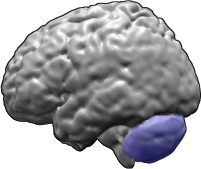
Ataxia cerebelosa autossômica recessiva
📋 Origem dos dados
Esta página agrega dados de fontes públicas e oficiais. Dados sobre cobertura no SUS (PCDT, CEAF) são verificados ativamente por agente proativo (ver badge no infobox). Demais dados têm atribuição de fonte + data da última sincronização — clique para abrir o original.
- Doença rara (ontologia)
- fonte: Orphanet
- Identificador unificado
- fonte: MONDO
- NIH/GARD
- fonte: GARD (NIH)
- Dado público estruturado
- fonte: Wikidata
- Medicamentos (literatura)
- fonte: Orphanet
- Ensaios clínicos
- fonte: ClinicalTrials.gov