
A síndrome neurológica, cutânea e articular infantil crônica (CINCA) é caracterizada por erupção cutânea, envolvimento articular, meningite crônica com granulócitos e, em alguns casos, perda auditiva neurossensorial e sinais oculares.
Introdução
O que você precisa saber de cara
A síndrome neurológica, cutânea e articular infantil crônica (CINCA) é caracterizada por erupção cutânea, envolvimento articular, meningite crônica com granulócitos e, em alguns casos, perda auditiva neurossensorial e sinais oculares.
Tem tratamento?
Escala de raridade
<1/50kMuito rara
1/20kRara
1/10kPouco freq.
1/5kIncomum
1/2k
Encontrou um erro ou informação desatualizada? Sugira uma correção →
Entender a doença
Do básico ao detalhe, leia no seu ritmo
Preparando trilha educativa...
Sinais e sintomas
O que aparece no corpo e com que frequência cada sintoma acontece
Partes do corpo afetadas
+ 25 sintomas em outras categorias
Características mais comuns
Os sintomas variam de pessoa para pessoa. Abaixo estão as 58 características clínicas mais associadas, ordenadas por frequência.
Linha do tempo da pesquisa
Encontrou um erro ou informação desatualizada? Sugira uma correção →
Genética e causas
O que está alterado no DNA e como passa nas famílias
Genes associados
1 gene identificado com associação a esta condição. Padrão de herança: Autosomal dominant, Not applicable.
Curadoria gene-doença
fontes oficiaisSensor component of the NLRP3 inflammasome, which mediates inflammasome activation in response to defects in membrane integrity, leading to secretion of inflammatory cytokines IL1B and IL18 and pyroptosis (PubMed:16407889, PubMed:18403674, PubMed:18604214, PubMed:23582325, PubMed:25686105, PubMed:27929086, PubMed:28656979, PubMed:28847925, PubMed:30487600, PubMed:30612879, PubMed:31086327, PubMed:31086329, PubMed:31189953, PubMed:33231615, PubMed:34133077, PubMed:34341353, PubMed:34512673, PubMe
Cytoplasm, cytosolInflammasomeCytoplasm, cytoskeleton, microtubule organizing centerGolgi apparatus membraneEndoplasmic reticulumMitochondrionSecretedNucleus
Familial cold autoinflammatory syndrome 1
A rare autosomal dominant systemic inflammatory disease characterized by recurrent episodes of maculopapular rash associated with arthralgias, myalgias, fever and chills, swelling of the extremities, and conjunctivitis after generalized exposure to cold. Rarely, some patients may also develop late-onset renal amyloidosis.
Medicamentos e terapias
Mecanismo: Interleukin-1 receptor antagonist
Mecanismo: Interleukin-1 beta inhibitor
Variantes genéticas (ClinVar)
292 variantes patogênicas registradas no ClinVar.
Vias biológicas (Reactome)
6 vias biológicas associadas aos genes desta condição.
Diagnóstico
Os sinais que médicos procuram e os exames que confirmam
Tratamento e manejo
Remédios, cuidados de apoio e o que precisa acompanhar
Onde tratar no SUS
Hospitais de referência no Brasil e o protocolo oficial do SUS (PCDT)
🇧🇷 Atendimento SUS — Síndrome CINCA
Selecione um estado ou use sua localização para ver resultados.
Dados de DATASUS/CNES, SBGM, ABNeuro e Ministério da Saúde. Sempre confirme a disponibilidade diretamente com o estabelecimento.
Pesquisa ativa
Ensaios clínicos abertos e novidades científicas recentes
Ensaios em destaque
🟢 Recrutando agora
1 pesquisa recrutando participantes. Converse com seu médico sobre a possibilidade de participar.
Outros ensaios clínicos
12 ensaios clínicos encontrados, 1 ativos.
Publicações mais relevantes
Case Report: A neonatal case of cryopyrin-associated periodic syndrome with severe funisitis and neonatal asphyxia.
Cryopyrin-associated periodic syndrome (CAPS) is a genetic disorder and autoinflammatory disease characterized by chronic inflammation throughout the body. The most severe form of CAPS, Chronic Infantile Neurologic Cutaneous, and Articular (CINCA) syndrome, also known as Neonatal Onset Multisystem Inflammatory Disease (NOMID), has three main features: skin rash, CNS involvement, and joint symptoms. Although these symptoms are typically reported shortly after birth, there have been a few reports of prenatal inflammation. Here, we report our experience managing a case of a CAPS infant born in severe neonatal asphyxia due to a ruptured cord associated with severe funisitis. The baby was born at 38 weeks and 6 days of gestation, weighing 2,898 g, through an ultra-emergency Caesarian section prompted by variable deceleration. The Apgar score was 1 point at 1 min and 4 points at 5 min, necessitating intensive care due to hypoxic-ischemic encephalopathy. Upon delivery, it was observed that the umbilical cord had partially ruptured at the site of attachment to the baby, accompanied by arterial hemorrhage. Umbilical cord rupture was considered to be the cause of the sudden decrease in fetal heart rate. Pathological examination also showed that the inflammation of the cord was more severe on the side attached to the fetus and on the arterial side, suggesting that the inflammation had extended from the fetus. The father carried a genetic mutation associated with CINCA syndrome/NOMID (NLRP3 c.2068G>A p.Glu690Lys Hetero), which was also found in the child. Histopathologic examination of the placenta and umbilical cord can provide crucial insights into the intrauterine onset of inflammation, which is the first manifestation of CINCA syndrome/NOMID in newborns. It should be noted that births with a genetic predisposition to CAPS may have complications related to the placenta and umbilical cord.
Case Report: Efficacy, safety, and favorable long-term outcome of early treatment with IL-1 inhibitors in a patient with chronic infantile neurological cutaneous articular (CINCA) syndrome caused by NLRP3 mosaicism.
Chronic infantile neurological cutaneous articular (CINCA) syndrome is an autoinflammatory disease encompassed in the group of cryopyrin-associated periodic syndromes (CAPS). Patients suffering from CINCA have an elevated risk of developing chronic sequelae, including deforming arthropathy, chronic meningitis, neurodevelopmental delay, and neurosensorial hearing loss. The diagnosis of CINCA presents several difficulties, as the clinical phenotype could be difficult to recognize, and almost half of the patients have negative genetic testing. In this paper, we describe the case of a patient presenting with the typical phenotype of neonatal-onset CINCA who resulted negative for NLRP3 mutations. Based on the clinical judgment, the patient underwent treatment with anti-interleukin-1 (IL-1) agents (anakinra and, later, canakinumab) resulting in a complete clinical and laboratory response that allowed confirmation of the diagnosis. Additional genetic investigations performed after the introduction of anti-IL-1 therapy revealed a pathogenic mosaicism in the NLRP3 gene. After a 12-year follow-up, the patient has not experienced chronic complications. Although genetics is rapidly progressing, this case highlights the importance of early diagnosis of CINCA patients when the clinical and laboratory picture is highly suggestive in order to start the appropriate anti-cytokine treatment even in the absence of a genetic confirmation.
Subdural hemorrhage, macrocephaly, rash, and developmental delay in an infant: A pathogenic variant in NLRP3 causes CINCA/NOMID.
Subdural hemorrhages (SDHs) in children are most often observed in abusive head trauma (AHT), a distinct form of traumatic brain injury, but they may occur in other conditions as well, typically with clear signs and symptoms of an alternative diagnosis. We present a case of an infant whose SDH initially raised the question of AHT, but multidisciplinary evaluation identified multiple abnormalities, including rash, macrocephaly, growth failure, and elevated inflammatory markers, which were all atypical for trauma. These, along with significant cerebral atrophy, ventriculomegaly, and an absence of other injuries, raised concerns for a genetic disorder, prompting genetic consultation. Clinical trio exome sequencing identified a de novo likely pathogenic variant in NLRP3, which is associated with chronic infantile neurological, cutaneous, and articular (CINCA) syndrome, also known as neonatal-onset multisystem inflammatory disease (NOMID). He was successfully treated with interleukin-1 blockade, highlighting the importance of prompt treatment in CINCA/NOMID patients. This case also illustrates how atraumatic cases of SDH can be readily distinguished from AHT with multidisciplinary collaboration and careful consideration of the clinical history and exam findings.
Giant pattern VEPs in children.
Our aim is to elaborate the clinical significance of giant amplitude pattern reversal visual evoked potentials (VEPs) in children. 'Giant' amplitude VEPs exceed the upper 97.5th centile, 90% CI for age. We scrutinised 2750 pattern VEPs recorded to international standards between Jan 2015 and 2017 from children aged 16 years and under, attending a specialist children's hospital. Twenty seven children, median age 6yrs, (range 1-16 yrs), were identified with giant VEPs (P100 amplitude range 65-163 μV). Most, 22/27 (81%), had conditions associated with a risk of raised ICP. Sixteen of these twenty two children had craniosynostosis; six multi-sutural and eight single suture disease. Others had Idiopathic Intracranial Hypertension, arachnoid cyst, NF1 with shunted hydrocephalus, chronic infantile neurological cutaneous and articular (CINCA) syndrome, nephrotic cystinosis and obstructive sleep apnoea. Five children presented with a range of conditions, some associated with seizures some symptomatic, but as yet undiagnosed. Frequent structural associations were optical coherence tomography measures of optic disc maximum anterior axial horizontal retinal thickness projection >160 μm and neuro-radiological findings of CSF effacement and copper beaten appearance. Ultrasonography measures of optic nerve sheath diameters varied, but in one child took 2 years to resolve after treatment for raised ICP. Optic disc gradings by fundoscopy were mostly normal, as were visual acuities. Raised ICP was confirmed by gold standard ICP bolt measurements in five of seven children tested. These data suggest that rICP should be considered if a child has sustained giant amplitude VEPs at normal latency.
Necrotizing Funisitis as an Intrauterine manifestation of Cryopyrin-Associated Periodic Syndrome: a case report and review of the literature.
Cryopyrin-associated periodic syndrome (CAPS) is a life-long, autoinflammatory disease associated with a gain-of-function mutation in the nucleotide-binding domain, leucine-rich repeat family, pyrin domain containing 3 (NLRP3) gene, which result in uncontrolled production of IL-1β and chronic inflammation. Chronic infantile neurologic cutaneous and articular (CINCA) syndrome/neonatal-Onset multisystem inflammatory disease (NOMID) is the most severe form of CAPS. Although the first symptoms may be presented at birth, there are few reports on the involvement of the placenta and umbilical cord in the disease. Therefore, we present herein a preterm case of CINCA/NOMID syndrome and confirms intrauterine-onset inflammation with conclusive evidence by using fetal and placental histopathological examination. The female patient was born at 33weeks of gestation by emergency caesarean section and weighted at 1,514 g. The most common manifestations of CINCA/NOMID syndrome including recurrent fever, urticarial rash, and ventriculomegaly due to aseptic meningitis were presented. She also exhibited atypical symptoms such as severe hepatosplenomegaly with cholestasis. The genetic analysis of NLRP3 revealed a heterozygous c.1698 C > G (p.Phe566Leu) mutation, and she was diagnosed with CINCA/NOMID syndrome. Further, a histopathological examination revealed necrotizing funisitis, mainly inflammation of the umbilical artery, along with focal neutrophilic and lymphocytic villitis. The necrotizing funisitis, which only involved the artery, was an unusual observation for chorioamnionitis. These evidences suggest that foetal inflammation, probably due to overproduction of IL-1β, caused tissue damage in utero, and the first symptom of a newborn with CINCA/NOMID.
Publicações recentes
Case Report: A neonatal case of cryopyrin-associated periodic syndrome with severe funisitis and neonatal asphyxia.
Case Report: Efficacy, safety, and favorable long-term outcome of early treatment with IL-1 inhibitors in a patient with chronic infantile neurological cutaneous articular (CINCA) syndrome caused by NLRP3 mosaicism.
Subdural hemorrhage, macrocephaly, rash, and developmental delay in an infant: A pathogenic variant in NLRP3 causes CINCA/NOMID.
Giant pattern VEPs in children.
Necrotizing Funisitis as an Intrauterine manifestation of Cryopyrin-Associated Periodic Syndrome: a case report and review of the literature.
📚 EuropePMC45 artigos no totalmostrando 22
Case Report: A neonatal case of cryopyrin-associated periodic syndrome with severe funisitis and neonatal asphyxia.
Frontiers in pediatricsCase Report: Efficacy, safety, and favorable long-term outcome of early treatment with IL-1 inhibitors in a patient with chronic infantile neurological cutaneous articular (CINCA) syndrome caused by NLRP3 mosaicism.
Frontiers in pediatricsSubdural hemorrhage, macrocephaly, rash, and developmental delay in an infant: A pathogenic variant in NLRP3 causes CINCA/NOMID.
American journal of medical genetics. Part AGiant pattern VEPs in children.
European journal of paediatric neurology : EJPN : official journal of the European Paediatric Neurology SocietyNecrotizing Funisitis as an Intrauterine manifestation of Cryopyrin-Associated Periodic Syndrome: a case report and review of the literature.
Pediatric rheumatology online journalAseptic Μeningitis in Hereditary Autoinflammatory Diseases.
CureusTumor necrosis factor-alpha blockade ameliorates inflammatory response in two children with chronic infantile neurological, cutaneous and articular syndrome.
The Journal of dermatologyRecognising and understanding cryopyrin-associated periodic syndrome in adults.
British journal of nursing (Mark Allen Publishing)CINCA Syndrome With New NLRP3 Mutation and Unreported Complication of Thyroid Carcinoma.
Clinical medicine insights. Case reportsSelective rickets from localized advanced maturation-a case report.
Skeletal radiologyDetection of a novel mutation in NLRP3/CIAS1 gene in an Indian child with Neonatal-Onset Multisystem Inflammatory Disease (NOMID).
Clinical rheumatology[Skin ulcerations due to CINCA syndrome and its successful treatment with prostaglandin E1].
Zeitschrift fur RheumatologieResolution of femoral metaphyseal dysplasia in CINCA syndrome after long-term treatment with interleukin-1 blockade.
Clinical rheumatologyIssues with the Specificity of Immunological Reagents for NLRP3: Implications for Age-related Macular Degeneration.
Scientific reports[Cryopyrin-associated periodic syndromes].
La Revue de medecine interneChronic Infantile Neurological Cutaneous and Articular (CINCA) syndrome: a review.
Orphanet journal of rare diseasesAutoinflammatory retinopathy in chronic infantile neurological cutaneous and articular (CINCA) syndrome.
Journal of AAPOS : the official publication of the American Association for Pediatric Ophthalmology and StrabismusSwitch from anakinra to canakinumab in a severe case of CINCA syndrome.
International journal of rheumatic diseasesCAPS--pathogenesis, presentation and treatment of an autoinflammatory disease.
Seminars in immunopathologyCINCA syndrome with surgical intervention for valgus deformity and flexion contracture of the knee joint: A case report.
Modern rheumatologyNeonatal treatment of CINCA syndrome.
Pediatric rheumatology online journalPeriodic Fever: A Review on Clinical, Management and Guideline for Iranian Patients - Part II.
Iranian journal of pediatricsAssociações
Organizações que acompanham esta doença — pra ter apoio e orientação
Ainda não temos associações cadastradas para Síndrome CINCA.
É de uma associação que acompanha esta doença? Fale com a gente →
Comunidades
Grupos ativos de quem convive com esta doença aqui no Raras
Ainda não existe comunidade no Raras para Síndrome CINCA
Pacientes, familiares e cuidadores se organizam em comunidades pra compartilhar experiências, fazer perguntas e se apoiar. Você pode ser o primeiro.
Tire suas dúvidas
Perguntas, dicas e experiências compartilhadas aqui na página
Participe da discussão
Faça login para postar dúvidas, compartilhar experiências e interagir com especialistas.
Fazer loginDoenças relacionadas
Doenças com sintomas parecidos — ajudam quem ainda está buscando diagnóstico
Referências e fontes
Bases de dados externas citadas neste artigo
Publicações científicas
Artigos indexados no PubMed ligados a esta doença no grafo RarasNet — título, periódico e PMID direto da fonte, sem intermediação de IA.
- Case Report: A neonatal case of cryopyrin-associated periodic syndrome with severe funisitis and neonatal asphyxia.
- Case Report: Efficacy, safety, and favorable long-term outcome of early treatment with IL-1 inhibitors in a patient with chronic infantile neurological cutaneous articular (CINCA) syndrome caused by NLRP3 mosaicism.
- Subdural hemorrhage, macrocephaly, rash, and developmental delay in an infant: A pathogenic variant in NLRP3 causes CINCA/NOMID.
- Giant pattern VEPs in children.European journal of paediatric neurology : EJPN : official journal of the European Paediatric Neurology Society· 2021· PMID 34388649mais citado
- Necrotizing Funisitis as an Intrauterine manifestation of Cryopyrin-Associated Periodic Syndrome: a case report and review of the literature.
Bases de dados e fontes oficiais
Identificadores e referências canônicas usadas para montar este verbete.
- ORPHA:1451(Orphanet)
- OMIM OMIM:607115(OMIM)
- MONDO:0011776(MONDO)
- GARD:1356(GARD (NIH))
- Variantes catalogadas(ClinVar)
- Busca completa no PubMed(PubMed)
- Q779203(Wikidata)
Dados compilados pelo RarasNet a partir de fontes abertas (Orphanet, OMIM, MONDO, PubMed/EuropePMC, ClinicalTrials.gov, DATASUS, PCDT/MS). Este conteúdo é informativo e não substitui avaliação médica.
Conteúdo mantido por Agente Raras · Médicos e pesquisadores podem colaborar
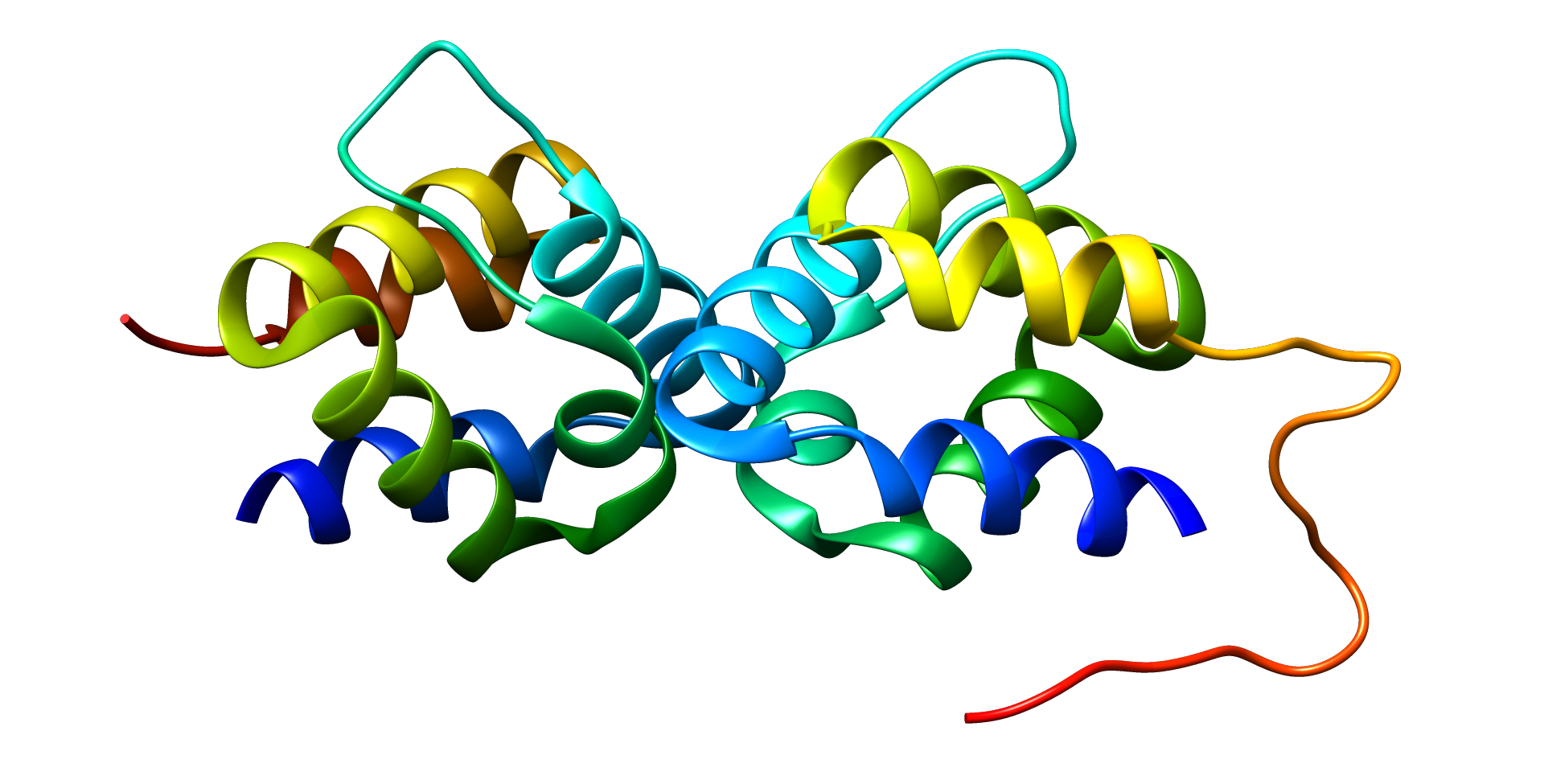
Síndrome CINCA
📋 Origem dos dados
Esta página agrega dados de fontes públicas e oficiais. Dados sobre cobertura no SUS (PCDT, CEAF) são verificados ativamente por agente proativo (ver badge no infobox). Demais dados têm atribuição de fonte + data da última sincronização — clique para abrir o original.
- Doença rara (ontologia)
- fonte: Orphanet
- Identificador unificado
- fonte: MONDO
- Genética mendeliana
- fonte: OMIM
- Codificação WHO/SUS
- fonte: WHO ICD-10 / DATASUS
- CID-11 (futuro)
- fonte: WHO ICD-11
- NIH/GARD
- fonte: GARD (NIH)
- Dado público estruturado
- fonte: Wikidata
- Medicamentos (literatura)
- fonte: Orphanet
- Ensaios clínicos
- fonte: ClinicalTrials.gov