
A síndrome de Knobloch (KS) é definida pela degeneração vitreorretiniana e macular, e encefalocelo ocipital.
Introdução
O que você precisa saber de cara
Visão geral
A Síndrome Knobloch é uma doença genética rara que afeta principalmente os olhos e o sistema nervoso central. Sua prevalência é estimada em menos de 1 caso por 1.000.000 de pessoas, sendo considerada uma condição ultrarrara. A herança é autossômica recessiva, o que significa que ambos os pais precisam ser portadores de uma cópia alterada do gene para que a criança manifeste a síndrome. O início dos sintomas pode ocorrer ainda no período pré-natal (antenatal), ao nascimento (neonatal) ou durante a primeira infância.[1][4]
Sinais e sintomas
Os sinais e sintomas da Síndrome Knobloch são variados e afetam múltiplos sistemas do corpo. Os principais achados oculares incluem: defeito de transiluminação da íris (quando a luz atravessa a íris de forma anormal), glaucoma, nistagmo horizontal (movimentos involuntários dos olhos), palidez do disco óptico, atrofia corioretiniana, hipoplasia macular, deficiência visual progressiva e, em casos mais graves, phthisis bulbi (atrofia do globo ocular). Alterações neurológicas comuns são: polimicrogiria (malformação cerebral com dobras pequenas e excessivas), atrofia cerebral, ventriculomegalia (aumento dos ventrículos cerebrais) e meningocele occipital (protrusão das meninges pela parte de trás do crânio). Outros sinais incluem: telecanto (aumento da distância entre os cantos internos dos olhos), epicanto (prega de pele na pálpebra superior), sobrancelha horizontal, nariz bulboso, ponte nasal deprimida, face estreita, alopecia do couro cabeludo, duplicação renal e defeito craniano.[1][4]
Causas genéticas
A Síndrome Knobloch é causada por alterações (mutações) em dois genes principais: COL18A1 e PAK2. O gene COL18A1 fornece instruções para a produção da cadeia alfa-1 do colágeno tipo XVIII, uma proteína importante para a estrutura dos olhos e do cérebro. O gene PAK2 codifica uma proteína quinase envolvida em processos de sinalização celular. A herança é autossômica recessiva, ou seja, para desenvolver a doença, a pessoa precisa herdar uma mutação em ambos os alelos (cópias) de um desses genes — um do pai e outro da mãe.[1][2][5]
Diagnóstico
O diagnóstico da Síndrome Knobloch é baseado na avaliação clínica dos sinais e sintomas característicos, especialmente os oculares e neurológicos, e confirmado por testes genéticos. Os exames disponíveis no Sistema Único de Saúde (SUS) incluem: cariótipo com bandas G, Q ou R; pesquisa de microdeleções/microduplicações por FISH; sequenciamento completo do exoma (WES); e dosagem de alfa-fetoproteína. Atualmente, existem 34 testes genéticos disponíveis e 499 variantes descritas no ClinVar para essa condição. O código CID-10 associado é Q15.8 (outras malformações congênitas do olho).[1][2][5]
Tratamento e manejo
Não há cura para a Síndrome Knobloch, e o tratamento é focado no manejo dos sintomas e na melhora da qualidade de vida. O acompanhamento deve ser multidisciplinar, envolvendo oftalmologistas, neurologistas, geneticistas e outros especialistas conforme necessário. No Brasil, o SUS oferece cobertura mínima para essa condição, incluindo atendimento em reabilitação para doenças raras. É importante que o paciente e a família recebam suporte contínuo e orientação sobre a progressão da doença. Não há medicamentos específicos aprovados para o tratamento da síndrome.[1][2]
Prognóstico e qualidade de vida
O prognóstico da Síndrome Knobloch varia de acordo com a gravidade dos sintomas, especialmente o comprometimento visual e neurológico. A perda visual é progressiva e pode levar à cegueira. As malformações cerebrais, como a polimicrogiria e a ventriculomegalia, podem causar atrasos no desenvolvimento e déficits neurológicos. O acompanhamento precoce e a reabilitação podem ajudar a maximizar as capacidades funcionais e a qualidade de vida do paciente.[1][4]
Conteúdo informativo gerado e mantido automaticamente a partir de fontes oficiais (Orphanet, HPO, OMIM, SUS). Não substitui avaliação médica.
A síndrome de Knobloch (KS) é definida pela degeneração vitreorretiniana e macular, e encefalocelo ocipital.
Escala de raridade
<1/50kMuito rara
1/20kRara
1/10kPouco freq.
1/5kIncomum
1/2k
Encontrou um erro ou informação desatualizada? Sugira uma correção →
Entender a doença
Do básico ao detalhe, leia no seu ritmo
Preparando trilha educativa...
Sinais e sintomas
O que aparece no corpo e com que frequência cada sintoma acontece
Visão geral
A Síndrome Knobloch é uma doença genética rara que afeta principalmente os olhos e o sistema nervoso central. Sua prevalência é estimada em menos de 1 caso por 1.000.000 de pessoas, sendo considerada uma condição ultrarrara. A herança é autossômica recessiva, o que significa que ambos os pais precisam ser portadores de uma cópia alterada do gene para que a criança manifeste a síndrome. O início dos sintomas pode ocorrer ainda no período pré-natal (antenatal), ao nascimento (neonatal) ou durante a primeira infância.[1][4]
Sinais e sintomas
Os sinais e sintomas da Síndrome Knobloch são variados e afetam múltiplos sistemas do corpo. Os principais achados oculares incluem: defeito de transiluminação da íris (quando a luz atravessa a íris de forma anormal), glaucoma, nistagmo horizontal (movimentos involuntários dos olhos), palidez do disco óptico, atrofia corioretiniana, hipoplasia macular, deficiência visual progressiva e, em casos mais graves, phthisis bulbi (atrofia do globo ocular). Alterações neurológicas comuns são: polimicrogiria (malformação cerebral com dobras pequenas e excessivas), atrofia cerebral, ventriculomegalia (aumento dos ventrículos cerebrais) e meningocele occipital (protrusão das meninges pela parte de trás do crânio). Outros sinais incluem: telecanto (aumento da distância entre os cantos internos dos olhos), epicanto (prega de pele na pálpebra superior), sobrancelha horizontal, nariz bulboso, ponte nasal deprimida, face estreita, alopecia do couro cabeludo, duplicação renal e defeito craniano.[1][4]
Causas genéticas
A Síndrome Knobloch é causada por alterações (mutações) em dois genes principais: COL18A1 e PAK2. O gene COL18A1 fornece instruções para a produção da cadeia alfa-1 do colágeno tipo XVIII, uma proteína importante para a estrutura dos olhos e do cérebro. O gene PAK2 codifica uma proteína quinase envolvida em processos de sinalização celular. A herança é autossômica recessiva, ou seja, para desenvolver a doença, a pessoa precisa herdar uma mutação em ambos os alelos (cópias) de um desses genes — um do pai e outro da mãe.[1][2][5]
Diagnóstico
O diagnóstico da Síndrome Knobloch é baseado na avaliação clínica dos sinais e sintomas característicos, especialmente os oculares e neurológicos, e confirmado por testes genéticos. Os exames disponíveis no Sistema Único de Saúde (SUS) incluem: cariótipo com bandas G, Q ou R; pesquisa de microdeleções/microduplicações por FISH; sequenciamento completo do exoma (WES); e dosagem de alfa-fetoproteína. Atualmente, existem 34 testes genéticos disponíveis e 499 variantes descritas no ClinVar para essa condição. O código CID-10 associado é Q15.8 (outras malformações congênitas do olho).[1][2][5]
Tratamento e manejo
Não há cura para a Síndrome Knobloch, e o tratamento é focado no manejo dos sintomas e na melhora da qualidade de vida. O acompanhamento deve ser multidisciplinar, envolvendo oftalmologistas, neurologistas, geneticistas e outros especialistas conforme necessário. No Brasil, o SUS oferece cobertura mínima para essa condição, incluindo atendimento em reabilitação para doenças raras. É importante que o paciente e a família recebam suporte contínuo e orientação sobre a progressão da doença. Não há medicamentos específicos aprovados para o tratamento da síndrome.[1][2]
Prognóstico e qualidade de vida
O prognóstico da Síndrome Knobloch varia de acordo com a gravidade dos sintomas, especialmente o comprometimento visual e neurológico. A perda visual é progressiva e pode levar à cegueira. As malformações cerebrais, como a polimicrogiria e a ventriculomegalia, podem causar atrasos no desenvolvimento e déficits neurológicos. O acompanhamento precoce e a reabilitação podem ajudar a maximizar as capacidades funcionais e a qualidade de vida do paciente.[1][4]
Conteúdo informativo gerado e mantido automaticamente a partir de fontes oficiais (Orphanet, HPO, OMIM, SUS). Não substitui avaliação médica.
Partes do corpo afetadas
+ 18 sintomas em outras categorias
Características mais comuns
Os sintomas variam de pessoa para pessoa. Abaixo estão as 69 características clínicas mais associadas, ordenadas por frequência.
Linha do tempo da pesquisa
Encontrou um erro ou informação desatualizada? Sugira uma correção →
Genética e causas
O que está alterado no DNA e como passa nas famílias
Genes associados
2 genes identificados com associação a esta condição. Padrão de herança: Autosomal recessive.
Curadoria gene-doença
fontes oficiaisProbably plays a major role in determining the retinal structure as well as in the closure of the neural tube May regulate extracellular matrix-dependent motility and morphogenesis of endothelial and non-endothelial cells; the function requires homotrimerization and implicates MAPK signaling Potently inhibits endothelial cell proliferation and angiogenesis (PubMed:9459295). May inhibit angiogenesis by binding to the heparan sulfate proteoglycans involved in growth factor signaling (By similarity
Secreted, extracellular space, extracellular matrixSecreted, extracellular space, extracellular matrix, basement membraneSecreted
Knobloch syndrome 1
A developmental disorder primarily characterized by typical eye abnormalities, including high myopia, cataracts, dislocated lens, vitreoretinal degeneration, and retinal detachment, with occipital skull defects, which can range from occipital encephalocele to occult cutis aplasia.
Serine/threonine protein kinase that plays a role in a variety of different signaling pathways including cytoskeleton regulation, cell motility, cell cycle progression, apoptosis or proliferation (PubMed:12853446, PubMed:16617111, PubMed:19273597, PubMed:19923322, PubMed:33693784, PubMed:7744004, PubMed:9171063). Acts as a downstream effector of the small GTPases CDC42 and RAC1 (PubMed:7744004). Activation by the binding of active CDC42 and RAC1 results in a conformational change and a subsequen
CytoplasmNucleusCytoplasm, perinuclear regionMembrane
Knobloch syndrome 2
An autosomal dominant form of Knobloch syndrome characterized by high myopia, vitreoretinal degeneration, retinal detachment, occipital encephalocele or scalp lesions, and mild to severe psychomotor delay.
Variantes genéticas (ClinVar)
499 variantes patogênicas registradas no ClinVar.
Classificação de variantes (ClinVar)
Distribuição de 304 variantes classificadas pelo ClinVar.
Vias biológicas (Reactome)
34 vias biológicas associadas aos genes desta condição.
Diagnóstico
Os sinais que médicos procuram e os exames que confirmam
Tratamento e manejo
Remédios, cuidados de apoio e o que precisa acompanhar
Onde tratar no SUS
Hospitais de referência no Brasil e o protocolo oficial do SUS (PCDT)
🇧🇷 Atendimento SUS — Síndrome Knobloch
Selecione um estado ou use sua localização para ver resultados.
Dados de DATASUS/CNES, SBGM, ABNeuro e Ministério da Saúde. Sempre confirme a disponibilidade diretamente com o estabelecimento.
Pesquisa ativa
Ensaios clínicos abertos e novidades científicas recentes
Pesquisa e ensaios clínicos
Nenhum ensaio clínico registrado para esta condição.
Publicações mais relevantes
Biallelic Rare COL18A1 Variants in Patients With Neurological Phenotypes Without Severe Ophthalmologic Abnormalities.
COL18A1 encodes the α1 chain of collagen type XVIII, a nonfibrillar collagen expressed in vascular and epithelial basement membranes. Biallelic pathogenic variants in COL18A1 have been associated with Knobloch syndrome, a condition defined by ophthalmologic abnormalities, though patients often have some or all of brain malformations, epilepsy, and intellectual disability. We reviewed our research and clinical databases for patients with seizures and biallelic COL18A1 variants suspected to be pathogenic. Three patients were identified, all of whom had epilepsy and global development impairment, with two having had developmental regression and drug-resistant seizures. None of the patients had severe ophthalmologic disease. All three patients had one heterozygous likely pathogenic frameshift COL18A1 variant on one allele, with the other allele carrying a rare heterozygous missense COL18A1 variant of less certain pathogenicity. These data raise the possibility that COL18A1 disruption could produce phenotypes without severe eye abnormalities but significant neurologic dysfunction.
A Case of Knobloch Syndrome With Lens Dislocation Resembling Homocystinuria.
We report a 39-year-old woman with lifelong visual impairment who presented in June 2024 with progressive visual deterioration in her right eye. Ophthalmologic evaluation revealed severe high myopia, vitreoretinal degeneration, phthisis bulbi of the left eye, and downward lens dislocation of the right eye. Neurological workup revealed bilaterally blurred optic discs, an elevated cerebrospinal fluid opening pressure of 31 cm H2O that normalized on repeat lumbar puncture, nonspecific white matter signal changes on MRI, and bilateral frontal polymicrogyria. Initial mild homocysteine elevation prompted consideration of homocystinuria; however, whole-exome sequencing identified a homozygous frameshift mutation in COL18A1 (c.2824_2831del, p.Gly942Argfs*142), confirming Knobloch syndrome type 1. This case illustrates an adult presentation of Knobloch syndrome with retinitis pigmentosa-like retinal changes and lens dislocation mimicking homocystinuria.
A family with Knobloch syndrome.
[Clinical and genetic analysis of two children with Knobloch syndrome due to variants of COL18A1 gene].
To explore the clinical phenotype and genetic characteristics in two children with Knobloch syndrome (KNO) due to variants of COL18A1 gene. Two children presented at the Genetic Eye Disease Clinic of the Eye Hospital of Wenzhou Medical University in October 2023 for ocular lesions were selected as the study subjects. Relevant clinical data and peripheral venous blood samples were collected from the children and their parents. Following genomic DNA extraction, whole-exome sequencing (WES) was carried out. Candidate variants were verified by Sanger sequencing of the family members. This study was approved by the Medical Ethics Committee of the hospital (Ethics No.: 2021-212-K-185). Both children exhibited characteristic ocular features of KNO including nystagmus, high myopia, and leopard spot fundus. Additionally, child 1 also presented with congenital occipital bone dysplasia and occipital encephalocele, while child 2 was diagnosed with vitreoretinochoroidopathy and bilateral high myopia. WES has identified compound heterozygous variants of the COL18A1 gene in both children, including a c.3013+3A>C splice-site variant and a c.2743C>T (p.Arg915Ter) nonsense variant in child 1, and a novel c.1702-1G>A splice-site variant and a c.3836C>T (p.Ser1279Leu) missense variant in child 2. A comprehensive literature review has identified 63 domestic and international articles involving 167 patients with KNO whom can be classified into three subtypes, with KNO type I being the most common and caused by pathogenic variants in the COL18A1 gene. Both probands in this study were children with KNO type I. Analysis of the genotype-phenotype correlations and population distribution characteristics revealed that the KNO patients exhibited significant clinical and genetic heterogeneity, along with a broad geographic distribution, with a relatively greater number of cases reported in Brazil and China. and a broad geographic distribution, with the highest numbers reported in Brazil and China. While no significant difference in genotype distribution was observed between Chinese and non-Chinese patients, phenotypic disparities were noted, with the non-Chinese cohort showing significantly higher rates of retinal detachment and developmental delay (P < 0.05), whereas Chinese patients exhibited a greater proportion of macular hypoplasia (P < 0.05). The main clinical manifestations of KNO include high myopia, vitreoretinal dystrophy, and occipital encephalocele. The novel c.1702-1G>A splice-site variant identified in the COL18A1 gene has expanded the mutational spectrum of KNO type I and provided valuable insights for genetic diagnosis, counseling, and clinical management of the disease.
Genetics and Clinical Findings Associated with Early-Onset Myopia and Retinal Detachment in Saudi Arabia.
Autosomal recessive types of both syndromic and non-syndromic inherited myopia are common in Saudi Arabia (SA) because many people marry their relatives. The prevalence of syndromic myopathies in SA, like Stickler syndrome (SS), Knobloch syndrome (KS), and Marfan syndrome (MFS), further complicates the disease spectrum. The causative genes linked to the Knobloch, Marfan, and Pierson syndromes are COL18A1, FBN1, and LAMB2, respectively. Additionally, we found recessive types of non-syndromic high myopia that have a high chance of causing retinal detachment, like those linked to LRPAP1 and LEPREL1. In these cases, regular evaluation and early intervention, including prophylactic laser photocoagulation and pars plana vitrectomy, may improve the outcome. Advancements in genetic testing for diagnosis and prevention accelerate detection, facilitate early interventions, and provide genetic counseling. The utilization of artificial intelligence (AI), machine learning (ML), and the advancement of gene therapy offer promising avenues for personalized care. We place a high value on using genetic knowledge to create a national screening program and patient registry aimed at understanding the national burden of myopia, knowing that we have a high rate of consanguinity, which reflects pathogenic homozygous alleles and founder mutations. This initiative will incorporate genetic counseling and leverage innovative technologies, which are crucial for disease management, early identification, and prevention in Saudi Arabia's healthcare system.
Publicações recentes
A Case of Knobloch Syndrome With Lens Dislocation Resembling Homocystinuria.
[Clinical and genetic analysis of two children with Knobloch syndrome due to variants of COL18A1 gene].
Biallelic Rare COL18A1 Variants in Patients With Neurological Phenotypes Without Severe Ophthalmologic Abnormalities.
🥉 Relato de casoA family with Knobloch syndrome.
Genetics and Clinical Findings Associated with Early-Onset Myopia and Retinal Detachment in Saudi Arabia.
📚 EuropePMC70 artigos no totalmostrando 56
A Case of Knobloch Syndrome With Lens Dislocation Resembling Homocystinuria.
Clinical case reports[Clinical and genetic analysis of two children with Knobloch syndrome due to variants of COL18A1 gene].
Zhonghua yi xue yi chuan xue za zhi = Zhonghua yixue yichuanxue zazhi = Chinese journal of medical geneticsBiallelic Rare COL18A1 Variants in Patients With Neurological Phenotypes Without Severe Ophthalmologic Abnormalities.
Pediatric neurologyA family with Knobloch syndrome.
Ophthalmic geneticsGenetics and Clinical Findings Associated with Early-Onset Myopia and Retinal Detachment in Saudi Arabia.
GenesOccipital Cephalocele, Polymicrogyria, Ocular Anomaly and Vermian Dysplasia: Prenatal Markers for Knobloch Syndrome.
Prenatal diagnosisOphthalmological and Genetic Profile in Knobloch Syndrome.
American journal of ophthalmologyRetinal detachment in a neonate with congenital chylothorax and purpura fulminans associated with the PAK2 genetic variant: A case report.
International journal of surgery case reportsChinese Family With Knobloch Syndrome Associated With a Novel PAK2 Variant Leading to Reduced Phosphorylation Levels.
Molecular genetics & genomic medicineReliability of clinical impressions and optimal genetic diagnostic strategies of heritable connective tissue disorders with ocular involvement in a large Chinese cohort.
Human genomicsA Sandwich-Type Double-Layer Amniotic Membrane Graft for Repairing Myopic Macular Hole-Related Retinal Detachment in a Child with Knobloch Syndrome.
Turkish journal of ophthalmologyAntenatal phenotype associated with PAK2 pathogenic variants: bilateral pleural effusion as a warning sign.
BMC medical genomicsPhenotypic Expansion of Knobloch Syndrome Type 2 in an Individual With a De Novo PAK2 Variant.
American journal of medical genetics. Part AClinical and Molecular Findings in Patients with Knobloch Syndrome 1: Case Series Report.
GenesAmniotic membrane graft for persistent macular hole following retinal detachment repair in Knobloch syndrome.
Journal of AAPOS : the official publication of the American Association for Pediatric Ophthalmology and StrabismusNew kinase-deficient PAK2 variants associated with Knobloch syndrome type 2.
Clinical geneticsA de novo variant in PAK2 detected in an individual with Knobloch type 2 syndrome.
bioRxiv : the preprint server for biologyTwo patients with Knobloch syndrome due to mutation in COL8A1 gene: case report and review of the literature.
BMC ophthalmologySurgical Outcomes of Retinal Detachment in Knobloch Syndrome.
Ophthalmology. RetinaKnobloch Syndrome - Triad of Occipital Encephalocele, Retino-Choroidal Detachment and Epilepsy.
Indian journal of pediatricsIntraoperative discovery of lens dislocation in a child with Knobloch syndrome.
Journal of AAPOS : the official publication of the American Association for Pediatric Ophthalmology and StrabismusGeneration of an induced pluripotent stem cell line (ZSZOCi001-A) from a patient with Knobloch syndrome caused by biallelic mutations in the gene COL18A1.
Stem cell researchKnobloch syndrome - a rare collagenopathy, revealing peripheral avascular retina.
Ophthalmic genetics[Knobloch syndrome on multimodal imaging: a case report].
[Zhonghua yan ke za zhi] Chinese journal of ophthalmologyCase Report: Novel Biallelic Variants in the COL18A1 Gene in a Chinese Family With Knobloch Syndrome.
Frontiers in neurology[Knobloch syndrome: a case report].
[Zhonghua yan ke za zhi] Chinese journal of ophthalmologySevere retinal complications in Knobloch Syndrome - Three siblings without clinically apparent occipital defects and a review of the literature.
Ophthalmic geneticsMutations in the COL18A1 gen associated with knobloch syndrome and structural brain anomalies: a novel case report and literature review of neuroimaging findings.
NeurocaseWhole genome sequencing in a Knobloch syndrome family confirms the molecular diagnosis.
Ophthalmic geneticsKnobloch Syndrome Associated with Novel COL18A1 Variants in Chinese Population.
GenesClinical phenocopies of albinism.
Journal of AAPOS : the official publication of the American Association for Pediatric Ophthalmology and StrabismusAn Early Diagnostic Clue for COL18A1- and LAMA1-Associated Diseases: High Myopia With Alopecia Areata in the Cranial Midline.
Frontiers in cell and developmental biologyKnobloch Syndrome, a Rare Cause of Occipital Encephalocele and Seizures: A Case Report.
Pediatric neurosurgeryWhole exome sequencing revealed novel variants in consanguineous Pakistani families with intellectual disability.
Genes & genomicsDominant monoallelic variant in the PAK2 gene causes Knobloch syndrome type 2.
Human molecular geneticsAcute Angle Closure in Knobloch Syndrome.
Journal of glaucomaKnobloch Syndrome in Siblings with Posterior Fossa Malformations Along with Cerebellar Midline Cleft Abnormality Caused by Biallelic COL18A1 Mutation: Case-Based Review.
Journal of pediatric geneticsVariable phenotype of Knobloch syndrome due to biallelic COL18A1 mutations in children.
European journal of ophthalmologyKnobloch syndrome: a rare cause of paediatric retinal detachment.
Canadian journal of ophthalmology. Journal canadien d'ophtalmologieKnobloch syndrome in a patient from Chile.
American journal of medical genetics. Part AThree cases of molecularly confirmed Knobloch syndrome.
Ophthalmic geneticsMacular Hole-Related Retinal Detachment in Children with Knobloch Syndrome.
Ophthalmology. RetinaUnraveling the genetic cause of hereditary ophthalmic disorders in Arab societies from Israel and the Palestinian Authority.
European journal of human genetics : EJHGOptical Coherence Tomography in Knobloch Syndrome.
Ophthalmic surgery, lasers & imaging retinaRetinal Detachment After Cyclophotocoagulation in a Child with Knobloch Syndrome.
Middle East African journal of ophthalmologyCOL18A1 is a candidate eye iridocorneal angle-closure gene in humans.
Human molecular geneticsKnobloch syndrome caused by homozygous frameshift mutation of the COL18A1 gene in a Chinese pedigree.
International journal of ophthalmologyThe distinct optic disk and peripapillary appearance in Donnai-Barrow syndrome.
Ophthalmic geneticsKnobloch syndrome associated with Polymicrogyria and early onset of retinal detachment: two case reports.
BMC ophthalmologyPolymicrogyria and Intractable Epilepsy in Siblings With Knobloch Syndrome and Homozygous Mutation of COL18A1.
Pediatric neurologyOptical coherence tomography findings and successful repair of retina detachment in Knobloch syndrome.
Digital journal of ophthalmology : DJOFamilial epilepsy with anterior polymicrogyria as a presentation of COL18A1 mutations.
European journal of medical geneticsProgressive retinal degeneration in a girl with Knobloch syndrome who presented with signs of ocular albinism.
Documenta ophthalmologica. Advances in ophthalmologyCollagen XVIII in tissue homeostasis and dysregulation - Lessons learned from model organisms and human patients.
Matrix biology : journal of the International Society for Matrix BiologyMolecular and Clinical Findings in Patients With Knobloch Syndrome.
JAMA ophthalmologyBiometry, optical coherence tomography, and further clinical observations in Knobloch syndrome.
Ophthalmic geneticsAssociações
Organizações que acompanham esta doença — pra ter apoio e orientação
Ainda não temos associações cadastradas para Síndrome Knobloch.
É de uma associação que acompanha esta doença? Fale com a gente →
Comunidades
Grupos ativos de quem convive com esta doença aqui no Raras
Ainda não existe comunidade no Raras para Síndrome Knobloch
Pacientes, familiares e cuidadores se organizam em comunidades pra compartilhar experiências, fazer perguntas e se apoiar. Você pode ser o primeiro.
Tire suas dúvidas
Perguntas, dicas e experiências compartilhadas aqui na página
Participe da discussão
Faça login para postar dúvidas, compartilhar experiências e interagir com especialistas.
Fazer loginDoenças relacionadas
Doenças com sintomas parecidos — ajudam quem ainda está buscando diagnóstico
Referências e fontes
Bases de dados externas citadas neste artigo
Publicações científicas
Artigos indexados no PubMed ligados a esta doença no grafo RarasNet — título, periódico e PMID direto da fonte, sem intermediação de IA.
- Biallelic Rare COL18A1 Variants in Patients With Neurological Phenotypes Without Severe Ophthalmologic Abnormalities.
- A Case of Knobloch Syndrome With Lens Dislocation Resembling Homocystinuria.
- A family with Knobloch syndrome.
- [Clinical and genetic analysis of two children with Knobloch syndrome due to variants of COL18A1 gene].Zhonghua yi xue yi chuan xue za zhi = Zhonghua yixue yichuanxue zazhi = Chinese journal of medical genetics· 2025· PMID 41645371mais citado
- Genetics and Clinical Findings Associated with Early-Onset Myopia and Retinal Detachment in Saudi Arabia.
Bases de dados e fontes oficiais
Identificadores e referências canônicas usadas para montar este verbete.
- ORPHA:1571(Orphanet)
- OMIM OMIM:267750(OMIM)
- MONDO:0800167(MONDO)
- GARD:380(GARD (NIH))
- Variantes catalogadas(ClinVar)
- Busca completa no PubMed(PubMed)
- Q17332514(Wikidata)
Dados compilados pelo RarasNet a partir de fontes abertas (Orphanet, OMIM, MONDO, PubMed/EuropePMC, ClinicalTrials.gov, DATASUS, PCDT/MS). Este conteúdo é informativo e não substitui avaliação médica.
Conteúdo mantido por Agente Raras · Médicos e pesquisadores podem colaborar
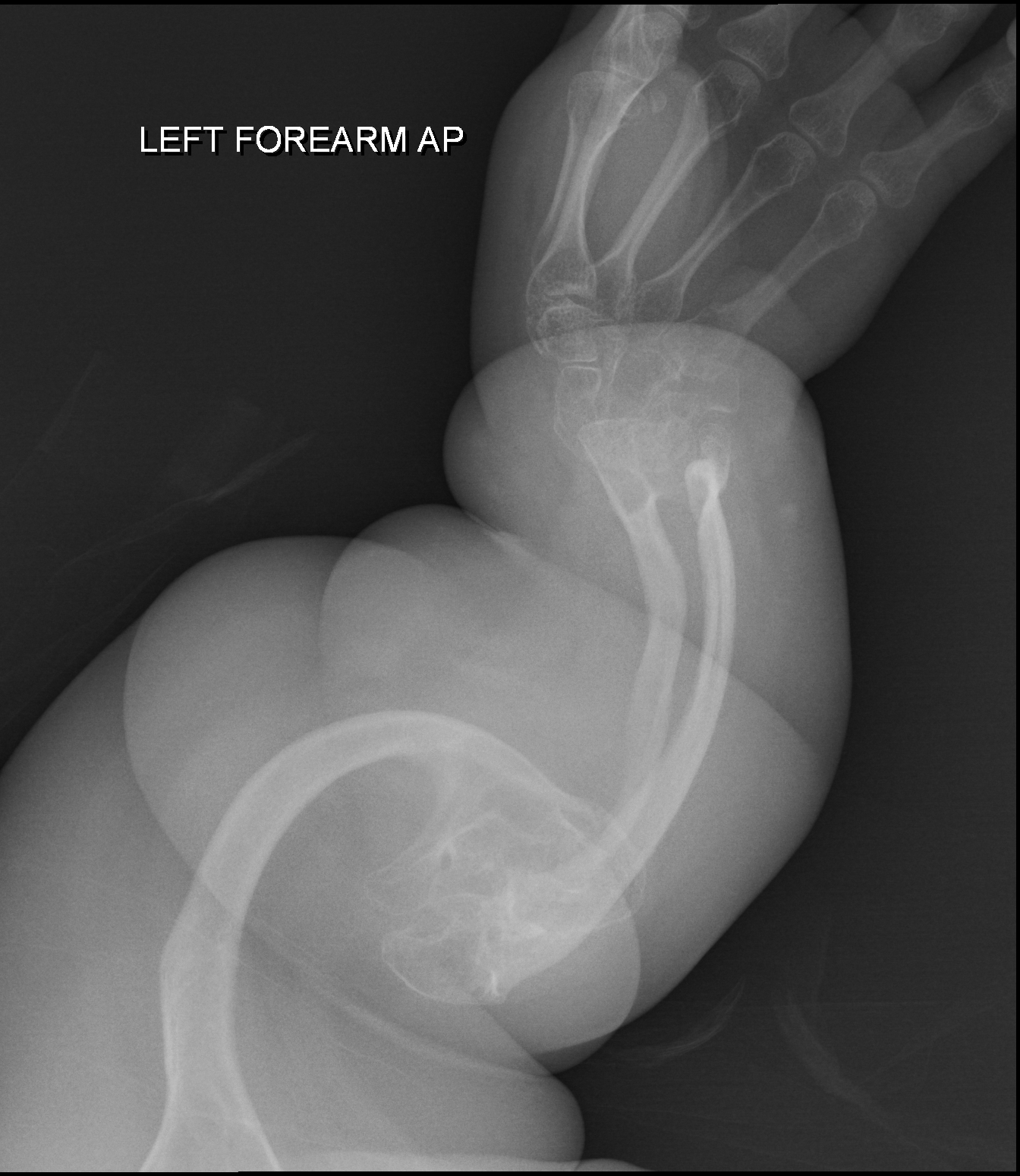
Síndrome Knobloch
📋 Origem dos dados
Esta página agrega dados de fontes públicas e oficiais. Dados sobre cobertura no SUS (PCDT, CEAF) são verificados ativamente por agente proativo (ver badge no infobox). Demais dados têm atribuição de fonte + data da última sincronização — clique para abrir o original.
- Doença rara (ontologia)
- fonte: Orphanet
- Identificador unificado
- fonte: MONDO
- Genética mendeliana
- fonte: OMIM
- Codificação WHO/SUS
- fonte: WHO ICD-10 / DATASUS
- CID-11 (futuro)
- fonte: WHO ICD-11
- NIH/GARD
- fonte: GARD (NIH)
- Indexação biomédica
- fonte: MeSH (NLM)
- Dado público estruturado
- fonte: Wikidata