A síndrome cardiofaciocutânea (CFC) é uma condição genética caracterizada por características diferentes no rosto e na cabeça, problemas no coração presentes desde o nascimento, alterações na pele (geralmente pele mais grossa e áspera, e cabelo ralo e cacheado), atraso no crescimento e deficiência intelectual.
Introdução
O que você precisa saber de cara
A Síndrome cardio-facio-cutâneo (CFC) é uma condição genética rara que afeta o desenvolvimento do coração, os traços faciais, a textura da pele e o aprendizado. As famílias costumam notar sinais desde os primeiros meses de vida, como tônus muscular reduzido, pele grossa ou áspera, cabelos ralos e dificuldades para se alimentar. Não há remédios que curem a síndrome, mas o acompanhamento médico e exames diagnósticos genéticos estão previstos na tabela do SUS. O suporte pelo Sistema Único de Saúde é focado na reabilitação multiprofissional e no controle dos sintomas cardíacos e do desenvolvimento.
A síndrome cardiofaciocutânea (CFC) é uma condição genética caracterizada por características diferentes no rosto e na cabeça, problemas no coração presentes desde o nascimento, alterações na pele (geralmente pele mais grossa e áspera, e cabelo ralo e cacheado), atraso no crescimento e deficiência intelectual.
Escala de raridade
<1/50kMuito rara
1/20kRara
1/10kPouco freq.
1/5kIncomum
1/2k
Encontrou um erro ou informação desatualizada? Sugira uma correção →
Entender a doença
Do básico ao detalhe, leia no seu ritmo
Preparando trilha educativa...
Sinais e sintomas
O que aparece no corpo e com que frequência cada sintoma acontece
Partes do corpo afetadas
+ 51 sintomas em outras categorias
Características mais comuns
Os sintomas variam de pessoa para pessoa. Abaixo estão as 173 características clínicas mais associadas, ordenadas por frequência.
Linha do tempo da pesquisa
Encontrou um erro ou informação desatualizada? Sugira uma correção →
Genética e causas
O que está alterado no DNA e como passa nas famílias
Genes associados
4 genes identificados com associação a esta condição. Padrão de herança: Autosomal dominant.
Curadoria gene-doença
fontes oficiaisLeukemia, acute myelogenous
A subtype of acute leukemia, a cancer of the white blood cells. AML is a malignant disease of bone marrow characterized by maturational arrest of hematopoietic precursors at an early stage of development. Clonal expansion of myeloid blasts occurs in bone marrow, blood, and other tissue. Myelogenous leukemias develop from changes in cells that normally produce neutrophils, basophils, eosinophils and monocytes.
Cardiofaciocutaneous syndrome 3
A form of cardiofaciocutaneous syndrome, a multiple congenital anomaly disorder characterized by a distinctive facial appearance, heart defects and intellectual disability. Heart defects include pulmonic stenosis, atrial septal defects and hypertrophic cardiomyopathy. Some affected individuals present with ectodermal abnormalities such as sparse, friable hair, hyperkeratotic skin lesions and a generalized ichthyosis-like condition. Typical facial features are similar to Noonan syndrome. They include high forehead with bitemporal constriction, hypoplastic supraorbital ridges, downslanting palpebral fissures, a depressed nasal bridge, and posteriorly angulated ears with prominent helices. Distinctive features of CFC3 include macrostomia and horizontal shape of palpebral fissures.
Cardiofaciocutaneous syndrome 4
A form of cardiofaciocutaneous syndrome, a multiple congenital anomaly disorder characterized by a distinctive facial appearance, heart defects and intellectual disability. Heart defects include pulmonic stenosis, atrial septal defects and hypertrophic cardiomyopathy. Some affected individuals present with ectodermal abnormalities such as sparse, friable hair, hyperkeratotic skin lesions and a generalized ichthyosis-like condition. Typical facial features are similar to Noonan syndrome. They include high forehead with bitemporal constriction, hypoplastic supraorbital ridges, downslanting palpebral fissures, a depressed nasal bridge, and posteriorly angulated ears with prominent helices.
Variantes genéticas (ClinVar)
707 variantes patogênicas registradas no ClinVar.
Classificação de variantes (ClinVar)
Distribuição de 365 variantes classificadas pelo ClinVar.
Vias biológicas (Reactome)
52 vias biológicas associadas aos genes desta condição.
Diagnóstico
Os sinais que médicos procuram e os exames que confirmam
Tratamento e manejo
Remédios, cuidados de apoio e o que precisa acompanhar
Onde tratar no SUS
Hospitais de referência no Brasil e o protocolo oficial do SUS (PCDT)
🇧🇷 Atendimento SUS — Síndrome cardio-facio-cutâneo
Selecione um estado ou use sua localização para ver resultados.
Dados de DATASUS/CNES, SBGM, ABNeuro e Ministério da Saúde. Sempre confirme a disponibilidade diretamente com o estabelecimento.
Pesquisa ativa
Ensaios clínicos abertos e novidades científicas recentes
Ensaios em destaque
Com ensaio aberto em 2 países. O ponto verde marca onde há vaga agora.
🟢 Recrutando agora
4 pesquisas recrutando participantes. Converse com seu médico sobre a possibilidade de participar.
Outros ensaios clínicos
7 ensaios clínicos encontrados, 5 ativos.
Publicações mais relevantes
Unlocking the potential of multidisciplinary clinics to transform rare epilepsies care, insights, and research.
Multidisciplinary clinics (MDCs) improve care for patients with complex, comorbid conditions through coordinated, team-based care. Despite their potential, MDCs remain underutilized and understudied in pediatric neurology, particularly for individuals with rare, chronic epilepsies. The subject of MDCs in pediatric epilepsy was explored through two workshops and surveys of caregivers and clinicians. MDC models vary widely-from general clinics (e.g., neurology, genetics, and neuropsychology) to disorder-specific clinics with multisystemic specialists. Caregivers identified key barriers, including geographical distance, personal expense, and insurance prior authorization requirements, yet overall reported positive experiences-citing valuable opportunities to participate in research and meaningful changes to clinical care. Although the findings reflect responses from a predominantly white, higher-income, English-speaking group of caregivers recruited through patient advocacy networks-and may therefore carry certain biases-their perspectives remain broadly generalizable to prospective patients across diverse socioeconomic settings. Similarly, physicians identified funding and space as the primary barriers to establishing multidisciplinary clinics, yet a majority recognized the importance of advancing research, translational studies, and clinical trials. MDCs can improve care for patients with medically complex rare epilepsies by integrating the management of comorbidities. These clinics bring value to both rare patients and physicians by providing a setting for synergistic activities between clinical care, clinical trials, and research. To expand their impact, we recommend: (1) establishing more MDCs using sustainable models; (2) improving access to extend the reach of MDCs; (3) including key specialists for integrated care; (4) sharing disorder-specific expertise through collaboration and training; and (5) tracking standardized success measures to validate and scale these efforts.
Generation of three induced pluripotent stem cell clones from a functional single ventricle patient carrying the BRAF c.1897 T > C variant.
Cardiofaciocutaneous syndrome is a genetic disorder characterized by congenital heart disease, developmental delays and ectodermal abnormalities. Cardiofaciocutaneous syndrome is caused by pathogenic variants in the genes of the RAS/MAPK pathway, particularly BRAF. However, the mechanism by which congenital heart defects arise in RASopathy patients is still poorly understood. Therefore, using non-integrating episomal vectors, we generated three hiPSC clones from peripheral blood mononuclear cells from a 33-year old male carrying a c.1897 T > C missense variant in the BRAF gene, who was born with pulmonary stenosis, tricuspid atresia and hypoplastic right ventricle, consistent with a functional single ventricle.
Current opinions on Noonan syndrome and RASopathies.
Noonan syndrome and related disorders (RASopathies) affect ~1 in 2000 individuals and are associated with a wide range of phenotypic manifestations. It is highly likely that pediatricians and other pediatric subspecialists will encounter multiple patients with these diagnoses in their clinical practice. It is important that pediatric providers recognize common diagnostic features and are informed regarding recent advances in diagnosis and emerging treatment options for patients with these conditions. Major themes of research articles published about RASopathies in the past 18 months include the utilization of pathway targeted drugs such as trametinib for treatment-refractory cardiac and lymphatic manifestations, emerging genotype-phenotype correlations, and detailed characterization of neurologic manifestations. The potential for pathway targeted therapy, with increasing reported use of trametinib for severe cardiac and lymphatic manifestations of RASopathies, exemplifies the importance of recognizing RASopathy diagnoses and of clearly defining natural history and treatment endpoints. Further refinement of genotype-phenotype correlations and the phenotypic spectrum, particularly the delineation of neurologic manifestations clinically and radiographically, are likely to be areas of significant knowledge growth in upcoming years.
Patient and caregiver perspectives on neurodevelopmental and mental health care for RASopathies.
Clinical studies have begun to evaluate therapeutic approaches to address the widespread neurodevelopmental and mental health challenges associated with a group of genetic syndromes known as "RASopathies." However, the perspectives of patients and families regarding the relevance and accessibility of such treatment approaches have not been studied. To assess the mental healthcare needs and treatment experiences encountered by individuals with RASopathies and caregivers. Directed content analysis of focus group and interview transcripts. We qualitatively analyzed data from four virtual focus groups comprised of caregivers (n = 21) of youth with RASopathies and a series of individual interviews with young adults (n = 11) with RASopathies. Perspectives on primary neurodevelopmental and mental health concerns, treatment history, and care accessibility were explored using a directed content analysis framework. Consistent with prior research, participants reported that attention/executive functioning, mood, and social concerns were common; anxiety was a particularly frequent comorbidity. Mental health concerns varied across settings and frequently interfaced with physical health symptoms. Barriers to care included poor accessibility of services, adverse medication effects, and a lack of provider experience or knowledge. Addressing neurodevelopmental and mental health symptoms effectively often necessitates family resilience and advocacy on the part of patients and their caregivers. Emergent themes uncovered needs for provider training pertaining to rare diseases, trauma-informed care, and improved community awareness regarding RASopathies. This study identified a set of actionable items to inform research, care delivery, and advocacy that reflect the expressed needs and lived experiences of participants representing both caregivers and patients with RASopathies. A qualitative study to understand perspectives of caregivers and people with RASopathies on their mental health care needs and treatment experiences New treatments are being developed and tested to address neurodevelopmental and mental health challenges of people with RASopathies, yet there is a lack of research exploring the patient experience when accessing existing treatments and perceived barriers to care. Our team conducted and analyzed a series of focus groups and interviews with caregivers and young adults with RASopathies. We asked about mental health concerns, treatment history, care accessibility, and ideas for treatment approaches to better meet their needs. Results identified a wide variety of mental health conditions and treatment strategies, with anxiety being a particularly frequent area of concern. Mental health conditions frequently interfaced with physical symptoms. Caregivers and individuals with RASopathies frequently struggled to access care, had adverse medication effects, or encountered providers with a lack of experience or knowledge of RASopathies. Advocacy from patients and their families was often needed to successfully address neurodevelopmental and mental health symptoms. Several themes emerged from these conversations, including needs for provider training in rare diseases, trauma-informed care, and improved community awareness regarding RASopathies. This study identified a set of actionable items to inform research, care delivery and advocacy that was informed by the perspectives of both caregivers and patients with RASopathies.
Combined Immunodeficiency Associated With MAP2K1 p.Tyr130His Variant in Cardiofaciocutaneous Syndrome: A Case Report With Literature-Based Phenotypic Comparison.
Cardiofaciocutaneous syndrome (CFCS) is a RASopathy involving craniofacial, cardiac, cutaneous, and neurologic features. MAP2K1 mutations, particularly in the kinase domain, are linked to CFCS type 3. Immune dysfunction has not previously been reported with the p.Tyr130His variant. To describe the case of combined immunodeficiency (CID) associated with the MAP2K1 p.Tyr130His variant. A 4-month-old female with CFCS presented with recurrent infections, growth failure, and ectodermal findings. Immunologic workup revealed hypogammaglobulinemia, low T cell subsets, and absent vaccine responses. Genetic analysis identified the MAP2K1 p.Tyr130His variant. She was started on intravenous immunoglobulin and prophylaxis, with clinical improvement. We describe a case of CID associated with the MAP2K1 p.Tyr130His variant adding to the growing evidence of immune dysregulation in CFCS.
Publicações recentes
Cardiofaciocutaneous syndrome type 4: A comprehensive review of the MAP2K2-related clinical features, diagnostics, and management.
Patient and caregiver perspectives on neurodevelopmental and mental health care for RASopathies.
Combined Immunodeficiency Associated With MAP2K1 p.Tyr130His Variant in Cardiofaciocutaneous Syndrome: A Case Report With Literature-Based Phenotypic Comparison.
Cardiofaciocutaneous Syndrome Type 4 due to a MAP2K2 Variant: Expanding the Phenotypic Spectrum With Feeding Dysfunction and Neurodevelopmental Involvement.
Genotype-Phenotype Analysis and New Clinical Findings in a Series of 24 Patients Presenting with Noonan Syndrome and Related Disorders.
📚 EuropePMC83 artigos no totalmostrando 199
Patient and caregiver perspectives on neurodevelopmental and mental health care for RASopathies.
Therapeutic advances in rare diseaseUnlocking the potential of multidisciplinary clinics to transform rare epilepsies care, insights, and research.
Frontiers in neurologyCombined Immunodeficiency Associated With MAP2K1 p.Tyr130His Variant in Cardiofaciocutaneous Syndrome: A Case Report With Literature-Based Phenotypic Comparison.
Scandinavian journal of immunologyCardiofaciocutaneous Syndrome Type 4 due to a MAP2K2 Variant: Expanding the Phenotypic Spectrum With Feeding Dysfunction and Neurodevelopmental Involvement.
Clinical case reportsGenotype-Phenotype Analysis and New Clinical Findings in a Series of 24 Patients Presenting with Noonan Syndrome and Related Disorders.
Molecular syndromologyOccipital Extracranial Dermoid Cyst in a Neonate With Cardiofaciocutaneous Syndrome Type 4 (CFC4): A Case Report.
Clinical case reportsMolecular and Clinical Profiles of Patients with RASopathies: Targeted Next-Generation Sequencing Panel Results and Identification of 14 Novel Disease-Causing Variants.
Molecular syndromologyGeneration of three induced pluripotent stem cell clones from a functional single ventricle patient carrying the BRAF c.1897 T > C variant.
Stem cell researchFocal dermal hypoplasia with clinical features mimicking classic hypohidrotic ectodermal dysplasia and cardiofaciocutaneous syndrome.
European journal of dermatology : EJDCurrent opinions on Noonan syndrome and RASopathies.
Current opinion in pediatricsLangerhans Cell Histiocytosis in Cardiofaciocutaneous Syndrome.
American journal of medical genetics. Part ACardio-facial-cutaneous syndrome mitral valve prolapse: a rare association.
Cardiology in the young[Cardiofaciocutaneous syndrome caused by microdeletion of chromosome 19p13.3: a case report and literature review].
Zhongguo dang dai er ke za zhi = Chinese journal of contemporary pediatricsCardiofaciocutaneous syndrome and immunodeficiency: data from an international multicenter cohort.
Frontiers in immunologyRole of Histopathology of Skin Lesions in Diagnosing MAP2K1-Positive Cardiofaciocutaneous Syndrome.
The American Journal of dermatopathologyRASopathies. Part II: Cutaneous and extracutaneous manifestations.
Journal of the American Academy of DermatologyRASopathies. Part I: Genetics and therapeutic considerations.
Journal of the American Academy of DermatologyTruncating Variants in RREB1 Cause a Novel RASopathy Syndrome of Congenital Heart Disease, Genitourinary Malformations, and Developmental Delay.
American journal of medical genetics. Part ACharacterisation of Challenging Behaviours and Associated Genetic and Neurological Features in Cardiofaciocutaneous Syndrome.
Journal of intellectual disability research : JIDRQuantitative T1 Mapping Indicates Elevated White Matter Myelin in Children With RASopathies.
Biological psychiatryNAXCARE: a clinical outcome registry for Naxos disease and related cardiocutaneous syndromes.
Hellenic journal of cardiology : HJC = Hellenike kardiologike epitheoreseA literature review and pooled case analysis of cardiofaciocutaneous syndrome to estimate cancer risk.
Genetics in medicine : official journal of the American College of Medical GeneticsRASopathies and Cardiac Complications: Insights into Mechanisms, Diagnosis, and Innovative Treatments.
Current cardiology reviewsAberrant ERK signaling in astrocytes impairs learning and memory in RASopathy-associated BRAF mutant mouse models.
The Journal of clinical investigationGranulomatous Variant of Giant Centrifugal Miliaria Profunda in an 8-Month-Old Boy: Expanding the Dermatologic Phenotype of Cardiofaciocutaneous Syndrome.
Pediatric dermatologyGenomic ascertainment to quantify prevalence and cancer risk in adults with pathogenic and likely pathogenic germline variants in RASopathy genes.
medRxiv : the preprint server for health sciencesQ241R mutation of Braf causes neurological abnormalities in a mouse model of cardio-facio-cutaneous syndrome, independent of developmental malformations.
Human molecular geneticsClinical features and molecular genetics of patients with RASopathies: expanding the phenotype with rare genes and novel variants.
European journal of pediatricsAn Extended Phenotype of PPP1R13L Cardiocutaneous Syndrome.
American journal of medical genetics. Part ACardio-facio-cutaneous Syndrome with Severe Inflammatory Cutaneous Lesions: Dramatic Effect of Dupilumab.
Acta dermato-venereologicaBiomarker Landscape in RASopathies.
International journal of molecular sciencesRecurrent p.H119Y variant in MAP2K1 expands the phenotypic spectrum of MAP2K1 -related RASopathy.
American journal of medical genetics. Part AA nationwide survey of Vici syndrome in Japan.
Brain & developmentLong-term clinical course of adult-onset refractory epilepsy in cardiofaciocutaneous syndrome with a pathogenic MAP2K1 variant: a case report.
Frontiers in geneticsDermoscopic Features of Melanocytic Nevi in Cardiofaciocutaneous and Costello Syndromes.
JAMA dermatologyHuman Genetics of Atrial Septal Defect.
Advances in experimental medicine and biologyExploring the clinical complexity of cardio-facio-cutaneous syndrome: insights from a pediatric case series.
Frontiers in pediatricsPhenotypic Features in a New 12q21 Deletion and Its Association With Cardiofaciocutaneous Syndrome.
CureusRASopathies - what they reveal about RAS/MAPK signaling in skeletal muscle development.
Disease models & mechanismsRASopathies for Radiologists.
Radiographics : a review publication of the Radiological Society of North America, IncDermatological manifestations in Costello syndrome: A prospective multicentric study of 31 HRAS-positive variant patients.
Journal of the European Academy of Dermatology and Venereology : JEADVAutism spectrum disorder profiles in RASopathies: A systematic review.
Molecular genetics & genomic medicineMEK Inhibition for RASopathy-Associated Hypertrophic Cardiomyopathy: Clinical Application of a Basic Concept.
The Canadian journal of cardiologyNatural history and outcomes in paediatric RASopathy-associated hypertrophic cardiomyopathy.
ESC heart failureThe Cardiofaciocutaneous Syndrome: From Genetics to Prognostic-Therapeutic Implications.
GenesSkeletal defects and bone metabolism in Noonan, Costello and cardio-facio-cutaneous syndromes.
Frontiers in endocrinologyStatus epilepticus in BRAF-related cardio-facio-cutaneous syndrome: Focus on neuroimaging clues to physiopathology.
Epilepsia openA Case Report of Cardiofaciocutaneous Syndrome with MAP2K1 Pathogenic Variant [Letter].
Pharmacogenomics and personalized medicineEpilepsy in cardiofaciocutaneous syndrome: Clinical burden and response to anti-seizure medication.
American journal of medical genetics. Part APrenatal and infantile diagnosis of craniosynostosis in individuals with RASopathies.
American journal of medical genetics. Part ATreatment of Refractory Epilepsy With MEK Inhibitor in Patients With RASopathy.
Pediatric neurologyA Case Report of Cardiofaciocutaneous Syndrome with MAP2K1 Pathogenic Variant.
Pharmacogenomics and personalized medicineSystematic ophthalmologic evaluation in cardio-facio-cutaneous syndrome: A genotype-endophenotype correlation.
American journal of medical genetics. Part AMolecular and phenotypic spectrum of cardio-facio-cutaneous syndrome in Chinese patients.
Orphanet journal of rare diseasesEvolutionary history of MEK1 illuminates the nature of deleterious mutations.
Proceedings of the National Academy of Sciences of the United States of AmericaGenotypic Findings in Noonan and Non-Noonan RASopathies and Patient Eligibility for Growth Hormone Treatment.
Journal of clinical medicineThe "FEEDS (FEeding Eating Deglutition Skills)" over Time Study in Cardiofaciocutaneous Syndrome.
GenesCase report: Gastroenterological management in a case of cardio-facio-cutaneous syndrome.
Frontiers in pediatricsAn Unusual Presentation of Cardiofaciocutaneous Syndrome Diagnosed Through Whole Genome Sequencing: A Case Report.
CureusDiverse Clinical Manifestations of Cardiofaciocutaneous Syndrome Type 3 in Two Patients from South East Asia.
Molecular syndromologySpontaneous haemopericardium due to vitamin K deficiency in an adult patient with cardiofaciocutaneous syndrome.
BMJ case reportsAnalysis of the Oral Microbiome in a Patient with Cardiofaciocutaneous Syndrome and Severe Periodontal Disease: Impact of Systemic Antibiotic Therapy.
Antibiotics (Basel, Switzerland)Dermatological manifestations, management, and care in RASopathies.
American journal of medical genetics. Part C, Seminars in medical geneticsNew prospectives on treatment opportunities in RASopathies.
American journal of medical genetics. Part C, Seminars in medical geneticsManagement of nutritional and gastrointestinal issues in RASopathies: A narrative review.
American journal of medical genetics. Part C, Seminars in medical geneticsEndocrine system involvement in patients with RASopathies: A case series.
Frontiers in endocrinologyBone health in RASopathies.
American journal of medical genetics. Part C, Seminars in medical geneticsInfantile epileptic spasms syndrome in children with cardiofaciocutanous syndrome: Clinical presentation and associations with genotype.
American journal of medical genetics. Part C, Seminars in medical geneticsClinical overview on RASopathies.
American journal of medical genetics. Part C, Seminars in medical geneticsThe heart in RASopathies.
American journal of medical genetics. Part C, Seminars in medical geneticsWhole exome sequencing based identification of a case of cardiofaciocutaneous syndrome type 3: the benefits of new sequencing technology in children with neurodevelopmental delay.
BMJ case reportsNovel Use of Intranasal Dexmedetomidine for Refractory Irritability in Pediatric Home Care.
Journal of palliative medicineObstetrical and neonatal outcomes of cardio-facio-cutaneous syndrome: Prenatal consequences of Ras/MAPK dysregulation.
American journal of medical genetics. Part A[Clinical analysis of a child with cardio-facio-cutaneous syndrome due to a de novo variant of MAP2K1 gene].
Zhonghua yi xue yi chuan xue za zhi = Zhonghua yixue yichuanxue zazhi = Chinese journal of medical geneticsCancer-causing MAP2K1 mutation in a mosaic patient with cardio-facio-cutaneous syndrome and immunodeficiency.
Human mutationSevere neuroglycopenic symptoms due to nonketotic hypoglycemia in children with cardio-facio-cutaneous syndrome.
American journal of medical genetics. Part ALymphangiography as a Treatment for Refractory Congenital Chylothorax Due to RASopathies: A Report of Two Cases.
Interventional radiology (Higashimatsuyama-shi (Japan)Refining nosology by modelling variation among facial phenotypes: the RASopathies.
Journal of medical geneticsFibrous dysplasia in cardio-facio-cutaneous syndrome: A case report and review of literature.
American journal of medical genetics. Part AExome sequencing in a child with neurodevelopmental disorder and epilepsy: Variant analysis of the AHNAK2 gene.
Molecular genetics & genomic medicineNeurologic and neurodevelopmental complications in cardiofaciocutaneous syndrome are associated with genotype: A multinational cohort study.
Genetics in medicine : official journal of the American College of Medical GeneticsCardio-facio-cutaneous syndrome and gastrointestinal defects: report on a newborn with 19p13.3 deletion including the MAP 2 K2 gene.
Italian journal of pediatricsCongenital extrahepatic portosystemic shunt: An unusual feature in cardio-facio-cutaneous syndrome.
European journal of obstetrics, gynecology, and reproductive biologyKeratosis follicularis spinulosa decalvans-like cicatricial alopecia in a patient with cardiofaciocutaneous syndrome.
Clinical and experimental dermatologyLymphatic Abnormalities in Noonan Syndrome Spectrum Disorders: A Systematic Review.
Molecular syndromologyThe RASopathies: from pathogenetics to therapeutics.
Disease models & mechanismsAn Assessment of the Therapeutic Landscape for the Treatment of Heart Disease in the RASopathies.
Cardiovascular drugs and therapyEyelid nystagmus in a child with cardiofaciocutaneous syndrome associated with BRAF mutation.
Journal of AAPOS : the official publication of the American Association for Pediatric Ophthalmology and StrabismusRASopathies: Dermatologists' viewpoints.
Indian journal of dermatology, venereology and leprologyThe RASopathies: Biology, genetics and therapeutic options.
Advances in cancer researchCardiofaciocutaneous syndrome - a longitudinal study of a case over 33 years: case report and review of the literature.
Romanian journal of morphology and embryology = Revue roumaine de morphologie et embryologieSocial behavior in RASopathies and idiopathic autism.
Journal of neurodevelopmental disordersCharacterization of bone homeostasis in individuals affected by cardio-facio-cutaneous syndrome.
American journal of medical genetics. Part AEpilepsy and BRAF Mutations: Phenotypes, Natural History and Genotype-Phenotype Correlations.
GenesPhoniatric, Audiological, Orodental and Speech Problems in a Boy with Cardio-Facio-Cutaneous Syndrome Type 3 (CFC 3) Due to a Pathogenic Variant in MAP2K1 - Case Study.
The application of clinical geneticsNon-invasive Ventilation for Pediatric Hypoxic Acute Respiratory Failure Using a Simple Anesthetic Mask With 3D Printed Adaptor: A Case Report.
Frontiers in pediatricsBrain structural changes in patients with cardio-facio-cutaneous syndrome: effects of BRAF gene mutation and epilepsy on brain development. A case-control study by quantitative magnetic resonance imaging.
NeuroradiologyExpanding the clinical phenotype of RASopathies in 38 Turkish patients, including the rare LZTR1, RAF1, RIT1 variants, and large deletion in NF1.
American journal of medical genetics. Part ARASopathies: The musculoskeletal consequences and their etiology and pathogenesis.
BoneCardio-facio-cutaneous syndrome with BRAF gene mutation: A case report and literature review.
Zhong nan da xue xue bao. Yi xue ban = Journal of Central South University. Medical sciencesAnesthesia management of pediatric dentistry patients with cardiofaciocutaneous syndrome: a case report.
Brazilian journal of anesthesiology (Elsevier)Activating mutations in BRAF disrupt the hypothalamo-pituitary axis leading to hypopituitarism in mice and humans.
Nature communicationsEnlarged spinal nerve roots in RASopathies: Report of two cases.
European journal of medical geneticsRas/MAPK dysregulation in development causes a skeletal myopathy in an activating BrafL597V mouse model for cardio-facio-cutaneous syndrome.
Developmental dynamics : an official publication of the American Association of AnatomistsAutism Spectrum Disorder Symptom Profile Across the RASopathies.
Frontiers in psychiatryMusculo-skeletal phenotype of Costello syndrome and cardio-facio-cutaneous syndrome: insights on the functional assessment status.
Orphanet journal of rare diseasesMutation and Phenotypic Spectrum of Patients With RASopathies.
Indian pediatricsSenescence in RASopathies, a possible novel contributor to a complex pathophenoype.
Mechanisms of ageing and developmentFamilial cardio-facio-cutaneous syndrome: Vertical transmission of the BRAF p.G464R pathogenic variant and review of the literature.
American journal of medical genetics. Part ARASopathies: A significant cause of polyhydramnios?
Prenatal diagnosisClinical and molecular spectra of BRAF-associated RASopathy.
Journal of human geneticsImmunoglobulin deficiency associated with a MAP2K1-related mutation causing cardio-facio-cutaneous syndrome.
Immunology lettersStress and Coping in Caregivers of Children with RASopathies: Assessment of the Impact of Caregiver Conferences.
Journal of pediatric geneticsA rare coincidence: the long QT syndrome and cardio-facio-cutaneous syndrome.
Cardiology in the youngAtypical cardiac defects in patients with RASopathies: Updated data on CARNET study.
Birth defects research[Noonan syndrome: genetic and clinical update and treatment options].
Anales de pediatria[Identification of a de novo MAP2K1 gene variant in an affected patient with Cardio-facio-cutaneous syndrome].
Zhonghua yi xue yi chuan xue za zhi = Zhonghua yixue yichuanxue zazhi = Chinese journal of medical geneticsGermline and sporadic cancers driven by the RAS pathway: parallels and contrasts.
Annals of oncology : official journal of the European Society for Medical OncologyAnesthetic Management of a Pediatric Patient With Cardiofaciocutaneous Syndrome.
Anesthesia progressCardiofaciocutaneous syndrome with rare structural variant in DOCK8 gene associated with neurodevelopmental disorders.
Clinical case reportsCardiofaciocutaneous Syndrome Phenotype in a Case with de novo KRAS Pathogenic Variant.
Molecular syndromologyCardio-facio-cutaneous syndrome-associated pathogenic MAP2K1 variants activate autophagy.
GeneCardiofaciocutaneous syndrome with KRAS gene mutation presenting as chylopericardium.
American journal of medical genetics. Part AAdvancing RAS/RASopathy therapies: An NCI-sponsored intramural and extramural collaboration for the study of RASopathies.
American journal of medical genetics. Part ACardiac manifestations and gene mutations of patients with RASopathies in Taiwan.
American journal of medical genetics. Part AThe sixth international RASopathies symposium: Precision medicine-From promise to practice.
American journal of medical genetics. Part AComparison of hair manifestations in cardio-facio-cutaneous and Costello syndromes highlights the influence of the RAS pathway on hair growth.
Journal of the European Academy of Dermatology and Venereology : JEADVIs there still a role for nuchal translucency measurement in the changing paradigm of first trimester screening?
Prenatal diagnosisNRAS associated RASopathy and embryonal rhabdomyosarcoma.
American journal of medical genetics. Part AArthritis associated to cardio-facio-cutaneous syndrome related to a MAP2K1 mutation.
Joint bone spineClinical and molecular characterization of children with Noonan syndrome and other RASopathies in Argentina.
Archivos argentinos de pediatriaAntenatal diagnosis of cardio-facio-cutaneous syndrome: Prenatal characteristics and contribution of fetal facial dysmorphic signs in utero. About a case and review of literature.
European journal of obstetrics, gynecology, and reproductive biologyNeurodevelopmental Aspects of RASopathies.
Molecules and cellsEndocrine abnormalities in cardiofaciocutaneous syndrome: a case of precocious puberty, hyperprolactinemia and diabetes insipidus.
BMJ case reportsChondroblastoma-like mass of the temporal bone, secondary aneurysmal bone cyst, and intracerebral hemorrhage in a patient with cardiofaciocutaneous syndrome: case report.
Journal of neurosurgery. PediatricsClinical Manifestations of Noonan Syndrome and Related Disorders.
Pediatric endocrinology reviews : PERA YWHAZ Variant Associated With Cardiofaciocutaneous Syndrome Activates the RAF-ERK Pathway.
Frontiers in physiologyThe ERK MAPK Pathway Is Essential for Skeletal Development and Homeostasis.
International journal of molecular sciencesGenetic landscape of RASopathies in Chinese: Three decades' experience in Hong Kong.
American journal of medical genetics. Part C, Seminars in medical geneticsPain in individuals with RASopathies: Prevalence and clinical characterization in a sample of 80 affected patients.
American journal of medical genetics. Part ALeucine-485 deletion variant of BRAF may exhibit the severe end of the clinical spectrum of CFC syndrome.
Journal of human geneticsWooly hair nevus, Post's Type 2.
International journal of dermatologyRASopathies and the skin.
The British journal of dermatologyCombined flecainide and sotalol therapy for multifocal atrial tachycardia in cardio-facio-cutaneous syndrome.
Pediatrics international : official journal of the Japan Pediatric SocietyAtypical presentation of pediatric BRAF RASopathy with acute encephalopathy.
American journal of medical genetics. Part ACo-occurrence of Noonan and Cardiofaciocutaneous Syndrome Features in a Patient with KRAS Variant.
Journal of pediatric geneticsAn acute encephalopathy with reduced diffusion in BRAF-associated cardio-facio-cutaneous syndrome.
Brain & developmentNevus cells of cardiofaciocutaneous syndrome bear BRAF germ-line and somatic double mutations.
European journal of dermatology : EJDDelineation of LZTR1 mutation-positive patients with Noonan syndrome and identification of LZTR1 binding to RAF1-PPP1CB complexes.
Human geneticsAssessing the gene-disease association of 19 genes with the RASopathies using the ClinGen gene curation framework.
Human mutationProceedings of the fifth international RASopathies symposium: When development and cancer intersect.
American journal of medical genetics. Part AC-type natriuretic peptide improves growth retardation in a mouse model of cardio-facio-cutaneous syndrome.
Human molecular geneticsDermatological manifestations in cardiofaciocutaneous syndrome: a prospective multicentric study of 45 mutation-positive patients.
The British journal of dermatologyChondroblastoma-like tumor of the skull in a patient with cardio-facio-cutaneous syndrome.
Pathology, research and practiceUnusual hair findings in a child with cardiofaciocutaneous syndrome.
International journal of dermatologyDeep Palmar and Plantar Creases in Costello Syndrome.
The Journal of pediatricsMAP2K2 mutation as a cause of cardio-facio-cutaneous syndrome in an infant with a severe and fatal course of the disease.
American journal of medical genetics. Part AA sibling pair with cardiofaciocutaneous syndrome (CFC) secondary to BRAF mutation with unaffected parents-the first cases of gonadal mosaicism in CFC?
American journal of medical genetics. Part ARASopathies are associated with a distinct personality profile.
American journal of medical genetics. Part B, Neuropsychiatric genetics : the official publication of the International Society of Psychiatric GeneticsMek1Y130C mice recapitulate aspects of human cardio-facio-cutaneous syndrome.
Disease models & mechanismsData on cardiac defects, morbidity and mortality in patients affected by RASopathies. CARNET study results.
Data in briefIntegrating Functional Analysis in the Next-Generation Sequencing Diagnostic Pipeline of RASopathies.
Scientific reportsImpaired Osteogenesis of Disease-Specific Induced Pluripotent Stem Cells Derived from a CFC Syndrome Patient.
International journal of molecular sciencesFOXI2: a possible gene contributing to ectodermal dysplasia.
European journal of dermatology : EJDPatient-derived iPSCs show premature neural differentiation and neuron type-specific phenotypes relevant to neurodevelopment.
Molecular psychiatryTargeted/exome sequencing identified mutations in ten Chinese patients diagnosed with Noonan syndrome and related disorders.
BMC medical genomicsClinical factors in prosthodontic treatment of children with genetic defects.
Advances in clinical and experimental medicine : official organ Wroclaw Medical UniversityActivated Braf induces esophageal dilation and gastric epithelial hyperplasia in mice.
Human molecular geneticsCraniosynostosis in patients with RASopathies: Accumulating clinical evidence for expanding the phenotype.
American journal of medical genetics. Part AA review of craniofacial and dental findings of the RASopathies.
Orthodontics & craniofacial researchGenotype and phenotype spectrum of NRAS germline variants.
European journal of human genetics : EJHG[Update on the treatment of RASopathies].
Revista de neurologiaAn adult case of cardiofaciocutaneous syndrome with BRAF mutation.
European journal of dermatology : EJDCardiofaciocutaneous syndrome and the dermatologist's contribution to diagnosis.
CutisAutism spectrum disorder and other neurobehavioural comorbidities in rare disorders of the Ras/MAPK pathway.
Developmental medicine and child neurologyCardiofaciocutaneous Syndrome: Case Report of a Rare Disorder.
Journal of clinical and diagnostic research : JCDRRASopathies Are Associated With Delayed Puberty; Are They Associated With Precocious Puberty Too?
PediatricsVariability in clinical and neuropsychological features of individuals with MAP2K1 mutations.
American journal of medical genetics. Part ASecond generation noninvasive fetal genome analysis reveals de novo mutations, single-base parental inheritance, and preferred DNA ends.
Proceedings of the National Academy of Sciences of the United States of AmericaIdentification of a RAI1-associated disease network through integration of exome sequencing, transcriptomics, and 3D genomics.
Genome medicineConcurrent occurrence of an inherited 16p13.11 microduplication and a de novo 19p13.3 microdeletion involving MAP2K2 in a patient with developmental delay, distinctive facial features, and lambdoid synostosis.
European journal of medical geneticsCardiofacio-cutaneous syndrome: Classical presentation of a rare genodermatoses.
Indian dermatology online journalVigabatrin Therapy for Infantile Spasms in a Case of Cardiofaciocutaneous Syndrome with Cardiac Hypertrophy Developing during Adrenocorticotropic Hormone Treatment.
Journal of Nippon Medical School = Nippon Ika Daigaku zasshiCardiac Manifestations and Associations with Gene Mutations in Patients Diagnosed with RASopathies.
Pediatric cardiologyNext Generation Sequencing Approach in a Prenatal Case of Cardio-Facio-Cutaneus Syndrome.
International journal of molecular sciencesObjective studies of the face of Noonan, Cardio-facio-cutaneous, and Costello syndromes: A comparison of three disorders of the Ras/MAPK signaling pathway.
American journal of medical genetics. Part ABehavioral functioning in cardiofaciocutaneous syndrome: Risk factors and impact on parenting experience.
American journal of medical genetics. Part ALYMPHODYSPLASIA AND KRAS MUTATION: A CASE REPORT AND LITERATURE REVIEW.
LymphologyClinical Report: Cognitive decline in a patient with Cardiofaciocutaneous syndrome.
American journal of medical genetics. Part ANovel Carriers for Coenzyme Q10 Delivery.
Current drug deliveryNew Mutations Associated with Rasopathies in a Central European Population and Genotype-Phenotype Correlations.
Annals of human geneticsPrenatal findings in cardio-facio-cutaneous syndrome.
American journal of medical genetics. Part AAdult mice expressing a Braf Q241R mutation on an ICR/CD-1 background exhibit a cardio-facio-cutaneous syndrome phenotype.
Human molecular geneticsCardiomyopathies in Noonan syndrome and the other RASopathies.
Progress in pediatric cardiologyThe lymphatic phenotype in Noonan and Cardiofaciocutaneous syndrome.
European journal of human genetics : EJHGEmergence of a Genetic Diagnosis: Case Presentation of a Preterm Infant With Cardiofaciocutaneous Syndrome.
Advances in neonatal care : official journal of the National Association of Neonatal NursesIntralesional cryosurgery for the treatment of severe stoma hypergranulation following percutaneous endoscopic gastrostomy.
The Israel Medical Association journal : IMAJCopy number variants including RAS pathway genes-How much RASopathy is in the phenotype?
American journal of medical genetics. Part AThe third international meeting on genetic disorders in the RAS/MAPK pathway: towards a therapeutic approach.
American journal of medical genetics. Part AAssociações
Organizações que acompanham esta doença — pra ter apoio e orientação
Ainda não temos associações cadastradas para Síndrome cardio-facio-cutâneo.
É de uma associação que acompanha esta doença? Fale com a gente →
Doença com base genética
Um médico geneticista pode ajudar no diagnóstico de Síndrome cardio-facio-cutâneo e no aconselhamento genético da família.
Doenças relacionadas
Doenças com sintomas parecidos — ajudam quem ainda está buscando diagnóstico
Perguntas frequentes
O que as famílias mais perguntam sobre esta doença — cada resposta com a fonte de onde saiu
A síndrome tem padrão de herança autossômica dominante. Ela é causada por alterações em genes da via RAS/MAPK, principalmente BRAF, KRAS, MAP2K1 e MAP2K2.
Referências
Fontes citadas no texto, publicações do grafo e bases de dados usadas neste verbete
8 publicações do grafo RarasNet (PubMed) · 6 bases de dados. Títulos, periódicos e PMIDs vêm direto da fonte, sem intermediação de IA.
Dados compilados pelo RarasNet a partir de fontes abertas (Orphanet, OMIM, MONDO, PubMed/EuropePMC, ClinicalTrials.gov, DATASUS, PCDT/MS). Este conteúdo é informativo e não substitui avaliação médica.
Citar este verbete
Raras. (s.d.). Síndrome cardio-facio-cutâneo. Em Raras — Enciclopédia de Doenças Raras do Brasil. https://raras.org/doenca/sindrome-cardio-facio-cutaneo
Formato APA. Conteúdo sob CC BY 4.0 — reuso livre com atribuição.
Conteúdo mantido por Agente Raras · Médicos e pesquisadores podem colaborar
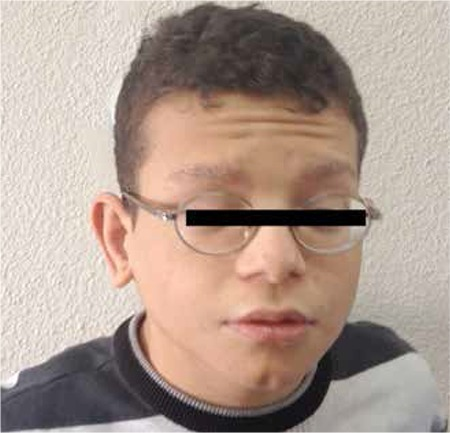
Síndrome cardio-facio-cutâneo
📋 Origem dos dados
Esta página agrega dados de fontes públicas e oficiais. Dados sobre cobertura no SUS (PCDT, CEAF) são verificados ativamente por agente proativo (ver badge no infobox). Demais dados têm atribuição de fonte + data da última sincronização — clique para abrir o original.
- Doença rara (ontologia)
- fonte: Orphanet
- Identificador unificado
- fonte: MONDO
- Codificação WHO/SUS
- fonte: WHO ICD-10 / DATASUS
- CID-11 (futuro)
- fonte: WHO ICD-11
- NIH/GARD
- fonte: GARD (NIH)
- Indexação biomédica
- fonte: MeSH (NLM)
- Dado público estruturado
- fonte: Wikidata
- Ensaios clínicos
- fonte: ClinicalTrials.gov

