
Síndrome epiléptica de início na infância caracterizada pelo início de convulsões entre 3 e 14 anos (pico de 8 a 9 anos) que geralmente desaparecem aos 13 anos de idade, mas ocasionalmente podem ocorrer até os 18 anos de idade. Ambos os sexos são afetados. A história antecedente, de nascimento e neonatal é normal. Pode ser observada história de convulsão febril (em 5-15%). Uma história de síndrome de Panayiotopoulos pode estar presente em um número muito pequeno de casos. O exame neurológico e o tamanho da cabeça são normais. O desenvolvimento e a cognição antes do início das convulsões são normais. Durante o curso da epilepsia ativa, podem ser encontrados déficits comportamentais e neuropsicológicos, particularmente na linguagem e no funcionamento executivo. Esses déficits melhoram quando as convulsões remitem.
Introdução
O que você precisa saber de cara
Síndrome epiléptica de início na infância caracterizada pelo início de convulsões entre 3 e 14 anos (pico de 8 a 9 anos) que geralmente desaparecem aos 13 anos de idade, mas ocasionalmente podem ocorrer até os 18 anos de idade. Ambos os sexos são afetados. A história antecedente, de nascimento e neonatal é normal. Pode ser observada história de convulsão febril (em 5-15%). Uma história de síndrome de Panayiotopoulos pode estar presente em um número muito pequeno de casos. O exame neurológico e o tamanho da cabeça são normais. O desenvolvimento e a cognição antes do início das convulsões são normais. Durante o curso da epilepsia ativa, podem ser encontrados déficits comportamentais e neuropsicológicos, particularmente na linguagem e no funcionamento executivo. Esses déficits melhoram quando as convulsões remitem.
Escala de raridade
<1/50kMuito rara
1/20kRara
1/10kPouco freq.
1/5kIncomum
1/2k
Encontrou um erro ou informação desatualizada? Sugira uma correção →
Entender a doença
Do básico ao detalhe, leia no seu ritmo
Preparando trilha educativa...
Sinais e sintomas
O que aparece no corpo e com que frequência cada sintoma acontece
Partes do corpo afetadas
+ 11 sintomas em outras categorias
Características mais comuns
Os sintomas variam de pessoa para pessoa. Abaixo estão as 23 características clínicas mais associadas, ordenadas por frequência.
Linha do tempo da pesquisa
Encontrou um erro ou informação desatualizada? Sugira uma correção →
Genética e causas
O que está alterado no DNA e como passa nas famílias
Genes associados
3 genes identificados com associação a esta condição. Padrão de herança: Autosomal dominant.
Component of N-methyl-D-aspartate (NMDA) receptors (NMDARs) that function as heterotetrameric, ligand-gated cation channels with high calcium permeability and voltage-dependent block by Mg(2+) (PubMed:20890276, PubMed:23933818, PubMed:23933819, PubMed:23933820, PubMed:24504326, PubMed:26875626, PubMed:26919761, PubMed:28242877, PubMed:36117210, PubMed:38538865, PubMed:8768735). NMDARs participate in synaptic plasticity for learning and memory formation by contributing to the slow phase of excita
Cell projection, dendritic spineCell membraneSynapsePostsynaptic cell membraneCytoplasmic vesicle membrane
Epilepsy, focal, with speech disorder and with or without impaired intellectual development
An autosomal dominant, highly variable neurologic disorder. Features range from severe early-onset seizures associated with delayed psychomotor development, persistent speech difficulties, and intellectual disability to a more benign entity characterized by childhood onset of mild or asymptomatic seizures associated with transient speech difficulties followed by remission of seizures in adolescence and normal psychomotor development. The disorder encompasses several clinical entities, including Landau-Kleffner syndrome, epileptic encephalopathy with continuous spike and wave during slow-wave sleep, autosomal dominant rolandic epilepsy, intellectual disability and speech dyspraxia, and benign epilepsy with centrotemporal spikes.
Gamma subunit of the heteropentameric ligand-gated chloride channel gated by gamma-aminobutyric acid (GABA), a major inhibitory neurotransmitter in the brain (PubMed:14993607, PubMed:16412217, PubMed:23909897, PubMed:2538761, PubMed:25489750, PubMed:27864268, PubMed:29950725, PubMed:30602789). GABA-gated chloride channels, also named GABA(A) receptors (GABAAR), consist of five subunits arranged around a central pore and contain GABA active binding site(s) located at the alpha and beta subunit in
Postsynaptic cell membraneCell membraneCell projection, dendriteCytoplasmic vesicle membrane
Developmental and epileptic encephalopathy 74
A form of epileptic encephalopathy, a heterogeneous group of severe early-onset epilepsies characterized by refractory seizures, neurodevelopmental impairment, and poor prognosis. Development is normal prior to seizure onset, after which cognitive and motor delays become apparent. DEE74 is an autosomal dominant form with onset in the first year of life.
Acts as a ligand for the urokinase plasminogen activator surface receptor. Plays a role in angiogenesis by inducing endothelial cell migration and the formation of vascular network (cords). Involved in cellular migration and adhesion. Increases the phosphorylation levels of FAK. Interacts with and increases the mitogenic activity of HGF. Promotes synapse formation. May have a role in the perisylvian region, critical for language and cognitive development
SecretedCytoplasmCell surfaceSynapse
Rolandic epilepsy, impaired intellectual development, and speech dyspraxia, X-linked
A condition characterized by the association of rolandic seizures with oral and speech dyspraxia, and intellectual disability. Rolandic seizures occur during a period of significant brain maturation. During this time, dysfunction of neural network activities such as focal discharges may be associated with specific developmental disabilities resulting in specific cognitive impairments of language, visuo-spatial abilities or attention.
Variantes genéticas (ClinVar)
1.122 variantes patogênicas registradas no ClinVar.
Classificação de variantes (ClinVar)
Distribuição de 112 variantes classificadas pelo ClinVar.
Vias biológicas (Reactome)
9 vias biológicas associadas aos genes desta condição.
Diagnóstico
Os sinais que médicos procuram e os exames que confirmam
Tratamento e manejo
Remédios, cuidados de apoio e o que precisa acompanhar
Onde tratar no SUS
Hospitais de referência no Brasil e o protocolo oficial do SUS (PCDT)
🇧🇷 Atendimento SUS — Epilepsia auto-limitada com picos centro-temporais
Selecione um estado ou use sua localização para ver resultados.
Dados de DATASUS/CNES, SBGM, ABNeuro e Ministério da Saúde. Sempre confirme a disponibilidade diretamente com o estabelecimento.
Pesquisa ativa
Ensaios clínicos abertos e novidades científicas recentes
Pesquisa e ensaios clínicos
Nenhum ensaio clínico registrado para esta condição.
Publicações mais relevantes
Linking Cortical Morphometry in Self-Limited Epilepsy With Centrotemporal Spikes to Cognition, Function, and Molecular Architecture.
Self-limiting epilepsy with centrotemporal spikes (SeLECTS) is the most common type of pediatric epilepsy, characterized by age-dependent seizures, which usually occur during the development of a child's brain. This condition is associated with heterogeneous neurodevelopmental alterations, including cortical thinning, changes in subcortical structures, and atypical development linked to the disease. To establish an integrative model of neurodevelopment in SeLECTS, we investigated how its structural brain alterations are linked to clinical phenotypes, aberrant brain network function, and the local molecular architecture. Using normative modeling, we analyzed magnetic resonance imaging (MRI)-derived morphometric features, specifically cortical thickness and subcortical volumes, in a multicenter preschool cohort (devCCNP, n = 457) and a SeLECTS cohort (n = 187) and generated deviation matrices specific to SeLECTS. Nonnegative matrix factorization was applied to decompose these matrices into eight deviation components, revealing biologically interpretable patterns of heterogeneity, along with subject-specific loadings that quantify the expression of these components in individual subjects. Behavioral partial least squares analysis identified significant associations between subject-specific loadings and phenotypic profiles in SeLECTS, suggesting that factors such as age, medication history, and disease duration are important for morphological development-particularly in temporal and frontal regions associated with cognitive control and language. Furthermore, we explored the molecular basis of the morphometric deviation components by mapping their spatial expression to features related to functional cognition, neurotransmitter/transcript profiles, and mitochondrial characteristics. Collectively, this study provides a novel framework for elucidating the neuroanatomical heterogeneity of epilepsy, offering insights into its behavioral and molecular correlates.
Multifrequency neuromagnetic activity and cognitive function in SeLECTS: network-based spectral alterations and genetic signatures.
This study investigates multifrequency resting-state neuromagnetic activity in children with self-limited epilepsy with centrotemporal spikes (SeLECTS) and their exploratory associations with cognition and regional gene expression, aiming to elucidate potential neurophysiological mechanisms underlying cognitive vulnerability. This study included 59 drug-naïve children with SeLECTS and 30 age-matched healthy controls (HC). All participants underwent magnetoencephalography (MEG) recordings across six frequency bands. Minimum norm estimation (MNE) combined with Welch's method was employed for spectral power calculation. Cognitive function was assessed using the Wechsler Intelligence Scale for Children (WISC-IV). Specific PSD and scale scores were analyzed by Spearman's analysis. Key biological processes and hub genes were identified through spatial transcriptomic mapping with the BrainSpan Atlas, combined with Gene Ontology (GO) and protein-protein interaction (PPI) network analyses. Compared with HC, children with SeLECTS showed enhanced theta and delta activity in specific cortical regions and networks, particularly in the frontoparietal control network (FPCN) and default mode network (DMN). In terms of cognitive performance, the SeLECTS group scored lower than the HC group across all subtests except for processing speed. Notably, FPCN theta PSD was positively correlated with full-scale IQ (FSIQ) in the SeLECTS group. Spatial transcriptomic analysis further demonstrated that these functionally aberrant brain regions were genetically defined by a highly interconnected molecular module. Spectral power analysis in SeLECTS reveals frequency- and network- specific alterations, which are associated with cognitive performance. Furthermore, the brain regions exhibiting this neurophysiological signature were genetically enriched for a cohesive module involved in mRNA splicing and metabolism.
Analysis of influencing factors for cognitive impairment in children with self-limited epilepsy with centrotemporal spikes.
This study aimed to analyze the influencing factors of cognitive impairment in children with Self-limited Epilepsy with Centrotemporal Spikes (SeLECTS) to provide a scientific basis for clinical intervention. We retrospectively analyzed the clinical data of children diagnosed with SeLECTS at our hospital between January 2020 and December 2024. Intelligence scale assessments were collected, and patients were divided into cognitive dysfunction and non-cognitive dysfunction groups based on the results. Data on age, seizure frequency, spike peak voltage, electroencephalogram (EEG) discharge index, and laboratory indicators were obtained for both groups. The predictive value of EEG and laboratory indicators for cognitive impairment in SeLECTS patients was evaluated using Receiver Operating Characteristic (ROC) curve analysis and multivariate logistic regression. A total of 106 SeLECTS children were included, of whom 35 (33.02%) exhibited cognitive dysfunction. Compared to the non-cognitive dysfunction group, the cognitive dysfunction group had a younger age of onset and higher levels of interleukin-6 (IL-6), tumor necrosis factor-α (TNF-α), neuron-specific enolase (NSE), spike peak voltage, and a greater proportion with a discharge index >10% (p < 0.05). The areas under the ROC curve (AUC) for IL-6, TNF-α, and NSE in assessing cognitive impairment were 0.842, 0.833, and 0.855, respectively. The combined AUC of these three markers was 0.928, which was significantly higher than that of IL-6 (Z = 2.297, p = 0.022), TNF-α (Z = 2.296, p = 0.022), and NSE (Z = 2.108, p = 0.035) individually. The AUC values for spike peak voltage and discharge index were 0.620 and 0.637, respectively, while their combined AUC was 0.696. Elevated IL-6, TNF-α, and NSE levels were identified as risk factors for cognitive impairment in SeLECTS children (p < 0.05), whereas older age of onset was a protective factor (p < 0.05). IL-6, TNF-α, NSE, spike peak voltage, discharge index, and age of onset are associated with cognitive impairment in SeLECTS children and may serve as valuable potential biomarkers, providing insights for early intervention.
Abnormal dynamic connectivity patterns in self-limited epilepsy with centrotemporal spikes.
To characterize the dynamic functional network connectivity (dFNC) patterns in children with self-limited epilepsy with centrotemporal spikes (SeLECTS) and to uncover potential abnormalities in neural regulation and related functional impairments. Resting-state functional magnetic resonance imaging (rs-fMRI) data were collected from 61 children with SeLECTS and 69 healthy controls (HCs). Independent component analysis (ICA), the sliding window approach and hidden markov modeling (HMM) were employed to systematically investigate potential differences in dFNC properties between the two groups. The dFNC analysis identified four dynamic states, with State 1 occurring most frequently. State 1 and State 3 represented two polarized connectivity patterns, with State 1 characterized by weak/negative connections and State 3 by widespread strong connections. In both states, children with SeLECTS showed significantly reduced connectivity within the dorsal attention network (DAN) compared with HCs (p < 0.001, FDR-corrected). In the connectivity-balanced State 2, children with SeLECTS showed significantly reduced fractional windows (p = 0.009) and mean dwell time (p = 0.018) compared with HCs, whereas no significant differences were observed in State 4. In addition, temporal variability of functional connectivity between the DAN and visual network (VIS) was significantly reduced in SeLECTS (p < 0.001, FDR-corrected), and this variability was positively correlated with full-scale intelligence quotient (FIQ) (p < 0.05). HMM results from another dynamic perspective further confirmed and echoed the above abnormalities. This study revealed abnormal dynamic connectivity patterns of brain networks in children with SeLECTS from a multidimensional dynamic perspective. These macroscopic abnormalities may reflect an underlying excitation-inhibition imbalance in neural networks and provide new insights into brain functional reorganization and the potential neurobiological mechanisms of SeLECTS.
TMS timed to interictal epileptiform discharges.
Interictal epileptiform discharges (IEDs) are pathological hypersynchronous bursts of electrical brain activity that occur between seizures in patients with epilepsy. IEDs are caused by transient brain states that are difficult to predict, making them a challenging neurophysiological and technological case for brain-state-dependent stimulation. Administering stimulation at IED onset may provide insight into the epileptic network and optimize neurostimulation therapies. Here, we assessed the feasibility of IED-triggered transcranial magnetic stimulation (TMS) in two children with self-limited epilepsy with centrotemporal spikes (SeLECTS), a common pediatric epilepsy in which IEDs emerge from the motor cortex. A convolutional neural network (CNN) was trained on the participants' pre-recorded electroencephalography (EEG) data with IEDs annotated by an epileptologist. The CNN was integrated into an EEG-processing pipeline that classified EEG segments as "IED" or "non-IED" in real time. With this pipeline, TMS pulses were administered during IED or non-IED periods in an interleaved, randomized design. We stimulated both the motor cortex generating the IEDs and the contralateral motor cortex and tested the impact of IEDs on TMS-evoked potentials (TEPs). Our study demonstrated that TMS can be timed to IEDs and that there is a site-specific increase in TEP amplitude when stimulating during IEDs. Out of the TMS pulses aimed at an IED, 39% and 19% were successfully delivered during an IED for the two participants, respectively. For future research, we propose ways to address the methodological challenges of IED-timed TMS, enabling brain-state-dependent TMS for epilepsy research and treatment.
Publicações recentes
Prospective Assessment of Cognitive Outcomes in Pediatric Self-Limited Epilepsy With Centrotemporal Spikes.
The sleep-first effect of perampanel in children with self-limited epilepsy with centrotemporal spikes: A temporal efficacy analysis in the context of complex polytherapy.
Functional connectivity in self-limited epilepsy with centrotemporal spikes increases with epilepsy duration and interictal spike exposure.
💬 OpiniãoTMS timed to interictal epileptiform discharges.
Linking Cortical Morphometry in Self-Limited Epilepsy With Centrotemporal Spikes to Cognition, Function, and Molecular Architecture.
📚 EuropePMC68 artigos no totalmostrando 102
TMS timed to interictal epileptiform discharges.
bioRxiv : the preprint server for biologyLinking Cortical Morphometry in Self-Limited Epilepsy With Centrotemporal Spikes to Cognition, Function, and Molecular Architecture.
CNS neuroscience & therapeuticsMultifrequency neuromagnetic activity and cognitive function in SeLECTS: network-based spectral alterations and genetic signatures.
NeuroscienceTele-neuropsychological assessment in children with self-limited epilepsy with centrotemporal spikes: a pilot study.
SeizurePredicting progression from SeLECTS with SWAS to EE-SWAS: risk factor identification and model development.
Frontiers in human neuroscienceAnalysis of influencing factors for cognitive impairment in children with self-limited epilepsy with centrotemporal spikes.
Frontiers in neurologyEvolution into spike-and-wave activation in sleep in patients with self-limited focal epilepsies.
SeizureImmune biomarkers for epilepsy in autism: indications of cytokine alterations in an exploratory cross-sectional pediatric study.
Frontiers in neurologyEEG and clinical findings in pediatric epilepsy and control groups using video-based pattern stimulation.
Epileptic disorders : international epilepsy journal with videotapeElevated thalamic blood flow in self-limited epilepsy with centrotemporal spikes.
Epilepsy researchEducational attainment of children with self-limited epilepsy with CentroTemporal spikes (SELECTS), other epilepsies, and without epilepsy: A retrospective cohort study.
SeizureShared and divergent neuromagnetic network signatures in childhood absence epilepsy and self-limited epilepsy with centrotemporal spikes.
SeizureAbnormal dynamic connectivity patterns in self-limited epilepsy with centrotemporal spikes.
Brain research bulletinEfficacy and safety of perampanel monotherapy in Chinese children with newly diagnosed focal epilepsy: a single-center prospective study.
Translational pediatricsClinical characteristics of pediatric epilepsy in Palestine: a cross-sectional study.
BMC neurologyPrevalence and Functional Significance of 14 and 6 Hz Positive Spikes in Self-Limited Epilepsy With Centrotemporal Spikes: A Case-Control Study.
Journal of clinical neurophysiology : official publication of the American Electroencephalographic SocietyStudy on brain functional networks and wearable device monitoring in children with SeLECTs and high spike-wave index (SWI >50%).
Frontiers in neurologySelf-Limited Epilepsy with Centrotemporal Spikes in Younger Ages: Worse but Real!
Annals of Indian Academy of NeurologyChildhood absence epilepsy and distinct dynamic functional network connectivity patterns in self-limited epilepsy with centrotemporal spikes: a resting-state fMRI study.
Pediatric researchSafety and efficacy of one-dose nocturnal levetiracetam for the treatment of self-limited epilepsy with centrotemporal spikes: a randomized clinical trial.
Scientific reportsElectroclinical biomarkers predicting EEG normalization and polytherapy needs in self-limited epilepsy with centrotemporal spikes.
Brain & developmentDynamic functional connectivity variability in the thalamocortical circuit: Insights from Self-Limited Epilepsy with Centrotemporal Spikes (SeLECTs).
Epilepsy researchSuspected induction of epileptic negative myoclonus after lacosamide initiation.
EpilepsiaFunctional Connectivity in Self-limited Epilepsy with Centrotemporal Spikes (SeLECTS) Increases with Epilepsy Duration and Interictal Spike Exposure.
bioRxiv : the preprint server for biologyAssociation between epilepsy and attention deficit/hyperactivity disorder - correlation between interictal epileptiform discharges and behavioral disturbances.
Brain & developmentAbnormal Elevated Connectivity During Language Processing is Associated with Poor Cognitive Performance in Children with Self-limited Epilepsy with Centrotemporal Spikes.
bioRxiv : the preprint server for biologyLeveraging longitudinal in-school assessments to understand reading risk in SeLECTs: a proof-of-concept cohort.
Epilepsy & behavior : E&BMolecular imaging based biophysical changes of striatum closely associated with cognitive impairment in childhood self-limited epilepsy with centrotemporal spikes.
European journal of nuclear medicine and molecular imagingrTMS Improves Cognition in Patients With Self-Limited Epilepsy With Centrotemporal Spikes With Electrical Status Epilepticus in Sleep via Increase of the Sleep Spindle.
CNS neuroscience & therapeuticsSCN2A gene mutations with epilepsy: single center experience.
Italian journal of pediatricsThe changes in brain network functional gradients and dynamic functional connectivity in SeLECTS patients revealing disruptive and compensatory mechanisms in brain networks.
Frontiers in psychiatryInvestigating inhibitory control and cognitive flexibility in self-limited epilepsy with centrotemporal spikes: an eye-tracking study.
Epilepsy & behavior : E&BIncreased expression of proinflammatory cytokines in the cerebrospinal fluid of patients with a history of electrical status epilepticus in sleep.
Neurological sciences : official journal of the Italian Neurological Society and of the Italian Society of Clinical NeurophysiologyHigh-Frequency Oscillations in Self-Limited Epilepsy With Centrotemporal Spikes: Potential Predictors of Attention Deficit Hyperactivity Disorder?
International journal of developmental neuroscience : the official journal of the International Society for Developmental NeuroscienceThe relationship between neuromagnetic networks and cognitive impairment in self-limited epilepsy with centrotemporal spikes.
Epilepsia openNormative modeling of brain morphometry in self-limited epilepsy with centrotemporal spikes.
Cerebral cortex (New York, N.Y. : 1991)Early Prediction of the Evolution of Self-Limited Epilepsy With Centrotemporal Spikes to Epileptic Encephalopathy With Spike-and-Wave Activation in Sleep: A Prediction Model Construction Based on Quantitative Electroencephalography Characteristics.
CNS neuroscience & therapeuticsRepetitive transcranial magnetic stimulation modulates brain connectivity in children with self-limited epilepsy with centrotemporal spikes.
Brain stimulationIncrease in EEG functional connectivity and power during wakefulness in self-limited epilepsy with centrotemporal spikes.
Clinical neurophysiology : official journal of the International Federation of Clinical NeurophysiologyExploring the Correlations Between Language Impairments, Central Auditory Processing Disorder, Neuropsychiatric Functions, and Seizure Timing in Children With Self-Limited Epilepsy With Centrotemporal Spikes.
Journal of child neurologyCombination of magnetoencephalographic and clinical features to identify atypical self-limited epilepsy with centrotemporal spikes.
Epilepsy & behavior : E&BEpidemiology of self-limited epilepsy with centrotemporal spikes (SeLECTS): A population study using primary care records.
SeizureStatic and dynamic changes in amplitude of Low-Frequency fluctuations in patients with Self-Limited epilepsy with centrotemporal Spikes (SeLECTS): A Resting-State fMRI study.
Journal of clinical neuroscience : official journal of the Neurosurgical Society of AustralasiaAssociations of glymphatic function with structural network and cognition in self-limited epilepsy with centrotemporal spikes.
SeizureThe Association Between Sleep Problems and Attentional Network Functions in Patients with Self-Limited Epilepsy with Centrotemporal Spikes.
Nature and science of sleepEpilepsy, EEG and chromosomal rearrangements.
Epilepsia openSulthiame use in children with pharmacoresistant epilepsies: A retrospective study.
Epileptic disorders : international epilepsy journal with videotapeEfficacy and safety of adjunctive perampanel treatment in pediatric patients with epilepsy aged 4-12 years: a real-world study.
Journal of neurologyCombined diffusion tensor imaging and quantitative susceptibility mapping to characterize normal-appearing white matter in self-limited epilepsy with centrotemporal spikes.
NeuroradiologyStability of transcranial magnetic stimulation electroencephalogram evoked potentials in pediatric epilepsy.
Scientific reportsClinical Analysis of Lacosamide Monotherapy in the Treatment of Self-Limited Epilepsy with Centrotemporal Spikes.
Neuropsychiatric disease and treatmentClassification of self-limited epilepsy with centrotemporal spikes by classical machine learning and deep learning based on electroencephalogram data.
Brain researchCognitive development in children with new-onset Rolandic epilepsy and Rolandic discharges without seizures: Focusing on intelligence, visual perception, working memory and the role of parents' education.
Epilepsy & behavior : E&BEfficacy and safety of perampanel as the first add-on therapy for children with epilepsy: A real-world multicenter prospective observational study.
SeizureRecognition memory deficits detected through eye-tracking in well-controlled children with self-limited epilepsy with centrotemporal spikes.
EpilepsiaThe effect of executive function on health related quality of life in children with self-limited epilepsy with centrotemporal spikes.
Epilepsy & behavior : E&BA Multicenter Study of Self-Limited Epilepsy With Centrotemporal Spikes: Effectiveness of Antiseizure Medication With Respect to Spike-Wave Index.
Pediatric neurologyClinical phenotype and genotype of NPRL2-related epilepsy: Four cases reports and literature review.
Seizure[Self-limited focal epilepsies of childhood].
MedicinaChildhood-onset epilepsy in patients with dyskinetic cerebral palsy caused by basal ganglia and thalamic lesions.
European journal of paediatric neurology : EJPN : official journal of the European Paediatric Neurology SocietyAssessment of auditory perception abilities using temporal envelope and fine structure processing in children with self-limited epilepsy with centrotemporal spikes.
Epilepsy researchBoth epilepsy and anti-seizure medications affect bone metabolism in children with self-limited epilepsy with centrotemporal spikes.
EpilepsiaDecreased thalamocortical connectivity in resolved Rolandic epilepsy.
Clinical neurophysiology : official journal of the International Federation of Clinical NeurophysiologyWISC-IV intellectual profiles in Italian children with self-limited epilepsy with centrotemporal spikes.
Epileptic disorders : international epilepsy journal with videotapeThe Prevalence and Risk Factors of Electrical Status Epilepticus During Slow-Wave Sleep in Self-Limited Epilepsy With Centrotemporal Spikes.
Clinical EEG and neuroscienceEffects of altered excitation-inhibition imbalance by repetitive transcranial magnetic stimulation for self-limited epilepsy with centrotemporal spikes.
Frontiers in neurologyThe Efficacy and Cognitive Impact of Perampanel Monotherapy in Patients with Self-Limited Epilepsy with Centrotemporal Spikes: A Retrospective Analysis.
Neuropsychiatric disease and treatmentLanguage-related brain areas in childhood epilepsy with centrotemporal spikes studied with MEG.
Clinical neurophysiology : official journal of the International Federation of Clinical NeurophysiologyConnectivity Disturbances in Self-Limited Epilepsy with Centrotemporal Spikes: A Partial Directed Coherence Analysis of Electroencephalogram.
Clinical EEG and neuroscienceChildren with Rolandic epilepsy have micro- and macrostructural abnormalities in white matter constituting networks necessary for language function.
Epilepsy & behavior : E&BThe fate of spikes in self-limited epilepsy with centrotemporal spikes: Are clinical and baseline EEG features effective?
Epilepsy researchOcular emotion discrimination disorders in self-limited epilepsy patients with centrotemporal spikes complicated with electrical status epilepticus during sleep: A pediatric neuropsychological study.
Brain and behaviorImpact of interictal epileptiform discharges on brain network in self-limited epilepsy with centrotemporal spikes: A magnetoencephalography study.
Brain and behaviorSpike height improves prediction of future seizure risk.
Clinical neurophysiology : official journal of the International Federation of Clinical NeurophysiologyFocal epilepsies: Update on diagnosis and classification.
Epileptic disorders : international epilepsy journal with videotapeAntiseizure medication treatment outcomes in new-onset pediatric epilepsy.
Pediatrics international : official journal of the Japan Pediatric SocietySuccessful Treatment of a Child With Epileptic Encephalopathy With Spike-Wave Activation in Sleep and GRIN2A Variant Using Sulthiame.
CureusNeurocognitive and psychological comorbidities in patients with self-limited centrotemporal spike epilepsy. A case-control study.
Revista de neurologiaCorpus callosum thickness: A predictive factor for the first drug efficiency of self-limited epilepsy with centrotemporal spikes (selects)?
Epilepsy researchRelationship between brain activity, cognitive function, and sleep spiking activation in new-onset self-limited epilepsy with centrotemporal spikes.
Frontiers in neurologyChanges in functional connectivity in newly diagnosed self-limited epilepsy with centrotemporal spikes and cognitive impairment: An MEG study.
Brain and behaviorConnectivity increases during spikes and spike-free periods in self-limited epilepsy with centrotemporal spikes.
Clinical neurophysiology : official journal of the International Federation of Clinical NeurophysiologyDeep Learning-Based Detection of Epileptiform Discharges for Self-Limited Epilepsy With Centrotemporal Spikes.
IEEE transactions on neural systems and rehabilitation engineering : a publication of the IEEE Engineering in Medicine and Biology SocietyAbnormalities of hemispheric specialization in drug-naïve and drug-receiving self-limited epilepsy with centrotemporal spikes.
Epilepsy & behavior : E&BThe effectiveness and tolerability of clobazam in the pediatric population: Adjunctive therapy and monotherapy in a large-cohort multicenter study.
Epilepsy researchA peculiar family with recurrent self-limited epileptic syndrome and associated developmental disorders in six girls.
Epilepsy & behavior reportsInternational League Against Epilepsy classification and definition of epilepsy syndromes with onset in childhood: Position paper by the ILAE Task Force on Nosology and Definitions.
EpilepsiaHeadache in idiopathic/genetic epilepsy: Cluster analysis in a large cohort.
EpilepsiaA Case of Carbamazepine-Induced Aggravation of Self-Limited Epilepsy with Centrotemporal Spikes Epilepsy and Valproate-Induced Hyperammonemic Encephalopathy in a Child with Heterozygous Gene Variant of Carbomoyl Phosphatase Synthetase Deficiency.
Case reports in neurological medicineOral dyspraxia in self-limited epilepsy with centrotemporal spikes: a comparative study with a control group.
Arquivos de neuro-psiquiatriaSystematic review of executive functions in children with self-limited epilepsy with centrotemporal spikes.
Epilepsy & behavior : E&BExecutive functioning in children with self-limited epilepsy with centrotemporal spikes: a systematic review and meta-analysis.
Child neuropsychology : a journal on normal and abnormal development in childhood and adolescenceSelf-limited epilepsy with centro-temporal spikes: A study of 46 patients with unusual clinical manifestations.
Epilepsy researchThe impact of low-risk genetic variants in self-limited epilepsy with centrotemporal spikes aka Rolandic epilepsy.
EBioMedicineSeizures in self-limited epilepsy with centrotemporal spikes: video-EEG documentation.
Child's nervous system : ChNS : official journal of the International Society for Pediatric NeurosurgeryBenign Rolandic epilepsy: widespread increases in connectivity in a focal epilepsy syndrome.
Epileptic disorders : international epilepsy journal with videotapeChange of centrotemporal spikes from onset to remission in self-limited epilepsy with centrotemporal spikes (SLECTS).
Brain & developmentDevelopment of Ontology for Self-limited Epilepsy with Centrotemporal Spikes and Application of Data Mining Algorithms to Identify New Subtypes.
The Israel Medical Association journal : IMAJDeciphering the role of epigenetics in self-limited epilepsy with centrotemporal spikes.
Epilepsy researchPolysomnographic Aspects of Sleep Architecture on Self-limited Epilepsy with Centrotemporal Spikes: A Systematic Review and Meta-analysis.
Sleep science (Sao Paulo, Brazil)Ictal source imaging and electroclinical correlation in self-limited epilepsy with centrotemporal spikes.
SeizureCognitive functioning in children with self-limited epilepsy with centrotemporal spikes: A systematic review and meta-analysis.
EpilepsiaAssociações
Organizações que acompanham esta doença — pra ter apoio e orientação
Ainda não temos associações cadastradas para Epilepsia auto-limitada com picos centro-temporais.
É de uma associação que acompanha esta doença? Fale com a gente →
Comunidades
Grupos ativos de quem convive com esta doença aqui no Raras
Ainda não existe comunidade no Raras para Epilepsia auto-limitada com picos centro-temporais
Pacientes, familiares e cuidadores se organizam em comunidades pra compartilhar experiências, fazer perguntas e se apoiar. Você pode ser o primeiro.
Tire suas dúvidas
Perguntas, dicas e experiências compartilhadas aqui na página
Participe da discussão
Faça login para postar dúvidas, compartilhar experiências e interagir com especialistas.
Fazer loginDoenças relacionadas
Doenças com sintomas parecidos — ajudam quem ainda está buscando diagnóstico
Referências e fontes
Bases de dados externas citadas neste artigo
Publicações científicas
Artigos indexados no PubMed ligados a esta doença no grafo RarasNet — título, periódico e PMID direto da fonte, sem intermediação de IA.
- Linking Cortical Morphometry in Self-Limited Epilepsy With Centrotemporal Spikes to Cognition, Function, and Molecular Architecture.
- Multifrequency neuromagnetic activity and cognitive function in SeLECTS: network-based spectral alterations and genetic signatures.
- Analysis of influencing factors for cognitive impairment in children with self-limited epilepsy with centrotemporal spikes.
- Abnormal dynamic connectivity patterns in self-limited epilepsy with centrotemporal spikes.
- TMS timed to interictal epileptiform discharges.
- Prospective Assessment of Cognitive Outcomes in Pediatric Self-Limited Epilepsy With Centrotemporal Spikes.
- The sleep-first effect of perampanel in children with self-limited epilepsy with centrotemporal spikes: A temporal efficacy analysis in the context of complex polytherapy.
- Functional connectivity in self-limited epilepsy with centrotemporal spikes increases with epilepsy duration and interictal spike exposure.
Bases de dados e fontes oficiais
Identificadores e referências canônicas usadas para montar este verbete.
- ORPHA:1945(Orphanet)
- OMIM OMIM:117100(OMIM)
- MONDO:0007295(MONDO)
- Epilepsia(PCDT · Ministério da Saúde)
- GARD:10287(GARD (NIH))
- Variantes catalogadas(ClinVar)
- Busca completa no PubMed(PubMed)
- Q488214(Wikidata)
Dados compilados pelo RarasNet a partir de fontes abertas (Orphanet, OMIM, MONDO, PubMed/EuropePMC, ClinicalTrials.gov, DATASUS, PCDT/MS). Este conteúdo é informativo e não substitui avaliação médica.
Conteúdo mantido por Agente Raras · Médicos e pesquisadores podem colaborar
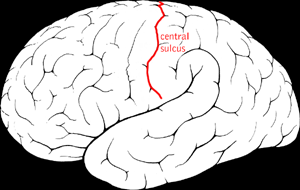
Epilepsia auto-limitada com picos centro-temporais
📋 Origem dos dados
Esta página agrega dados de fontes públicas e oficiais. Dados sobre cobertura no SUS (PCDT, CEAF) são verificados ativamente por agente proativo (ver badge no infobox). Demais dados têm atribuição de fonte + data da última sincronização — clique para abrir o original.
- Doença rara (ontologia)
- fonte: Orphanet
- Identificador unificado
- fonte: MONDO
- Genética mendeliana
- fonte: OMIM
- Codificação WHO/SUS
- fonte: WHO ICD-10 / DATASUS
- CID-11 (futuro)
- fonte: WHO ICD-11
- NIH/GARD
- fonte: GARD (NIH)
- Indexação biomédica
- fonte: MeSH (NLM)
- Dado público estruturado
- fonte: Wikidata
- Reposicionamento
- fonte: Drug Repurposing Hub