
Subtipo de ataxia cerebelar autossômica dominante tipo I (ADCA tipo I), caracterizada por placas papuloescamosas e ictiosiformes nos membros que aparecem logo após o nascimento e manifestações posteriores, incluindo ataxia progressiva, disartria, nistagmo e diminuição dos reflexos.
Introdução
O que você precisa saber de cara
Subtipo de ataxia cerebelar autossômica dominante tipo I (ADCA tipo I), caracterizada por placas papuloescamosas e ictiosiformes nos membros que aparecem logo após o nascimento e manifestações posteriores, incluindo ataxia progressiva, disartria, nistagmo e diminuição dos reflexos.
Escala de raridade
<1/50kMuito rara
1/20kRara
1/10kPouco freq.
1/5kIncomum
1/2k
Encontrou um erro ou informação desatualizada? Sugira uma correção →
Entender a doença
Do básico ao detalhe, leia no seu ritmo
Preparando trilha educativa...
Sinais e sintomas
O que aparece no corpo e com que frequência cada sintoma acontece
Partes do corpo afetadas
+ 19 sintomas em outras categorias
Características mais comuns
Os sintomas variam de pessoa para pessoa. Abaixo estão as 36 características clínicas mais associadas, ordenadas por frequência.
Linha do tempo da pesquisa
Encontrou um erro ou informação desatualizada? Sugira uma correção →
Genética e causas
O que está alterado no DNA e como passa nas famílias
Genes associados
1 gene identificado com associação a esta condição. Padrão de herança: Autosomal dominant.
Curadoria gene-doença
fontes oficiaisCatalyzes the first and rate-limiting reaction of the four reactions that constitute the long-chain fatty acids elongation cycle. This endoplasmic reticulum-bound enzymatic process allows the addition of 2 carbons to the chain of long- and very long-chain fatty acids (VLCFAs) per cycle. Condensing enzyme that catalyzes the synthesis of very long chain saturated (VLC-SFA) and polyunsaturated (PUFA) fatty acids that are involved in multiple biological processes as precursors of membrane lipids and
Endoplasmic reticulum membrane
Stargardt disease 3
A form of Stargardt disease, a common hereditary macular degeneration characterized by decreased central vision, atrophy of the macula and underlying retinal pigment epithelium, and frequent presence of prominent flecks in the posterior pole of the retina. STGD3 is an autosomal dominant form with onset most commonly in the second decade of life.
Variantes genéticas (ClinVar)
58 variantes patogênicas registradas no ClinVar.
Classificação de variantes (ClinVar)
Distribuição de 12 variantes classificadas pelo ClinVar.
Vias biológicas (Reactome)
1 via biológica associada aos genes desta condição.
Diagnóstico
Os sinais que médicos procuram e os exames que confirmam
Tratamento e manejo
Remédios, cuidados de apoio e o que precisa acompanhar
Onde tratar no SUS
Hospitais de referência no Brasil e o protocolo oficial do SUS (PCDT)
🇧🇷 Atendimento SUS — Ataxia espinocerebelosa tipo 34
Selecione um estado ou use sua localização para ver resultados.
Dados de DATASUS/CNES, SBGM, ABNeuro e Ministério da Saúde. Sempre confirme a disponibilidade diretamente com o estabelecimento.
Pesquisa ativa
Ensaios clínicos abertos e novidades científicas recentes
Ensaios em destaque
🟢 Recrutando agora
1 pesquisa recrutando participantes. Converse com seu médico sobre a possibilidade de participar.
Outros ensaios clínicos
Publicações mais relevantes
Neurocognition, cerebellar functions and psychiatric features in spinocerebellar ataxia type 34: a case series.
This study primarily aimed to comprehensively characterize the neurological, neuroradiological and neurocognitive profiles, as well psychiatric features of individuals with Spinocerebellar Ataxia Type 34 (SCA34) associated with pathogenic variants in the ELOVL4 gene. Secondarily, we investigated the relationship between neurocognitive functions and cerebellar morphology in individuals with SCA34 by correlating structural changes to cognitive performance. Given involvement of the cerebellum in SCA34, our findings will contribute to a broader understanding of the role of the cerebellum in cognition. Four individuals (52 f, 72 m, 76 m, 76 f) underwent DNA testing using Next-Generation Sequencing and detailed assessment of neurocognitive functions. The test battery evaluated all six cognitive domains: verbal functions, executive functions, attention and processing speed, learning and memory, visuospatial perception and abilities, and social cognition. In addition, cerebellar and motor functions were evaluated using Finger Tapping, Prism Adaptation, and the Motor Speed subtest of the Delis-Kaplan executive function system (D-KEFS). Test results were compared with each individual's estimated premorbid cognitive level, determined from their highest educational attainment or occupational status prior to disease onset. Psychiatric symptoms related to anxiety, depression, and sleep were reported using clinical scales. The Scale for the Assessment and Rating of Ataxia (SARA) was used to assess ataxia severity. Two individuals and one matched control underwent high-resolution 7T MRI to characterize cerebellar morphology. Neurocognitive assessments identified cognitive and motor dysfunction across all individuals, including distinct neurocognitive impairments consistent with cerebellar cognitive-affective syndrome (CCAS), along with additional deficits in learning, visual and verbal episodic memory, emotion recognition-a component of social cognition. Anxiety and sleep disturbance, but not depression, were observed in both female participants. High-resolution 7 T MRI revealed structural cerebellar alterations, with moderate to severe bilateral cerebellar atrophy, including the vermis and multiple lobules (Crus II, VIIb, VIIIa, VIIIb, IX), as well as atrophy of the middle and superior cerebellar peduncles, accompanied by mild pontine atrophy. Genetic analyses confirmed the involvement of ELOVL4-related disruptions in long-chain fatty acid biosynthesis, offering insight into the molecular underpinnings of cerebellar degeneration in SCA34. Individuals with SCA34 show cerebellar degeneration accompanied by cognitive, motor, and social-affective impairments consistent with CCAS. Atrophy of the vermis, multiple lobules, and cerebellar peduncles align with these deficits, highlighting the cerebellum's key role in cognition. ELOVL4-related disruptions in fatty acid biosynthesis provides insight into the molecular basis of SCA34. Together, these findings advance our understanding of how cerebellar pathology contributes to complex neurocognitive and psychiatric symptoms in genetic ataxias.
Spinocerebellar Ataxia Type 34: ELOVL4 Recurrent Mutation in a Different Family.
Potential Clinical Benefit of Very Long Chain Fatty Acid Supplementation in Spinocerebellar Ataxia Type 34.
Spinocerebellar ataxia type 34 (SCA34) is a dominantly inherited disease that causes late-onset ataxia, in association with skin lesions in the form of erythrokeratodermia variabilis. It is caused by mutations in the ELOVL4 gene, which encodes for the ELOVL4 protein and has the function of lengthening very long chain (VLC) fatty acids (FA), which are important components of central myelin. The aim of this work was to review the medical literature on the biochemical abnormalities of SCA34, and based on the obtained information, to propose supplementation of deficient FAs. A review of the ad hoc medical literature was performed. Plasma levels of the ELOVL4 products C32, C34 and C36 FA have not been reported in SCA34 yet. However, pathogenic variants of ELOVL4 revealed deficient biosynthesis of C28, C30, C32, C34 and C36 FA compared to WT in cell cultures, and the levels of ceramides and phosphatidylcholines containing ≥ 34 C FA were decreased compared to WT in HeLa cells expressing mutant SCA34 proteins. Besides, a pathological study of SCA34 revealed myelin destruction and loss of oligodendrocytes in cerebral and cerebellar white matter. Levels of VLC-FA should be determined, to identify specifically deficient FAs in SCA34. Cerebellar ataxia could possibly be improved by administration of the deficient FAs, as found in SCA38 with supplementation of docosahexaenoic acid. The authors suggest investigators with access to SCA34, to take into consideration this therapeutic hypothesis, and try to verify the potential efficacy of administration of VLCFA in this disease.
Two New Families and a Literature Review of ELOVL4-Associated Spinocerebellar Ataxia Type 34.
Autosomal dominant variants in ELOVL4 cause spinocerebellar ataxia type 34 (SCA34; ATX-ELOVL4), classically associated with a skin condition known as erythrokeratoderma. Here, we report a large Italian-Maltese-Australian family with spinocerebellar ataxia. Notably, while there were dermatological manifestations (eczema), erythrokeratoderma was not present. Using a next-generation sequencing panel, we identified a previously reported ELOVL4 variant, NM_022726.4: c.698C > T p.(Thr233Met). The variant was initially classified as a variant of uncertain significance; however, through segregation studies, we reclassified the variant as likely pathogenic. We next identified an individual from another family (Algerian-Maltese-Australian) with the same ELOVL4 variant with spinocerebellar ataxia but without dermatological manifestations. We subsequently performed the first dedicated literature review of ELOVL4-associated ataxia to gain further insights into genotype-phenotype relationships. We identified a total of 60 reported cases of SCA34 to date. The majority had gait ataxia (88.3%), limb ataxia (76.7%), dysarthria (63.3%), and nystagmus (58.3%). Of note, skin lesions related to erythrokeratoderma were seen in a minority of cases (33.3%). Other extracerebellar manifestations included pyramidal tract signs, autonomic disturbances, retinitis pigmentosa, and cognitive impairment. For brain MRI data, cerebellar atrophy was seen in all cases (100%), whereas the hot cross bun sign (typically associated with multiple system atrophy type C) was seen in 32.4% of cases. Our family study and literature review highlight the variable phenotypic spectrum of SCA34. Importantly, it shows that erythrokeratoderma is not found in most cases and that, while a dermatological assessment may be helpful in these patients, SCA34 diagnosis should be considered irrespective of dermatological manifestations.
Incomplete Elongation of Ultra-long-chain Polyunsaturated Acyl-CoAs by the Fatty Acid Elongase ELOVL4 in Spinocerebellar Ataxia Type 34.
Spinocerebellar ataxias (SCAs) are autosomal dominant diseases characterized by cerebellar atrophy and ataxia. The SCA subtype SCA34 is caused by specific mutations in the gene ELOVL4, which encodes a fatty acid (FA) elongase that synthesizes ultra-long-chain (ULC; ≥C26) FAs. However, the pathogenesis and molecular mechanism that confers dominant inheritance remains unknown. Here, a cell-based assay demonstrated that each of the five known SCA34 mutants produced shorter ULC polyunsaturated FA-containing phosphatidylcholines (ULC-PCs) than wild-type protein, in the following order of severity: Q180P and T233M > W246G > I171T and L168F. Next, we generated knock-in mouse embryonic stem cells that contained heterozygous Q180P, heterozygous W246G, or homozygous W246G mutations. Neuronal differentiation-dependent production of ULC-PCs was reduced in heterozygous Q180P and homozygous W246G cells relative to control cells, and we observed shortening of the FA moiety in all mutant cells. This FA shortening was consistent with our prediction that amino acid residues substituted by SCA34 mutations are located in the transmembrane helices that interact with the ω-end region of the FA moiety of the substrate acyl-CoA. Hence, reduced levels and shortening of ULC-PCs in neurons may cause SCA34, and incomplete elongation of ULC polyunsaturated acyl-CoAs by mutated ELOVL4 may induce dominant inheritance.
Publicações recentes
Neurocognition, cerebellar functions and psychiatric features in spinocerebellar ataxia type 34: a case series.
Spinocerebellar Ataxia Type 34: ELOVL4 Recurrent Mutation in a Different Family.
Potential Clinical Benefit of Very Long Chain Fatty Acid Supplementation in Spinocerebellar Ataxia Type 34.
🥇 Revisão sistemáticaSpinocerebellar ataxia-type 34: A case report and brief review of the literature.
Incomplete Elongation of Ultra-long-chain Polyunsaturated Acyl-CoAs by the Fatty Acid Elongase ELOVL4 in Spinocerebellar Ataxia Type 34.
📚 EuropePMC3.032 artigos no totalmostrando 11
Neurocognition, cerebellar functions and psychiatric features in spinocerebellar ataxia type 34: a case series.
Frontiers in computational neuroscienceSpinocerebellar Ataxia Type 34: ELOVL4 Recurrent Mutation in a Different Family.
Journal of clinical neurology (Seoul, Korea)Potential Clinical Benefit of Very Long Chain Fatty Acid Supplementation in Spinocerebellar Ataxia Type 34.
Cerebellum (London, England)Spinocerebellar ataxia-type 34: A case report and brief review of the literature.
Radiology case reportsIncomplete Elongation of Ultra-long-chain Polyunsaturated Acyl-CoAs by the Fatty Acid Elongase ELOVL4 in Spinocerebellar Ataxia Type 34.
Molecular and cellular biologyTwo New Families and a Literature Review of ELOVL4-Associated Spinocerebellar Ataxia Type 34.
Cerebellum (London, England)Neuropathology of SCA34 showing widespread oligodendroglial pathology with vacuolar white matter degeneration: a case study.
Acta neuropathologica communicationsCongenital Ichthyosis in a Case of Spinocerebellar Ataxia Type 34: A Novel Presentation for a Known Mutation.
Movement disorders clinical practiceTwo Italian Patients with ELOVL4-Related Neuro-Ichthyosis: Expanding the Genotypic and Phenotypic Spectrum and Ultrastructural Characterization.
GenesPrevalence and clinicoradiological features of spinocerebellar ataxia type 34 in a Japanese ataxia cohort.
Parkinsonism & related disordersDistribution of ELOVL4 in the Developing and Adult Mouse Brain.
Frontiers in neuroanatomyAssociações
Organizações que acompanham esta doença — pra ter apoio e orientação
Ainda não temos associações cadastradas para Ataxia espinocerebelosa tipo 34.
É de uma associação que acompanha esta doença? Fale com a gente →
Comunidades
Grupos ativos de quem convive com esta doença aqui no Raras
Ainda não existe comunidade no Raras para Ataxia espinocerebelosa tipo 34
Pacientes, familiares e cuidadores se organizam em comunidades pra compartilhar experiências, fazer perguntas e se apoiar. Você pode ser o primeiro.
Tire suas dúvidas
Perguntas, dicas e experiências compartilhadas aqui na página
Participe da discussão
Faça login para postar dúvidas, compartilhar experiências e interagir com especialistas.
Fazer loginDoenças relacionadas
Doenças com sintomas parecidos — ajudam quem ainda está buscando diagnóstico
Referências e fontes
Bases de dados externas citadas neste artigo
Publicações científicas
Artigos indexados no PubMed ligados a esta doença no grafo RarasNet — título, periódico e PMID direto da fonte, sem intermediação de IA.
- Neurocognition, cerebellar functions and psychiatric features in spinocerebellar ataxia type 34: a case series.
- Spinocerebellar Ataxia Type 34: ELOVL4 Recurrent Mutation in a Different Family.
- Potential Clinical Benefit of Very Long Chain Fatty Acid Supplementation in Spinocerebellar Ataxia Type 34.
- Two New Families and a Literature Review of ELOVL4-Associated Spinocerebellar Ataxia Type 34.
- Incomplete Elongation of Ultra-long-chain Polyunsaturated Acyl-CoAs by the Fatty Acid Elongase ELOVL4 in Spinocerebellar Ataxia Type 34.
- Spinocerebellar ataxia-type 34: A case report and brief review of the literature.
Bases de dados e fontes oficiais
Identificadores e referências canônicas usadas para montar este verbete.
- ORPHA:1955(Orphanet)
- OMIM OMIM:133190(OMIM)
- MONDO:0007574(MONDO)
- GARD:59(GARD (NIH))
- Variantes catalogadas(ClinVar)
- Busca completa no PubMed(PubMed)
- Q5396477(Wikidata)
Dados compilados pelo RarasNet a partir de fontes abertas (Orphanet, OMIM, MONDO, PubMed/EuropePMC, ClinicalTrials.gov, DATASUS, PCDT/MS). Este conteúdo é informativo e não substitui avaliação médica.
Conteúdo mantido por Agente Raras · Médicos e pesquisadores podem colaborar
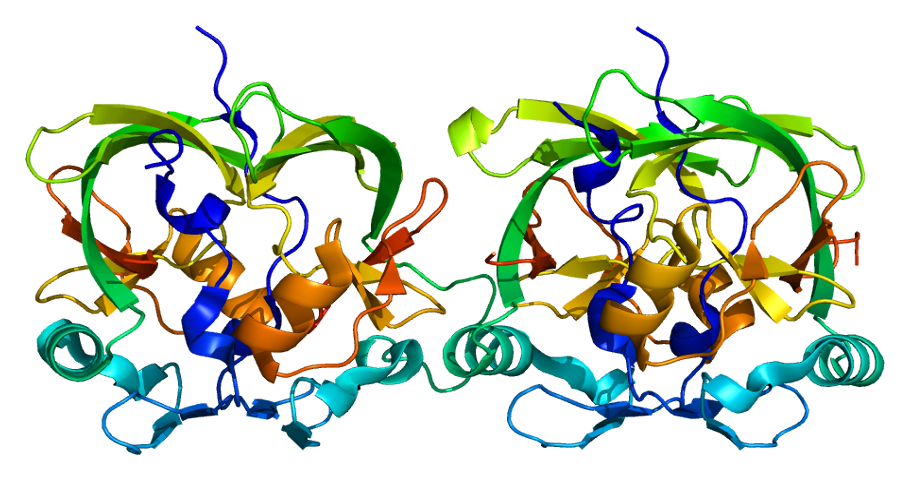
Ataxia espinocerebelosa tipo 34
📋 Origem dos dados
Esta página agrega dados de fontes públicas e oficiais. Dados sobre cobertura no SUS (PCDT, CEAF) são verificados ativamente por agente proativo (ver badge no infobox). Demais dados têm atribuição de fonte + data da última sincronização — clique para abrir o original.
- Doença rara (ontologia)
- fonte: Orphanet
- Identificador unificado
- fonte: MONDO
- Genética mendeliana
- fonte: OMIM
- Codificação WHO/SUS
- fonte: WHO ICD-10 / DATASUS
- CID-11 (futuro)
- fonte: WHO ICD-11
- NIH/GARD
- fonte: GARD (NIH)
- Indexação biomédica
- fonte: MeSH (NLM)
- Dado público estruturado
- fonte: Wikidata
- Reposicionamento
- fonte: Drug Repurposing Hub
- Ensaios clínicos
- fonte: ClinicalTrials.gov