
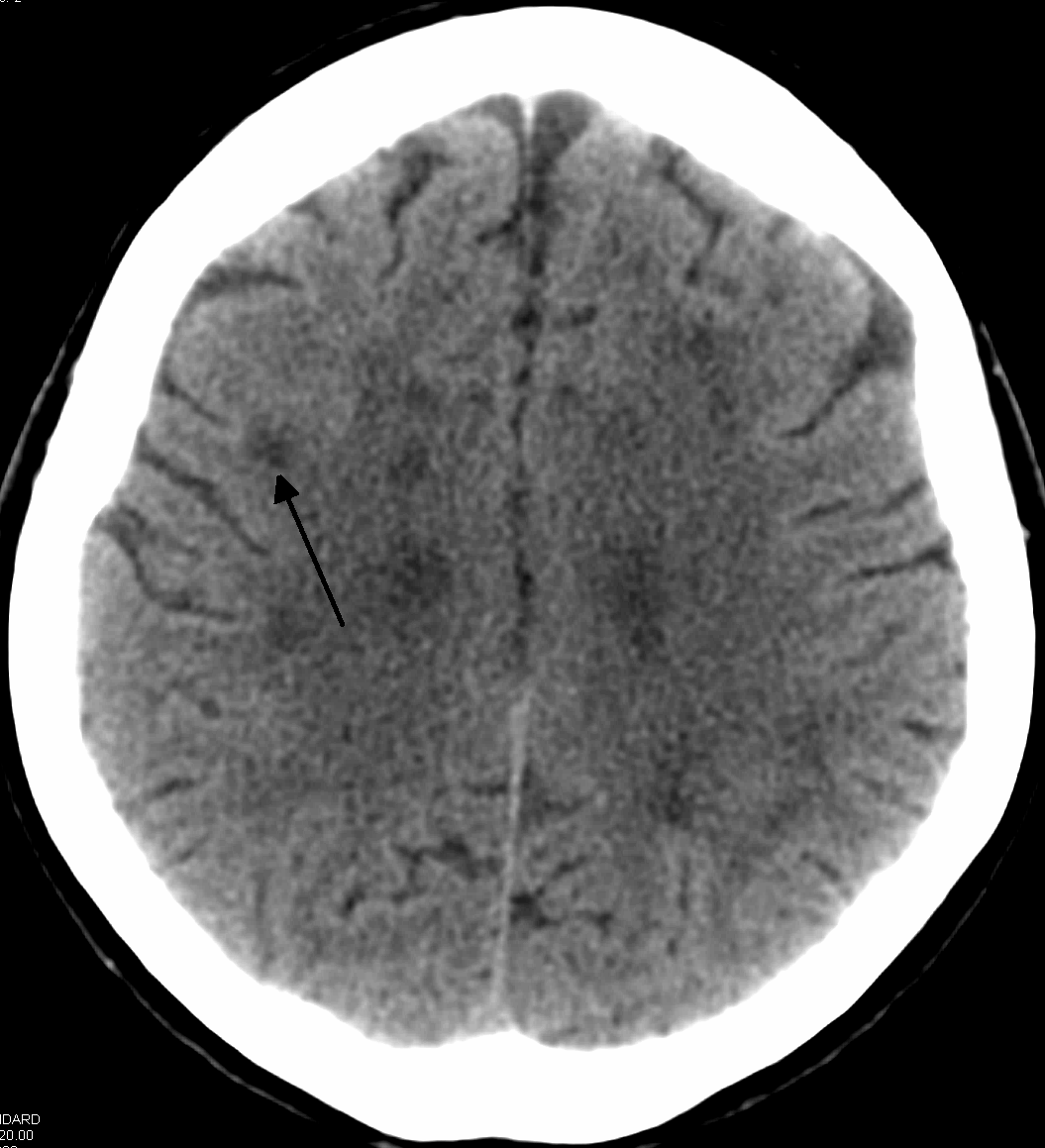
A Leucoencefalopatia Megalencefálica com Cistos Subcorticais (LMC) é um tipo de leucodistrofia, ou seja, uma doença que afeta a substância branca do cérebro. Ela se caracteriza por um aumento do tamanho da cabeça (macrocefalia) que surge na infância, muitas vezes com sinais neurológicos leves no início (como um atraso discreto no desenvolvimento motor). Esses sinais pioram com o tempo, levando a dificuldades para andar, quedas, falta de coordenação motora (ataxia), rigidez muscular (espasticidade), aumento das crises convulsivas e declínio das funções cognitivas (perda de memória e raciocínio). A ressonância magnética do cérebro revela que a substância branca está alterada em várias áreas e levemente inchada, além de mostrar cistos (pequenas bolsas com líquido) abaixo da camada mais externa do cérebro. Esses cistos são encontrados nas regiões da frente e laterais (temporal anterior) e na parte da frente e de cima (frontoparietal).
Introdução
O que você precisa saber de cara
A Leucoencefalopatia Megalencefálica com Cistos Subcorticais (LMC) é um tipo de leucodistrofia, ou seja, uma doença que afeta a substância branca do cérebro. Ela se caracteriza por um aumento do tamanho da cabeça (macrocefalia) que surge na infância, muitas vezes com sinais neurológicos leves no início (como um atraso discreto no desenvolvimento motor). Esses sinais pioram com o tempo, levando a dificuldades para andar, quedas, falta de coordenação motora (ataxia), rigidez muscular (espasticidade), aumento das crises convulsivas e declínio das funções cognitivas (perda de memória e raciocínio). A ressonância magnética do cérebro revela que a substância branca está alterada em várias áreas e levemente inchada, além de mostrar cistos (pequenas bolsas com líquido) abaixo da camada mais externa do cérebro. Esses cistos são encontrados nas regiões da frente e laterais (temporal anterior) e na parte da frente e de cima (frontoparietal).
Escala de raridade
<1/50kMuito rara
1/20kRara
1/10kPouco freq.
1/5kIncomum
1/2k
Encontrou um erro ou informação desatualizada? Sugira uma correção →
Entender a doença
Do básico ao detalhe, leia no seu ritmo
Preparando trilha educativa...
Sinais e sintomas
O que aparece no corpo e com que frequência cada sintoma acontece
Partes do corpo afetadas
+ 10 sintomas em outras categorias
Características mais comuns
Os sintomas variam de pessoa para pessoa. Abaixo estão as 36 características clínicas mais associadas, ordenadas por frequência.
Linha do tempo da pesquisa
Encontrou um erro ou informação desatualizada? Sugira uma correção →
Genética e causas
O que está alterado no DNA e como passa nas famílias
Genes associados
2 genes identificados com associação a esta condição. Padrão de herança: Autosomal dominant, Autosomal recessive.
Transmembrane protein mainly expressed in brain astrocytes that may play a role in transport across the blood-brain and brain-cerebrospinal fluid barriers (PubMed:22328087). Regulates the response of astrocytes to hypo-osmosis by promoting calcium influx (PubMed:22328087). May function as regulatory protein of membrane protein complexes such as ion channels (Probable)
MembraneCell membraneCytoplasm, perinuclear regionEndoplasmic reticulum
Megalencephalic leukoencephalopathy with subcortical cysts 1
A syndrome of cerebral leukoencephalopathy and megalencephaly characterized by ataxia, spasticity, seizures, delay in motor development and mild intellectual disability. The brain appears swollen on magnetic resonance imaging, with diffuse white-matter abnormalities and the invariable presence of subcortical cysts in frontal and temporal lobes.
Involved in regulating cell motility and cell-matrix interactions. May inhibit cell growth through suppression of cell proliferation (PubMed:15885354, PubMed:15917256). In glia, associates and targets CLCN2 at astrocytic processes and myelinated fiber tracts where it may regulate transcellular chloride flux involved in neuron excitability (PubMed:22405205)
CytoplasmCell membrane
Megalencephalic leukoencephalopathy with subcortical cysts 2A
A neurodegenerative disorder characterized by infantile-onset macrocephaly and later onset of motor deterioration, with ataxia and spasticity, seizures, and cognitive decline of variable severity. The brain appears swollen on magnetic resonance imaging with white-matter abnormalities and subcortical cysts, in all stages of the disease.
Variantes genéticas (ClinVar)
433 variantes patogênicas registradas no ClinVar.
Classificação de variantes (ClinVar)
Distribuição de 453 variantes classificadas pelo ClinVar.
Diagnóstico
Os sinais que médicos procuram e os exames que confirmam
Tratamento e manejo
Remédios, cuidados de apoio e o que precisa acompanhar
Onde tratar no SUS
Hospitais de referência no Brasil e o protocolo oficial do SUS (PCDT)
🇧🇷 Atendimento SUS — Leucoencefalopatia megalencefálica com cistos subcorticais
Selecione um estado ou use sua localização para ver resultados.
Dados de DATASUS/CNES, SBGM, ABNeuro e Ministério da Saúde. Sempre confirme a disponibilidade diretamente com o estabelecimento.
Pesquisa ativa
Ensaios clínicos abertos e novidades científicas recentes
Ensaios em destaque
🟢 Recrutando agora
1 pesquisa recrutando participantes. Converse com seu médico sobre a possibilidade de participar.
Outros ensaios clínicos
2 ensaios clínicos encontrados, 1 ativos.
Publicações mais relevantes
Megalencephalic leukoencephalopathy with subcortical cysts: a multicenter Italian experience.
Megalencephalic leukoencephalopathy with subcortical cysts (MLC) is a rare inherited white matter disorder. Initially, a "classic" phenotype has been characterized, presenting early-onset macrocephaly, cerebellar ataxia, mild spasticity, and a distinctive neuroimaging pattern of diffuse white matter abnormalities with subcortical cysts. An "improving" phenotype has also been described, featuring milder or absent neurological signs and a remitting pattern on neuroimaging. Mutations in four genes, MLC1, HEPACAM, GPRC5B and AQP4 have been associated with MLC. We describe clinical and genetic features of a cohort of genetically confirmed Italian MLC patients, representing the largest Italian cohort reported to date. We conducted a retrospective, multicenter, observational study. Patients were included based on clinical and neuroimaging features consistent with MLC, along with a confirmed genetic diagnosis. Data were collected using a standardized database and included demographic, clinical, neuroimaging, neurophysiological, and genetic information. Thirty-three patients from eight Italian centers were enrolled. Twenty-seven harbored biallelic MLC1 variants (23 distinct mutations, including three novel variants), while six had three distinct heterozygous HEPACAM variants. All MLC1-mutated patients exhibited the "classic" phenotype, frequently accompanied by orthopedic, gastrointestinal, and respiratory comorbidities. HEPACAM-mutated patients were consistent with the "improving" phenotype. No patients harbored mutations in GPRC5B or AQP4. Our findings expand the mutational spectrum of MLC1, further characterize the disease phenotype, and provide valuable insights into its presence in Italy. They also underscore management needs of individuals with MLC, highlighting the importance of multidisciplinary care.
Astrocyte-specific deletion of LRRC8A causes neurological dysfunction but not chronic white matter edema.
Volume-regulated anion channels (VRACs) are central to cell volume homeostasis. They mediate swelling-induced efflux of chloride and organic osmolytes to drive regulatory volume decrease. In the brain, VRACs have been proposed to play a key role in astrocytic volume regulation. Genetic defects in astrocytic VRAC modulating proteins (MLC1, GlialCAM, Aquaporin-4, GPRC5B) cause the leukodystrophy Megalencephalic leukoencephalopathy with subcortical cysts (MLC), characterized by chronic white matter edema and myelin vacuolization. Disrupted VRAC activity in MLC-patient-derived lymphoblasts and primary astrocytes from MLC mice further supports a pathogenic link between defective VRAC activity and MLC. Here, we studied the physiological and pathological consequences of astrocyte-specific removal of the essential VRAC subunit LRRC8A. In contrast to established MLC mouse models, astrocyte specific Lrrc8a knockout mice had normal brain water content, no myelin vacuolization, and preserved expression of MLC-related proteins. At a late age they developed a mildly ataxic gait and displayed increased severity of kainate-induced seizures. Two-photon imaging in acute brain slices revealed that astrocytes lacking LRRC8A show normal volume recovery and chloride dynamics upon high potassium-induced cell swelling. Together, these findings demonstrate that astrocyte LRRC8A is not essential for volume regulation in situ and that its loss alone is insufficient to cause the chronic white matter edema typical of MLC. The mild neurological deficits indicate a physiological role for astrocyte LRRC8A, but MLC pathology likely arises from broader dysregulation of the astrocytic protein complex coordinating ion and water homeostasis.
Astrocytes differentiated from patient iPSCs model the rare leukodystrophy MLC and uncover disease-linked maturation defects and Kir4.1 channel dysfunction.
Megalencephalic leukoencephalopathy with subcortical cysts (MLC) is a rare leukodystrophy caused by astrocyte dysfunction. Mutations in the MLC1 gene, which encodes the astrocyte-specific membrane protein MLC1 represent the main cause. MLC is characterized by myelin vacuolation, subcortical cysts, and brain edema. Clinically, patients show motor impairments such as ataxia and spasticity, and epilepsy. Currently, the function of MLC1 and the molecular mechanisms underlying MLC remain poorly understood, limiting therapeutic development. This is especially relevant since symptom reversibility has been observed in some patients. To date, functional studies have mainly relied on mouse models, which do not fully reproduce human pathology. To develop a more relevant disease model, we generated astrocytes from induced pluripotent stem cells (iPSCs) derived from fibroblasts of three healthy donors and three MLC patients. Using molecular, biochemical, electrophysiological, and imaging approaches, we found that MLC astrocytes show impaired volume regulation, cytoplasmic vacuolation, and altered EGF receptor expression, consistent with prior MLC models. Notably, we also revealed endosomal alterations, increased proliferation, and abnormal expression of the critical astrocyte maturation markers EAAT1, GFAP, Cx43, AQP4, and Kir4.1, the latter causing impaired potassium currents in patient-derived cells. These results provide the first evidence that MLC1 mutations alter astrocyte maturation and potassium homeostasis, potentially contributing to disease pathogenesis. Our patient-specific iPSC-derived model offers novel insights into the molecular basis of MLC and highlights the role of MLC1 in astrocyte development. This platform represents a valuable tool for preclinical drug screening and supports the development of personalized therapeutic strategies for this rare leukodystrophy.
Altered Mechanical Properties of Astrocytes Lacking MLC1: Implications for the Leukodystrophy MLC.
Loss of function of the astrocyte protein MLC1 causes Megalencephalic Leukoencephalopathy with subcortical Cysts (MLC), a leukodystrophy characterized by white matter edema and slow neurological deterioration. MLC1 dysfunction leads to swelling of perivascular astrocyte endfeet and an impaired attachment of endfeet to blood vessels. In isolated primary astrocytes, loss of MLC1 hinders recovery of astrocytes from cell swelling, but the cellular function of MLC1 is not completely understood. MLC1 modulates gating of mechanosensitive ion channels involved in volume regulation. The cytoskeleton plays a crucial role in cell volume regulation, and interactions between the cytoskeleton and cell membrane affect the properties of mechanosensitive ion channels. Therefore, we investigated whether primary Mlc1-null mouse astrocytes show a disruption in their mechanical properties. We measured the mechanical properties of cultured primary astrocytes with an indentation technique and demonstrated that Mlc1-null astrocytes are softer than wild-type astrocytes. Proteomic analysis and western blots confirmed dysregulation of several cytoskeleton-related pathways in Mlc1-null astrocytes. Confocal imaging revealed that the organization of the actin cytoskeleton and microtubule acetylation are unaffected. Instead, in Mlc1-null astrocytes we observed a decrease in the number of focal adhesions, which aid in relaying mechanical forces between the cytoskeleton, cell membrane, and the extracellular matrix (ECM). Inversely, overexpression of MLC1 in HeLa cells led to an increase in focal adhesions. Together, our findings reveal that the mechanical properties of Mlc1-null astrocytes are altered, and that disrupted cytoskeleton-membrane-ECM interactions potentially play a role in the disease. Modulators of astrocyte mechanobiology might therefore hold promise for MLC therapy development.
Regulation of the orphan G-protein-coupled receptor GPRC5B by MLC1 and the cell adhesion molecule GlialCAM in megalencephalic leukoencephalopathy.
Megalencephalic leukoencephalopathy with subcortical cyst (MLC) is a rare leukodystrophy primarily caused by mutations in two genes: MLC1, encoding a membrane protein of unknown function, and GlialCAM, a cell adhesion molecule. Although MLC1 has been implicated in downregulating signaling pathways, its molecular mechanisms remain elusive. Recently, the orphan G-protein-coupled receptor GPRC5B was identified as a novel interactor of both GlialCAM and MLC1, with dominant heterozygous mutations found in MLC patients, suggesting that GlialCAM and MLC1 may regulate cell signaling via GPRC5B. Here, we show that GPRC5B exhibits constitutive activity, which is inhibited by MLC1, likely through interference with GPRC5B oligomerization. Conversely, GlialCAM enhances β-arrestin 2 recruitment, leading to its own mislocalization from cell-cell junctions. MLC-associated GPRC5B mutants show enhanced maturation and increased stability at the plasma membrane, retain normal constitutive activity and responsiveness to MLC1 and GlialCAM but display increased affinity for GlialCAM and localize to cell-cell junctions in its presence. Notably, coexpression of GlialCAM with these mutants does not induce GlialCAM mislocalization. We propose a model in which finely tuned interactions among GPRC5B, GlialCAM, and MLC1 regulate receptor signaling. These findings provide the first biochemical evidence of GlialCAM and MLC1 modulating GPRC5B activity, suggesting a biochemical explanation for the gain-of-function phenotype observed in GPRC5B MLC mutants. Importantly, our work supports the potential of targeting GPRC5B as a therapeutic strategy in MLC.
Publicações recentes
Astrocyte-specific deletion of LRRC8A causes neurological dysfunction but not chronic white matter edema.
Megalencephalic leukoencephalopathy with subcortical cysts: a multicenter Italian experience.
Astrocytes differentiated from patient iPSCs model the rare leukodystrophy MLC and uncover disease-linked maturation defects and Kir4.1 channel dysfunction.
Altered Mechanical Properties of Astrocytes Lacking MLC1: Implications for the Leukodystrophy MLC.
Agrawal Disease (Megalencephalic Leukoencephalopathy with Subcortical Cysts): A Rare Neurological Case Report.
📚 EuropePMC112 artigos no totalmostrando 111
Astrocyte-specific deletion of LRRC8A causes neurological dysfunction but not chronic white matter edema.
Neurobiology of diseaseMegalencephalic leukoencephalopathy with subcortical cysts: a multicenter Italian experience.
Neurological sciences : official journal of the Italian Neurological Society and of the Italian Society of Clinical NeurophysiologyAstrocytes differentiated from patient iPSCs model the rare leukodystrophy MLC and uncover disease-linked maturation defects and Kir4.1 channel dysfunction.
Neurobiology of diseaseAltered Mechanical Properties of Astrocytes Lacking MLC1: Implications for the Leukodystrophy MLC.
GliaRegulation of the orphan G-protein-coupled receptor GPRC5B by MLC1 and the cell adhesion molecule GlialCAM in megalencephalic leukoencephalopathy.
The Journal of biological chemistryAgrawal Disease (Megalencephalic Leukoencephalopathy with Subcortical Cysts): A Rare Neurological Case Report.
Annals of African medicineDominant MLC-causing mutations alter hepaCAM subcellular localization and protein interactome in astrocytes of the developing mouse cortex.
bioRxiv : the preprint server for biologyUncommon Allies: Van der Knaap Syndrome and Focal Segmental Glomerulosclerosis.
The Journal of the Association of Physicians of IndiaBreakdown of blood-brain barrier, astrocytic endfeet swelling, and abnormal behaviors by blockade of TROY signaling in TROY-Fc transgenic mice.
Brain, behavior, and immunityInherited white matter disorders in Japan: focusing on demyelinating leukodystrophy.
Brain & developmentThe landscape of pediatric genetic white matter disorders at a tertiary referral hospital in Upper Egypt and the report of 31 novel variants.
Italian journal of pediatricsImpaired Volume Regulation and Electrophysiology of Astrocytes In Situ in a Mouse Model for Megalencephalic Leukoencephalopathy With Subcortical Cysts.
GliaGene therapy rescues brain edema and motor function in a mouse model of megalencephalic leukoencephalopathy with subcortical cysts.
Molecular therapy : the journal of the American Society of Gene TherapyMegalencephalic Leukoencephalopathy With Subcortical Cysts in an Adult.
Deutsches Arzteblatt internationalMLC1 alteration in iPSCs give rise to disease-like cellular vacuolation phenotype in the astrocyte lineage.
bioRxiv : the preprint server for biologyImaging in atypical van der knaap disease with subependymal nodular heterotopia: A case report.
Radiology case reportsMovement disorders in Megalencephalic Leukoencephalopathy with subcortical cysts - A case series.
Parkinsonism & related disordersPsychotic attack during the clinical course of megalencephalic leukoencephalopathy with subcortical cysts: a case report.
European child & adolescent psychiatryMegalencephalic leukoencephalopathy with subcortical cysts: a variant update and review of the literature.
Frontiers in geneticsHomozygous variant of MLC1 results in megalencephalic leukoencephalopathy with subcortical cysts.
Molecular genetics & genomic medicineIntragenic homozygous duplication in HEPACAM is associated with megalencephalic leukoencephalopathy with subcortical cysts type 2A.
NeurogeneticsDynamic local mRNA localization and translation occurs during the postnatal molecular maturation of perivascular astrocytic processes.
GliaMegalencephalic leukoencephalopathy with subcortical cysts protein-1: A new calcium-sensitive protein functionally activated by endoplasmic reticulum calcium release and calmodulin binding in astrocytes.
Neurobiology of diseaseCase report: Analysis of a gene variant and prenatal diagnosis in a family with megalencephalic leukoencephalopathy with subcortical cysts.
Frontiers in neurologyGlial Cell Adhesion Molecule (GlialCAM) Determines Proliferative versus Invasive Cell States in Glioblastoma.
The Journal of neuroscience : the official journal of the Society for NeuroscienceThe Effect of Interleukin-1 Antagonists on Brain Volume and Cognitive Function in Two Patients With Megalencephalic Leukoencephalopathy With Subcortical Cysts.
Pediatric neurologyAquaporin-4 and GPRC5B: old and new players in controlling brain oedema.
Brain : a journal of neurologyThe Gross, Fine, and Oral Motor Functions in a Patient with Megalencephalic Leukoencephalopathy with Subcortical Cyst: A Case Report.
Iranian journal of child neurologyA novel role for MLC1 in regulating astrocyte-synapse interactions.
GliaThe alpha7 integrin subunit in astrocytes promotes endothelial blood-brain barrier integrity.
Development (Cambridge, England)Van Der Knaap Disease: Young Male with Megalencephalic Leukoencephalopathy with Subcortical Cysts: A Case Report.
Neurology IndiaThe CaMKII/MLC1 Axis Confers Ca2+-Dependence to Volume-Regulated Anion Channels (VRAC) in Astrocytes.
CellsGPR37 Receptors and Megalencephalic Leukoencephalopathy with Subcortical Cysts.
International journal of molecular sciencesMegalencephalic leukoencephalopathy with subcortical cysts: the importance of early diagnosis.
Boletin medico del Hospital Infantil de MexicoPrevalent MLC1 mutation causing autosomal recessive megalencephalic leukoencephalopathy in consanguineous Palestinian families.
Brain & developmentClinicoradiologic Correlation in 22 Egyptian Children With Megalencephalic Leukoencephalopathy With Subcortical Cysts.
Journal of child neurologySiblings with megalencephalic leukoencephalopathy with subcortical cysts van der Knaap disease.
BJR case reportsMlc1-Expressing Perivascular Astrocytes Promote Blood-Brain Barrier Integrity.
The Journal of neuroscience : the official journal of the Society for NeuroscienceA homozygous missense variant in the MLC1 gene underlies megalencephalic leukoencephalopathy with subcortical cysts in large kindred: Heterozygous carriers show seizure and mild motor function deterioration.
American journal of medical genetics. Part AEmergent White Matter Degeneration in the rTg-DI Rat Model of Cerebral Amyloid Angiopathy Exhibits Unique Proteomic Changes.
The American journal of pathologyTransmembrane topology and oligomeric nature of an astrocytic membrane protein, MLC1.
Open biologyMegalencephalic leukoencephalopathy with subcortical cysts is a developmental disorder of the gliovascular unit.
eLifeNovel variants causing megalencephalic leukodystrophy in Sudanese families.
Journal of human geneticsA Very Rare Case of Megalencephalic Leukoencephalopathy With Subcortical Cysts in a Child Born of Non-Consanguineous Marriage in a Non-Predisposed Community.
CureusHepaCAM controls astrocyte self-organization and coupling.
NeuronIdentification of the GlialCAM interactome: the G protein-coupled receptors GPRC5B and GPR37L1 modulate megalencephalic leukoencephalopathy proteins.
Human molecular geneticsClinical and radiological aspects of bilateral temporal abnormalities: pictorial essay.
Radiologia brasileiraMegalencephalic Leukoencephalopathy: Insights Into Pathophysiology and Perspectives for Therapy.
Frontiers in cellular neuroscienceAstrocyte-Oligodendrocyte-Microglia Crosstalk in Astrocytopathies.
Frontiers in cellular neuroscienceVarying perivascular astroglial endfoot dimensions along the vascular tree maintain perivascular-interstitial flux through the cortical mantle.
GliaClinical Features and Molecular Genetics of Autosomal Recessive Ataxia in the Turkish Population.
Journal of pediatric neurosciencesMegalencephalic leukoencephalopathy with subcortical cysts 1 (MLC1) promotes glioblastoma cell invasion in the brain microenvironment.
OncogeneVan der Knaap Disease (Vanishing White Matter) - Unusual Presentation in a Neonate: A Case Report.
Neurology IndiaBipolar disorder in megalencephalic leukoencephalopathy with subcortical cysts: a case report.
BMC psychiatryMegalencephalic Leukoencephalopathy with Subcortical Cysts Disease-Linked MLC1 Protein Favors Gap-Junction Intercellular Communication by Regulating Connexin 43 Trafficking in Astrocytes.
CellsWhite matter abnormality in Jacobsen syndrome assessed by serial MRI.
Brain & developmentEpilepsy in children with leukodystrophies.
Journal of neurologyCerebellar Astrocyte Transduction as Gene Therapy for Megalencephalic Leukoencephalopathy.
Neurotherapeutics : the journal of the American Society for Experimental NeuroTherapeutics[Analysis of a child with megalencephalic leukoencephalopathy with subcortical cyst type 2B caused by HEPACAM variant].
Zhonghua yi xue yi chuan xue za zhi = Zhonghua yixue yichuanxue zazhi = Chinese journal of medical geneticsStructural basis for the dominant or recessive character of GLIALCAM mutations found in leukodystrophies.
Human molecular geneticsA Novel Splice-site Mutation on the MLC1 Gene Leading to Exon 9 Skipping and Megalencephalic Leukoencephalopathy with Subcortical Cysts in a Turkish Patient.
Balkan journal of medical genetics : BJMGPlasma membrane localization of MLC1 regulates cellular morphology and motility.
Molecular brainAn update on clinical, pathological, diagnostic, and therapeutic perspectives of childhood leukodystrophies.
Expert review of neurotherapeuticsComparison of zebrafish and mice knockouts for Megalencephalic Leukoencephalopathy proteins indicates that GlialCAM/MLC1 forms a functional unit.
Orphanet journal of rare diseasesAstroglia in Leukodystrophies.
Advances in experimental medicine and biologyIdentification in Chinese patients with GLIALCAM mutations of megalencephalic leukoencephalopathy with subcortical cysts and brain pathological study on Glialcam knock-in mouse models.
World journal of pediatrics : WJPTumoural transformation in Van der Knaap syndrome.
Neurology IndiaMegalencephalic leukoencephalopathy with subcortical cysts without macrocephaly: A case study of comorbid Turner's syndrome.
Clinical neurology and neurosurgeryMegalencephalic Leukoencephalopathy with Subcortical Cysts Protein-1 (MLC1) Counteracts Astrocyte Activation in Response to Inflammatory Signals.
Molecular neurobiologyTeaching NeuroImages: A child with macrocephaly and psychomotor development delay.
NeurologyGirl With Progressive Head Enlargement and Gait Disturbance: Clinicoradiological Clues.
Pediatric neurologyMegalencephalic Leucoencephalopathy [Van Der Knaap Disease] in a Non Agarwal Family.
The Journal of the Association of Physicians of IndiaTranscriptional network analysis of human astrocytic endfoot genes reveals region-specific associations with dementia status and tau pathology.
Scientific reportsGlialCAM/MLC1 modulates LRRC8/VRAC currents in an indirect manner: Implications for megalencephalic leukoencephalopathy.
Neurobiology of diseaseEctopic positioning of Bergmann glia and impaired cerebellar wiring in Mlc1-over-expressing mice.
Journal of neurochemistryGenome sequencing uncovers phenocopies in primary progressive multiple sclerosis.
Annals of neurologyA founder mutation MLC1 c.736delA associated with megalencephalic leukoencephalopathy with subcortical cysts-1 in north Indian kindred.
Clinical geneticsMegalencephalic leukoencephalopathy with subcortical cysts: Characterization of disease variants.
NeurologySeizures and disturbed brain potassium dynamics in the leukodystrophy megalencephalic leukoencephalopathy with subcortical cysts.
Annals of neurologyMegalencephalic leukoencephalopathy with subcortical cysts: A personal biochemical retrospective.
European journal of medical geneticsSelective expression of eGFP in mouse perivascular astrocytes by modification of the Mlc1 gene using T2A-based ribosome skipping.
Genesis (New York, N.Y. : 2000)Leukoencephalopathy-causing CLCN2 mutations are associated with impaired Cl- channel function and trafficking.
The Journal of physiologyA Unique Mutational Spectrum of MLC1 in Korean Patients With Megalencephalic Leukoencephalopathy With Subcortical Cysts: p.Ala275Asp Founder Mutation and Maternal Uniparental Disomy of Chromosome 22.
Annals of laboratory medicineSubacute demyelinating peripheral neuropathy as a novel presentation of late infantile metachromatic leukodystrophy.
Muscle & nerveA case of megalencephalic leukoencephalopathy with subcortical cysts type 1 was identified with a novel compound heterozygous alteration (c.135delC; c.423+2dupT) in China.
Clinical case reportsDepolarization causes the formation of a ternary complex between GlialCAM, MLC1 and ClC-2 in astrocytes: implications in megalencephalic leukoencephalopathy.
Human molecular geneticsHepaCAM associates with connexin 43 and enhances its localization in cellular junctions.
Scientific reportsThe use of targeted genomic capture and massively parallel sequencing in diagnosis of Chinese Leukoencephalopathies.
Scientific reportsYield and Clinical Utility of Next-Generation Sequencing in Selected Patients With Lung Adenocarcinoma.
Clinical lung cancerAstrocyte-mediated infantile-onset leukoencephalopathy mouse model.
GliaVan der Knaap Disease: Megalencephalic Leukoencephalopathy with Subcortical Cysts.
Saudi journal of medicine & medical sciencesThe spectrum of leukodystrophies in children: Experience at a tertiary care centre from North India.
Annals of Indian Academy of NeurologyMetabolic, endocrine, and other genetic disorders.
Handbook of clinical neurologyMegalencephalic leukoencephalopathy with cysts in twelve Egyptian patients: novel mutations in MLC1 and HEPACAM and a founder effect.
Metabolic brain diseaseTen Novel Mutations in Chinese Patients with Megalencephalic Leukoencephalopathy with Subcortical Cysts and a Long-Term Follow-Up Research.
PloS oneMalignant transformation in a case of megalencephalic leukoencephalopathy with subcortical cysts: An extreme rarity in a rare disorder.
Annals of Indian Academy of Neurology[Identification of a novel MLC1 mutation in a Chinese patient affected with megalencephalic leukoencephalopathy with subcortical cysts].
Zhonghua yi xue yi chuan xue za zhi = Zhonghua yixue yichuanxue zazhi = Chinese journal of medical geneticsde novo interstitial deletions at the 11q23.3-q24.2 region.
Molecular cytogeneticsMegalencephalic leukoencephalopathy with subcortical cysts.
Acta neurologica BelgicaMegalencephalic leukoencephalopathy with subcortical cysts protein-1 regulates epidermal growth factor receptor signaling in astrocytes.
Human molecular geneticsMagnetic resonance imaging findings of two sisters with Van der Knaap leukoencephalopathy.
The neuroradiology journalMegalencephalic leucoencephalopathy with subcortical cysts: subcortical diffuse leucoencephalopathy associated with white matter cystic degeneration.
BMJ case reportsA Mutation-Positive Child With Megalencephalic Leukoencephalopathy With Subcortical Cysts: Classical Imaging Findings.
Pediatric neurologyMEGALENCEPHALIC LEUKOENCEPHALOPATHY WITH SUBCORTICAL CYSTS WITH HOMOZYGOUS MUTATION (C.448DELC, P.LEU150 SER FSX11) ON EXON 6 OF MLC1 GENE.
Genetic counseling (Geneva, Switzerland)Van der Knaap disease: a rare disease with atypical features.
BMJ case reportsLeukoencephalopathy associated with 11q24 deletion involving the gene encoding hepatic and glial cell adhesion molecule in two patients.
European journal of medical genetics[Analysis of MLC1 gene mutation in a Chinese family with megalencephalic leukoencephalopathy with subcortical cysts].
Zhongguo dang dai er ke za zhi = Chinese journal of contemporary pediatricsMLC1 protein: a likely link between leukodystrophies and brain channelopathies.
Frontiers in cellular neuroscienceMegalencephalic leukoencephalopathy with subcortical cysts caused by compound heterozygous mutations in MLC1, in patients with and without subcortical cysts in the brain.
Journal of the neurological sciencesMolecular prenatal diagnosis of megalencephalic leukoencephalopathy with subcortical cysts in a child from southwest of Iran.
Clinical case reportsMegalencephalic leukoencephalopathy with subcortical cysts (MLC) - a case with clinical and magnetic resonance imaging (MRI) dissociation.
Arquivos de neuro-psiquiatriaAssociações
Organizações que acompanham esta doença — pra ter apoio e orientação

Pioneiro da triagem neonatal na América Latina (1976). 17 milhões de bebês triados.
Comunidades
Grupos ativos de quem convive com esta doença aqui no Raras
Ainda não existe comunidade no Raras para Leucoencefalopatia megalencefálica com cistos subcorticais
Pacientes, familiares e cuidadores se organizam em comunidades pra compartilhar experiências, fazer perguntas e se apoiar. Você pode ser o primeiro.
Tire suas dúvidas
Perguntas, dicas e experiências compartilhadas aqui na página
Participe da discussão
Faça login para postar dúvidas, compartilhar experiências e interagir com especialistas.
Fazer loginDoenças relacionadas
Doenças com sintomas parecidos — ajudam quem ainda está buscando diagnóstico
Referências e fontes
Bases de dados externas citadas neste artigo
Publicações científicas
Artigos indexados no PubMed ligados a esta doença no grafo RarasNet — título, periódico e PMID direto da fonte, sem intermediação de IA.
- Megalencephalic leukoencephalopathy with subcortical cysts: a multicenter Italian experience.Neurological sciences : official journal of the Italian Neurological Society and of the Italian Society of Clinical Neurophysiology· 2026· PMID 41483250mais citado
- Astrocyte-specific deletion of LRRC8A causes neurological dysfunction but not chronic white matter edema.
- Astrocytes differentiated from patient iPSCs model the rare leukodystrophy MLC and uncover disease-linked maturation defects and Kir4.1 channel dysfunction.
- Altered Mechanical Properties of Astrocytes Lacking MLC1: Implications for the Leukodystrophy MLC.
- Regulation of the orphan G-protein-coupled receptor GPRC5B by MLC1 and the cell adhesion molecule GlialCAM in megalencephalic leukoencephalopathy.
- Agrawal Disease (Megalencephalic Leukoencephalopathy with Subcortical Cysts): A Rare Neurological Case Report.
Bases de dados e fontes oficiais
Identificadores e referências canônicas usadas para montar este verbete.
- ORPHA:2478(Orphanet)
- MONDO:0011391(MONDO)
- GARD:3445(GARD (NIH))
- Variantes catalogadas(ClinVar)
- Busca completa no PubMed(PubMed)
- Q3237080(Wikidata)
Dados compilados pelo RarasNet a partir de fontes abertas (Orphanet, OMIM, MONDO, PubMed/EuropePMC, ClinicalTrials.gov, DATASUS, PCDT/MS). Este conteúdo é informativo e não substitui avaliação médica.
Conteúdo mantido por Agente Raras · Médicos e pesquisadores podem colaborar
Leucoencefalopatia megalencefálica com cistos subcorticais
📋 Origem dos dados
Esta página agrega dados de fontes públicas e oficiais. Dados sobre cobertura no SUS (PCDT, CEAF) são verificados ativamente por agente proativo (ver badge no infobox). Demais dados têm atribuição de fonte + data da última sincronização — clique para abrir o original.
- Doença rara (ontologia)
- fonte: Orphanet
- Identificador unificado
- fonte: MONDO
- Codificação WHO/SUS
- fonte: WHO ICD-10 / DATASUS
- CID-11 (futuro)
- fonte: WHO ICD-11
- NIH/GARD
- fonte: GARD (NIH)
- Indexação biomédica
- fonte: MeSH (NLM)
- Dado público estruturado
- fonte: Wikidata
- Ensaios clínicos
- fonte: ClinicalTrials.gov