
Introdução
O que você precisa saber de cara
Alfa-talassemia, causada por uma alteração em todas as quatro cópias dos genes da hemoglobina alfa (por exemplo, a ausência total dos genes HBA1 e HBA2 em ambos os cromossomos).
Escala de raridade
<1/50kMuito rara
1/20kRara
1/10kPouco freq.
1/5kIncomum
1/2k
Encontrou um erro ou informação desatualizada? Sugira uma correção →
Entender a doença
Do básico ao detalhe, leia no seu ritmo
Preparando trilha educativa...
Sinais e sintomas
O que aparece no corpo e com que frequência cada sintoma acontece
Partes do corpo afetadas
+ 5 sintomas em outras categorias
Características mais comuns
Os sintomas variam de pessoa para pessoa. Abaixo estão as 12 características clínicas mais associadas, ordenadas por frequência.
Linha do tempo da pesquisa
Encontrou um erro ou informação desatualizada? Sugira uma correção →
Genética e causas
O que está alterado no DNA e como passa nas famílias
Genes associados
2 genes identificados com associação a esta condição. Padrão de herança: Autosomal recessive.
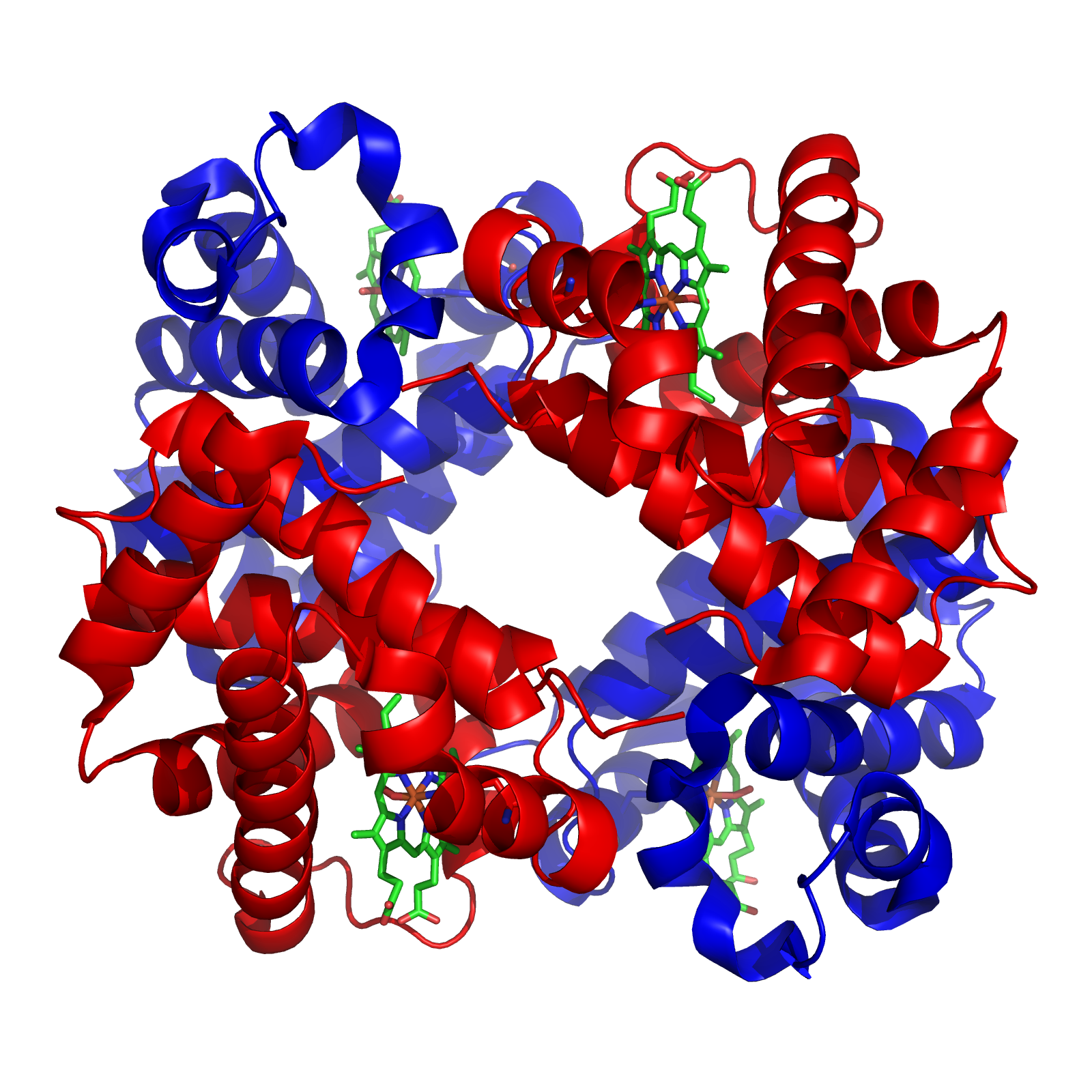
Involved in oxygen transport from the lung to the various peripheral tissues Hemopressin acts as an antagonist peptide of the cannabinoid receptor CNR1 (PubMed:18077343). Hemopressin-binding efficiently blocks cannabinoid receptor CNR1 and subsequent signaling (PubMed:18077343)
Heinz body anemias
Form of non-spherocytic hemolytic anemia of Dacie type 1. After splenectomy, which has little benefit, basophilic inclusions called Heinz bodies are demonstrable in the erythrocytes. Before splenectomy, diffuse or punctate basophilia may be evident. Most of these cases are probably instances of hemoglobinopathy. The hemoglobin demonstrates heat lability. Heinz bodies are observed also with the Ivemark syndrome (asplenia with cardiovascular anomalies) and with glutathione peroxidase deficiency.
Involved in oxygen transport from the lung to the various peripheral tissues Hemopressin acts as an antagonist peptide of the cannabinoid receptor CNR1 (PubMed:18077343). Hemopressin-binding efficiently blocks cannabinoid receptor CNR1 and subsequent signaling (PubMed:18077343)
Heinz body anemias
Form of non-spherocytic hemolytic anemia of Dacie type 1. After splenectomy, which has little benefit, basophilic inclusions called Heinz bodies are demonstrable in the erythrocytes. Before splenectomy, diffuse or punctate basophilia may be evident. Most of these cases are probably instances of hemoglobinopathy. The hemoglobin demonstrates heat lability. Heinz bodies are observed also with the Ivemark syndrome (asplenia with cardiovascular anomalies) and with glutathione peroxidase deficiency.
Variantes genéticas (ClinVar)
351 variantes patogênicas registradas no ClinVar.
Vias biológicas (Reactome)
6 vias biológicas associadas aos genes desta condição.
Diagnóstico
Os sinais que médicos procuram e os exames que confirmam
Tratamento e manejo
Remédios, cuidados de apoio e o que precisa acompanhar
Onde tratar no SUS
Hospitais de referência no Brasil e o protocolo oficial do SUS (PCDT)
🇧🇷 Atendimento SUS — Hidropsia fetal Hb Bart
Selecione um estado ou use sua localização para ver resultados.
Dados de DATASUS/CNES, SBGM, ABNeuro e Ministério da Saúde. Sempre confirme a disponibilidade diretamente com o estabelecimento.
Pesquisa ativa
Ensaios clínicos abertos e novidades científicas recentes
Ensaios em destaque
🟢 Recrutando agora
1 pesquisa recrutando participantes. Converse com seu médico sobre a possibilidade de participar.
Outros ensaios clínicos
Publicações mais relevantes
Hemoglobin Bart's disease and the Agrinio mutation: A case report of successful fetal intervention.
Hemoglobin Bart's hydrops fetalis syndrome (BHFS) is the most severe form of α-thalassemia, typically caused by homozygous deletion of α-globin genes. However, rare non-deletional variants, such as Hemoglobin (Hb) Agrinio, can also produce a lethal phenotype. We report a case of homozygous Hb Agrinio (HBA2:c.89T>C, p.Leu30Pro) diagnosed prenatally in a fetus of Bulgarian origin presenting with hydrops and severe anemia at 23 weeks of gestation. Following diagnosis, the pregnancy was managed with five intrauterine transfusions, resulting in resolution of hydrops and prolongation of pregnancy to term. The neonate was delivered at 37+3 weeks, required transient respiratory and cardiovascular support, and remains clinically stable at three months of age under regular transfusion therapy. To our knowledge, this is only the second reported case of BHFS resulting from homozygous Hb Agrinio successfully managed with intrauterine transfusions, and uniquely, the first to achieve term delivery. This case highlights the importance of considering unstable α-globin variants in the differential diagnosis of unexplained fetal hydrops in an at risk population. Early diagnosis and timely intrauterine transfusions can significantly improve the perinatal outcomes in these cases.
A Novel Large Deletion Including the Major Regulatory Element Compounded with SEA Deletion Causing Hydrops-Fetalis-Syndrome.
MCS-R regulatory elements are very important for the synthesis of α-globin. Deletion of the major α-globin regulatory elements compounded with deletion of α-globin genes can cause Hb Bart's (c4) hydrops fetalis, which is the severe form of α-thalassemia. In this report, a 19-year-old female at the 16th week of gestation came to our center due to abnormal fetal cardiothoracic ratio and thickened placental depth. The electrophoresis result of fetal umbilical cord blood revealed the level of Hb Bart's band to be 87.6%, which suggested the fetus was Hb Bart's hydrops fetalis. Next generation sequencing screen using targeted capture was used to detect the genotype of the fetus to be -SEA deletion, βA/βA. Multiplex ligation-dependent probe amplification (MLPA) is very useful to detect copy number variation (deletions/duplications), the result of which suggested the existence of -SEA deletion compounded with the novel large deletion of the major α-globin regulatory element (MCS-R2, R1, R3 and R4). Using the self-designed MLPA probe, the deletion should extend from the telomere downstream and the downstream breakpoint was between 143702 and 144291(GRch38/hg18). The novel deletion was also observed in the fetus' father and grandfather who had mild anemia. Of cases with the MCS deletion compounded with α0-thalassemia, this was the earliest time when the fetus presented fetal edema. Our study gave more evidence for genetic counseling for MCS deletion.
Multiplex recombinase polymerase amplification (RPA) assay for carrier detection and prenatal diagnosis of α0-thalassemia (SEA and THAI deletions).
Hemoglobin Bart's hydrops fetalis is the most severe form of α-thalassemia, caused by homozygous α0-thalassemia, which is highly prevalent in Southeast Asian countries. Simple and rapid identification of α0-thalassemia carrier and prenatal diagnosis of Hemoglobin Bart's hydrops is essential in the region. We have developed a multiplex RPA assay for simple detection of α0-thalassemia (SEA and THAI deletions) and tested it in carrier detection (n = 125) and prenatal diagnosis of Hb Bart's hydrops fetalis syndrome (n = 30). The sensitivity, specificity, positive predictive value, and negative predictive value for detecting α0-thalassemia carriers were 100% for both SEA and THAI deletions. The assay correctly identified 42 carriers of α0-thalassemia (SEA deletion), 4 carriers of α0-thalassemia (THAI deletion), and 79 non-carriers. For prenatal diagnosis, the results of RPA revealed a 100% concordance (30/30) with the conventional gap-PCR analysis. The multiplex RPA assay is a rapid, reliable, and cost-effective method for diagnosing α0-thalassemia-related disorders in routine clinical settings. This assay has the potential to significantly contribute to the prevention and control of Hb Bart's hydrops fetalis in the region.
Prenatal diagnostic errors in hemoglobin Bart's hydrops fetalis caused by rare genetic interactions of α-thalassemia.
To describe rare genetic interactions of α-thalassemia alleles causing Hb H disease and Hb Bart's hydrops fetalis which could lead to diagnostic errors in a routine practice. Hematological and molecular characterization were carried out in a Thai family with a risk of having fetus with Hb Bart's hydrops fetalis. Both parents were found to be the thalassemia intermedia patients associated with unusual forms of Hb H disease. DNA analysis of common α-thalassemia mutations in Thailand identified α+-thalassemia (-α3.7 kb del) and unknown α0-thalassemia in the father and α0-thalassemia (--SEA) with unknown α+-thalassemia in the mother. Fetal DNA analysis unlikely identified a homozygosity for α0-thalassemia (--SEA/--SEA). Further analysis identified that the father carried a rare South African α0-thalassemia in combination with α+-thalassemia (--SA/-α), whereas the mother was a patient with Hb H-Queens Park disease (--SEA/ααQP). The fetus was, in fact, a compound heterozygote for (--SA/--SEA). As shown in this study, routine screening for α-thalassemia at prenatal diagnosis in the region should include both common and rare α0-thalassemia alleles found in the population to effectively prevent a fatal condition of Hb Bart's hydrops fetalis syndrome.
Hemoglobin Bart's hydrops fetalis: charting the past and envisioning the future.
Hemoglobin Bart's hydrops fetalis syndrome (BHFS) represents the most severe form of α-thalassemia, arising from deletion of the duplicated α-globin genes from both alleles. The absence of α-globin leads to the formation of nonfunctional hemoglobin (Hb) Bart's (γ4) or HbH (β4) resulting in severe anemia, tissue hypoxia, and, in some cases, variable congenital or neurocognitive abnormalities. BHFS is the most common cause of hydrops fetalis in Southeast Asia; however, owing to global migration, the burden of this condition is increasing worldwide. With the availability of intensive perinatal care and intrauterine transfusions, an increasing number of patients survive with this condition. The current approach to long-term management of survivors involves regular blood transfusions and iron chelation, a task made challenging by the need for intensified transfusions to suppress the production of nonfunctional HbH-containing erythrocytes. Although our knowledge of outcomes of this condition is evolving, it seems, in comparison to individuals with transfusion-dependent β-thalassemia, those with BHFS may face an elevated risk of complications arising from chronic anemia and hypoxia, ongoing hemolysis, iron overload, and from their respective treatments. Although stem cell transplantation remains a viable option for a select few, it is not without potential side effects. Looking ahead, potential advancements in the form of genetic engineering and innovative therapeutic approaches, such as the reactivation of embryonic α-like globin gene expression, hold promise for furthering the treatment of this condition. Prevention remains a crucial aspect of care, particularly in areas with high prevalence or limited resources.
Publicações recentes
Diagnostic value of fetal hemoglobin Bart's for evaluation of fetal α-thalassemia syndromes: application to prenatal characterization of fetal anemia caused by undiagnosed α-hemoglobinopathy.
Mirror syndrome associated with fetal hemoglobin Bart's disease: a case report.
Fetal myocardial performance (Tei) index in fetal hemoglobin Bart's disease.
Prenatal diagnosis of Hb Bart's hydrops fetalis caused by a genetic compound heterozygosity for two different alpha-thalassemia determinants.
Rapid and cost-effective antenatal diagnosis of haemoglobin Bart's hydrops foetalis syndrome using a duplex-polymerase chain reaction.
📚 EuropePMCmostrando 33
Hemoglobin Bart's disease and the Agrinio mutation: A case report of successful fetal intervention.
Fetal diagnosis and therapyA Novel Large Deletion Including the Major Regulatory Element Compounded with SEA Deletion Causing Hydrops-Fetalis-Syndrome.
HemoglobinMultiplex recombinase polymerase amplification (RPA) assay for carrier detection and prenatal diagnosis of α0-thalassemia (SEA and THAI deletions).
Scandinavian journal of clinical and laboratory investigationThe First Compound Heterozygosity for Two Different α-Thalassemia Determinants Causes Hb Bart's Hydrops Fetalis in a Chinese Family.
HemoglobinPrenatal diagnostic errors in hemoglobin Bart's hydrops fetalis caused by rare genetic interactions of α-thalassemia.
Diagnosis (Berlin, Germany)Hemoglobin Bart's hydrops fetalis: charting the past and envisioning the future.
BloodEpidemiology of birth defects based on a birth defects surveillance system in southwestern China and the associated risk factors.
Frontiers in pediatrics20 years review of antenatal diagnosis of haemoglobin Bart's disease and treatment with intrauterine transfusion.
Prenatal diagnosisOptimizing transfusion therapy for survivors of Haemoglobin Bart's hydrops fetalis syndrome: Defining the targets for haemoglobin-H fraction and "functional" haemoglobin level.
British journal of haematologyDiagnostic value of fetal hemoglobin Bart's for evaluation of fetal α-thalassemia syndromes: application to prenatal characterization of fetal anemia caused by undiagnosed α-hemoglobinopathy.
Orphanet journal of rare diseasesPlacental transcriptome sequencing combined with bioinformatics predicts potential genes and circular RNAs associated with hemoglobin Bart's hydrops fetalis syndrome.
The journal of obstetrics and gynaecology researchFetal Hemodynamic Response to Anemia in Early Gestation: Using Hemoglobin Bart's Disease as a Study Model.
Ultraschall in der Medizin (Stuttgart, Germany : 1980)A Rare Case of Hemoglobin Bart's Hydrops Fetalis due to Uniparental Disomy of Chromosome 16.
Journal of medical casesOutcome of survivors with hemoglobin Bart's hydrops fetalis syndrome: The most severe form of α-thalassemia.
Pediatric transplantationOutcomes of allogeneic transplantation for hemoglobin Bart's hydrops fetalis syndrome in Hong Kong.
Pediatric transplantationHb Bart's Hydrops Fetalis Syndrome and Hb H Disease Caused by Deletional Chiang Rai (- -CR) α0-Thalassemia in Two Unrelated Thai Families.
HemoglobinManagement of haemoglobin Barts hydrops fetalis syndrome with exchange transfusions.
Internal medicine journalElectrophoresis features and genotypes of Hb bart's hydrops fetalis.
Scandinavian journal of clinical and laboratory investigationStrong Linkage of the Single Nucleotide Polymorphism rs77308790 with an α0-Thalassemia (- -SEA deletion) Allele and Application for Double-Check Diagnosis of Hb Bart's Hydrops Fetalis Syndrome in Thailand.
HemoglobinNoninvasive prenatal detection of hemoglobin Bart hydrops fetalis via maternal plasma dispensed with parental haplotyping using the semiconductor sequencing platform.
American journal of obstetrics and gynecologyDetection of a Large Novel α-Thalassemia Deletion in an Autochthonous Belgian Family.
HemoglobinPotential new approaches to the management of the Hb Bart's hydrops fetalis syndrome: the most severe form of α-thalassemia.
Hematology. American Society of Hematology. Education ProgramMolecular characterization of Hb H disease in southern Thailand.
International journal of hematologyInvasive prenatal diagnosis of α-thalassemia to control Hb Bart's hydrops fetalis syndrome: 15 years of experience.
Archives of gynecology and obstetricsSecond-trimester maternal serum screening for fetal Down syndrome: As a screening test for hemoglobin Bart's disease: A prospective population-based study.
Prenatal diagnosisWhole Blood PCR for Rapid Screening of α0-Thalassemia.
Annals of clinical and laboratory scienceOutcomes and morbidities of patients who survive haemoglobin Bart's hydrops fetalis syndrome: 20-year retrospective review.
Hong Kong medical journal = Xianggang yi xue za zhiGenetic origin of α0-thalassemia (SEA deletion) in Southeast Asian populations and application to accurate prenatal diagnosis of Hb Bart's hydrops fetalis syndrome.
Journal of human geneticsAn international registry of survivors with Hb Bart's hydrops fetalis syndrome.
Blood[Prenatal diagnosis of Thailand deletion of α-thalassemia 1 families].
Zhonghua yi xue za zhiRapid and reliable preimplantation genetic diagnosis of common hemoglobin Bart's hydrops fetalis syndrome and hemoglobin H disease determinants using an enhanced single-tube decaplex polymerase chain reaction assay.
American journal of hematologyMolecular Diagnosis of α⁰-Thalassemia Through Urine DNA: A Novel DNA Source to Facilitate Prevention Programs in Remote Geographical Areas.
HemoglobinSingle-tube nonaplex microsatellite PCR panel for preimplantation genetic diagnosis of Hb Bart's hydrops fetalis syndrome.
Prenatal diagnosisAssociações
Organizações que acompanham esta doença — pra ter apoio e orientação
Ainda não temos associações cadastradas para Hidropsia fetal Hb Bart.
É de uma associação que acompanha esta doença? Fale com a gente →
Comunidades
Grupos ativos de quem convive com esta doença aqui no Raras
Ainda não existe comunidade no Raras para Hidropsia fetal Hb Bart
Pacientes, familiares e cuidadores se organizam em comunidades pra compartilhar experiências, fazer perguntas e se apoiar. Você pode ser o primeiro.
Tire suas dúvidas
Perguntas, dicas e experiências compartilhadas aqui na página
Participe da discussão
Faça login para postar dúvidas, compartilhar experiências e interagir com especialistas.
Fazer loginDoenças relacionadas
Doenças com sintomas parecidos — ajudam quem ainda está buscando diagnóstico
Referências e fontes
Bases de dados externas citadas neste artigo
Publicações científicas
Artigos indexados no PubMed ligados a esta doença no grafo RarasNet — título, periódico e PMID direto da fonte, sem intermediação de IA.
- Hemoglobin Bart's disease and the Agrinio mutation: A case report of successful fetal intervention.
- A Novel Large Deletion Including the Major Regulatory Element Compounded with SEA Deletion Causing Hydrops-Fetalis-Syndrome.
- Multiplex recombinase polymerase amplification (RPA) assay for carrier detection and prenatal diagnosis of α0-thalassemia (SEA and THAI deletions).
- Prenatal diagnostic errors in hemoglobin Bart's hydrops fetalis caused by rare genetic interactions of α-thalassemia.
- Hemoglobin Bart's hydrops fetalis: charting the past and envisioning the future.
- Diagnostic value of fetal hemoglobin Bart's for evaluation of fetal α-thalassemia syndromes: application to prenatal characterization of fetal anemia caused by undiagnosed α-hemoglobinopathy.
- Mirror syndrome associated with fetal hemoglobin Bart's disease: a case report.
- Fetal myocardial performance (Tei) index in fetal hemoglobin Bart's disease.
- Prenatal diagnosis of Hb Bart's hydrops fetalis caused by a genetic compound heterozygosity for two different alpha-thalassemia determinants.
- Rapid and cost-effective antenatal diagnosis of haemoglobin Bart's hydrops foetalis syndrome using a duplex-polymerase chain reaction.
Bases de dados e fontes oficiais
Identificadores e referências canônicas usadas para montar este verbete.
- ORPHA:163596(Orphanet)
- MONDO:0015579(MONDO)
- GARD:16992(GARD (NIH))
- Variantes catalogadas(ClinVar)
- Busca completa no PubMed(PubMed)
- Q18966849(Wikidata)
Dados compilados pelo RarasNet a partir de fontes abertas (Orphanet, OMIM, MONDO, PubMed/EuropePMC, ClinicalTrials.gov, DATASUS, PCDT/MS). Este conteúdo é informativo e não substitui avaliação médica.
Conteúdo mantido por Agente Raras · Médicos e pesquisadores podem colaborar
Hidropsia fetal Hb Bart
📋 Origem dos dados
Esta página agrega dados de fontes públicas e oficiais. Dados sobre cobertura no SUS (PCDT, CEAF) são verificados ativamente por agente proativo (ver badge no infobox). Demais dados têm atribuição de fonte + data da última sincronização — clique para abrir o original.
- Doença rara (ontologia)
- fonte: Orphanet
- Identificador unificado
- fonte: MONDO
- Codificação WHO/SUS
- fonte: WHO ICD-10 / DATASUS
- CID-11 (futuro)
- fonte: WHO ICD-11
- NIH/GARD
- fonte: GARD (NIH)
- Dado público estruturado
- fonte: Wikidata