
O diabetes insípido central (DIC) é uma doença hipotálamo-hipófise caracterizada por poliúria e polidipsia devido à deficiência de vasopressina (AVP). Pode ser herdado ou adquirido (CDI hereditário e CDI adquirido).
Introdução
O que você precisa saber de cara
O diabetes insípido central (DIC) é uma doença hipotálamo-hipófise caracterizada por poliúria e polidipsia devido à deficiência de vasopressina (AVP). Pode ser herdado ou adquirido (CDI hereditário e CDI adquirido).
Escala de raridade
<1/50kMuito rara
1/20kRara
1/10kPouco freq.
1/5kIncomum
1/2k
Encontrou um erro ou informação desatualizada? Sugira uma correção →
Entender a doença
Do básico ao detalhe, leia no seu ritmo
Preparando trilha educativa...
Sinais e sintomas
O que aparece no corpo e com que frequência cada sintoma acontece
Partes do corpo afetadas
+ 10 sintomas em outras categorias
Características mais comuns
Os sintomas variam de pessoa para pessoa. Abaixo estão as 29 características clínicas mais associadas, ordenadas por frequência.
Linha do tempo da pesquisa
Encontrou um erro ou informação desatualizada? Sugira uma correção →
Genética e causas
O que está alterado no DNA e como passa nas famílias
Genes associados
1 gene identificado com associação a esta condição. Padrão de herança: Autosomal dominant, Autosomal recessive, X-linked dominant.
Has a direct antidiuretic action on the kidney, it also causes vasoconstriction of the peripheral vessels. Acts by binding to vasopressin receptors (V1bR/AVPR1B, V1aR/AVPR1A, and V2R/AVPR2) Specifically binds vasopressin
Secreted
Diabetes insipidus, neurohypophyseal
A disease characterized by persistent thirst, polydipsia and polyuria. Affected individuals are apparently normal at birth, but characteristically develop symptoms of vasopressin deficiency during childhood.
Variantes genéticas (ClinVar)
73 variantes patogênicas registradas no ClinVar.
Vias biológicas (Reactome)
10 vias biológicas associadas aos genes desta condição.
Diagnóstico
Os sinais que médicos procuram e os exames que confirmam
Tratamento e manejo
Remédios, cuidados de apoio e o que precisa acompanhar
Onde tratar no SUS
Hospitais de referência no Brasil e o protocolo oficial do SUS (PCDT)
🇧🇷 Atendimento SUS — Deficiência de arginina vasopressina
Selecione um estado ou use sua localização para ver resultados.
Dados de DATASUS/CNES, SBGM, ABNeuro e Ministério da Saúde. Sempre confirme a disponibilidade diretamente com o estabelecimento.
Pesquisa ativa
Ensaios clínicos abertos e novidades científicas recentes
Ensaios em destaque
🟢 Recrutando agora
5 pesquisas recrutando participantes. Converse com seu médico sobre a possibilidade de participar.
Outros ensaios clínicos
24 ensaios clínicos encontrados, 5 ativos.
Publicações mais relevantes
Epidemiologic characteristics and postoperative complication analysis of patients with craniopharyngioma in China.
This study investigated epidemiologic characteristics and analyzed postoperative complications on craniopharyngioma (CP) patients in China with an aim to provide a theoretical basis for the postoperative care of CP patients. A total of 598 CP patients was divided into two groups based on the age and postoperative complications including visual impairment and endocrine dysregulation. The WISC IV scoring system was used to measure the cognitive functions of the pediatric patients. In addition, patients with two major CP types, the papillary and adamantinomatous CPs, were also compared with regard to postoperative complications. The Children group had a higher probability of developing severe visual impairment. Moreover, the Children group had a significantly higher occurrence rate of uremia and arginine vasopressin deficiency, thyroid disorder, dysregulated cortisol and growth hormones than the adult group. On the other hand, the mean time to the first recurrence was shorter in patients with the papillary CP than in those with the adamantinomatous CP. After secondary and more surgeries, 22.27% of patients developed amnesia. Patients with the adamantinomatous CP developed amnesia at a higher rate than patients with the papillary CP. Hypopituitarism did not correlate with patient age, gender, and disease duration, but correlated with the follow-up time. Statistically significant differences between the intracranial infection and the duration of surgery, and between intracranial hematoma and hydrocephalus, were observed. Reduced operative time and enhanced postoperative follow-up can reduce the occurrence of postoperative complications in CP patients.
Pituitary Magnetic Resonance Imaging as a Prognostic Factor of Pituitary Insufficiency-The Follow-Up Analysis of a Cohort of Children With Pituitary Stalk Interruption Syndrome.
Patients diagnosed with pituitary stalk interruption syndrome (PSIS) exhibit heterogeneous endocrinological and radiological presentations. The aim of this study was to assess the correlation between MRI features in children with PSIS and their pituitary hormonal profile, and answer the question whether pituitary MRI can serve as a prognostic factor of pituitary insufficiency. The study included 50 children diagnosed with PSIS. Hormonal data were collected at the first and most recent visits; with a median follow-up of 5.9 years. Data collected before 2016 were retrospective; thereafter, prospective. At initial diagnosis, 32 patients (64%) presented with isolated pituitary hormone deficiencies. During follow-up, 15 of them (47%) developed additional deficits, increasing the prevalence of combined pituitary hormone deficiency (CPHD) from 16 (32%) to 31 patients (62%). In the remaining 17 patients (34%), only the initial isolated growth hormone deficiency (GHD) diagnosis persisted. Progression to CPHD occurred in 87.5% of patients with stalk agenesis compared to 33.3% with stalk hypoplasia (p = 0.013). All cases of arginine vasopressin deficiency (AVPD) were observed exclusively in patients with the absence of the posterior pituitary (Fisher's exact test, p < 0.000001; odds ratio = 0, with 95% CI: 0-0.04). Furthermore, the presence of optic nerve hypoplasia (ONH) was strongly associated with the development of CPHD. Children with PSIS require repeated reassessment of pituitary function if CPHD is not present at the initial evaluation, as progression to complete pituitary insufficiency may occur over time. The absence of the pituitary stalk may serve as a sensitive marker of CPHD, whereas the absence of the posterior pituitary appears to predispose patients to AVPD. Additionally, the coexistence of ONH and PSIS may be associated with greater severity of anterior pituitary hormonal dysfunction. Patients who do not develop CPHD typically present with growth failure as the main manifestation, along with pituitary stalk hypoplasia and partial GHD.
Dual receptor therapy with pituitrin for spinal cord injury-induced diabetes insipidus: A propensity-matched retrospective cohort study.
Spinal cord injury (SCI)-induced diabetes insipidus (DI) presents a unique therapeutic challenge due to concurrent autonomic hypotension unresponsive to conventional desmopressin. This study evaluates the clinical efficacy of Pituitrin, a synthetic vasopressin analog with dual V1a/V2 receptor agonism, designed to simultaneously address antidiuretic hormone deficiency and hemodynamic instability in acute SCI-related DI. In this retrospective propensity-matched cohort study, 317 consecutive acute SCI patients (2010 -2021) were screened, with 60 (18.9%) developing DI. Patients were stratified into a Pituitrin-treated group (2014 - 2021, n = 30) and historical controls (2010 - 2013, n = 30). Propensity score matching (1:1 nearest-neighbor, caliper = 0.2 standard deviation) adjusted for age, American Spinal Injury Association (ASIA) grade, injury level (cervical/thoracic), concurrent mild brain injury (Glasgow coma scale 13 - 15), and treatment era covariates, yielding 23 matched pairs. Post-matching groups demonstrated balanced baseline characteristics with cervical injury prevalence 95.7% and ASIA grade A/B injuries 100%. The intervention group received protocolized Pituitrin infusion (initial 1 U/h, titrated 0.5 - 5 U/h based on urine output) with fluid restriction (<2000 mL/day), while controls received standard care including desmopressin and vasopressors as needed. Primary outcomes included DI duration (days to urine output <3000 mL/day concurrent with serum sodium ≥135 mmol/L), in-hospital mortality, and hospitalization length. This study of 317 acute SCI patients (84% male) revealed DI developed in 18.9% (60/317), with striking cervical predominance (57 (31.0%) cervical vs. 3 (4.9%) thoracic SCI; χ2 = 21.4, p < 0.001). In propensity score-matched cohorts (23 pairs balanced for age, ASIA grade, injury level, and era). Early Pituitrin therapy demonstrated transformative efficacy: DI duration reduced by 7.6 days (4.4 ± 1.5 vs. 12.0 ± 2.6 days; 95% confidence interval (CI): 6.4 - 8.8, p < 0.001), 26% absolute mortality reduction (number needed to treat (NNT) = 3.85; p = 0.014), and shortened median hospitalization by 5 days (14 vs. 19 days, p = 0.008). Cervical ASIA A/B patients exhibited maximal benefit with 24% mortality reduction (NNT = 4.17, p = 0.014) and universal hemodynamic stabilization-Pituitrin eliminated vasopressor need in 87% of cases (vs. 23/30 controls requiring norepinephrine; risk difference = 0.63, NNT = 1.59). Notably, 100% of DI cases demonstrated autonomic hypotension preceding hyponatremia, with treatment initiation within 24 h of diagnosis accelerating recovery (r = -0.818, p < 0.001). The intervention proved exceptionally safe, with only 1 (3.3%) experiencing transient headaches. This study establishes the first evidence-based protocol for dual V1a/V2 receptor targeting in SCI-induced DI, demonstrating that early Pituitrin administration achieves rapid antidiuresis (median 8-day resolution) while stabilizing hemodynamics (87% vasopressor independence). The 26% absolute mortality reduction (NNT = 3.85) and shortened hospitalization (Δ5 days) suggest promising therapeutic potential, especially for cervical complete injuries, and warrant further validation in larger prospective cohorts. These findings establish a novel treatment paradigm addressing the pathophysiological triad of arginine vasopressin deficiency, autonomic hypotension, and hyponatremia unique to acute SCI.
Clinical Outcomes Following Supply-Driven Transition From Intranasal to Oral Desmopressin in AVP-Deficiency-A Single Centre Experience Including The Pituitary Foundation Desmopressin Shortage Impact Report.
Arginine vasopressin deficiency (AVP-D) requires lifelong desmopressin replacement. In March 2025, the national suspension of intranasal desmopressin necessitated urgent transition to oral alternatives. However, optimal conversion ratios and clinical response remain undefined. We evaluated clinical outcomes following this supply-driven transition. A retrospective study at a tertiary UK centre (01/01/2025-01/07/2025) identified patients with confirmed AVP-D switched from intranasal to oral desmopressin. Demographic and clinical data were collected. Conversion ratios (intranasal: oral) were calculated before and after titration. Forty two patients were included (mean age 52.6 ± 2.3; 31% male). 15/42 (35.7%) isolated AVP-D; 11/42 (26.2%) partial hypopituitarism; 16/42 (38.1%) panhypopituitarism. Median intranasal desmopressin dose pre-switch was 10 mcg/day (IQR 10-20 mcg). Initial median oral dose before titration was 200 mcg/day (IQR 100-200 mcg); final median oral dose after titration was 200 mcg/day (IQR 162.5-300 mcg). 23/42 (54.8%) were switched initially using 1:10 ratio (10 mcg intranasal desmopressin to 100 mcg oral tablet). 13/23 (56.5%) reported symptomatic recurrence, warranting further titration. The remaining 19/42 (45.2%) were switched initially using a median ratio of 1:20 (IQR 1:11.8-1:20). 10/19 (52.6%) reported symptomatic recurrence. Overall, switching from intranasal to oral desmopressin resulted in 16 patient calls, 79 additional blood tests and one hospitalisation. Similarly, the findings of The Pituitary Foundation Impact Report demonstrated that the switch led to 121/161 (75.2%) of patients reporting poorer symptomatic control post-switch, and 76/161 (47.2%) requiring additional endocrine input. 45.2% (19/42) of patients achieved adequate symptom control post-switch with varying conversion ratios, and over half (13/23, 56.5%) of patients switched with an initial 1:10 conversion ratio reported symptomatic recurrence. Although a higher initial conversion ratio closer to 1:15 may reduce symptomatic recurrence in some patients, initiating treatment at a 1:10 ratio with careful up-titration represents a safe and pragmatic approach that minimises the risk of over-replacement and hyponatraemia, although inter-patient variability necessitates tailored titration. In parallel, national patient-reported data from The Pituitary Foundation Impact Report demonstrate the substantial patient and clinical burden of this supply-driven switch, highlighting the need for standardised guidance and prospective studies.
[Analysis of stimulating factors for serum copeptin based on liquid chromatography-tandem mass spectrometry].
Copeptin, as a stable surrogate biomarker for arginine vasopressin (AVP), plays an important role in the differential diagnosis of polyuria-polydipsia syndromes. Current guidelines recommend dynamic monitoring of copeptin levels during stimulation tests to assist in differentiating AVP deficiency (AVP-D) from primary polydipsia. Although these methods are well-established, they have certain limitations. Therefore, safer and more feasible stimulants with reliable effects are of clinical interest. Additionally, the currently available copeptin assay, which is based on time-resolved immunofluorescence assay, can be subject to interference from autoantibodies or hemolysis. This study aims to evaluate the effects of four common stimulants used in growth hormone function tests, namely levodopa, insulin, glucagon, and octreotide, on copeptin levels using a reliable liquid chromatography-tandem mass spectrometry (LC-MS/MS) method developed in our laboratory. A total of 62 subjects undergoing growth hormone function tests were retrospectively enrolled and stratified by stimulation type: levodopa (n=28), insulin-induced hypoglycemia (n=7), glucagon (n=20), and octreotide (n=7). Blood samples were collected at baseline, 30, 60, 90, and 120 min (for the glucagon stimulation test, samples were collected at 120 and 180 min) for growth hormone determination. Copeptin levels at each time point were measured using LC-MS/MS. The effects of stimulation and correlations were analyzed using the Wilcoxon paired signed-rank test, Mann-Whitney test, and Spearman correlation analysis. The results demonstrated that copeptin levels increased under levodopa stimulation by a maximum of 8.47-fold of baseline (p<0.000 1), under insulin stimulation by a maximum of 5.85-fold of baseline (p=0.031 2), under glucagon stimulation by a maximum of 1.43-fold of baseline (p<0.000 1), and decreased under octreotide to 43% of baseline (p<0.05). No significant correlation was observed between copeptin level changes and those in growth hormone levels. In the levodopa-stimulation group, the maximum value of copeptin in patients with AVP deficiency was significantly lower than that in non-AVP deficiency patients (p=0.000 2), and the area under the receiver operating characteristic curve was 0.98 (95% confidence interval 0.94-1.00, p=0.002 1). Our results demonstrate that levodopa and insulin can effectively stimulate copeptin secretion, whereas octreotide exhibits a suppressive effect. These findings offer important physiological insights into AVP regulation and indicate that certain GH stimulation agents may have extended utility in copeptin-based diagnostic strategies. The LC-MS/MS method for detecting copeptin has potential clinical value in the diagnosis of patients with AVP deficiency and can provide a new detection method for clinical practice. However, the relatively small sample sizes restrict the statistical power, and larger prospective studies are warranted. 和肽素作为精氨酸加压素(arginine vasopressin, AVP)的稳定替代标志物,在多尿多饮综合征的鉴别诊断中具有重要作用。当前指南建议在高渗盐水、精氨酸输注等功能刺激试验过程中动态检测和肽素水平以协助区分AVP缺乏症(AVP-D)与原发性烦渴。这些方法在诊断价值上已获得验证,但存在一定局限性。因此,寻找更安全、可操作性强且刺激效果明确的替代刺激物成为临床研究关注的方向。此外,现有的和肽素检测只有时间分辨免疫荧光法,可能受到自身抗体、溶血等干扰。本研究旨在使用实验室自建的可靠的液相色谱-串联质谱法(liquid chromatography-tandem mass spectrometry, LC-MS/MS)评估生长激素功能试验常用刺激物,包括左旋多巴、胰岛素、胰高血糖素和奥曲肽,对和肽素水平的影响。各有28、7、20和7名进行生长激素功能试验的受试者分别接受了左旋多巴、胰岛素、胰高血糖素和奥曲肽的刺激试验。在基线、30、60、90和120 min(胰高血糖素激发试验是120和180 min)时采血进行生长激素测定,使用LC-MS/MS测定各个时间点的和肽素水平。通过Wilcoxon配对符号秩检验、曼-惠特尼秩和检验和斯皮尔曼分析考察了刺激效果和相关性。研究发现,左旋多巴使和肽素水平最大增加至基线的8.47倍(p<0.000 1),胰岛素使其水平最大增加至基线的5.85倍(p=0.031 2),胰高血糖素使其水平最大增加至基线的1.43倍(p<0.000 1),奥曲肽使其水平最大降低至基线的43%(p<0.05)。和肽素水平变化与生长激素水平变化无显著相关性。在左旋多巴刺激下,AVP-D患者的和肽素最大值显著低于非AVP缺乏症患者(p=0.000 2),受试者工作特征曲线下面积为0.98(95%置信区间0.94~1.00,p=0.002 1)。本研究显示,左旋多巴和胰岛素能有效刺激和肽素分泌,而奥曲肽则抑制其分泌。LC-MS/MS检测和肽素的方法在诊断AVP-D患者中具有潜在的临床价值,可为临床提供一种新的检测手段。
Publicações recentes
"Clinical and biochemical distinctions between organic and idiopathic arginine vasopressin deficiency (AVP-D) in children".
Evaluating the Use of GLP-1 Receptor Agonists in Wolfram syndrome Patients.
Genotype-Based Severity Scoring System in Wolfram Syndrome: Correlation with Onset of Cardinal Symptoms and WFS1 Gene Variant Types.
Synaptic Alterations Are Preceding the Axonal Loss in Optic Atrophy of Wolfram Syndrome Mouse Model.
The effect of centralized care on the management of postoperative fluctuations in plasma sodium concentration after pediatric suprasellar brain tumor surgery.
📚 EuropePMC75 artigos no totalmostrando 188
Pituitary Magnetic Resonance Imaging as a Prognostic Factor of Pituitary Insufficiency-The Follow-Up Analysis of a Cohort of Children With Pituitary Stalk Interruption Syndrome.
Clinical endocrinologyApproach to Patient: Stalk lesions of the Pituitary Gland.
The Journal of clinical endocrinology and metabolismDual receptor therapy with pituitrin for spinal cord injury-induced diabetes insipidus: A propensity-matched retrospective cohort study.
Chinese journal of traumatology = Zhonghua chuang shang za zhiClinical Outcomes Following Supply-Driven Transition From Intranasal to Oral Desmopressin in AVP-Deficiency-A Single Centre Experience Including The Pituitary Foundation Desmopressin Shortage Impact Report.
Clinical endocrinology[Analysis of stimulating factors for serum copeptin based on liquid chromatography-tandem mass spectrometry].
Se pu = Chinese journal of chromatographyMulti-Center, Multi-National Outcomes Following Endoscopic Endonasal Resection of Nonfunctional Pituitary Adenomas.
Journal of neurological surgery. Part B, Skull baseAltered social-emotional processing and decision-making in Central Diabetes Insipidus: The role of vasopressin deficiency.
Progress in neuro-psychopharmacology & biological psychiatryCentral Diabetes Insipidus as a Rare Cause of Polyuria.
Annals of African medicineDiagnostic Updates for Polyuria-Polydipsia Syndromes.
AACN advanced critical careAcquired transient vasopressin deficiency by cannabinoids and other substances.
EndocrinologySex-related differences in healthcare utilization and costs among patients with pituitary adenomas.
PituitaryPostoperative days 1 and 2 morning cortisol levels as predictors of long-term secondary adrenal insufficiency following pituitary adenoma surgery.
Journal of neurosurgerySevere Cerebral Salt Wasting Complicating Arginine Vasopressin Deficiency After Traumatic Brain Injury.
JCEM case reportsCavernous Sinus Medial Wall Resection: A Retrospective Single-Institution Study on Outcomes in Functional Pituitary Adenomas.
Operative neurosurgery (Hagerstown, Md.)Fracture risks in patients with arginine vasopressin deficiency: a nationwide matched cohort study.
Osteoporosis international : a journal established as result of cooperation between the European Foundation for Osteoporosis and the National Osteoporosis Foundation of the USAEffects of arginine vasopressin deficiency on cardiac fibrosis in male Wistar rats.
Physiological reportsCorrelation Between Endocrine and Other Clinical Factors with Peripapillary Retinal Nerve Fiber Layer Thickness After Surgical Treatment of Pediatric Craniopharyngioma.
BiomedicinesPituitary Neuroendocrine Tumors Extending Primarily Below the Sella and into the Clivus: A Distinct Growth Pattern with Specific Challenges.
Current oncology (Toronto, Ont.)Medication-Induced Severe Hyponatremia After Elective Surgery in a Patient With Known Arginine Vasopressin Deficiency.
JCEM case reportsPediatric Central Diabetes Insipidus due to Arginine Vasopressin Deficiency in the Perianesthetic Period.
Paediatric anaesthesiaImprovement in post-hemispherotomy cerebral salt-wasting syndrome following intubation: A case report.
Clinical pediatric endocrinology : case reports and clinical investigations : official journal of the Japanese Society for Pediatric EndocrinologyBone turnover in arginine vasopressin deficiency: a comparative study with primary polydipsia and healthy controls.
The Journal of clinical endocrinology and metabolismEpidemiologic characteristics and postoperative complication analysis of patients with craniopharyngioma in China.
Neurological sciences : official journal of the Italian Neurological Society and of the Italian Society of Clinical NeurophysiologyPrimary Empty Sella Presenting With Anterior Hypopituitarism: Reframing a Benign Radiologic Finding Through Its Endocrine Consequences.
AACE endocrinology and diabetesThe surgical management of Cushing disease: a case series from a Canadian tertiary center.
Neurological researchPredictors of delayed hyponatremia after endoscopic transsphenoidal surgery for non-functioning pituitary adenomas.
Frontiers in endocrinologyAdult onset multisystem Langerhans cell histiocytosis initially presenting with arginine vasopressin deficiency: a case report.
Frontiers in medicineAn endocrinological point of view on a large series of pituitary stalk lesions.
PituitaryArginine Vasopressin Deficiency and Oxytocin Deficiency in the Endocrine Clinic.
The Journal of clinical endocrinology and metabolismBrain injury biomarkers and intraoperative hypotension: associations with pituitary hormone deficiency following transsphenoidal endoscopic surgery for non-functioning pituitary adenomas.
PituitaryGiant Sellar Meningocele: Intact Pituitary Function and New-onset Arginine Vasopressin Deficiency After Surgery.
JCEM case reportsTreatment and outcome of a boy with lgG4-related hypophysitis caused by SARS-CoV-2 re-infection.
Frontiers in endocrinologyArginine vasopressin deficiency after surgical ligation of an unruptured anterior communicating artery aneurysm - a case report and literature review.
Frontiers in endocrinologyDiagnostic difficulties in a 9-year-old boy with pituitary germinoma.
Endokrynologia PolskaOxytocin: a neglected hormone in pituitary disease - From function to the diagnosis of a deficiency, resulting clinical relevance, and potential treatment options in endocrinology.
Archives of endocrinology and metabolismPlasma osmolality affects ACTH and cortisol regulation besides magnocellular vasopressin.
European journal of endocrinologyEpidemiology of acquired hypothalamic obesity following traumatic brain injury and nonspecific hypothalamic microinjury: A nationwide German claims data analysis.
Journal of neuroendocrinologyChallenges and unmet needs in diagnosing polyuria-polydipsia syndrome: National survey by the Italian Society of Endocrinology.
Journal of endocrinological investigationDiagnosis and treatment of hypernatremia.
Best practice & research. Clinical endocrinology & metabolismPituitary Xanthogranuloma Causing Sellar Mass in 2 Children With Hypopituitarism and Elevated Inflammatory Markers.
JCEM case reportsSleep Disorders, Dysregulation of Circadian Rhythms, and Fatigue After Craniopharyngioma-A Narrative Review.
BiomedicinesManagement of water and electrolyte disorders post-pituitary adenoma surgery: experience with Tolvaptan 7.5 mg at a tertiary care centre.
PituitaryThe clinical picture of symptomatic Rathke cleft cysts in children.
Journal of pediatric endocrinology & metabolism : JPEMCopeptin as a Marker for Vasopressin Dysregulation and Diagnosis.
The journal of applied laboratory medicineInducible Avp knockout mouse line.
American journal of physiology. Renal physiologyThe endocrine spectrum of Rathke cleft cysts.
Frontiers in endocrinologyAutosomal Dominant Polycystic Kidney Disease and Idiopathic Arginine Vasopressin Deficiency: A Peculiar Case Report of Accelerated Kidney Function Decline.
Canadian journal of kidney health and diseasePatients with langerhans cell histiocytosis and hypothalamic-pituitary involvement: insights from the HEROS study cohort.
PituitaryIdiopathic Arginine Vasopressin Deficiency With an Incidental Non-functional Pituitary Microadenoma in an Elderly Diabetic Woman.
CureusWater deprivation test in children: challenging but still necessary for the differential diagnosis of polyuria-polydipsia syndrome.
American journal of physiology. Regulatory, integrative and comparative physiologyA Novel Pathogenic Variant of the AVPR2 Gene Leading to Arginine Vasopressin Resistance Since the Neonatal Period.
GenesIsolated syndrome of inappropriate antidiuresis (SIAD) after Transphenoidal surgery of a non-functioning pituitary adenoma: clinical case report.
Oxford medical case reportsUnveiling Gastrointestinal Involvement in Hypopituitarism: Clinical Features and Treatment Approaches.
Clinical endocrinologyTriphasic Response of Pituitary Stalk Injury Secondary to Traumatic Brain Injury.
CureusManagement of Acquired Hypothalamic Dysfunction and the Hypothalamic Syndrome; It Is More Than Obesity.
Endocrine reviewsThe Time of the Hypertonic Saline Infusion Test for the Diagnosis of AVP Deficiency Can Be Shortened With LC-MS/MS.
The Journal of clinical endocrinology and metabolismMultiphase management of sodium imbalance following traumatic brain injury: a case-based review.
BMC pediatricsCutaneous Limited Langerhans Cell Histiocytosis Complicated by Late-onset Panhypopituitarism.
JCEM case reportsUse of obesity medications in a young pediatric patient with optic nerve hypoplasia and severe early-onset obesity: A case report.
Obesity pillarsHigh-risk pregnancy complicated by craniopharyngioma: diagnosis in the context of visual impairment and tumor resection during pregnancy following IVF.
Endocrinology, diabetes & metabolism case reportsHypothalamic-pituitary-adrenal dynamics in early-stage COVID-19 observed in a case with arginine vasopressin deficiency.
BMC endocrine disordersClinical and radiological insights into secondary hypophysitis: A single-center experience with a focus on tuberculosis.
EndocrineManagement of Arginine Vasopressin Deficiency (Central Diabetes Insipidus) in Neonates and Infants.
Hormone research in paediatricsEndoscopic endonasal transcavernous surgery for a contemporary series of 59 prolactinomas.
PituitaryRecovery of Pituitary and Visual Function After Rathke's Cleft Cyst Decompression: An 80-case Institutional Experience.
Journal of the Endocrine SocietyQuality of life in pediatric patients treated with adjuvant proton radiation for craniopharyngiomas.
Journal of neuro-oncologyDisrupted ACTH and cortisol response to osmotic and non-osmotic stress in patients with arginine vasopressin deficiency.
European journal of endocrinologyPituitary Stalk Lesions: Causes and Diagnostic Challenges.
Endocrine practice : official journal of the American College of Endocrinology and the American Association of Clinical EndocrinologistsExploring factors behind Arginine-Vasopressine deficiency in endoscopic endonasal surgery for PitNET: a single-center analysis of 349 patients.
Neurosurgical reviewThe changing landscape in the evaluation of hypotonic polyuria in children and adolescents: the role of the new copeptin stimulation tests.
Journal of pediatric endocrinology & metabolism : JPEMLymphocytic Hypophysitis Presenting as Acute-onset Arginine Vasopressin Deficiency and Pituitary Stalk Thickening: A Case Report.
Journal of the ASEAN Federation of Endocrine SocietiesIsolated neurosarcoidosis presenting as granulomatous hypophysitis complicated by arginine vasopressin deficiency.
Clinical and experimental rheumatologyHypopituitarism in non-neuroendocrine pituitary tumors: a systematic review.
Reviews in endocrine & metabolic disordersNeuroendocrine changes during the acute phase following traumatic brain injury.
Best practice & research. Clinical endocrinology & metabolismA novel diagnostic score for diagnosing arginine vasopressin deficiency (central diabetes insipidus) or primary polydipsia with basal laboratory and clinical parameters: results from two international multicentre prospective diagnostic studies.
The lancet. Diabetes & endocrinologyDiagnosing arginine vasopressin deficiency and primary polydipsia.
The lancet. Diabetes & endocrinologyManaging Ifosfamide-Induced Arginine Vasopressin Resistance: Diagnostic and Treatment Strategies.
CureusA post-hoc internal validation of arginine-stimulated copeptin cut-offs for diagnosing AVP deficiency (central diabetes insipidus).
PituitaryPrevalence of Arginine Vasopressin Deficiency among Children and Adolescents Declared Dead by Neurologic Criteria.
The Journal of pediatricsPrognostic Implications of Diabetes Insipidus in Heart Failure Hospitalizations: Insights from the U.S. National Readmissions Database 2016-2021.
Journal of clinical medicineArginine-vasopressin deficiency due to long COVID-associated infundibulo-neurohypophysitis.
Archives of endocrinology and metabolismUrea-stimulated copeptin: a novel diagnostic approach in polyuria polydipsia syndrome.
European journal of endocrinologyMelatonin as a Possible Stimulus to Unmask an Oxytocin-Deficient State in Hypopituitarism and Hypothalamic Damage.
The Journal of clinical endocrinology and metabolismPatient Participation in Urine Specific Gravity Screening for Arginine Vasopressin Deficiency in an Inpatient Neurosurgical Clinic.
Clinical endocrinologyIdiopathic Arginine Vasopressin Deficiency With Mild and Reversible Hypercalcemia.
Ochsner journalPostoperative fluid restriction to prevent delayed hyponatremia after endoscopic transsphenoidal surgery.
Neuro-oncologyClinical, Laboratory, and Imaging Features Associated with Arginine Vasopressin Deficiency (Central Diabetes Insipidus) in Erdheim-Chester Disease (ECD).
CancersNatural history of patients with autosomal dominant WFS1 pathogenic variants associated with sensorineural hearing loss and optic atrophy.
medRxiv : the preprint server for health sciencesThe Risk of Adrenal Insufficiency After Treatment With Relatlimab in Combination With Nivolumab is Higher Than Expected.
The Journal of clinical endocrinology and metabolismThe Oxytocin System and Implications for Oxytocin Deficiency in Hypothalamic-Pituitary Disease.
Endocrine reviewsSex-dependent increases in oxytocin levels in response to intravenous kisspeptin in humans.
European journal of endocrinologyHuman social behavior and oxytocin: Molecular and neuronal mechanisms.
NeuroscienceEvaluation of fluid status in patients with acromegaly through bioelectrical impedance vector analysis: a cross-sectional study.
Journal of endocrinological investigationBMI trajectories in the first 3 months after childhood craniopharyngioma resection: a plea for early management of BMI changes.
Endocrine connectionsConservative Management of Symptomatic Rathke Cleft Cyst With Recurrent Inflammatory Remission.
JCEM case reportsDoes clonidine stimulate copeptin in children?
Journal of pediatric endocrinology & metabolism : JPEMOutcomes in surgical management of microprolactinomas: an international multi-institutional series.
PituitaryPanhypopituitarism in Neurosarcoidosis: Pituitary-Hypothalamic Involvement Successfully Managed With Rituximab.
JCEM case reportsRelationship between plasma urea and copeptin in response to arginine stimulation in healthy adults, patients with vasopressin deficiency and primary polydipsia.
PituitaryDesmopressin prescription safety in adult inpatients: a real-world tertiary centre experience.
Endocrine connectionsEndocrine Outcome and Quality of Life After Transsphenoidal Resection of Pituitary Adenoma-A Prospective Randomized Single-Blinded Study Comparing Endoscopic Versus Microscopic Resection.
Neurology internationalDiagnosis of arginine vasopressin deficiency in a patient with 10 years of polyuria and polydipsia following an Epstein-Barr virus infection.
BMJ case reportsOxytocin levels in response to CRH administration in hypopituitarism and hypothalamic damage: a randomized, crossover, placebo-controlled trial.
Scientific reportsCushing Disease Clinical Phenotype and Tumor Behavior Vary With Age: Diagnostic and Perioperative Implications.
The Journal of clinical endocrinology and metabolismA 4-year-old Boy Positive for Anti-rabphilin-3A Antibody and Diagnosed With Lymphocytic Infundibuloneurohypophysitis.
JCEM case reportsApproach to the Patient: From Endocrinopathy to the Diagnosis of a Histiocytic Disorder.
The Journal of clinical endocrinology and metabolismIncidence and Treatment of Arginine Vasopressin Deficiency (Central Diabetes Insipidus) in the Setting of Brain Death and Associations with Renal Function and Hemodynamics in Organ Donors.
Journal of clinical medicineUrinary oxytocin secretion after pituitary surgery, early arginine vasopressin deficiency and syndrome of inappropriate antidiuresis.
EndocrineRedefining Diagnostic Cut-Offs for the Indirect Water Deprivation Test.
Clinical endocrinologyTrends and Outcomes in Pituitary Apoplexy Management: A Spanish Observational Multicenter Study.
NeurosurgeryArginine Vasopressin Deficiency Heralding Rosai-Dorfman Disease With Neurological Manifestations.
JCEM case reportsAdipsic arginine vasopressin deficiency: challenges in managing the intricate interplay of adipsia with polyuria.
BMJ case reportsPropofol-induced transient arginine vasopressin deficiency.
Endocrinology, diabetes & metabolism case reportsDelayed onset arginine vasopressin deficiency after traumatic brain injury.
Endocrinology, diabetes & metabolism case reportsDesmopressin dosing in children using real-world data and pharmacokinetic/pharmacodynamic model simulations.
Pediatric researchApelin levels in patients with polyuria-polydipsia syndrome upon copeptin stimulation tests.
European journal of endocrinologyFactors Associated With 30-Day Readmissions After Transsphenoidal Pituitary Surgery.
Endocrine practice : official journal of the American College of Endocrinology and the American Association of Clinical EndocrinologistsClinical characteristics and management of adipsic arginine vasopressin deficiency in children and adolescents with sellar germ cell tumors.
European journal of pediatricsArginine vasopressin deficiency (central diabetes insipidus) with partial empty sella: a case report.
BMC endocrine disordersXanthelasma and arginine vasopressin deficiency (central diabetes insipidus), think Erdheim Chester disease.
BMJ case reportsPredictive modeling of arginine vasopressin deficiency after transsphenoidal pituitary adenoma resection by using multiple machine learning algorithms.
Scientific reportsA Toluene-induced Infundibulo-neuro-hypophysitis: Presentation of a New Cause of Hypophysitis Secondary to Toxic Exposure and Review on Toluene Inhalation Endocrine Effects.
Endocrine, metabolic & immune disorders drug targetsEarly presentation of urological abnormalities in a case of Wolfram syndrome.
BMJ case reportsAltered vocal communication in adult vasopressin-deficient Brattleboro rats.
Physiology & behaviorInsulin-Induced Copeptin Response in Children and Adolescents to Diagnose Arginine Vasopressin Deficiency.
Hormone research in paediatricsMasked Arginine Vasopressin Deficiency in a Kidney Transplant Recipient With Posttransplant Lymphoproliferative Disorder.
Kidney international reportsDesmopressin dose requirements in patients with permanent arginine vasopressin deficiency: a tertiary center experience.
PituitaryTransient Arginine Vasopressin Deficiency Induced by Valproic Acid Intoxication: A Case Report.
CureusComparison of clinical and radiological characteristics of inflammatory and non-inflammatory Rathke cleft cysts.
Japanese journal of radiologyApproach to the Patient With Suspected Hypotonic Polyuria.
The Journal of clinical endocrinology and metabolismNeurosarcoidosis With Panhypopituitarism: Two Cases and Literature Review.
JCEM case reportsArginine vasopressin deficiency onset after COVID-19 vaccination with positive anti-rabphilin-3A antibodies: a case report and literature review.
BMC endocrine disordersImplementation of a Standardized Interdisciplinary Perioperative Protocol for Patients Undergoing Transsphenoidal Surgery: Impact on Patient Outcomes.
World neurosurgeryTransient severe hypotonic hyponatraemia in children - presentation of three cases.
Pediatric endocrinology, diabetes, and metabolismPotential indication of chemotherapy for hypodipsia and arginine vasopressin deficiency secondary to hypothalamic-pituitary Langerhans cell histiocytosis: a case report and literature review.
Clinical pediatric endocrinology : case reports and clinical investigations : official journal of the Japanese Society for Pediatric EndocrinologyA Toluene-induced Infundibulo-neurohypophysitis: A New Cause of Hypophysitis Secondary to Toxic Exposure.
Endocrine, metabolic & immune disorders drug targetsEffect of delayed diagnosis on neuroendocrine function in individuals with suprasellar germ cell tumors.
Frontiers in endocrinologyPlasma oxytocin levels in response to glucagon in patients with arginine vasopressin deficiency (central diabetes insipidus) and healthy controls.
EndocrinePanhypopituitarism in a Patient with Burkitt Lymphoma: A Diagnostic and Therapeutic Challenge.
TouchREVIEWS in endocrinologyA Case of Hypernatremia in a Newly Diagnosed Patient With Acute Myeloid Leukemia: Lessons for Nephrologists.
CureusHypopituitarism with secondary adrenocortical insufficiency and arginine vasopressin deficiency due to hypophysitis after COVID-19 vaccination: a case report.
BMC endocrine disordersPublisher Correction: Arginine vasopressin deficiency: diagnosis, management and the relevance of oxytocin deficiency.
Nature reviews. EndocrinologyLangerhans cell histiocytosis of the suprasellar region: diagnosis based on thyroid cytology.
European thyroid journalLymphocytic hypophysitis - various course of the disease and individualized therapeutic approach. An algorithm of the follow-up.
Endokrynologia PolskaArginine vasopressin deficiency: diagnosis, management and the relevance of oxytocin deficiency.
Nature reviews. EndocrinologyA rare diagnosis of Langerhans cell histiocytosis made on thyroid histology with coexisting papillary thyroid cancer and AVP deficiency.
Endocrinology, diabetes & metabolism case reportsPsychopathological characteristics in patients with arginine vasopressin deficiency (central diabetes insipidus) and primary polydipsia compared to healthy controls.
European journal of endocrinologyEffect of steroid therapy in a 16-year-old girl observed for lymphocytic hypophysitis.
Endokrynologia PolskaArginine Vasopressin Deficiency in Children with Craniopharyngioma and Cerebral Germ Cell Tumour: Two Sides of the Same Coin - Clinical and Radiological Features.
Hormone research in paediatricsPosition statement on the diagnosis and management of congenital pituitary deficiency in adults: The French National Diagnosis and Treatment Protocol (NDTP).
Annales d'endocrinologieDifferences Between GH- and PRL-Cosecreting and GH-Secreting Pituitary Adenomas: a Series of 604 Cases.
The Journal of clinical endocrinology and metabolismCoexistence of type 2 diabetes mellitus, arginine vasopressin deficiency, and Marfan syndrome: A case report.
Journal of diabetes investigationPituitary hypophysitis in granulomatosis with polyangiitis (GPA): a case series.
PituitaryTransient Central Diabetes Insipidus (Arginine Vasopressin Deficiency) Following SARS-CoV-2 Vaccination: A Case Report and Literature Review.
Endocrine, metabolic & immune disorders drug targetsPreoperative Serum Copeptin Can Predict Delayed Hyponatremia after Pituitary Surgery in the Absence of Arginine Vasopressin Deficiency.
Endocrinology and metabolism (Seoul, Korea)Deficiency of arginine vasopressin in children - diagnostic and therapeutic approaches to improve patients' quality of life based on a 25-year, single-centre retrospective analysis.
Pediatric endocrinology, diabetes, and metabolismImportance of Intraoperative Factors in Postoperative Arginine Vasopressin Deficiency After Pituitary Adenoma Surgery.
Endocrine practice : official journal of the American College of Endocrinology and the American Association of Clinical EndocrinologistsNew insights on diagnosis and treatment of AVP deficiency.
Reviews in endocrine & metabolic disordersClinical Characteristics of Adipsic Diabetes Insipidus.
Endocrine practice : official journal of the American College of Endocrinology and the American Association of Clinical EndocrinologistsHypothalamic and Pituitary Dysfunction After Extensive Brain Surgery: There Is Thirst for More Knowledge.
JCEM case reportsClinical Factors Affecting Daily Dosage of Desmopressin Orally Disintegrating Tablets in Arginine Vasopressin Deficiency.
The Journal of clinical endocrinology and metabolismTesting for Arginine Vasopressin Deficiency.
The New England journal of medicineArginine or Hypertonic Saline-Stimulated Copeptin to Diagnose AVP Deficiency.
The New England journal of medicinePostsurgical utility of copeptin for the prediction of postoperative arginine vasopressin deficiency.
Journal of neurosurgeryCopeptin analysis in endocrine disorders.
Frontiers in endocrinologyPituitary Stalk Morphology as a Predictor of New-Onset Adrenocortical Insufficiency and Arginine Vasopressin Deficiency after Transsphenoidal Resections of Pituitary Macroadenomas: A Retrospective Single-Center Study with a Focus on iMRI.
CancersTreatment outcome of metastasis to the pituitary gland: a case series of 21 patients with pathological diagnosis.
Neurosurgical focusDiagnostic Accuracy of Copeptin in the Differential Diagnosis of Patients With Diabetes Insipidus: A Systematic Review and Meta-analysis.
Endocrine practice : official journal of the American College of Endocrinology and the American Association of Clinical EndocrinologistsOxytocin deficiency in patients with arginine vasopressin deficiency (central diabetes insipidus).
The lancet. Diabetes & endocrinologyOxytocin in response to MDMA provocation test in patients with arginine vasopressin deficiency (central diabetes insipidus): a single-centre, case-control study with nested, randomised, double-blind, placebo-controlled crossover trial.
The lancet. Diabetes & endocrinologyRisk Factors Related to Transient Diabetes Insipidus Development Following Transsphenoidal Pituitary Adenoma Resection: A Multicentric Study.
World neurosurgeryArginine vasopressin deficiency and conivaptan (a V1a-V2 receptor antagonist) treatment reverses liver damage and fibrosis in rats with chronic portocaval anastomosis.
International journal of experimental pathologyPituitary and SARS CoV-2: An unremitting conundrum.
Best practice & research. Clinical endocrinology & metabolismApproach to the Patient: A Case With an Unusual Cause of Hypopituitarism.
The Journal of clinical endocrinology and metabolismChanging the Name of Diabetes Insipidus: A Position Statement of the Working Group for Renaming Diabetes Insipidus.
The Journal of clinical endocrinology and metabolismDisorders of Salt and Water Balance After Pituitary Surgery.
The Journal of clinical endocrinology and metabolismChanging the name of diabetes insipidus: a position statement of the working group to consider renaming diabetes insipidus.
Archives of endocrinology and metabolismCentral diabetes insipidus from a patient's perspective: management, psychological co-morbidities, and renaming of the condition: results from an international web-based survey.
The lancet. Diabetes & endocrinologyCopeptin Release in Arterial Hypotension and Its Association with Severity of Disease in Critically Ill Children.
Children (Basel, Switzerland)Approach to the Pediatric Patient: Central Diabetes Insipidus.
The Journal of clinical endocrinology and metabolismRecovery from Liver Failure and Fibrosis in a Rat Portacaval Anastomosis Model after Neurointermediate Pituitary Lobectomy.
Journal of immunology researchCentral diabetes insipidus in children: Diagnosis and management.
Best practice & research. Clinical endocrinology & metabolismArginine vasopressin, copeptin, and the development of relative AVP deficiency in hemorrhagic shock.
American journal of surgeryHypopituitarism is associated with lower oxytocin concentrations and reduced empathic ability.
EndocrineLiver cirrhosis reversion is improved in hamsters with a neurointermediate pituitary lobectomy.
Experimental and toxicologic pathology : official journal of the Gesellschaft fur Toxikologische PathologieEndocrine Considerations of the Pediatric Organ Donor.
Journal of pediatric intensive careCentral diabetes insipidus: clinical profile that suggests organicity in Peruvian children: Lima - Peru 2001-2013.
Journal of pediatric endocrinology & metabolism : JPEMPossible contribution of epigenetic changes in the development of schizophrenia-like behavior in vasopressin-deficient Brattleboro rats.
Behavioural brain researchAssociações
Organizações que acompanham esta doença — pra ter apoio e orientação
Ainda não temos associações cadastradas para Deficiência de arginina vasopressina.
É de uma associação que acompanha esta doença? Fale com a gente →
Comunidades
Grupos ativos de quem convive com esta doença aqui no Raras
Ainda não existe comunidade no Raras para Deficiência de arginina vasopressina
Pacientes, familiares e cuidadores se organizam em comunidades pra compartilhar experiências, fazer perguntas e se apoiar. Você pode ser o primeiro.
Tire suas dúvidas
Perguntas, dicas e experiências compartilhadas aqui na página
Participe da discussão
Faça login para postar dúvidas, compartilhar experiências e interagir com especialistas.
Fazer loginDoenças relacionadas
Doenças com sintomas parecidos — ajudam quem ainda está buscando diagnóstico
Referências e fontes
Bases de dados externas citadas neste artigo
Publicações científicas
Artigos indexados no PubMed ligados a esta doença no grafo RarasNet — título, periódico e PMID direto da fonte, sem intermediação de IA.
- Epidemiologic characteristics and postoperative complication analysis of patients with craniopharyngioma in China.Neurological sciences : official journal of the Italian Neurological Society and of the Italian Society of Clinical Neurophysiology· 2026· PMID 41498874mais citado
- Pituitary Magnetic Resonance Imaging as a Prognostic Factor of Pituitary Insufficiency-The Follow-Up Analysis of a Cohort of Children With Pituitary Stalk Interruption Syndrome.
- Dual receptor therapy with pituitrin for spinal cord injury-induced diabetes insipidus: A propensity-matched retrospective cohort study.
- Clinical Outcomes Following Supply-Driven Transition From Intranasal to Oral Desmopressin in AVP-Deficiency-A Single Centre Experience Including The Pituitary Foundation Desmopressin Shortage Impact Report.
- [Analysis of stimulating factors for serum copeptin based on liquid chromatography-tandem mass spectrometry].
- "Clinical and biochemical distinctions between organic and idiopathic arginine vasopressin deficiency (AVP-D) in children".
- Evaluating the Use of GLP-1 Receptor Agonists in Wolfram syndrome Patients.
- Genotype-Based Severity Scoring System in Wolfram Syndrome: Correlation with Onset of Cardinal Symptoms and WFS1 Gene Variant Types.
- Synaptic Alterations Are Preceding the Axonal Loss in Optic Atrophy of Wolfram Syndrome Mouse Model.
- The effect of centralized care on the management of postoperative fluctuations in plasma sodium concentration after pediatric suprasellar brain tumor surgery.
Bases de dados e fontes oficiais
Identificadores e referências canônicas usadas para montar este verbete.
- ORPHA:178029(Orphanet)
- MONDO:0015790(MONDO)
- GARD:6015(GARD (NIH))
- Variantes catalogadas(ClinVar)
- Busca completa no PubMed(PubMed)
- Artigo Wikipedia(Wikipedia)
- Q220551(Wikidata)
Dados compilados pelo RarasNet a partir de fontes abertas (Orphanet, OMIM, MONDO, PubMed/EuropePMC, ClinicalTrials.gov, DATASUS, PCDT/MS). Este conteúdo é informativo e não substitui avaliação médica.
Conteúdo mantido por Agente Raras · Médicos e pesquisadores podem colaborar
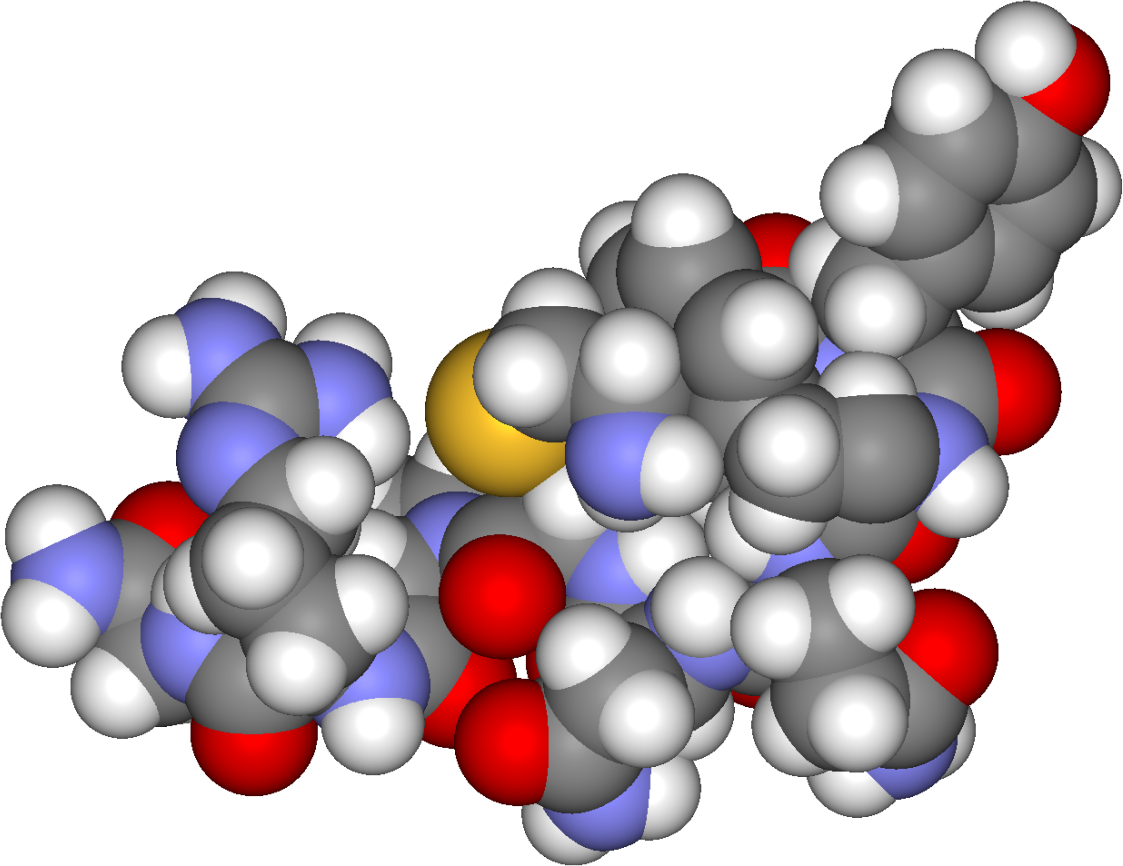
Deficiência de arginina vasopressina
📋 Origem dos dados
Esta página agrega dados de fontes públicas e oficiais. Dados sobre cobertura no SUS (PCDT, CEAF) são verificados ativamente por agente proativo (ver badge no infobox). Demais dados têm atribuição de fonte + data da última sincronização — clique para abrir o original.
- Doença rara (ontologia)
- fonte: Orphanet
- Identificador unificado
- fonte: MONDO
- Codificação WHO/SUS
- fonte: WHO ICD-10 / DATASUS
- CID-11 (futuro)
- fonte: WHO ICD-11
- NIH/GARD
- fonte: GARD (NIH)
- Indexação biomédica
- fonte: MeSH (NLM)
- Dado público estruturado
- fonte: Wikidata
- Ensaios clínicos
- fonte: ClinicalTrials.gov