
Uma doença metabólica hereditária que surge de um problema no processo de como o corpo lida com as substâncias chamadas porfirinas.
Introdução
O que você precisa saber de cara
Uma doença metabólica hereditária que surge de um problema no processo de como o corpo lida com as substâncias chamadas porfirinas.
Tem tratamento?
Encontrou um erro ou informação desatualizada? Sugira uma correção →
Entender a doença
Do básico ao detalhe, leia no seu ritmo
Preparando trilha educativa...
Sinais e sintomas
O que aparece no corpo e com que frequência cada sintoma acontece
Partes do corpo afetadas
+ 166 sintomas em outras categorias
Características mais comuns
Os sintomas variam de pessoa para pessoa. Abaixo estão as 374 características clínicas mais associadas, ordenadas por frequência.
Linha do tempo da pesquisa
Encontrou um erro ou informação desatualizada? Sugira uma correção →
Genética e causas
O que está alterado no DNA e como passa nas famílias
Genes associados
31 genes identificados com associação a esta condição.
Ribosome biogenesis factor. Involved in nucleolar processing of pre-18S ribosomal RNA. Part of the small subunit (SSU) processome, first precursor of the small eukaryotic ribosomal subunit. During the assembly of the SSU processome in the nucleolus, many ribosome biogenesis factors, an RNA chaperone and ribosomal proteins associate with the nascent pre-rRNA and work in concert to generate RNA folding, modifications, rearrangements and cleavage as well as targeted d Involved in SSU pre-rRNA proce
Nucleus, nucleolusChromosome
Mediates the Na(+)-independent uptake of organic anions (PubMed:10779507, PubMed:15159445, PubMed:17412826). Shows broad substrate specificity, can transport both organic anions such as bile acid taurocholate (cholyltaurine) and conjugated steroids (17-beta-glucuronosyl estradiol, dehydroepiandrosterone sulfate (DHEAS), and estrone 3-sulfate), as well as eicosanoid leukotriene C4, prostaglandin E2 and L-thyroxine (T4) (PubMed:10779507, PubMed:11159893, PubMed:12568656, PubMed:15159445, PubMed:17
Basolateral cell membraneBasal cell membrane
Hyperbilirubinemia, Rotor type
An autosomal recessive form of primary conjugated hyperbilirubinemia. Affected individuals develop mild jaundice not associated with hemolysis shortly after birth or in childhood. They have delayed plasma clearance of the unconjugated anionic dye bromsulphthalein and prominent urinary excretion of coproporphyrin I. Hepatic pigmentation is normal.
Catalyzes cyclization of the linear tetrapyrrole, hydroxymethylbilane, to the macrocyclic uroporphyrinogen III, the branch point for the various sub-pathways leading to the wide diversity of porphyrins (PubMed:11689424, PubMed:18004775). Porphyrins act as cofactors for a multitude of enzymes that perform a variety of processes within the cell such as methionine synthesis (vitamin B12) or oxygen transport (heme) (PubMed:11689424, PubMed:18004775)
Cytoplasm, cytosol
Congenital erythropoietic porphyria
Porphyrias are inherited defects in the biosynthesis of heme, resulting in the accumulation and increased excretion of porphyrins or porphyrin precursors. They are classified as erythropoietic or hepatic, depending on whether the enzyme deficiency occurs in red blood cells or in the liver. The manifestations of CEP are heterogeneous, ranging from nonimmune hydrops fetalis due to severe hemolytic anemia in utero to milder, later onset forms, which have only skin lesions due to cutaneous photosensitivity in adult life. The deficiency in UROS activity results in the non-enzymatic conversion of hydroxymethylbilane (HMB) into the uroporphyrinogen-I isomer.
Essential component of the Ost-alpha/Ost-beta complex, a heterodimer that acts as the intestinal basolateral transporter responsible for bile acid export from enterocytes into portal blood (PubMed:16317684). Efficiently transports the major species of bile acids (taurocholate) (PubMed:16317684). Taurine conjugates are transported more efficiently across the basolateral membrane than glycine-conjugated bile acids (By similarity). Can also transport steroids such as estrone 3-sulfate and dehydroep
Cell membraneEndoplasmic reticulum membrane
Cholestasis, progressive familial intrahepatic, 6
An autosomal recessive form of progressive cholestasis, a disorder characterized by early onset of cholestasis that progresses to hepatic fibrosis, cirrhosis, and end-stage liver disease. PFIC6 patients have elevated liver transaminases and congenital diarrhea.
Key regulator of abscission step in cytokinesis: part of the cytokinesis checkpoint, a process required to delay abscission to prevent both premature resolution of intercellular chromosome bridges and accumulation of DNA damage. Together with CHMP4C, required to retain abscission-competent VPS4 (VPS4A and/or VPS4B) at the midbody ring until abscission checkpoint signaling is terminated at late cytokinesis. Deactivation of AURKB results in dephosphorylation of CHMP4C followed by its dissociation
Cytoplasm, cytoskeleton, microtubule organizing center, centrosomeCleavage furrowMidbody, Midbody ring
ATP-dependent transporter of the ATP-binding cassette (ABC) family that binds and hydrolyzes ATP to enable active transport of various substrates including many drugs, toxicants and endogenous compound across cell membranes. Transports a wide variety of conjugated organic anions such as sulfate-, glucuronide- and glutathione (GSH)-conjugates of endo- and xenobiotics substrates (PubMed:10220572, PubMed:10421658, PubMed:11500505, PubMed:16332456). Mediates hepatobiliary excretion of mono- and bis-
Apical cell membrane
Dubin-Johnson syndrome
Autosomal recessive disorder characterized by conjugated hyperbilirubinemia, an increase in the urinary excretion of coproporphyrin isomer I, deposition of melanin-like pigment in hepatocytes, and prolonged retention of sulfobromophthalein, but otherwise normal liver function.
Catalyzes the oxidative cleavage of heme at the alpha-methene bridge carbon, released as carbon monoxide (CO), to generate biliverdin IXalpha, while releasing the central heme iron chelate as ferrous iron (PubMed:11121422, PubMed:19556236, PubMed:7703255). Affords protection against programmed cell death and this cytoprotective effect relies on its ability to catabolize free heme and prevent it from sensitizing cells to undergo apoptosis (PubMed:20055707) (Microbial infection) During SARS-COV-2
Endoplasmic reticulum membrane
Heme oxygenase 1 deficiency
A disease characterized by impaired stress hematopoiesis, resulting in marked erythrocyte fragmentation and intravascular hemolysis, coagulation abnormalities, endothelial damage, and iron deposition in renal and hepatic tissues. Clinical features include persistent hemolytic anemia, asplenia, nephritis, generalized erythematous rash, growth retardation and hepatomegaly.
Catalyzes the transport of the major hydrophobic bile salts, such as taurine and glycine-conjugated cholic acid across the canalicular membrane of hepatocytes in an ATP-dependent manner, therefore participates in hepatic bile acid homeostasis and consequently to lipid homeostasis through regulation of biliary lipid secretion in a bile salts dependent manner (PubMed:15791618, PubMed:16332456, PubMed:18985798, PubMed:19228692, PubMed:20010382, PubMed:20398791, PubMed:22262466, PubMed:24711118, Pub
Apical cell membraneRecycling endosome membraneEndosomeCell membrane
Cholestasis, progressive familial intrahepatic, 2
A disorder characterized by early onset of cholestasis that progresses to hepatic fibrosis, cirrhosis, and end-stage liver disease before adulthood. PFIC2 inheritance is autosomal recessive.
Deubiquitinase that mediates 'Lys-63'-linked deubiquitination of tight junction proteins, such as MARVELD2 and LSR, and which is involved in the survival of auditory hair cells and hearing (PubMed:32124521, PubMed:39587316). Specifically cleaves 'Lys-63'-linked polyubiquitin chains composed of at least 3 ubiquitin molecules, while it is not able to deubiquitinate substrates with shorter ubiquitin chains: recognizes ubiquitin chain in position S2 and catalyzes en bloc cleavage of polyubiquitin ch
Cell junction, tight junction
Cholestasis, progressive familial intrahepatic, 7, with or without hearing loss
An autosomal recessive form of progressive cholestasis, a disorder characterized by early onset of cholestasis that progresses to hepatic fibrosis, cirrhosis, and end-stage liver disease. Some PFIC7 patients develop hearing loss in childhood.
As part of the heme biosynthetic pathway, catalyzes the sequential polymerization of four molecules of porphobilinogen to form hydroxymethylbilane, also known as preuroporphyrinogen (PubMed:18004775, PubMed:18936296, PubMed:19138865, PubMed:23815679). Catalysis begins with the assembly of the dipyrromethane cofactor by the apoenzyme from two molecules of porphobilinogen or from preuroporphyrinogen. The covalently linked cofactor acts as a primer, around which the tetrapyrrole product is assemble
Cytoplasm, cytosol
Acute intermittent porphyria
A form of porphyria. Porphyrias are inherited defects in the biosynthesis of heme, resulting in the accumulation and increased excretion of porphyrins or porphyrin precursors. They are classified as erythropoietic or hepatic, depending on whether the enzyme deficiency occurs in red blood cells or in the liver. AIP is an autosomal dominant form of hepatic porphyria characterized by attacks of gastrointestinal disturbances, abdominal colic, with neurological dysfunctions, hypertension, tachycardia and peripheral neuropathy. Most attacks are precipitated by drugs, alcohol, caloric deprivation, infections, or endocrine factors.
Catalyzes the 6-electron oxidation of protoporphyrinogen-IX to form protoporphyrin-IX
Mitochondrion inner membrane
Variegate porphyria
A form of porphyria. Porphyrias are inherited defects in the biosynthesis of heme, resulting in the accumulation and increased excretion of porphyrins or porphyrin precursors. They are classified as erythropoietic or hepatic, depending on whether the enzyme deficiency occurs in red blood cells or in the liver. Variegate porphyria is an acute hepatic form characterized by partial reduction of protoporphyrinogen oxidase activity, increased photosensitivity, skin blistering and scarring of sun-exposed areas, skin hyperpigmentation, abdominal pain, and neuropsychiatric symptoms. High fecal levels of protoporphyrin and coproporphyrin, increased urine uroporphyrins and iron overload are typical markers of the disease. Inheritance is autosomal dominant with incomplete penetrance.
Serine/threonine protein kinase that may be involved in the regulation of pre-mRNA processing. It may phosphorylate components of nuclear splice factor compartments (SFC), such as non-snRNP splicing factors containing a serine/arginine-rich domain (SR proteins). Reversible phosphorylation of SR proteins may cause their release into the nucleoplasm and change their local concentration, thereby influencing alternative splicing
Golgi apparatusCytoplasm, cytoskeleton, microtubule organizing center, centrosomeNucleus speckleEndoplasmic reticulum membraneCell membraneCytoplasm
Cholestasis, progressive familial intrahepatic, 13
A form of progressive cholestasis, a disorder characterized by early onset of cholestasis that progresses to hepatic fibrosis, cirrhosis, and end-stage liver disease. PFIC13 is an autosomal recessive form characterized by progressive liver dysfunction and chronic renal failure often associated with unilateral renal agenesis and glomerulosclerosis.
May be involved in vesicular trafficking via its association with the CART complex. The CART complex is necessary for efficient transferrin receptor recycling but not for EGFR degradation. Required in a complex with RAB11A and RAB11FIP2 for the transport of NPC1L1 to the plasma membrane. Together with RAB11A participates in CFTR trafficking to the plasma membrane and TF (transferrin) recycling in nonpolarized cells. Together with RAB11A and RAB8A participates in epithelial cell polarization. Tog
Cytoplasm
Diarrhea 2, with microvillus atrophy, with or without cholestasis
A disease characterized by onset of intractable life-threatening watery diarrhea during infancy. Two forms are recognized: early-onset microvillus inclusion disease with diarrhea beginning in the neonatal period, and late-onset, with first symptoms appearing after 3 or 4 months of life.
Plays an important role in integrin-mediated signaling and functions both in regulating cell migration and immune responses. Promotes formation of focal adhesion complexes, activation of the protein kinase PTK2/FAK1 and subsequent phosphorylation of MAPK1 and MAPK3. Promotes production of pro-inflammatory cytokines by monocytes and macrophages. Plays an important role in modulating inflammation and T-cell-mediated immune responses. Promotes axon growth in the embryonic olfactory bulb. Promotes a
Cell membrane
Cholestasis, progressive familial intrahepatic, 11
An autosomal recessive form of progressive cholestasis, a disorder characterized by early onset of cholestasis that progresses to hepatic fibrosis, cirrhosis, and end-stage liver disease.
Plays a role in tight junctions and adherens junctions (By similarity). Acts as a positive regulator of RANKL-induced osteoclast differentiation, potentially via mediating downstream transcriptional activity (By similarity)
Cell junction, adherens junctionCell membraneCell junction, tight junctionNucleus
Hypercholanemia, familial, 1
A disorder characterized by elevated serum bile acid concentrations, itching, and fat malabsorption.
Catalyzes an early step in the biosynthesis of tetrapyrroles. Binds two molecules of 5-aminolevulinate per subunit, each at a distinct site, and catalyzes their condensation to form porphobilinogen
Cytoplasm, cytosol
Acute hepatic porphyria
A form of porphyria. Porphyrias are inherited defects in the biosynthesis of heme, resulting in the accumulation and increased excretion of porphyrins or porphyrin precursors. They are classified as erythropoietic or hepatic, depending on whether the enzyme deficiency occurs in red blood cells or in the liver. AHP is characterized by attacks of gastrointestinal disturbances, abdominal colic, paralyses and peripheral neuropathy. Most attacks are precipitated by drugs, alcohol, caloric deprivation, infections, or endocrine factors.
Transcriptional activator or repressor which serves as a general switch factor for erythroid development (PubMed:35030251). It binds to DNA sites with the consensus sequence 5'-[AT]GATA[AG]-3' within regulatory regions of globin genes and of other genes expressed in erythroid cells. Activates the transcription of genes involved in erythroid differentiation of K562 erythroleukemia cells, including HBB, HBG1/2, ALAS2 and HMBS (PubMed:24245781)
Nucleus
X-linked dyserythropoietic anemia and thrombocytopenia
Disorder characterized by erythrocytes with abnormal size and shape, and paucity of platelets in peripheral blood. The bone marrow contains abundant and abnormally small megakaryocytes.
Ligand-activated transcription factor. Receptor for bile acids (BAs) such as chenodeoxycholic acid (CDCA), lithocholic acid, deoxycholic acid (DCA) and allocholic acid (ACA). Plays a essential role in BA homeostasis through the regulation of genes involved in BA synthesis, conjugation and enterohepatic circulation. Also regulates lipid and glucose homeostasis and is involved innate immune response (PubMed:10334992, PubMed:10334993, PubMed:21383957, PubMed:22820415). The FXR-RXR heterodimer binds
Nucleus
Proposed to be involved in endosomal maturation implicating in part VPS33B. In epithelial cells, the VPS33B:VIPAS39 complex may play a role in the apical RAB11A-dependent recycling pathway and in the maintenance of the apical-basolateral polarity (PubMed:20190753). May play a role in lysosomal trafficking, probably via association with the core HOPS complex in a discrete population of endosomes; the functions seems to be independent of VPS33B (PubMed:19109425). May play a role in vesicular traff
CytoplasmCytoplasmic vesicleEarly endosomeRecycling endosomeLate endosome
Arthrogryposis, renal dysfunction and cholestasis syndrome 2
A multisystem disorder, characterized by neurogenic arthrogryposis multiplex congenita, renal tubular dysfunction and neonatal cholestasis with bile duct hypoplasia and low gamma glutamyl transpeptidase activity. Platelet dysfunction is common.
UDP-glucuronosyltransferase (UGT) that catalyzes phase II biotransformation reactions in which lipophilic substrates are conjugated with glucuronic acid to increase the metabolite's water solubility, thereby facilitating excretion into either the urine or bile (PubMed:12181437, PubMed:15472229, PubMed:18004206, PubMed:18004212, PubMed:18719240, PubMed:19830808, PubMed:23288867, PubMed:15231852, PubMed:21422672, PubMed:38211441). Essential for the elimination and detoxification of drugs, xenobiot
Endoplasmic reticulum membraneCytoplasm, perinuclear region
Gilbert syndrome
Occurs as a consequence of reduced bilirubin transferase activity and is often detected in young adults with vague non-specific complaints.
Binds to transferrin receptor (TFR) and reduces its affinity for iron-loaded transferrin
Cell membrane
Hemochromatosis 1
A disorder of iron metabolism characterized by iron overload. Excess iron is deposited in a variety of organs leading to their failure, and resulting in serious illnesses including cirrhosis, hepatomas, diabetes, cardiomyopathy, arthritis, and hypogonadotropic hypogonadism. Severe effects of the disease usually do not appear until after decades of progressive iron loading.
Catalytic component of a P4-ATPase flippase complex which catalyzes the hydrolysis of ATP coupled to the transport of phospholipids, in particular phosphatidylcholines (PC), from the outer to the inner leaflet of the plasma membrane (PubMed:17948906, PubMed:25315773). May participate in the establishment of the canalicular membrane integrity by ensuring asymmetric distribution of phospholipids in the canicular membrane (By similarity). Thus may have a role in the regulation of bile acids transpo
Cell membraneApical cell membraneCell projection, stereociliumEndoplasmic reticulumGolgi apparatus
Cholestasis, progressive familial intrahepatic, 1
A disorder characterized by early onset of cholestasis that progresses to hepatic fibrosis, cirrhosis, and end-stage liver disease before adulthood. PFIC1 inheritance is autosomal recessive.
ATP-dependent chaperone that functions as an unfoldase. As part of the ClpXP protease complex, it recognizes specific protein substrates, unfolds them using energy derived from ATP hydrolysis, and then translocates them to the proteolytic subunit (CLPP) of the ClpXP complex for degradation (PubMed:11923310, PubMed:22710082, PubMed:28874591). Thanks to its chaperone activity, it also functions in the incorporation of the pyridoxal phosphate cofactor into 5-aminolevulinate synthase, thereby activa
MitochondrionMitochondrion matrix, mitochondrion nucleoid
Protoporphyria, erythropoietic, 2
An autosomal dominant form of porphyria with onset in infancy. Porphyrias are inherited defects in the biosynthesis of heme, resulting in the accumulation and increased excretion of porphyrins or porphyrin precursors. They are classified as erythropoietic or hepatic, depending on whether the enzyme deficiency occurs in red blood cells or in the liver. Erythropoietic protoporphyria is marked by excessive protoporphyrin in erythrocytes, plasma, liver and feces, and by widely varying photosensitive skin changes ranging from a burning or pruritic sensation to erythema, edema and wheals.
Energy-dependent phospholipid efflux translocator that acts as a positive regulator of biliary lipid secretion. Functions as a floppase that translocates specifically phosphatidylcholine (PC) from the inner to the outer leaflet of the canalicular membrane bilayer into the canaliculi of hepatocytes. Translocation of PC makes the biliary phospholipids available for extraction into the canaliculi lumen by bile salt mixed micelles and therefore protects the biliary tree from the detergent activity o
Cell membraneApical cell membraneMembrane raftCytoplasmCytoplasmic vesicle, clathrin-coated vesicle
Cholestasis, progressive familial intrahepatic, 3
A disorder characterized by early onset of cholestasis that progresses to hepatic fibrosis, cirrhosis, and end-stage liver disease before adulthood. PFIC3 inheritance is autosomal recessive.
Mediates the Na(+)-independent uptake of organic anions (PubMed:10358072, PubMed:15159445, PubMed:17412826). Shows broad substrate specificity, can transport both organic anions such as bile acid taurocholate (cholyltaurine) and conjugated steroids (dehydroepiandrosterone 3-sulfate, 17-beta-glucuronosyl estradiol, and estrone 3-sulfate), as well as eicosanoids (prostaglandin E2, thromboxane B2, leukotriene C4, and leukotriene E4), and thyroid hormones (T4/L-thyroxine, and T3/3,3',5'-triiodo-L-th
Basolateral cell membraneBasal cell membrane
Hyperbilirubinemia, Rotor type
An autosomal recessive form of primary conjugated hyperbilirubinemia. Affected individuals develop mild jaundice not associated with hemolysis shortly after birth or in childhood. They have delayed plasma clearance of the unconjugated anionic dye bromsulphthalein and prominent urinary excretion of coproporphyrin I. Hepatic pigmentation is normal.
Involved in the negative regulation of fatty acid biosynthesis, probably acting as an adapter that allows ubiquitination of acetyl-CoA carboxylase 1 (ACACA) by E3 ubiquitin-protein ligase COP1, and promotes ACACA degradation (PubMed:39920308). The adapter function requires the C-terminal proline-rich domain and may be apart from the kinesin motor activity (Probable)
Cytoplasm, cytoskeletonCell projection, cilium
Cholestasis, progressive familial intrahepatic, 8
An autosomal recessive form of progressive cholestasis, a disorder characterized by early onset of cholestasis that progresses to hepatic fibrosis, cirrhosis, and end-stage liver disease. PFIC8 onset is in early infancy.
Catalyzes the sequential decarboxylation of the four acetate side chains of uroporphyrinogen to form coproporphyrinogen and participates in the fifth step in the heme biosynthetic pathway (PubMed:11069625, PubMed:11719352, PubMed:14633982, PubMed:18004775, PubMed:21668429). Isomer I or isomer III of uroporphyrinogen may serve as substrate, but only coproporphyrinogen III can ultimately be converted to heme (PubMed:11069625, PubMed:11719352, PubMed:14633982, PubMed:21668429). In vitro also decarb
Cytoplasm, cytosol
Familial porphyria cutanea tarda
A form of porphyria. Porphyrias are inherited defects in the biosynthesis of heme, resulting in the accumulation and increased excretion of porphyrins or porphyrin precursors. They are classified as erythropoietic or hepatic, depending on whether the enzyme deficiency occurs in red blood cells or in the liver. Familial porphyria cutanea tarda is an autosomal dominant disorder characterized by light-sensitive dermatitis, with onset in later life. It is associated with the excretion of large amounts of uroporphyrin in the urine. Iron overload is often present in association with varying degrees of liver damage.
May play a role in vesicle-mediated protein trafficking to lysosomal compartments and in membrane docking/fusion reactions of late endosomes/lysosomes. Required for proper trafficking and targeting of the collagen-modifying enzyme lysyl hydroxylase 3 (LH3) to intracellular collagen (PubMed:28017832). Mediates phagolysosomal fusion in macrophages (PubMed:18474358). Proposed to be involved in endosomal maturation implicating VIPAS39. In epithelial cells, the VPS33B:VIPAS39 complex may play a role
Late endosome membraneLysosome membraneEarly endosomeCytoplasmic vesicle, clathrin-coated vesicleRecycling endosome
Arthrogryposis, renal dysfunction, and cholestasis 1
An autosomal recessive multisystem disorder with characteristics of congenital joint contractures, renal tubular dysfunction, neonatal cholestasis with bile duct hypoplasia and low gamma glutamyl transpeptidase activity, severe failure to thrive, ichthyosis, and a defect in platelet alpha-granule biogenesis. Most patients do not survive past the first year of life.
Catalyzes the pyridoxal 5'-phosphate (PLP)-dependent condensation of succinyl-CoA and glycine to form aminolevulinic acid (ALA), with CoA and CO2 as by-products (PubMed:14643893, PubMed:21252495, PubMed:21309041, PubMed:21653323, PubMed:32499479, PubMed:34492704). Contributes significantly to heme formation during erythropoiesis (PubMed:2050125) Catalyzes the pyridoxal 5'-phosphate (PLP)-dependent condensation of succinyl-CoA and glycine to form aminolevulinic acid (ALA), with CoA and CO2 as by-
Mitochondrion inner membrane
Anemia, sideroblastic, 1
A form of sideroblastic anemia that shows a variable hematologic response to pharmacologic doses of pyridoxine. Sideroblastic anemia is characterized by anemia of varying severity, hypochromic peripheral erythrocytes, systemic iron overload secondary to chronic ineffective erythropoiesis, and the presence of bone marrow ringed sideroblasts. Sideroblasts are characterized by iron-loaded mitochondria clustered around the nucleus.
Catalyzes the ferrous insertion into protoporphyrin IX and participates in the terminal step in the heme biosynthetic pathway
Mitochondrion inner membrane
Protoporphyria, erythropoietic, 1
An autosomal recessive form of porphyria with onset usually before age 10 years. Porphyrias are inherited defects in the biosynthesis of heme, resulting in the accumulation and increased excretion of porphyrins or porphyrin precursors. They are classified as erythropoietic or hepatic, depending on whether the enzyme deficiency occurs in red blood cells or in the liver. Erythropoietic protoporphyria is marked by excessive protoporphyrin in erythrocytes, plasma, liver and feces, and by widely varying photosensitive skin changes ranging from a burning or pruritic sensation to erythema, edema and wheals.
Catalyzes the aerobic oxidative decarboxylation of propionate groups of rings A and B of coproporphyrinogen-III to yield the vinyl groups in protoporphyrinogen-IX and participates to the sixth step in the heme biosynthetic pathway
Mitochondrion intermembrane space
Hereditary coproporphyria
A form of porphyria. Porphyrias are inherited defects in the biosynthesis of heme, resulting in the accumulation and increased excretion of porphyrins or porphyrin precursors. They are classified as erythropoietic or hepatic, depending on whether the enzyme deficiency occurs in red blood cells or in the liver. Hereditary coproporphyria is an acute hepatic porphyria characterized by skin photosensitivity, attacks of abdominal pain, neurological disturbances, and psychiatric symptoms. Most attacks are precipitated by drugs, alcohol, caloric deprivation, infections, or endocrine factors. Hereditary coproporphyria is biochemically characterized by overexcretion of coproporphyrin III in the urine and in the feces.
Medicamentos e terapias
Mecanismo: Melanocortin receptor 1 agonist
Mecanismo: Melanocortin receptor 1 agonist
Mecanismo: 5-aminolevulinate synthase mRNA RNAi inhibitor
Mecanismo: Ileal bile acid transporter inhibitor
Mecanismo: Ileal bile acid transporter inhibitor
Mecanismo: Glycine transporter 1 inhibitor
Mecanismo: Histamine H2 receptor antagonist
Variantes genéticas (ClinVar)
188 variantes patogênicas registradas no ClinVar.
Vias biológicas (Reactome)
51 vias biológicas associadas aos genes desta condição.
Diagnóstico
Os sinais que médicos procuram e os exames que confirmam
Tratamento e manejo
Remédios, cuidados de apoio e o que precisa acompanhar
Onde tratar no SUS
Hospitais de referência no Brasil e o protocolo oficial do SUS (PCDT)
🇧🇷 Atendimento SUS — Alteração do metabolismo da porfirina e do heme
Centros de Referência SUS
21 centros habilitados pelo SUS para Alteração do metabolismo da porfirina e do heme
Centros para Alteração do metabolismo da porfirina e do heme
Detalhes dos centros
Hospital Universitário Prof. Edgard Santos (HUPES)
R. Dr. Augusto Viana, s/n - Canela, Salvador - BA, 40110-060 · CNES 0003808
Serviço de Referência
Hospital de Apoio de Brasília (HAB)
AENW 3 Lote A Setor Noroeste - Plano Piloto, Brasília - DF, 70684-831 · CNES 0010456
Serviço de Referência
Hospital Estadual Infantil e Maternidade Alzir Bernardino Alves (HIABA)
Av. Min. Salgado Filho, 918 - Soteco, Vila Velha - ES, 29106-010 · CNES 6631207
Serviço de Referência
Hospital das Clínicas da UFG
Rua 235 QD. 68 Lote Área, Nº 285, s/nº - Setor Leste Universitário, Goiânia - GO, 74605-050 · CNES 2338424
Serviço de Referência
Hospital das Clínicas da UFMG
Av. Prof. Alfredo Balena, 110 - Santa Efigênia, Belo Horizonte - MG, 30130-100 · CNES 2280167
Serviço de Referência
NUPAD / Faculdade de Medicina UFMG
Av. Prof. Alfredo Balena, 189 - 5 andar - Centro, Belo Horizonte - MG, 30130-100 · CNES 2183226
Serviço de Referência
Hospital Universitário João de Barros Barreto
R. dos Mundurucus, 4487 - Guamá, Belém - PA, 66073-000 · CNES 2337878
Serviço de Referência
Hospital de Clínicas da Universidade Federal de Pernambuco
Av. Prof. Moraes Rego, 1235 - Cidade Universitária, Recife - PE, 50670-901 · CNES 2561492
Atenção Especializada
Instituto de Medicina Integral Prof. Fernando Figueira (IMIP)
R. dos Coelhos, 300 - Boa Vista, Recife - PE, 50070-902 · CNES 0000647
Serviço de Referência
Hospital de Clínicas da UFPR
R. Gen. Carneiro, 181 - Alto da Glória, Curitiba - PR, 80060-900 · CNES 2364980
Serviço de Referência
Hospital Universitário Pedro Ernesto (HUPE-UERJ)
Blvd. 28 de Setembro, 77 - Vila Isabel, Rio de Janeiro - RJ, 20551-030 · CNES 2280221
Serviço de Referência
Instituto Nacional de Saúde da Mulher, da Criança e do Adolescente Fernandes Figueira (IFF/Fiocruz)
Av. Rui Barbosa, 716 - Flamengo, Rio de Janeiro - RJ, 22250-020 · CNES 2269988
Serviço de Referência
Hospital Universitário Onofre Lopes (HUOL)
Av. Nilo Peçanha, 620 - Petrópolis, Natal - RN, 59012-300 · CNES 2408570
Atenção Especializada
Hospital São Lucas da PUCRS
Av. Ipiranga, 6690 - Jardim Botânico, Porto Alegre - RS, 90610-000 · CNES 2232928
Serviço de Referência
Hospital de Clínicas de Porto Alegre (HCPA)
Rua Ramiro Barcelos, 2350 Bloco A - Av. Protásio Alves, 211 - Bloco B e C - Santa Cecília, Porto Alegre - RS, 90035-903 · CNES 2237601
Serviço de Referência
Hospital Universitário da UFSC (HU-UFSC)
R. Profa. Maria Flora Pausewang - Trindade, Florianópolis - SC, 88036-800 · CNES 2560356
Serviço de Referência
Hospital das Clínicas da FMUSP
R. Dr. Ovídio Pires de Campos, 225 - Cerqueira César, São Paulo - SP, 05403-010 · CNES 2077485
Serviço de Referência
Hospital de Clínicas da UNICAMP
R. Vital Brasil, 251 - Cidade Universitária, Campinas - SP, 13083-888 · CNES 2748223
Serviço de Referência
Hospital de Clínicas de Ribeirão Preto (HCRP-USP)
R. Ten. Catão Roxo, 3900 - Vila Monte Alegre, Ribeirão Preto - SP, 14015-010 · CNES 2082187
Serviço de Referência
Instituto da Criança e do Adolescente (ICr-HCFMUSP)
Av. Dr. Enéas Carvalho de Aguiar, 647 - Cerqueira César, São Paulo - SP, 05403-000 · CNES 2081695
Serviço de Referência
UNIFESP / Hospital São Paulo
R. Napoleão de Barros, 715 - Vila Clementino, São Paulo - SP, 04024-002 · CNES 2688689
Serviço de Referência
Dados de DATASUS/CNES, SBGM, ABNeuro e Ministério da Saúde. Sempre confirme a disponibilidade diretamente com o estabelecimento.
Pesquisa ativa
Ensaios clínicos abertos e novidades científicas recentes
Pesquisa e ensaios clínicos
Nenhum ensaio clínico registrado para esta condição.
Publicações mais relevantes
Bafilomycin A1 is a promising therapeutic agent against T. spiralis infection by inhibiting the heme-transporting ATP6V0C/HRG-1 complex.
Trichinella spiralis (T. spiralis), a zoonotic nematode that causes severe myositis and systemic morbidity, sustains chronic muscle parasitism through evolutionary adaptations; however, this globally prevalent disease lacks targeted therapies to disrupt chronic infection. Although the heme transport protein HRG-1 has been characterized as an intervention target in free-living species (e.g., Caenorhabditis elegans) and hematophagous parasites (e.g., Haemonchus contortus), the molecular machinery governing heme acquisition in the nonhematophagous parasite T. spiralis remains uncharacterized, and no drugs targeting HRG-1 have been reported until now. Herein, we demonstrate that T. spiralis, a parasite that lacks the ability to synthesize heme autonomously, has evolved a sophisticated mechanism to scavenge and utilize heme from its host. By employing an aspartic protease to degrade host hemoglobin and myoglobin in the parasitic niche, T. spiralis is able to liberate heme for its own growth and survival. The structurally and functionally conserved Ts-HRG-1 protein plays a key role in transporting heme to the entire worm, particularly to functional organs, such as the cuticle and stichosome. More importantly, we discovered that the interaction between Ts-HRG-1 and Ts-ATP6V0C results in the formation of a functional complex that is essential for the parasite's heme acquisition. The intervention effect achieved by Ts-ATP6V0C RNAi or inhibiting the activity of Ts-ATP6V0C with bafilomycin A1 (BafA1) was consistent with Ts-HRG-1 RNAi, resulting in impaired heme uptake, developmental arrest and a reduced larval burden in mouse hosts. These findings enhance our understanding of the parasite's heme acquisition mechanism and identify the development of drugs that target proteins that interact with HRG-1 as a new direction in anthelminthic drug research.
Splenic Macrophage Activation and Disordered Heme-Iron Metabolism in a Mouse Model of Acute Hepatic Encephalopathy.
Hepatic encephalopathy is a severe complication of liver failure, traditionally investigated through brain-liver interactions; however, the involvement of extrahepatic organs remains poorly understood. This study examined splenic histopathological changes in a mouse model of acute hepatic encephalopathy induced by ammonium acetate administration, focusing on iron metabolism and macrophage activation. Although conventional hematoxylin and eosin staining revealed no overt structural abnormalities, unstained spleen sections demonstrated abundant black deposits, predominantly in the red pulp. Prussian blue staining confirmed a significant increase in hemosiderin-positive cells; however, a subset of black deposits was iron-negative. Immunohistochemical analyses revealed that these iron-negative pigments were localized within F4/80-positive macrophages and colocalized with heme oxygenase-1 (HO-1), suggesting enhanced heme degradation. Ultrastructural observations further identified electron-dense granules consistent with hematin accumulation in splenic macrophages. Hematological analyses revealed significant reductions in red blood cell count and hemoglobin levels, indicating accelerated erythrocyte destruction. Collectively, these findings demonstrate that acute hepatic encephalopathy induces splenic macrophage activation, accompanied by disordered iron metabolism and hematin accumulation. This study highlights the spleen as a previously underappreciated extrahepatic organ involved in the pathophysiology of hepatic encephalopathy and suggests that splenic heme-iron handling may represent a novel therapeutic target.
Extracellular heme:DNA complexes promote oxidative stress and inflammation during lupus-associated hemolysis.
Hemolysis is associated with the release of damage-associated molecular patterns, including free heme and extracellular DNA (ecDNA). Using several mouse models of bleeding anemia and hemolysis, we demonstrate a significant increase in plasma ecDNA, independent of neutrophil extracellular trap formation. This ecDNA forms G-quadruplex (G4) structures, which we detected in both mice and patients with systemic lupus erythematosus. Catalytic complexes (DNAzymes) formed by G4 ecDNA and heme drive oxidative stress, tissue injury, and inflammation. In anemic mice lacking deoxyribonuclease 1L3 (DNase1l3-/-), we found elevated polynucleosomal ecDNA in the plasma, reduced expression of the heme-degrading enzyme heme oxygenase-1 in macrophages, but also increased plasma creatinine, renal iron accumulation, and complement C3 deposition along elevated apoptosis and DNA damage. ecDNA isolated from these mice also triggered toll-like receptor 9-dependent inflammatory responses in vitro and in vivo. In summary, these findings suggest that concurrent release of heme and ecDNA during hemolysis promotes inflammation and tissue damage, contributing to lupus pathogenesis.
Heme limitation induces LHR2, an essential gene for Leishmania pathogenesis.
Leishmania spp. are intracellular parasites that cause leishmaniasis, a devastating disease with no effective treatment. These parasites are heme auxotrophs and must scavenge this essential cofactor from the host. Transcriptomic analysis of Leishmania major promastigotes cultured in the presence or absence of heme revealed numerous differentially expressed genes. Among those of unknown function, LHR2 (Leishmania Heme Response-2) was the most upregulated gene in response to heme limitation. LHR2 encodes a mitochondrial hemoprotein that likely protects this organelle from elevated levels of reactive oxygen species. It is essential during the promastigote stage, and loss of a single LHR2 allele severely compromises intracellular replication and prevents the development of cutaneous leishmaniasis in mice. This essential function depends on LHR2's ability to bind heme. Complementation studies in Saccharomyces cerevisiae revealed that LHR2 is an analogue of the yeast Dap1p, although it binds heme in a distinct manner. Importantly, LHR2 displays key structural differences from the most closely related human proteins. These findings highlight LHR2 as a critical factor in parasite survival and pathogenesis, and suggest it as a promising new target for antileishmanial drug development.
Nutrigenomic profiling identifies ZIP10 (SLC39A10) as a regulator of erythroid zinc homeostasis with genetic associations to anemia risk.
Erythroid progenitors undergo dynamic morphological changes and robust heme biosynthesis during differentiation. Zinc is essential for erythropoiesis, yet the mechanisms linking zinc availability to heme biosynthesis and anemia risk remain unclear. This study aimed to define zinc-responsive pathways in differentiating erythroid progenitors and to evaluate the translational relevance of SLC39A10 (ZIP10) genetic variants to hematological health. To elucidate the molecular basis of zinc's role in erythropoiesis, we performed transcriptomic profiling of zinc-restricted G1E-ER4 cells during differentiation and compared it to iron chelation and δ-aminolevulinic acid dehydratase inhibition. Zinc deficiency uniquely enriched genes involved in not only heme biosynthesis but cellular maintenance functions. Zinc restriction caused a marked suppression of Alad transcript abundance, impairing the first enzymatic step of cytosolic heme biosynthesis. Notably, Slc39a10 (Zip10) was the only zinc transporter strongly induced by zinc deficiency, independent of iron status. Loss of ZIP10 exacerbated zinc depletion, further reduced Alad expression, and diminished heme output, highlighting its role as a compensatory importer during zinc scarcity. GWAS database analyses revealed that SLC39A10 variants are significantly associated with hemoglobin concentration, hematocrit, and iron deficiency anemia risk. Together, ZIP10 safeguards erythroid zinc homeostasis and heme synthesis under limiting zinc conditions. Genetic variation in SLC39A10 may heighten sensitivity to zinc deficiency, providing a potential nutrigenetic marker for anemia risk. These findings establish a mechanistic and translational basis for genotype-guided precision nutrition strategies to improve hematological health.
Publicações recentes
Genetic and non-genetic factors influencing phenotypic variability in neurofibromatosis type 1.
Real-time breath metabolomics as catalyst for personalized lung cancer diagnostics: prospective matched case-control trial (LUCAbreath).
🥉 Relato de casoThe mutational burden in os odontoideum patients.
European Reference Networks - a flagship activity of the EU in the field of rare and complex diseases: from 2017 to 2025.
Clinical characteristics and long-term prognosis of anti-MDA5-positive dermatomyositis: a comparative study across age groups.
📚 EuropePMCmostrando 199
Cysteine desulfurase protects against intracerebral hemorrhage by inhibiting neuronal ferroptosis through the suppression of iron-responsive element-binding protein 2-mediated iron-starvation responses.
Neuroreport4-Aminoquinolines block heme iron reactivity and interfere with artemisinin action.
eLifeClinical Practice Guidelines for the Management of Porphyrias in Japan: Secondary Publication (English Translation).
The Journal of dermatologyBafilomycin A1 is a promising therapeutic agent against T. spiralis infection by inhibiting the heme-transporting ATP6V0C/HRG-1 complex.
PLoS pathogensSplenic Macrophage Activation and Disordered Heme-Iron Metabolism in a Mouse Model of Acute Hepatic Encephalopathy.
International journal of molecular sciencesExtracellular heme:DNA complexes promote oxidative stress and inflammation during lupus-associated hemolysis.
Proceedings of the National Academy of Sciences of the United States of AmericaColouring dysbiosis: FetB-dependent Mn-PPIX produced by Porphyromonas gingivalis shapes the oral microbiota.
NPJ biofilms and microbiomesMurine Biocompatibility Evaluation of an Albumin-Derived Complex and Nanoparticle Delivery System for Ocular Applications.
Journal of biomedical materials research. Part AHeme limitation induces LHR2, an essential gene for Leishmania pathogenesis.
PLoS pathogensManagement of porphyria-like syndrome in tyrosinemia type 1.
Journal of pediatric endocrinology & metabolism : JPEMHyponatremia and Abdominal Pain: A Case Report of Acute Hepatic Porphyria.
CureusNutrigenomic profiling identifies ZIP10 (SLC39A10) as a regulator of erythroid zinc homeostasis with genetic associations to anemia risk.
Proceedings of the National Academy of Sciences of the United States of AmericaAminolevulinate inhibition of human coproporphyrinogen oxidase clarifies coproporphyrin III accumulation in porphyrias.
Bioscience reportsHO-1/Nrf2 activation orchestrates protection in sepsis-induced lung injury by suppressing CCR2hi monocyte recruitment and MAPK-driven inflammation.
Free radical biology & medicineIn vitro activity of gallium-protoporphyrin IX against Leishmania major and Leishmania infantum.
Microbiology spectrumSIADH as an Underrecognized Manifestation of Porphyria-like Crises in Hereditary Tyrosinemia Type 1: Clinical and Pathophysiological Insights.
International journal of molecular sciencesDysregulated iron metabolism associates with neutrophilic airway inflammation in COPD.
Clinical science (London, England : 1979)Genetic traits and diet triggering the iron-induced hepatic model of the idiopathic disorder sporadic porphyria cutanea tarda.
Free radical biology & medicineDisruption of intracellular iron homeostasis through mitochondrial dysfunction associated with suppression of ATP 13A2 expression.
Scientific reportsHuman neuroglobin and H64A distal variant: How mutation and pH affect the heme pocket.
Spectrochimica acta. Part A, Molecular and biomolecular spectroscopyCross-species evaluation of TANGO2 homologs, including HRG-9 and HRG-10 in Caenorhabditis elegans, challenges a proposed role in heme trafficking.
eLifeInvolvement of HemI, an ECF sigma factor, in hemin acquisition and antibiotic susceptibility in Stenotrophomonas maltophilia.
Frontiers in cellular and infection microbiologyRothia mucilaginosa membrane vesicles stabilize labile iron to alleviate UVB-induced ferroptosis.
Cell host & microbeLiver sinusoidal endothelial cells constitute a major route for hemoglobin clearance.
EMBO reportsTMAO converts cytochrome c into a pro-apoptotic peroxidase by destabilizing the heme-Met80 ligation.
Cellular and molecular biology (Noisy-le-Grand, France)Whole transcriptome analysis reveals T cell signaling activation in septic patients with thrombocytopenia.
Scientific reportsA reversible feedback mechanism regulating mitochondrial heme synthesis.
The Journal of biological chemistryMonocyte-red blood cell crosstalk supports clearance and heme metabolism in sickle cell anemia.
Frontiers in immunologyHeme drives cardiac endothelial senescence in sepsis via STING activation.
Cell death & diseaseEpithelial HO-1 regulates iron availability and promotes colonic tumorigenesis in a context-dependent manner.
JCI insightQuantification and diagnostic relevance of blood and heme-mediated inhibition of prion detection by RT-QuIC.
Journal of clinical microbiologyBitopertin shows efficacy in patients with erythropoietic protoporphyria: Results from the randomized, double-blind, placebo-controlled AURORA trial.
Journal of the American Academy of DermatologyPsychiatric Presentation of Hereditary Coproporphyria with Coproporphyrinogen Oxidase Gene Mutation c.734 C>T: A Case Report.
Noro psikiyatri arsiviRapid mitochondrial repolarization upon reperfusion after cardiac ischemia.
Nature cardiovascular researchLiver Transplantation and Other Hepatically Directed Therapies Do Not Change the Biochemical Phenotype nor Halt Progression of Leukodystrophy due to Biallelic HMBS Variants: A Case Report.
JIMD reportsThe heme A synthase Cox15, as a target of redox-active 3-benzylmenadiones with antiparasitic activity.
Antimicrobial agents and chemotherapyMultitarget inhibitory effects of lemongrass essential oil on Porphyromonas gingivalis: synergistic regulation of heme utilization, biofilm formation, and the metabolic pathway of ferroptosis.
BMC complementary medicine and therapiesRecent Advances in Bio-Based Production of Free Heme Using Microbial Metabolic Engineering.
Advanced biologyTargeting HMGB1 in endothelial cells reverses heme-induced SIRS after radiofrequency ablation of hepatic hemangioma.
Frontiers in immunologyComprehensive analysis of complement activation in a hydroxyurea-treated patient cohort with sickle cell disease.
Blood advancesCrosstalk between Nitric Oxide and Bioinorganic Centers: Implications for Cellular Signaling.
Chemical record (New York, N.Y.)Enhancing the aqueous solubility of hemin at physiological pH through encapsulation within polyvinylpyrrolidone nanofibres.
International journal of pharmaceuticsPorphyrias: Pathophysiology and clinical management recommendations for hepatologists.
Hepatology communicationsHeme processing in the malaria parasite, Plasmodium falciparum: a time-dependent basal-level analysis.
Communications biologyUrinary Porphyrin Profiles and Trace Element Imbalances in Children with Autism Spectrum Disorders: Insights into Environmental and Metabolic Biomarkers.
International journal of molecular sciencesConformational constraints and ligand interactions are key determinants of the distinct aggregation pathways observed in human serum albumin.
International journal of biological macromoleculesA Dynamic Gate Enables Regioselective Hydroxylation of Free Arginine by a Non-Canonical Heme Enzyme.
Advanced science (Weinheim, Baden-Wurttemberg, Germany)Investigating Electron Conductivity Regimes in the Bacterial Cytochrome Wire OmcS.
The journal of physical chemistry. BHeme and hemozoin induce platelet cell death through UPR-induced apoptosis and ferroptosis in vivax malaria.
Blood advancesHeme Trafficking and the Importance of Handling Nature's Most Versatile Cofactor.
Chemical reviewsPathogenesis and clinical management of liver damage in porphyrias: Mechanisms and therapeutic approaches.
World journal of hepatologyNitric oxide regulates cytochrome P450 2D6 and 3A4 activity via concentration-dependent modulation of heme loading.
The Journal of biological chemistryA ratiometric fluorescent probe for the specific detection of carbon monoxide released from CORM-3 and induced by heme in living cells.
Analytica chimica actaZinc protoporphyrin-triggered ferroptosis plays a critical role in renal proximal tubular cell damage and chronic kidney disease.
Life sciencesMechanism of oxidative stress and neurotoxicity associated with heme and copper-Aβ relevant to Alzheimer's disease.
Chemical Society reviewsAltered Heme and Redox Homeostasis Underpin Late-onset Alzheimer's Disease.
International journal of biological sciencesBlocking extracellular glycine uptake mediated by GlyT1 mitigates protoporphyria.
The Journal of clinical investigationAscorbate mitigates oxidative stress and hemin cytotoxicity in heme oxygenase-1 deficiency.
The Journal of biological chemistryMolecular Insights into the Pathophysiology of Dysregulated Erythropoiesis: The Crucial Role of Iron Homeostasis.
Molecular and cellular biologyCaspase-1 activation drives vascular inflammatory processes and hypoperfusion in intravascular hemolysis.
American journal of physiology. Heart and circulatory physiologySilencing of METTL14 attenuates experimental intracerebral hemorrhage by suppressing TFRC-mediated ferroptosis.
Brain researchStructural basis of heme scavenging by the ChtA and HtaA hemophores in Corynebacterium diphtheriae.
The Journal of biological chemistryAnimal Models of Porphyria with Hepatic Involvement.
Seminars in liver diseaseSpleen Tyrosine Kinase Inhibition Mitigates Hemin-Induced Thromboinflammation in an Organ-Specific Manner in Sickle Cell Mice.
Arteriosclerosis, thrombosis, and vascular biologyHemopexin and HO-1 induction during acute colitis in mice is dependent on interleukin-22.
Frontiers in immunologyHow Sodium Dodecyl Sulfate Micelles Affect the Coordination and Peroxidase-Like Activity of the Hemin-Aβ16 Complex.
ChemPlusChemPeroxynitrite detoxification by Trypanosoma cruzi heme peroxidase supports parasite survival in macrophages.
The Journal of biological chemistryPodocyte dysfunction driven by heme in sickle-cell nephropathy.
Scientific reportsDual role of Heme oxygenase-1 in disease progression and treatment: A literature review.
International journal of biological macromoleculesRenewable DNA tetrahedron Interface enabling ultrasensitive detection of copper via synergetic enhancement of click chemistry and DNAzyme catalysis.
Bioelectrochemistry (Amsterdam, Netherlands)The GLYT1 inhibitor bitopertin mitigates erythroid PPIX production and liver disease in erythroid protoporphyria.
The Journal of clinical investigationTumor microenvironments with an active type I IFN response are sensitive to inhibitors of heme degradation.
JCI insightFree erythrocyte protoporphyrin fluorescence as an underrecognized prognostic marker of mortality in community-acquired pneumonia.
Scientific reportsEvidence for alcohol-mediated hemolysis and erythrophagocytosis.
Redox biologyComparative effectiveness of human hematin and heme arginate in the management of porphyria attacks: an observational study across three hospitals in Colombia.
Hospital practice (1995)Stress-induced heme metabolic disorder in peripheral B cells contributes to depressive-like behaviors in male mice.
Progress in neurobiologyDevelopment of rat and mouse models of heme-iron absorption.
JCI insightNrf2-HO1 signaling pathway-mediated axial elongation in lens-induced myopia in Guinea pigs through regulation of tight junctions in retinal pigment epithelial cells.
Experimental eye researchNADPH oxidase-dependent heme oxygenase-1 expression mediates cigarette smoke-induced ferroptosis via intracellular Fe(II) accumulation.
Free radical biology & medicineExploiting haem-iron dependence of nontypeable Haemophilus influenzae: an avenue for future therapeutic development.
Frontiers in cellular and infection microbiologyHmuY proteins of the Porphyromonas genus show diversity in heme-binding properties.
Frontiers in cellular and infection microbiologyFapR regulates HssRS-mediated heme homeostasis in Bacillus anthracis.
mBioRole of biliverdin reductase, a heme degradation pathway enzyme, in the development of vasospasm after subarachnoid hemorrhage.
Journal of neurointerventional surgeryZinc protoporphyrin accumulation as a positive regulator of renal heme oxygenase-1 participates in the progression of chronic kidney disease.
Biochemical and biophysical research communicationsCyclodextrin-Assisted l-Cysteine-Capped Copper Nanoclusters: Rapid Synthesis, Enhanced Photoluminescence, and Small Molecule Interactions in Complex Biological Matrices.
Chemistry, an Asian journalHCAR2 is a novel receptor for heme.
Blood advancesComputing pathogenicity of mutations in human cytochrome P450 superfamily.
Biochimica et biophysica acta. Proteins and proteomicsExploring heme and iron acquisition strategies of Porphyromonas gingivalis-current facts and hypotheses.
FEMS microbiology reviewsEfficacy and safety of givosiran in Japanese patients with acute hepatic porphyria: clinical findings from an expanded access study.
Scientific reportsAmbient fine particulate matter induces cardiac fibrosis through triggering ferroptosis by heme degradation induced-iron overload.
Ecotoxicology and environmental safetyThe interplay between the myeloperoxidase-hypochlorous acid system, heme oxygenase, and free iron in inflammatory diseases.
Journal of inorganic biochemistryHemin-induced transient senescence via DNA damage response: a neuroprotective mechanism against ferroptosis in intracerebral hemorrhage.
Communications biologyHydroxyurea Mitigates Heme-Induced Inflammation and Kidney Injury in Humanized Sickle Cell Mice.
International journal of molecular sciencesThe heme scavenger hemopexin protects against lung injury during aspergillosis by mitigating release of neutrophil extracellular traps.
JCI insightReactive astrocyte-derived exosomes enhance intracranial lymphatic drainage in mice after intracranial hemorrhage.
Fluids and barriers of the CNSUnderstanding Coproporphyrins and Their Disposition: Coproporphyrinuria is Common, of Diverse Cause, and Rarely Indicates Porphyria.
The American journal of medicineA Narrowband 635 nm Autofluorescence Peak in Albino Mouse Eyes Found With Multi-Modal Imaging Reveals the Presence of Protoporphyrin IX in the Choroid.
Investigative ophthalmology & visual scienceThe role of heme in sepsis induced Kupffer cell PANoptosis and senescence.
Cell death & diseaseCharacterization of a heme-degrading enzyme that mediates fitness and pathogenicity in Enterococcus faecalis.
mBioHeme-Aβ compound 0: a common intermediate in ROS generation and peroxidase activity.
Dalton transactions (Cambridge, England : 2003)Unmasked acute intermittent porphyria in a patient with COVID-19-associated posterior reversible encephalopathy syndrome.
BMC neurologyHeme-induced lung injury in human precision cut lung slices: a new model for acute lung injury.
Respiratory researchImpact of NH4+ on the catalytic activity of G-quadruplex/hemin DNAzyme for chemiluminescent sensing.
Analytical and bioanalytical chemistrySelf-contained G-quadruplex/hemin DNAzyme: a superior ready-made catalyst for in situ imaging analysis.
Nucleic acids researchA high-sensitivity label-free electrochemical aptasensor for point-of-care measurements of low-density lipoprotein in plasma based on aptamer and MXene-CMCS-Hemin nanocomposites.
Bioelectrochemistry (Amsterdam, Netherlands)Molecular dynamics, docking and quantum calculations reveal conformational changes influenced by CYP271A amino acid mutations related to cerebrotendinous xanthomatosis.
Scientific reportsACE2 deficiency protects against heme protein-induced acute kidney injury.
American journal of physiology. Renal physiologyMultiple classes of human intracellular Heme-binding proteins with pathology-associated polymorphisms of heme coordinating residues.
Biochimica et biophysica acta. Molecular basis of diseaseThe Pseudomonas aeruginosa PhuS proximal ligand His-209 triggers a conformational switch in function from DNA binding to heme transfer.
The Journal of biological chemistryHeme metabolism mediates RANKL-induced osteoclastogenesis via mitochondrial oxidative phosphorylation.
Journal of bone and mineral research : the official journal of the American Society for Bone and Mineral ResearchKidney-targeting DNA tetrahedral molecular cage synergistically inhibits acute kidney injury by clearing ROS and activating HO-1.
BiomaterialsPractical Recommendations in the Treatment of Acute and Chronic Life-Threatening Infectious Diseases in Patients with Acute Hepatic Porphyria.
MetabolitesAnalysis of Ferric Protoporphyrin IX Effects on Human Platelets: Hematin Is a More Potent Agonist than Hemin.
CellsHeme and immunity: The heme oxygenase dichotomy.
Journal of inorganic biochemistryOn-Origami Molecular Crowding Control of G-Quadruplex DNAzymes.
Small methodsROCK1 promotes B cell differentiation and proteostasis under stress through the heme-regulated proteins, BACH2 and HRI.
JCI insightStructural Basis and Mechanism of a Unique Haemophore in the Haem-Iron Acquisition by Riemerella anatipestifer.
Advanced science (Weinheim, Baden-Wurttemberg, Germany)Targeting lung heme iron by aerosol hemopexin adminstration in sickle cell disease pulmonary hypertension.
Free radical biology & medicineTranscriptomic atlas reveals organ-specific disease tolerance in sickle cell mice.
Blood advancesThe Histamine Pathway is a Target to Treat Hepatic Experimental Erythropoietic Protoporphyria.
Cellular and molecular gastroenterology and hepatologyDetection of microRNA-21 based on smartly designed ratiometric electrochemical sensor and dual-signal amplification.
Analytica chimica actaTranssulfuration pathway activation attenuates oxidative stress and ferroptosis in sickle primary erythroblasts and transgenic mice.
Communications biologyMolecular basis of hemoglobin binding and heme removal in Corynebacterium diphtheriae.
Proceedings of the National Academy of Sciences of the United States of AmericaAcute Intermittent Porphyria in an Adolescent Patient: Diagnostic and Treatment Challenges.
CureusA Porcine-Derived Heme Iron Powder Restores Hemoglobin in Anemic Rats.
NutrientsMalaria parasites require a divergent heme oxygenase for apicoplast gene expression and biogenesis.
eLifeStructural insights into the role of NahX from Pseudomonas sp. MC1 in the naphthalene degradation pathway.
Biochemical and biophysical research communicationsPorphyria cutanea tarda: a unique iron-related disorder.
Hematology. American Society of Hematology. Education ProgramNonheme iron catalyst mimics heme-dependent haloperoxidase for efficient bromination and oxidation.
Science advancesRespiratory complex II acting as a homeostatic regulatory sensor.
Physical chemistry chemical physics : PCCPHeme catabolism and heme oxygenase-1-expressing myeloid cells in pathophysiology.
Frontiers in immunologyBlood matters: the hematological signatures of Coronavirus infection.
Cell death & diseaseHemin, copper and amyloid-β: A medley involved in Alzheimer's disease. An interaction that fine regulates the reactivity.
Journal of inorganic biochemistrySP1-mediated SYN1 promotes hemin-induced damage in PC12 cells in vitro and exacerbates blood-barrier disruption and brain injury after intracerebral hemorrhage in vivo.
Pathology, research and practiceCapturing ultrafast energy flow of a heme protein in crowded milieu.
Physical chemistry chemical physics : PCCPA glutamine metabolic switch supports erythropoiesis.
Science (New York, N.Y.)Ginsenoside Rb1 targets to HO-1 to improve sepsis by inhibiting ferroptosis.
Free radical biology & medicineExosomes from polarized Microglia: Proteomic insights into potential mechanisms affecting intracerebral hemorrhage.
GeneHerbicides as fungicides: Targeting heme biosynthesis in the maize pathogen Ustilago maydis.
Molecular plant pathologySARS-CoV-2 variants induce increased inflammatory gene expression but reduced interferon responses and heme synthesis as compared with wild type strains.
Scientific reportsCounteraction of unconjugated bilirubin against heme-induced toxicity in platelets.
Thrombosis researchProtoporphyrin IX-Dependent Antiviral Effects of 5-Aminolevulinic Acid against Feline Coronavirus Type II.
VirusesNox4 is involved in acute kidney injury associated to intravascular hemolysis.
Free radical biology & medicineAZD8055 Is More Effective Than Rapamycin in Inhibiting Proliferation and Promoting Mitochondrial Clearance in Erythroid Differentiation.
Analytical cellular pathology (Amsterdam)Systemic messenger RNA replacement therapy is effective in a novel clinically relevant model of acute intermittent porphyria developed in non-human primates.
GutMelatonin alleviates heme-induced ferroptosis via activating the Nrf2/HO-1 pathway in neurons.
European review for medical and pharmacological sciences[Pathophysiology of sideroblastic anemia].
[Rinsho ketsueki] The Japanese journal of clinical hematologyTMEM56 deficiency impairs the haem metabolism and cell cycle progression during human erythropoiesis.
British journal of haematologyTherapeutic approach to acute crises of hepatic porphyrias.
Revista clinica espanolaThe Role of Heme Oxygenase 1 in Rheumatoid Arthritis and IL-1 Induced Inflammatory Cell Model.
Annals of clinical and laboratory scienceHeme: A link between hemorrhage and retinopathy of prematurity progression.
Redox biologyEvaluation of the potential use of protoporphyrins as biomarkers of anemic disease in human urine from inflammatory bowel disease patients.
Journal of pharmaceutical and biomedical analysisHarnessing Porphyrin Accumulation in Liver Cancer: Combining Genomic Data and Drug Targeting.
BiomoleculesPpIX-enabled fluorescence-based detection and photodynamic priming of platinum-resistant ovarian cancer cells under fluid shear stress.
Photochemistry and photobiologyInhibition of Heme Oxygenase 1 Suppresses Growth, Migration, and Invasion, and Regulates Tumor-Infiltrating CD8+ T Cells and in Uveal Melanoma.
Investigative ophthalmology & visual scienceA novel electrochemical aptasensor based on NrGO-H-Mn3O4 NPs integrated CRISPR/Cas12a system for ultrasensitive low-density lipoprotein determination.
Mikrochimica actaLongitudinal transcriptomic analysis reveals persistent enrichment of iron homeostasis and erythrocyte function pathways in severe COVID-19 ARDS.
Frontiers in immunologyIntegration of epidemiological and blood biomarker analysis links haem iron intake to increased type 2 diabetes risk.
Nature metabolismResonance Raman spectral analysis of the heme site structure of cytochrome c oxidase with its positive regulator CHCHD2.
Journal of inorganic biochemistryHemin regulates platelet clearance in hemolytic disease by binding to GPIbα.
PlateletsHeme- and iron-activated macrophages in sickle cell disease: an updated perspective.
Current opinion in hematologyErythropoietic protoporphyrias: Pathogenesis, diagnosis and management.
Liver international : official journal of the International Association for the Study of the LiverFluorometric Methods to Measure Bioavailable and Total Heme.
Methods in molecular biology (Clifton, N.J.)Canadian guidance for diagnosis and management of acute hepatic porphyrias.
Clinical biochemistryNitrite exposure leads to glycolipid metabolic disorder via the heme-HO pathway in teleost.
Ecotoxicology and environmental safetyPractical recommendations for biochemical and genetic diagnosis of the porphyrias.
Liver international : official journal of the International Association for the Study of the LiverMicrofluidic synthesis of hemin@ZIF-8 nanozyme with applications in cellular reactive oxygen species detection and anticancer drug screening.
Lab on a chipImpact of Phosphorylation at Various Sites on the Active Pocket of Human Ferrochelatase: Insights from Molecular Dynamics Simulations.
International journal of molecular sciences[An overview of porphyrias].
Dermatologie (Heidelberg, Germany)Cysteine in the R3 Tau Peptide Modulates Hemin Binding and Reactivity.
Inorganic chemistryErythropoietic protoporphyrias: updates and advances.
Trends in molecular medicineElucidating the Role of Human ALAS2 C-terminal Mutations Resulting in Loss of Function and Disease.
BiochemistryHeme-induced loss of renovascular endothelial protein C receptor promotes chronic kidney disease in sickle mice.
BloodExploring current and emerging therapies for porphyrias.
Liver international : official journal of the International Association for the Study of the LiverExport of heme by the feline leukemia virus C receptor regulates mitochondrial biogenesis and redox balance in the hematophagous insect Rhodnius prolixus.
FASEB journal : official publication of the Federation of American Societies for Experimental BiologyA Haemophilus ducreyi strain lacking the yfeABCD iron transport system is virulent in human volunteers.
Infection and immunityFrom chemistry to genomics: A concise history of the porphyrias.
Liver international : official journal of the International Association for the Study of the LiverGPR30 alleviated subarachnoid hemorrhage-induced blood-brain barrier dysfunction by activating the PI3K/Akt and Nrf2/HO-1 pathways.
American journal of physiology. Cell physiologyCausal effects of genetically determined metabolites on androgenetic alopecia: A two-sample Mendelian randomization analysis.
Skin research and technology : official journal of International Society for Bioengineering and the Skin (ISBS) [and] International Society for Digital Imaging of Skin (ISDIS) [and] International Society for Skin Imaging (ISSI)TFPI from erythroblasts drives heme production in central macrophages promoting erythropoiesis in polycythemia.
Nature communicationsCongenital erythropoietic porphyria.
Liver international : official journal of the International Association for the Study of the LiverHemoglobin scavenger receptor CD163 as a potential biomarker of hemolysis-induced hepatobiliary injury in sickle cell disease.
American journal of physiology. Cell physiologyDietary Hemin Remodels Gut Microbiota and Mediates Tissue Inflammation and Injury in the Small Intestine.
Molecular nutrition & food researchHydroxychloroquine inhibits hemolysis-induced arterial thrombosis ex vivo and improves lung perfusion in hemin-treated mice.
Journal of thrombosis and haemostasis : JTHLabel-free and portable detection of HIV-DNA by a handheld luminometer.
Analytica chimica actaStability of porphyrins and porphyrin precursors in urine and plasma samples: implications for sample handling and storage.
Journal of clinical pathologyIn-depth structure-function profiling of the complex formation between clotting factor VIII and heme.
Thrombosis researchCase-based discussion of the acute hepatic porphyrias: Updates on pathogenesis, diagnosis and management.
Liver international : official journal of the International Association for the Study of the LiverAcute hepatic porphyrias-A guide for hepatologists.
Hepatology (Baltimore, Md.)HemU and TonB1 contribute to hemin acquisition in Stenotrophomonas maltophilia.
Frontiers in cellular and infection microbiologyCRISPR editing to mimic porphyria combined with light: A new preclinical approach for prostate cancer.
Molecular therapy. OncologyThe clinical relevance of heme detoxification by the macrophage heme oxygenase system.
Frontiers in immunologyComputational identification of potential modulators of heme-regulated inhibitor (HRI) for pharmacological intervention against sickle cell disease.
Journal of biomolecular structure & dynamicsThe Digestive Vacuole of the Malaria Parasite: A Specialized Lysosome.
Pathogens (Basel, Switzerland)Hematin- and Hemin-Induced Spherization and Hemolysis of Human Erythrocytes Are Independent of Extracellular Calcium Concentration.
CellsLiver transplantation and primary liver cancer in porphyria.
Liver international : official journal of the International Association for the Study of the LiverToxoplasma gondii harbors a hypoxia-responsive coproporphyrinogen dehydrogenase-like protein.
mSpherePivotal Role of GSTO2 in Ferroptotic Neuronal Injury After Intracerebral Hemorrhage.
Journal of molecular neuroscience : MNFunctional characterization of RhuB as a second TonB2-dependent hemin receptor in Riemerella anatipestifer CH-1.
Microbiology spectrumAssociações
Organizações que acompanham esta doença — pra ter apoio e orientação
Ainda não temos associações cadastradas para Alteração do metabolismo da porfirina e do heme.
É de uma associação que acompanha esta doença? Fale com a gente →
Comunidades
Grupos ativos de quem convive com esta doença aqui no Raras
Ainda não existe comunidade no Raras para Alteração do metabolismo da porfirina e do heme
Pacientes, familiares e cuidadores se organizam em comunidades pra compartilhar experiências, fazer perguntas e se apoiar. Você pode ser o primeiro.
Tire suas dúvidas
Perguntas, dicas e experiências compartilhadas aqui na página
Participe da discussão
Faça login para postar dúvidas, compartilhar experiências e interagir com especialistas.
Fazer loginDoenças relacionadas
Doenças com sintomas parecidos — ajudam quem ainda está buscando diagnóstico
Referências e fontes
Bases de dados externas citadas neste artigo
Publicações científicas
Artigos indexados no PubMed ligados a esta doença no grafo RarasNet — título, periódico e PMID direto da fonte, sem intermediação de IA.
- Bafilomycin A1 is a promising therapeutic agent against T. spiralis infection by inhibiting the heme-transporting ATP6V0C/HRG-1 complex.
- Splenic Macrophage Activation and Disordered Heme-Iron Metabolism in a Mouse Model of Acute Hepatic Encephalopathy.
- Extracellular heme:DNA complexes promote oxidative stress and inflammation during lupus-associated hemolysis.Proceedings of the National Academy of Sciences of the United States of America· 2026· PMID 41779796mais citado
- Heme limitation induces LHR2, an essential gene for Leishmania pathogenesis.
- Nutrigenomic profiling identifies ZIP10 (SLC39A10) as a regulator of erythroid zinc homeostasis with genetic associations to anemia risk.Proceedings of the National Academy of Sciences of the United States of America· 2026· PMID 41701827mais citado
- Genetic and non-genetic factors influencing phenotypic variability in neurofibromatosis type 1.
- Real-time breath metabolomics as catalyst for personalized lung cancer diagnostics: prospective matched case-control trial (LUCAbreath).
- The mutational burden in os odontoideum patients.
- European Reference Networks - a flagship activity of the EU in the field of rare and complex diseases: from 2017 to 2025.
- Clinical characteristics and long-term prognosis of anti-MDA5-positive dermatomyositis: a comparative study across age groups.
Bases de dados e fontes oficiais
Identificadores e referências canônicas usadas para montar este verbete.
- ORPHA:309813(Orphanet)
- MONDO:0017754(MONDO)
- GARD:21346(GARD (NIH))
- Variantes catalogadas(ClinVar)
- Busca completa no PubMed(PubMed)
- Q55787330(Wikidata)
Dados compilados pelo RarasNet a partir de fontes abertas (Orphanet, OMIM, MONDO, PubMed/EuropePMC, ClinicalTrials.gov, DATASUS, PCDT/MS). Este conteúdo é informativo e não substitui avaliação médica.
Conteúdo mantido por Agente Raras · Médicos e pesquisadores podem colaborar
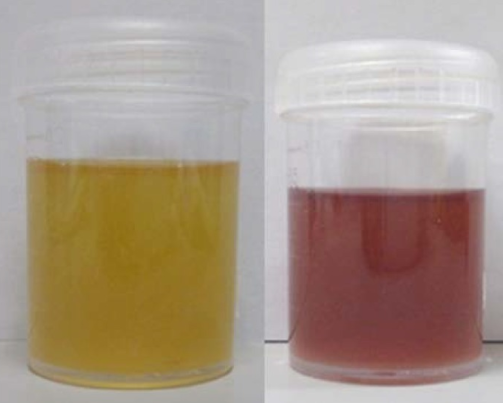
Alteração do metabolismo da porfirina e do heme
📋 Origem dos dados
Esta página agrega dados de fontes públicas e oficiais. Dados sobre cobertura no SUS (PCDT, CEAF) são verificados ativamente por agente proativo (ver badge no infobox). Demais dados têm atribuição de fonte + data da última sincronização — clique para abrir o original.
- Doença rara (ontologia)
- fonte: Orphanet
- Identificador unificado
- fonte: MONDO
- NIH/GARD
- fonte: GARD (NIH)
- Dado público estruturado
- fonte: Wikidata
- Medicamentos (literatura)
- fonte: Orphanet