
A ataxia cerebelar autossômica recessiva com espasticidade de início tardio é uma doença neurodegenerativa genética rara. Ela se manifesta na infância ou adolescência, causando inicialmente falta de coordenação motora (ataxia cerebelar) e dificuldade na fala (disartria), que progridem lentamente. Com o tempo, surgem outros sinais neurológicos, como rigidez muscular nas pernas (espasticidade dos membros inferiores), reflexos muito fortes e os sinais de Babinski e Hoffman. Os pacientes geralmente apresentam a falta de coordenação motora, com o desenvolvimento de uma rigidez muscular (espasticidade) que aumenta e afeta os braços e as pernas de forma desigual. Também podem ter problemas nos nervos (neuropatia) que afetam a sensibilidade ou tanto a sensibilidade quanto os movimentos, de forma variada. Outras características diversas podem estar associadas, como pé cavo (pé com a sola muito arqueada), escoliose (curvatura lateral da coluna) e alterações no cérebro (por exemplo, atrofia cerebral, que é a diminuição do tamanho do cérebro).
Introdução
O que você precisa saber de cara
A ataxia cerebelar autossômica recessiva com espasticidade de início tardio é uma doença neurodegenerativa genética rara. Ela se manifesta na infância ou adolescência, causando inicialmente falta de coordenação motora (ataxia cerebelar) e dificuldade na fala (disartria), que progridem lentamente. Com o tempo, surgem outros sinais neurológicos, como rigidez muscular nas pernas (espasticidade dos membros inferiores), reflexos muito fortes e os sinais de Babinski e Hoffman. Os pacientes geralmente apresentam a falta de coordenação motora, com o desenvolvimento de uma rigidez muscular (espasticidade) que aumenta e afeta os braços e as pernas de forma desigual. Também podem ter problemas nos nervos (neuropatia) que afetam a sensibilidade ou tanto a sensibilidade quanto os movimentos, de forma variada. Outras características diversas podem estar associadas, como pé cavo (pé com a sola muito arqueada), escoliose (curvatura lateral da coluna) e alterações no cérebro (por exemplo, atrofia cerebral, que é a diminuição do tamanho do cérebro).
Escala de raridade
<1/50kMuito rara
1/20kRara
1/10kPouco freq.
1/5kIncomum
1/2k
Encontrou um erro ou informação desatualizada? Sugira uma correção →
Entender a doença
Do básico ao detalhe, leia no seu ritmo
Preparando trilha educativa...
Sinais e sintomas
O que aparece no corpo e com que frequência cada sintoma acontece
Partes do corpo afetadas
+ 8 sintomas em outras categorias
Características mais comuns
Os sintomas variam de pessoa para pessoa. Abaixo estão as 26 características clínicas mais associadas, ordenadas por frequência.
Linha do tempo da pesquisa
Encontrou um erro ou informação desatualizada? Sugira uma correção →
Genética e causas
O que está alterado no DNA e como passa nas famílias
Genes associados
1 gene identificado com associação a esta condição. Padrão de herança: Autosomal recessive.
Non-lysosomal glucosylceramidase that catalyzes the hydrolysis of glucosylceramides/GlcCers (such as beta-D-glucosyl-(1<->1')-N-acylsphing-4-enine) to free glucose and ceramides (such as N-acylsphing-4-enine) (PubMed:17105727, PubMed:30308956, PubMed:32144204). GlcCers are membrane glycosphingolipids that have a wide intracellular distribution (By similarity). They are the main precursors of more complex glycosphingolipids that play a role in cellular growth, differentiation, adhesion, signaling
Endoplasmic reticulum membraneGolgi apparatus membrane
Spastic paraplegia 46, autosomal recessive
A neurodegenerative disorder characterized by onset in childhood of slowly progressive spastic paraplegia and cerebellar signs. Some patients have cognitive impairment, cataracts, and cerebral, cerebellar, and corpus callosum atrophy on brain imaging.
Medicamentos aprovados (FDA)
1 medicamento encontrado nos registros da FDA americana.
Variantes genéticas (ClinVar)
147 variantes patogênicas registradas no ClinVar.
Vias biológicas (Reactome)
1 via biológica associada aos genes desta condição.
Diagnóstico
Os sinais que médicos procuram e os exames que confirmam
Tratamento e manejo
Remédios, cuidados de apoio e o que precisa acompanhar
Onde tratar no SUS
Hospitais de referência no Brasil e o protocolo oficial do SUS (PCDT)
🇧🇷 Atendimento SUS — Ataxia cerebelosa com espasticidade autossômica recessiva de início tardio
Selecione um estado ou use sua localização para ver resultados.
Dados de DATASUS/CNES, SBGM, ABNeuro e Ministério da Saúde. Sempre confirme a disponibilidade diretamente com o estabelecimento.
Pesquisa ativa
Ensaios clínicos abertos e novidades científicas recentes
Ensaios em destaque
🟢 Recrutando agora
1 pesquisa recrutando participantes. Converse com seu médico sobre a possibilidade de participar.
Outros ensaios clínicos
Publicações mais relevantes
Mild and late onset forms of type I 3-methylglutaconic aciduria presenting as isolated cerebellar ataxia without leukodystrophy: case reports and phenotype expansion.
Type I 3-Methylglutaconic Aciduria (MGCA1) is a metabolic disorder inherited in an autosomal recessive manner. It is caused by a deficiency in the 3-methylglutaconyl-CoA hydratase encoded by the AUH gene, leading to abnormal excretion of urinary organic acids. While the pediatric phenotype encompasses a spectrum ranging from isolated developmental delay to severe forms with leukodystrophy, developmental delay, spastic tetraplegia and movement disorders, the adult phenotype corresponds to a leukodystrophy with spastic ataxia, progressive dementia, and optic neuropathy. Due to its rarity, MGCA1 is most likely underdiagnosed, or diagnosed with an important delay, leading to inadequate care or genetic counselling. A better understanding of the disease's phenotype is thus required to facilitate its clinical and genetic diagnosis, in turn favoring clinical care and genetic counselling. We report two new MGCA1 patients, including an adult male patient with pure, late-onset, and progressive cerebellar ataxia, without optic neuropathy or leukodystrophy. A young female patient case is also reported with moderate developmental delay and leukodystrophy, offering 14-year follow-up data under carnitine supplementation. In both cases, urinary organic acid chromatography was critical to the diagnostic process by demonstrating abnormal and specific urinary organic acids excretion. The description of new, mild and/or late-onset phenotypes expands the clinical and radiological spectrum of MGCA1. Our results show that late-onset MGCA1 patients may present with pure cerebellar ataxia without leukodystrophy, contrasting with current knowledge. These results support the fact that AUH should always be sequenced in patients with pure cerebellar ataxia, but also that urinary organic acid chromatography being a simple, rapid, and cost-effective test, should be performed as a first-tier analysis in all patients with unresolved neurological symptoms. The importance of identifying MGCA1 patients is reinforced by the possibility of implementing a low-risk and possibly effective therapy with low-protein diet and L-carnitine supplementation.
SPG7 p.A510V heterozygosity as a cause of adult-onset cerebellar ataxia without spasticity: longitudinal evidence from a sporadic case.
SPG7 mutations are typically associated with autosomal recessive hereditary spastic paraplegia (HSP). However, evidence suggests that the p.A510V variant may also be pathogenic in heterozygous form, often manifesting as late-onset cerebellar ataxia with variable clinical features. We report the case of a 72-year-old woman presenting with progressive gait instability and cerebellar signs. The diagnostic workup included neurological, neurophysiological, radiological, and genetic assessments. Neurological examination revealed gaze-evoked nystagmus, dysarthria, limb dysmetria, and gait ataxia. MRI showed cerebellar atrophy, predominantly involving the vermis. Electrophysiological studies revealed a length-dependent sensory axonal neuropathy. Genetic analysis via NGS detected a heterozygous c.1529C > T (p.A510V) variant in SPG7; no second pathogenic allele or large deletions were identified. Screening for trinucleotide repeat expansions in the most common spinocerebellar ataxias yielded negative results. Segregation analysis was not feasible. The patient remained clinically stable at two-year follow-up. This case contributes to the limited but growing evidence supporting a role for heterozygous SPG7 p.A510V in late-onset cerebellar ataxia without spasticity. Our findings highlight the importance of considering SPG7 in the differential diagnosis of sporadic ataxias, even in the absence of a clear recessive inheritance pattern.
Decoding the genetic blueprints of neurological disorders: disease mechanisms and breakthrough gene therapies.
Neurological disorders pose a rapidly growing global health burden, significantly affecting cognitive and motor functions with profound societal repercussions. This comprehensive review probe into the genetic foundations of various neurological conditions while exploring innovative RNA-based therapeutics particularly gene therapies as cutting edge treatment strategies. Through an in-depth analysis of existing literature, the study examines the genetic landscape, disease mechanisms, and gene-based intervention possibilities across a range of neurological disorders, including Cerebellar Ataxias, Autosomal Recessive Ataxia, Mitochondrial Cerebellar Ataxia, Multiple System Atrophy (MSA), Idiopathic Late-Onset Cerebellar Ataxia, Hereditary Spastic Paraplegias, Alzheimer's Disease, Vascular Dementia, Lewy Body Dementia, Frontotemporal Dementias, Inherited Prion Diseases, and Huntington's Disease. It uncovers the intricate network of genetic mutations driving these disorders, shedding light on their mechanisms and uncovering promising therapeutic targets. The review also highlights the remarkable potential of RNA-based therapeutics, with gene therapies standing at the forefront of precision treatment approaches. By offering an up-to-date understanding of the genetic intricacies and emerging therapeutic possibilities in neurological disorders, this study significantly contributes to the advancement of precision medicine in neurology. It also paves the way for future research and clinical applications aimed at improving patient care and outcomes.
Novel SACS Variants not Recorded in ClinVar Identified in a Chinese Patient with Late-Onset Hereditary Neuropathy: a Case Report and Literature Review.
Autosomal Recessive Spastic Ataxia of Charlevoix-Saguenay (ARSACS) is a rare neurodegenerative disorder due to mutations in the SACS gene. While the typical phenotype is characterized by cerebellar ataxia, spasticity, and peripheral neuropathy, more reports are published of atypical and late-onset presentations, also lacking typical cerebellar signs of the disease, which can mimic Charcot-Marie-Tooth disease (CMT). We report a 58-year-old Chinese male with a 12-year history of progressive gait instability and lower limb weakness, who also exhibited retinal degeneration. Remarkably, in contrast to the majority of ARSACS patients, he had no significant spasticity, thus expanding the phenotypic spectrum. Genetic analysis identified a pathogenic compound heterozygous mutation in SACS: a novel frameshift variant (c.178del, p.Asp60ThrfsTer8) in exon 4, unreported in ClinVar, and a missense variant (c.4723 C > T, p.Arg1575Trp) in exon 10, documented in ClinVar with conflicting interpretations. The exceptionally late onset in this patient suggests that the c.178del frameshift may partially preserve sacsin function, thereby delaying disease manifestation. MLPA analysis excluded CMT1/HNPP-related rearrangements, confirming an ARSACS diagnosis. Familial segregation further supported autosomal recessive inheritance, emphasizing the importance of family screening. Given this, our case suggests a potential extended therapeutic window in late-onset ARSACS and may need to be included in future therapeutics efforts, emphasizing the importance of identifying such atypical forms. This observation highlights the importance of thorough genetic testing in achieving a correct diagnosis and providing treatment for patients with undiagnosed progressive ataxia. AFG3L2-related neurologic disorders comprise four phenotypes. Spinocerebellar ataxia type 28 (SCA28), the most common phenotype, is characterized by young adult onset (26.5 ± 17.2 years); the onset range is from birth to 74 years of a cerebellar syndrome manifesting initially as very slowly progressive gait and limb ataxia resulting in incoordination and balance problems. Less frequently, ptosis/ophthalmoplegia, dysarthria, or upper-limb incoordination may occur as the initial finding. Pyramidal syndrome (increased and brisk reflexes, extensor plantar reflex, and spasticity) is commonly observed in individuals with longer disease duration. Although cognitive impairment, spasticity, and ophthalmologic signs can occur with disease progression, most individuals remain ambulatory and fully independent throughout their lives. Spastic ataxia type 5 (SPAX5), reported in 14 individuals to date, ranges from severe neurodegeneration with microcephaly, poor weight gain, developmental delay, developmental regression around age nine months, and death as early as age 2.5 years. Milder presentations range from onset in infancy to an early-onset complex cerebellar ataxia with myoclonic epilepsy. AFG3L2-related autosomal recessive spinocerebellar ataxia (AFG3L2-SCAR), reported in two individuals to date, is a late-onset ataxia with a clinical phenotype closely resembling that of SCA28. Optic atrophy type 12 (OPA12) manifests as decreased visual acuity (variable but frequently ranging from 0.2/10 to 2/10), photophobia, and impaired color vision. Ophthalmologic findings are optic nerve pallor and highly reduced retinal nerve fiber layer on optical coherence tomography. Although affected individuals do not present with ataxia, some may exhibit sensorineural hearing loss, neurodevelopmental disorders, dystonia, and spasticity. The diagnoses of SCA28 and OPA12 are established in a proband with suggestive findings and a heterozygous pathogenic variant in AFG3L2 identified by molecular genetic testing. The diagnoses of SPAX5 and AFG3L2-SCAR are established in a proband with suggestive findings and biallelic pathogenic variants in AFG3L2 identified by molecular genetic testing. Treatment of manifestations: Supportive care to improve quality of life, maximize function, and reduce complications is recommended. This ideally involves multidisciplinary care by specialists in relevant fields including neurologists (to address pharmacologic treatment of myoclonic epilepsy, spasticity, movement disorders); occupational therapists (to optimize activities of daily living and home safety); physiatrists and physical therapists (to help maintain independence and mobility); nutritionists and feeding therapy programs (to assess the risks of aspiration and need for gastrostomy tube placement for those with dysphagia); speech-language therapists (to address communication for individuals who have expressive language difficulties), ophthalmologists (to consider surgery for ptosis); low vision clinics (for those with optic atrophy); and social workers and psychologists (depending on any cognitive or psychologic manifestations). Surveillance: Routinely scheduled follow-up appointments with treating clinicians are recommended to monitor existing manifestations, the individual's response to supportive care, and the emergence of new manifestations. Agents/circumstances to avoid: Alcohol consumption and sedatives such as benzodiazepines that may worsen gait ataxia and coordination. Carbamazepine and phenytoin may exacerbate myoclonus in SPAX5. SCA28 and OPA12 are inherited in an autosomal dominant manner. AFG3L2-SCAR and SPAX5 are inherited in an autosomal recessive manner. Autosomal dominant inheritance: Most individuals diagnosed with SCA28, and some individuals diagnosed with OPA12, have an affected parent. Some individuals diagnosed with an autosomal dominant AFG3L2-related neurologic disorder have the disorder as the result of a de novo pathogenic variant. Each child of an individual with an autosomal dominant AFG3L2-related neurologic disorder has a 50% risk of inheriting the pathogenic variant. If the reproductive partner of an individual with an autosomal dominant AFG3L2-related neurologic disorder also has an AFG3L2 pathogenic variant, offspring are at risk of inheriting biallelic pathogenic variants and having an autosomal recessive AFG3L2-related neurologic disorder. Once the AFG3L2 pathogenic variant has been identified in an affected family member, predictive testing for at-risk relatives and prenatal/preimplantation genetic testing are possible. Autosomal recessive inheritance: The parents of a child with an autosomal recessive AFG3L2-related neurologic disorder are presumed to be heterozygous for an AFG3L2 pathogenic variant. If both parents are known to be heterozygous for an AFG3L2 pathogenic variant, each sib of an affected individual has at conception a 25% chance of inheriting biallelic pathogenic variants and being affected, a 50% chance of being heterozygous, and a 25% chance of inheriting neither of the familial AFG3L2 pathogenic variants. Heterozygous family members of an individual with an autosomal recessive AFG3L2-related neurologic disorder are typically asymptomatic and the risk of developing an AFG3L2-related neurologic disorder appears to be low. Once the AFG3L2 pathogenic variants has been identified in an affected family member, carrier testing for at-risk relatives and prenatal/preimplantation genetic testing are possible.
Whole Blood DNA Methylation Analysis Reveals Epigenetic Changes Associated with ARSACS.
Autosomal recessive spastic ataxia of Charlevoix-Saguenay (ARSACS) is a rare inherited condition described worldwide and characterized by a wide spectrum of heterogeneity in terms of genotype and phenotype. How sacsin loss leads to neurodegeneration is still unclear, and current knowledge indicates that sacsin is involved in multiple functional mechanisms. We hence hypothesized the existence of epigenetic factors, in particular alterations in methylation patterns, that could contribute to ARSACS pathogenesis and explain the pleiotropic effects of SACS further than pathogenic mutations. To investigate this issue, we recruited eight patients affected by ARSACS, four characterized by early onset of the disease and four with late onset. We performed Whole Genome Bisulfite Sequencing using DNA from peripheral blood to define the methylome of patients and compared them with a control group. Our analysis showed that patients with ARSACS exhibit an altered methylation pattern and that the observed differences exist also among affected individuals with different age of onset. Our study provides valuable insights for employing epigenetic biomarkers to assess the severity and progression of this disorder and propels further investigations into the role of epigenetic processes in ARSACS pathogenesis.
Publicações recentes
Novel SACS Variants not Recorded in ClinVar Identified in a Chinese Patient with Late-Onset Hereditary Neuropathy: a Case Report and Literature Review.
Whole Blood DNA Methylation Analysis Reveals Epigenetic Changes Associated with ARSACS.
Clinical Reasoning: A 48-Year-Old Man With Spasticity and Progressive Ataxia.
Novel Homozygous Truncating Variant Widens the Spectrum of Early-Onset Multisystemic SYNE1 Ataxia.
Late-onset spastic ataxia phenotype in a patient with a homozygous DDHD2 mutation.
📚 EuropePMCmostrando 23
Mild and late onset forms of type I 3-methylglutaconic aciduria presenting as isolated cerebellar ataxia without leukodystrophy: case reports and phenotype expansion.
Neurological sciences : official journal of the Italian Neurological Society and of the Italian Society of Clinical NeurophysiologyNovel SACS Variants not Recorded in ClinVar Identified in a Chinese Patient with Late-Onset Hereditary Neuropathy: a Case Report and Literature Review.
Cerebellum (London, England)SPG7 p.A510V heterozygosity as a cause of adult-onset cerebellar ataxia without spasticity: longitudinal evidence from a sporadic case.
Neurological sciences : official journal of the Italian Neurological Society and of the Italian Society of Clinical NeurophysiologyDecoding the genetic blueprints of neurological disorders: disease mechanisms and breakthrough gene therapies.
Frontiers in neurologyWhole Blood DNA Methylation Analysis Reveals Epigenetic Changes Associated with ARSACS.
Cerebellum (London, England)Phenotypic variability related to dominant UCHL1 mutations: about three families with optic atrophy and ataxia.
Journal of neurologyRevisiting Friedreich's Ataxia: Phenotypic and Imaging Characteristics.
Annals of Indian Academy of NeurologyA Novel Mutation in Sacsin, p.Val1335IIe, May Cause Late-Onset Sacsinopathy Due to Haploinsufficiency.
Current issues in molecular biologyClinical Reasoning: A 48-Year-Old Man With Spasticity and Progressive Ataxia.
NeurologyAdult-Onset White Matter Vanishing Disease With Ovarian Failure in a Salvadoran Patient.
CureusAFG3L2 Biallelic Mutation: Clinical Heterogeneity in Two Italian Patients.
Cerebellum (London, England)History of Ataxias and Paraplegias with an Annotation on the First Description of Striatonigral Degeneration.
Cerebellum (London, England)Three Adult-Onset Autosomal Recessive Ataxias: What Adult Neurologists Need to Know.
Neurology. Clinical practiceExpanding the phenotype of AFG3L2 mutations: Late-onset autosomal recessive spinocerebellar ataxia.
Journal of the neurological sciencesNovel Homozygous Truncating Variant Widens the Spectrum of Early-Onset Multisystemic SYNE1 Ataxia.
Cerebellum (London, England)A heterozygous mutation in the CCDC88C gene likely causes early-onset pure hereditary spastic paraplegia: a case report.
BMC neurologyGRID2 Mutation-Related Spinocerebellar Ataxia Type 18: A New Report and Literature Review.
Journal of pediatric geneticsInterpretation challenges of novel dual-class missense and splice-impacting variant in POLR3A-related late-onset hereditary spastic ataxia.
Molecular genetics & genomic medicineClinical and ultrastructural findings in an ataxic variant of Kufor-Rakeb syndrome.
Folia neuropathologicaPrevalence and phenotype of the c.1529C>T SPG7 variant in adult-onset cerebellar ataxia in Italy.
European journal of neurologyGenome sequencing in a case of Niemann-Pick type C.
Cold Spring Harbor molecular case studiesMutations in GALC cause late-onset Krabbe disease with predominant cerebellar ataxia.
NeurogeneticsOptic neuropathy in late-onset neurodegenerative Chédiak-Higashi syndrome.
The British journal of ophthalmologyAssociações
Organizações que acompanham esta doença — pra ter apoio e orientação
Ainda não temos associações cadastradas para Ataxia cerebelosa com espasticidade autossômica recessiva de início tardio.
É de uma associação que acompanha esta doença? Fale com a gente →
Comunidades
Grupos ativos de quem convive com esta doença aqui no Raras
Ainda não existe comunidade no Raras para Ataxia cerebelosa com espasticidade autossômica recessiva de início tardio
Pacientes, familiares e cuidadores se organizam em comunidades pra compartilhar experiências, fazer perguntas e se apoiar. Você pode ser o primeiro.
Tire suas dúvidas
Perguntas, dicas e experiências compartilhadas aqui na página
Participe da discussão
Faça login para postar dúvidas, compartilhar experiências e interagir com especialistas.
Fazer loginDoenças relacionadas
Doenças com sintomas parecidos — ajudam quem ainda está buscando diagnóstico
Referências e fontes
Bases de dados externas citadas neste artigo
Publicações científicas
Artigos indexados no PubMed ligados a esta doença no grafo RarasNet — título, periódico e PMID direto da fonte, sem intermediação de IA.
- Mild and late onset forms of type I 3-methylglutaconic aciduria presenting as isolated cerebellar ataxia without leukodystrophy: case reports and phenotype expansion.Neurological sciences : official journal of the Italian Neurological Society and of the Italian Society of Clinical Neurophysiology· 2026· PMID 41483232mais citado
- SPG7 p.A510V heterozygosity as a cause of adult-onset cerebellar ataxia without spasticity: longitudinal evidence from a sporadic case.Neurological sciences : official journal of the Italian Neurological Society and of the Italian Society of Clinical Neurophysiology· 2025· PMID 40824590mais citado
- Decoding the genetic blueprints of neurological disorders: disease mechanisms and breakthrough gene therapies.
- Novel SACS Variants not Recorded in ClinVar Identified in a Chinese Patient with Late-Onset Hereditary Neuropathy: a Case Report and Literature Review.
- Whole Blood DNA Methylation Analysis Reveals Epigenetic Changes Associated with ARSACS.
- Clinical Reasoning: A 48-Year-Old Man With Spasticity and Progressive Ataxia.
- Novel Homozygous Truncating Variant Widens the Spectrum of Early-Onset Multisystemic SYNE1 Ataxia.
- Late-onset spastic ataxia phenotype in a patient with a homozygous DDHD2 mutation.
Bases de dados e fontes oficiais
Identificadores e referências canônicas usadas para montar este verbete.
- ORPHA:352641(Orphanet)
- MONDO:0018129(MONDO)
- GARD:21525(GARD (NIH))
- Variantes catalogadas(ClinVar)
- Busca completa no PubMed(PubMed)
- Q55346025(Wikidata)
Dados compilados pelo RarasNet a partir de fontes abertas (Orphanet, OMIM, MONDO, PubMed/EuropePMC, ClinicalTrials.gov, DATASUS, PCDT/MS). Este conteúdo é informativo e não substitui avaliação médica.
Conteúdo mantido por Agente Raras · Médicos e pesquisadores podem colaborar
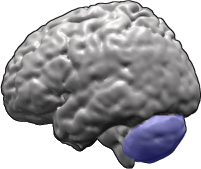
Ataxia cerebelosa com espasticidade autossômica recessiva de início tardio
📋 Origem dos dados
Esta página agrega dados de fontes públicas e oficiais. Dados sobre cobertura no SUS (PCDT, CEAF) são verificados ativamente por agente proativo (ver badge no infobox). Demais dados têm atribuição de fonte + data da última sincronização — clique para abrir o original.
- Doença rara (ontologia)
- fonte: Orphanet
- Identificador unificado
- fonte: MONDO
- Codificação WHO/SUS
- fonte: WHO ICD-10 / DATASUS
- NIH/GARD
- fonte: GARD (NIH)
- Dado público estruturado
- fonte: Wikidata
- Medicamentos aprovados FDA
- fonte: FDA OpenFDA
- Ensaios clínicos
- fonte: ClinicalTrials.gov