
Doença neurometabólica rara e potencialmente fatal, caracterizada por um curso neurodegenerativo progressivo, epilepsia, retinopatia e cardiomiopatia progressiva.
Introdução
O que você precisa saber de cara
Doença neurometabólica rara e potencialmente fatal, caracterizada por um curso neurodegenerativo progressivo, epilepsia, retinopatia e cardiomiopatia progressiva.
Escala de raridade
<1/50kMuito rara
1/20kRara
1/10kPouco freq.
1/5kIncomum
1/2k
Encontrou um erro ou informação desatualizada? Sugira uma correção →
Entender a doença
Do básico ao detalhe, leia no seu ritmo
Preparando trilha educativa...
Sinais e sintomas
O que aparece no corpo e com que frequência cada sintoma acontece
Partes do corpo afetadas
+ 30 sintomas em outras categorias
Características mais comuns
Os sintomas variam de pessoa para pessoa. Abaixo estão as 88 características clínicas mais associadas, ordenadas por frequência.
Linha do tempo da pesquisa
Encontrou um erro ou informação desatualizada? Sugira uma correção →
Genética e causas
O que está alterado no DNA e como passa nas famílias
Genes associados
1 gene identificado com associação a esta condição. Padrão de herança: X-linked dominant.
Curadoria gene-doença
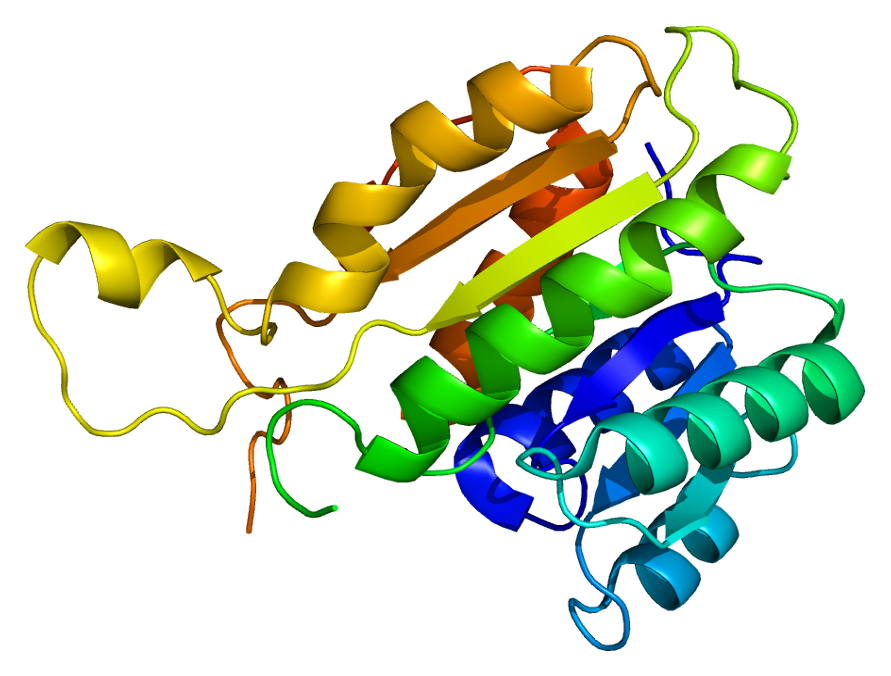
fontes oficiaisMitochondrial dehydrogenase involved in pathways of fatty acid, branched-chain amino acid and steroid metabolism (PubMed:10600649, PubMed:12917011, PubMed:18996107, PubMed:19706438, PubMed:20077426, PubMed:25925575, PubMed:26950678, PubMed:28888424, PubMed:9553139). Acts as (S)-3-hydroxyacyl-CoA dehydrogenase in mitochondrial fatty acid beta-oxidation, a major degradation pathway of fatty acids. Catalyzes the third step in the beta-oxidation cycle, namely the reversible conversion of (S)-3-hydro
MitochondrionMitochondrion matrix, mitochondrion nucleoid
HSD10 mitochondrial disease
An X-linked multisystemic disorder with highly variable severity. Age at onset ranges from the neonatal period to early childhood. Features include progressive neurodegeneration, psychomotor retardation, loss of mental and motor skills, seizures, cardiomyopathy, and visual and hearing impairment. Some patients manifest lactic acidosis and metabolic acidosis.
Variantes genéticas (ClinVar)
182 variantes patogênicas registradas no ClinVar.
Vias biológicas (Reactome)
5 vias biológicas associadas aos genes desta condição.
Diagnóstico
Os sinais que médicos procuram e os exames que confirmam
Tratamento e manejo
Remédios, cuidados de apoio e o que precisa acompanhar
Onde tratar no SUS
Hospitais de referência no Brasil e o protocolo oficial do SUS (PCDT)
🇧🇷 Atendimento SUS — Doença HSD10
Selecione um estado ou use sua localização para ver resultados.
Dados de DATASUS/CNES, SBGM, ABNeuro e Ministério da Saúde. Sempre confirme a disponibilidade diretamente com o estabelecimento.
Pesquisa ativa
Ensaios clínicos abertos e novidades científicas recentes
Pesquisa e ensaios clínicos
Nenhum ensaio clínico registrado para esta condição.
Publicações mais relevantes
A Case of 17β-Hydroxysteroid Dehydrogenase Type 10 (HSD10) Disease Caused by a Novel Variant Presenting With Rapidly Progressive Cardiomyopathy Triggered by Viral Infection.
Human 17β-hydroxysteroid dehydrogenase type 10 (HSD10) is a rare X-linked mitochondrial disorder caused by mutations in the HSD17B10 gene. It is typically associated with neurodegeneration and cardiomyopathy in severe cases. The neonatal form often has a poor prognosis; however, its clinical spectrum remains unclear. Herein, we present a neonatal-onset case of HSD10 disease with a previously unreported HSD17B10 variant presenting with early-onset cardiomyopathy triggered by a viral infection. A male infant presented with lactic acidosis and hypoglycemia on the first day of life. Initial treatment improved metabolic status. He was diagnosed with HSD10 disease using a targeted panel of nuclear and mitochondrial genes, which identified a novel hemizygous variant, NM_004493.3: c.34G>A p.(Val12Met). Cardiac function was normal at five months, but neurodevelopmental regression occurred at six months following vaccination. At seven months, viral myocarditis was diagnosed following rhinovirus/enterovirus infection. Echocardiography revealed a reduced left ventricular ejection fraction and ventricular dilation. Despite supportive therapy, cardiac function deteriorated, leading to death at nine months. A patient with a novel HSD17B10 variant showed early-onset cardiomyopathy in a neonatal case of HSD10 disease and rapid and fatal deterioration of cardiac function. This report highlights the importance of clarifying genotype-phenotype correlations to guide the diagnosis and management of rare mitochondrial diseases.
Novel Mutation in the HSD17B10 Gene Accompanied by Dysmorphic Findings in Female Patients.
Hydroxysteroid 17-beta dehydrogenase type 10 (HSD10) protein is a mitochondrial enzyme. Multisystemic involvement occurs in HSD10 deficiency as in other mitochondrial diseases. HSD10 deficiency (disease) is rare. Less than 40 index cases have been reported so far. A female patient is even rarer because of X-linked transmission. Five index female cases have been reported. We report a three-year-old female patient who was investigated due to microcephaly and global developmental delay. She had significant dysmorphic findings. The tiglylglycine peak was detected in urinary organic acid analysis. Other metabolic investigations and laboratory tests were unremarkable. Mild cerebral atrophy, mild ventricular dilation, thin corpus callosum, and an increase in T2 signal in the globus pallidus were revealed at brain magnetic resonance imaging. Heterozygous novel mutation in the HSD17B10 gene was found by whole-exome sequencing (WES) analysis. We started isoleucine-restricted diet and a "cocktail" of the mitochondrial vitamin. We will see HSD10 disease patients more frequently with the increasing use of WES and genetic panels. Thus, different findings and phenotypes of the HSD10 disease will be revealed.
HSD10 disease in a female patient with juvenile onset parkinsonism.
ost in promiscuity? An evolutionary and biochemical evaluation of HSD10 function in cardiolipin metabolism.
Multifunctional proteins are challenging as it can be difficult to confirm pathomechanisms associated with disease-causing genetic variants. The human 17β-hydroxysteroid dehydrogenase 10 (HSD10) is a moonlighting enzyme with at least two structurally and catalytically unrelated functions. HSD10 disease was originally described as a disorder of isoleucine metabolism, but the clinical manifestations were subsequently shown to be linked to impaired mtDNA transcript processing due to deficient function of HSD10 in the mtRNase P complex. A surprisingly large number of other, mostly enzymatic and potentially clinically relevant functions have been attributed to HSD10. Recently, HSD10 was reported to exhibit phospholipase C-like activity towards cardiolipins (CL), important mitochondrial phospholipids. To assess the physiological role of the proposed CL-cleaving function, we studied CL architectures in living cells and patient fibroblasts in different genetic backgrounds and lipid environments using our well-established LC-MS/MS cardiolipidomic pipeline. These experiments revealed no measurable effect on CLs, indicating that HSD10 does not have a physiologically relevant function towards CL metabolism. Evolutionary constraints could explain the broad range of reported substrates for HSD10 in vitro. The combination of an essential structural with a non-essential enzymatic function in the same protein could direct the evolutionary trajectory towards improvement of the former, thereby increasing the flexibility of the binding pocket, which is consistent with the results presented here.
HSD10 disease in a female: A case report and review of literature.
HSD10 disease is a rare X-linked mitochondrial disorder caused by pathogenic variants in the HSD17B10 gene. The phenotype results from impaired 17β-hydroxysteroid dehydrogenase 10 (17β-HSD10) protein structure and function. HSD10 is a multifunctional protein involved in enzymatic degradation of isoleucine and branched-chain fatty acids, the metabolism of sex hormones and neurosteroids, as well as in regulating mitochondrial RNA maturation. HSD10 disease is characterised by progressive neurologic impairment. Disease onset is varied and includes neonatal-onset, infantile-onset and late-onset in males. Females can also be affected. Our index case is a 45-month-old female, who initially presented at 11 months of age with global developmental delay. She subsequently began to lose previously acquired cognitive and motor skills starting around 29 months of age. Brain MRI showed abnormalities in the basal ganglia indicative of possible mitochondrial disease. Urine organic acid analysis revealed elevations of 2-methyl-3-hydroxybutyric acid and tiglyglycine. HSD17B10 gene sequencing revealed a likely pathogenic variant, NM_001037811.2:c.439C>T (p.Arg147Cys) inherited from her mother, expected to be causative of HSD10 disease. Her X-chromosome inactivation study is consistent with a skewed X-inactivation pattern. We report a female patient with HSD10 disease caused by a missense pathogenic variant, Arg147Cys in the HSD17B10 gene. The patient is the fifth severely affected female with this disease. This case adds to the small number of known affected families with this highly variable disease in the literature. These findings support the possibility of X-inactivation patterns influencing the penetrance of HSD10 disease in females.
Publicações recentes
A Case of 17β-Hydroxysteroid Dehydrogenase Type 10 (HSD10) Disease Caused by a Novel Variant Presenting With Rapidly Progressive Cardiomyopathy Triggered by Viral Infection.
Novel Mutation in the HSD17B10 Gene Accompanied by Dysmorphic Findings in Female Patients.
HSD10 disease in a female patient with juvenile onset parkinsonism.
ost in promiscuity? An evolutionary and biochemical evaluation of HSD10 function in cardiolipin metabolism.
HSD10 disease in a female: A case report and review of literature.
📚 EuropePMC9 artigos no totalmostrando 10
A Case of 17β-Hydroxysteroid Dehydrogenase Type 10 (HSD10) Disease Caused by a Novel Variant Presenting With Rapidly Progressive Cardiomyopathy Triggered by Viral Infection.
CureusNovel Mutation in the HSD17B10 Gene Accompanied by Dysmorphic Findings in Female Patients.
Molecular syndromologyHSD10 disease in a female patient with juvenile onset parkinsonism.
Movement disorders clinical practiceost in promiscuity? An evolutionary and biochemical evaluation of HSD10 function in cardiolipin metabolism.
Cellular and molecular life sciences : CMLSHSD10 disease in a female: A case report and review of literature.
JIMD reportsJapanese Male Siblings with 2-Methyl-3-Hydroxybutyryl-CoA Dehydrogenase Deficiency (HSD10 Disease) Without Neurological Regression.
JIMD reportsHydroxysteroid 17-Beta Dehydrogenase Type 10 Disease in Siblings.
JIMD reportsA novel HSD17B10 mutation impairing the activities of the mitochondrial RNase P complex causes X-linked intractable epilepsy and neurodevelopmental regression.
RNA biologyMolecular insights into HSD10 disease: impact of SDR5C1 mutations on the human mitochondrial RNase P complex.
Nucleic acids researchMitochondrial energy failure in HSD10 disease is due to defective mtDNA transcript processing.
MitochondrionAssociações
Organizações que acompanham esta doença — pra ter apoio e orientação
Ainda não temos associações cadastradas para Doença HSD10.
É de uma associação que acompanha esta doença? Fale com a gente →
Comunidades
Grupos ativos de quem convive com esta doença aqui no Raras
Ainda não existe comunidade no Raras para Doença HSD10
Pacientes, familiares e cuidadores se organizam em comunidades pra compartilhar experiências, fazer perguntas e se apoiar. Você pode ser o primeiro.
Tire suas dúvidas
Perguntas, dicas e experiências compartilhadas aqui na página
Participe da discussão
Faça login para postar dúvidas, compartilhar experiências e interagir com especialistas.
Fazer loginDoenças relacionadas
Doenças com sintomas parecidos — ajudam quem ainda está buscando diagnóstico
Referências e fontes
Bases de dados externas citadas neste artigo
Publicações científicas
Artigos indexados no PubMed ligados a esta doença no grafo RarasNet — título, periódico e PMID direto da fonte, sem intermediação de IA.
- A Case of 17β-Hydroxysteroid Dehydrogenase Type 10 (HSD10) Disease Caused by a Novel Variant Presenting With Rapidly Progressive Cardiomyopathy Triggered by Viral Infection.
- Novel Mutation in the HSD17B10 Gene Accompanied by Dysmorphic Findings in Female Patients.
- HSD10 disease in a female patient with juvenile onset parkinsonism.
- ost in promiscuity? An evolutionary and biochemical evaluation of HSD10 function in cardiolipin metabolism.
- HSD10 disease in a female: A case report and review of literature.
Bases de dados e fontes oficiais
Identificadores e referências canônicas usadas para montar este verbete.
- ORPHA:391417(Orphanet)
- OMIM OMIM:300220(OMIM)
- MONDO:0010327(MONDO)
- GARD:10716(GARD (NIH))
- Variantes catalogadas(ClinVar)
- Busca completa no PubMed(PubMed)
- Q50846110(Wikidata)
Dados compilados pelo RarasNet a partir de fontes abertas (Orphanet, OMIM, MONDO, PubMed/EuropePMC, ClinicalTrials.gov, DATASUS, PCDT/MS). Este conteúdo é informativo e não substitui avaliação médica.
Conteúdo mantido por Agente Raras · Médicos e pesquisadores podem colaborar
Doença HSD10
📋 Origem dos dados
Esta página agrega dados de fontes públicas e oficiais. Dados sobre cobertura no SUS (PCDT, CEAF) são verificados ativamente por agente proativo (ver badge no infobox). Demais dados têm atribuição de fonte + data da última sincronização — clique para abrir o original.
- Doença rara (ontologia)
- fonte: Orphanet
- Identificador unificado
- fonte: MONDO
- Genética mendeliana
- fonte: OMIM
- Codificação WHO/SUS
- fonte: WHO ICD-10 / DATASUS
- CID-11 (futuro)
- fonte: WHO ICD-11
- NIH/GARD
- fonte: GARD (NIH)
- Indexação biomédica
- fonte: MeSH (NLM)
- Dado público estruturado
- fonte: Wikidata