
A cistinose ocular é a forma leve da cistinose que se manifesta em adultos. É uma doença metabólica (ligada ao funcionamento do corpo) onde cristais de cistina se acumulam na córnea (a camada transparente na frente do olho) e na conjuntiva (a membrana que cobre a parte branca do olho). Esse acúmulo causa lacrimejamento e fotofobia (sensibilidade à luz), mas não há outros sintomas ou problemas associados.
Introdução
O que você precisa saber de cara
A cistinose ocular é a forma leve da cistinose que se manifesta em adultos. É uma doença metabólica (ligada ao funcionamento do corpo) onde cristais de cistina se acumulam na córnea (a camada transparente na frente do olho) e na conjuntiva (a membrana que cobre a parte branca do olho). Esse acúmulo causa lacrimejamento e fotofobia (sensibilidade à luz), mas não há outros sintomas ou problemas associados.
Escala de raridade
<1/50kMuito rara
1/20kRara
1/10kPouco freq.
1/5kIncomum
1/2k
Encontrou um erro ou informação desatualizada? Sugira uma correção →
Entender a doença
Do básico ao detalhe, leia no seu ritmo
Preparando trilha educativa...
Sinais e sintomas
O que aparece no corpo e com que frequência cada sintoma acontece
Partes do corpo afetadas
+ 4 sintomas em outras categorias
Características mais comuns
Os sintomas variam de pessoa para pessoa. Abaixo estão as 9 características clínicas mais associadas, ordenadas por frequência.
Linha do tempo da pesquisa
Encontrou um erro ou informação desatualizada? Sugira uma correção →
Genética e causas
O que está alterado no DNA e como passa nas famílias
Genes associados
1 gene identificado com associação a esta condição. Padrão de herança: Autosomal recessive.
Curadoria gene-doença
fontes oficiaisCystine/H(+) symporter that mediates export of cystine, the oxidized dimer of cysteine, from lysosomes (PubMed:11689434, PubMed:15128704, PubMed:18337546, PubMed:22232659, PubMed:29467429, PubMed:33208952, PubMed:36113465). Plays an important role in melanin synthesis by catalyzing cystine export from melanosomes, possibly by inhibiting pheomelanin synthesis (PubMed:22649030). In addition to cystine export, also acts as a positive regulator of mTORC1 signaling in kidney proximal tubular cells, v
Lysosome membraneMelanosome membraneCell membrane
Cystinosis, nephropathic type
A form of cystinosis, a lysosomal storage disease due to defective transport of cystine across the lysosomal membrane. This results in cystine accumulation and crystallization in the cells causing widespread tissue damage. The classical nephropathic form has onset in the first year of life and is characterized by a polyuro-polydipsic syndrome, marked height-weight growth delay, generalized impaired proximal tubular reabsorptive capacity, with severe fluid-electrolyte balance alterations, renal failure, ocular symptoms and other systemic complications.
Variantes genéticas (ClinVar)
702 variantes patogênicas registradas no ClinVar.
Classificação de variantes (ClinVar)
Distribuição de 731 variantes classificadas pelo ClinVar.
Vias biológicas (Reactome)
2 vias biológicas associadas aos genes desta condição.
Diagnóstico
Os sinais que médicos procuram e os exames que confirmam
Tratamento e manejo
Remédios, cuidados de apoio e o que precisa acompanhar
Onde tratar no SUS
Hospitais de referência no Brasil e o protocolo oficial do SUS (PCDT)
🇧🇷 Atendimento SUS — Cistinose ocular
Selecione um estado ou use sua localização para ver resultados.
Dados de DATASUS/CNES, SBGM, ABNeuro e Ministério da Saúde. Sempre confirme a disponibilidade diretamente com o estabelecimento.
Pesquisa ativa
Ensaios clínicos abertos e novidades científicas recentes
Ensaios em destaque
🟢 Recrutando agora
1 pesquisa recrutando participantes. Converse com seu médico sobre a possibilidade de participar.
Outros ensaios clínicos
Publicações mais relevantes
Shimmering Clarity: A Rare Case Report of Ocular Cystinosis.
Ocular cystinosis is a rare hereditary lysosomal storage disorder characterized by amino acid cystine deposition in various tissues, prominently affecting the cornea and conjunctiva. While typically diagnosed in childhood, cases in adults may present atypically or as part of the nephropathic spectrum. This report highlights the clinical presentation, diagnosis, and management of ocular cystinosis in a 37-year-old male. A 37-year-old male presented with complaints of photophobia and ocular discomfort for a duration of 6 months. On slit-lamp examination, characteristic crystalline deposits were observed in the corneal stroma. Additional findings included mild conjunctival injection. Visual acuity was 6/6 in both eyes. Anterior segment optical coherence tomography demonstrated hyperreflective deposits up to corneal stroma, while specular microscopy revealed a normal endothelial cell count and morphology. Systemic evaluation revealed no signs of cystinosis. The patient was treated with topical cysteamine ophthalmic solution 0.44%, resulting in subjective improvement in photophobia and stabilization of corneal findings over a 6-month follow-up period. This case underscores the importance of recognizing ocular manifestations of cystinosis in adult patients, particularly those with no history or signs of systemic involvement. Early and sustained use of topical cysteamine ophthalmic solutions can significantly mitigate symptoms and prevent progression of corneal changes. Comprehensive management necessitates a multidisciplinary approach to address systemic and ocular sequelae of the disease.
Cystadrops® Eye Drops for the Management of Ocular Cystinosis in Patients Aged 6 Months to < 2 Years.
Cystinosis is a multisystemic disease manifesting in the eyes initially as asymptomatic corneal cystine crystals and later with photophobia and serious visual impairment. Systemic effects of cystinosis arise from multiple cellular dysfunctions, causing early presymptomatic effects and progressive complications. Corneal crystals are observed across all layers of the cornea from infancy, and crystal accumulation during childhood is rapid. Early treatment is imperative, but in Europe, at the time of this study, no topical therapy was licensed for patients < 2 years of age. This study was a paediatric investigation plan approved by the European Medicines Agency to assess the safety profile and efficacy of Cystadrops® (cysteamine hydrochloride 0.55%) over a 90-day period in patients aged 6 to < 24 months. Five patients were monitored for adverse events throughout the study. Corneal crystal score, photophobia, and best corrected visual acuity were assessed in each patient at day 1 and day 90, where possible. Compliance to Cystadrops® treatment was recorded. All primary endpoints were met. Any adverse events were mild and did not prevent treatment continuation. Corneal cystine crystal and photophobia scores declined or remained constant in all patients at a stage in life when an increase might be expected. Although the rarity of the disease renders large studies on infants impracticable, there is no indication that the safety and efficacy profile of Cystadrops® differs in patients above or below 2 years of age. The authors recommend treatment initiation as soon as corneal crystals are apparent. Clinical Trials No: 2018-002984-24. Cystinosis comprises three allelic clinical phenotypes caused by pathogenic variants in CTNS. Nephropathic (infantile) cystinosis: Characterized in untreated infants/children by renal Fanconi syndrome, poor growth, hypophosphatemic/calcipenic rickets, impaired glomerular function resulting in complete glomerular failure, and accumulation of cystine in almost all cells, leading to cellular dysfunction with tissue and organ impairment. This is the most common form (95% of individuals with cystinosis). The typical untreated child has short stature, rickets, and photophobia. Failure to gain weight is generally noticed after approximately age six months; signs of renal tubular Fanconi syndrome (polyuria, polydipsia, dehydration, and acidosis) appear as early as age six months and progress to end-stage kidney disease within the first 12 years of life if untreated; corneal crystals can be present before age one year and are typically present after age 16 months. Laboratory findings include hypochloremic metabolic acidosis; increased urinary excretion of electrolytes (sodium, potassium, bicarbonate), minerals (calcium, phosphate, magnesium), glucose, amino acids, and tubular protein including β2-microglobulin; elevated serum alkaline phosphatase; and hypocalcemia, hypophosphatemia, and hypokalemia. Prior to cystine-depleting drug therapy and kidney transplantation the life span in nephropathic cystinosis was less than ten years. With these treatment interventions, some affected individuals can survive at least into the mid-forties or fifties with satisfactory quality of life. Later-onset (juvenile) cystinosis: Characterized by the typical manifestations of nephropathic cystinosis, but onset is at a later age. Renal glomerular failure occurs in untreated affected individuals, usually between ages 15 and 25 years. This form accounts for ~5% of individuals with cystinosis. Non-nephropathic adult (ocular) cystinosis: Characterized by photophobia resulting from corneal cystine crystal accumulation. The diagnosis of cystinosis is established in a proband with cystine crystals in the cornea identified on slit lamp examination, elevated cystine concentration in polymorphonuclear leukocytes, and/or demonstration of increased cystine content in cultured fibroblasts or in the placenta at the time of birth, and biallelic pathogenic variants in CTNS identified by molecular genetic testing. Targeted therapies: Early treatment with cystine depletion therapy (cysteamine bitartrate) significantly delays progression of glomerular damage. Cysteamine ophthalmic drops can relieve photophobia. Kidney transplantation is indicated when other medical treatments are no longer effective. Supportive care: Nutrition and feeding support; growth hormone therapy as needed; education regarding nutrition and avoidance of dehydration. Renal Fanconi syndrome is treated by replacement of tubular losses of electrolytes, bicarbonate, minerals, and other small-molecular-weight nutrients; children should have free access to water and bathroom privileges and supplementation with citrate to alkalinize the blood; fluid and nutrient replacement during episodes of dehydration. Phosphate replacement to prevent and treat rickets; vitamin D supplementation; treatment of skeletal deformities per orthopedist; additional treatment of renal glomerular disease include dialysis and kidney transplant; additional treatments for photophobia include sun avoidance, dark glasses and lubrication; anti-inflammatory agents or other local treatments for corneal complications; L-thyroxine as needed for hypothyroidism; diuretics or CSF drainage may be necessary for intracranial hypertension. Other treatments may include insulin for diabetes mellitus, testosterone for hypogonadism in males, and referral for fertility care; regular exercise and physical therapy for muscle deterioration; L-carnitine may improve muscle strength; treatment per pulmonologist for respiratory manifestations; proton pump inhibitors for gastric acid hypersecretion; treatment of other GI complications per gastroenterologist; treatment of cardiovascular and coagulation complications per cardiologist, vascular specialist, and/or hematologist; developmental and educational support; speech therapy, physical therapy, and occupational therapy for neurologic complications; treatment of immune dysfunction due to anti-rejection medications per transplant specialist; sunscreen and sun-protective clothing; dental care; psychosocial support. Surveillance: Growth assessment every three to six months throughout childhood, including evaluations of weight, nutrition, and feeding difficulties; evaluation for progressive muscle weakness and swallowing difficulties in those with advanced disease; evaluation by a nephrologist including kidney function tests every three to six months, depending on the severity of kidney impairment; evaluation by metabolic specialist including serum electrolytes, calcium, phosphate, alkaline phosphatase, and intact parathyroid hormone annually or more frequently as needed; skeletal radiographs and DXA scan annually or as needed beginning at age two years; kidney ultrasound every one to two years beginning at age six years; dental exams every six months; detailed ophthalmologic evaluation every six to twelve months with fundoscopic examination to screen for increased intracranial pressure; endocrinology evaluation including thyroid function tests every six months; testosterone, inhibin B, luteinizing hormone, and follicle-stimulating hormone (in males) annually starting before puberty, then as indicated; fasting blood glucose concentration every six to 12 months beginning in adolescence. Neurologic, neurocognitive, and physical and occupational therapy evaluations include visual-motor integration, visual memory, planning, sustained attention, and motor speed every six to 12 months beginning at age seven to eight years. Brain CT or MRI for evaluation of cerebral atrophy or calcifications every two to three years in those with advanced disease. Electroneuromyography, six-minute walk test, and motor function measurement as recommended by neurologist; assess for respiratory manifestations annually; pulmonary function tests as needed; gastroenterologist evaluation every six to 12 months with liver and pancreatic function tests, clinical exam for hepatomegaly and splenomegaly, and assessment for symptoms of gastroesophageal reflux disease annually or more frequently as needed; abdominal ultrasound as needed; annual assessment for cardiac manifestations; chest CT and EKG for detection of coronary and other vascular calcification every two to three years in those with advanced disease; assess for signs and symptoms of coagulation disorder at each visit in adults; assess for signs and symptoms of immunodeficiency due to anti-rejection medications at each visit after kidney transplant; annual dermatology exam in adults especially following kidney transplant; psychosocial assessment including assessment for depression and anxiety annually or more frequently as needed. Agents/circumstances to avoid: Dehydration; sun exposure if photophobia is present. Evaluation of relatives at risk: Biochemical or molecular genetic testing of all at-risk sibs of any age is warranted to allow for early diagnosis and treatment. Pregnancy management: Pregnancies in females with cystinosis are at increased risk for premature delivery and must be monitored. Fluid and electrolyte status require careful management. Females should be counseled that they will need to stop cysteamine treatment during pregnancy. Pregnancy should be managed by an experienced obstetrician and nephrologist due to high incidence of polypharmacy and comorbidities associated with cystinosis, such as chronic kidney disease, hypothyroidism, hypertension, diabetes, and pulmonary and neuromuscular complications. Cystinosis is inherited in an autosomal recessive manner. If both parents are known to be heterozygous for a CTNS pathogenic variant, each sib of an affected individual has at conception a 25% chance of being affected, a 50% chance of being an asymptomatic carrier, and a 25% chance of being unaffected and not a carrier. Once the CTNS pathogenic variants have been identified in an affected individual, carrier testing for at-risk family members and prenatal/preimplantation genetic testing for cystinosis are possible.
Theranostic Contact Lens for Ocular Cystinosis Utilizing Gold Nanoparticles.
Ocular cystinosis is a disease in which accumulated cystine crystals cause damage to the eyes, necessitating timely treatment and ongoing monitoring of cystine levels. The current treatment involves frequent administration of cysteamine eye drops, which suffer from low bioavailability and can lead to drug toxicity, making it essential to prescribe an appropriate dosage based on the patient's condition. Additionally, cystine crystal levels are typically assessed subjectively via slit-lamp examination, requiring frequent clinical visits and causing discomfort for the patient. In this study, we propose a theranostic contact lens that simultaneously performs therapy and diagnosis on a single platform utilizing gold nanoparticles (GNPs). The binding interactions between GNPs and cystine were confirmed in solution, and thermodynamic analysis further elucidated the bonding force between the two substances. With a comprehensive understanding of these interactions, we investigated the potential of the theranostic GNP-loaded contact lens (GNP-CL). Upon exposure to various concentrations of cystine, the GNP-CL demonstrated distinct color changes, transitioning from red to blue. This color shift enabled quantitative monitoring of cystine levels. The treatment efficacy was validated by confirming a reduction in cystine concentration following the reaction. This platform has the potential to improve disease management in ocular cystinosis by reducing the reliance on cysteamine and offering an objective self-monitoring tool that does not require specialized equipment.
Ocular Cystinosis Experience in Southwestern Ontario.
To evaluate ocular treatment adherence and its impact on clinical outcomes in patients with cystinosis in southwestern Ontario, where the disease incidence is higher due to a founder effect in the Old Order Amish population. This was a retrospective case series of patients with ocular cystinosis seen at Victoria Hospital and the Ivey Eye Institute at St Joseph's Health Care in London, Ontario, Canada, from 2008 to 2023. The authors investigated the demographics, ocular manifestations, and visual outcomes and characteristics in pediatric patients with ocular cystinosis. They also conducted qualitative analysis to characterize medication compliance and identify treatment barriers to compliance. This study included 14 patients with ocular cystinosis. In southwestern Ontario, the incidence of cystinosis is approximately 1 in 4,700 live births. Most patients were Old Order Amish, with a family history of cystinosis and consanguineous parents. During treatment, patients were typically asymptomatic, but photophobia was the most reported symptom. Slit-lamp examination revealed cystine crystals in the cornea of all patients; however, best corrected visual acuity and intraocular pressure were unremarkable in every case. A Fisher's exact test revealed a trend toward lower compliance in Amish patients compared to non-Amish patients (odds ratio: 0.067, P = .103). Significant treatment barriers for patients with ocular cystinosis were identified, including compliance issues with frequent eye drop regimens, educational and financial burdens, and geographical and cultural challenges, all impacting patient care and follow-up. This study highlights the need for improved strategies to improve treatment compliance and overcome barriers to care for patients with ocular cystinosis, particularly within the Old Order Amish population in southwestern Ontario, to ensure better clinical outcomes and quality of life. [J Pediatr Ophthalmol Strabismus. 2025;62(2):105-115.].
Evaluation of a new classification system for measuring the progression of ocular cystinosis: an analysis of 64 patients.
To analyse the correlation between the physician categories defined by the 3C classification (crystal-complication-compliance) and the ocular manifestations of nephropathic cystinosis. The last visit data of 64 patients aged between 2 and 64 attending the centre for management of cystinosis were reviewed. Each patient had been placed into one of four categories by the clinician based on disease severity. The correlation between these categories and markers of the disease was assessed using Pearson's correlation. Photophobia (0.647, p<0.001), visual acuity (-0.695, p<0.001), Gahl's score (0.603, p<0.001), optical coherence tomography (OCT)% (0.713, p<0.001) and in vivo confocal microscopy (IVCM)% (0.845, p<0.001), showed a strong, highly significant correlation between key signs and symptoms and the 3C classification. Corneal complications were strongly correlated with the 3C classification with scores of 0.802 (p<0.001), 0.634 (p<0.001), 0.726 (p<0.001) and 0.677 (p<0.001) for band keratopathy, keratitis, neovascularisation and corneal ulceration, respectively. 75% of those classified as most severe had all four complications. The use of artificial tears and ciclosporin strongly correlated with the categorisation, 0.574 (p<0.001) and 0.631 (p<0.001), respectively. With all cystinosis markers, the 3C classification showed a stronger correlation than age and crystal scores by Gahl's and OCT. Category and age were strongly correlated (0.656, p<0.001). There was a moderate negative correlation with therapeutic compliance with cysteamine eye-drops and categorisation (-0.422, p<0.001). The compliance pattern observed may help to explain why the disease progresses in some patients. 3C classification is a reliable tool to categorise ocular cystinosis and can support clinical management decisions allowing more reliable comparison of datasets.
Publicações recentes
Shimmering Clarity: A Rare Case Report of Ocular Cystinosis.
Cystadrops(®) Eye Drops for the Management of Ocular Cystinosis in Patients Aged 6 Months to < 2 Years.
Theranostic Contact Lens for Ocular Cystinosis Utilizing Gold Nanoparticles.
Ocular Cystinosis Experience in Southwestern Ontario.
📚 EuropePMC18 artigos no totalmostrando 25
Shimmering Clarity: A Rare Case Report of Ocular Cystinosis.
Case reports in ophthalmologyCystadrops® Eye Drops for the Management of Ocular Cystinosis in Patients Aged 6 Months to < 2 Years.
Ophthalmology and therapyTheranostic Contact Lens for Ocular Cystinosis Utilizing Gold Nanoparticles.
BiosensorsOcular Cystinosis Experience in Southwestern Ontario.
Journal of pediatric ophthalmology and strabismusEvaluation of a new classification system for measuring the progression of ocular cystinosis: an analysis of 64 patients.
The British journal of ophthalmologyThe gene therapy for corneal pathology with novel nonsense cystinosis mouse lines created by CRISPR Gene Editing.
The ocular surfaceThe Pitfall of White Blood Cell Cystine Measurement to Diagnose Juvenile Cystinosis.
International journal of molecular sciencesThermo-responsive and mucoadhesive gels for the treatment of cystinosis.
Biomaterials advancesIn vitro activity of cysteamine against SARS-CoV-2 variants.
Molecular genetics and metabolismImportance of adherence to topical cysteamine in infantile ocular cystinosis: An illustrative case.
Indian journal of ophthalmologyMolecular characterization of CTNS mutations in Tunisian patients with ocular cystinosis.
Diagnostic pathologyAnalysis of tear film in cystinosis patients treated with topical viscous cysteamine hydrochloride (Cystadrops®).
European journal of ophthalmologyLimitations and Challenges in the Stability of Cysteamine Eye Drop Compounded Formulations.
Pharmaceuticals (Basel, Switzerland)Spectral domain optical coherence tomography-based retinochoroidal cystine crystal score: a window into infantile nephropathic cystinosis.
The British journal of ophthalmologyGold nanoparticle synthesis in contact lenses for drug-less ocular cystinosis treatment.
European journal of pharmaceutics and biopharmaceutics : official journal of Arbeitsgemeinschaft fur Pharmazeutische Verfahrenstechnik e.VRecent Research in Ocular Cystinosis: Drug Delivery Systems, Cysteamine Detection Methods and Future Perspectives.
PharmaceuticsOphthalmic Evaluation of Diagnosed Cases of Eye Cystinosis: A Tertiary Care Center's Experience.
Diagnostics (Basel, Switzerland)Establishing an objective biomarker for corneal cystinosis using a threshold-based Spectral domain optical coherence tomography imaging algorithm.
Acta ophthalmologicaOcular cystinosis: Rarity redefined.
Indian journal of ophthalmologyAnterior Segment Optical Coherence Tomography of Ocular Cystinosis Confirmed by Electron Microscopy.
Ocular oncology and pathologyA case of ocular cystinosis associated with two potentially severe CTNS mutations.
Ophthalmic geneticsLatest Clinical Approaches in the Ocular Management of Cystinosis: A Review of Current Practice and Opinion from the Ophthalmology Cystinosis Forum.
Ophthalmology and therapy[Cysteamine ophthalmic hydrogel for the treatment of ocular cystinosis].
Farmacia hospitalaria : organo oficial de expresion cientifica de la Sociedad Espanola de Farmacia HospitalariaEffect of pH and penetration enhancers on cysteamine stability and trans-corneal transport.
European journal of pharmaceutics and biopharmaceutics : official journal of Arbeitsgemeinschaft fur Pharmazeutische Verfahrenstechnik e.VA case of corneal cystinosis in a patient with rickets and chronic renal failure.
Indian journal of ophthalmologyAssociações
Organizações que acompanham esta doença — pra ter apoio e orientação
Ainda não temos associações cadastradas para Cistinose ocular.
É de uma associação que acompanha esta doença? Fale com a gente →
Comunidades
Grupos ativos de quem convive com esta doença aqui no Raras
Ainda não existe comunidade no Raras para Cistinose ocular
Pacientes, familiares e cuidadores se organizam em comunidades pra compartilhar experiências, fazer perguntas e se apoiar. Você pode ser o primeiro.
Tire suas dúvidas
Perguntas, dicas e experiências compartilhadas aqui na página
Participe da discussão
Faça login para postar dúvidas, compartilhar experiências e interagir com especialistas.
Fazer loginDoenças relacionadas
Doenças com sintomas parecidos — ajudam quem ainda está buscando diagnóstico
Referências e fontes
Bases de dados externas citadas neste artigo
Publicações científicas
Artigos indexados no PubMed ligados a esta doença no grafo RarasNet — título, periódico e PMID direto da fonte, sem intermediação de IA.
- Shimmering Clarity: A Rare Case Report of Ocular Cystinosis.
- Cystadrops® Eye Drops for the Management of Ocular Cystinosis in Patients Aged 6 Months to < 2 Years.
- Theranostic Contact Lens for Ocular Cystinosis Utilizing Gold Nanoparticles.
- Ocular Cystinosis Experience in Southwestern Ontario.
- Evaluation of a new classification system for measuring the progression of ocular cystinosis: an analysis of 64 patients.
- Cystinosis.
Bases de dados e fontes oficiais
Identificadores e referências canônicas usadas para montar este verbete.
- ORPHA:411641(Orphanet)
- OMIM OMIM:219750(OMIM)
- MONDO:0009064(MONDO)
- GARD:9756(GARD (NIH))
- Variantes catalogadas(ClinVar)
- Busca completa no PubMed(PubMed)
- Q55998570(Wikidata)
Dados compilados pelo RarasNet a partir de fontes abertas (Orphanet, OMIM, MONDO, PubMed/EuropePMC, ClinicalTrials.gov, DATASUS, PCDT/MS). Este conteúdo é informativo e não substitui avaliação médica.
Conteúdo mantido por Agente Raras · Médicos e pesquisadores podem colaborar
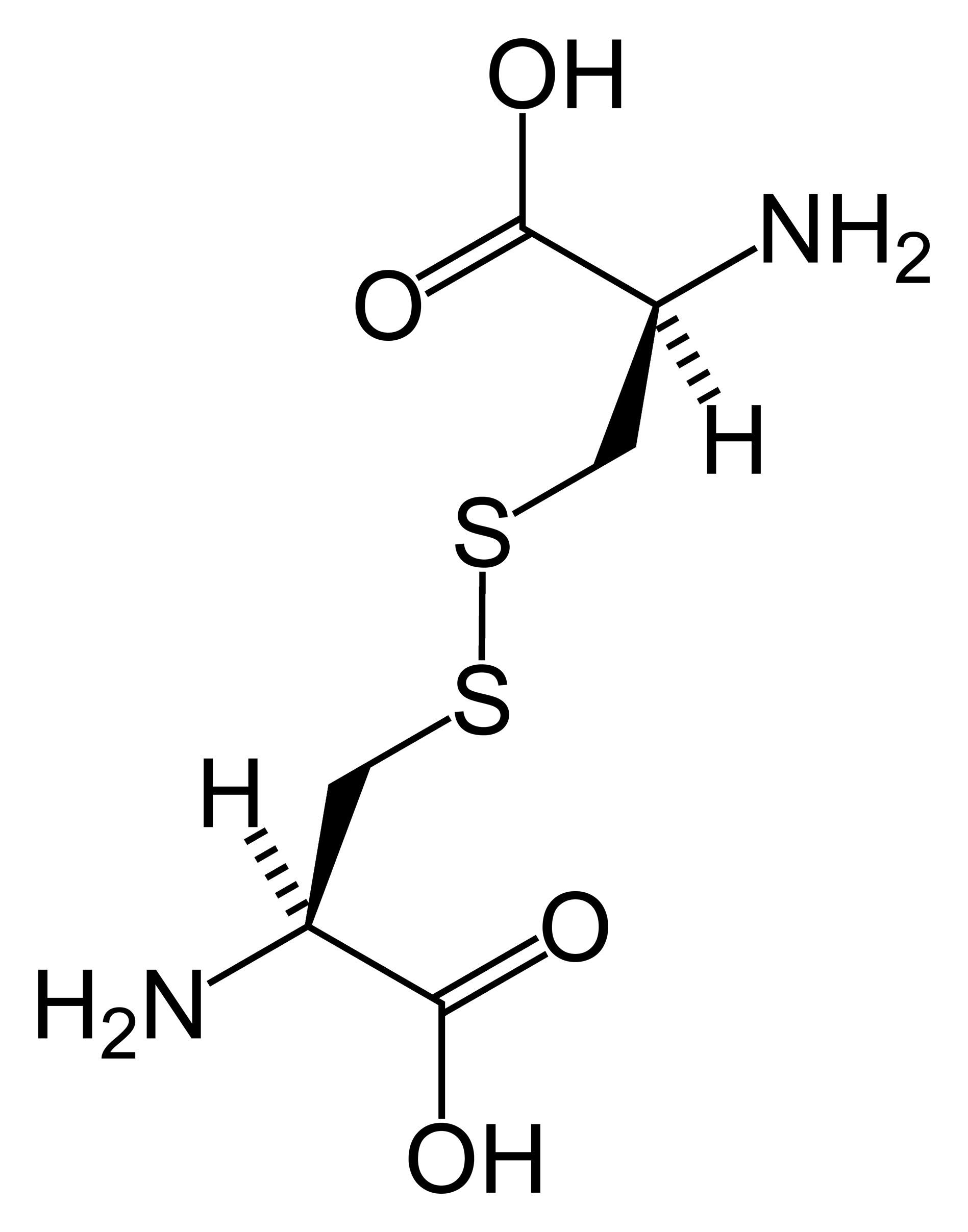
Cistinose ocular
📋 Origem dos dados
Esta página agrega dados de fontes públicas e oficiais. Dados sobre cobertura no SUS (PCDT, CEAF) são verificados ativamente por agente proativo (ver badge no infobox). Demais dados têm atribuição de fonte + data da última sincronização — clique para abrir o original.
- Doença rara (ontologia)
- fonte: Orphanet
- Identificador unificado
- fonte: MONDO
- Genética mendeliana
- fonte: OMIM
- Codificação WHO/SUS
- fonte: WHO ICD-10 / DATASUS
- NIH/GARD
- fonte: GARD (NIH)
- Indexação biomédica
- fonte: MeSH (NLM)
- Dado público estruturado
- fonte: Wikidata
- Reposicionamento
- fonte: Drug Repurposing Hub
- Ensaios clínicos
- fonte: ClinicalTrials.gov