
A Glicosúria Renal Familiar (GRF) é uma condição em que há glicose (açúcar) de forma persistente na urina, mas sem problemas mais amplos nos rins (na parte chamada túbulo proximal) e sem açúcar alto no sangue. A GRF geralmente é vista como uma condição não grave, já que a maioria das pessoas afetadas não tem problemas sérios de saúde por causa dela. Urinar muito (poliúria), fazer xixi na cama (enurese) e, mais tarde, um pequeno atraso no crescimento e no desenvolvimento da puberdade são as únicas manifestações relatadas em um acompanhamento de 30 anos. Em casos mais graves, foram ocasionalmente relatados episódios de desidratação e cetose (uma substância que o corpo produz na falta de açúcar) durante a gravidez e períodos de jejum prolongado, além de uma maior frequência de infecções urinárias. A GRF é causada por mutações (alterações) que fazem com que o gene SLC5A2 perca a sua função normal, localizado na posição 16p11.2.
Introdução
O que você precisa saber de cara
A Glicosúria Renal Familiar (GRF) é uma condição em que há glicose (açúcar) de forma persistente na urina, mas sem problemas mais amplos nos rins (na parte chamada túbulo proximal) e sem açúcar alto no sangue. A GRF geralmente é vista como uma condição não grave, já que a maioria das pessoas afetadas não tem problemas sérios de saúde por causa dela. Urinar muito (poliúria), fazer xixi na cama (enurese) e, mais tarde, um pequeno atraso no crescimento e no desenvolvimento da puberdade são as únicas manifestações relatadas em um acompanhamento de 30 anos. Em casos mais graves, foram ocasionalmente relatados episódios de desidratação e cetose (uma substância que o corpo produz na falta de açúcar) durante a gravidez e períodos de jejum prolongado, além de uma maior frequência de infecções urinárias. A GRF é causada por mutações (alterações) que fazem com que o gene SLC5A2 perca a sua função normal, localizado na posição 16p11.2.
Escala de raridade
<1/50kMuito rara
1/20kRara
1/10kPouco freq.
1/5kIncomum
1/2k
Encontrou um erro ou informação desatualizada? Sugira uma correção →
Entender a doença
Do básico ao detalhe, leia no seu ritmo
Preparando trilha educativa...
Sinais e sintomas
O que aparece no corpo e com que frequência cada sintoma acontece
Partes do corpo afetadas
+ 11 sintomas em outras categorias
Características mais comuns
Os sintomas variam de pessoa para pessoa. Abaixo estão as 20 características clínicas mais associadas, ordenadas por frequência.
Linha do tempo da pesquisa
Encontrou um erro ou informação desatualizada? Sugira uma correção →
Genética e causas
O que está alterado no DNA e como passa nas famílias
Genes associados
1 gene identificado com associação a esta condição. Padrão de herança: Autosomal dominant, Autosomal recessive.
Curadoria gene-doença
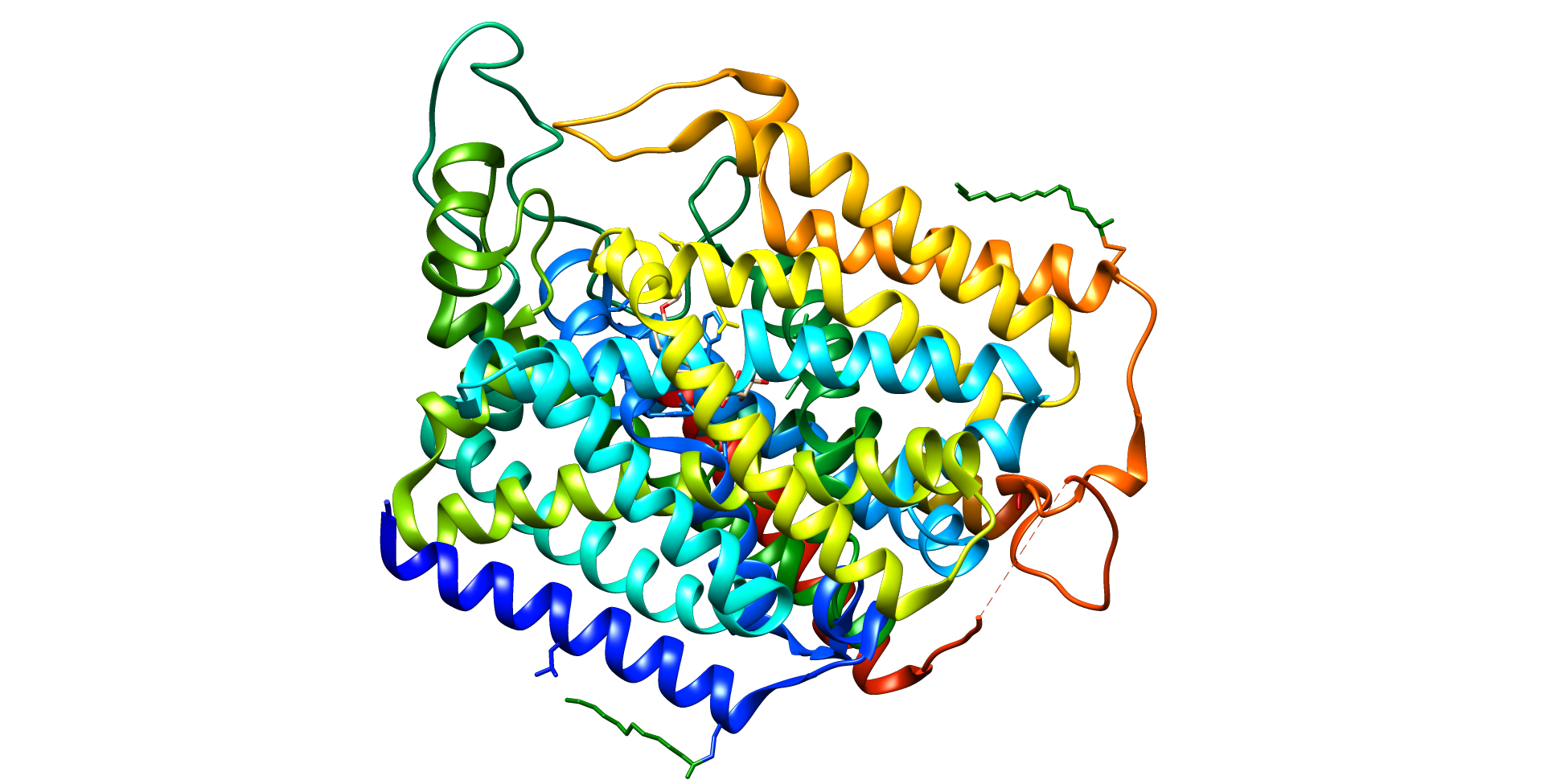
fontes oficiaisElectrogenic Na(+)-coupled sugar symporter that actively transports D-glucose at the plasma membrane, with a Na(+) to sugar coupling ratio of 1:1 (PubMed:20980548, PubMed:28592437, PubMed:34880493, PubMed:37217492, PubMed:38057552). Transporter activity is driven by a transmembrane Na(+) electrochemical gradient set by the Na(+)/K(+) pump (PubMed:20980548, PubMed:28592437, PubMed:34880493). Unlike SLC5A1/SGLT1, requires the auxiliary protein PDZK1IP1/MAP17 for full transporter activity (PubMed:3
Apical cell membrane
Renal glucosuria
A disorder characterized by persistent isolated glucosuria, normal fasting serum glucose concentration, decreased renal tubular resorption of glucose from the urine, and absence of any other signs of tubular dysfunction.
Variantes genéticas (ClinVar)
79 variantes patogênicas registradas no ClinVar.
Classificação de variantes (ClinVar)
Distribuição de 253 variantes classificadas pelo ClinVar.
Vias biológicas (Reactome)
2 vias biológicas associadas aos genes desta condição.
Diagnóstico
Os sinais que médicos procuram e os exames que confirmam
Tratamento e manejo
Remédios, cuidados de apoio e o que precisa acompanhar
Onde tratar no SUS
Hospitais de referência no Brasil e o protocolo oficial do SUS (PCDT)
🇧🇷 Atendimento SUS — Glicosúria renal
Selecione um estado ou use sua localização para ver resultados.
Dados de DATASUS/CNES, SBGM, ABNeuro e Ministério da Saúde. Sempre confirme a disponibilidade diretamente com o estabelecimento.
Pesquisa ativa
Ensaios clínicos abertos e novidades científicas recentes
Ensaios em destaque
🟢 Recrutando agora
1 pesquisa recrutando participantes. Converse com seu médico sobre a possibilidade de participar.
Outros ensaios clínicos
2 ensaios clínicos encontrados, 1 ativos.
Publicações mais relevantes
Sweet clues in the urine: novel compound heterozygous SLC5A2 variants causing familial renal glucosuria presenting as recurrent urinary tract infections in an infant.
We present a case of a well-thriving infant, who was evaluated for recurrent fever over the past 4 months. History and prior investigations revealed recurrent urinary tract infections (UTIs). A comprehensive workup for recurrent UTIs showed no structural abnormalities of the kidneys or urinary tract. Even after resolved UTIs, the child had persistent glucosuria despite normal blood glucose levels, suggesting a possible tubular disorder. Further evaluation was negative for generalised tubular dysfunction. Whole-exome sequencing (WES) identified novel compound heterozygous variants in the SLC5A2 gene, which encodes the sodium-glucose cotransporter 2, confirming a diagnosis of familial renal glucosuria (FRG). FRG is a rare, benign tubular disorder with no specific treatment; management primarily focuses on preventing and treating associated UTIs. Comprehensive genetic counselling is essential. This case underscores the importance of recognising isolated glucosuria as a potential indicator of an underlying genetic tubular disorder.
Renal glucosuria in children.
The kidneys play a critical role in maintaining glucose homeostasis. Under normal renal tubular function, most of the glucose filtered from the glomeruli is reabsorbed in the proximal tubules, leaving only trace amounts in the urine. Glycosuria can occur as a symptom of generalized proximal tubular dysfunction or when the reabsorption threshold is exceeded or the glucose threshold is reduced, as seen in familial renal glycosuria (FRG). FRG is characterized by persistent glycosuria despite normal blood glucose levels and tubular function and is primarily associated with mutations in the sodium/glucose cotransporter 5A2 gene, which encodes the sodium-glucose cotransporter (SGLT) 2. Inhibiting SGLTs has been proposed as a novel treatment strategy for diabetes, and since FRG is often considered an asymptomatic and benign condition, it has inspired preclinical and clinical studies using SGLT2 inhibitors in type 2 diabetes. However, patients with FRG may exhibit clinical features such as lower body weight or height, altered systemic blood pressure, diaper dermatitis, aminoaciduria, decreased serum uric acid levels, and hypercalciuria. Further research is needed to fully understand the pathophysiology, molecular genetics, and clinical manifestations of renal glucosuria.
Investigation of glucosuria in children.
Previous reports provided recommendations for familial renal glucosuria diagnosis without complex view on differential diagnosis of glucosuria. The aim of this review was to provide an overview of the causes of glucosuria and to create an evidence-based diagnostic approach for children with glucosuria. We searched the current literature with a focus to identify the possible etiology of glucosuria, gaining insight into the pathophysiology of glucosuria. Urinary glucose is completely reabsorbed in the proximal tubule of kidneys. It only appears in the urine if the plasma glucose concentration exceeds the renal threshold for glucose or in the case of insufficient renal glucose reabsorption. The proteins that provide glucose reabsorption are SGLT2 and SGLT1 - sodium-dependent co-transporters that transport glucose from the lumen into epithelial cells - and GLUT2 - a passive transporter providing facilitative glucose transport from epithelial cells to plasma. Renal glucose reabsorption is affected in case of acquired or inherited complex dysfunction of proximal tubule called Fanconi Syndrome or due to pathogenic variants of genes encoding glucose transporters. Prior to diagnosing any of these, diabetes mellitus must be excluded together with other conditions leading to hyperglycemia. In conclusion, glucosuria is always an abnormal finding. The review provides a simple evidence-based diagnostic approach to navigate the differential diagnosis of glucosuria.
Screening of SGLT2 inhibitors based on virtual screening and cellular experiments.
This study aims at find hit compounds as SGLT2 inhibitors through the methods of virtual screening, biological experiment, Structural similarity search and molecular docking. Computer-aided drug design techniques were used to build modelling of quantitative construct validity relationships. Three-dimensional pharmacophore model and the principle of drug properties were used to screen the compounds. The effects of lead compounds on glucose uptake were observed in 293 T cells. Further, structural similarity searches were conducted on 13 hit compounds, then molecular docking the compounds with proteins was performed. Based on virtual screening, 20 highly rated compounds as potential lead candidates for diabetes treatment were selected. Combining the results in glucose uptake assays, 13 hit compounds were identified with strong inhibitory properties against SGLT2, especially, compound 2 had the lowest glucose uptake and the best inhibition of SGLT2. The compounds were classified into 5 classes and each class has the same core skeleton. Molecular docking cleared and definite that the hit compounds had stable and efficient hydrogen-bonding interactions with SGLT2, and their binding to SGLT2 was specific. 13 hit compounds were identified with strong inhibitory properties against SGLT2, and they are likely to become new SGLT2 inhibitors to treat diabetes.
Familial Renal Glucosuria and Potential Pharmacogenetic Impact on Sodium-Glucose Cotransporter-2 Inhibitors.
A significant knowledge gap exists in SLC5A2's role in familial renal glycosuria and sodium-glucose cotransporter-2 inhibitors' efficacy. Two percent of individuals in the All-of-Us cohort harbor rare genetic variants in SLC5A2, potentially increasing the risk of familial renal glycosuria. Our trial suggests differential responses to sodium-glucose cotransporter-2 inhibitors in individuals with rare SLC5A2 alleles compared with wild types. Renal glucosuria is a rare inheritable trait caused by loss-of-function variants in the gene that encodes sodium-glucose cotransporter-2 (SGLT2) (i.e., SLC5A2). The genetics of renal glucosuria is poorly understood, and even less is known on how loss-of-function variants in SLC5A2 may affect response to SGLT2 inhibitors, a new class of medication gaining popularity to treat diabetes by artificially inducing glucosuria. We used two biobanks that link genomic with electronic health record data to study the genetics of renal glucosuria. This included 245,394 participants enrolled in the All of Us Research Program and 11,011 enrolled in Marshfield Clinic's Personalized Research Project (PMRP). Association studies in All of Us and PMRP identified ten variants that reached an experiment-wise Bonferroni threshold in either cohort, of which nine were novel. PMRP was further used as a recruitment source for a prospective SGLT2 pharmacogenetic trial. During a glucose tolerance test, the trial measured urine glucose concentrations in 15 SLC5A2 variant–positive individuals and 15 matched wild types with and without an SGLT2 inhibitor. This trial demonstrated that carriers of SLC5A2 risk variants may be more sensitive to SGLT2 inhibitors compared with wild types (P = 0.075). On the basis of population data, 2% of an ethnically diverse population carried rare variants in SLC5A2 and are at risk of renal glucosuria. As a result, 2% of individuals being treated with SGLT2 inhibitors may respond differently to this new class of medication compared with the general population, suggesting that a larger investigation into SLC5A2 variants and SGLT2 inhibitors is needed.
Publicações recentes
Sweet clues in the urine: novel compound heterozygous SLC5A2 variants causing familial renal glucosuria presenting as recurrent urinary tract infections in an infant.
Screening of SGLT2 inhibitors based on virtual screening and cellular experiments.
Renal glucosuria in children.
Investigation of glucosuria in children.
Familial Renal Glucosuria and Potential Pharmacogenetic Impact on Sodium-Glucose Cotransporter-2 Inhibitors.
📚 EuropePMC23 artigos no totalmostrando 29
Sweet clues in the urine: novel compound heterozygous SLC5A2 variants causing familial renal glucosuria presenting as recurrent urinary tract infections in an infant.
BMJ case reportsScreening of SGLT2 inhibitors based on virtual screening and cellular experiments.
Scientific reportsRenal glucosuria in children.
World journal of clinical pediatricsInvestigation of glucosuria in children.
Minerva pediatricsFamilial Renal Glucosuria and Potential Pharmacogenetic Impact on Sodium-Glucose Cotransporter-2 Inhibitors.
Kidney360A novel heterozygous likely pathogenic SLC5A2 variant in a diabetic patient with glucosuria and aminoaciduria.
Endocrinology, diabetes & metabolism case reportsGenetic and clinical characterization of familial renal glucosuria.
Clinical kidney journalFamilial Renal Glucosuria Presenting as Paroxysmal Glucosuria and Hypercalciuria Due to a Novel SLC5A2 Heterozygous Variant.
European journal of case reports in internal medicineGenetic variation in solute carrier family 5 member 2 mimicking sodium-glucose co-transporter 2-inhibition and risk of cardiovascular disease and all-cause mortality: reduced risk not explained by lower plasma glucose.
Cardiovascular researchPerformance of the ACMG-AMP criteria in a large familial renal glucosuria cohort with identified SLC5A2 sequence variants.
Clinical geneticsCase report: Identification of three novel compound heterozygous SGLT2 variants in three Chinese pediatric patients with familial renal glucosuria.
Frontiers in pediatricsA novel SLC5A2 heterozygous variant in a family with familial renal glucosuria.
Human genome variationSix Exonic Variants in the SLC5A2 Gene Cause Exon Skipping in a Minigene Assay.
Frontiers in geneticsSLC5A2 mutations, including two novel mutations, responsible for renal glucosuria in Chinese families.
BMC nephrologyExome sequencing revealed DNA variants in NCOR1, IGF2BP1, SGLT2 and NEK11 as potential novel causes of ketotic hypoglycemia in children.
Scientific reportsClinical and genetic analysis in a family with familial renal glucosuria: Identification of an N101K mutation in the sodium-glucose cotransporter 2 encoded by a solute carrier family 5 member 2 gene.
Journal of diabetes investigationSodium-Glucose Cotransporter-2 Inhibitors: Lack of a Complete History Delays Diagnosis.
Annals of internal medicineWhat does sodium-glucose co-transporter 1 inhibition add: Prospects for dual inhibition.
Diabetes, obesity & metabolismA novel compound heterozygous mutation in SLC5A2 contributes to familial renal glucosuria in a Chinese family, and a review of the relevant literature.
Molecular medicine reportsIdentification of ten novel SLC5A2 mutations and determination of the renal threshold for glucose excretion in Chinese patients with familial renal glucosuria.
Clinica chimica acta; international journal of clinical chemistryAcquired renal glucosuria in an undifferentiated connective tissue disease patient with a SLC5A2 heterozygous mutation: A case report.
MedicineNovel and Unexpected Functions of SGLTs.
Physiology (Bethesda, Md.)Distribution of glucose transporters in renal diseases.
Journal of biomedical scienceGenetic analysis and literature review of Chinese patients with familial renal glucosuria: Identification of a novel SLC5A2 mutation.
Clinica chimica acta; international journal of clinical chemistryA recurrent deletion in the SLC5A2 gene including the intron 7 branch site responsible for familial renal glucosuria.
Scientific reportsNovel SLC5A2 mutation contributes to familial renal glucosuria: Abnormal expression in renal tissues.
Experimental and therapeutic medicineMAP17 Is a Necessary Activator of Renal Na+/Glucose Cotransporter SGLT2.
Journal of the American Society of Nephrology : JASNDecreased expression and function of sodium-glucose co-transporter 2 from a novel C-terminal mutation: a case report.
BMC nephrologyDetermination of the renal threshold for glucose excretion in Familial Renal Glucosuria.
NephronAssociações
Organizações que acompanham esta doença — pra ter apoio e orientação
Ainda não temos associações cadastradas para Glicosúria renal.
É de uma associação que acompanha esta doença? Fale com a gente →
Comunidades
Grupos ativos de quem convive com esta doença aqui no Raras
Ainda não existe comunidade no Raras para Glicosúria renal
Pacientes, familiares e cuidadores se organizam em comunidades pra compartilhar experiências, fazer perguntas e se apoiar. Você pode ser o primeiro.
Tire suas dúvidas
Perguntas, dicas e experiências compartilhadas aqui na página
Participe da discussão
Faça login para postar dúvidas, compartilhar experiências e interagir com especialistas.
Fazer loginDoenças relacionadas
Doenças com sintomas parecidos — ajudam quem ainda está buscando diagnóstico
Referências e fontes
Bases de dados externas citadas neste artigo
Publicações científicas
Artigos indexados no PubMed ligados a esta doença no grafo RarasNet — título, periódico e PMID direto da fonte, sem intermediação de IA.
- Sweet clues in the urine: novel compound heterozygous SLC5A2 variants causing familial renal glucosuria presenting as recurrent urinary tract infections in an infant.
- Renal glucosuria in children.
- Investigation of glucosuria in children.
- Screening of SGLT2 inhibitors based on virtual screening and cellular experiments.
- Familial Renal Glucosuria and Potential Pharmacogenetic Impact on Sodium-Glucose Cotransporter-2 Inhibitors.
Bases de dados e fontes oficiais
Identificadores e referências canônicas usadas para montar este verbete.
- ORPHA:69076(Orphanet)
- OMIM OMIM:233100(OMIM)
- MONDO:0009297(MONDO)
- GARD:7548(GARD (NIH))
- Variantes catalogadas(ClinVar)
- Busca completa no PubMed(PubMed)
- Q1207967(Wikidata)
Dados compilados pelo RarasNet a partir de fontes abertas (Orphanet, OMIM, MONDO, PubMed/EuropePMC, ClinicalTrials.gov, DATASUS, PCDT/MS). Este conteúdo é informativo e não substitui avaliação médica.
Conteúdo mantido por Agente Raras · Médicos e pesquisadores podem colaborar
Glicosúria renal
📋 Origem dos dados
Esta página agrega dados de fontes públicas e oficiais. Dados sobre cobertura no SUS (PCDT, CEAF) são verificados ativamente por agente proativo (ver badge no infobox). Demais dados têm atribuição de fonte + data da última sincronização — clique para abrir o original.
- Doença rara (ontologia)
- fonte: Orphanet
- Identificador unificado
- fonte: MONDO
- Genética mendeliana
- fonte: OMIM
- Codificação WHO/SUS
- fonte: WHO ICD-10 / DATASUS
- CID-11 (futuro)
- fonte: WHO ICD-11
- NIH/GARD
- fonte: GARD (NIH)
- Indexação biomédica
- fonte: MeSH (NLM)
- Dado público estruturado
- fonte: Wikidata
- Ensaios clínicos
- fonte: ClinicalTrials.gov