
O torcicolo paroxístico benigno da infância (TPBI) é uma condição funcional rara, caracterizada por episódios repetidos em que a cabeça da criança fica inclinada ou virada para um lado (como se fosse um torcicolo). Isso ocorre em crianças que, fora esses momentos, são saudáveis.
Introdução
O que você precisa saber de cara
O torcicolo paroxístico benigno da infância (TPBI) é uma condição funcional rara, caracterizada por episódios repetidos em que a cabeça da criança fica inclinada ou virada para um lado (como se fosse um torcicolo). Isso ocorre em crianças que, fora esses momentos, são saudáveis.
Escala de raridade
<1/50kMuito rara
1/20kRara
1/10kPouco freq.
1/5kIncomum
1/2k
Encontrou um erro ou informação desatualizada? Sugira uma correção →
Entender a doença
Do básico ao detalhe, leia no seu ritmo
Preparando trilha educativa...
Sinais e sintomas
O que aparece no corpo e com que frequência cada sintoma acontece
Partes do corpo afetadas
+ 8 sintomas em outras categorias
Características mais comuns
Os sintomas variam de pessoa para pessoa. Abaixo estão as 10 características clínicas mais associadas, ordenadas por frequência.
Linha do tempo da pesquisa
Encontrou um erro ou informação desatualizada? Sugira uma correção →
Genética e causas
O que está alterado no DNA e como passa nas famílias
Genes associados
1 gene identificado com associação a esta condição. Padrão de herança: Autosomal dominant, Not applicable, Unknown.
Voltage-sensitive calcium channels (VSCC) mediate the entry of calcium ions into excitable cells and are also involved in a variety of calcium-dependent processes, including muscle contraction, hormone or neurotransmitter release, gene expression, cell motility, cell division and cell death. The isoform alpha-1A gives rise to P and/or Q-type calcium currents. P/Q-type calcium channels belong to the 'high-voltage activated' (HVA) group and are specifically blocked by the spider omega-agatoxin-IVA
Cell membrane
Spinocerebellar ataxia 6
Spinocerebellar ataxia is a clinically and genetically heterogeneous group of cerebellar disorders. Patients show progressive incoordination of gait and often poor coordination of hands, speech and eye movements, due to degeneration of the cerebellum with variable involvement of the brainstem and spinal cord. SCA6 is an autosomal dominant cerebellar ataxia (ADCA), mainly caused by expansion of a CAG repeat in the coding region of CACNA1A. There seems to be a correlation between the repeat number and earlier onset of the disorder.
Variantes genéticas (ClinVar)
1.521 variantes patogênicas registradas no ClinVar.
Vias biológicas (Reactome)
2 vias biológicas associadas aos genes desta condição.
Diagnóstico
Os sinais que médicos procuram e os exames que confirmam
Tratamento e manejo
Remédios, cuidados de apoio e o que precisa acompanhar
Onde tratar no SUS
Hospitais de referência no Brasil e o protocolo oficial do SUS (PCDT)
🇧🇷 Atendimento SUS — Torcicolo paroxístico benigno da infância
Selecione um estado ou use sua localização para ver resultados.
Dados de DATASUS/CNES, SBGM, ABNeuro e Ministério da Saúde. Sempre confirme a disponibilidade diretamente com o estabelecimento.
Pesquisa ativa
Ensaios clínicos abertos e novidades científicas recentes
Pesquisa e ensaios clínicos
Nenhum ensaio clínico registrado para esta condição.
Publicações mais relevantes
Benign paroxysmal vertigo of childhood.
Benign paroxysmal vertigo of childhood (or recurrent vertigo of childhood) is the most common cause of vertigo in young children. It is considered a pediatric migraine variant or precursor disorder, and children with the condition have an increased likelihood of developing migraine later in life than the general population. Episodes are typically associated with room-spinning vertigo in conjunction with other migrainous symptoms (e.g. pallor, nausea, etc.), but it is rarely associated with headaches. Episodes typically only last for a few minutes and occur with a frequency of days to weeks without interictal symptoms or exam/test abnormalities. Treatment is rarely necessary, but migraine therapy may be beneficial in cases where episodes are particularly severe, frequent, and/or prolonged. An appreciation of the typical presentation and characteristics of this common condition is essential to any provider responsible for the care of children with migraine disorders and/or dizziness. This chapter will review the current literature on this condition, including its proposed pathophysiology, clinical presentation, and management. This chapter also includes a brief introduction to pediatric vestibular disorders, including relevant anatomy, physiology, embryology/development, history-taking, physical examination, testing, and a review of other common causes of pediatric dizziness/vertigo.
Benign paroxysmal torticollis of infancy does not lead to neurological sequelae.
To elucidate the natural course of benign paroxysmal torticollis, the relationship of this disorder to migraine and other paroxysmal diseases, and to analyse candidate genes. This was a case series of children with benign paroxysmal torticollis of infancy (BPTI) diagnosed from 1998 to 2005, at Astrid Lindgren Children's Hospital, Stockholm, Sweden. A neurological examination and a formalized motor assessment were performed from 2005 to 2007. At a second follow-up, in 2014 to 2015, the children and their parents were interviewed and candidate genes analysed. The mean age of the eight females and three males included in the second follow-up was 13 years 9 months (SD 2y 2mo). All motor assessments were normal. Five had developed migraine, abdominal migraine, and/or cyclic vomiting. Prophylactic treatment or migraine-specific medication during attacks were not needed. No paroxysmal tonic upgaze, benign paroxysmal vertigo, epilepsy, episodic ataxia, or paroxysmal dyskinesia was reported. Rare genetic variants in CACNA1A and ATP1A2 were found in two children. Five had a family history of migraine. BPTI is transient and does not lead to neurological sequelae. Most children afflicted experience either a mild migraine or no paroxysmal disorder at all in their adolescence. Genetic variants in candidate genes were few, indicating potential genetic heterogeneity. After resolution of their benign paroxysmal torticollis of infancy (BPTI), children display no gross motor delay. Most adolescents who previously had BPTI have not developed migraine. No mutations in candidate genes, known to cause hemiplegic migraine, were found. Associated symptoms are often lacking during episodes of torticollis.
Benign paroxysmal migraine variants of infancy and childhood: Transitions and clinical features.
Migraine variant disorders of childhood include benign paroxysmal torticollis of infancy (BPTI) and benign paroxysmal vertigo of childhood (BPVC). This study aimed to review our experience with BPTI and BPVC and determine the incidence of children transitioning between each of these disorders and to vestibular migraine (VM). We retrospectively reviewed the medical records of patients seen at the Balance and Vestibular Program at Boston Children's Hospital between January 2012 and December 2016 who were diagnosed with BPTI, BPVC, and/or VM. Fourteen patients were diagnosed with BPTI, 39 with BPVC, and 100 with VM. Abnormal rotary chair testing was associated with progression from BPTI to BPVC (n = 8, p = 0.045). Eight (57.1%) patients with BPTI and 11 (28.2%) with BPVC had motor delay. Eleven (78.6%) patients with BPTI and 21 (53.8%) with BPVC had balance impairment. Six BPTI patients developed BPVC (42.9%), six BPVC patients developed VM (15.4%), and two patients progressed through all three disorders (2%). One BPTI patient progressed directly to VM. Most patients with BPTI will experience complete resolution in early childhood, but some will progress to BPVC, and similarly many patients with BPVC will progress to VM. Parents of children with these disorders should be made aware of this phenomenon, which we refer to as "the vestibular march." Children with BPTI and BPVC should also be screened for hearing loss, otitis media, and motor delay.
The Genetics of Benign Paroxysmal Torticollis of Infancy: Is There an Association With Mutations in the CACNA1A Gene?
Benign paroxysmal torticollis of infancy is an unusual movement disorder, often accompanied by a family history of migraine. Some benign paroxysmal torticollis cases are associated with CACNA1A mutations. The authors sought to determine the frequency of CACNA1A mutations in benign paroxysmal torticollis by testing 8 children and their parents and by searching the literature for benign paroxysmal torticollis cases with accompanying CACNA1A mutations or other disorders linked to the same gene. In our 8 benign paroxysmal torticollis cases, the authors found 3 different polymorphisms, but no pathogenic mutations. By contrast, in the literature, the authors found 4 benign paroxysmal torticollis cases with CACNA1A mutations, 3 with accompanying family histories of 1 or more of familial hemiplegic migraine, episodic ataxia, and paroxysmal tonic upgaze. Thus, CACNA1A mutations are more likely to be found in children with benign paroxysmal torticollis if accompanied by family histories of familial hemiplegic migraine, episodic ataxia, or paroxysmal tonic upgaze.
The Efficacy of Topiramate in Benign Paroxysmal Torticollis of Infancy: Report of Four Cases.
Benign paroxysmal torticollis (BPT) is a rare paroxysmal dyskinesia and 1 of the childhood periodic syndromes presenting with recurrent stereotypic episodes of torticollis, usually accompanied with some of the nonheadache features of migraine such as vomiting and ataxia. Although the nature of BPT may seem benign, its recurrent episodes can mimic attacks of epilepsy and expose the infant to unnecessary hospitalization and adverse effects of inappropriate medications. There is no approved medication for the disease, but a few studies have suggested that cyproheptadine is useful. However, use of this agent has not been confirmed as effective for these patients, and the safe dosage for children aged <2 years has not yet been established. We report 4 patients who exhibited a successful response to treatment with topiramate (their episodes of BPT stopped). Considering the underlying relation of BPT with migraine, the satisfactory response of our patients to topiramate, and the safety of this medication in neonates and children, topiramate seems to be an effective and safe medication for the reduction and elimination of BPT episodes. In addition, 1 of our case subjects (patient 4) confirmed this finding by exhibiting an explicit dependence in the regularity and duration of her attacks with topiramate. Topiramate seems to be an effective medication for the prophylaxis of BPT episodes. Further studies and clinical trials are recommended.
Publicações recentes
Benign paroxysmal vertigo of childhood.
Benign paroxysmal torticollis of infancy does not lead to neurological sequelae.
Benign paroxysmal migraine variants of infancy and childhood: Transitions and clinical features.
The Genetics of Benign Paroxysmal Torticollis of Infancy: Is There an Association With Mutations in the CACNA1A Gene?
The Efficacy of Topiramate in Benign Paroxysmal Torticollis of Infancy: Report of Four Cases.
📚 EuropePMC23 artigos no totalmostrando 7
Benign paroxysmal vertigo of childhood.
Handbook of clinical neurologyBenign paroxysmal torticollis of infancy does not lead to neurological sequelae.
Developmental medicine and child neurologyBenign paroxysmal migraine variants of infancy and childhood: Transitions and clinical features.
European journal of paediatric neurology : EJPN : official journal of the European Paediatric Neurology SocietyThe Genetics of Benign Paroxysmal Torticollis of Infancy: Is There an Association With Mutations in the CACNA1A Gene?
Journal of child neurologyThe Efficacy of Topiramate in Benign Paroxysmal Torticollis of Infancy: Report of Four Cases.
PediatricsBenign paroxysmal torticollis of infancy: An underdiagnosed condition.
Journal of paediatrics and child healthParoxysmal tonic upward gaze as a presentation of de-novo mutations in CACNA1A.
European journal of paediatric neurology : EJPN : official journal of the European Paediatric Neurology SocietyAssociações
Organizações que acompanham esta doença — pra ter apoio e orientação
Ainda não temos associações cadastradas para Torcicolo paroxístico benigno da infância.
É de uma associação que acompanha esta doença? Fale com a gente →
Comunidades
Grupos ativos de quem convive com esta doença aqui no Raras
Ainda não existe comunidade no Raras para Torcicolo paroxístico benigno da infância
Pacientes, familiares e cuidadores se organizam em comunidades pra compartilhar experiências, fazer perguntas e se apoiar. Você pode ser o primeiro.
Tire suas dúvidas
Perguntas, dicas e experiências compartilhadas aqui na página
Participe da discussão
Faça login para postar dúvidas, compartilhar experiências e interagir com especialistas.
Fazer loginDoenças relacionadas
Doenças com sintomas parecidos — ajudam quem ainda está buscando diagnóstico
Referências e fontes
Bases de dados externas citadas neste artigo
Publicações científicas
Artigos indexados no PubMed ligados a esta doença no grafo RarasNet — título, periódico e PMID direto da fonte, sem intermediação de IA.
- Benign paroxysmal vertigo of childhood.
- Benign paroxysmal torticollis of infancy does not lead to neurological sequelae.
- Benign paroxysmal migraine variants of infancy and childhood: Transitions and clinical features.European journal of paediatric neurology : EJPN : official journal of the European Paediatric Neurology Society· 2018· PMID 29656928mais citado
- The Genetics of Benign Paroxysmal Torticollis of Infancy: Is There an Association With Mutations in the CACNA1A Gene?
- The Efficacy of Topiramate in Benign Paroxysmal Torticollis of Infancy: Report of Four Cases.
Bases de dados e fontes oficiais
Identificadores e referências canônicas usadas para montar este verbete.
- ORPHA:71518(Orphanet)
- MONDO:0019113(MONDO)
- GARD:18913(GARD (NIH))
- Variantes catalogadas(ClinVar)
- Busca completa no PubMed(PubMed)
- Artigo Wikipedia(Wikipedia)
- Q4887970(Wikidata)
Dados compilados pelo RarasNet a partir de fontes abertas (Orphanet, OMIM, MONDO, PubMed/EuropePMC, ClinicalTrials.gov, DATASUS, PCDT/MS). Este conteúdo é informativo e não substitui avaliação médica.
Conteúdo mantido por Agente Raras · Médicos e pesquisadores podem colaborar
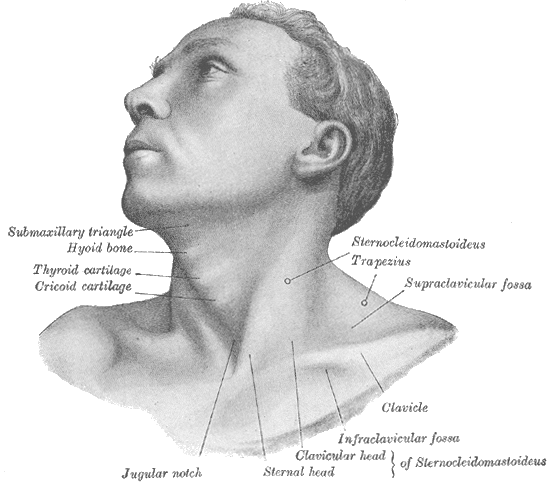
Torcicolo paroxístico benigno da infância
📋 Origem dos dados
Esta página agrega dados de fontes públicas e oficiais. Dados sobre cobertura no SUS (PCDT, CEAF) são verificados ativamente por agente proativo (ver badge no infobox). Demais dados têm atribuição de fonte + data da última sincronização — clique para abrir o original.
- Doença rara (ontologia)
- fonte: Orphanet
- Identificador unificado
- fonte: MONDO
- Codificação WHO/SUS
- fonte: WHO ICD-10 / DATASUS
- CID-11 (futuro)
- fonte: WHO ICD-11
- NIH/GARD
- fonte: GARD (NIH)
- Dado público estruturado
- fonte: Wikidata