
A lipodistrofia generalizada adquirida pertence a um grupo de síndromes lipodistróficas caracterizadas pela perda de tecido adiposo e é uma síndrome de resistência à insulina que leva ao aumento do risco cardiovascular. A lipodistrofia generalizada adquirida está relacionada a uma perda seletiva de tecido adiposo subcutâneo que ocorre exclusivamente nas extremidades (face, pernas, braços, palmas das mãos e às vezes plantas dos pés).
Introdução
O que você precisa saber de cara
A lipodistrofia generalizada adquirida pertence a um grupo de síndromes lipodistróficas caracterizadas pela perda de tecido adiposo e é uma síndrome de resistência à insulina que leva ao aumento do risco cardiovascular. A lipodistrofia generalizada adquirida está relacionada a uma perda seletiva de tecido adiposo subcutâneo que ocorre exclusivamente nas extremidades (face, pernas, braços, palmas das mãos e às vezes plantas dos pés).
Escala de raridade
<1/50kMuito rara
1/20kRara
1/10kPouco freq.
1/5kIncomum
1/2k
Encontrou um erro ou informação desatualizada? Sugira uma correção →
Entender a doença
Do básico ao detalhe, leia no seu ritmo
Preparando trilha educativa...
Sinais e sintomas
O que aparece no corpo e com que frequência cada sintoma acontece
Partes do corpo afetadas
+ 6 sintomas em outras categorias
Características mais comuns
Os sintomas variam de pessoa para pessoa. Abaixo estão as 28 características clínicas mais associadas, ordenadas por frequência.
Linha do tempo da pesquisa
Encontrou um erro ou informação desatualizada? Sugira uma correção →
Genética e causas
O que está alterado no DNA e como passa nas famílias
Nenhum gene associado encontrado
Os dados genéticos desta condição ainda estão sendo catalogados.
Diagnóstico
Os sinais que médicos procuram e os exames que confirmam
Tratamento e manejo
Remédios, cuidados de apoio e o que precisa acompanhar
Onde tratar no SUS
Hospitais de referência no Brasil e o protocolo oficial do SUS (PCDT)
🇧🇷 Atendimento SUS — Lipodistrofia generalizada adquirida
Selecione um estado ou use sua localização para ver resultados.
Dados de DATASUS/CNES, SBGM, ABNeuro e Ministério da Saúde. Sempre confirme a disponibilidade diretamente com o estabelecimento.
Pesquisa ativa
Ensaios clínicos abertos e novidades científicas recentes
Ensaios em destaque
🟢 Recrutando agora
1 pesquisa recrutando participantes. Converse com seu médico sobre a possibilidade de participar.
Outros ensaios clínicos
3 ensaios clínicos encontrados, 3 ativos.
Publicações mais relevantes
Lipodystrophies in Clinical Practice: A Case Series From a Local Health Unit in Portugal.
Background Lipodystrophies are rare disorders characterized by loss of adipose tissue, leading to severe metabolic and multisystem complications. Data on real-world management remain limited, particularly in Portugal. Objectives The objective of this study is to describe the clinical, metabolic, genetic, and therapeutic characteristics of patients with confirmed or suspected lipodystrophy followed at a Portuguese Endocrinology Outpatient Clinic. Methods We conducted a retrospective observational study including 21 patients with clinical suspicion or diagnosis of lipodystrophy. Demographic, clinical, laboratory, imaging, and genetic data were collected. Results The cohort was predominantly female (90.5%) with a median age at diagnosis of 49 years. Sixteen patients (76.2%) had familial partial lipodystrophy (FPLD), two (9.5%) had congenital generalized lipodystrophy, two (9.5%) had acquired generalized lipodystrophy, and one presented a complex syndromic form. Diabetes mellitus was present in 71.4% of patients and hypertriglyceridemia in 52.4%. Metabolic liver disease occurred in both generalized and partial forms. Autoimmune disorders affected 31.6% of patients, and cardiac involvement was observed in 23.8%. Genetic testing identified pathogenic or likely pathogenic variants in BSCL2 and PPARG in three patients, while most FPLD cases remained genetically unexplained. Metreleptin therapy in three patients with generalized lipodystrophy improved glycemic control, triglycerides, liver enzymes, and proteinuria. Dual-energy X-ray absorptiometry imaging supported the phenotypic characterization of adipose tissue loss. Conclusions Detailed physical examination, genetic testing, imaging, and early therapeutic interventions are critical for management. These findings align with European registry data and highlight the need for increased awareness and systematic evaluation in real-world clinical practice.
Characterization of intestinal immune responses in generalized human and murine lipodystrophy.
Acquired generalized lipodystrophy (AGL) is a rare metabolic disorder frequently associated with autoimmunity. Its etiology is incompletely understood, and the effect of adipose tissue loss on intestinal inflammation in AGL remains unclear. Using mass cytometry and single-cell RNA-seq, we observed an oligoclonal expansion of T cells in the periphery and inflamed intestine in a patient with AGL and Crohn's disease (AGLCD). To explore if loss of adipose tissue triggers lymphoproliferation, we studied lipodystrophic mice as a model for AGL. Unexpectedly, lipodystrophic mice did not show T cell expansion, were protected from colitis, and displayed a defect in the development of proinflammatory T cells, which could be reversed by allogeneic fat transplantations, indicating that clonal T cell expansion in AGLCD is not primarily caused by lipodystrophy. Instead, gene sequencing revealed a T cell-intrinsic de novo neuroblastoma RAS viral oncogene homolog (NRAS) mutation, implicating somatic mosaicism as a facilitator of clonal T cell expansion and intestinal inflammation in AGLCD.
Leptin Therapy Improves Metabolic Dysfunction in Immune Checkpoint Inhibitor-induced Lipodystrophy.
Immune checkpoint inhibitors (ICI) have transformed cancer therapy but can induce a spectrum of endocrine complications. Acquired generalized lipodystrophy (AGL) is a rare adverse effect, leading to severe metabolic derangements including insulin-resistant diabetes, dyslipidemia, and hepatic steatosis. Marked hypoleptinemia is noted in these patients, and leptin-replacement therapy is known to be beneficial in patients with other forms of AGL. Though rare, T-cell lymphoma has been reported in patients with AGL on leptin therapy, and there has been much debate on the association between hyperleptinemia and cancer. The safety and efficacy of leptin therapy in patients with ICI-induced AGL and cancer are therefore not clear. We report a 66-year-old woman with metastatic lung adenocarcinoma who developed multiple endocrine disorders including AGL with metabolic abnormalities following pembrolizumab therapy. Initiation of daily metreleptin led to marked improvement in dyslipidemia, glycemic control, and hepatic steatosis, with no evidence of cancer recurrence after 2 years of leptin-replacement therapy. While further studies are warranted to establish the long-term efficacy and safety of leptin in ICI-induced AGL patients with a history of malignancy, this case report provides useful information for the management of these rare, challenging patients.
Severe Insulin Resistance Syndromes: Clinical Spectrum and Management.
Insulin resistance is a condition wherein cells fail to adequately respond to insulin. It is a prevalent medical condition associated with several diseases, such as type 2 diabetes mellitus, metabolic syndrome, hypertension, obesity, and polycystic ovary syndrome. Insulin resistance may be involved in metabolic disturbances, such as hyperglycemia, hyperinsulinemia, dyslipidemia, hyperuricemia, endothelial dysfunction, elevated inflammatory markers, and a prothrombotic state. Severe insulin resistance syndromes are a heterogeneous group of rare disorders. These disorders are characterized by profound insulin resistance, substantial metabolic abnormalities, and different clinical manifestations and complications. They may be hereditary or acquired, caused by defects in insulin action and cellular responsiveness to insulin. Severe insulin resistance syndromes may also be due to aberrations in adipose tissue function and development. The majority of these disorders are associated with an increased risk of severe complications and mortality. This review aims to summarize the current knowledge on the epidemiology, pathophysiology, complications and prognosis of severe insulin resistance syndromes, as well as to categorize these syndromes by disease process, including defects in insulin receptor, intracellular insulin signaling defects, lipodystrophies, etc.
The clinical approach to child and adolescent patients with lipodystrophy: a series of international case discussions.
Lipodystrophy syndromes comprise a group of rare endocrine disorders characterized by the generalized or partial loss of adipose tissue. Affected individuals frequently display absolute or relative reductions in leptin, a key adipokine regulator of hunger-satiety signaling, and are predisposed to a range of metabolic and end-organ complications, often from a young age. The presentation and severity of lipodystrophy syndromes is largely dependent on the extent of adipose tissue loss while comorbidities often deteriorate with age. In this regard, optimizing care for children and adolescents with lipodystrophy syndromes is a pivotal step in supporting them into adulthood. To assist clinicians with limited experience of managing young patients with lipodystrophy syndromes, we describe our clinical approach to a series of pediatric patients with these rare diseases. The clinical history, diagnosis, disease management and follow-up care of 10 international pediatric patients with lipodystrophy syndromes are presented. Teaching points from each case study are also provided. Most of these cases are based on patients from our clinics with certain details changed to protect privacy. Others represent hypothetical scenarios based on our clinical experience supported by review of the medical literature and are included here for educational purposes. Our patients illustrate the broad phenotypic spectrum of lipodystrophy syndromes that can manifest early in life. We highlight the importance of timely and accurate diagnosis in guiding early disease management strategies to help reduce the risk of comorbidities. The challenges faced by clinicians managing pediatric patients with lipodystrophy syndromes and how these challenges may differ from adult patients are also explored. The cases presented in this manuscript may assist clinical teams to promptly diagnose and holistically manage young patients with lipodystrophy syndromes and help optimize clinical outcomes as they transition to adult care.
Publicações recentes
Lipodystrophies in Clinical Practice: A Case Series From a Local Health Unit in Portugal.
Characterization of intestinal immune responses in generalized human and murine lipodystrophy.
Leptin Therapy Improves Metabolic Dysfunction in Immune Checkpoint Inhibitor-induced Lipodystrophy.
The clinical approach to child and adolescent patients with lipodystrophy: a series of international case discussions.
Acquired Generalized Lipodystrophy with Extensive Autoimmune Involvement: A Case Report and Review of the Literature.
📚 EuropePMC43 artigos no totalmostrando 51
Lipodystrophies in Clinical Practice: A Case Series From a Local Health Unit in Portugal.
CureusCharacterization of intestinal immune responses in generalized human and murine lipodystrophy.
The Journal of clinical investigationLeptin Therapy Improves Metabolic Dysfunction in Immune Checkpoint Inhibitor-induced Lipodystrophy.
JCEM case reportsThe clinical approach to child and adolescent patients with lipodystrophy: a series of international case discussions.
Frontiers in endocrinologyAcquired Generalized Lipodystrophy with Extensive Autoimmune Involvement: A Case Report and Review of the Literature.
Hormone research in paediatricsSevere Insulin Resistance Syndromes: Clinical Spectrum and Management.
International journal of molecular sciencesA real-world pharmacovigilance assessment and literature review of lymphoma development in lipodystrophy.
Frontiers in endocrinologyAcquired partial lipodystrophy (Barraquer-Simons syndrome) with both-side axillary breasts: A case report.
International journal of surgery case reportsAcquired Generalized Lipodystrophy as an Adverse Event of Combined Immune Checkpoint Inhibitor Therapy.
JCEM case reportsPembrolizumab-induced acquired lipodystrophy: a case report and review of the literature.
Melanoma researchAn unusual case of acquired generalized lipodystrophy (panniculitis variety).
Pediatric dermatologyImmune Checkpoint Inhibitors-Associated Generalized Lipodystrophy: Reconstructive Challenges of an Emerging and Distinct Form of Lipodystrophy.
The Journal of craniofacial surgeryA Novel Subtype of Acquired Generalized Lipodystrophy Associated With Subcutaneous Panniculitis-Like T-cell Lymphoma.
JCEM case reportsDiagnostic and referral pathways in patients with rare lipodystrophy and insulin-resistance syndromes: key milestones assessed from a national reference center.
Orphanet journal of rare diseasesAcquired generalized lipodystrophy in a juvenile dermatomyositis patient.
International journal of rheumatic diseasesCorticosteroid-triggered acute skeletal muscle loss in lipodystrophy: A case report.
Journal of diabetes investigationSpontaneous Remission of Acquired Generalized Lipodystrophy Presenting in the Postpartum Period.
JCEM case reportsMarked Hypoleptinemia Precedes Overt Fat Loss in Immune Checkpoint Inhibitor-induced Acquired Generalized Lipodystrophy.
JCEM case reportsNIVOLUMAB ASSOCIATED ENDOCRINE ABNORMALITIES: CHALLENGING CASES FROM A REFERENCE CLINIC.
Acta endocrinologica (Bucharest, Romania : 2005)A Concerted Vision to Advance the Knowledge of Diabetes Mellitus Related to Immune Checkpoint Inhibitors.
International journal of molecular sciencesPerilipin 1 Antibodies in Patients With Acquired Generalized Lipodystrophy.
DiabetesLipodystrophy for the Diabetologist-What to Look For.
Current diabetes reportsCharacterization and Clinical Association of Autoantibodies Against Perilipin 1 in Patients With Acquired Generalized Lipodystrophy.
DiabetesAutoantibodies to Perilipin-1 Define a Subset of Acquired Generalized Lipodystrophy.
DiabetesGeneralized lipoatrophy syndromes.
Presse medicale (Paris, France : 1983)Complement Factor D (adipsin) Levels Are Elevated in Acquired Partial Lipodystrophy (Barraquer-Simons syndrome).
International journal of molecular sciencesA CASE OF ACQUIRED GENERALIZED LIPODYSTROPHY ASSOCIATED WITH PEMBROLIZUMAB IN A PATIENT WITH METASTATIC MALIGNANT MELANOMA.
AACE clinical case reportsImaging spectrum of abnormal subcutaneous and visceral fat distribution.
Insights into imagingMetabolomic Analysis of the Effects of Leptin Replacement Therapy in Patients with Lipodystrophy.
Journal of the Endocrine SocietyLeptin induces TNFα-dependent inflammation in acquired generalized lipodystrophy and combined Crohn's disease.
Nature communicationsSurgical fat removal exacerbates metabolic disorders but not atherogenesis in LDLR-/- mice fed on high-fat diet.
Scientific reportsFatty Liver and Autoimmune Hepatitis: Two Forms of Liver Involvement in Lipodystrophies.
GE Portuguese journal of gastroenterologyAcquired Generalized Lipodystrophy: A New Cause of Anti-PD-1 Immune-Related Diabetes.
Diabetes careAcquired generalized lipodystrophy under immune checkpoint inhibition.
The British journal of dermatologyDiagnosis of acquired generalized lipodystrophy in a single patient with T-cell lymphoma and no exposure to Metreleptin.
Clinical diabetes and endocrinologyAcquired Lipodystrophy Associated With Nivolumab in a Patient With Advanced Renal Cell Carcinoma.
The Journal of clinical endocrinology and metabolismAutoantibodies Against Perilipin 1 as a Cause of Acquired Generalized Lipodystrophy.
Frontiers in immunologyCase Report of Acquired Generalized Lipodystrophy Associated With Common Variable Immunodeficiency.
The Journal of clinical endocrinology and metabolismDiagnosis and treatment of lipodystrophy: a step-by-step approach.
Journal of endocrinological investigationLong-term effectiveness and safety of metreleptin in the treatment of patients with generalized lipodystrophy.
EndocrinePotential association of LMNA-associated generalized lipodystrophy with juvenile dermatomyositis.
Clinical diabetes and endocrinologyDetermining residual adipose tissue characteristics with MRI in patients with various subtypes of lipodystrophy.
Diagnostic and interventional radiology (Ankara, Turkey)Acquired Generalized Lipodystrophy Following Immune Thrombocytopenia.
The American journal of medicineClinical Features and Management of Non-HIV-Related Lipodystrophy in Children: A Systematic Review.
The Journal of clinical endocrinology and metabolismBone imaging findings in genetic and acquired lipodystrophic syndromes: an imaging study of 24 cases.
Skeletal radiologyCover Image: Acquired generalized lipodystrophy in a patient with systemic lupus erythematosus.
The British journal of dermatologyAcquired generalized lipodystrophy in a young lean Chinese girl. Case Report.
Neuro endocrinology lettersMetreleptin for injection to treat the complications of leptin deficiency in patients with congenital or acquired generalized lipodystrophy.
Expert review of clinical pharmacologyA Report of Three Cases With Acquired Generalized Lipodystrophy With Distinct Autoimmune Conditions Treated With Metreleptin.
The Journal of clinical endocrinology and metabolismA Novel Syndrome of Generalized Lipodystrophy Associated With Pilocytic Astrocytoma.
The Journal of clinical endocrinology and metabolismLymphoma in acquired generalized lipodystrophy.
Leukemia & lymphomaAssociações
Organizações que acompanham esta doença — pra ter apoio e orientação
Ainda não temos associações cadastradas para Lipodistrofia generalizada adquirida.
É de uma associação que acompanha esta doença? Fale com a gente →
Comunidades
Grupos ativos de quem convive com esta doença aqui no Raras
Ainda não existe comunidade no Raras para Lipodistrofia generalizada adquirida
Pacientes, familiares e cuidadores se organizam em comunidades pra compartilhar experiências, fazer perguntas e se apoiar. Você pode ser o primeiro.
Tire suas dúvidas
Perguntas, dicas e experiências compartilhadas aqui na página
Participe da discussão
Faça login para postar dúvidas, compartilhar experiências e interagir com especialistas.
Fazer loginDoenças relacionadas
Doenças com sintomas parecidos — ajudam quem ainda está buscando diagnóstico
Referências e fontes
Bases de dados externas citadas neste artigo
Publicações científicas
Artigos indexados no PubMed ligados a esta doença no grafo RarasNet — título, periódico e PMID direto da fonte, sem intermediação de IA.
- Lipodystrophies in Clinical Practice: A Case Series From a Local Health Unit in Portugal.
- Characterization of intestinal immune responses in generalized human and murine lipodystrophy.
- Leptin Therapy Improves Metabolic Dysfunction in Immune Checkpoint Inhibitor-induced Lipodystrophy.
- Severe Insulin Resistance Syndromes: Clinical Spectrum and Management.
- The clinical approach to child and adolescent patients with lipodystrophy: a series of international case discussions.
- Acquired Generalized Lipodystrophy with Extensive Autoimmune Involvement: A Case Report and Review of the Literature.
Bases de dados e fontes oficiais
Identificadores e referências canônicas usadas para montar este verbete.
- ORPHA:79086(Orphanet)
- MONDO:0019193(MONDO)
- GARD:12603(GARD (NIH))
- Busca completa no PubMed(PubMed)
- Q4674772(Wikidata)
Dados compilados pelo RarasNet a partir de fontes abertas (Orphanet, OMIM, MONDO, PubMed/EuropePMC, ClinicalTrials.gov, DATASUS, PCDT/MS). Este conteúdo é informativo e não substitui avaliação médica.
Conteúdo mantido por Agente Raras · Médicos e pesquisadores podem colaborar
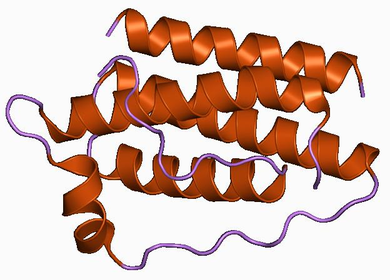
Lipodistrofia generalizada adquirida
📋 Origem dos dados
Esta página agrega dados de fontes públicas e oficiais. Dados sobre cobertura no SUS (PCDT, CEAF) são verificados ativamente por agente proativo (ver badge no infobox). Demais dados têm atribuição de fonte + data da última sincronização — clique para abrir o original.
- Doença rara (ontologia)
- fonte: Orphanet
- Identificador unificado
- fonte: MONDO
- Codificação WHO/SUS
- fonte: WHO ICD-10 / DATASUS
- CID-11 (futuro)
- fonte: WHO ICD-11
- NIH/GARD
- fonte: GARD (NIH)
- Dado público estruturado
- fonte: Wikidata
- Medicamentos aprovados FDA
- fonte: FDA OpenFDA
- Ensaios clínicos
- fonte: ClinicalTrials.gov