
A condição "Catarata Congênita e Hipomielinização" é caracterizada pelo surgimento de catarata ao nascer ou nos primeiros dois meses de vida. Além disso, há um atraso no desenvolvimento psicomotor (das habilidades de movimento e raciocínio) até o final do primeiro ano de vida, e uma dificuldade intelectual moderada.
Introdução
O que você precisa saber de cara
A condição "Catarata Congênita e Hipomielinização" é caracterizada pelo surgimento de catarata ao nascer ou nos primeiros dois meses de vida. Além disso, há um atraso no desenvolvimento psicomotor (das habilidades de movimento e raciocínio) até o final do primeiro ano de vida, e uma dificuldade intelectual moderada.
Escala de raridade
<1/50kMuito rara
1/20kRara
1/10kPouco freq.
1/5kIncomum
1/2k
Encontrou um erro ou informação desatualizada? Sugira uma correção →
Entender a doença
Do básico ao detalhe, leia no seu ritmo
Preparando trilha educativa...
Sinais e sintomas
O que aparece no corpo e com que frequência cada sintoma acontece
Partes do corpo afetadas
+ 13 sintomas em outras categorias
Características mais comuns
Os sintomas variam de pessoa para pessoa. Abaixo estão as 30 características clínicas mais associadas, ordenadas por frequência.
Linha do tempo da pesquisa
Encontrou um erro ou informação desatualizada? Sugira uma correção →
Genética e causas
O que está alterado no DNA e como passa nas famílias
Genes associados
1 gene identificado com associação a esta condição. Padrão de herança: Autosomal recessive.
Curadoria gene-doença
fontes oficiaisComponent of a complex required to localize phosphatidylinositol 4-kinase (PI4K) to the plasma membrane (PubMed:26571211). The complex acts as a regulator of phosphatidylinositol 4-phosphate (PtdIns(4)P) synthesis (PubMed:26571211). HYCC1 plays a key role in oligodendrocytes formation, a cell type with expanded plasma membrane that requires generation of PtdIns(4)P (PubMed:26571211). Its role in oligodendrocytes formation probably explains its importance in myelination of the central and periphe
Cytoplasm, cytosolCell membrane
Leukodystrophy, hypomyelinating, 5
A hypomyelinating leukodystrophy associated with congenital cataract. It is clinically characterized by congenital cataract, progressive neurologic impairment, and diffuse myelin deficiency. Affected individuals experience progressive pyramidal and cerebellar dysfunction, muscle weakness and wasting prevailingly in the lower limbs. Mental deficiency ranges from mild to moderate. HLD5 shows clinical variability, but features of hypomyelination combined with increased periventricular white matter water content are consistently observed.
Variantes genéticas (ClinVar)
62 variantes patogênicas registradas no ClinVar.
Diagnóstico
Os sinais que médicos procuram e os exames que confirmam
Tratamento e manejo
Remédios, cuidados de apoio e o que precisa acompanhar
Onde tratar no SUS
Hospitais de referência no Brasil e o protocolo oficial do SUS (PCDT)
🇧🇷 Atendimento SUS — Síndrome de hipomielinização-catarata congênita
Centros de Referência SUS
24 centros habilitados pelo SUS para Síndrome de hipomielinização-catarata congênita
Centros para Síndrome de hipomielinização-catarata congênita
Detalhes dos centros
Hospital Universitário Prof. Edgard Santos (HUPES)
R. Dr. Augusto Viana, s/n - Canela, Salvador - BA, 40110-060 · CNES 0003808
Serviço de Referência
Hospital Infantil Albert Sabin
R. Tertuliano Sales, 544 - Vila União, Fortaleza - CE, 60410-794 · CNES 2407876
Serviço de Referência
Hospital de Apoio de Brasília (HAB)
AENW 3 Lote A Setor Noroeste - Plano Piloto, Brasília - DF, 70684-831 · CNES 0010456
Serviço de Referência
Hospital Estadual Infantil e Maternidade Alzir Bernardino Alves (HIABA)
Av. Min. Salgado Filho, 918 - Soteco, Vila Velha - ES, 29106-010 · CNES 6631207
Serviço de Referência
Hospital das Clínicas da UFG
Rua 235 QD. 68 Lote Área, Nº 285, s/nº - Setor Leste Universitário, Goiânia - GO, 74605-050 · CNES 2338424
Serviço de Referência
Hospital Universitário da UFJF
R. Catulo Breviglieri, Bairro - s/n - Santa Catarina, Juiz de Fora - MG, 36036-110 · CNES 2297442
Atenção Especializada
Hospital das Clínicas da UFMG
Av. Prof. Alfredo Balena, 110 - Santa Efigênia, Belo Horizonte - MG, 30130-100 · CNES 2280167
Serviço de Referência
Hospital Universitário Julio Müller (HUJM)
R. Luis Philippe Pereira Leite, s/n - Alvorada, Cuiabá - MT, 78048-902 · CNES 2726092
Atenção Especializada
Hospital Universitário João de Barros Barreto
R. dos Mundurucus, 4487 - Guamá, Belém - PA, 66073-000 · CNES 2337878
Serviço de Referência
Hospital Universitário Lauro Wanderley (HULW)
R. Tabeliao Estanislau Eloy, 585 - Castelo Branco, João Pessoa - PB, 58050-585 · CNES 0002470
Atenção Especializada
Instituto de Medicina Integral Prof. Fernando Figueira (IMIP)
R. dos Coelhos, 300 - Boa Vista, Recife - PE, 50070-902 · CNES 0000647
Serviço de Referência
Hospital Pequeno Príncipe
R. Des. Motta, 1070 - Água Verde, Curitiba - PR, 80250-060 · CNES 3143805
Serviço de Referência
Hospital Universitário Regional de Maringá (HUM)
Av. Mandacaru, 1590 - Parque das Laranjeiras, Maringá - PR, 87083-240 · CNES 2216108
Atenção Especializada
Hospital de Clínicas da UFPR
R. Gen. Carneiro, 181 - Alto da Glória, Curitiba - PR, 80060-900 · CNES 2364980
Serviço de Referência
Hospital Universitário Pedro Ernesto (HUPE-UERJ)
Blvd. 28 de Setembro, 77 - Vila Isabel, Rio de Janeiro - RJ, 20551-030 · CNES 2280221
Serviço de Referência
Instituto Nacional de Saúde da Mulher, da Criança e do Adolescente Fernandes Figueira (IFF/Fiocruz)
Av. Rui Barbosa, 716 - Flamengo, Rio de Janeiro - RJ, 22250-020 · CNES 2269988
Serviço de Referência
Hospital São Lucas da PUCRS
Av. Ipiranga, 6690 - Jardim Botânico, Porto Alegre - RS, 90610-000 · CNES 2232928
Serviço de Referência
Hospital de Clínicas de Porto Alegre (HCPA)
Rua Ramiro Barcelos, 2350 Bloco A - Av. Protásio Alves, 211 - Bloco B e C - Santa Cecília, Porto Alegre - RS, 90035-903 · CNES 2237601
Serviço de Referência
Hospital Universitário da UFSC (HU-UFSC)
R. Profa. Maria Flora Pausewang - Trindade, Florianópolis - SC, 88036-800 · CNES 2560356
Serviço de Referência
Hospital das Clínicas da FMUSP
R. Dr. Ovídio Pires de Campos, 225 - Cerqueira César, São Paulo - SP, 05403-010 · CNES 2077485
Serviço de Referência
Hospital de Base de São José do Rio Preto
Av. Brg. Faria Lima, 5544 - Vila Sao Jose, São José do Rio Preto - SP, 15090-000 · CNES 2079798
Atenção Especializada
Hospital de Clínicas da UNICAMP
R. Vital Brasil, 251 - Cidade Universitária, Campinas - SP, 13083-888 · CNES 2748223
Serviço de Referência
Hospital de Clínicas de Ribeirão Preto (HCRP-USP)
R. Ten. Catão Roxo, 3900 - Vila Monte Alegre, Ribeirão Preto - SP, 14015-010 · CNES 2082187
Serviço de Referência
UNIFESP / Hospital São Paulo
R. Napoleão de Barros, 715 - Vila Clementino, São Paulo - SP, 04024-002 · CNES 2688689
Serviço de Referência
Dados de DATASUS/CNES, SBGM, ABNeuro e Ministério da Saúde. Sempre confirme a disponibilidade diretamente com o estabelecimento.
Pesquisa ativa
Ensaios clínicos abertos e novidades científicas recentes
Ensaios em destaque
🟢 Recrutando agora
1 pesquisa recrutando participantes. Converse com seu médico sobre a possibilidade de participar.
Outros ensaios clínicos
0 ensaios clínicos encontrados.
Publicações mais relevantes
Wernicke Encephalopathy Complicating a Distinctive POLG Phenotype With MNGIE-Like Features.
Mitochondrial neurogastrointestinal encephalomyopathy (MNGIE) is an extremely rare autosomal recessive disease caused by variants in the thymidine phosphorylase gene (TYMP), primarily characterized by severe gastrointestinal and neurological symptoms. The complete phenotype of MNGIE has not been linked to any gene other than TYMP. We describe two identical twins who exhibited delayed psychomotor development, infantile bilateral cataract, congenital demyelinating polyneuropathy, and severe progressive gastrointestinal dysmotility with recurrent pseudo-obstruction episodes, along with diffuse supratentorial leukoencephalopathy that mainly overlaps with classic TYMP-related MNGIE. During the course of the disease, one patient developed Wernicke encephalopathy, triggered by chronic malnutrition related to recurrent gastrointestinal pseudo-obstruction. This patient later suffered from a catastrophic stroke-like episode, resulting in massive cerebral edema and brain death at the age of 38. Next-generation sequencing (NGS) using a custom-targeted mitochondrial gene panel identified two compound heterozygous variants in the POLG gene: the paternal variants p.Thr251Ile and p.Pro587Leu, occurring in cis, and the novel maternal variant p.Arg853Gly. Quantification of mtDNA by real-time PCR on skeletal muscle DNA detected significant depletion, but no multiple deletions were detected with mtDNA analysis by long-range PCR and Nanopore sequencing. These cases showed a very distinctive POLG phenotype, with some MNGIE-like features, expanding the clinical and genetic spectrum of the POLG-related diseases. Additionally, they highlighted the importance of monitoring for thiamine deficiency in mitochondrial patients with severe gastrointestinal dysmotility who experience sudden clinical deterioration.
Left-Right Determination Factor 2 (LEFTY2) Is an Aqueous Humor Biomarker for Exfoliation Glaucoma.
Exfoliation syndrome (XFS) is characterized by deposition of exfoliation material (XFM) in the anterior segment. XFM contributes to development of exfoliation glaucoma (XFG). Here, we evaluated left-right determination factor 2 (LEFTY2), a TGFβ superfamily protein, as an XFS and XFG biomarker. Aqueous humor (AH) and/or blood was collected from patients undergoing cataract surgery. Controls included patients with cataracts (CAT; AH, n = 78; blood, n = 20) or cataracts and primary open-angle glaucoma (CAT/GL; AH, n = 67; blood, n = 20). Affected groups included patients with cataracts and XFS (AH, n = 32; blood, n = 2) or cataracts and XFG (AH, n = 42; blood, n = 19). LEFTY2 concentration was measured by ELISA. To test if LEFTY2 is TGFβ responsive, human trabecular meshwork (HTM) cell cultures were treated with TGFβ1-3, and LEFTY2 expression was quantified by real-time quantitative PCR or ELISA. AH LEFTY2 concentrations were significantly elevated in XFG patients (27.23 ± 45.39 ng/mL) versus controls (CAT: 1.19 ± 0.72 ng/mL, P < 0.0001; CAT/GL: 1.68 ± 1.81 ng/mL, P < 0.0001). ROC analyses indicated that LEFTY2 is a good AH biomarker for XFG (CAT vs. XFG, AUC = 0.87; P < 0.0001). LEFTY2 AH levels were highest in eyes judged to have the heaviest XFM deposits (ρ = 0.341, P = 0.0054). Plasma LEFTY2 levels did not correlate with disease status or ocular LEFTY2 levels. TGFβ treatment significantly increased LEFTY2 expression in HTM cells. LEFTY2 is a promising AH biomarker for XFG. Its clinical value may be limited by accessibility, OD/OS discordance, and interpatient variability. Its role in XFG pathogenesis requires further study. Identification of biomarkers for XFG may improve early detection and treatment.
Study protocol for a randomised controlled trial to evaluate the prophylactic efficacy of combined intense pulsed light (IPL) and low-level light therapy (LLLT) in preventing laser corneal refractive surgery-induced dry eye: the Treat Eye Before Laser induced Dry (TEBeLiD) study.
Laser corneal refractive surgery is a widely adopted approach for correcting refractive errors, but postoperative dry eye remains a common side effect. Intense pulsed light (IPL) and low-level light therapy (LLLT) are two emerging treatments that have shown potential in managing dry eye disease. However, their role as a prophylactic treatment in patients without pre-existing symptomatic dry eye undergoing refractive surgery has not been explored. This is a single-blind, randomised controlled trial comparing the prophylactic efficacy of combined IPL and LLLT treatment versus standard care in preventing dry eye after laser corneal refractive surgery (FS-LASIK, SMILE or PRK). Eligible patients aged 18 or older scheduled for surgery will be randomly assigned in a 1:1 ratio to either the treatment or control group. The primary endpoint is the French version of Ocular Surface Disease Index score at 1 month postoperatively. Secondary outcomes include Fluorescein Break-Up Time, Schirmer I test, Oxford score and Meibomian Gland Dropout. Data will be analysed using a mixed-effects linear model adjusted for surgery type and baseline dry eye parameters. The study started in June 2023 and end in April 2025 but data have not been yet analysed. The study has been approved by the Institutional Review Board Est III, France, and registered on ClinicalTrials.gov (NCT05803798). All participants will provide written informed consent. Results will be disseminated through peer-reviewed publications and presentations at scientific conferences. NCT05803798.
WDR59 Is Mutated in Individuals With Autosomal Recessive Syndromic Dilated Cardiomyopathy.
Pediatric dilated cardiomyopathy (DCM) carries high morbidity and mortality, with up to half of cases genetically unexplained. The mTORC1 nutrient sensing pathway is a critical regulator of cardiomyocyte homeostasis, yet no Mendelian DCM genes have been linked to its upstream regulator, GATOR2. WDR59 encodes a core WD-repeat subunit of GATOR2, but its cardiac role is unknown. We recruited six affected individuals from four unrelated families presenting with early-onset, severe autosomal recessive syndromic DCM. Affected children developed left ventricular dilation, variably accompanied by cataracts, dysmorphic facial features, and growth and developmental delay. Saudi patients mapped to a single locus and shared therein a homozygous founder WDR59 variant: c.2887G>A (p.Gly963Arg). The French patient was compound heterozygous for two variants (NM_030581.4:c.966+3A>G and NM_030581.4:c.886+1219T>G) and their deleterious splicing effect was confirmed by RNA-seq. We propose WDR59 as a novel autosomal recessive DCM gene and implicate dysregulated GATOR2-mTORC1 signaling as the underlying mechanism. Future validation is needed to confirm this link and investigate whether restoring mTORC1-autophagy balance can ameliorate WDR59-related cardiac dysfunction. AFF4-related CHOPS syndrome is characterized by coarse facial features / cognitive impairment, heart defects, obesity, pulmonary involvement, and short stature / skeletal abnormalities. All individuals reported to date have mild-to-moderate developmental delay and intellectual disability without regression. Neurobehavioral features include disruptive and self-absorbed behaviors, communication disturbance, and food-seeking behaviors leading to obesity. Characteristic facial features include synophrys, highly arched eyebrows, long eyelashes, proptosis, and anteverted nares. Coarse facies and round face with full cheeks become more noticeable with age. Other common features include growth deficiency, respiratory issues, congenital heart defects, small hands, brachydactyly, ocular abnormalities, genitourinary abnormalities, and gastrointestinal manifestations. The diagnosis of AFF4-related CHOPS syndrome is established in a proband with suggestive clinical findings and a heterozygous pathogenic variant in AFF4 identified by molecular genetic testing. To date, all CHOPS-related pathogenic variants are located in the AFF4 ALF homology domain. Treatment of manifestations: Developmental and educational support; feeding therapy; gastrostomy tube placement as needed; nutritional management for obesity; standard treatments for chronic lung disease and sleep apnea; standard vaccinations; tracheostomy as needed for laryngomalacia; standard treatment for congenital heart defects and vertebral anomalies; treatment of refractive errors and strabismus per ophthalmologist; treatment of cataract per ophthalmic subspecialist; hearing aids as needed for hearing loss; standard treatment of genitourinary anomalies and bowel dysfunction; transitional care plan by age ten years; social work and family support. Surveillance: Assess developmental progress, educational needs, behavior issues, growth, evidence of aspiration or respiratory insufficiency, musculoskeletal manifestations, nutritional status, safety of oral intake, gastrointestinal manifestations, and family needs at each visit. Assess for myopia and strabismus per ophthalmologist and at least annually; annual audiology evaluation. AFF4-related CHOPS syndrome is an autosomal dominant disorder. All probands reported to date with AFF4-related CHOPS syndrome whose parents have undergone molecular genetic testing have the disorder as the result of a de novo pathogenic variant. Risk to the parents of the proband of having another affected pregnancy is presumed to be low for the parents of the proband as the proband most likely has a de novo AFF4 pathogenic variant. There is, however, a recurrence risk (~1%) to sibs based on the possibility of parental gonadal mosaicism. Given this risk, prenatal and preimplantation genetic testing may be considered.
Case Report: Sengers syndrome caused by a novel 7.6 kb AGK deletion misdiagnosed as isolated congenital cataract.
The diagnosis of Sengers syndrome, a rare mitochondrial disorder, is often challenged by phenotypic mimicry. We report a diagnostically instructive case of a 4-month-old female who presented with the classic triad of congenital cataracts, hypertrophic cardiomyopathy, and lactic acidosis. Initial whole-exome sequencing (WES) was confounded by the finding of a heterozygous variant in CRYBA2 and only a single heterozygous nonsense mutation in AGK (c.409C>T, p.Arg137*). The persistence of a multisystemic phenotype inconsistent with an isolated cataract disorder prompted further investigation. Copy number variation (CNV) analysis of the WES data revealed a large heterozygous deletion in AGK, which breakpoint-specific polymerase chain reaction and Sanger sequencing precisely characterized as a novel 7.6 kb deletion (chr7:141297542-141305156). This confirmed compound heterozygosity, yielding a definitive diagnosis of Sengers syndrome and reclassifying the CRYBA2 variant as incidental. Crucially, breakpoint analysis indicated a non-Alu-mediated mechanism for the deletion. This case highlights the critical importance of CNV analysis in resolving genetically ambiguous autosomal recessive cases and provides novel insight into the structural mutational landscape of AGK.
Publicações recentes
Prevalence and associated factors of pseudoexfoliation syndrome among cataract patients attending comprehensive specialized hospitals in Northwest Ethiopia.
Isocenter Optimization in WBRT: Concurrent Sparing of Lens and Lacrimal Gland via Anterior Penumbra Sharpening.
Wernicke Encephalopathy Complicating a Distinctive POLG Phenotype With MNGIE-Like Features.
Accidental Entry of Ointment in Anterior Chamber Postcataract Surgery: A Clinical Conundrum.
[Cockayne syndrome: peculiarities of clinical manifestations and algorithm of observation in childhood].
📚 EuropePMCmostrando 197
Building the Optometry Workforce in Somalia: A Strategic Approach to Preventing Avoidable Blindness and Expanding Access to Vision Care.
Clinical optometryReal-world data on toxic anterior segment syndrome.
Journal of cataract and refractive surgeryCandidate Genes for Non-Syndromic Pediatric Cataracts.
Clinical ophthalmology (Auckland, N.Z.)Case Report: Maculopathy following standard dose intracameral cefuroxime injection during ICL surgery.
Frontiers in ophthalmologyPrevalence and associated factors of pseudoexfoliation syndrome among cataract patients attending comprehensive specialized hospitals in Northwest Ethiopia.
Scientific reportsIsocenter Optimization in WBRT: Concurrent Sparing of Lens and Lacrimal Gland via Anterior Penumbra Sharpening.
Journal of applied clinical medical physicsWernicke Encephalopathy Complicating a Distinctive POLG Phenotype With MNGIE-Like Features.
European journal of neurologyAccidental Entry of Ointment in Anterior Chamber Postcataract Surgery: A Clinical Conundrum.
Annals of African medicine[Cockayne syndrome: peculiarities of clinical manifestations and algorithm of observation in childhood].
Problemy endokrinologiiImmunomodulation of the Ocular Surface in Severe Dry Eye Disease: Expert-Driven Literature Review on Treatment Strategies with Description of Representative Challenging Cases.
Ophthalmology and therapyAnaesthethic management on a pediatric patient with Sengers syndrome. Case report.
Revista espanola de anestesiologia y reanimacionImpact of Metabolic Syndrome on Cataracts: A Systematic Review and Meta-Analysis.
Metabolic syndrome and related disordersNebular Cortical Cataract in Stickler Syndrome.
OphthalmologyGenetic analysis and clinical characteristics of sporadic and familial congenital cataracts in southern Chinese families.
Frontiers in geneticsFrançois Pourfour du Petit (1664-1741): a pioneer in experimental medicine.
Acta neurochirurgicaAdverse Events and Intraocular Pressure-Lowering Effect of Topical 0.5% Apraclonidine in Childhood Glaucoma: A Retrospective Single-Center Study.
Ophthalmology. GlaucomaOculoskeletodental syndrome: expansion and review of the clinical and molecular phenotype.
Clinical dysmorphologySystemic metastatic retinal lymphoma masquerading as granulomatous uveitis.
GMS ophthalmology casesPredictive value of biochemical markers CRP, WBC, and total cholesterol for postoperative dry eye syndrome following phacoemulsification cataract surgery.
Journal of medical biochemistryA Newborn With Down-Klinefelter Syndrome and Bilateral Congenital Cataracts Harboring a Novel MAPKAPK3 Mutation.
Journal of vitreoretinal diseasesLeft-Right Determination Factor 2 (LEFTY2) Is an Aqueous Humor Biomarker for Exfoliation Glaucoma.
Translational vision science & technologyBilateral Diffuse Uveal Melanocytic Proliferation Masquerading as Refractory Subretinal Fluid Due to Peripapillary Pachychoroid Syndrome.
CureusHereditary Hyperferritinemia-Cataract Syndrome Misdiagnosed as Iron Overload: A Case Report.
CureusCataract surgery outcomes in pseudoexfoliation syndrome: a large multicenter database study.
Frontiers in ophthalmologyRefractive Changes Associated With Pediatric Kidney Transplantation.
Pediatric transplantationAdvances and Challenges in Sulcus-Implanted Intraocular Lenses: A Comprehensive Narrative Review.
Ophthalmology and therapyVaricella-Zoster Virus and the Eye: Clinical Spectrum, Management, and Vaccination.
Pathogens (Basel, Switzerland)The Clinical Details of MYH9-Related Disease and DFNA17 in a Large Japanese Hearing Loss Cohort.
GenesStudy protocol for a randomised controlled trial to evaluate the prophylactic efficacy of combined intense pulsed light (IPL) and low-level light therapy (LLLT) in preventing laser corneal refractive surgery-induced dry eye: the Treat Eye Before Laser induced Dry (TEBeLiD) study.
BMJ openThe link between caveolae, metabolic syndrome, and cataractogenesis: A mechanistic hypothesis.
Experimental eye researchNovel Biallelic LIG3 Mutations Causing Lethal Phenotype With Immunodeficiency.
American journal of medical genetics. Part AOculo-auricular syndrome caused by a novel HMX1 frameshift variant: a case report.
Ophthalmic geneticsComplications after radiotherapy in patients with Graves' orbitopathy: A nationwide cohort study.
Eye (London, England)WDR59 Is Mutated in Individuals With Autosomal Recessive Syndromic Dilated Cardiomyopathy.
Clinical geneticsNovel ocular feature in oculoskeletodental syndrome: high axial myopia and megalocornea in a child with a homozygous PIK3C2A variant.
Ophthalmic geneticsIn-the-Bag Uveitis-Glaucoma-Hyphema Syndrome with Iris Chafing: Anterior Segment OCT.
Journal of cataract and refractive surgeryCase Report: Sengers syndrome caused by a novel 7.6 kb AGK deletion misdiagnosed as isolated congenital cataract.
Frontiers in pediatricsCytokines in patients with Posner-Schlossman syndrome.
Frontiers in immunologyStudy on the relationship between bacterial endotoxin and the onset of toxic anterior segment syndrome.
Journal of cataract and refractive surgeryOptimizing Autologous Serum Tear Therapy for Dry Eye Disease: Strategies and Innovations.
Journal of clinical medicineExpanding the clinical and immunological phenotypes of COPB1 deficiency.
Frontiers in immunologyWedge-Shaped Lamellar Cataract in Stickler Syndrome Type I.
Journal of cataract and refractive surgeryComparison of serum iron, zinc and magnesium levels in pseudoexfoliation syndrome and pseudoexfoliation glaucoma: a case-control study.
BMC ophthalmologyHyper-reflective Dots and Curl in True Exfoliation Syndrome.
Journal of cataract and refractive surgeryGenetic Variants in Genes Regulating Lens Epithelial Cell Homeostasis in Dead Bag Syndrome - Part 2.
Journal of cataract and refractive surgery[Genetic analysis of a child with Oculo-facio-cardio-dental syndrome due to a deletional variant of BCOR gene].
Zhonghua yi xue yi chuan xue za zhi = Zhonghua yixue yichuanxue zazhi = Chinese journal of medical geneticsClinical application of dynamic visual acuity for detection of eye diseases: a scoping review protocol.
BMJ openSex-Related Effects on the Clinical Presentation of Uveitis.
American journal of ophthalmologyRefractive Growth in Marfan Syndrome Patients with Ectopia Lentis After Intraocular Lens Implantation.
Journal of cataract and refractive surgeryAssociation between systemic inflammatory response index and risk of cataract in patients with cardiometabolic syndrome: A cross sectional study based on NHANES.
MedicineClinical, Radiological and Molecular Genetic Findings in Six New Cases with Rothmund-Thomson Syndrome: Evidence for a Founder RECQL4 Variant.
Klinische PadiatrieProgressive neuroinflammation and deficits in motor function in a mouse model with an Epg5 pathogenic variant of Vici syndrome.
Experimental & molecular medicineEpidemiology, biometric features and risk factors of pseudoexfoliation syndrome among cataract patients: a hospital-based study in Apulia.
Graefe's archive for clinical and experimental ophthalmology = Albrecht von Graefes Archiv fur klinische und experimentelle OphthalmologieOcular health in outer space and beyond gravity: A minireview.
World journal of clinical casesClinical spectrum of extreme insulin resistance syndromes treated with rhIGF-1: a single centre experience.
The Journal of clinical endocrinology and metabolismImpact of Dry Eye Disease and Lipid-Containing Artificial Tears on Keratometric Reproducibility and Intraocular Lens Calculation in Cataract Patients.
Medicina (Kaunas, Lithuania)Neovascular glaucoma masked by cerebral hyperperfusion syndrome following carotid artery stent placement: illustrative case.
Journal of neurosurgery. Case lessonsMedical management of post-phacoemulsification uveal effusion in nanophthalmos: A case report.
American journal of ophthalmology case reportsEfficacy of anti-VEGF therapy for Irvine-Gass syndrome: a systematic review and meta-analysis.
Graefe's archive for clinical and experimental ophthalmology = Albrecht von Graefes Archiv fur klinische und experimentelle OphthalmologieComparison of clinical and inflammatory markers for dry eye disease following phacoemulsification and manual small incision cataract surgery (MSICS).
Scientific reportsPaediatric Presentations of Early-Onset Glaucoma and Stickler Syndrome: A Case Series.
Case reports in ophthalmologyMalabsorption Syndromes and Risk of Age-Related Macular Degeneration.
Ophthalmology. RetinaThe CTDP1 Founder Variant in CCFDN: Insights into Pathogenesis, Phenotypic Spectrum and Therapeutic Approaches.
International journal of molecular sciencesSweet poison for the eyes: High-Fructose diets as drivers of metabolic disruption and ocular diseases - Insights and therapeutic horizons.
Experimental eye researchBilateral congenital glaucoma in a child with Nicolaides-Baraitser syndrome: a case report.
Annals of medicine and surgery (2012)Surgical approach to ocular complications of Marfan syndrome.
Current opinion in ophthalmologyPlaque Brachytherapy for DICER1-Associated Ciliary Body Medulloepithelioma.
Journal of current ophthalmologyLate Reverse Pupillary Block After Scleral Fixation With Yamane Technique: A Case Report.
Case reports in ophthalmological medicineMarinesco-Sjögren Syndrome: A Novel SIL1 Variant with In Silico Analysis and Review of the Literature.
Life (Basel, Switzerland)Plant-Based Care and Therapy in Ophthalmology.
Antioxidants (Basel, Switzerland)Progeroid Syndrome with Signs of Autophagy Dysfunction in the Naked Mole Rat (Heterocephalus glaber).
Biochemistry. BiokhimiiaCorrelations between amyloid-β peptide levels in aqueous humor and retinal thickness in patients with glaucoma.
Scientific reportsAutoimmune thyroid disease and human health: a systematic review of Mendelian randomization studies.
Frontiers in immunologyBiallelic null RAB3GAP1 variants impair cortical development and autophagy in Warburg Micro syndrome: evidence from fetal brain tissue and patient fibroblasts.
Acta neuropathologica communicationsQuantitative evaluation of trabecular meshwork pigmentation in unilateral Fuchs uveitis syndrome.
BMC ophthalmologyP10 Treatment-refractory psoriasiform dermatitis resulting from a rare genetic alteration in MSMO1 with marked improvement with combined cholesterol and statin use.
The British journal of dermatologyIdentification and Prenatal Evaluation of Suspected Congenital Cataracts: Three Very Different Cases.
Journal of clinical ultrasound : JCU[How do I explore: corneal melting after cataract surgery ?].
Revue medicale de LiegeEfficacy and safety evaluation of phacoemulsification with intraocular lens implantation combined with goniotomy versus combined with trabeculectomy in advanced pseudoexfoliative glaucoma with cataract.
BMC ophthalmologyIpsilateral, Nonrotational Autokeratoplasty (INRA) Enabling Cataract Surgery in Eyes With Severe Ocular Surface Disease and Corneal Opacity.
CorneaA Novel SIL1 Variant (p.E342K) Associated with Marinesco-Sjögren Syndrome Impairs Protein Stability and Function.
International journal of molecular sciencesComparative purity of trypan blue solutions: Impurity profiles and their clinical implications.
Journal of cataract and refractive surgeryZonular compromise: A narrative review of indicators and management strategies.
Saudi journal of ophthalmology : official journal of the Saudi Ophthalmological SocietyOutcomes of Four-Point Sutured Scleral-Fixated Intraocular Lens Implantation Using Gore-Tex Suture in Paediatric Eyes.
Clinical & experimental ophthalmologyOphthalmic complications of radiotherapy.
Graefe's archive for clinical and experimental ophthalmology = Albrecht von Graefes Archiv fur klinische und experimentelle OphthalmologieSystematic Phenotyping and Molecular Analysis of the Woozy Mouse: A Preclinical Model of Cerebellar Ataxia.
Molecular neurobiologyThe Genetic Basis of Neurological Disorders: Missense and Nonsense Variants in Three Pakistani Families With Syndromic Intellectual Disability.
Annals of human geneticsSurgical considerations in hyperopic cataract patients: optimizing outcomes and reducing complications.
Frontiers in medicine[Amyloidogenesis and neurotrophic dysfunction in age-related macular degeneration in correlation with Alzheimer's disease].
Arkhiv patologiiAssociations between estimated glucose disposal rate and age-related ocular diseases in cardiovascular-kidney-metabolic syndrome stages 0-3: a large prospective cohort study.
BMJ open ophthalmologySystemic and Metabolic Profile of Sagging Eye Syndrome: A Comparative Analysis.
American journal of ophthalmologyTransient orbital apex syndrome with magnetic resonance imaging evidence following sub-Tenon's ropivacaine anesthesia during combined cataract and macular surgery: a case report.
BMC ophthalmologyEfficacy and safety of SGLT2 inhibitor on insulin resistance and hyperglycemia in Werner syndrome-A case report.
Journal of diabetes investigationPancreatic involvement in EPG5-related disorders.
Molecular genetics and metabolism reportsPhenotype-genotype correlation of patients with congenital cataracts and hair anomalies.
Molecular visionLooking Better Follows Seeing Better: Exploring Cosmetic Procedure Trends Following Cataract Surgery-A Retrospective Cohort Study.
Aesthetic surgery journalClinical and Molecular Clues to Diagnosing Hereditary Hyperferritinemia-Cataract Syndrome: Case Report and Literature Review.
GenesVisual impact of smartphones: A narrative review of ocular changes and management approaches.
Indian journal of ophthalmologyIncidence of toxic anterior segment syndrome and endophthalmitis in 190 000 eyes in a high-volume, multisurgeon, national network of ambulatory surgical centers using uniform perioperative protocols.
Journal of cataract and refractive surgerySurgical management of chronic Stevens-Johnson syndrome.
Frontiers in medicineHereditary Hyperferritinemia-Cataract Syndrome: A Pediatric Case Without Congenital Cataract.
CureusClinical variation in Lowe syndrome: what and how?
Frontiers in cell and developmental biologyCataract in children with type 1 diabetes: a single-center experience from North India on an underrecognized complication.
Journal of pediatric endocrinology & metabolism : JPEMClinical and Molecular Study of a Gorlin Syndrome Type 1 Case.
Advances in experimental medicine and biologyExtracellular matrix remodeling and endothelial fibrosis in Sturge-Weber syndrome secondary glaucoma: Insights from aqueous humor proteomics.
Experimental eye researchZebrafish col4a1 loss-of-function models mirror key neurovascular and ocular features of COL4A1/A2 syndrome and enable human variants assessment in vivo.
Matrix biology : journal of the International Society for Matrix BiologyMeibomian gland changes and influencing factors following cataract surgery.
International ophthalmologyThe effects of povidone-ıodine and chlorhexidine gluconate on the ocular surface after phacoemulsification cataract surgery.
International ophthalmologyCompound genetic burden in oculo-facio-cardio-dental (OFCD) syndrome: surgical risk stratification with co-occurring BCOR and MYLK mutations.
Ophthalmic geneticsNance-Horan Syndrome: Further Delineation of the Affected Male and the Female Carrier Phenotypes.
American journal of medical genetics. Part AConnective tissue nevi: A case report of a uniquely presenting eyelid collagenoma.
American journal of ophthalmology case reportsAbnormal Splicing in the Final Intron of PRX Results in Dominant Congenital Cataract Without Neurological Phenotype.
Investigative ophthalmology & visual scienceBrittle cornea syndrome: Integrating unique presentations and novel management options.
Oman journal of ophthalmologyComparison of microRNA expression in pseudoexfoliation syndrome with and without glaucoma.
The British journal of ophthalmologyFibromyalgia and LASIK: outcomes, complication rates, and ocular pain risk.
Journal of cataract and refractive surgeryComplete anterior dislocation of the capsular bag-intraocular lens complex in pseudoexfoliation syndrome.
Journal of cataract and refractive surgeryApproach to Cataract Surgery in a Case with Microcornea and Coloboma.
Romanian journal of ophthalmologyEPG5-Related Disorders in Seven New Patients: Refining the Phenotypic Spectrum and Insights on Phenotype-Genotype Correlations.
Journal of molecular neuroscience : MNNovel EP300 and NSD1 variants in Chinese pediatric patients with Rubinstein-Taybi syndrome: evidence for oligogenic inheritance and phenotypic expansion.
BMC medical genomicsTransformative Algal Interventions in Ophthalmology, Mechanisms, and Future Potential: A Review.
Journal of pharmacy & bioallied sciencesInvestigation into the influence of secondary suction within FLACS on the postoperative ocular surface and associated mechanisms.
Journal of cataract and refractive surgeryThe Impact of a High-Fat Diet on Eye Health.
NutrientsPost-Operative Complications After Cataract Surgery in Patients with Rheumatoid Arthritis and/or Sjögren's Syndrome.
Clinical ophthalmology (Auckland, N.Z.)Prader-Willi Syndrome in Adulthood: A Case Report of Dermatologic and Ophthalmic Features Not Well Documented in the Literature.
CureusRecent Advances in Artificial Intelligence and Nanotechnology-Driven Strategies for Diagnosis and Therapy of Ocular Diseases.
Current drug deliveryFunctional disability of older adult's women and men with self-reported cataract: structural equation modeling.
Ciencia & saude coletivaComparison of active sentry and ozil handpiece in cataract surgery according to the grade of nucleosclerosis and challenging conditions.
International ophthalmologyPredictors of respiratory failure and survival in myotonic dystrophy type 1.
Journal of neuromuscular diseasesOverexpression of Ku80 Protects Lens Epithelial Cells from Selenium-Induced Cataract Formation by Regulating the DNA Damage Response.
Current eye researchAdvanced Age Does Not Predispose to Intraoperative Complications Among High-Risk Cataract Surgeries.
Clinical ophthalmology (Auckland, N.Z.)Primary Intraocular Lens Insertion in Infants Under 6 Months of Age: A Retrospective Cohort Study.
Clinical ophthalmology (Auckland, N.Z.)A novel COL2A1 mutation in a Chinese family with predominantly ocular Stickler syndrome.
Frontiers in geneticsClimate Change and Its Impact on Ocular Health: A Systematic Review.
CureusPatient Selection and Maintenance of Standards to Improve the Safety of Immediate Sequential Bilateral Cataract Surgery in Tropical Regions.
CureusAniridic Fibrosis Syndrome in a Child with Ahmed Glaucoma Valve: Report of a Case and Review of the Literature.
Journal of current ophthalmologyRisk factors and nomogram-based prediction of dry eye disease following intraocular lens implantation in cataract patients.
BMC ophthalmologyOcular Comorbidities in Psoriasis: A Retrospective Study on Dry Eye Syndrome, Keratoconus, and Cataract Development.
The Journal of dermatologyClinical characteristics and long-term outcomes of Vogt-Koyanagi-Harada disease in pediatric age group.
BMC ophthalmologySustained-Release Biodegradable Intracameral Implants Containing Dexamethasone and Moxifloxacin: Development and In Vivo Primary Assessment.
PharmaceuticsIrvine-Gass Syndrome Personalized Treatment Outcomes: A Retrospective Single-Center Cohort Study.
Journal of personalized medicineCataract Surgery in Pseudoexfoliation Syndrome Using the Eight-Chop Technique.
Journal of personalized medicineSaving Vision in a Child With Light Perception Vision Due to Acute Retinal Necrosis Secondary to Herpes Simplex Virus Encephalitis.
Journal of pediatric ophthalmology and strabismusClinical effectiveness of polyvinyl alcohol in post-cataract dry eye and their effects on ccl1, IL-13 and IL-10 tear levels.
Pakistan journal of pharmaceutical sciencesPerformance and Safety of reused Kahook Dual Blade for combined cataract and minimally invasive glaucoma surgery in open angle-glaucoma.
Indian journal of ophthalmologyCase Report: Rapid cataract development preceding diabetes mellitus in WFS1 spectrum disorder.
Frontiers in ophthalmologyEFFICACY AND SAFETY OF SUPRACHOROIDAL TRIAMCINOLONE ACETONIDE IN MIXED ETIOLOGY NONINFECTIOUS CYSTOID MACULAR EDEMA.
Retina (Philadelphia, Pa.)Linking pseudo-exfoliation and serum uric acid among cataract patients.
BioinformationComparing the efficiency of two prophylactic approaches in patients at risk of developing Intraoperative Floppy Iris Syndrome.
Biomedical papers of the Medical Faculty of the University Palacky, Olomouc, CzechoslovakiaOcular Comorbidities of Psoriasis: A Systematic Review and Meta-analysis of Observational Studies.
American journal of ophthalmologyIdentification of Variants in Four Families With Inherited Eye Disorders by Whole Exome Sequencing.
Molecular genetics & genomic medicineSafety and Efficacy of Diquafosol Compared to Artificial Tears for the Treatment of Dry Eye: A Systematic Review and Meta-Analysis.
International journal of molecular sciencesClinical Course of Iris Retraction Syndrome Associated With Rhegmatogenous Retinal Detachment: A Report of Three Cases.
CureusAnterior Capsular Contraction Syndrome in Cataract Surgery: A Review of Challenges and Solutions.
Medical science monitor : international medical journal of experimental and clinical researchA novel variant of MYH9 mutation associated macro-thrombocytopenia: A case series.
Transfusion and apheresis science : official journal of the World Apheresis Association : official journal of the European Society for HaemapheresisPrevention of pseudoexfoliation glaucoma in patients with age-related cataract in the background of pseudoexfoliation syndrome.
Polski merkuriusz lekarski : organ Polskiego Towarzystwa LekarskiegoEvaluation of the effect of autophagy on pseudoexfoliation syndrome.
The Journal of international medical researchOut-Of-The-Bag Intraocular Lens Dislocation in Dead Bag Syndrome and Its Association With Eye Rubbing.
Clinical & experimental ophthalmologyCase Report: Abnormal pupils caused by the mitochondrial MT-TL1 gene m.3243A>G mutation.
Frontiers in pediatricsSIRT1 as a potential target for age-related eye diseases: mechanisms and therapeutic strategies.
Human cellThe impact of cataract surgery on tear film physiology: signs and symptoms, progression and treatment.
Frontiers in medicineCataract Surgery Outcomes in Patients With Axenfeld-Rieger Syndrome.
CorneaThe Effect of Hyaluronic Acid-contained Artificial Tear on Refractive Accuracy of Cataract Surgery in Dry Eye Population: A Retrospective Cohort Study.
In vivo (Athens, Greece)Resuturing a Dislocated Scleral-Fixated Intraocular Lens in Brown-McLean Syndrome.
Journal of clinical medicineA Comprehensive Review of the Role of Rho-Kinase Inhibitors in Corneal Diseases.
Life (Basel, Switzerland)An Unusual Manifestation of HSV-1 Uveitis Transforming into an Acute Iris Transillumination-like Syndrome with Pigmentary Glaucoma: A Reminder of Treatment Pitfalls in Herpetic Uveitis.
Life (Basel, Switzerland)Genetic Landscape of Congenital Cataracts in a Swiss Cohort: Addressing Diagnostic Oversights in Nance-Horan Syndrome.
BiomedicinesMBTPS1: a membrane-bound transcription factor protease implicated in the pathogenesis of several skin and skeletal disorders.
Functional & integrative genomicsMicrobiota Analysis and Standard Culture Identify Bacteria in Ophthalmic Trypan Blue Solution Commonly Used During Canine Cataract Surgery.
Veterinary ophthalmologyDescemet's membrane endothelial keratoplasty in an eye with iridocorneal endothelial syndrome and rare association of corneal ectasia.
Therapeutic advances in ophthalmologyRegulation of toll-like receptor signaling pathways in age-related eye disease: from mechanisms to targeted therapeutics.
InflammopharmacologyEtiology and management of uveitis-glaucoma-hyphema syndrome: a comprehensive review.
International journal of ophthalmologyThe effect of autologous serum eye drops combined with sodium hyaluronate eye drops in the treatment of dry eye syndrome after cataract surgery.
MedicineSignal mining and risk analysis of tisotumab vedotin adverse events based on the FAERS database.
Scientific reportsMultiple problems: a case of Cohen syndrome VPS13B mutation causing bilateral spherical lenses combined with retinitis pigmentosa.
BMC ophthalmologySevere clinical manifestation of mitochondrial disease due to the m.3243A>T variant: a case report of early-onset, multi-organ involvement and premature death.
Journal of rare diseases (Berlin, Germany)Case Report: A Chinese family with MYH9-RD caused by MYH9 p.E1841K mutation exhibiting widespread may-hegglin inclusions.
Frontiers in pediatricsThe Undiagnosed Diseases Network (UDN) Solves Ocular Syndromic Diagnostic Dilemmas.
American journal of ophthalmologyShould XYY syndrome be considered in the differential diagnosis of syndromic myopia? Apropos of a case.
Archivos de la Sociedad Espanola de OftalmologiaUveodermatological syndrome in dogs: A review of diagnosis, management, and ophthalmic patient needs.
Veterinarni medicinaOcular manifestations of syndromic and ocular-only phenotypes of IFT140-related recessive ciliopathies.
Journal of AAPOS : the official publication of the American Association for Pediatric Ophthalmology and StrabismusBilateral lens subluxation in a child with Marfan syndrome.
Journal of cataract and refractive surgeryHemorrhagic capsular block syndrome after cataract surgery.
Journal of cataract and refractive surgeryUnraveling Active Surge Mitigation Actuation: Optimizing Phacoemulsification with Active Sentry Handpiece.
Korean journal of ophthalmology : KJOPrevalence and Potential Risk Factors of Ocular Disorders Among Institutionalised Adults With Intellectual Disabilities-A City-Wide Survey in Taipei City.
Journal of intellectual disability research : JIDR[Clinical phenotype and genotypic analysis of a four-generation Chinese pedigree affected with Stickler syndrome and a literature review].
Zhonghua yi xue yi chuan xue za zhi = Zhonghua yixue yichuanxue zazhi = Chinese journal of medical genetics[Capsular block syndrome as the cause of a refractive surprise after cataract surgery].
Die OphthalmologieAnchor-assisted capsular bag IOL implantation to correct subluxated lenses in children with Marfan syndrome: long-term follow-up.
Journal of cataract and refractive surgerySpectrum of inherited eye disorders at Hong Kong Children's Hospital: insights into the local genetic landscape and experience with ocular genetic services.
Hong Kong medical journal = Xianggang yi xue za zhiLong-term corneal endothelial cell loss after filtration surgery: analysis using natural language processing.
Graefe's archive for clinical and experimental ophthalmology = Albrecht von Graefes Archiv fur klinische und experimentelle OphthalmologieBilateral Choanal Atresia With Facial Deformity.
The Journal of craniofacial surgerySuccessful management of a giant macular hole in Alport syndrome using autologous retinal translation as an initial procedure.
Retinal cases & brief reportsOphthalmic outcomes five years after lensectomy among children with Down syndrome.
Journal of AAPOS : the official publication of the American Association for Pediatric Ophthalmology and StrabismusMorphological Changes in the Saw-Tooth Pattern of Cuticular Drusen Associated with Immune Complex-Mediated Membranous Proliferative Glomerulonephritis Type III: A Case Report.
Case reports in ophthalmologyOphthalmologic Manifestations in Bardet-Biedl Syndrome: Emerging Therapeutic Approaches.
Medicina (Kaunas, Lithuania)Exploring Concomitant Ophthalmic Comorbidities in Portuguese Patients with Inherited Retinal Diseases: A Comprehensive Clinical Study.
GenesThe Clinical Efficacy of a Topical Selective EP2 Receptor Agonist Against Feline Glaucoma That Is Not Responsive to Conventional Anti-Glaucoma Eyedrops.
Veterinary ophthalmologyBilateral cataracts as an early ocular manifestation of senior-loken syndrome.
Journal of the National Medical AssociationAssociações
Organizações que acompanham esta doença — pra ter apoio e orientação
Ainda não temos associações cadastradas para Síndrome de hipomielinização-catarata congênita.
É de uma associação que acompanha esta doença? Fale com a gente →
Comunidades
Grupos ativos de quem convive com esta doença aqui no Raras
Ainda não existe comunidade no Raras para Síndrome de hipomielinização-catarata congênita
Pacientes, familiares e cuidadores se organizam em comunidades pra compartilhar experiências, fazer perguntas e se apoiar. Você pode ser o primeiro.
Tire suas dúvidas
Perguntas, dicas e experiências compartilhadas aqui na página
Participe da discussão
Faça login para postar dúvidas, compartilhar experiências e interagir com especialistas.
Fazer loginDoenças relacionadas
Doenças com sintomas parecidos — ajudam quem ainda está buscando diagnóstico
Referências e fontes
Bases de dados externas citadas neste artigo
Publicações científicas
Artigos indexados no PubMed ligados a esta doença no grafo RarasNet — título, periódico e PMID direto da fonte, sem intermediação de IA.
- Wernicke Encephalopathy Complicating a Distinctive POLG Phenotype With MNGIE-Like Features.
- Left-Right Determination Factor 2 (LEFTY2) Is an Aqueous Humor Biomarker for Exfoliation Glaucoma.
- Study protocol for a randomised controlled trial to evaluate the prophylactic efficacy of combined intense pulsed light (IPL) and low-level light therapy (LLLT) in preventing laser corneal refractive surgery-induced dry eye: the Treat Eye Before Laser induced Dry (TEBeLiD) study.
- WDR59 Is Mutated in Individuals With Autosomal Recessive Syndromic Dilated Cardiomyopathy.
- Case Report: Sengers syndrome caused by a novel 7.6 kb AGK deletion misdiagnosed as isolated congenital cataract.
- Prevalence and associated factors of pseudoexfoliation syndrome among cataract patients attending comprehensive specialized hospitals in Northwest Ethiopia.
- Isocenter Optimization in WBRT: Concurrent Sparing of Lens and Lacrimal Gland via Anterior Penumbra Sharpening.
- Accidental Entry of Ointment in Anterior Chamber Postcataract Surgery: A Clinical Conundrum.
- [Cockayne syndrome: peculiarities of clinical manifestations and algorithm of observation in childhood].
Bases de dados e fontes oficiais
Identificadores e referências canônicas usadas para montar este verbete.
- ORPHA:85163(Orphanet)
- OMIM OMIM:610532(OMIM)
- MONDO:0012514(MONDO)
- GARD:11980(GARD (NIH))
- Variantes catalogadas(ClinVar)
- Busca completa no PubMed(PubMed)
- Q28065598(Wikidata)
Dados compilados pelo RarasNet a partir de fontes abertas (Orphanet, OMIM, MONDO, PubMed/EuropePMC, ClinicalTrials.gov, DATASUS, PCDT/MS). Este conteúdo é informativo e não substitui avaliação médica.
Conteúdo mantido por Agente Raras · Médicos e pesquisadores podem colaborar
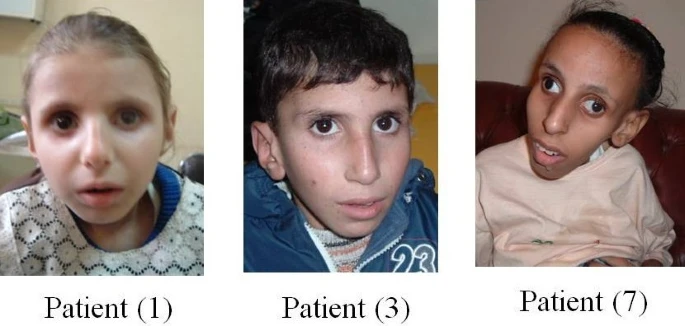
Síndrome de hipomielinização-catarata congênita
📋 Origem dos dados
Esta página agrega dados de fontes públicas e oficiais. Dados sobre cobertura no SUS (PCDT, CEAF) são verificados ativamente por agente proativo (ver badge no infobox). Demais dados têm atribuição de fonte + data da última sincronização — clique para abrir o original.
- Doença rara (ontologia)
- fonte: Orphanet
- Identificador unificado
- fonte: MONDO
- Genética mendeliana
- fonte: OMIM
- Codificação WHO/SUS
- fonte: WHO ICD-10 / DATASUS
- NIH/GARD
- fonte: GARD (NIH)
- Indexação biomédica
- fonte: MeSH (NLM)
- Dado público estruturado
- fonte: Wikidata