
A Má Absorção Hereditária de Folato (MHF) é uma doença genética em que o corpo não consegue transportar e usar corretamente o folato, que é uma vitamina importante. Essa falta de folato afeta tanto o corpo como um todo quanto o sistema nervoso central (SNC), que inclui o cérebro e a medula espinhal. Os sintomas podem ser: um tipo de anemia (chamada megaloblástica, onde os glóbulos vermelhos são maiores e não funcionam bem), atraso no crescimento, diarreia e/ou feridas na boca, problemas no sistema de defesa do corpo (imunidade) e distúrbios neurológicos (que afetam o cérebro e os nervos).
Introdução
O que você precisa saber de cara
A Má Absorção Hereditária de Folato (MHF) é uma doença genética em que o corpo não consegue transportar e usar corretamente o folato, que é uma vitamina importante. Essa falta de folato afeta tanto o corpo como um todo quanto o sistema nervoso central (SNC), que inclui o cérebro e a medula espinhal. Os sintomas podem ser: um tipo de anemia (chamada megaloblástica, onde os glóbulos vermelhos são maiores e não funcionam bem), atraso no crescimento, diarreia e/ou feridas na boca, problemas no sistema de defesa do corpo (imunidade) e distúrbios neurológicos (que afetam o cérebro e os nervos).
Escala de raridade
<1/50kMuito rara
1/20kRara
1/10kPouco freq.
1/5kIncomum
1/2k
Encontrou um erro ou informação desatualizada? Sugira uma correção →
Entender a doença
Do básico ao detalhe, leia no seu ritmo
Preparando trilha educativa...
Sinais e sintomas
O que aparece no corpo e com que frequência cada sintoma acontece
Partes do corpo afetadas
+ 15 sintomas em outras categorias
Características mais comuns
Os sintomas variam de pessoa para pessoa. Abaixo estão as 44 características clínicas mais associadas, ordenadas por frequência.
Linha do tempo da pesquisa
Encontrou um erro ou informação desatualizada? Sugira uma correção →
Genética e causas
O que está alterado no DNA e como passa nas famílias
Genes associados
1 gene identificado com associação a esta condição. Padrão de herança: Autosomal recessive.
Curadoria gene-doença
fontes oficiaisProton-coupled folate symporter that mediates folate absorption using an H(+) gradient as a driving force (PubMed:17129779, PubMed:17446347, PubMed:17475902, PubMed:19389703, PubMed:19762432, PubMed:25504888, PubMed:29344585, PubMed:30858177, PubMed:31494288, PubMed:31792273, PubMed:32893190, PubMed:34619546). Involved in the intestinal absorption of folates at the brush-border membrane of the proximal jejunum, and the transport from blood to cerebrospinal fluid across the choroid plexus (PubMed
Cell membraneApical cell membraneBasolateral cell membraneEndosome membraneCytoplasm
Hereditary folate malabsorption
Rare autosomal recessive disorder characterized by impaired intestinal folate absorption with folate deficiency resulting in anemia, hypoimmunoglobulinemia with recurrent infections, and recurrent or chronic diarrhea. In many patients, neurological abnormalities such as seizures or intellectual disability become apparent during early childhood, attributed to impaired transport of folates into the central nervous system. When diagnosed early, the disorder can be treated by administration of folate. If untreated, it can be fatal and, if treatment is delayed, the neurological defects can become permanent.
Variantes genéticas (ClinVar)
49 variantes patogênicas registradas no ClinVar.
Vias biológicas (Reactome)
3 vias biológicas associadas aos genes desta condição.
Diagnóstico
Os sinais que médicos procuram e os exames que confirmam
Tratamento e manejo
Remédios, cuidados de apoio e o que precisa acompanhar
Onde tratar no SUS
Hospitais de referência no Brasil e o protocolo oficial do SUS (PCDT)
🇧🇷 Atendimento SUS — Má absorção de folato hereditária
Selecione um estado ou use sua localização para ver resultados.
Dados de DATASUS/CNES, SBGM, ABNeuro e Ministério da Saúde. Sempre confirme a disponibilidade diretamente com o estabelecimento.
Pesquisa ativa
Ensaios clínicos abertos e novidades científicas recentes
Ensaios em destaque
Pesquisa e ensaios clínicos
0 ensaios clínicos encontrados.
Publicações mais relevantes
A Rare Combination of Hereditary Folate Malabsorption (SLC46A1 Gene Variant) and Beta-Thalassemia Trait.
Hereditary folate malabsorption is an autosomal recessive disorder caused by a pathogenic variant in SLC46A1, affecting proton-coupled folate transporter (PCFT) function. Infants with hereditary folate malabsorption often develop megaloblastic anemia and, without treatment, may experience serious neurodegenerative complications. Thalassemia is also an autosomal recessive genetic disorder. Major or compound heterozygous thalassemia is associated with severe complications and may require regular blood transfusions. A couple is seeking guidance on the recurrence risk of the condition that led to the loss of their two previous children. The second child's medical history and laboratory findings indicate a low vitamin B12 level 137.5 pg/mL, "reference range 211-911 pg/mL", elevated homocysteine 34.98 μmol/L, "reference range 3.7-13.9 μmol/L", and ferritin levels at 1129 ng/mL "reference range 18.2-341.2 ng/mL". Hematological results show a hemoglobin level of 6.4 g/dL, a total reticulocyte count of 3.39%, MCV of 82.7 fL, MCH of 26.9 pg, RDW of 19.0%, neutrophils at 27%, and lymphocytes at 42%. Hb-HPLC analysis revealed an HbA2 level of 4.6%. Whole-exome sequencing identified a homozygous pathogenic variant in the SLC46A1 gene (c.1127G>A), associated with hereditary folate malabsorption and a heterozygous pathogenic variant in the HBB gene (c.92+5G>C), linked to β-thalassemia. The first child's medical history also suggests low vitamin B12 levels and elevated homocysteine and ferritin levels. Hb-HPLC showed normal results, and genetic testing was not undertaken. The homozygous SLC46A1 (c.1127G>A) variant is lethal, whereas a heterozygous state with SLC46A1 (c.1127G>A) and HBB (c.92+5G>C) may not be associated with complications like transfusion-dependent thalassemia.
Hereditary Folate Malabsorption Presenting With Pancytopenia in Two Siblings: A Case Report.
Hereditary folate malabsorption (HFM) is a rare autosomal recessive disorder caused by mutations in the SLC46A1 gene, leading to impaired intestinal and central nervous system folate transport. We present two male siblings with clinical features suggestive of HFM. The first infant exhibited pancytopenia, diarrhea, hypogammaglobulinemia, and neurological regression due to delayed diagnosis and treatment discontinuation, resulting in a fatal outcome. The second sibling was diagnosed early based on clinical suspicion and family history and showed favorable progress after timely parenteral folinic acid therapy. This report underscores the importance of early recognition, the limitations of genetic access in low-resource settings, and the critical role of parenteral folinic acid in preventing irreversible complications.
Mechanistic insights into mutation in the proton-coupled folate transporter (SLC46A1) causing hereditary folate malabsorption.
Hereditary folate malabsorption (HFM) is a rare, autosomal recessive disorder characterized by impaired intestinal absorption and impaired transport of folates across the choroid plexus into cerebral spinal fluid due to inactivating mutations in the human proton-coupled folate transporter (hPCFT) gene, which encodes the proton-coupled folate transporter (PCFT) SLC46A1. Understanding the structural impact of these mutations is crucial for elucidating the mechanistic basis for PCFT function and the pathophysiology of HFM. Recently, the cryo-electron microscopic structural characterization of the Gallus gallus PCFT was obtained, which shares significant sequence identity with hPCFT. We conducted molecular dynamics simulations of hPCFT based on this structure, to explore structural changes induced by functionally defective disease-causing and other mutant proteins and mutations that restore function. Simulations revealed that the mutually mechanistic basis for the loss of function is partial loss of structural integrity of hPCFT primarily manifested in an enlarged and distorted pore accompanied by loss of long-range contacts, less stable, fluctuating inner helices with reduced solvent accessibility, and a marked loss of ordered secondary structures. These changes are reversed by the introduction of compensatory mutations. These findings provide novel insights into the structural and functional consequences of PCFT mutations associated with HFM and provide correlations with kinetic and biochemical properties of the mutant proteins. Hereditary folate malabsorption (HFM) is characterized by folate deficiency due to impaired intestinal folate absorption and impaired folate transport into the central nervous system. Findings include poor feeding, failure to thrive, and anemia. There can be leukopenia and thrombocytopenia, diarrhea and/or oral mucositis, hypoimmunoglobulinemia, and other immunologic dysfunction resulting in infections, most often Pneumocystis jirovecii pneumonia. Neurologic manifestations include developmental delays, cognitive and motor disorders, behavioral disorders, and seizures. The diagnosis of HFM is established in a proband with: anemia, impaired absorption of an oral folate load, and very low cerebrospinal fluid (CSF) folate concentration (even after correction of the serum folate concentration); and/or biallelic pathogenic variants in SLC46A1 identified on molecular genetic testing. Targeted therapy: Early treatment with intramuscular or high-dose oral 5-formyltetrahydrofolate (5-formylTHF; also known as folinic acid or leucovorin) or, preferably, the active isomer of 5-formylTHF (Isovorin® or Fusilev®) readily corrects the systemic folate deficiency and, if the dose is sufficient, can achieve CSF folate levels that prevent or mitigate the neurologic consequences of HFM. Dosing is aimed at achieving CSF folate trough concentrations as close as possible to the normal range for the age of the affected individual (infants and children have higher CSF folate levels than adults). Supportive care: Blood transfusion is rarely needed for severe anemia; in affected individuals with selective IgA deficiency, appropriate precautions for blood product transfusion should be taken. Surveillance: To assess adequacy of treatment, surveillance should include: complete blood counts; measurement of serum and CSF folate concentrations; measurement of CSF homocysteine concentrations; and monitoring of neurologic and cognitive function. Serum immunoglobulins are monitored until they return to the normal range and serum folate level and hemogram remain normal and stable. Agents/circumstances to avoid: If possible, folic acid should not be used for the treatment of HFM because it binds very tightly to the folate receptor. This may impair transport of physiologic folates across the choroid plexus. Evaluation of relatives at risk: For at-risk sibs, molecular genetic testing when the family-specific pathogenic variants are known; otherwise, assessment of serum and CSF folate levels and, if warranted, intestinal absorption of folate, immediately after birth or as soon as the diagnosis is confirmed in the proband. Pregnancy management: Affected women should increase their 5-formylTHF intake above the maintenance dose well in advance of attempting to conceive; infants with HFM do not appear to be at increased risk for neural malformations typically associated with maternal folate deficiency during pregnancy, but care must be taken to assure that maternal folate intake is increased and sufficient. HFM is inherited in an autosomal recessive manner. If both parents are known to be heterozygous for an SLC46A1 pathogenic variant, each sib of an affected individual has at conception a 25% chance of being affected, a 50% chance of being an asymptomatic carrier, and a 25% chance of inheriting neither of the familial SLC46A1 pathogenic variants. If both pathogenic variants have been identified in the family, carrier testing for at-risk relatives, prenatal testing for a pregnancy at increased risk, and preimplantation genetic testing for HFM are possible.
Hereditary Folate Malabsorption: A Rare Treatable Disorder with Hematological and Neurological Manifestations.
Long follow-up of hereditary folate malabsorption using intravenous folinate.
Publicações recentes
Hereditary Folate Malabsorption.
📖 RevisãoA Rare Combination of Hereditary Folate Malabsorption (SLC46A1 Gene Variant) and Beta-Thalassemia Trait.
Hereditary Folate Malabsorption Presenting With Pancytopenia in Two Siblings: A Case Report.
Mechanistic insights into mutation in the proton-coupled folate transporter (SLC46A1) causing hereditary folate malabsorption.
Hereditary Folate Malabsorption: A Rare Treatable Disorder with Hematological and Neurological Manifestations.
📚 EuropePMC39 artigos no totalmostrando 28
A Rare Combination of Hereditary Folate Malabsorption (SLC46A1 Gene Variant) and Beta-Thalassemia Trait.
EJIFCCHereditary Folate Malabsorption Presenting With Pancytopenia in Two Siblings: A Case Report.
CureusMechanistic insights into mutation in the proton-coupled folate transporter (SLC46A1) causing hereditary folate malabsorption.
The Journal of biological chemistryHereditary Folate Malabsorption: A Rare Treatable Disorder with Hematological and Neurological Manifestations.
Annals of Indian Academy of NeurologyBiology and therapeutic applications of the proton-coupled folate transporter.
Expert opinion on drug metabolism & toxicologyHereditary Folate Malabsorption presenting as neutropenic fever in a newborn from the first Palestinian family with the novel SLC46A1-mutation, A-case-report.
Annals of medicine and surgery (2012)An infantile case of hereditary folate malabsorption with sudden development of pulmonary hemorrhage: a case report.
Journal of medical case reportsCell-Free Expression of Proton-Coupled Folate Transporter in the Presence of Nanodiscs.
Methods in molecular biology (Clifton, N.J.)The evolving biology of the proton-coupled folate transporter: New insights into regulation, structure, and mechanism.
FASEB journal : official publication of the Federation of American Societies for Experimental BiologyFunctional role of serine 318 of the proton-coupled folate transporter in methotrexate transport.
Drug metabolism and pharmacokineticsLong follow-up of hereditary folate malabsorption using intravenous folinate.
Pediatrics international : official journal of the Japan Pediatric SocietyThe Concept of Folic Acid in Health and Disease.
Molecules (Basel, Switzerland)Child Neurology: Hereditary Folate Malabsorption.
NeurologyTreatable Cause of Pancytopenia, Recurrent Infections and Refractory Epilepsy: Secondary to Hereditary Folate Malabsorption (HFM) Due to Novel Pathogenic Variant.
Indian journal of pediatricsPulmonary hypertension related to hereditary folate malabsorption in an infant.
Pediatrics international : official journal of the Japan Pediatric SocietyA proton-coupled folate transporter mutation causing hereditary folate malabsorption locks the protein in an inward-open conformation.
The Journal of biological chemistryImmunodeficiency and inborn disorders of vitamin B12 and folate metabolism.
Current opinion in clinical nutrition and metabolic careA deep intronic mutation of c.1166-285 T > G in SLC46A1 is shared by four unrelated Japanese patients with hereditary folate malabsorption (HFM).
Clinical immunology (Orlando, Fla.)Successful Treatment of Hereditary Folate Malabsorption With Intramuscular Folinic Acid.
Pediatric neurologyHereditary folate malabsorption with a novel mutation on SLC46A1: A case report.
MedicineHereditary folate malabsorption due to a mutation in the external gate of the proton-coupled folate transporter SLC46A1.
Blood advancesRole of Intramuscular Levofolinate Administration in the Treatment of Hereditary Folate Malabsorption: Report of Three Cases.
JIMD reports[Two cases with generalized intracranial calcification due to hereditary folate malabsorption and literature review].
Zhonghua er ke za zhi = Chinese journal of pediatricsThe proton-coupled folate transporter (PCFT-SLC46A1) and the syndrome of systemic and cerebral folate deficiency of infancy: Hereditary folate malabsorption.
Molecular aspects of medicineRole of the tryptophan residues in proton-coupled folate transporter (PCFT-SLC46A1) function.
American journal of physiology. Cell physiologyCSF 5-Methyltetrahydrofolate Serial Monitoring to Guide Treatment of Congenital Folate Malabsorption Due to Proton-Coupled Folate Transporter (PCFT) Deficiency.
JIMD reportsHereditary folate malabsorption with extensive intracranial calcification.
Indian pediatricsIdentification of Tyr residues that enhance folate substrate binding and constrain oscillation of the proton-coupled folate transporter (PCFT-SLC46A1).
American journal of physiology. Cell physiologyAssociações
Organizações que acompanham esta doença — pra ter apoio e orientação
Ainda não temos associações cadastradas para Má absorção de folato hereditária.
É de uma associação que acompanha esta doença? Fale com a gente →
Comunidades
Grupos ativos de quem convive com esta doença aqui no Raras
Ainda não existe comunidade no Raras para Má absorção de folato hereditária
Pacientes, familiares e cuidadores se organizam em comunidades pra compartilhar experiências, fazer perguntas e se apoiar. Você pode ser o primeiro.
Tire suas dúvidas
Perguntas, dicas e experiências compartilhadas aqui na página
Participe da discussão
Faça login para postar dúvidas, compartilhar experiências e interagir com especialistas.
Fazer loginDoenças relacionadas
Doenças com sintomas parecidos — ajudam quem ainda está buscando diagnóstico
Referências e fontes
Bases de dados externas citadas neste artigo
Publicações científicas
Artigos indexados no PubMed ligados a esta doença no grafo RarasNet — título, periódico e PMID direto da fonte, sem intermediação de IA.
- A Rare Combination of Hereditary Folate Malabsorption (SLC46A1 Gene Variant) and Beta-Thalassemia Trait.
- Hereditary Folate Malabsorption Presenting With Pancytopenia in Two Siblings: A Case Report.
- Mechanistic insights into mutation in the proton-coupled folate transporter (SLC46A1) causing hereditary folate malabsorption.
- Hereditary Folate Malabsorption: A Rare Treatable Disorder with Hematological and Neurological Manifestations.
- Long follow-up of hereditary folate malabsorption using intravenous folinate.Pediatrics international : official journal of the Japan Pediatric Society· 2022· PMID 34529878mais citado
- Hereditary Folate Malabsorption.
Bases de dados e fontes oficiais
Identificadores e referências canônicas usadas para montar este verbete.
- ORPHA:90045(Orphanet)
- OMIM OMIM:229050(OMIM)
- MONDO:0009238(MONDO)
- GARD:12983(GARD (NIH))
- Variantes catalogadas(ClinVar)
- Busca completa no PubMed(PubMed)
- Q1609733(Wikidata)
Dados compilados pelo RarasNet a partir de fontes abertas (Orphanet, OMIM, MONDO, PubMed/EuropePMC, ClinicalTrials.gov, DATASUS, PCDT/MS). Este conteúdo é informativo e não substitui avaliação médica.
Conteúdo mantido por Agente Raras · Médicos e pesquisadores podem colaborar
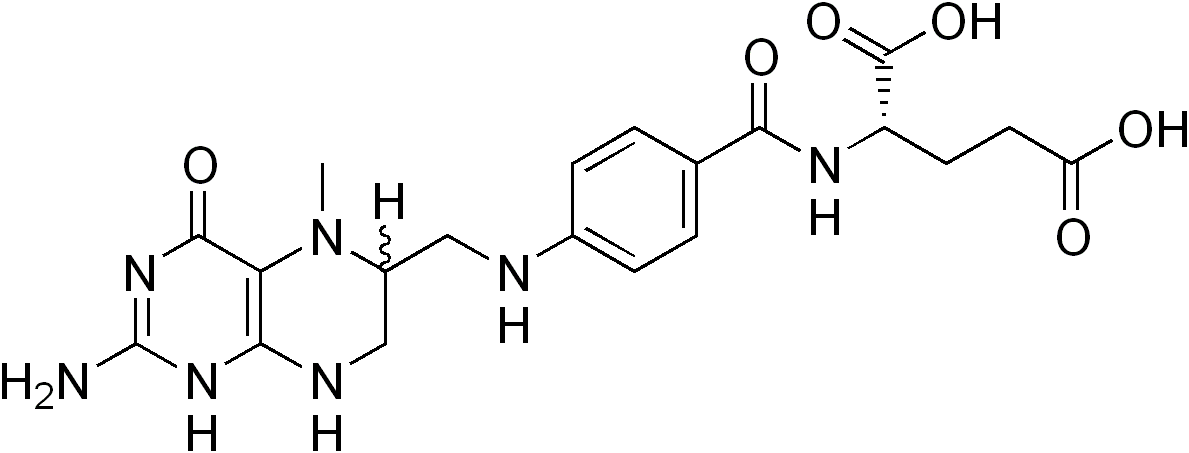
Má absorção de folato hereditária
📋 Origem dos dados
Esta página agrega dados de fontes públicas e oficiais. Dados sobre cobertura no SUS (PCDT, CEAF) são verificados ativamente por agente proativo (ver badge no infobox). Demais dados têm atribuição de fonte + data da última sincronização — clique para abrir o original.
- Doença rara (ontologia)
- fonte: Orphanet
- Identificador unificado
- fonte: MONDO
- Genética mendeliana
- fonte: OMIM
- Codificação WHO/SUS
- fonte: WHO ICD-10 / DATASUS
- CID-11 (futuro)
- fonte: WHO ICD-11
- NIH/GARD
- fonte: GARD (NIH)
- Indexação biomédica
- fonte: MeSH (NLM)
- Dado público estruturado
- fonte: Wikidata