
Ataxia espinocerebelosa tipo 7 (SCA7) é uma doença neurodegenerativa autossômica dominante causada por mutações no gene ATXN7. Caracteriza-se por ataxia progressiva, atraso motor, disartria, nistagmo, degeneração macular e, em alguns casos, psicose.
Introdução
O que você precisa saber de cara
Visão geral
A ataxia espinocerebelosa tipo 7 (SCA7) é uma doença neurodegenerativa hereditária rara, caracterizada por perda progressiva da coordenação motora (ataxia) associada a degeneração da retina e perda visual. A prevalência estimada é de 1 a 9 casos por 1.000.000 de pessoas. A herança é autossômica dominante, o que significa que um filho de uma pessoa afetada tem 50% de chance de herdar a doença.[1][4]
Sinais e sintomas
Os sintomas podem começar na infância, adolescência, idade adulta ou terceira idade. Os principais sinais incluem: ataxia (falta de coordenação), disartria (dificuldade para falar), disfagia (dificuldade para engolir), nistagmo (movimentos oculares involuntários), oftalmoplegia (paralisia dos músculos oculares), dismetria (erro na medida dos movimentos) e disdiadococinesia (dificuldade em realizar movimentos alternados rápidos).[1][4]
A perda visual é um sintoma marcante, geralmente começando com hemeralopia (cegueira noturna) e evoluindo para degeneração macular, distrofia de cones e bastonetes, redução da acuidade visual e, em casos avançados, cegueira. Outros achados incluem hiperreflexia (reflexos exagerados), sinal de Babinski, fraqueza muscular, atrofia cerebral e cerebelar, pernas inquietas, psicose, déficit de crescimento e dificuldades alimentares.[1][4]
Causas genéticas
Diagnóstico
O diagnóstico é baseado na avaliação clínica dos sintomas neurológicos e oftalmológicos, história familiar e confirmado por teste genético molecular. O sequenciamento completo do exoma (WES) é um dos procedimentos disponíveis no SUS para investigação diagnóstica. Atualmente, existem 13 testes genéticos disponíveis e 18 variantes patogênicas registradas no ClinVar para essa condição.[1][2][5][6]
Tratamento e manejo
Atualmente, não há cura para a SCA7. O manejo é multidisciplinar e sintomático, envolvendo neurologistas, oftalmologistas, fonoaudiólogos, fisioterapeutas e terapeutas ocupacionais. No Brasil, o SUS oferece cobertura mínima para atendimento em reabilitação para doenças raras. Não há medicamentos aprovados especificamente para a doença, mas o fármaco taltirelina (taltirelin) tem sido estudado em reuso (repurposing) para potencial benefício.[1][2][6]
Tratamentos citados na literatura
A literatura científica (fonte PubTator3) menciona associações entre a SCA7 e diversas substâncias, com base em estudos experimentais. Estas são associações mineradas da literatura e NÃO representam recomendações de tratamento. As substâncias com maior número de publicações são: poliglutamina (63 publicações), cálcio (35), lipídios (13), glicose (12), levodopa (12), dopamina (9), bilirrubina (8), tiroxina (8), triiodotironina (8) e acetazolamida (8).[6]
Prognóstico e qualidade de vida
A SCA7 é uma doença progressiva. A perda visual e a ataxia motora pioram ao longo do tempo, podendo levar à cegueira e à dependência para atividades diárias. A idade de início e a velocidade de progressão variam entre os indivíduos. O acompanhamento multidisciplinar e o suporte familiar são fundamentais para a qualidade de vida.[1][4]
Conteúdo informativo gerado e mantido automaticamente a partir de fontes oficiais (Orphanet, HPO, OMIM, SUS). Não substitui avaliação médica.
Ataxia espinocerebelosa tipo 7 (SCA7) é uma doença neurodegenerativa autossômica dominante causada por mutações no gene ATXN7. Caracteriza-se por ataxia progressiva, atraso motor, disartria, nistagmo, degeneração macular e, em alguns casos, psicose.
Tem tratamento?
Escala de raridade
<1/50kMuito rara
1/20kRara
1/10kPouco freq.
1/5kIncomum
1/2k
Encontrou um erro ou informação desatualizada? Sugira uma correção →
Entender a doença
Do básico ao detalhe, leia no seu ritmo
Preparando trilha educativa...
Sinais e sintomas
O que aparece no corpo e com que frequência cada sintoma acontece
Visão geral
A ataxia espinocerebelosa tipo 7 (SCA7) é uma doença neurodegenerativa hereditária rara, caracterizada por perda progressiva da coordenação motora (ataxia) associada a degeneração da retina e perda visual. A prevalência estimada é de 1 a 9 casos por 1.000.000 de pessoas. A herança é autossômica dominante, o que significa que um filho de uma pessoa afetada tem 50% de chance de herdar a doença.[1][4]
Sinais e sintomas
Os sintomas podem começar na infância, adolescência, idade adulta ou terceira idade. Os principais sinais incluem: ataxia (falta de coordenação), disartria (dificuldade para falar), disfagia (dificuldade para engolir), nistagmo (movimentos oculares involuntários), oftalmoplegia (paralisia dos músculos oculares), dismetria (erro na medida dos movimentos) e disdiadococinesia (dificuldade em realizar movimentos alternados rápidos).[1][4]
A perda visual é um sintoma marcante, geralmente começando com hemeralopia (cegueira noturna) e evoluindo para degeneração macular, distrofia de cones e bastonetes, redução da acuidade visual e, em casos avançados, cegueira. Outros achados incluem hiperreflexia (reflexos exagerados), sinal de Babinski, fraqueza muscular, atrofia cerebral e cerebelar, pernas inquietas, psicose, déficit de crescimento e dificuldades alimentares.[1][4]
Causas genéticas
Diagnóstico
O diagnóstico é baseado na avaliação clínica dos sintomas neurológicos e oftalmológicos, história familiar e confirmado por teste genético molecular. O sequenciamento completo do exoma (WES) é um dos procedimentos disponíveis no SUS para investigação diagnóstica. Atualmente, existem 13 testes genéticos disponíveis e 18 variantes patogênicas registradas no ClinVar para essa condição.[1][2][5][6]
Tratamento e manejo
Atualmente, não há cura para a SCA7. O manejo é multidisciplinar e sintomático, envolvendo neurologistas, oftalmologistas, fonoaudiólogos, fisioterapeutas e terapeutas ocupacionais. No Brasil, o SUS oferece cobertura mínima para atendimento em reabilitação para doenças raras. Não há medicamentos aprovados especificamente para a doença, mas o fármaco taltirelina (taltirelin) tem sido estudado em reuso (repurposing) para potencial benefício.[1][2][6]
Tratamentos citados na literatura
A literatura científica (fonte PubTator3) menciona associações entre a SCA7 e diversas substâncias, com base em estudos experimentais. Estas são associações mineradas da literatura e NÃO representam recomendações de tratamento. As substâncias com maior número de publicações são: poliglutamina (63 publicações), cálcio (35), lipídios (13), glicose (12), levodopa (12), dopamina (9), bilirrubina (8), tiroxina (8), triiodotironina (8) e acetazolamida (8).[6]
Prognóstico e qualidade de vida
A SCA7 é uma doença progressiva. A perda visual e a ataxia motora pioram ao longo do tempo, podendo levar à cegueira e à dependência para atividades diárias. A idade de início e a velocidade de progressão variam entre os indivíduos. O acompanhamento multidisciplinar e o suporte familiar são fundamentais para a qualidade de vida.[1][4]
Conteúdo informativo gerado e mantido automaticamente a partir de fontes oficiais (Orphanet, HPO, OMIM, SUS). Não substitui avaliação médica.
Partes do corpo afetadas
+ 15 sintomas em outras categorias
Características mais comuns
Os sintomas variam de pessoa para pessoa. Abaixo estão as 45 características clínicas mais associadas, ordenadas por frequência.
Linha do tempo da pesquisa
Encontrou um erro ou informação desatualizada? Sugira uma correção →
Genética e causas
O que está alterado no DNA e como passa nas famílias
Genes associados
1 gene identificado com associação a esta condição. Padrão de herança: Autosomal dominant.
Curadoria gene-doença
fontes oficiaisActs as a component of the SAGA (aka STAGA) transcription coactivator-HAT complex (PubMed:15932940, PubMed:18206972). Mediates the interaction of SAGA complex with the CRX and is involved in CRX-dependent gene activation (PubMed:15932940, PubMed:18206972). Probably involved in tethering the deubiquitination module within the SAGA complex (PubMed:24493646). Necessary for microtubule cytoskeleton stabilization (PubMed:22100762). Involved in neurodegeneration (PubMed:9288099)
NucleusNucleus, nucleolusNucleus matrixCytoplasm, cytoskeletonCytoplasm
Spinocerebellar ataxia 7
Spinocerebellar ataxia is a clinically and genetically heterogeneous group of cerebellar disorders. Patients show progressive incoordination of gait and often poor coordination of hands, speech and eye movements, due to degeneration of the cerebellum with variable involvement of the brainstem and spinal cord. SCA7 belongs to the autosomal dominant cerebellar ataxias type II (ADCA II) which are characterized by cerebellar ataxia with retinal degeneration and pigmentary macular dystrophy.
Medicamentos e terapias
Mecanismo: Sodium channel alpha subunit blocker
Variantes genéticas (ClinVar)
18 variantes patogênicas registradas no ClinVar.
Classificação de variantes (ClinVar)
Distribuição de 5.215 variantes classificadas pelo ClinVar.
Vias biológicas (Reactome)
2 vias biológicas associadas aos genes desta condição.
Diagnóstico
Os sinais que médicos procuram e os exames que confirmam
Tratamento e manejo
Remédios, cuidados de apoio e o que precisa acompanhar
Onde tratar no SUS
Hospitais de referência no Brasil e o protocolo oficial do SUS (PCDT)
🇧🇷 Atendimento SUS — Ataxia espinocerebelosa tipo 7
Selecione um estado ou use sua localização para ver resultados.
Dados de DATASUS/CNES, SBGM, ABNeuro e Ministério da Saúde. Sempre confirme a disponibilidade diretamente com o estabelecimento.
Pesquisa ativa
Ensaios clínicos abertos e novidades científicas recentes
Ensaios em destaque
🟢 Recrutando agora
2 pesquisas recrutando participantes. Converse com seu médico sobre a possibilidade de participar.
Outros ensaios clínicos
8 ensaios clínicos encontrados, 4 ativos.
Publicações mais relevantes
Integrated Plasma and Glial Cell Evidence Indicates a Functional Role for hsa-miR-342-5p in Spinocerebellar Ataxia Type 7 and Its Potential Use as a Biomarker.
Spinocerebellar ataxia type 7 (SCA7) is a neurodegenerative disease characterized by cerebellar ataxia and retinal degeneration, caused by an abnormal expansion of CAG repeats at the ATXN7 gene. Disease onset and progression vary among patients, underscoring the need for novel tools to improve disease monitoring. Circulating miRNAs represent a promising prognostic tool, due to their minimally invasive sampling and high stability. The aim of this study was to assess the expression of twelve circulating miRNAs associated with neurodegeneration in plasma samples from SCA7 patients and in an inducible SCA7 glial cell model. A comparison of SCA7 patients and controls revealed that nine miRNAs exhibited significantly higher expression. Furthermore, comparison of patients with different SCA7 phenotypes to controls revealed that most miRNAs were overexpressed in plasma from early-onset patients corresponding to the clinically more severe phenotype. Regarding the cell model, we identified three miRNAs that were dysregulated; however, only hsa-miR-342-5p displayed a pattern consistent with that observed in the plasma of patient. Our findings indicate that hsa-miR-342-5p is differentially expressed in the plasma of patients and the SCA7 cellular model, implying that it can serve as a biomarker and facilitate the identification of novel processes involved in SCA7.
Evaluating Glial Fibrillary Acidic Protein and Neurofilament Light as Potential Biomarkers for Spinocerebellar Ataxia 7.
Spinocerebellar ataxia type 7 (SCA7), a rare form of ataxia, possesses a wide phenotypic spectrum ranging from classic ataxic symptoms to blindness, multiorgan failure, cardiomyopathy, and early death among younger age groups. Biomarkers associated with disease progression and severity could aid in disease prognostication. We evaluated the utility of glial fibrillary acidic protein (GFAP) and neurofilament light (NfL) in distinguishing patients with SCA7 from healthy controls and estimating patient prognosis. GFAP and NfL levels were measured in 23 plasma and 20 cerebrospinal fluid (CSF) samples from asymptomatic (N = 3) and symptomatic SCA7 participants (N = 10) and from healthy controls (N = 8). GFAP concentrations were elevated in the plasma (82.7 pg/mL) and CSF (9318 pg/mL) of patients with SCA7 compared to controls (plasma: 48.0 pg/mL; CSF: 89,056 pg/mL). Similarly, NfL plasma (21.6 pg/mL) and CSF (2615.0 pg/mL) levels were also significantly upregulated in SCA7 compared to controls (plasma: 8.2 pg/mL; CSF: 414.6 pg/mL). Higher levels of NfL, but not of GFAP, significantly discriminated symptomatic SCA7 patients from controls (area under de curve, AUC: 0.898, p = 0.0059, in plasma, and AUC: 1.0, p = 0.0012, in CSF). The levels of both biomarkers increased overtime, with plasma NfL levels strongly associated with a worse score in the scale for the assessment and rating of ataxia (SARA) (Spearman r: 0.8354, p = 0.0007; regression analysis: β: 0.021, 95% CI: 0.008-0.035, p = 0.0048). These findings suggest that NfL could serve as a valuable biomarker for monitoring disease progression and prognosis in SCA7 patients.
Multi-omic insights into molecular mechanism and therapeutic targets in spinocerebellar ataxia type 7.
Recent advances in molecular science have significantly enlightened our mechanistic understanding of spinocerebellar ataxia type 7. To further close remaining gaps, we performed a multi-omics analysis using SCA7266Q/5Q mice. Entire brain tissue samples were collected from 12-week-old mice, and RNA sequencing, methylation analysis, and proteomic analysis were performed. Results were integrated to identify genes with identical trends in expression across all three analyses. Data from RNA sequencing and methylation analysis revealed 58 significantly hypomethylated-upregulated genes and 62 hypermethylated-downregulated genes, mostly enriched in GO terms of regulation of axonogenesis, channel activity, and monoamine signaling. In the proteomic analysis, 211 upregulated and 281 downregulated DEPs associated mostly with immune response and cellular mobility were identified. Two genes, Fam107b and Tph2, showed differential expressions in both transcriptomic and proteomic analyses. Findings were validated in RT-qPCR as well as open data source analysis. Our study is the first to perform multi-omics analysis in SCA7 mice and will serve as an important reference for future studies.
In Silico Analysis of miRNA-Regulated Pathways in Spinocerebellar Ataxia Type 7.
Spinocerebellar ataxia type 7 (SCA7) is an inherited neurodegenerative disease characterized by cerebellar ataxia and retinal degeneration, caused by an abnormal expansion of the CAG trinucleotide in the coding region of the ATXN7 gene. Currently, in silico analysis is used to explore mechanisms and biological processes through bioinformatics predictions in various neurodegenerative diseases. Therefore, the aim of this study was to identify candidate human gene targets of four miRNAs (hsa-miR-29a-3p, hsa-miR-132-3p, hsa-miR-25-3p, and hsa-miR-92a-3p) involved in pathways that could play an important role in SCA7 pathogenesis through comprehensive in silico analysis including the prediction of miRNA target genes, Gen Ontology enrichment, identification of core genes in KEGG pathways, transcription factors and validated miRNA target genes with the mouse SCA7 transcriptome data. Our results showed the participation of the following pathways: adherens junction, focal adhesion, neurotrophin signaling, endoplasmic reticulum processing, actin cytoskeleton regulation, RNA transport, and apoptosis and dopaminergic synapse. In conclusion, unlike previous studies, we highlight using a bioinformatics approach the core genes and transcription factors involved in the different biological pathways and which ones are targets for the four miRNAs, which, in addition to being associated with neurodegenerative diseases, are also de-regulated in the plasma of patients with SCA7.
Retinal degeneration in spinocerebellar ataxia type 7: an overview of the current knowledge.
Spinocerebellar ataxia type 7 is a form of spinocerebellar ataxia, which is a clinically and genetically heterogeneous group of rare inherited neurodegenerative disorders. Among the spinocerebellar ataxias, the association between cerebellar ataxia and cone-rod retinal dystrophy is a strong indicator of spinocerebellar ataxia type 7. Spinocerebellar ataxia type 7 cone-rod dystrophy is a progressive, disabling, and incurable form of hereditary retinopathy. However, the field of genetics has markedly progressed in the last decades, which resulted in improved understanding of multiple aspects of spinocerebellar ataxia type 7 retinal degeneration and the emergence of new modalities of genetic therapies for other types of retinal dystrophies. This study aimed to evaluate the current knowledge on spinocerebellar ataxia type 7 retinal degeneration, including genetics and molecular mechanisms as well as their implications in pathogenesis, clinical manifestations, and potential therapeutic strategies.
Publicações recentes
Integrated Plasma and Glial Cell Evidence Indicates a Functional Role for hsa-miR-342-5p in Spinocerebellar Ataxia Type 7 and Its Potential Use as a Biomarker.
Evaluating Glial Fibrillary Acidic Protein and Neurofilament Light as Potential Biomarkers for Spinocerebellar Ataxia 7.
In Silico Analysis of miRNA-Regulated Pathways in Spinocerebellar Ataxia Type 7.
Retinal degeneration in spinocerebellar ataxia type 7: an overview of the current knowledge.
Multi-omic insights into molecular mechanism and therapeutic targets in spinocerebellar ataxia type 7.
📚 EuropePMC138 artigos no totalmostrando 94
Integrated Plasma and Glial Cell Evidence Indicates a Functional Role for hsa-miR-342-5p in Spinocerebellar Ataxia Type 7 and Its Potential Use as a Biomarker.
International journal of molecular sciencesEvaluating Glial Fibrillary Acidic Protein and Neurofilament Light as Potential Biomarkers for Spinocerebellar Ataxia 7.
International journal of molecular sciencesIn Silico Analysis of miRNA-Regulated Pathways in Spinocerebellar Ataxia Type 7.
Current issues in molecular biologyRetinal degeneration in spinocerebellar ataxia type 7: an overview of the current knowledge.
Arquivos brasileiros de oftalmologiaMulti-omic insights into molecular mechanism and therapeutic targets in spinocerebellar ataxia type 7.
Molecular therapy. Nucleic acidsIncreased nuclear import characterizes aberrant nucleocytoplasmic transport in neurons from patients with spinocerebellar ataxia type 7.
Frontiers in molecular neuroscienceDysregulation of zebrin-II cell subtypes in the cerebellum is a shared feature across polyglutamine ataxia mouse models and patients.
Science translational medicineCurrent Overview of Spinocerebellar Ataxia Type 7 in Mexican Population: Challenges in Specialized Care for a Rare Disease.
International journal of molecular sciencesRespiratory neuropathology in spinocerebellar ataxia type 7.
JCI insightAntibody-assisted selective isolation of Purkinje cell nuclei from mouse cerebellar tissue.
Cell reports methodsLong-Term Follow-Up before and during Riluzole Treatment in Six Patients from Two Families with Spinocerebellar Ataxia Type 7.
Cerebellum (London, England)Progressive degeneration in a new Drosophila model of spinocerebellar ataxia type 7.
Scientific reportsGeneration of human induced pluripotent stem cell lines (LUMCi051-A,B and LUMCi052-A,B,C) of two patients with Spinocerebellar ataxia type 7.
Stem cell researchATXN7-Related Cone-Rod Dystrophy: The Integrated Functional Evaluation of the Cerebellum (CERMOI) Study.
JAMA ophthalmologyDiagnostic uplift through the implementation of short tandem repeat analysis using exome sequencing.
European journal of human genetics : EJHGLongitudinal MRI and 1H-MRS study of SCA7 mouse forebrain reveals progressive multiregional atrophy and early brain metabolite changes indicating early neuronal and glial dysfunction.
PloS oneDevelopment of a Polymeric Pharmacological Nanocarrier System as a Potential Therapy for Spinocerebellar Ataxia Type 7.
CellsMultimodal Ophthalmic Imaging in Spinocerebellar Ataxia Type 7.
Life (Basel, Switzerland)Compound heterozygous mutations in tripeptidyl peptidase 1 cause rare autosomal recessive spinocerebellar ataxia type 7: A case report.
World journal of clinical casesPigmentary Retinopathy in Spinocerebellar Ataxia Type 7.
Ophthalmology. RetinaGenetic Epidemiology and Clinical Characteristics of Patients with Spinocerebellar Ataxias in an Unexplored Brazilian State, Using Strategies for Resource-Limited Settings.
Cerebellum (London, England)First families with spinocerebellar ataxia type 7 in Poland.
Neurologia i neurochirurgia polskaPurkinje-Enriched snRNA-seq in SCA7 Cerebellum Reveals Zebrin Identity Loss as a Central Feature of Polyglutamine Ataxias.
bioRxiv : the preprint server for biologyRNA Foci Formation in a Retinal Glial Model for Spinocerebellar Ataxia Type 7.
Life (Basel, Switzerland)Polyglutamine-expanded ATXN7 alters a specific epigenetic signature underlying photoreceptor identity gene expression in SCA7 mouse retinopathy.
Journal of biomedical scienceAccumulation of senescence observed in spinocerebellar ataxia type 7 mouse model.
PloS onePrimary degeneration of oculomotor, motor, and somatosensory systems and auditory and visual pathways in spinocerebellar ataxia type 7: A clinicopathological study in a Japanese autopsy case.
Neuropathology : official journal of the Japanese Society of NeuropathologyPotpourri of retinopathies in rare eye disease - A case series.
Indian journal of ophthalmologyKey Modulators of the Stress Granule Response TIA1, TDP-43, and G3BP1 Are Altered by Polyglutamine-Expanded ATXN7.
Molecular neurobiologyFunctional characterization of variants of unknown significance in a spinocerebellar ataxia patient using an unsupervised machine learning pipeline.
Human genome variationThe Molecular Basis of Spinocerebellar Ataxia Type 7.
Frontiers in neuroscienceTripeptidyl Peptidase 1 (TPP1) Deficiency in a 36-Year-Old Patient with Cerebellar-Extrapyramidal Syndrome and Dilated Cardiomyopathy.
Life (Basel, Switzerland)Amyotrophic lateral sclerosis associated with a pathological expansion in the ATXN7 gene.
Amyotrophic lateral sclerosis & frontotemporal degenerationAltered H3 histone acetylation impairs high-fidelity DNA repair to promote cerebellar degeneration in spinocerebellar ataxia type 7.
Cell reportsInvolvement of the Auditory Pathway in Spinocerebellar Ataxia Type 7.
Neuro-degenerative diseasesCervical Spinal Cord Degeneration in Spinocerebellar Ataxia Type 7.
AJNR. American journal of neuroradiologyRespiratory dysfunction in a mouse model of spinocerebellar ataxia type 7.
Disease models & mechanismsOphthalmic Features of Spinocerebellar Ataxia Type 7: A Case Report.
The American journal of case reportsClinical characterization and the improved molecular diagnosis of autosomal dominant cone-rod dystrophy in patients with SCA7.
Molecular visionSpinocerebellar ataxia Type 7: clinical and genetic study of a new Moroccan family (case report).
The Pan African medical journalSCA7 Mouse Cerebellar Pathology Reveals Preferential Downregulation of Key Purkinje Cell-Identity Genes and Shared Disease Signature with SCA1 and SCA2.
The Journal of neuroscience : the official journal of the Society for NeuroscienceMolecular and electrophysiological features of spinocerebellar ataxia type seven in induced pluripotent stem cells.
PloS oneIn vivo assessment of neurodegeneration in Spinocerebellar Ataxia type 7.
NeuroImage. ClinicalCompeting Endogenous RNA Networks as Biomarkers in Neurodegenerative Diseases.
International journal of molecular sciencesPolyglutamine expanded Ataxin-7 induces DNA damage and alters FUS localization and function.
Molecular and cellular neurosciencesAntisense Transcription across Nucleotide Repeat Expansions in Neurodegenerative and Neuromuscular Diseases: Progress and Mysteries.
GenesA Proposal for Classification of Retinal Degeneration in Spinocerebellar Ataxia Type 7.
Cerebellum (London, England)Longitudinal Analysis of the Relation Between Clinical Impairment and Gray Matter Degeneration in Spinocerebellar Ataxia Type 7 Patients.
Cerebellum (London, England)Autophagy and Polyglutamine Disease.
Advances in experimental medicine and biologyDeciphering the natural history of SCA7 in children.
European journal of neurologyAltered Plasma Acylcarnitines and Amino Acids Profile in Spinocerebellar Ataxia Type 7.
BiomoleculesFounder Effects of Spinocerebellar Ataxias in the American Continents and the Caribbean.
Cerebellum (London, England)Nicotinamide Pathway-Dependent Sirt1 Activation Restores Calcium Homeostasis to Achieve Neuroprotection in Spinocerebellar Ataxia Type 7.
NeuronThe Reeler Mouse: A Translational Model of Human Neurological Conditions, or Simply a Good Tool for Better Understanding Neurodevelopment?
Journal of clinical medicineMolecular Targets and Therapeutic Strategies in Spinocerebellar Ataxia Type 7.
Neurotherapeutics : the journal of the American Society for Experimental NeuroTherapeuticsAtaxin-7 and Non-stop coordinate SCAR protein levels, subcellular localization, and actin cytoskeleton organization.
eLifeSpinocerebellar ataxia type 7 with RP1L1-negative occult macular dystrophy as retinal manifestation.
Ophthalmic geneticsWide Profiling of Circulating MicroRNAs in Spinocerebellar Ataxia Type 7.
Molecular neurobiologyEffects of Physical Rehabilitation in Patients with Spinocerebellar Ataxia Type 7.
Cerebellum (London, England)Metabolic and Organelle Morphology Defects in Mice and Human Patients Define Spinocerebellar Ataxia Type 7 as a Mitochondrial Disease.
Cell reportsOphthalmological and Neurologic Manifestations in Pre-clinical and Clinical Phases of Spinocerebellar Ataxia Type 7.
Cerebellum (London, England)Cell Death Mechanisms in a Mouse Model of Retinal Degeneration in Spinocerebellar Ataxia 7.
NeuroscienceSUMOylation by SUMO2 is implicated in the degradation of misfolded ataxin-7 via RNF4 in SCA7 models.
Disease models & mechanismsLoss of zebrafish Ataxin-7, a SAGA subunit responsible for SCA7 retinopathy, causes ocular coloboma and malformation of photoreceptors.
Human molecular geneticsAntisense oligonucleotides targeting mutant Ataxin-7 restore visual function in a mouse model of spinocerebellar ataxia type 7.
Science translational medicineMotor and cognitive impairments in spinocerebellar ataxia type 7 and its correlations with cortical volumes.
The European journal of neuroscienceOxidative Stress in Spinocerebellar Ataxia Type 7 Is Associated with Disease Severity.
Cerebellum (London, England)Molecular Mechanisms and Therapeutic Strategies in Spinocerebellar Ataxia Type 7.
Advances in experimental medicine and biologyLethal form of spinocerebellar ataxia type 7 with early onset in childhood.
Archives de pediatrie : organe officiel de la Societe francaise de pediatrieClinical and genetic analysis of spinocerebellar ataxia type 7 (SCA7) in Zambian families.
Cerebellum & ataxiasSpinocerebellar Ataxia Type 7 Sans Retinal Degeneration: A Phenotypic Variability.
Annals of Indian Academy of NeurologyOphthalmic features of spinocerebellar ataxia type 7.
Eye (London, England)A Complete Association of an intronic SNP rs6798742 with Origin of Spinocerebellar Ataxia Type 7-CAG Expansion Loci in the Indian and Mexican Population.
Annals of human geneticsThe replicative lifespan-extending deletion of SGF73 results in altered ribosomal gene expression in yeast.
Aging cellMutant CAG Repeats Effectively Targeted by RNA Interference in SCA7 Cells.
GenesRETINAL MANIFESTATIONS OF SPINOCEREBELLAR ATAXIA TYPE 7 IN TWO CONSECUTIVE GENERATIONS.
Retinal cases & brief reportsAtaxia Severity Correlates with White Matter Degeneration in Spinocerebellar Ataxia Type 7.
AJNR. American journal of neuroradiologyTranscriptome Profiling Identifies Multiplexin as a Target of SAGA Deubiquitinase Activity in Glia Required for Precise Axon Guidance During Drosophila Visual Development.
G3 (Bethesda, Md.)Spinocerebellar ataxia type 7 in South Africa: Epidemiology, pathogenesis and therapy.
South African medical journal = Suid-Afrikaanse tydskrif vir geneeskundeParkinsonism in Spinocerebellar ataxia type 7.
Journal of the neurological sciencesSpinocerebellar ataxia type-7: Report of a family in Northwest Nigeria.
Annals of African medicineVoice Alterations in Patients With Spinocerebellar Ataxia Type 7 (SCA7): Clinical-Genetic Correlations.
Journal of voice : official journal of the Voice FoundationMULTIMODAL IMAGING OF A FAMILY WITH SPINOCEREBELLAR ATAXIA TYPE 7 DEMONSTRATING PHENOTYPIC VARIATION AND PROGRESSION OF RETINAL DEGENERATION.
Retinal cases & brief reportsAggregation of Polyglutamine-expanded Ataxin 7 Protein Specifically Sequesters Ubiquitin-specific Protease 22 and Deteriorates Its Deubiquitinating Function in the Spt-Ada-Gcn5-Acetyltransferase (SAGA) Complex.
The Journal of biological chemistryEvidence for a common founder effect amongst South African and Zambian individuals with Spinocerebellar ataxia type 7.
Journal of the neurological sciencesInfantile spinocerebellar ataxia type 7: Case report and a review of the literature.
Journal of the neurological sciencesSpecific cerebellar and cortical degeneration correlates with ataxia severity in spinocerebellar ataxia type 7.
Brain imaging and behaviorProteolytic cleavage of ataxin-7 promotes SCA7 retinal degeneration and neurological dysfunction.
Human molecular geneticsPoly(Q) Expansions in ATXN7 Affect Solubility but Not Activity of the SAGA Deubiquitinating Module.
Molecular and cellular biologyClinical and molecular effect on offspring of a marriage of consanguineous spinocerebellar ataxia type 7 mutation carriers: a family case report.
International journal of clinical and experimental medicineAltered p53 and NOX1 activity cause bioenergetic defects in a SCA7 polyglutamine disease model.
Biochimica et biophysica actaSomatic instability of expanded CAG repeats of ATXN7 in Japanese patients with spinocerebellar ataxia type 7.
Documenta ophthalmologica. Advances in ophthalmologySpinocerebellar ataxia type 7: a neurodegenerative disorder with peripheral neuropathy.
European neurologyPhenotype variability and early onset ataxia symptoms in spinocerebellar ataxia type 7: comparison and correlation with other spinocerebellar ataxias.
Arquivos de neuro-psiquiatriaAssociações
Organizações que acompanham esta doença — pra ter apoio e orientação
Ainda não temos associações cadastradas para Ataxia espinocerebelosa tipo 7.
É de uma associação que acompanha esta doença? Fale com a gente →
Comunidades
Grupos ativos de quem convive com esta doença aqui no Raras
Ainda não existe comunidade no Raras para Ataxia espinocerebelosa tipo 7
Pacientes, familiares e cuidadores se organizam em comunidades pra compartilhar experiências, fazer perguntas e se apoiar. Você pode ser o primeiro.
Tire suas dúvidas
Perguntas, dicas e experiências compartilhadas aqui na página
Participe da discussão
Faça login para postar dúvidas, compartilhar experiências e interagir com especialistas.
Fazer loginDoenças relacionadas
Doenças com sintomas parecidos — ajudam quem ainda está buscando diagnóstico
Referências e fontes
Bases de dados externas citadas neste artigo
Publicações científicas
Artigos indexados no PubMed ligados a esta doença no grafo RarasNet — título, periódico e PMID direto da fonte, sem intermediação de IA.
- Integrated Plasma and Glial Cell Evidence Indicates a Functional Role for hsa-miR-342-5p in Spinocerebellar Ataxia Type 7 and Its Potential Use as a Biomarker.
- Evaluating Glial Fibrillary Acidic Protein and Neurofilament Light as Potential Biomarkers for Spinocerebellar Ataxia 7.
- Multi-omic insights into molecular mechanism and therapeutic targets in spinocerebellar ataxia type 7.
- In Silico Analysis of miRNA-Regulated Pathways in Spinocerebellar Ataxia Type 7.
- Retinal degeneration in spinocerebellar ataxia type 7: an overview of the current knowledge.
Bases de dados e fontes oficiais
Identificadores e referências canônicas usadas para montar este verbete.
- ORPHA:94147(Orphanet)
- OMIM OMIM:164500(OMIM)
- MONDO:0016163(MONDO)
- GARD:20405(GARD (NIH))
- Variantes catalogadas(ClinVar)
- Busca completa no PubMed(PubMed)
- Q22443706(Wikidata)
Dados compilados pelo RarasNet a partir de fontes abertas (Orphanet, OMIM, MONDO, PubMed/EuropePMC, ClinicalTrials.gov, DATASUS, PCDT/MS). Este conteúdo é informativo e não substitui avaliação médica.
Conteúdo mantido por Agente Raras · Médicos e pesquisadores podem colaborar
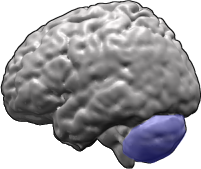
Ataxia espinocerebelosa tipo 7
📋 Origem dos dados
Esta página agrega dados de fontes públicas e oficiais. Dados sobre cobertura no SUS (PCDT, CEAF) são verificados ativamente por agente proativo (ver badge no infobox). Demais dados têm atribuição de fonte + data da última sincronização — clique para abrir o original.
- Doença rara (ontologia)
- fonte: Orphanet
- Identificador unificado
- fonte: MONDO
- Genética mendeliana
- fonte: OMIM
- Codificação WHO/SUS
- fonte: WHO ICD-10 / DATASUS
- CID-11 (futuro)
- fonte: WHO ICD-11
- NIH/GARD
- fonte: GARD (NIH)
- Dado público estruturado
- fonte: Wikidata
- Medicamentos (literatura)
- fonte: Orphanet
- Reposicionamento
- fonte: Drug Repurposing Hub
- Ensaios clínicos
- fonte: ClinicalTrials.gov