
Forma muito rara de porfiria hepática crônica caracterizada por fotodermatite bolhosa.
Introdução
O que você precisa saber de cara
Forma muito rara de porfiria hepática crônica caracterizada por fotodermatite bolhosa.
Escala de raridade
<1/50kMuito rara
1/20kRara
1/10kPouco freq.
1/5kIncomum
1/2k
Encontrou um erro ou informação desatualizada? Sugira uma correção →
Entender a doença
Do básico ao detalhe, leia no seu ritmo
Preparando trilha educativa...
Sinais e sintomas
O que aparece no corpo e com que frequência cada sintoma acontece
Partes do corpo afetadas
+ 14 sintomas em outras categorias
Características mais comuns
Os sintomas variam de pessoa para pessoa. Abaixo estão as 37 características clínicas mais associadas, ordenadas por frequência.
Linha do tempo da pesquisa
Encontrou um erro ou informação desatualizada? Sugira uma correção →
Genética e causas
O que está alterado no DNA e como passa nas famílias
Genes associados
1 gene identificado com associação a esta condição. Padrão de herança: Autosomal recessive.
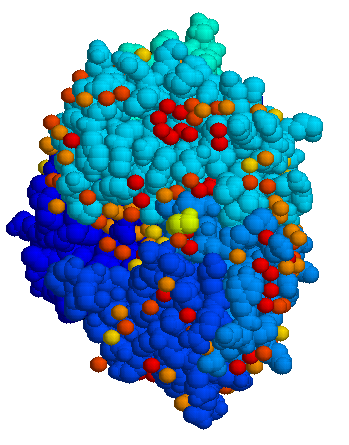
Catalyzes the sequential decarboxylation of the four acetate side chains of uroporphyrinogen to form coproporphyrinogen and participates in the fifth step in the heme biosynthetic pathway (PubMed:11069625, PubMed:11719352, PubMed:14633982, PubMed:18004775, PubMed:21668429). Isomer I or isomer III of uroporphyrinogen may serve as substrate, but only coproporphyrinogen III can ultimately be converted to heme (PubMed:11069625, PubMed:11719352, PubMed:14633982, PubMed:21668429). In vitro also decarb
Cytoplasm, cytosol
Familial porphyria cutanea tarda
A form of porphyria. Porphyrias are inherited defects in the biosynthesis of heme, resulting in the accumulation and increased excretion of porphyrins or porphyrin precursors. They are classified as erythropoietic or hepatic, depending on whether the enzyme deficiency occurs in red blood cells or in the liver. Familial porphyria cutanea tarda is an autosomal dominant disorder characterized by light-sensitive dermatitis, with onset in later life. It is associated with the excretion of large amounts of uroporphyrin in the urine. Iron overload is often present in association with varying degrees of liver damage.
Variantes genéticas (ClinVar)
79 variantes patogênicas registradas no ClinVar.
Classificação de variantes (ClinVar)
Distribuição de 5 variantes classificadas pelo ClinVar.
Diagnóstico
Os sinais que médicos procuram e os exames que confirmam
Tratamento e manejo
Remédios, cuidados de apoio e o que precisa acompanhar
Onde tratar no SUS
Hospitais de referência no Brasil e o protocolo oficial do SUS (PCDT)
🇧🇷 Atendimento SUS — Porfiria hepatoeritropoética
Centros de Referência SUS
21 centros habilitados pelo SUS para Porfiria hepatoeritropoética
Centros para Porfiria hepatoeritropoética
Detalhes dos centros
Hospital Universitário Prof. Edgard Santos (HUPES)
R. Dr. Augusto Viana, s/n - Canela, Salvador - BA, 40110-060 · CNES 0003808
Serviço de Referência
Hospital de Apoio de Brasília (HAB)
AENW 3 Lote A Setor Noroeste - Plano Piloto, Brasília - DF, 70684-831 · CNES 0010456
Serviço de Referência
Hospital Estadual Infantil e Maternidade Alzir Bernardino Alves (HIABA)
Av. Min. Salgado Filho, 918 - Soteco, Vila Velha - ES, 29106-010 · CNES 6631207
Serviço de Referência
Hospital das Clínicas da UFG
Rua 235 QD. 68 Lote Área, Nº 285, s/nº - Setor Leste Universitário, Goiânia - GO, 74605-050 · CNES 2338424
Serviço de Referência
Hospital das Clínicas da UFMG
Av. Prof. Alfredo Balena, 110 - Santa Efigênia, Belo Horizonte - MG, 30130-100 · CNES 2280167
Serviço de Referência
NUPAD / Faculdade de Medicina UFMG
Av. Prof. Alfredo Balena, 189 - 5 andar - Centro, Belo Horizonte - MG, 30130-100 · CNES 2183226
Serviço de Referência
Hospital Universitário João de Barros Barreto
R. dos Mundurucus, 4487 - Guamá, Belém - PA, 66073-000 · CNES 2337878
Serviço de Referência
Hospital de Clínicas da Universidade Federal de Pernambuco
Av. Prof. Moraes Rego, 1235 - Cidade Universitária, Recife - PE, 50670-901 · CNES 2561492
Atenção Especializada
Instituto de Medicina Integral Prof. Fernando Figueira (IMIP)
R. dos Coelhos, 300 - Boa Vista, Recife - PE, 50070-902 · CNES 0000647
Serviço de Referência
Hospital de Clínicas da UFPR
R. Gen. Carneiro, 181 - Alto da Glória, Curitiba - PR, 80060-900 · CNES 2364980
Serviço de Referência
Hospital Universitário Pedro Ernesto (HUPE-UERJ)
Blvd. 28 de Setembro, 77 - Vila Isabel, Rio de Janeiro - RJ, 20551-030 · CNES 2280221
Serviço de Referência
Instituto Nacional de Saúde da Mulher, da Criança e do Adolescente Fernandes Figueira (IFF/Fiocruz)
Av. Rui Barbosa, 716 - Flamengo, Rio de Janeiro - RJ, 22250-020 · CNES 2269988
Serviço de Referência
Hospital Universitário Onofre Lopes (HUOL)
Av. Nilo Peçanha, 620 - Petrópolis, Natal - RN, 59012-300 · CNES 2408570
Atenção Especializada
Hospital São Lucas da PUCRS
Av. Ipiranga, 6690 - Jardim Botânico, Porto Alegre - RS, 90610-000 · CNES 2232928
Serviço de Referência
Hospital de Clínicas de Porto Alegre (HCPA)
Rua Ramiro Barcelos, 2350 Bloco A - Av. Protásio Alves, 211 - Bloco B e C - Santa Cecília, Porto Alegre - RS, 90035-903 · CNES 2237601
Serviço de Referência
Hospital Universitário da UFSC (HU-UFSC)
R. Profa. Maria Flora Pausewang - Trindade, Florianópolis - SC, 88036-800 · CNES 2560356
Serviço de Referência
Hospital das Clínicas da FMUSP
R. Dr. Ovídio Pires de Campos, 225 - Cerqueira César, São Paulo - SP, 05403-010 · CNES 2077485
Serviço de Referência
Hospital de Clínicas da UNICAMP
R. Vital Brasil, 251 - Cidade Universitária, Campinas - SP, 13083-888 · CNES 2748223
Serviço de Referência
Hospital de Clínicas de Ribeirão Preto (HCRP-USP)
R. Ten. Catão Roxo, 3900 - Vila Monte Alegre, Ribeirão Preto - SP, 14015-010 · CNES 2082187
Serviço de Referência
Instituto da Criança e do Adolescente (ICr-HCFMUSP)
Av. Dr. Enéas Carvalho de Aguiar, 647 - Cerqueira César, São Paulo - SP, 05403-000 · CNES 2081695
Serviço de Referência
UNIFESP / Hospital São Paulo
R. Napoleão de Barros, 715 - Vila Clementino, São Paulo - SP, 04024-002 · CNES 2688689
Serviço de Referência
Dados de DATASUS/CNES, SBGM, ABNeuro e Ministério da Saúde. Sempre confirme a disponibilidade diretamente com o estabelecimento.
Pesquisa ativa
Ensaios clínicos abertos e novidades científicas recentes
Ensaios em destaque
🟢 Recrutando agora
1 pesquisa recrutando participantes. Converse com seu médico sobre a possibilidade de participar.
Outros ensaios clínicos
Publicações mais relevantes
Atypical Presentation of Homozygous UROD Mutation: Porphyria Cutanea Tarda or Mild Hepatoerythropoietic Porphyria?
We report a patient homozygous for the UROD c.185C>T (p.P62L) variant who presents with clinical features resembling familial porphyria cutanea tarda (PCT). This case highlights the limitations of rigid UROD-related porphyria classifications and supports the existence of a phenotypic continuum modulated by genetic, epigenetic, and environmental factors.
Hepatoerythropoietic Porphyria with Coexisting BTD And CNGB1 Genetic Mutations: A First Case Report.
Hepatoerythropoietic porphyria (HEP) is an uncommon autosomal recessive disorder marked by deficiencies in enzymes involved in heme biosynthesis. This results in the build-up of porphyrins and their precursors. Here, we describe a case study of a 17-year-old male who has experienced symptoms of porphyria since early childhood. The patient exhibited initial symptoms of porphyria, including dark-coloured urine, abdominal pain, constipation and cutaneous lesions. Genetic testing at age 17 confirmed a homozygous mutation in the UROD gene, diagnosing HEP. Additional mutations in the CNGB1 and BTD genes contributed to retinitis pigmentosa and biotinidase deficiency, respectively. The patient also experienced complications such as thumb amputation and finger developmental anomalies. This case underscores the diagnostic challenges and multidisciplinary management required for patients with complex genetic profiles and rare porphyria subtypes such as HEP. Further research is essential to enhance understanding and treatment strategies for such intricate genetic conditions. This is a first report of hepatoerythropoietic porphyria with coexisting BTD and CNGB1 genetic mutations.
Understanding Hepatic Porphyrias: Symptoms, Treatments, and Unmet Needs.
Hepatic porphyrias are a group of metabolic disorders that are characterized by overproduction and accumulation of porphyrin precursors in the liver. These porphyrins cause neurologic symptoms as well as cutaneous photosensitivity, and in some cases patients can experience life-threatening acute neurovisceral attacks. This review describes the acute hepatic porphyrias in detail, including acute intermittent porphyria, hereditary coproporphyria, and variegate porphyria, as well as the hepatic porphyrias with cutaneous manifestations such as porphyria cutanea tarda and hepatoerythropoietic porphyria. Each section will cover disease prevalence, clinical manifestations, and current therapies, including strategies to manage symptoms. Finally, we review new and emerging treatment modalities, including gene therapy through use of adeno-associated vectors and chaperone therapies such as lipid nanoparticle and small interfering RNA-based therapeutics. Porphyrias are a spectrum of metabolic disorders arising from a defect or alteration of enzymes in the heme biosynthesis pathway which present with either neurovisceral symptoms, cutaneous symptoms, or a combination of the two. Porphyria cutanea tarda (PCT), the most common porphyria, is the result of a deficiency of the enzyme uroporphyrinogen decarboxylase (UROD). The hallmark of this disorder is photosensitivity. Hepatic UROD is tasked with the conversion of uroporphyrinogen III to coproporphyrinogen III, and failure to do so results in the accumulation of the preceding compounds in the liver that eventually appears in the plasma and urine. Hepatoerythropoietic porphyria (HEP) is another rare form of porphyria which is clinically very similar to PCT but occurs due to homozygous mutation of UROD genes, whereas in PCT, the mutation in UROD gene, when present, is usually heterozygous. In this article, we discuss the different causes of UROD deficiency, along with clinically pertinent information for diagnosing and managing patients with PCT. Hepatoerythropoietic porphyria (HEP) is characterized by blistering skin lesions, hypertrichosis, and scarring over the affected skin areas. Disease manifestations occur during infancy or childhood and with similar frequency in females and males. Mild anemia/hemolysis are not uncommon. The diagnosis of HEP is established in a proband with elevated porphyrins in the urine (predominantly uroporphyrin and heptacarboxylporphyrin), significantly increased erythrocyte zinc protoporphyrin, and/or biallelic pathogenic (or likely pathogenic) variants in UROD identified by molecular genetic testing. Treatment of manifestations: No treatment regimens can restore uroporphyrinogen decarboxylase (UROD enzyme levels in individuals with HEP. The mainstays of therapy are avoidance of sunlight (including the long-wave ultraviolet light sunlight that passes through window glass) by use of protective clothing and topical application of opaque sunscreens. On sun-exposed areas of the skin, bullous lesions develop that require prompt management of resultant skin infections when appropriate. Phlebotomy and chloroquine, which are usually effective in treating the allelic disorder familial porphyria cutanea tarda, are generally ineffective in individuals with HEP. Agents/circumstances to avoid: Exposure to sunlight in persons of all ages. Older individuals should avoid known susceptibility factors: alcohol, oral estrogen, iron overload, smoking, and drugs that induce the cytochrome P450s. Evaluation of relatives at risk: If the family-specific UROD pathogenic variants are known, it is reasonable to clarify the genetic status of at-risk relatives so that those with biallelic UROD pathogenic variants can be counseled regarding sun protection and avoidance of known susceptibility factors. HEP is inherited in an autosomal recessive manner. If both parents are known to be heterozygous for a UROD pathogenic variant, each sib of an affected individual has at conception a 25% chance of inheriting biallelic UROD pathogenic variants and having HEP, a 50% chance of inheriting one pathogenic variant and having familial porphyria cutanea tarda, and a 25% chance of inheriting neither of the familial pathogenic variants. Once the UROD pathogenic variants have been identified in an affected family member, prenatal and preimplantation genetic testing are possible.
[The cutaneous porphyrias].
The porphyrias are a group of metabolic disorders resulting from an innate abnormality in haem biosynthesis, and the clinical settings of which vary according to the genetic enzyme abnormality in question. These are genetic disorders with autosomal dominant or recessive inheritance of varying penetrance, and whose clinical expression differs according to the preferential location of haem precursors. Different classifications have been proposed according to genetic inheritance, the enzyme anomaly at issue, and clinical expression. The clinical classification distinguishes between acute porphyria (acute intermittent porphyria, porphyria variegata, hereditary coproporphyria), bullous cutaneous porphyrias (porphyria cutanea tarda, porphyria variegata and hereditary coproporphyria), painful photosensitive acute cutaneous porphyrias (erythropoietic protoporphyria and X-linked dominant protoporphyria), and rare recessive porphyrias (congenital erythropoietic porphyria, Doss porphyria, hepatoerythropoietic porphyria and harderoporphyria). Treatment depends on the clinical expression of the disorder.
Porphyria cutanea tarda and hepatoerythropoietic porphyria: Identification of 19 novel uroporphyrinogen III decarboxylase mutations.
Porphyria Cutanea Tarda (PCT) is a cutaneous porphyria that results from the hepatic inhibition of the heme biosynthetic enzyme uroporphyrinogen decarboxylase (UROD), and can occur either in the absence or presence of an inherited heterozygous UROD mutation (PCT subtypes 1 and 2, respectively). A heterozygous UROD mutation causes half-normal levels of UROD activity systemically, which is a susceptibility factor but is not sufficient alone to cause type 2 PCT. In both Types 1 and 2 PCT, the cutaneous manifestations are precipitated by additional factors that lead to generation of an inhibitor that more profoundly reduces hepatic UROD activity. PCT is an iron-related disorder, and many of its known susceptibility factors, which include infections (e.g. hepatitis C virus, HIV), high alcohol consumption, smoking, estrogens, and genetic traits (e.g. hemochromatosis mutations) can increase hepatic iron accumulation. Hepatoerythropoietic Porphyria (HEP) is a rare autosomal recessive disease that results from homozygosity or compound heterozygosity for UROD mutations and often causes infantile or childhood onset of both erythropoietic and cutaneous manifestations. During the 11-year period from 01/01/2007 through 12/31/2017, the Mount Sinai Porphyrias Diagnostic Laboratory provided molecular diagnostic testing for 387 unrelated patients with PCT and four unrelated patients with HEP. Of the 387 unrelated individuals tested for Type 2 PCT, 79 (20%) were heterozygous for UROD mutations. Among 26 family members of mutation-positive PCT patients, eight (31%) had the respective family mutation. Additionally, of the four unrelated HEP patients referred for UROD mutation analyses, all had homozygosity or compound heterozygosity for UROD mutations, and all eight asymptomatic family members were heterozygotes for UROD mutations. Of the UROD mutations identified, 19 were novel, including nine missense, two nonsense, one consensus splice-site, and seven insertions and deletions. These results expand the molecular heterogeneity of PCT and HEP by adding a total of 19 novel UROD mutations. Moreover, the results document the usefulness of molecular testing to confirm a genetic susceptibility trait in Type 2 PCT, confirm a diagnosis in HEP, and identify heterozygous family members.
Publicações recentes
Atypical Presentation of Homozygous UROD Mutation: Porphyria Cutanea Tarda or Mild Hepatoerythropoietic Porphyria?
Hepatoerythropoietic Porphyria with Coexisting BTD And CNGB1 Genetic Mutations: A First Case Report.
Understanding Hepatic Porphyrias: Symptoms, Treatments, and Unmet Needs.
Hepatoerythropoietic Porphyria.
📚 EuropePMC44 artigos no totalmostrando 8
Atypical Presentation of Homozygous UROD Mutation: Porphyria Cutanea Tarda or Mild Hepatoerythropoietic Porphyria?
Clinical geneticsHepatoerythropoietic Porphyria with Coexisting BTD And CNGB1 Genetic Mutations: A First Case Report.
European journal of case reports in internal medicineUnderstanding Hepatic Porphyrias: Symptoms, Treatments, and Unmet Needs.
Seminars in liver disease[The cutaneous porphyrias].
Annales de dermatologie et de venereologiePorphyria cutanea tarda and hepatoerythropoietic porphyria: Identification of 19 novel uroporphyrinogen III decarboxylase mutations.
Molecular genetics and metabolismA promising new strategy for monitoring erythropoietic protoporphyria therapy.
The British journal of dermatologyHepatoerythropoietic Porphyria Caused by a Novel Homoallelic Mutation in Uroporphyrinogen Decarboxylase Gene in Egyptian Patients.
Folia biologicaPorphyria Diagnostics-Part 1: A Brief Overview of the Porphyrias.
Current protocols in human geneticsAssociações
Organizações que acompanham esta doença — pra ter apoio e orientação
Ainda não temos associações cadastradas para Porfiria hepatoeritropoética.
É de uma associação que acompanha esta doença? Fale com a gente →
Comunidades
Grupos ativos de quem convive com esta doença aqui no Raras
Ainda não existe comunidade no Raras para Porfiria hepatoeritropoética
Pacientes, familiares e cuidadores se organizam em comunidades pra compartilhar experiências, fazer perguntas e se apoiar. Você pode ser o primeiro.
Tire suas dúvidas
Perguntas, dicas e experiências compartilhadas aqui na página
Participe da discussão
Faça login para postar dúvidas, compartilhar experiências e interagir com especialistas.
Fazer loginDoenças relacionadas
Doenças com sintomas parecidos — ajudam quem ainda está buscando diagnóstico
Referências e fontes
Bases de dados externas citadas neste artigo
Publicações científicas
Artigos indexados no PubMed ligados a esta doença no grafo RarasNet — título, periódico e PMID direto da fonte, sem intermediação de IA.
- Atypical Presentation of Homozygous UROD Mutation: Porphyria Cutanea Tarda or Mild Hepatoerythropoietic Porphyria?
- Hepatoerythropoietic Porphyria with Coexisting BTD And CNGB1 Genetic Mutations: A First Case Report.
- Understanding Hepatic Porphyrias: Symptoms, Treatments, and Unmet Needs.
- [The cutaneous porphyrias].
- Porphyria cutanea tarda and hepatoerythropoietic porphyria: Identification of 19 novel uroporphyrinogen III decarboxylase mutations.
- Porphyria Cutanea Tarda.
- Hepatoerythropoietic Porphyria.
Bases de dados e fontes oficiais
Identificadores e referências canônicas usadas para montar este verbete.
- ORPHA:95159(Orphanet)
- MONDO:0019799(MONDO)
- Porfirias(PCDT · Ministério da Saúde)
- GARD:6169(GARD (NIH))
- Variantes catalogadas(ClinVar)
- Busca completa no PubMed(PubMed)
- Artigo Wikipedia(Wikipedia)
- Q390791(Wikidata)
Dados compilados pelo RarasNet a partir de fontes abertas (Orphanet, OMIM, MONDO, PubMed/EuropePMC, ClinicalTrials.gov, DATASUS, PCDT/MS). Este conteúdo é informativo e não substitui avaliação médica.
Conteúdo mantido por Agente Raras · Médicos e pesquisadores podem colaborar
Porfiria hepatoeritropoética
📋 Origem dos dados
Esta página agrega dados de fontes públicas e oficiais. Dados sobre cobertura no SUS (PCDT, CEAF) são verificados ativamente por agente proativo (ver badge no infobox). Demais dados têm atribuição de fonte + data da última sincronização — clique para abrir o original.
- Doença rara (ontologia)
- fonte: Orphanet
- Identificador unificado
- fonte: MONDO
- Codificação WHO/SUS
- fonte: WHO ICD-10 / DATASUS
- CID-11 (futuro)
- fonte: WHO ICD-11
- NIH/GARD
- fonte: GARD (NIH)
- Indexação biomédica
- fonte: MeSH (NLM)
- Dado público estruturado
- fonte: Wikidata