
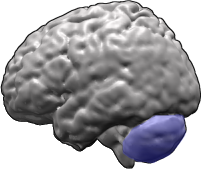
Um subtipo de ataxia cerebelar autossômica dominante tipo I (ADCA tipo I) caracterizado por instabilidade no tronco (corpo), dificuldade na fala, movimentos oculares lentos e, menos frequentemente, fraqueza dos músculos dos olhos e movimentos involuntários.
Introdução
O que você precisa saber de cara
Um subtipo de ataxia cerebelar autossômica dominante tipo I (ADCA tipo I) caracterizado por instabilidade no tronco (corpo), dificuldade na fala, movimentos oculares lentos e, menos frequentemente, fraqueza dos músculos dos olhos e movimentos involuntários.
Tem tratamento?
Escala de raridade
<1/50kMuito rara
1/20kRara
1/10kPouco freq.
1/5kIncomum
1/2k
Encontrou um erro ou informação desatualizada? Sugira uma correção →
Entender a doença
Do básico ao detalhe, leia no seu ritmo
Preparando trilha educativa...
Sinais e sintomas
O que aparece no corpo e com que frequência cada sintoma acontece
Partes do corpo afetadas
+ 28 sintomas em outras categorias
Características mais comuns
Os sintomas variam de pessoa para pessoa. Abaixo estão as 59 características clínicas mais associadas, ordenadas por frequência.
Linha do tempo da pesquisa
Encontrou um erro ou informação desatualizada? Sugira uma correção →
Genética e causas
O que está alterado no DNA e como passa nas famílias
Genes associados
1 gene identificado com associação a esta condição. Padrão de herança: Autosomal dominant.
Curadoria gene-doença
fontes oficiaisInvolved in EGFR trafficking, acting as negative regulator of endocytic EGFR internalization at the plasma membrane
Cytoplasm
Spinocerebellar ataxia 2
Spinocerebellar ataxia is a clinically and genetically heterogeneous group of cerebellar disorders. Patients show progressive incoordination of gait and often poor coordination of hands, speech and eye movements, due to cerebellum degeneration with variable involvement of the brainstem and spinal cord. SCA2 belongs to the autosomal dominant cerebellar ataxias type I (ADCA I) which are characterized by cerebellar ataxia in combination with additional clinical features like optic atrophy, ophthalmoplegia, bulbar and extrapyramidal signs, peripheral neuropathy and dementia. SCA2 is characterized by hyporeflexia, myoclonus and action tremor and dopamine-responsive parkinsonism. In some patients, SCA2 presents as pure familial parkinsonism without cerebellar signs.
Medicamentos e terapias
Mecanismo: Sodium channel alpha subunit blocker
Mecanismo: Glycogen synthase kinase-3 inhibitor
Variantes genéticas (ClinVar)
19 variantes patogênicas registradas no ClinVar.
Classificação de variantes (ClinVar)
Distribuição de 22 variantes classificadas pelo ClinVar.
Diagnóstico
Os sinais que médicos procuram e os exames que confirmam
Tratamento e manejo
Remédios, cuidados de apoio e o que precisa acompanhar
Onde tratar no SUS
Hospitais de referência no Brasil e o protocolo oficial do SUS (PCDT)
🇧🇷 Atendimento SUS — Ataxia espinocerebelar tipo 2
Selecione um estado ou use sua localização para ver resultados.
Dados de DATASUS/CNES, SBGM, ABNeuro e Ministério da Saúde. Sempre confirme a disponibilidade diretamente com o estabelecimento.
Pesquisa ativa
Ensaios clínicos abertos e novidades científicas recentes
Ensaios em destaque
🟢 Recrutando agora
2 pesquisas recrutando participantes. Converse com seu médico sobre a possibilidade de participar.
Outros ensaios clínicos
17 ensaios clínicos encontrados, 6 ativos.
Publicações mais relevantes
ALS and Huntington Disease: Unraveling the Connections between TDP-43 and Huntingtin.
Amyotrophic lateral sclerosis (ALS) and Huntington disease (HD) are lethal neurodegenerative diseases affecting motor function. Though their etiology and pathology are distinct, recent evidence suggests commonalities between TAR DNA-binding protein (TDP-43), which is associated with 97% of ALS cases, and huntingtin (HTT), the causative protein of HD. ALS is a heterogeneous, lethal neurodegenerative disease characterized by the progressive loss of upper and lower motor neurons, as well as brainstem and spinal cord degeneration. The causes of ALS are complex, variable, and, in some cases, unknown, but most cases involve mislocalization of the protein TDP-43. In contrast, HD is a monogenic, autosomal dominant, lethal neurodegenerative disease caused by polyglutamine expansion in HTT protein and characterized by the progressive loss of neurons in the brain, particularly in the striatum, which results in motor, cognitive, and behavioral changes. Although HD is not typically associated with motor neuron loss, recent evidence suggests a link between HTT and TDP-43 within the context of both ALS and HD, as well as links to related neurodegenerative diseases, such as frontotemporal dementia (FTD) and spinocerebellar ataxia type 2 (SCA2). Herein, we discuss confirmed cases of concurrent ALS and HD and the overlap of underlying disease mechanisms that potentially contribute to the onset and progression of these two devastating neurodegenerative diseases, with a focus on commonalities between TDP-43 and HTT. We propose that elucidating these commonalities will aid in the identification of broad-spectrum disease risk factors and potential overlapping treatment targets.
Mitochondrial DNA Haplogroups and Age at Onset of Spinocerebellar Ataxia Type 2: A Study in Indian Patients.
Spinocerebellar ataxia type 2 (SCA2) is caused by cytosine-adenine-guanine (CAG) nucleotide repeat expansion in the ATXN2 gene. Mitochondrial DNA (mtDNA) haplogroups may have an influence on the disease presentation of SCA2. A total of 217 SCA2 patients were subjected to D-loop region sequencing for inferring mitochondrial haplogroups (mt-haplogroups). The association of age of onset (AO) and mt-haplogroup was assessed using the analysis of covariance (ANCOVA) method. The major haplogroups found in SCA2 patients were H (24.9%), L (6.5%), U (17.1%), W (1.8%), M (24.9%), G (0.5%), A (2.3%), N (6.0%), J (0.9%), I (1.4%), T (2.8%), R (3.2%), D (0.9%), C (0.5%), K (0.9%), P (3.2%), and S (2.3%). AO was significantly different at the same expanded CAG repeats in SCA2 patients, showing the role of other genetic factors in the AO modifiers. The ANCOVA model revealed a significant effect of mtDNA haplogroup on AO ( P = 0.005), with variations in haplogroups adjusted for CAG repeat length. Post-hoc analyses further confirmed that haplogroup T ( P = 0.004) and haplogroup M ( P = 0.01) were significantly associated with AO compared to other haplogroups. Specifically, haplogroup M was linked to an early AO, while haplogroup T was associated with a late AO. The study suggests an association between mt-halogroups and AO in SCA2, independent of CAG repeat length, with haplogroups T and M emerging as potential modifiers that may modulate disease progression. Further research is needed to explore the mechanisms behind these associations and validate the findings in larger cohorts.
Preimplantation Genetic Testing of Spinocerebellar Ataxia Type 2-Robust Tools for Direct and Indirect Detection of the ATXN2 CAG Repeat Expansion.
Spinocerebellar ataxia type 2 (SCA2) is an autosomal dominant neurodegenerative disorder caused by a pathogenic CAG trinucleotide repeat expansion in the ATXN2 gene. At-risk couples can embark on unaffected pregnancies through preimplantation genetic testing of monogenic disorders (PGT-M) of SCA2, which should involve accurate repeat expansion detection together with risk haplotype tracking using informative linked markers. Two couples underwent SCA2 PGT-M involving analysis of whole genome amplified embryonic trophectoderm cells by ATXN2 (CAG)n triplet-primed PCR (TP-PCR) and linkage-based risk allele genotyping using customized markers. To simplify and expedite the identification of informative markers for future PGT-M cases, putative microsatellite markers closely linked to ATXN2 were initially screened for polymorphism using a small set of anonymous DNA samples obtained from Coriell Cell Repository. Shortlisted markers with high polymorphism likelihood were then multiplexed in a single-tube reaction and genotyped on 190 anonymous DNA samples to determine their polymorphic information content. Across both SCA2 PGT-M clinical cases, the linked marker genotypes corroborated the TP-PCR results, allowing clear differentiation between unaffected and affected embryos. In both cases, transfer of an unaffected embryo led to a successful pregnancy and live birth of a healthy baby. In silico mining, filtering, and curation identified 287 microsatellites located within 1.65 Mb of either side of the ATXN2 CAG repeat. Of these, eight upstream and nine downstream polymorphic markers were successfully co-amplified in a single-tube assay and demonstrated high overall heterozygosity in both Chinese and Caucasian populations. Conclusion: To ensure high diagnostic accuracy for PGT-M of SCA2, we developed a heptadecaplex microsatellite marker panel for haplotype-based linkage analysis to complement TP-PCR-based direct detection of the ATXN2 CAG repeat. The panel can rapidly identify informative markers from virtually any couple, and it works equally well on MDA-amplified DNAs for embryonic haplotype analysis.
Bioinformatic Analyses of the Ataxin-2 Family Since Algae Emphasize Its Small Isoforms, Large Chimerisms, and the Importance of Human Exon 1B as Target of Therapies to Prevent Neurodegeneration.
Polyglutamine expansion in Ataxin-2 (ATXN2) is responsible for rare, dominantly inherited Spinocerebellar Ataxia type 2 (SCA2). Together with its paralog Ataxin-2-like (ATXN2L), both proteins have received much interest, since the deletion of their yeast and fly orthologs alleviates TDP-43-triggered neurotoxicity in Amyotrophic Lateral Sclerosis models. Their typical structure across evolution combines LSm with LSm-Associated Domains and a PAM2 motif. To understand the physiological regulation and functions of Ataxin-2 homologs, the phylogenesis of sequences was analyzed. Human ATXN2 harbors multiple alternative start codons, e.g., from an intrinsically disordered sequence (IDR) present since armadillo, or from the polyQ sequence that arose since amphibians, or from the LSm domain since primitive eukaryotes. Multiple smaller isoforms also exist across the C-terminus. Therapeutic knockdown of polyQ expansions in human ATXN2 should selectively target exon 1B. PolyQ repeats developed repeatedly, usually framed and often interrupted by (poly)Pro, originally near PAM2. The LSmAD sequence appeared in algae as the characteristic Ataxin-2 feature with strong conservation. Frequently, Ataxin-2 has added domains, likely due to transcriptional readthrough of neighbor genes during cell stress. These chimerisms show enrichment of rRNA processing; nutrient store mobilization; membrane strengthening via lipid, protein, and glycosylated components; and cell protrusions. Thus, any mutation of Ataxin-2 has complex effects, also affecting membrane resilience.
Monitoring the Progression of Pre-Ataxic Gait in SCA2 with Inertial Sensors Over Four Years.
The search for digital biomarkers of gait ataxia is a key research priority in spinocerebellar ataxias (SCAs), especially in the early stages when traditional clinical scales are less effective. Despite existing evidence supporting the effectiveness of suitable digital biomarkers, their use in assessing early disease progression remains limited. This study was aimed to evaluate the progression of digitally measured gait ataxia features in preclinical SCA2. Twenty-seven preclinical carriers of the SCA2 mutation were monitored four times over four years. Participants completed a 10-meter walking test (back and forth) using six body-worn inertial measurement units. We assessed stride-to-stride means and variability of eight gait features indicative of subtle abnormalities in SCA2 carriers, alongside the Scale for the Assessment and Rating of Ataxia (SARA). Mean stride-to-stride variables demonstrated significant progression more frequently than variability measures, with means primarily exhibiting non-linear patterns and variability metrics showing mainly linear trajectories. Significant progression of mean stride-to-stride variables was also observed in unconverted carriers. CAG repeat length significantly influences progression of some gait kinematics in preclinical SCA2 carriers. Notably, several digitally measured gait parameters required smaller sample sizes to detect progression in hypothetical clinical trials than the SARA clinical scale. This study confirmed the progressive deterioration of subtle gait function in preclinical SCA2 and highlighted the clinical utility of digitally derived metrics for tracking longitudinal changes at early disease stages. These digital measures may provide more sensitive and reliable biomarkers of disease progression than conventional clinical rating scales, supporting their potential use in future clinical trials.
Publicações recentes
Therapeutic targeting of blood-derived protein infiltration to modulate neuroinflammation in cerebellar ataxia.
Monitoring the Progression of Pre-Ataxic Gait in SCA2 with Inertial Sensors Over Four Years.
Rare but Instructive: Pediatric-Onset Spinocerebellar Ataxia Type 2 and Its Clinical and Genetic Insights.
Validation of the SODA in Spinocerebellar Ataxia Type 2.
ALS and Huntington Disease: Unraveling the Connections between TDP-43 and Huntingtin.
📚 EuropePMC332 artigos no totalmostrando 199
Monitoring the Progression of Pre-Ataxic Gait in SCA2 with Inertial Sensors Over Four Years.
Cerebellum (London, England)Rare but Instructive: Pediatric-Onset Spinocerebellar Ataxia Type 2 and Its Clinical and Genetic Insights.
Cerebellum (London, England)Validation of the SODA in Spinocerebellar Ataxia Type 2.
Cerebellum (London, England)ALS and Huntington Disease: Unraveling the Connections between TDP-43 and Huntingtin.
The Journal of neuroscience : the official journal of the Society for NeuroscienceTargeting Cognitive Dysfunction in Spinocerebellar Ataxia Type 2 Through Digital Cognitive Training.
Cerebellum (London, England)Mitochondrial DNA Haplogroups and Age at Onset of Spinocerebellar Ataxia Type 2: A Study in Indian Patients.
Annals of Indian Academy of NeurologyPreimplantation Genetic Testing of Spinocerebellar Ataxia Type 2-Robust Tools for Direct and Indirect Detection of the ATXN2 CAG Repeat Expansion.
International journal of molecular sciencesBioinformatic Analyses of the Ataxin-2 Family Since Algae Emphasize Its Small Isoforms, Large Chimerisms, and the Importance of Human Exon 1B as Target of Therapies to Prevent Neurodegeneration.
International journal of molecular sciencesGenomic Organization, Evolutionary Conservation and Expression of Ataxin-2 and Ataxin-2-like Genes Underscore the Suitability of Zebrafish as a Model Organism for SCA2 and Related Diseases.
BiomedicinesMultiomics approach identifies SERPINB1 as candidate biomarker for spinocerebellar ataxia type 2.
Scientific reportsProgression of Gait Ataxia in Spinocerebellar Ataxia Type 2: Clinical Utility of Digitally Measured Gait Metrics.
Cerebellum (London, England)Targeting STAU1 prevents p53 apoptotic signaling in neurodegeneration.
Cell death & diseaseDeep Learning-Based Assessment of Brainstem Volume Changes in Spinocerebellar Ataxia Type 2 (SCA2): A Study on Patients and Preclinical Subjects.
Sensors (Basel, Switzerland)Conditional ATXN2L-Null in Adult Frontal Cortex CamK2a+ Neurons Does Not Cause Cell Death but Restricts Spontaneous Mobility and Affects the Alternative Splicing Pathway.
CellsElevated Interleukin-8 in Spinocerebellar Ataxia Type 2: A Distinct Peripheral Immune Signature Unrelated To Disease Severity.
Cerebellum (London, England)Cognitive Deficits in Spinocerebellar Ataxia Type 2: A Comparative Analysis of Pre-ataxic and Ataxic Stages.
Cerebellum (London, England)A human Staufen1 BAC transgenic mouse exhibits abnormal autophagy and neurodegeneration across the central nervous system.
Research squareSpinal Cord Phosphoproteome of SCA2 Mouse Model Reveals Alteration of ATXN2-N-Term PRM-SH3-Actin Interactome and of Autophagy.
Molecular & cellular proteomics : MCPDecoding ATXN2 Phosphocode: Structural Insights and Therapeutic Opportunities in Disease.
The protein journalThe Two Faces of Pediatric SCA2.
European journal of neurologySpinocerebellar ataxia type 2 followed by amyotrophic lateral sclerosis due to a pure CAG repeat expansion in ATXN2: a case report and literature review.
Neurological sciences : official journal of the Italian Neurological Society and of the Italian Society of Clinical NeurophysiologyEstablishment of a humanized SCA2 mouse model carrying a CAA disruption preventing CAG repeat expansion in pathogenic genes.
Animal models and experimental medicineCorrelation Networks To Uncover Changes in Protein Relationships in Spinocerebellar Ataxia Type 2 and Cerebellar Multiple System Atrophy.
Journal of proteome researchIdentifying Molecular Properties of Ataxin-2 Inhibitors for Spinocerebellar Ataxia Type 2 Utilizing High-Throughput Screening and Machine Learning.
BiologyRespiratory Evaluation in Spinocerebellar ataxia Type 2.
Cerebellum (London, England)ATXN2L primarily interacts with NUFIP2, the absence of ATXN2L results in NUFIP2 depletion, and the ATXN2-polyQ expansion triggers NUFIP2 accumulation.
Neurobiology of diseaseDistinct patterns of cerebral and spinal pathology along the spectrum of ATXN2-related disorders.
Journal of neurologyCerebello-Prefrontal Connectivity Underlying Cognitive Dysfunction in Spinocerebellar Ataxia Type 2.
Annals of clinical and translational neurologyIntracerebellar upregulation of Rheb(S16H) ameliorates motor dysfunction in mice with SCA2.
Acta pharmacologica SinicaThree Cases of Spinocerebellar Ataxia Type 2 (SCA2) and Pediatric Literature Review: Do Not Forget Trinucleotide Repeat Disorders in Childhood-Onset Progressive Ataxia.
Brain sciencesHealthcare delay in neurogenetic disorders of adult onset and the role of predictive genetic testing.
Journal of community geneticsAn observational study of pleiotropy and penetrance of amyotrophic lateral sclerosis associated with CAG-repeat expansion of ATXN2.
European journal of human genetics : EJHGStaufen2 dysregulation in neurodegenerative disease.
The Journal of biological chemistryThe Pattern and Stages of Atrophy in Spinocerebellar Ataxia Type 2: Volumetrics from ENIGMA-Ataxia.
Movement disorders : official journal of the Movement Disorder SocietySpinocerebellar Ataxia Type 2: A Review and Personal Perspective.
Neurology. GeneticsCo-Aggregation of TDP-43 with Other Pathogenic Proteins and Their Co-Pathologies in Neurodegenerative Diseases.
International journal of molecular sciencesPeak width of skeletonized mean diffusivity: a novel biomarker for white matter damage in spinocerebellar ataxia type 2.
NeuroradiologyPost-symptomatic administration of hMSCs exerts therapeutic effects in SCA2 mice.
Stem cell research & therapyProgressive Apraxia of Speech as a Manifestation of Spinocerebellar Ataxia 2: Case Report.
Neurology. GeneticsThe Pattern and Staging of Brain Atrophy in Spinocerebellar Ataxia Type 2 (SCA2): MRI Volumetrics from ENIGMA-Ataxia.
bioRxiv : the preprint server for biologyEarly-onset phenotype in a patient with an intermediate allele and a large SCA1 expansion: a case report.
BMC neurologyIdentification of SYNJ1 in a Complex Case of Juvenile Parkinsonism Using a Multiomics Approach.
International journal of molecular sciencesLongitudinal Changes of Clinical, Imaging, and Fluid Biomarkers in Preataxic and Early Ataxic Spinocerebellar Ataxia Type 2 and 7 Carriers.
NeurologyAtaxin-2: a powerful RNA-binding protein.
Discover oncologyThe polyglutamine protein ATXN2: from its molecular functions to its involvement in disease.
Cell death & diseaseEffective connectivity analysis of resting-state mentalizing brain networks in spinocerebellar ataxia type 2: A dynamic causal modeling study.
NeuroImage. ClinicalPolyQ-expanded ataxin-2 aggregation impairs cellular processing-body homeostasis via sequestering the RNA helicase DDX6.
The Journal of biological chemistryDysregulated Cerebrospinal Fluid Proteome of Spinocerebellar Ataxia Type 2 and its Clinical Implications.
Movement disorders : official journal of the Movement Disorder SocietyCerebellar Micro-RNA Profile in a Mouse Model of Spinocerebellar Ataxia Type 2.
Neurology. GeneticsRare association between spinocerebellar ataxia and amyotrophic lateral sclerosis: a case series.
Neurological sciences : official journal of the Italian Neurological Society and of the Italian Society of Clinical NeurophysiologyRepeat expansions in AR, ATXN1, ATXN2 and HTT in Norwegian patients diagnosed with amyotrophic lateral sclerosis.
Brain communicationsStructural Brain Correlates of Sleep Microstructure in Spinocerebellar Ataxia Type 2 and its Role on Clinical Phenotype.
Cerebellum (London, England)Digital Gait Measures Capture 1-Year Progression in Early-Stage Spinocerebellar Ataxia Type 2.
Movement disorders : official journal of the Movement Disorder SocietySerum S100β Levels Are Linked with Cognitive Decline and Peripheral Inflammation in Spinocerebellar Ataxia Type 2.
Cerebellum (London, England)Ataxin-2 sequesters Raptor into aggregates and impairs cellular mTORC1 signaling.
The FEBS journalOn the Cut-Off Value of the Anteroposterior Diameter of the Midbrain Atrophy in Spinocerebellar Ataxia Type 2 Patients.
Brain sciencesNucleus accumbens degeneration in spinocerebellar ataxia type 2: a preliminary study.
Psychogeriatrics : the official journal of the Japanese Psychogeriatric SocietySpinocerebellar ataxia type 2 has multiple ancestral origins.
Parkinsonism & related disordersProgressive white matter degeneration in patients with spinocerebellar ataxia type 2.
NeuroradiologyOptic Disc and Retinal Architecture Changes in Patients with Spinocerebellar Ataxia Type 2.
Movement disorders : official journal of the Movement Disorder SocietyA model for the dynamics of expanded CAG repeat alleles: ATXN2 and ATXN3 as prototypes.
Frontiers in geneticsWhite matter integrity assessment in spinocerebellar ataxia type 2 (SCA2) patients.
Clinical radiologyCOVID-19 Impacts the Mental Health and Speech Function in Spinocerebellar Ataxia Type 2: Evidences from a Follow-Up Study.
Cerebellum (London, England)Development of an isogenic human cell trio that models polyglutamine disease.
Genes & genetic systemsA Case of Coexistent Spinocerebellar Ataxia Type 2 and Primary Progressive Multiple Sclerosis-Coincidental or Associated?
Cerebellum (London, England)A chlorzoxazone-folic acid combination improves cognitive affective decline in SCA2-58Q mice.
Scientific reportsThe rising role of cognitive reserve and associated compensatory brain networks in spinocerebellar ataxia type 2.
Journal of neurologyDetection of ATXN2 Expansions in an Exome Dataset: An Underdiagnosed Cause of Parkinsonism.
Movement disorders clinical practiceChronic suppression of STIM1-mediated calcium signaling in Purkinje cells rescues the cerebellar pathology in spinocerebellar ataxia type 2.
Biochimica et biophysica acta. Molecular cell researchTR-FRET-Based Immunoassay to Measure Ataxin-2 as a Target Engagement Marker in Spinocerebellar Ataxia Type 2.
Molecular neurobiologyPeripheral Inflammation Links with the Severity of Clinical Phenotype in Spinocerebellar Ataxia 2.
Movement disorders : official journal of the Movement Disorder SocietyCognitive Decline and Mood Alterations in the Mouse Model of Spinocerebellar Ataxia Type 2.
Cerebellum (London, England)Effects of STAU1/staufen1 on autophagy in neurodegenerative diseases.
AutophagyTargeted long-read sequencing captures CRISPR editing and AAV integration outcomes in brain.
Molecular therapy : the journal of the American Society of Gene TherapyThe "Hot Cross Bun Sign" in Spinocerebellar Ataxia Types 2 and 7-Case Reports and Review of Literature.
Movement disorders clinical practiceTargeting RTN4/NoGo-Receptor reduces levels of ALS protein ataxin-2.
Cell reportsGenome-wide CRISPR screen reveals v-ATPase as a drug target to lower levels of ALS protein ataxin-2.
Cell reportsMutant Ataxin-2 Expression in Aged Animals Aggravates Neuropathological Features Associated with Spinocerebellar Ataxia Type 2.
International journal of molecular sciencesStaufen Impairs Autophagy in Neurodegeneration.
Annals of neurology"Mens Sana in Corpore Sano": The Emerging Link of Motor Reserve with Motor and Cognitive Abilities and Compensatory Brain Networks in SCA2 Patients.
BiomedicinesA quantitative high-throughput screen identifies compounds that lower expression of the SCA2-and ALS-associated gene ATXN2.
The Journal of biological chemistryAn autopsy case of amyotrophic lateral sclerosis with striatonigral and pallidoluysian degeneration and cat's-eye-shaped neuronal nuclear inclusions.
Neuropathology : official journal of the Japanese Society of NeuropathologyRepetitive Transcranial Magnetic Stimulation in Spinocerebellar Ataxia Type 2: A Case Report.
The journal of ECTErythropoietin in Spinocerebellar Ataxia Type 2: Feasibility and Proof-of-Principle Issues from a Randomized Controlled Study.
Movement disorders : official journal of the Movement Disorder SocietyParallel Appearance of Polyglutamine and Transactivation-Responsive DNA-Binding Protein 43 and Their Complementary Subcellular Localization in Brains of Patients With Spinocerebellar Ataxia Type 2.
Journal of neuropathology and experimental neurologyAutophagy is dysregulated in spinocerebellar ataxia type 2.
Autophagy reportsStool is a sensitive and noninvasive source of DNA for monitoring expansion in repeat expansion disease mouse models.
Disease models & mechanismsAdult-onset Niemann-Pick disease type C masquerading as spinocerebellar ataxia.
Molecular genetics & genomic medicineRiluzole and spinocerebellar ataxia type 2: the ATRIL trial.
The Lancet. NeurologySafety and efficacy of riluzole in spinocerebellar ataxia type 2 in France (ATRIL): a multicentre, randomised, double-blind, placebo-controlled trial.
The Lancet. NeurologyNeurophysiological features in spinocerebellar ataxia type 2: Prospects for novel biomarkers.
Clinical neurophysiology : official journal of the International Federation of Clinical NeurophysiologyElectrophysiological Studies Support Utility of Positive Modulators of SK Channels for the Treatment of Spinocerebellar Ataxia Type 2.
Cerebellum (London, England)Ataxin-2 is essential for cytoskeletal dynamics and neurodevelopment in Drosophila.
iScienceStructure-Activity Relationship Study of Subtype-Selective Positive Modulators of KCa2 Channels.
Journal of medicinal chemistryAutophagy in Spinocerebellar ataxia type 2, a dysregulated pathway, and a target for therapy.
Cell death & diseaseAssociation of the Level of Neurofilament Light With Disease Severity in Patients With Spinocerebellar Ataxia Type 2.
NeurologyEffect of CAG repeats on the age at onset of patients with spinocerebellar ataxia type 2 in China.
Zhong nan da xue xue bao. Yi xue ban = Journal of Central South University. Medical sciencesSocial Cognition in Patients With Cerebellar Neurodegenerative Disorders.
Frontiers in systems neuroscienceAtypical Phenotype in a Spinocerebellar Ataxia Type 2 Kindred.
Tremor and other hyperkinetic movements (New York, N.Y.)RNA Toxicity and Perturbation of rRNA Processing in Spinocerebellar Ataxia Type 2.
Movement disorders : official journal of the Movement Disorder SocietyDifferentiation of Saccadic Eye Movement Signals.
Sensors (Basel, Switzerland)The RNA-binding protein and stress granule component ATAXIN-2 is expressed in mouse and human tissues associated with glaucoma pathogenesis.
The Journal of comparative neurologyCognitive Decline Is Closely Associated with Ataxia Severity in Spinocerebellar Ataxia Type 2: a Validation Study of the Schmahmann Syndrome Scale.
Cerebellum (London, England)SCA2 in the Indian population: Unified haplotype and variable phenotypic patterns in a large case series.
Parkinsonism & related disordersInvolvement of the Auditory Pathway in Spinocerebellar Ataxia Type 7.
Neuro-degenerative diseasesToxicity of pathogenic ataxin-2 in Drosophila shows dependence on a pure CAG repeat sequence.
Human molecular geneticsSpinocerebellar ataxia type 2 from an evolutionary perspective: Systematic review and meta-analysis.
Clinical geneticsStaufen1 in Human Neurodegeneration.
Annals of neurologyRedox Imbalance Associates with Clinical Worsening in Spinocerebellar Ataxia Type 2.
Oxidative medicine and cellular longevityWeight loss is correlated with disease severity in Spinocerebellar ataxia type 2: a cross-sectional cohort study.
Nutritional neuroscienceThe neurobiological underpinning of the social cognition impairments in patients with spinocerebellar ataxia type 2.
Cortex; a journal devoted to the study of the nervous system and behaviorGenetic rhabdomyolysis within the spectrum of the Spinocerebellar Ataxia type 2 responsive to pregabalin.
Cerebellum & ataxiasPhenotypic and molecular diversities of spinocerebellar ataxia type 2 in Japan.
Journal of neurologyAtxn2-CAG100-KnockIn mouse spinal cord shows progressive TDP43 pathology associated with cholesterol biosynthesis suppression.
Neurobiology of diseaseBody Mass Index Is Significantly Associated With Disease Severity in Spinocerebellar Ataxia Type 2 Patients.
Movement disorders : official journal of the Movement Disorder SocietyProgression of Cerebellar Atrophy in Spinocerebellar Ataxia Type 2 Gene Carriers: A Longitudinal MRI Study in Preclinical and Early Disease Stages.
Frontiers in neurologySimultaneous ALS and SCA2 associated with an intermediate-length ATXN2 CAG-repeat expansion.
Amyotrophic lateral sclerosis & frontotemporal degenerationIn vivo analysis of the spontaneous firing of cerebellar Purkinje cells in awake transgenic mice that model spinocerebellar ataxia type 2.
Cell calciumPontine hot cross bun sign in spinocerebellar ataxia type 2.
Arquivos de neuro-psiquiatriaProdromal Spinocerebellar Ataxia Type 2 Subjects Have Quantifiable Gait and Postural Sway Deficits.
Movement disorders : official journal of the Movement Disorder SocietyGenetic profile and clinical characteristics of Chinese patients with spinocerebellar ataxia type 2: A multicenter experience over 10 years.
European journal of neurologyExpanding the genotype-phenotype correlation of childhood sensory polyneuropathy of genetic origin.
Scientific reportsDirect evidence that Ataxin-2 is a translational activator mediating cytoplasmic polyadenylation.
The Journal of biological chemistryMouse Ataxin-2 Expansion Downregulates CamKII and Other Calcium Signaling Factors, Impairing Granule-Purkinje Neuron Synaptic Strength.
International journal of molecular sciencesA clinical report of the massive CAG repeat expansion in spinocerebellar ataxia type 2: Severe onset in a Mexican child and review previous cases.
Genetics and molecular biologyMid-Gestation lethality of Atxn2l-Ablated Mice.
International journal of molecular sciencesFeatures of speech and swallowing dysfunction in pre-ataxic spinocerebellar ataxia type 2.
NeurologyEMG Rectification Is Detrimental for Identifying Abnormalities in Corticomuscular and Intermuscular Coherence in Spinocerebellar Ataxia Type 2.
Cerebellum (London, England)Automated Detection of Presymptomatic Conditions in Spinocerebellar Ataxia Type 2 Using Monte Carlo Dropout and Deep Neural Network Techniques with Electrooculogram Signals.
Sensors (Basel, Switzerland)Testosterone Levels Are Decreased and Associated with Disease Duration in Male Spinocerebellar Ataxia Type 2 Patients.
Cerebellum (London, England)Late-onset oro-facial dyskinesia in Spinocerebellar Ataxia type 2: a case report.
BMC neurologyHereditary Ataxias in Cuba: Results and Impact of a Comprehensive, Multidisciplinary Project.
MEDICC reviewALS-associated genes in SCA2 mouse spinal cord transcriptomes.
Human molecular geneticsFounder Effects of Spinocerebellar Ataxias in the American Continents and the Caribbean.
Cerebellum (London, England)Neuroimaging Biomarkers in SCA2 Gene Carriers.
International journal of molecular sciencesAssessment of ventilatory function in patients with spinocerebellar ataxia type 2.
Arquivos de neuro-psiquiatriaHereditary Ataxias in Cuba: A Nationwide Epidemiological and Clinical Study in 1001 Patients.
Cerebellum (London, England)Functional Changes of Mentalizing Network in SCA2 Patients: Novel Insights into Understanding the Social Cerebellum.
Cerebellum (London, England)Enhancement of Autophagy and Solubilization of Ataxin-2 Alleviate Apoptosis in Spinocerebellar Ataxia Type 2 Patient Cells.
Cerebellum (London, England)One‑carbon metabolism factor MTHFR variant is associated with saccade latency in Spinocerebellar Ataxia type 2.
Journal of the neurological sciencesSpinocerebellar ataxia type 2 presenting with involuntary movement: a diagnostic dilemma.
The Journal of international medical researchIn Human and Mouse Spino-Cerebellar Tissue, Ataxin-2 Expansion Affects Ceramide-Sphingomyelin Metabolism.
International journal of molecular sciencesLong-Term Suppression of Disabling Tremor by Thalamic Stimulation in a Patient with Spinocerebellar Ataxia Type 2.
Stereotactic and functional neurosurgeryThe Relationships Between Ataxia and Cognition in Spinocerebellar Ataxia Type 2.
Cerebellum (London, England)Molecular Mechanisms and Therapeutics for Spinocerebellar Ataxia Type 2.
Neurotherapeutics : the journal of the American Society for Experimental NeuroTherapeuticsGeneration of an Atxn2-CAG100 knock-in mouse reveals N-acetylaspartate production deficit due to early Nat8l dysregulation.
Neurobiology of diseaseReponse to: Is Micronucleus Assay Suitable for Biomonitoring Spinocerebellar Ataxia Type 2?
Archives of medical researchIs Micronucleus Assay Suitable for Biomonitoring Spinocerebellar Ataxia Type 2?
Archives of medical researchAn unusual cause of clumsiness: spinocerebellar ataxia type 2.
British journal of hospital medicine (London, England : 2005)New alternative splicing variants of the ATXN2 transcript.
Neurological research and practiceSpinocerebellar ataxia type 2-neuronopathy or neuropathy?
Muscle & nervePrediction of Survival With Long-Term Disease Progression in Most Common Spinocerebellar Ataxia.
Movement disorders : official journal of the Movement Disorder SocietySleep spindles and K-complex activities are decreased in spinocerebellar ataxia type 2: relationship to memory and motor performances.
Sleep medicineRecurrent postoperative delirium in spinocerebellar ataxia type 2: a case report.
Journal of medical case reportsConserved role for Ataxin-2 in mediating endoplasmic reticulum dynamics.
Traffic (Copenhagen, Denmark)Neurorehabilitation Improves the Motor Features in Prodromal SCA2: A Randomized, Controlled Trial.
Movement disorders : official journal of the Movement Disorder SocietyInsights into cognitive decline in spinocerebellar Ataxia type 2: a P300 event-related brain potential study.
Cerebellum & ataxiasAssociation of ATXN2 intermediate-length CAG repeats with amyotrophic lateral sclerosis correlates with the distributions of normal CAG repeat alleles among individual ethnic populations.
NeurogeneticsFamilial Spinocerebellar Ataxia Type 2 Parkinsonism Presenting as Intractable Oromandibular Dystonia.
Tremor and other hyperkinetic movements (New York, N.Y.)Nerve ultrasound as a diagnostic tool for sensory neuronopathy in spinocerebellar ataxia syndrome.
Clinical neurophysiology : official journal of the International Federation of Clinical NeurophysiologySlow saccades in cerebellar disease.
Cerebellum & ataxiasGeneration of Spinocerebellar Ataxia Type 2 induced pluripotent stem cell lines, CHOPi002-A and CHOPi003-A, from patients with abnormal CAG repeats in the coding region of the ATXN2 gene.
Stem cell researchConserved Pbp1/Ataxin-2 regulates retrotransposon activity and connects polyglutamine expansion-driven protein aggregation to lifespan-controlling rDNA repeats.
Communications biologyAbnormal Findings in Polysomnographic Recordings of Patients with Spinocerebellar Ataxia Type 2 (SCA2).
Cerebellum (London, England)Selective Forces Related to Spinocerebellar Ataxia Type 2.
Cerebellum (London, England)Staufen1 links RNA stress granules and autophagy in a model of neurodegeneration.
Nature communicationsNeurorehabilitation therapy in spinocerebellar ataxia type 2: A 24-week, rater-blinded, randomized, controlled trial.
Movement disorders : official journal of the Movement Disorder SocietyVoxel-based meta-analysis of gray and white matter volume abnormalities in spinocerebellar ataxia type 2.
Brain and behaviorThe cerebellar topography of attention sub-components in spinocerebellar ataxia type 2.
Cortex; a journal devoted to the study of the nervous system and behaviorPredictors of survival in spinocerebellar ataxia type 2 population from Southern Italy.
Neurological sciences : official journal of the Italian Neurological Society and of the Italian Society of Clinical NeurophysiologyHistogram analysis of DTI-derived indices reveals pontocerebellar degeneration and its progression in SCA2.
PloS oneStructural Complexity of the Cerebellum and Cerebral Cortex is Reduced in Spinocerebellar Ataxia Type 2.
Journal of neuroimaging : official journal of the American Society of NeuroimagingIn Vivo Analysis of the Climbing Fiber-Purkinje Cell Circuit in SCA2-58Q Transgenic Mouse Model.
Cerebellum (London, England)Factors associated with ATXN2 CAG/CAA repeat intergenerational instability in Spinocerebellar ataxia type 2.
Clinical geneticsAnti-Saccades in Cerebellar Ataxias Reveal a Contribution of the Cerebellum in Executive Functions.
Frontiers in neurologyAnalysis of ATXN2 trinucleotide repeats in Korean patients with amyotrophic lateral sclerosis.
Neurobiology of aging[Advance in research on spinocerebellar ataxia 2].
Zhonghua yi xue yi chuan xue za zhi = Zhonghua yixue yichuanxue zazhi = Chinese journal of medical geneticsOligonucleotide therapeutics in neurodegenerative diseases.
RNA biologyProgression of corticospinal tract dysfunction in pre-ataxic spinocerebellar ataxia type 2: A two-years follow-up TMS study.
Clinical neurophysiology : official journal of the International Federation of Clinical NeurophysiologyAltered homeostasis of trace elements in the blood of SCA2 patients.
Journal of trace elements in medicine and biology : organ of the Society for Minerals and Trace Elements (GMS)Brain atrophy measures in preclinical and manifest spinocerebellar ataxia type 2.
Annals of clinical and translational neurologySpinocerebellar ataxia type 2 presenting with rapidly progressing muscle weakness and muscular atrophy.
Geriatrics & gerontology internationalAutonomic function testing in spinocerebellar ataxia type 2.
Clinical autonomic research : official journal of the Clinical Autonomic Research SocietyVery High Frequency Oscillations of Heart Rate Variability in Healthy Humans and in Patients with Cardiovascular Autonomic Neuropathy.
Advances in experimental medicine and biologySpinocerebellar Ataxia Type 2.
Advances in experimental medicine and biologyMRI Signal Abnormalities of the Inferior Olivary Nuclei in Spinocerebellar Ataxia Type 2.
Case reports in neurologyThe progression rate of spinocerebellar ataxia type 2 changes with stage of disease.
Orphanet journal of rare diseasesStructural cerebellar correlates of cognitive functions in spinocerebellar ataxia type 2.
Journal of neurologyHeritability of saccadic eye movements in spinocerebellar ataxia type 2: insights into an endophenotype marker.
Cerebellum & ataxiasImpact of disease duration on functional status of patients with spinocerebellar ataxia type 2.
Arquivos de neuro-psiquiatriaProgression of spinocerebellar ataxia type 2. What do we need to know?
Arquivos de neuro-psiquiatriaEarly corticospinal tract damage in prodromal SCA2 revealed by EEG-EMG and EMG-EMG coherence.
Clinical neurophysiology : official journal of the International Federation of Clinical NeurophysiologyPeripheral markers of autophagy in polyglutamine diseases.
Neurological sciences : official journal of the Italian Neurological Society and of the Italian Society of Clinical NeurophysiologyMicrostructural MRI Basis of the Cognitive Functions in Patients with Spinocerebellar Ataxia Type 2.
NeurosciencePotassium channel dysfunction underlies Purkinje neuron spiking abnormalities in spinocerebellar ataxia type 2.
Human molecular geneticsSpinocerebellar Ataxia Type 2: Clinicogenetic Aspects, Mechanistic Insights, and Management Approaches.
Frontiers in neurologyBuccal Cell Micronucleus Frequency Is Significantly Elevated in Patients with Spinocerebellar Ataxia Type 2.
Archives of medical researchThe Multiple Faces of Spinocerebellar Ataxia type 2.
Annals of clinical and translational neurologySpinocerebellar ataxia type 2 associated with amyotrophic lateral sclerosis.
Neurology IndiaAssociações
Organizações que acompanham esta doença — pra ter apoio e orientação
Ainda não temos associações cadastradas para Ataxia espinocerebelar tipo 2.
É de uma associação que acompanha esta doença? Fale com a gente →
Comunidades
Grupos ativos de quem convive com esta doença aqui no Raras
Ainda não existe comunidade no Raras para Ataxia espinocerebelar tipo 2
Pacientes, familiares e cuidadores se organizam em comunidades pra compartilhar experiências, fazer perguntas e se apoiar. Você pode ser o primeiro.
Tire suas dúvidas
Perguntas, dicas e experiências compartilhadas aqui na página
Participe da discussão
Faça login para postar dúvidas, compartilhar experiências e interagir com especialistas.
Fazer loginDoenças relacionadas
Doenças com sintomas parecidos — ajudam quem ainda está buscando diagnóstico
Referências e fontes
Bases de dados externas citadas neste artigo
Publicações científicas
Artigos indexados no PubMed ligados a esta doença no grafo RarasNet — título, periódico e PMID direto da fonte, sem intermediação de IA.
- ALS and Huntington Disease: Unraveling the Connections between TDP-43 and Huntingtin.The Journal of neuroscience : the official journal of the Society for Neuroscience· 2026· PMID 41813136mais citado
- Mitochondrial DNA Haplogroups and Age at Onset of Spinocerebellar Ataxia Type 2: A Study in Indian Patients.
- Preimplantation Genetic Testing of Spinocerebellar Ataxia Type 2-Robust Tools for Direct and Indirect Detection of the ATXN2 CAG Repeat Expansion.
- Bioinformatic Analyses of the Ataxin-2 Family Since Algae Emphasize Its Small Isoforms, Large Chimerisms, and the Importance of Human Exon 1B as Target of Therapies to Prevent Neurodegeneration.
- Monitoring the Progression of Pre-Ataxic Gait in SCA2 with Inertial Sensors Over Four Years.
- Therapeutic targeting of blood-derived protein infiltration to modulate neuroinflammation in cerebellar ataxia.
- Rare but Instructive: Pediatric-Onset Spinocerebellar Ataxia Type 2 and Its Clinical and Genetic Insights.
- Validation of the SODA in Spinocerebellar Ataxia Type 2.
Bases de dados e fontes oficiais
Identificadores e referências canônicas usadas para montar este verbete.
- ORPHA:98756(Orphanet)
- OMIM OMIM:183090(OMIM)
- MONDO:0008458(MONDO)
- GARD:4072(GARD (NIH))
- Variantes catalogadas(ClinVar)
- Busca completa no PubMed(PubMed)
- Q22443082(Wikidata)
Dados compilados pelo RarasNet a partir de fontes abertas (Orphanet, OMIM, MONDO, PubMed/EuropePMC, ClinicalTrials.gov, DATASUS, PCDT/MS). Este conteúdo é informativo e não substitui avaliação médica.
Conteúdo mantido por Agente Raras · Médicos e pesquisadores podem colaborar
Ataxia espinocerebelar tipo 2
📋 Origem dos dados
Esta página agrega dados de fontes públicas e oficiais. Dados sobre cobertura no SUS (PCDT, CEAF) são verificados ativamente por agente proativo (ver badge no infobox). Demais dados têm atribuição de fonte + data da última sincronização — clique para abrir o original.
- Doença rara (ontologia)
- fonte: Orphanet
- Identificador unificado
- fonte: MONDO
- Genética mendeliana
- fonte: OMIM
- Codificação WHO/SUS
- fonte: WHO ICD-10 / DATASUS
- CID-11 (futuro)
- fonte: WHO ICD-11
- NIH/GARD
- fonte: GARD (NIH)
- Dado público estruturado
- fonte: Wikidata
- Medicamentos (literatura)
- fonte: Orphanet
- Reposicionamento
- fonte: Drug Repurposing Hub
- Ensaios clínicos
- fonte: ClinicalTrials.gov