
A ataxia espinocerebelar tipo 15/16 (SCA15/16) é um subtipo raro de ataxia cerebelar autossômica dominante tipo I (ADCA tipo I). É caracterizada por ataxia cerebelar, tremor e comprometimento cognitivo.
Introdução
O que você precisa saber de cara
A ataxia espinocerebelar tipo 15/16 (SCA15/16) é um subtipo raro de ataxia cerebelar autossômica dominante tipo I (ADCA tipo I). É caracterizada por ataxia cerebelar, tremor e comprometimento cognitivo.
Encontrou um erro ou informação desatualizada? Sugira uma correção →
Entender a doença
Do básico ao detalhe, leia no seu ritmo
Preparando trilha educativa...
Sinais e sintomas
O que aparece no corpo e com que frequência cada sintoma acontece
Partes do corpo afetadas
+ 11 sintomas em outras categorias
Características mais comuns
Os sintomas variam de pessoa para pessoa. Abaixo estão as 36 características clínicas mais associadas, ordenadas por frequência.
Linha do tempo da pesquisa
Encontrou um erro ou informação desatualizada? Sugira uma correção →
Genética e causas
O que está alterado no DNA e como passa nas famílias
Genes associados
1 gene identificado com associação a esta condição.
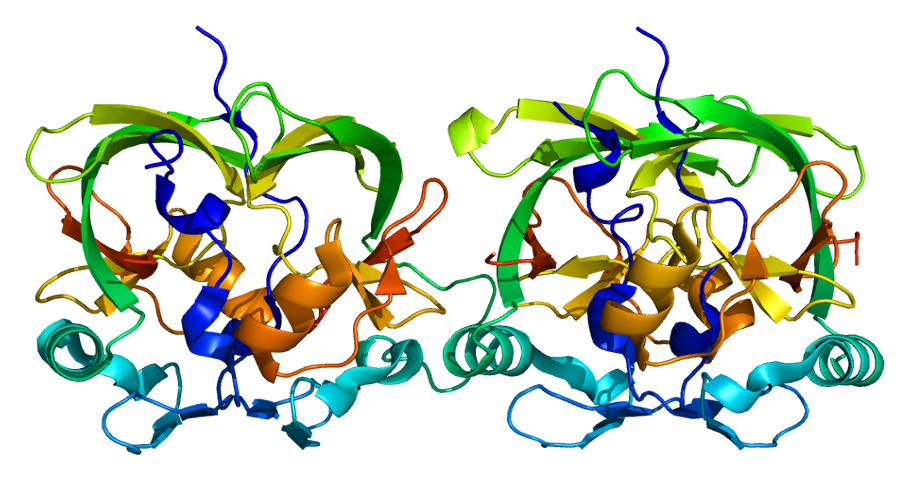
Inositol 1,4,5-trisphosphate-gated calcium channel that, upon inositol 1,4,5-trisphosphate binding, mediates calcium release from the endoplasmic reticulum (ER) (PubMed:10620513, PubMed:27108797). Undergoes conformational changes upon ligand binding, suggesting structural flexibility that allows the channel to switch from a closed state, capable of interacting with its ligands such as 1,4,5-trisphosphate and calcium, to an open state, capable of transferring calcium ions across the ER membrane (
Endoplasmic reticulum membraneCytoplasmic vesicle, secretory vesicle membraneCytoplasm, perinuclear region
Spinocerebellar ataxia 15
Spinocerebellar ataxia is a clinically and genetically heterogeneous group of cerebellar disorders. Patients show progressive incoordination of gait and often poor coordination of hands, speech and eye movements, due to degeneration of the cerebellum with variable involvement of the brainstem and spinal cord. SCA15 is an autosomal dominant cerebellar ataxia (ADCA). It is very slow progressing form with a wide range of onset, ranging from childhood to adult. Most patients remain ambulatory.
Variantes genéticas (ClinVar)
477 variantes patogênicas registradas no ClinVar.
Classificação de variantes (ClinVar)
Distribuição de 5.215 variantes classificadas pelo ClinVar.
Vias biológicas (Reactome)
15 vias biológicas associadas aos genes desta condição.
Diagnóstico
Os sinais que médicos procuram e os exames que confirmam
Tratamento e manejo
Remédios, cuidados de apoio e o que precisa acompanhar
Onde tratar no SUS
Hospitais de referência no Brasil e o protocolo oficial do SUS (PCDT)
🇧🇷 Atendimento SUS — Ataxia espinocerebelar tipo 16
Selecione um estado ou use sua localização para ver resultados.
Dados de DATASUS/CNES, SBGM, ABNeuro e Ministério da Saúde. Sempre confirme a disponibilidade diretamente com o estabelecimento.
Pesquisa ativa
Ensaios clínicos abertos e novidades científicas recentes
Ensaios em destaque
🟢 Recrutando agora
1 pesquisa recrutando participantes. Converse com seu médico sobre a possibilidade de participar.
Outros ensaios clínicos
Publicações mais relevantes
A novel STUB1 p.(Gln118*) nonsense variant in compound heterozygosity causes autosomal recessive spinocerebellar ataxia type 16 in a Chinese patient.
TBP Repeat Expansion Analysis in Patients Carrying Heterozygous STUB1 Variants.
The cooccurrence of intermediate (40-49 CAG/CAA) TBP repeat expansions with STUB1 variants questions the pathogenicity of monoallelic STUB1 variants in cerebellar ataxia. The objective of this study was to describe the phenotypic spectrum of heterozygous STUB1 variants with or without intermediate TBP repeat expansions. We determined the presence of TBP repeat expansions and STUB1 variants in six families with cerebellar ataxia. Cooccurrence of both genotypes in one family resulted in cerebellar ataxia, involving cognitive and extrapyramidal complications. Variable degrees of cerebellar ataxia and cognitive impairment were found in four families carrying a heterozygous STUB1 variant and normal TBP alleles. Finally, we report one patient with a mild late-onset cerebellar ataxia carrying an intermediate expanded TBP allele without the presence of a STUB1 variant. Heterozygous STUB1 variants are associated with a milder phenotype and reduced penetrance compared with the cosegregation with intermediate TBP alleles, which causes a fully penetrant complicated form of cerebellar ataxia. © 2025 International Parkinson and Movement Disorder Society.
STUB1-Associated Autosomal-Recessive Spinocerebellar Ataxia Type 16 (SCAR16) Presenting with Gordon-Holmes Syndrome Caused by Maternal Uniparental Isodisomy.
Clinical, neuropathological, and genetic characterization of STUB1 variants in cerebellar ataxias: a frequent cause of predominant cognitive impairment.
Pathogenic variants in STUB1 were initially described in autosomal recessive spinocerebellar ataxia type 16 and dominant cerebellar ataxia with cerebellar cognitive dysfunction (SCA48). We analyzed a large series of 440 index cerebellar ataxia cases, mostly with dominant inheritance. STUB1 variants were detected in 50 patients. Age at onset and severity were remarkably variable. Cognitive impairment, predominantly frontal syndrome, was observed in 54% of STUB1 variant carriers, including five families with Huntington or frontotemporal dementia disease-like phenotypes associated with ataxia, while no STUB1 variant was found in 115 patients with frontotemporal dementia. We report neuropathological findings of a STUB1 heterozygous patient, showing massive loss of Purkinje cells in the vermis and major loss in the cerebellar hemispheres without atrophy of the pons, hippocampus, or cerebral cortex. This screening of STUB1 variants revealed new features: (1) the majority of patients were women (70%) and (2) "second hits" in AFG3L2, PRKCG, and TBP were detected in three families suggesting synergic effects. Our results reveal an unexpectedly frequent (7%) implication of STUB1 among dominantly inherited cerebellar ataxias, and suggest that the penetrance of STUB1 variants could be modulated by other factors, including sex and variants in other ataxia-related genes.
CHIP mutations affect the heat shock response differently in human fibroblasts and iPSC-derived neurons.
C-terminus of HSC70-interacting protein (CHIP) encoded by the gene STUB1 is a co-chaperone and E3 ligase that acts as a key regulator of cellular protein homeostasis. Mutations in STUB1 cause autosomal recessive spinocerebellar ataxia type 16 (SCAR16) with widespread neurodegeneration manifesting as spastic-ataxic gait disorder, dementia and epilepsy. CHIP-/- mice display severe cerebellar atrophy, show high perinatal lethality and impaired heat stress tolerance. To decipher the pathomechanism underlying SCAR16, we investigated the heat shock response (HSR) in primary fibroblasts of three SCAR16 patients. We found impaired HSR induction and recovery compared to healthy controls. HSPA1A/B transcript levels (coding for HSP70) were reduced upon heat shock but HSP70 remained higher upon recovery in patient- compared to control-fibroblasts. As SCAR16 primarily affects the central nervous system we next investigated the HSR in cortical neurons (CNs) derived from induced pluripotent stem cells of SCAR16 patients. We found CNs of patients and controls to be surprisingly resistant to heat stress with high basal levels of HSP70 compared to fibroblasts. Although heat stress resulted in strong transcript level increases of many HSPs, this did not translate into higher HSP70 protein levels upon heat shock, independent of STUB1 mutations. Furthermore, STUB1(-/-) neurons generated by CRISPR/Cas9-mediated genome editing from an isogenic healthy control line showed a similar HSR to patients. Proteomic analysis of CNs showed dysfunctional protein (re)folding and higher basal oxidative stress levels in patients. Our results question the role of impaired HSR in SCAR16 neuropathology and highlight the need for careful selection of proper cell types for modeling human diseases.
Publicações recentes
A novel STUB1 p.(Gln118*) nonsense variant in compound heterozygosity causes autosomal recessive spinocerebellar ataxia type 16 in a Chinese patient.
TBP Repeat Expansion Analysis in Patients Carrying Heterozygous STUB1 Variants.
STUB1-Associated Autosomal-Recessive Spinocerebellar Ataxia Type 16 (SCAR16) Presenting with Gordon-Holmes Syndrome Caused by Maternal Uniparental Isodisomy.
CHIP mutations affect the heat shock response differently in human fibroblasts and iPSC-derived neurons.
Clinical, neuropathological, and genetic characterization of STUB1 variants in cerebellar ataxias: a frequent cause of predominant cognitive impairment.
📚 EuropePMC3.032 artigos no totalmostrando 8
A novel STUB1 p.(Gln118*) nonsense variant in compound heterozygosity causes autosomal recessive spinocerebellar ataxia type 16 in a Chinese patient.
BMC neurologyTBP Repeat Expansion Analysis in Patients Carrying Heterozygous STUB1 Variants.
Movement disorders : official journal of the Movement Disorder SocietySTUB1-Associated Autosomal-Recessive Spinocerebellar Ataxia Type 16 (SCAR16) Presenting with Gordon-Holmes Syndrome Caused by Maternal Uniparental Isodisomy.
Movement disorders clinical practiceCHIP mutations affect the heat shock response differently in human fibroblasts and iPSC-derived neurons.
Disease models & mechanismsClinical, neuropathological, and genetic characterization of STUB1 variants in cerebellar ataxias: a frequent cause of predominant cognitive impairment.
Genetics in medicine : official journal of the American College of Medical GeneticsClinical and Genetic Characterization of Autosomal Recessive Spinocerebellar Ataxia Type 16 (SCAR16) in Taiwan.
Cerebellum (London, England)Establishment of STUB1/CHIP mutant induced pluripotent stem cells (iPSCs) from a patient with Gordon Holmes syndrome/SCAR16.
Stem cell researchChoreoathetosis, Dystonia, and Myoclonus in 3 Siblings With Autosomal Recessive Spinocerebellar Ataxia Type 16.
JAMA neurologyAssociações
Organizações que acompanham esta doença — pra ter apoio e orientação
Ainda não temos associações cadastradas para Ataxia espinocerebelar tipo 16.
É de uma associação que acompanha esta doença? Fale com a gente →
Comunidades
Grupos ativos de quem convive com esta doença aqui no Raras
Ainda não existe comunidade no Raras para Ataxia espinocerebelar tipo 16
Pacientes, familiares e cuidadores se organizam em comunidades pra compartilhar experiências, fazer perguntas e se apoiar. Você pode ser o primeiro.
Tire suas dúvidas
Perguntas, dicas e experiências compartilhadas aqui na página
Participe da discussão
Faça login para postar dúvidas, compartilhar experiências e interagir com especialistas.
Fazer loginDoenças relacionadas
Doenças com sintomas parecidos — ajudam quem ainda está buscando diagnóstico
Referências e fontes
Bases de dados externas citadas neste artigo
Publicações científicas
Artigos indexados no PubMed ligados a esta doença no grafo RarasNet — título, periódico e PMID direto da fonte, sem intermediação de IA.
- A novel STUB1 p.(Gln118*) nonsense variant in compound heterozygosity causes autosomal recessive spinocerebellar ataxia type 16 in a Chinese patient.
- TBP Repeat Expansion Analysis in Patients Carrying Heterozygous STUB1 Variants.Movement disorders : official journal of the Movement Disorder Society· 2025· PMID 39950762mais citado
- STUB1-Associated Autosomal-Recessive Spinocerebellar Ataxia Type 16 (SCAR16) Presenting with Gordon-Holmes Syndrome Caused by Maternal Uniparental Isodisomy.
- Clinical, neuropathological, and genetic characterization of STUB1 variants in cerebellar ataxias: a frequent cause of predominant cognitive impairment.Genetics in medicine : official journal of the American College of Medical Genetics· 2020· PMID 32713943mais citado
- CHIP mutations affect the heat shock response differently in human fibroblasts and iPSC-derived neurons.
Bases de dados e fontes oficiais
Identificadores e referências canônicas usadas para montar este verbete.
- ORPHA:98770(Orphanet)
- OMIM OMIM:606658(OMIM)
- MONDO:0011694(MONDO)
- GARD:10477(GARD (NIH))
- Variantes catalogadas(ClinVar)
- Busca completa no PubMed(PubMed)
- Q21097863(Wikidata)
Dados compilados pelo RarasNet a partir de fontes abertas (Orphanet, OMIM, MONDO, PubMed/EuropePMC, ClinicalTrials.gov, DATASUS, PCDT/MS). Este conteúdo é informativo e não substitui avaliação médica.
Conteúdo mantido por Agente Raras · Médicos e pesquisadores podem colaborar
Ataxia espinocerebelar tipo 16
📋 Origem dos dados
Esta página agrega dados de fontes públicas e oficiais. Dados sobre cobertura no SUS (PCDT, CEAF) são verificados ativamente por agente proativo (ver badge no infobox). Demais dados têm atribuição de fonte + data da última sincronização — clique para abrir o original.
- Doença rara (ontologia)
- fonte: Orphanet
- Identificador unificado
- fonte: MONDO
- Genética mendeliana
- fonte: OMIM
- NIH/GARD
- fonte: GARD (NIH)
- Indexação biomédica
- fonte: MeSH (NLM)
- Dado público estruturado
- fonte: Wikidata
- Reposicionamento
- fonte: Drug Repurposing Hub
- Ensaios clínicos
- fonte: ClinicalTrials.gov