A doença de BENTA (expansão de células B com anergia de células N F-N:B e T) é uma doença de imunodeficiência congênita muito rara. Os principais sintomas incluem aumento do baço (esplenomegalia) e infecções frequentes nos ouvidos, seios da face e pulmões no início da vida. Alguns pacientes podem apresentar molusco contagioso ou infecção crônica pelo vírus Epstein-Barr (EBV). Os exames de sangue mostram alterações de diversas células do sistema imunológico com números muito elevados de linfócitos B policlonais (acima de 2.200/N<l) e poucas células B de memória. Outras descobertas são níveis baixos de IgM no sangue e respostas fracas de anticorpos a vacinas específicas. A doença BENTA é causada por mutações no gene CARD11. Não existe tratamento estabelecido, mas alguns pacientes têm o baço removido e há um caso de transplante de células-tronco hematopoiéticas com bons resultados.
Introdução
O que você precisa saber de cara
A doença BENTA é uma condição congênita rara do sistema imunológico que se inicia na infância. Ela se manifesta tipicamente pelo aumento do baço e por infecções de repetição nos pulmões, ouvidos e seios da face. Os exames mostram um número muito alto de células de defesa do tipo B, embora a produção de anticorpos protetores fique diminuída. Não há um tratamento medicamentoso específico curativo, e a condição não consta na lista oficial de PCDTs de doenças raras do SUS.
A doença de BENTA (expansão de células B com anergia de células N F-N:B e T) é uma doença de imunodeficiência congênita muito rara. Os principais sintomas incluem aumento do baço (esplenomegalia) e infecções frequentes nos ouvidos, seios da face e pulmões no início da vida. Alguns pacientes podem apresentar molusco contagioso ou infecção crônica pelo vírus Epstein-Barr (EBV). Os exames de sangue mostram alterações de diversas células do sistema imunológico com números muito elevados de linfócitos B policlonais (acima de 2.200/N<l) e poucas células B de memória. Outras descobertas são níveis baixos de IgM no sangue e respostas fracas de anticorpos a vacinas específicas. A doença BENTA é causada por mutações no gene CARD11. Não existe tratamento estabelecido, mas alguns pacientes têm o baço removido e há um caso de transplante de células-tronco hematopoiéticas com bons resultados.
Escala de raridade
<1/50kMuito rara
1/20kRara
1/10kPouco freq.
1/5kIncomum
1/2k
Encontrou um erro ou informação desatualizada? Sugira uma correção →
Entender a doença
Do básico ao detalhe, leia no seu ritmo
Preparando trilha educativa...
Sinais e sintomas
O que aparece no corpo e com que frequência cada sintoma acontece
Partes do corpo afetadas
+ 4 sintomas em outras categorias
Características mais comuns
Os sintomas variam de pessoa para pessoa. Abaixo estão as 8 características clínicas mais associadas, ordenadas por frequência.
Linha do tempo da pesquisa
Encontrou um erro ou informação desatualizada? Sugira uma correção →
Genética e causas
O que está alterado no DNA e como passa nas famílias
Genes associados
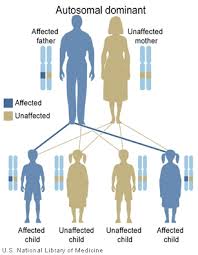
1 gene identificado com associação a esta condição. Padrão de herança: Autosomal dominant.
Curadoria gene-doença
fontes oficiaisB-cell expansion with NFKB and T-cell anergy
An autosomal dominant condition characterized by onset in infancy of splenomegaly and polyclonal expansion of B cells, resulting in peripheral lymphocytosis. Affected individuals also show mild immune dysfunction, including some defective antibody responses and T-cell anergy. There may be a predisposition to the development of B-cell malignancy.
Variantes genéticas (ClinVar)
144 variantes patogênicas registradas no ClinVar.
Classificação de variantes (ClinVar)
Distribuição de 1.226 variantes classificadas pelo ClinVar.
Vias biológicas (Reactome)
4 vias biológicas associadas aos genes desta condição.
Diagnóstico
Os sinais que médicos procuram e os exames que confirmam
Tratamento e manejo
Remédios, cuidados de apoio e o que precisa acompanhar
Onde tratar no SUS
Hospitais de referência no Brasil e o protocolo oficial do SUS (PCDT)
🇧🇷 Atendimento SUS — Doença BENTA
Selecione um estado ou use sua localização para ver resultados.
Dados de DATASUS/CNES, SBGM, ABNeuro e Ministério da Saúde. Sempre confirme a disponibilidade diretamente com o estabelecimento.
Pesquisa ativa
Ensaios clínicos abertos e novidades científicas recentes
Pesquisa e ensaios clínicos
Nenhum ensaio clínico registrado para esta condição.
Publicações mais relevantes
Immune dysregulation and porto-sinusoidal vascular disorder: A novel association with BENTA disease.
B-cell lymphocytosis and reprogramming due to biallelic CARD11 mutations.
Adaptive immune responses are tightly controlled by proteins including CARD11 that regulate signaling events downstream of the T- and B-cell receptors. Germline mutations in CARD11 cause several distinct monogenic inborn errors of immunity with early childhood onset and potentially fatal prognoses. Somatic CARD11 gain-of-function mutations are associated with B-cell malignancies. Precisely how various CARD11 mutations culminate in unique clinical entities, and the mechanisms of CARD11-driven B-cell proliferation, is not fully understood. We sought to identify the genetic basis of disease and characterize immune-cell phenotypes and functions in a patient with apparent BENTA (B-cell expansion with nuclear factor-κB [NF-κB] and T-cell anergy) disease and a history of sibling death in early childhood. We used whole-exome sequencing, flow and mass cytometry, whole blood mRNA analyses, in vitro T-cell proliferation and B-cell differentiation assays, and single-cell RNA sequencing of patient-derived samples to identify the genetic basis of disease and define its molecular and cellular mechanisms. We also ectopically expressed wild-type and mutant forms of CARD11 in T and B cells and assessed their functional impacts on NF-κB-dependent responses. We report a surprising new genetic basis of BENTA caused by homozygosity for the novel CARD11 mutation R331P and characterized by massive expansion of B cells with a naive surface phenotype and aberrant transcriptional program. This autosomal-recessive form of BENTA features exaggerated B-cell lymphocytosis relative to monoallelic BENTA. Furthermore, we have identified patterns of gene expression that distinguish B cells of patients with the autosomal-recessive form of BENTA from those of healthy controls and from monoallelic BENTA. We found that ectopic CARD11 R331P expression induced constitutive NF-κB activity in T and B cells. These data suggest that R331P is a gain-of-function mutation and causes BENTA in homozygosity. These results define a novel autosomal-recessive form of BENTA disease. Additional analysis of mutation-driven changes in B-cell function may shed light on the mechanisms of B lymphomagenesis in patients with germline or somatic CARD11 variants.
BENTA disease or CARD11 gain-of-function? A novel variant with atypical features and a literature review.
The CARD11 (Caspase Recruitment Domain Family Member 11) gene encodes a scaffold protein critical for NF-κB signaling, regulating B-cell differentiation and T-cell effector functions. Gain-of-function (GOF) mutations in CARD11 cause BENTA disease (B cell Expansion with NF-κB and T cell Anergy), an autosomal dominant disorder typically presenting with early-onset polyclonal B-cell lymphocytosis, splenomegaly, lymphadenopathy, and recurrent infections. We describe three related patients harboring a novel CARD11-GOF mutation (D357E), presenting with a BENTA phenotype with atypical features, including high IgM levels and a normal B-cell count, with life-threatening HLH in one case. Additionally, we conducted a systematic literature review using PubMed and EMBASE to identify previously reported cases of CARD11 GOF mutations. In vitro functional analysis demonstrated that the D357E variant activates the NF-κB signaling pathway in primary lymphocytes and in HEK293T cells transfected with mutant CARD11. Our literature review identified 13 studies describing 29 patients. Notably, HLH emerged as a common complication of CARD11 GOF mutations (18.8 %), while B-lymphocytosis -though frequent- was not universally present. We identified a novel pathogenic CARD11 variant and described its atypical phenotype, further expanding the clinical spectrum of CARD11 GOF disorders. These findings underscore the need for increased awareness of HLH risk in patients with CARD11 GOF mutations.
Subcutaneous panniculitis-like T-cell lymphoma in two unrelated individuals with BENTA disease.
Subcutaneous panniculitis-like T-cell lymphoma (SPTCL) is a rare primary cutaneous non-Hodgkin lymphoma involving CD8+ T cells, the genetic underpinnings of which remain incompletely understood. Here we report two unrelated patients with B cell Expansion with NF-κB and T cell Anergy (BENTA) disease and a novel presentation of SPTCL. Patient 1 presented early in life with recurrent infections and B cell lymphocytosis, linked to a novel gain-of-function (GOF) CARD11 mutation (p.Lys238del). He developed SPTCL-like lesions and membranoproliferative glomerulonephritis by age 2, treated successfully with cyclosporine. Patient 2 presented at 13 months with splenomegaly, lymphadenopathy, and SPTCL with evidence of hemophagocytic lymphohistiocytosis. Genetic analysis revealed two in cis germline GOF CARD11 variants (p.Glu121Asp/p.Gly126Ser). Autologous bone marrow transplant resulted in SPTCL remission despite persistent B cell lymphocytosis. These cases illuminate an unusual pathological manifestation for BENTA disease, suggesting that CARD11 GOF mutations can manifest in cutaneous CD4+and CD8+ T cell malignancies.
CARD11 gain-of-function mutation drives cell-autonomous accumulation of PD-1+ ICOShigh activated T cells, T-follicular, T-regulatory and T-follicular regulatory cells.
Germline CARD11 gain-of-function (GOF) mutations cause B cell Expansion with NF-κB and T cell Anergy (BENTA) disease, whilst somatic GOF CARD11 mutations recur in diffuse large B cell lymphoma (DLBCL) and in up to 30% of the peripheral T cell lymphomas (PTCL) adult T cell leukemia/lymphoma (ATL), cutaneous T cell lymphoma (CTCL) and Sezary Syndrome. Despite their frequent acquisition by PTCL, the T cell-intrinsic effects of CARD11 GOF mutations are poorly understood. Here, we studied B and T lymphocytes in mice with a germline Nethyl-N-nitrosourea (ENU)-induced Card11M365K mutation identical to a mutation identified in DLBCL and modifying a conserved region of the CARD11 coiled-coil domain recurrently mutated in DLBCL and PTCL. Our results demonstrate that CARD11.M365K is a GOF protein that increases B and T lymphocyte activation and proliferation following antigen receptor stimulation. Germline Card11M365K mutation was insufficient alone to cause B or T-lymphoma, but increased accumulation of germinal center (GC) B cells in unimmunized and immunized mice. Card11M365K mutation caused cell-intrinsic over-accumulation of activated T cells, T regulatory (TREG), T follicular (TFH) and T follicular regulatory (TFR) cells expressing increased levels of ICOS, CTLA-4 and PD-1 checkpoint molecules. Our results reveal CARD11 as an important, cell-autonomous positive regulator of TFH, TREG and TFR cells. They highlight T cell-intrinsic effects of a GOF mutation in the CARD11 gene, which is recurrently mutated in T cell malignancies that are often aggressive and associated with variable clinical outcomes.
Publicações recentes
B-cell lymphocytosis and reprogramming due to biallelic CARD11 mutations.
Immune dysregulation and porto-sinusoidal vascular disorder: A novel association with BENTA disease.
BENTA disease or CARD11 gain-of-function? A novel variant with atypical features and a literature review.
Subcutaneous panniculitis-like T-cell lymphoma in two unrelated individuals with BENTA disease.
CARD11 gain-of-function mutation drives cell-autonomous accumulation of PD-1(+) ICOS(high) activated T cells, T-follicular, T-regulatory and T-follicular regulatory cells.
📚 EuropePMC4 artigos no totalmostrando 10
B-cell lymphocytosis and reprogramming due to biallelic CARD11 mutations.
The Journal of allergy and clinical immunologyImmune dysregulation and porto-sinusoidal vascular disorder: A novel association with BENTA disease.
Digestive and liver disease : official journal of the Italian Society of Gastroenterology and the Italian Association for the Study of the LiverBENTA disease or CARD11 gain-of-function? A novel variant with atypical features and a literature review.
Immunology lettersSubcutaneous panniculitis-like T-cell lymphoma in two unrelated individuals with BENTA disease.
Clinical immunology (Orlando, Fla.)CARD11 gain-of-function mutation drives cell-autonomous accumulation of PD-1+ ICOShigh activated T cells, T-follicular, T-regulatory and T-follicular regulatory cells.
Frontiers in immunologyMechanistic impact of oligomer poisoning by dominant-negative CARD11 variants.
iScienceThe First Case of BENTA Disease (B Cell Expansion with NF-κB and T Cell Anergy) from Iran.
Journal of clinical immunologyPathogenic CARD11 mutations affect B cell development and differentiation through a noncanonical pathway.
Science immunologyImpaired Control of Epstein-Barr Virus Infection in B-Cell Expansion with NF-κB and T-Cell Anergy Disease.
Frontiers in immunologyIntrinsic Plasma Cell Differentiation Defects in B Cell Expansion with NF-κB and T Cell Anergy Patient B Cells.
Frontiers in immunologyAssociações
Organizações que acompanham esta doença — pra ter apoio e orientação
Ainda não temos associações cadastradas para Doença BENTA.
É de uma associação que acompanha esta doença? Fale com a gente →
Doença com base genética
Um médico geneticista pode ajudar no diagnóstico de Doença BENTA e no aconselhamento genético da família.
Doenças relacionadas
Doenças com sintomas parecidos — ajudam quem ainda está buscando diagnóstico
Perguntas frequentes
O que as famílias mais perguntam sobre esta doença — cada resposta com a fonte de onde saiu
A doença BENTA é causada por mutações genéticas no gene CARD11. Ela apresenta um padrão de herança autossômica dominante.
Referências
Fontes citadas no texto, publicações do grafo e bases de dados usadas neste verbete
5 publicações do grafo RarasNet (PubMed) · 7 bases de dados. Títulos, periódicos e PMIDs vêm direto da fonte, sem intermediação de IA.
Dados compilados pelo RarasNet a partir de fontes abertas (Orphanet, OMIM, MONDO, PubMed/EuropePMC, ClinicalTrials.gov, DATASUS, PCDT/MS). Este conteúdo é informativo e não substitui avaliação médica.
Citar este verbete
Raras. (s.d.). Doença BENTA. Em Raras — Enciclopédia de Doenças Raras do Brasil. https://raras.org/doenca/doenca-benta
Formato APA. Conteúdo sob CC BY 4.0 — reuso livre com atribuição.
Conteúdo mantido por Agente Raras · Médicos e pesquisadores podem colaborar
Doença BENTA
📋 Origem dos dados
Esta página agrega dados de fontes públicas e oficiais. Dados sobre cobertura no SUS (PCDT, CEAF) são verificados ativamente por agente proativo (ver badge no infobox). Demais dados têm atribuição de fonte + data da última sincronização — clique para abrir o original.
- Doença rara (ontologia)
- fonte: Orphanet
- Identificador unificado
- fonte: MONDO
- Genética mendeliana
- fonte: OMIM
- Codificação WHO/SUS
- fonte: WHO ICD-10 / DATASUS
- NIH/GARD
- fonte: GARD (NIH)
- Dado público estruturado
- fonte: Wikidata

