A fibrodisplasia ossificante progressiva (FOP) é uma doença hereditária gravemente incapacitante do tecido conjuntivo, caracterizada por malformações congênitas dos dedões dos pés e ossificação heterotópica progressiva que forma osso qualitativamente normal em locais extraesqueléticos característicos.
Introdução
O que você precisa saber de cara
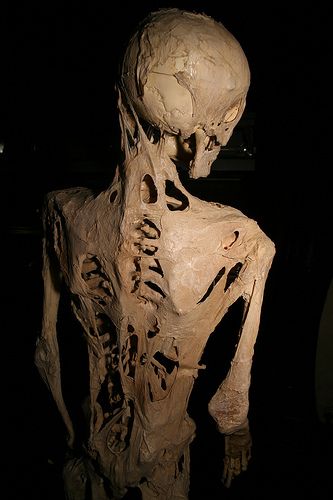
A fibrodysplasia ossificante progressiva é um distúrbio no qual o tecido muscular e o tecido conjuntivo, como tendões e ligamentos, são gradualmente substituídos por osso (ossificado), formando osso fora do esqueleto (extra-esquelético ou heterotópico) que limita o movimento. Esse processo geralmente se torna perceptível na primeira infância, começando pelo pescoço e ombros e avançando para o resto do corpo e para os membros.
A formação de osso extra-esquelético causa perda progressiva de mobilidade à medida que as articulações são afetadas. A incapacidade de abrir completamente a boca pode causar dificuldade ao falar e ao comer. Com o tempo, pessoas com a condição podem apresentar desnutrição devido aos problemas alimentares. Elas também podem ter dificuldades respiratórias como resultado da formação de osso extra ao redor da caixa torácica, que restringe a expansão dos pulmões.
Qualquer trauma nos músculos de um indivíduo com fibrodysplasia ossificante progressiva, como uma queda ou procedimentos médicos invasivos, pode desencadear episódios de inchaço e inflamação muscular (miosite) seguidos de ossificação mais rápida na área lesionada. As crises também podem ser provocadas por doenças virais, como a influenza.
Pessoas com a condição geralmente nascem com dedos grandes dos pés malformados. Essa anomalia dos dedos grandes dos pés é uma característica que ajuda a distinguir esse distúrbio de outros problemas ósseos e musculares. Indivíduos afetados também podem ter polegares curtos e outras anomalias esqueléticas.
Fonte: MedlinePlus Genetics (NLM/NIH), traduzidoA fibrodisplasia ossificante progressiva (FOP) é uma doença hereditária gravemente incapacitante do tecido conjuntivo, caracterizada por malformações congênitas dos dedões dos pés e ossificação heterotópica progressiva que forma osso qualitativamente normal em locais extraesqueléticos característicos.
Tem tratamento?
Escala de raridade
<1/50kMuito rara
1/20kRara
1/10kPouco freq.
1/5kIncomum
1/2k
Encontrou um erro ou informação desatualizada? Sugira uma correção →
Entender a doença
Do básico ao detalhe, leia no seu ritmo
Preparando trilha educativa...
Sinais e sintomas
O que aparece no corpo e com que frequência cada sintoma acontece
Partes do corpo afetadas
+ 17 sintomas em outras categorias
Características mais comuns
Os sintomas variam de pessoa para pessoa. Abaixo estão as 54 características clínicas mais associadas, ordenadas por frequência.
Linha do tempo da pesquisa
Encontrou um erro ou informação desatualizada? Sugira uma correção →
Genética e causas
O que está alterado no DNA e como passa nas famílias
Genes associados
1 gene identificado com associação a esta condição. Padrão de herança: Autosomal dominant, Not applicable.
Curadoria gene-doença
fontes oficiaisFibrodysplasia ossificans progressiva
A rare autosomal dominant connective tissue disorder resulting in skeletal malformations and progressive extraskeletal ossification. Heterotopic ossification begins in childhood and can be induced by trauma or may occur without warning. Bone formation is episodic and progressive, leading to a debilitating ankylosis of all major joints of the axial and appendicular skeleton, rendering movement impossible.
Medicamentos e terapias
Mecanismo: Retinoic acid receptor gamma agonist
Mecanismo: Inhibin beta A chain inhibitor
Mecanismo: Tyrosine-protein kinase ABL inhibitor
Mecanismo: GABA-A receptor; anion channel positive allosteric modulator
Variantes genéticas (ClinVar)
37 variantes patogênicas registradas no ClinVar.
Diagnóstico
Os sinais que médicos procuram e os exames que confirmam
Tratamento e manejo
Remédios, cuidados de apoio e o que precisa acompanhar
Onde tratar no SUS
Hospitais de referência no Brasil e o protocolo oficial do SUS (PCDT)
🇧🇷 Atendimento SUS — Fibrodisplasia ossificante progressiva
Selecione um estado ou use sua localização para ver resultados.
Dados de DATASUS/CNES, SBGM, ABNeuro e Ministério da Saúde. Sempre confirme a disponibilidade diretamente com o estabelecimento.
Pesquisa ativa
Ensaios clínicos abertos e novidades científicas recentes
Ensaios em destaque
Com ensaio aberto em 7 países. O ponto verde marca onde há vaga agora.
🟢 Recrutando agora
4 pesquisas recrutando participantes. Converse com seu médico sobre a possibilidade de participar.
Outros ensaios clínicos
23 ensaios clínicos encontrados, 8 ativos.
Publicações mais relevantes
Progressive ossification in an adolescent with fibrodysplasia ossificans progressiva.
Fibrodysplasia ossificans progressiva (FOP), also known as Munchmeyer disease or 'stone man syndrome', is a rare, disabling genetic disorder caused by an ACVR1/ALK2 mutation, resulting in progressive heterotopic ossification of muscles, tendons and ligaments. Even minor trauma can trigger flare-ups, causing joint fusion and severe disability.An early adolescent male presented with progressive joint stiffness, painful swellings and malnutrition. Examination revealed hallmark signs of FOP, including malformed great toes and widespread soft tissue ossification. Differential diagnoses such as progressive osseous heteroplasia and juvenile fibromatosis were excluded clinically. A biopsy was avoided due to the risk of disease exacerbation, and the diagnosis was made on clinical grounds.As no definitive cure exists, management was supportive with non-steroidal anti-inflammatory drugs for pain, nutritional supplementation and avoidance of surgery. Awareness and early recognition are crucial, while emerging therapies, such as palovarotene and gene-targeted approaches, hold promise for the future.
Activation of PPARγ redirects fibro-adipogenic progenitors to replace ectopic bone with fat in models of fibrodysplasia ossificans progressiva and trauma-induced heterotopic ossification.
The pathologic, osteogenic differentiation of fibroadipogenic progenitor cells (FAPs) is the primary recognized contributor to ectopic bone formation in fibrodysplasia ossificans progressiva (FOP) and trauma-induced heterotopic ossification (HO). Both conditions are characterized by up-regulated BMP signaling - the former by a gene mutation rendering the BMP receptor ACVR1 susceptible to activation by inflammatory ligands (Activin A), and the latter by up-regulated presence of BMP2 ligand in the setting of unmutated BMP receptor. We performed an unbiased assessment of FDA-approved therapies which would optimally target the transcriptional aberrations observed in developing FOP and HO lesions based on publicly-available datasets. This analysis uncovered rosiglitazone, a peroxisome proliferator-activated receptor gamma (PPARγ) agonist as the highest scoring therapeutic option across three data sets for both conditions. Rosiglitazone treatment eliminated ectopic bone lesions in a mouse model of FOP, and replaced these lesions with ectopic adipose tissue; similarly, systemic and local rosiglitazone treatment eliminated ectopic bone lesions in a mouse model of trauma-induced HO and replaced these lesions with ectopic adipose tissue. Our findings were corroborated by a single case report from 2010 showing positive results with rosiglitazone in a non-diabetic patient with FOP, with no subsequent studies. Overall, our findings suggest that a previously FDA-approved therapeutic is likely to be a successful therapeutic agent for both FOP and trauma-induced HO, both conditions for which current therapeutic options remain inadequate.
Content Validation of the Flares Diary: A Qualitative Analysis of the Flares Experience Within the Fibrodysplasia Ossificans Progressiva (FOP) Population.
Fibrodysplasia ossificans progressiva (FOP) is an ultra-rare, autosomal dominant disorder characterized by episodic yet cumulative heterotopic ossification (HO) of connective tissues. Flare-ups, i.e., sites of local soft tissue inflammation, are associated with swelling, joint stiffness, and pain are commonly associated with FOP. This study aimed to investigate the content validity of the Flares Diary by gaining an in-depth understanding of the experience of FOP flare-ups in people with FOP and by debriefing the Flares Diary to assess the relevance, comprehensiveness, and understandability of the instrument. Adults with FOP who participated in the Phase 2 LUMINA-1 trial (NCT03188666) of garetosmab, or who were recruited by email via the International Fibrodysplasia Ossificans Progressiva Association, were enrolled in this study. Trained qualitative researchers conducted in-depth semi-structured interviews with all participants comprising concept elicitation and cognitive debriefing of the Flares Diary, with participants encouraged to describe flare-up symptoms and impacts in their own words. All interviews were conducted between March 3, 2022, and March 7, 2023. A conceptual model was developed based on participant-reported symptoms and impacts of flare-ups. Thematically analyzed interview transcripts from 20 adults with FOP identified concepts of localized and systemic symptoms, as well as impacts on participants' daily lives associated with flare-ups. Minimal issues were reported with understanding the Flares Diary, and participants found that the items were comprehensive and matched their own experience of flare-ups. The results confirm the adequacy of the Flares Diary and that the symptoms assessed are important to people with FOP. Graphical abstract available for this article. ClinicalTrials.gov identifier, NCT03188666.
Atypical Clinical Presentation and Diagnostic Difficulties of a Rare Disease: Fibrodysplasia Ossificans Progressiva.
Fibrodysplasia ossificans progressiva, also known as Münchmeyer's disease, is a rare autosomal dominant genetic disorder characterized by progressive heterotopic ossification, ultimately resulting in a "stone man" phenotype. We present the case of a male infant who exhibited musculocutaneous manifestations during the neonatal period.
A closed-loop cell therapy engineered to autonomously secrete Activin A inhibitor protects from fibrodysplasia ossificans progressiva.
Engineered cell therapies present an opportunity for endogenous, site-specific production of therapeutic agents. Here we describe a closed-loop cell therapy which secretes an inhibitor of Activin A, ActR2A-Fc, upon exposure to Activin A. We demonstrate in vivo therapeutic efficacy of this approach in a mouse model of fibrodysplasia ossificans progressiva (FOP), a morbid condition in which patients develop extensive heterotopic bony lesions in response to aberrant sensitivity to Activin A through a mutation in the type I BMP receptor ACVR1 (ACVR1 R206H). To blunt Activin A activity, we designed a transposon plasmid containing the transgene encoding ActR2A-Fc, with expression controlled by the BMP-responsive element (BRE). In cells containing the causative mutation, the BRE is pathologically activated upon exposure to Activin A. FOP-derived marrow cells modified with the BRE-ActR2AFc plasmid exhibited the desired closed-loop functionality, with increased ActR2A-Fc expression upon exposure to Activin A and reduced expression upon withdrawal of Activin A. Engineered marrow cells secreted bioactive ActR2A-Fc, and bone marrow transplantation of FOP marrow cells engineered with the BRE-ActR2AFc transposon into same-sex FOP mice resulted in absence of heterotopic bony lesions. Experiments with labeled, engineered FOP marrow cells verified trafficking of the therapeutic cells to sites at risk for FOP. These data provide proof-of-concept for the therapeutic utility of engineered cell therapy for the treatment of FOP.
Publicações recentes
Gut microbiome-dependent IL-1 signaling is a mediator of ACVR1 (R206H) -driven heterotopic ossification.
A bio-inspired computational pipeline for antibody screening and repurposing.
Fibrodysplasia Ossificans Progressiva: A Case Report From the UAE.
🥈 Observacional[Fibrodysplasia ossificans progressive: a clinicopathological and molecular genetic analysis of three cases].
Surgical management of ovarian endometrioma in a patient with fibrodysplasia ossificans progressiva: a case report.
📚 EuropePMC748 artigos no totalmostrando 198
Activation of PPARγ redirects fibro-adipogenic progenitors to replace ectopic bone with fat in models of fibrodysplasia ossificans progressiva and trauma-induced heterotopic ossification.
bioRxiv : the preprint server for biologyContent Validation of the Flares Diary: A Qualitative Analysis of the Flares Experience Within the Fibrodysplasia Ossificans Progressiva (FOP) Population.
Advances in therapyAtypical Clinical Presentation and Diagnostic Difficulties of a Rare Disease: Fibrodysplasia Ossificans Progressiva.
Pediatric dermatologyA closed-loop cell therapy engineered to autonomously secrete Activin A inhibitor protects from fibrodysplasia ossificans progressiva.
bioRxiv : the preprint server for biologyThe role of muscle fascia in heterotopic ossification and maintenance of skeletal muscle integrity in fibrodysplasia ossificans progressiva.
BoneFibrodysplasia Ossificans Progressiva: A rare disease.
The National medical journal of IndiaScoliosis in Fibrodysplasia Ossificans Progressiva: A Report of 4 Cases.
JBJS case connectorAnesthetic and airway management for inguinal hernia repair in a pediatric patient with fibrodysplasia ossificans progressiva: a case report.
Journal of medical case reportsFirst-In-Human Study to Assess the Pharmacokinetics and Safety of DS-6016a After Single Subcutaneous Injection in Healthy Japanese Adults.
Clinical pharmacology in drug developmentHyperactive BMP and Mechanosignaling Remodel Chromatin to Drive Aberrant Osteogenesis in FOP.
bioRxiv : the preprint server for biologySurgical Treatment of a Type IIIA Open Tibia Fracture in a Patient with Fibrodysplasia Ossificans Progressiva: A Case Report.
JBJS case connectorProgressive ossification in an adolescent with fibrodysplasia ossificans progressiva.
BMJ case reportsACVR mutation [NM_001105.4:c.774G>T (p.Arg258Ser)] in pediatric fibrodysplasia ossificans progressiva complicated by scoliosis: a case report.
Frontiers in pediatricsCompound KTI-2338 Inhibits ACVR1 Receptor Signaling in Fibrodysplasia Ossificans Progressiva.
PharmaceuticsIdentifying global trends from case reports of fibrodysplasia ossificans progressiva: a scoping review.
Therapeutic advances in musculoskeletal diseaseEffects of Renal and Hepatic Impairment on the Pharmacokinetics of Zilurgisertib.
British journal of clinical pharmacologyAcvr2b receptors transduce all BMP signaling in the zebrafish gastrula and restrict Fibrodysplasia Ossificans Progressiva ACVR1-R206H signaling in a dose-dependent manner.
bioRxiv : the preprint server for biologyA rare cause of swelling and limited mobility in the back in a child: a case of fibrodysplasia ossificans progressiva during a flare-up period.
RoFo : Fortschritte auf dem Gebiete der Rontgenstrahlen und der NuklearmedizinDiscovery and Characterization of Zilurgisertib, a Potent and Selective Inhibitor of Activin Receptor-like Kinase‑2 (ALK2) for the Treatment of Fibrodysplasia Ossificans Progressiva.
ACS medicinal chemistry lettersIntermittent and Short-Term Empirical Ruxolitinib Regimen for Steroid-Refractory Flareups of Fibrodysplasia Ossificans Progressiva.
Pharmacology research & perspectivesMedical guidelines for fibrodysplasia ossificans progressiva.
JBMR plusEvaluation of clinical cardiac safety of zilurgisertib, an activin receptor-like kinase-2 (ALK2) inhibitor, in healthy participants.
Clinical pharmacology in drug developmentA Narrative Review of Phase II and III Clinical Trials for the Pharmacological Treatment of Fibrodysplasia Ossificans Progressiva (FOP): Efficacy, Safety, and Challenges in Treatment Strategies.
Drug design, development and therapyAn inducible knock-in mouse model of fibrodysplasia ossificans progressiva shows spontaneous formation of heterotopic ossification.
JBMR plusAtypical Fibrodysplasia Ossificans Progressiva with G328E Variant and Digit Reduction Abnormalities: A Report of 2 Cases.
JBJS case connectorMonoallelic variants in ACVR1 in a cohort of Egyptian individuals with fibrodysplasia ossificans progressiva.
Clinical dysmorphologySingle-cell analysis of human fibrous dysplasia bone reveals a fibrotic transcriptome and GNAS variants in endothelial, perivascular, and stromal cells.
American journal of human geneticsFibrous dysplasia/McCune-Albright syndrome: state-of-the-art advances, pathogenesis, and basic/translational research.
Orphanet journal of rare diseasesAssessing the economic burden and health-related quality of life in chinese patients with fibrodysplasia ossificans progressiva: a questionnaire survey analysis.
Orphanet journal of rare diseasesEctopic pseudojoints in fibrodysplasia ossificans progressiva.
JBMR plusMorpholino-Mediated Exon Skipping Targeting Human ACVR1/ALK2 for Fibrodysplasia Ossificans Progressiva.
Methods in molecular biology (Clifton, N.J.)An Overview of Recent Advances and Clinical Applications of Exon Skipping and Splice Modulation for Muscular Dystrophy and Various Genetic Diseases.
Methods in molecular biology (Clifton, N.J.)Atypical Fibrodysplasia Ossificans Progressiva in a child: A case report.
International journal of surgery case reportsRespiratory oscillometry in individuals with fibrodysplasia ossificans progressiva.
Orphanet journal of rare diseasesAll Restricted Spines are not Spondyloarthritis: Fibrodysplasia Ossificans Progressiva (FOP) in Monozygotic Twins presenting to Rheumatology Clinic.
Mediterranean journal of rheumatologyPI3Kα inhibition blocks osteochondroprogenitor specification and the hyper-inflammatory response to prevent heterotopic ossification.
eLifeA new BMP type 1 receptor kinase inhibitor for safe and efficient oral treatment to prevent genetically induced heterotopic ossification in mice.
BoneEffect of Itraconazole or Rifampin on Zilurgisertib Pharmacokinetics When Administered Orally in Healthy Participants.
Clinical pharmacology in drug developmentUnderstanding the clinical morbidity and mortality of fibrodysplasia ossificans progressiva: a systematic literature review.
Orphanet journal of rare diseasesA cutaneous nodule revealing Münchmeyer's disease.
Oxford medical case reportsProgressive Soft Tissue Swelling in a Pediatric Patient Leading to the Diagnosis of Fibrodysplasia Ossificans Progressiva: A Case Report.
Pediatric dermatologyCombined rapamycin and mesenchymal stem/stromal cells derived from induced pluripotent stem cells-mediated delivery of ACVR2B-Fc fusion protein reduces heterotopic ossification in a mouse model of fibrodysplasia ossificans progressiva.
JBMR plusThoracic Deformity in Fibrodysplasia Ossificans Progressiva.
JBJS reviewsAdvancements in mechanisms and drug treatments for fibrodysplasia ossificans progressiva.
Journal of Zhejiang University. Science. BFibrodysplasia ossificans progressiva: genetic and clinical characterization in a cohort of Polish patients and review of potential therapies.
Journal of applied geneticsInterplay between ALK2R206H mutant receptor and autophagy signaling regulates receptor stability and its chondrogenic functions.
Cell death discoveryHearing loss predictive model in fibrodysplasia ossificans progressiva from a national referral center: developing an hearing loss predictive model.
JBMR plusInsights Gained From an Ultrarare Case of Progressive Osseous Heteroplasia With Severe Complications.
CureusEarly Detection for Better Patient Outcome: A Case Report on Two Patients Presenting With Fibrodysplasia Ossificans Progressiva at Tikur Anbessa Specialized Hospital, Ethiopia.
Case reports in orthopedicsPalovarotene in fibrodysplasia ossificans progressiva: review and perspective.
Expert opinion on pharmacotherapyProceedings of the 2024 Santa Fe Bone Symposium: Update on the Management of Osteoporosis and Rare Bone Diseases.
Journal of clinical densitometry : the official journal of the International Society for Clinical DensitometrySignaling Dynamics in Osteogenesis: Unraveling Therapeutic Targets for Bone Generation.
Current drug targetsFibrodysplasia ossificans progressiva: the stone woman.
ARP rheumatologyDiscoidin domain receptor 2 is an important modulator of BMP signaling during heterotopic bone formation.
Bone researchClinical and radiological insights into fibrodysplasia ossificans progressiva: A report on two cases.
Journal of clinical orthopaedics and traumaGeneralized Epileptic Seizures in Fibrodysplasia Ossificans Progressiva Harboring a Recurrent Heterozygous Variant of the ACVR1 Gene (R206H).
Case reports in geneticsPalovarotene (Sohonos), a synthetic retinoid for reducing new heterotopic ossification in fibrodysplasia ossificans progressiva: history, present, and future.
JBMR plusPharmacokinetics of Zilurgisertib With and Without Food from Single and Multiple Ascending Dose Phase 1 Studies in Healthy Adults.
European journal of drug metabolism and pharmacokineticsBMP-9 mediates fibroproliferation in fibrodysplasia ossificans progressiva through TGF-β signaling.
EMBO molecular medicineTargeting to BMP9 to restrain flare-up of fibrodysplasia ossificans progressiva.
EMBO molecular medicineThe role of miRNAs as biomarkers in heterotopic ossification.
EFORT open reviewsDiscovery of highly potent and ALK2/ALK1 selective kinase inhibitors using DNA-encoded chemistry technology.
Proceedings of the National Academy of Sciences of the United States of AmericaFibrodysplasia ossificans progressiva associated with osteochondromatosis: A case report.
Radiology case reports[18F]NaF PET/CT as a Marker for Fibrodysplasia Ossificans Progressiva: From Molecular Mechanisms to Clinical Applications in Bone Disorders.
BiomoleculesCurrent and emerging treatment modalities for fibrodysplasia ossificans progressiva.
Expert opinion on pharmacotherapySensors in Bone: Technologies, Applications, and Future Directions.
Sensors (Basel, Switzerland)Comparison of PET/CT versus CT only in the assessment of new heterotopic ossification bone lesions in patients with fibrodysplasia ossificans progressiva.
BonePerformance of simplified methods for quantification of [18F]NaF uptake in fibrodysplasia ossificans progressiva.
Frontiers in nuclear medicineChallenges in the diagnosis of fibrodysplasia ossificans progressiva with the ACVR1 mutation (c.774G > C, p.R258S): a case report and review of literature.
Orphanet journal of rare diseasesFibrodysplasia ossificans progressiva emerges from obscurity.
Trends in molecular medicineUnlocking the Door for Precision Medicine in Rare Conditions: Structural and Functional Consequences of Missense ACVR1 Variants.
Omics : a journal of integrative biologyFibrodysplasia ossificans progressiva complicated with post traumatic and infectious myositis ossificans in masseter: A case report.
MedicineNovel insights from human induced pluripotent stem cells on origins and roles of fibro/adipogenic progenitors as heterotopic ossification precursors.
Frontiers in cell and developmental biologyDual and opposing role of retinoic acid receptor signaling in mesenchymal stem cells for tendon ossification in mice.
Journal of orthopaedic research : official publication of the Orthopaedic Research SocietyCharacterization of flare-ups and impact of garetosmab in adults with fibrodysplasia ossificans progressiva: a post hoc analysis of the randomized, double-blind, placebo-controlled LUMINA-1 trial.
Journal of bone and mineral research : the official journal of the American Society for Bone and Mineral ResearchMolecular Developmental Biology of Fibrodysplasia Ossificans Progressiva: Measuring the Giant by Its Toe.
BiomoleculesPrimary cilia mediate skeletogenic BMP and Hedgehog signaling in heterotopic ossification.
Science translational medicineFibrodysplasia Ossificans Progressiva: A Man Turned to Stone.
CureusResearch trends and hotspots of myositis ossificans: a bibliometric analysis from 1993 to 2022.
EFORT open reviewsAnimal models of tendon calcification: Past, present, and future.
Animal models and experimental medicineCongenital hallux valgus occurs in Fibrodysplasia Ossificans Progressiva and BMPR1B-associated dysplasia: an important distinction.
BMC medical genomicsAn ALK2 inhibitor, BLU-782, prevents heterotopic ossification in a mouse model of fibrodysplasia ossificans progressiva.
Science translational medicineThe Effect of Therapeutic Approaches on Hallux Valgus Deformity.
CureusRare but Perils of Unaware - Fibrodysplasia Ossificans Progressiva.
Indian journal of pediatricsFibrodysplasia ossificans progressiva: Two case reports.
Radiology case reportsLong-term use of interleukin-1 inhibitors reduce flare activity in patients with fibrodysplasia ossificans progressiva.
Rheumatology (Oxford, England)Cell Senescence in Heterotopic Ossification.
BiomoleculesCellular and Molecular Mechanisms of Heterotopic Ossification in Fibrodysplasia Ossificans Progressiva.
BiomedicinesSuccessful preimplantation genetic testing for fibrodysplasia ossificans progressiva: a case report.
Journal of medical case reportsActionable disease insights from bedside-to-bench investigation in fibrodysplasia ossificans progressiva.
Journal of bone and mineral research : the official journal of the American Society for Bone and Mineral ResearchInterleukin 1 receptor antagonist as biomarker for disease flares in fibrodysplasia ossificans progressiva.
BoneWnt pathway inhibition with the porcupine inhibitor LGK974 decreases trabecular bone but not fibrosis in a murine model with fibrotic bone.
JBMR plusFibrodysplasia Ossificans Progressiva: A Case Report.
CureusImmunologic Aspects in Fibrodysplasia Ossificans Progressiva.
BiomoleculesIntersections of Fibrodysplasia Ossificans Progressiva and Traumatic Heterotopic Ossification.
BiomoleculesHedgehog Signaling Controls Chondrogenesis and Ectopic Bone Formation via the Yap-Ihh Axis.
BiomoleculesDevelopment of AAV-Mediated Gene Therapy Approaches to Treat Skeletal Diseases.
Human gene therapyFibrodysplasia Ossificans Progressiva: A rare disease due to unawareness, case report and literature review.
International journal of surgery case reportsiMSC-mediated delivery of ACVR2B-Fc fusion protein reduces heterotopic ossification in a mouse model of fibrodysplasia ossificans progressiva.
Stem cell research & therapyTracheostomy for the pediatric patient with fibrodysplasia ossificans progressiva: a case report.
Surgical case reportsMatrix metalloproteinase-9 deficiency confers resilience in fibrodysplasia ossificans progressiva in a man and mice.
Journal of bone and mineral research : the official journal of the American Society for Bone and Mineral ResearchRole of the NF-kB signalling pathway in heterotopic ossification: biological and therapeutic significance.
Cell communication and signaling : CCSSex as a Critical Variable in Basic and Pre-Clinical Studies of Fibrodysplasia Ossificans Progressiva.
BiomoleculesThe HIF-1α and mTOR Pathways Amplify Heterotopic Ossification.
BiomoleculesOxidative phosphorylation is a pivotal therapeutic target of fibrodysplasia ossificans progressiva.
Life science allianceThe Activation of the Fibrodysplasia Ossificans Progressiva-Inducing ALK2-R206H Mutant Depends on the Distinct Homo-Oligomerization Patterns of ACVR2B and ACVR2A.
CellsFibrodysplasia Ossificans Progressiva Mimics Generalized Dystonia Disorder: A Case Report.
CureusHow Activin A Became a Therapeutic Target in Fibrodysplasia Ossificans Progressiva.
BiomoleculesA functional interplay between the two BMP-SMAD pathway inhibitors TMPRSS6 and FKBP12 regulates hepcidin expression in vivo.
American journal of physiology. Gastrointestinal and liver physiologyPay Attention to the Osteochondromas in Fibrodysplasia Ossificans Progressiva.
Orthopaedic surgeryA fibrodysplasia ossificans progressiva patient with a rare missense mutation in ACVR1 detected on 18F-FDG PET/CT.
Joint bone spineNavigating the Complex Landscape of Fibrodysplasia Ossificans Progressiva: From Current Paradigms to Therapeutic Frontiers.
GenesPalovarotene Action Against Heterotopic Ossification Includes a Reduction of Local Participating Activin A-Expressing Cell Populations.
JBMR plusDisease aggravation following surgery in a rare patient suspected to Fibrodysplasia (Myositis) ossificans progressiva: a case report.
Journal of medical case reportsStudy methodology and insights from the palovarotene clinical development program in fibrodysplasia ossificans progressiva.
BMC medical research methodologyFibrodysplasia ossificans progressiva.
Clinical case reportsGiant thymic cyst overclouding the diagnosis of fibrodysplasia ossificans progressiva: an inconvenient coincidence.
Rheumatology (Oxford, England)Frontal bone loss following coronal brow lift: A mimicker of head variant linear morphea.
JAAD case reportsThe Pharmacokinetic Profile of Palovarotene: An Open-Label Phase I Trial Investigating the Effect of Food and Potential for Drug-Drug Interaction in Healthy Participants.
European journal of drug metabolism and pharmacokineticsHead and neck manifestations of fibrodysplasia ossificans progressiva: Clinical and imaging findings in 2 cases.
Imaging science in dentistryChallenges in Diagnosing Fibrodysplasia Ossificans Progressiva: A Case Report.
JBJS case connectorGaretosmab in fibrodysplasia ossificans progressiva: a randomized, double-blind, placebo-controlled phase 2 trial.
Nature medicineAAV-Mediated Targeting of the Activin A-ACVR1R206H Signaling in Fibrodysplasia Ossificans Progressiva.
BiomoleculesCharacterization of Fibrodysplasia Ossificans Progessiva relevant Acvr1/Acvr2 Activin receptors in medaka (Oryzias latipes).
PloS oneAn Atypical Presentation of Fibrodysplasia Ossificans Progressiva and the Imperative for Multidisciplinary Care: A Case Report.
CureusFaces of Fibrodysplasia Ossificans Progressiva: Lessons from a Clinical Masquerader.
Indian journal of pediatricsGaretosmab in Fibrodysplasia Ossificans Progressiva: Clinical Pharmacology Results from the Phase 2 LUMINA-1 Trial.
Journal of clinical pharmacologyHuman iPSCs as Model Systems for BMP-Related Rare Diseases.
CellsSuccessful experience of tofacitinib treatment in patients with Fibrodysplasia Ossificans Progressiva.
Pediatric rheumatology online journal[Recommendations for the healthcare of patients with FOP].
Orthopadie (Heidelberg, Germany)The terminal period findings of late-diagnosed fibrodysplasia ossificans progressiva.
German medical science : GMS e-journalGenetics of Diffuse Idiopathic Skeletal Hyperostosis and Ossification of the Spinal Ligaments.
Current osteoporosis reportsNovel Therapeutic Targets for Fibrodysplasia Ossificans Progressiva: Emerging Strategies and Future Directions.
CureusSuperior mesenteric artery syndrome in a patient with fibrodysplasia ossificans progressiva.
Bone reportsPolypeptide Substrate Accessibility Hypothesis: Gain-of-Function R206H Mutation Allosterically Affects Activin Receptor-like Protein Kinase Activity.
BiomoleculesFibrodysplasia ossificans progressiva: when a double skeleton is present.
Clinical rheumatology[A PhD completed. The use of periodontal ligament fibroblasts in research on fibrodysplasia ossificans progressiva].
Nederlands tijdschrift voor tandheelkundeSynthetic CT Assessment of Lesions in Children With Rare Musculoskeletal Diseases.
PediatricsReduced GS Domain Serine/Threonine Requirements of Fibrodysplasia Ossificans Progressiva Mutant Type I BMP Receptor ACVR1 in the Zebrafish.
Journal of bone and mineral research : the official journal of the American Society for Bone and Mineral ResearchGeneration of induced pluripotent stem cell line (RCMGi009-A) from urine cells of patient with fibrodysplasia ossificans progressiva.
Stem cell researchImproving care pathways for people living with rare bone diseases (RBDs): outcomes from the first RBD Summit.
Osteoporosis international : a journal established as result of cooperation between the European Foundation for Osteoporosis and the National Osteoporosis Foundation of the USALiving with Fibrodysplasia Ossificans Progressiva: Radiological Images of a Patient with Extensive Heterotopic Ossification.
Diagnostics (Basel, Switzerland)A blocking monoclonal antibody reveals dimerization of intracellular domains of ALK2 associated with genetic disorders.
Nature communicationsDirect BMP signaling to chordoblasts is required for the initiation of segmented notochord sheath mineralization in zebrafish vertebral column development.
Frontiers in endocrinologyMultifocal heterotopic ossification in a man with germline variants of LIM Mineralization Protein-1 (LMP-1).
American journal of medical genetics. Part AFibrodysplasia ossificans progressiva in Hong Kong-A case report series.
Frontiers in pediatricsDiagnostic Findings and Surgical Management of Three Dogs Affected by Osseous Metaplasia Secondary to a Salivary Mucocele.
Animals : an open access journal from MDPIThe serum levels of activin A and bone morphogenetic protein-4 and -6 in patients with fibrodysplasia ossificans progressiva.
Orphanet journal of rare diseasesMost Fractures Treated Nonoperatively in Individuals With Fibrodysplasia Ossificans Progressiva Heal With a Paucity of Flareups, Heterotopic Ossification, and Loss of Mobility.
Clinical orthopaedics and related researchThe Efficacy of CT Temporal Subtraction Images for Fibrodysplasia Ossificans Progressiva.
Tomography (Ann Arbor, Mich.)A rare challenge: A patient with progressive fibrodysplasia ossificans and acute ischemic stroke treated with mechanical thrombectomy.
eNeurologicalSciTranscriptomic Differences Underlying the Activin-A Induced Large Osteoclast Formation in Both Healthy Control and Fibrodysplasia Ossificans Progressiva Osteoclasts.
International journal of molecular sciencesFibrodysplasia Ossificans Progressiva: A Case Series with Radiologic Findings.
Journal of orthopaedic case reportsProgressive osseous heteroplasia in a 5-year-old boy with a novel mutation in exon 2 of GNAS: a case presentation and literature review.
BMC musculoskeletal disordersAutomated, calibration-free quantification of cortical bone porosity and geometry in postmenopausal osteoporosis from ultrashort echo time MRI and deep learning.
BoneA follow-up report on the published paper Social and clinical impact of COVID-19 on patients with fibrodysplasia ossificans progressiva.
Orphanet journal of rare diseasesFibrodysplasia ossificans progressiva in a 3-year-old female patient.
Boletin medico del Hospital Infantil de MexicoMedullary Tegmental Cap Dysplasia: Fetal and Postnatal Presentations of a Unique Brainstem Malformation.
AJNR. American journal of neuroradiologyA Pharmacokinetic, Safety, and Tolerability Trial of Palovarotene in Healthy Japanese and Non-Japanese Participants.
European journal of drug metabolism and pharmacokineticsKnowledge and awareness about fibrodysplasia ossificans progressiva among dental students.
Journal of advanced pharmaceutical technology & researchPediatric myositis ossificans circumscripta following traumatic hip dislocation: A case report.
Radiology case reportsTGF-Beta Induces Activin A Production in Dermal Fibroblasts Derived from Patients with Fibrodysplasia Ossificans Progressiva.
International journal of molecular sciencesMRI Quantification of Cortical Bone Porosity, Mineralization, and Morphologic Structure in Postmenopausal Osteoporosis.
RadiologyMidline brain hamartomatous lesions in fibrodysplasia ossificans progressiva with ACVR1 mutations.
Neuropathology : official journal of the Japanese Society of NeuropathologyFunctional comparison of human ACVR1 and zebrafish Acvr1l FOP-associated variants in embryonic zebrafish.
Developmental dynamics : an official publication of the American Association of AnatomistsUse of Enrofloxacin and Hydrotherapy in the Management of Fibrodysplasia Ossificans Progressiva (FOP) in a Savannah Cat.
Topics in companion animal medicineReduction of New Heterotopic Ossification (HO) in the Open-Label, Phase 3 MOVE Trial of Palovarotene for Fibrodysplasia Ossificans Progressiva (FOP).
Journal of bone and mineral research : the official journal of the American Society for Bone and Mineral ResearchFibrodysplasia Ossificans Progressiva: A Case Report with Pseudo-Ankylosis of the Temporomandibular Joint.
The Cleft palate-craniofacial journal : official publication of the American Cleft Palate-Craniofacial AssociationThe Fibrodysplasia Ossificans Progressiva Physical Function Questionnaire (FOP-PFQ): A patient-reported, disease-specific measure.
BoneBone morphogenetic protein signaling is a possible therapeutic target in gynecologic cancer.
Cancer scienceDiminished muscle integrity in patients with fibrodysplasia ossificans progressiva assessed with at-home electrical impedance myography.
Scientific reportsSARS-CoV-2-specific humoral and cellular immune responses to BNT162b2 vaccine in Fibrodysplasia ossificans progressiva patients.
Frontiers in immunologyBioanalysis of INCB000928 in hemodialysate: prevention of nonspecific binding and validation of surrogate matrices.
BioanalysisShedding Light on Bone Morphogenetic Protein (BMP) Signaling Modifiers to Modulate Fibrodysplasia Ossificans Progressiva Severity.
Journal of bone and mineral research : the official journal of the American Society for Bone and Mineral ResearchProceedings of the 2022 Santa Fe Bone Symposium: Current Concepts in the Care of Patients with Osteoporosis and Metabolic Bone Diseases.
Journal of clinical densitometry : the official journal of the International Society for Clinical DensitometrySuppression of heterotopic ossification in fibrodysplasia ossificans progressiva using AAV gene delivery.
Nature communicationsFibrodysplasia ossificans progressiva: A rare disease with spinal deformity and severe hip dysfunction.
Frontiers in pediatricsFibrodysplasia Ossificans Progressiva and Pregnancy: A Case Series and Review of the Literature.
Case reports in obstetrics and gynecologyFunctional Testing of Bone Morphogenetic Protein (BMP) Pathway Variants Identified on Whole-Exome Sequencing in a Patient with Delayed-Onset Fibrodysplasia Ossificans Progressiva (FOP) Using ACVR1R206H -Specific Human Cellular and Zebrafish Models.
Journal of bone and mineral research : the official journal of the American Society for Bone and Mineral ResearchThe natural history of fibrodysplasia ossificans progressiva: A prospective, global 36-month study.
Genetics in medicine : official journal of the American College of Medical GeneticsRecapitulation of pro-inflammatory signature of monocytes with ACVR1A mutation using FOP patient-derived iPSCs.
Orphanet journal of rare diseasesFibrodysplasia ossificans progressiva in Brazil: challenges and strategies to create assistance and educational networks.
Orphanet journal of rare diseasesRapid Progression of Heterotopic Ossification in Severe Variant of Fibrodysplasia Ossificans Progressiva with p.Arg258Gly in ACVR1: A Case Report and Review of Clinical Phenotypes.
Case reports in geneticsRARγ: The Bone of Contention for Endothelial Cells in Prostate Cancer Metastasis.
Cancer researchThe impact of fibrodysplasia ossificans progressiva (FOP) on patients and their family members: results from an international burden of illness survey.
Expert review of pharmacoeconomics & outcomes researchSevere pulmonary hypertension with fibrodysplasia ossificans progressiva.
Pediatrics international : official journal of the Japan Pediatric SocietyDexmedetomidine sedation for a dental extraction in a patient with known difficult airway.
Anaesthesia reportsContemporary perspectives on heterotopic ossification.
JCI insightDiscovery of Novel Pyrazolopyrimidines as Potent, Selective, and Orally Bioavailable Inhibitors of ALK2.
ACS medicinal chemistry lettersPalovarotene for Fibrodysplasia Ossificans Progressiva (FOP): Results of a Randomized, Placebo-Controlled, Double-Blind Phase 2 Trial.
Journal of bone and mineral research : the official journal of the American Society for Bone and Mineral ResearchUltrasonographic assessment of flare-ups in patients with fibrodysplasia ossificans progressiva.
Pediatrics international : official journal of the Japan Pediatric SocietyRetinoic Acid Receptor Activation Reduces Metastatic Prostate Cancer Bone Lesions by Blocking the Endothelial-to-Osteoblast Transition.
Cancer researchTwists in the fibrodysplasia ossificans progressiva story challenge and expand our understanding of BMP biology.
The Journal of clinical investigationLong-term dental outcomes in patients with fibrodysplasia ossificans progressiva: a report of three cases of tooth extraction.
Quintessence international (Berlin, Germany : 1985)Protocol paper: a multi-center, double-blinded, randomized, 6-month, placebo-controlled study followed by 12-month open label extension to evaluate the safety and efficacy of Saracatinib in Fibrodysplasia Ossificans Progressiva (STOPFOP).
BMC musculoskeletal disordersOverexpression of Wild-Type ACVR1 in Fibrodysplasia Ossificans Progressiva Mice Rescues Perinatal Lethality and Inhibits Heterotopic Ossification.
Journal of bone and mineral research : the official journal of the American Society for Bone and Mineral ResearchRecent progress in drug development for fibrodysplasia ossificans progressiva.
Molecular and cellular biochemistryAnti-ACVR1 antibodies exacerbate heterotopic ossification in fibrodysplasia ossificans progressiva (FOP) by activating FOP-mutant ACVR1.
The Journal of clinical investigationAssociações
Organizações que acompanham esta doença — pra ter apoio e orientação
Ainda não temos associações cadastradas para Fibrodisplasia ossificante progressiva.
É de uma associação que acompanha esta doença? Fale com a gente →
Doença com base genética
Um médico geneticista pode ajudar no diagnóstico de Fibrodisplasia ossificante progressiva e no aconselhamento genético da família.
Doenças relacionadas
Doenças com sintomas parecidos — ajudam quem ainda está buscando diagnóstico
Perguntas frequentes
O que as famílias mais perguntam sobre esta doença — cada resposta com a fonte de onde saiu
É uma doença genética hereditária caracterizada pela formação progressiva de osso em tecidos conjuntivos fora do esqueleto, como músculos e ligamentos. Essa ossificação heterotópica provoca perda gradativa de movimentos e rigidez articular marcante.
Referências
Fontes citadas no texto, publicações do grafo e bases de dados usadas neste verbete
10 publicações do grafo RarasNet (PubMed) · 8 bases de dados. Títulos, periódicos e PMIDs vêm direto da fonte, sem intermediação de IA.
Dados compilados pelo RarasNet a partir de fontes abertas (Orphanet, OMIM, MONDO, PubMed/EuropePMC, ClinicalTrials.gov, DATASUS, PCDT/MS). Este conteúdo é informativo e não substitui avaliação médica.
Citar este verbete
Raras. (s.d.). Fibrodisplasia ossificante progressiva. Em Raras — Enciclopédia de Doenças Raras do Brasil. https://raras.org/doenca/fibrodisplasia-ossificante-progressiva
Formato APA. Conteúdo sob CC BY 4.0 — reuso livre com atribuição.
Conteúdo mantido por Agente Raras · Médicos e pesquisadores podem colaborar
Fibrodisplasia ossificante progressiva
📋 Origem dos dados
Esta página agrega dados de fontes públicas e oficiais. Dados sobre cobertura no SUS (PCDT, CEAF) são verificados ativamente por agente proativo (ver badge no infobox). Demais dados têm atribuição de fonte + data da última sincronização — clique para abrir o original.
- Doença rara (ontologia)
- fonte: Orphanet
- Identificador unificado
- fonte: MONDO
- Genética mendeliana
- fonte: OMIM
- Codificação WHO/SUS
- fonte: WHO ICD-10 / DATASUS
- CID-11 (futuro)
- fonte: WHO ICD-11
- NIH/GARD
- fonte: GARD (NIH)
- Indexação biomédica
- fonte: MeSH (NLM)
- Dado público estruturado
- fonte: Wikidata
- Moléculas estudadas na doença
- fonte: OpenTargets
- Ensaios clínicos
- fonte: ClinicalTrials.gov

