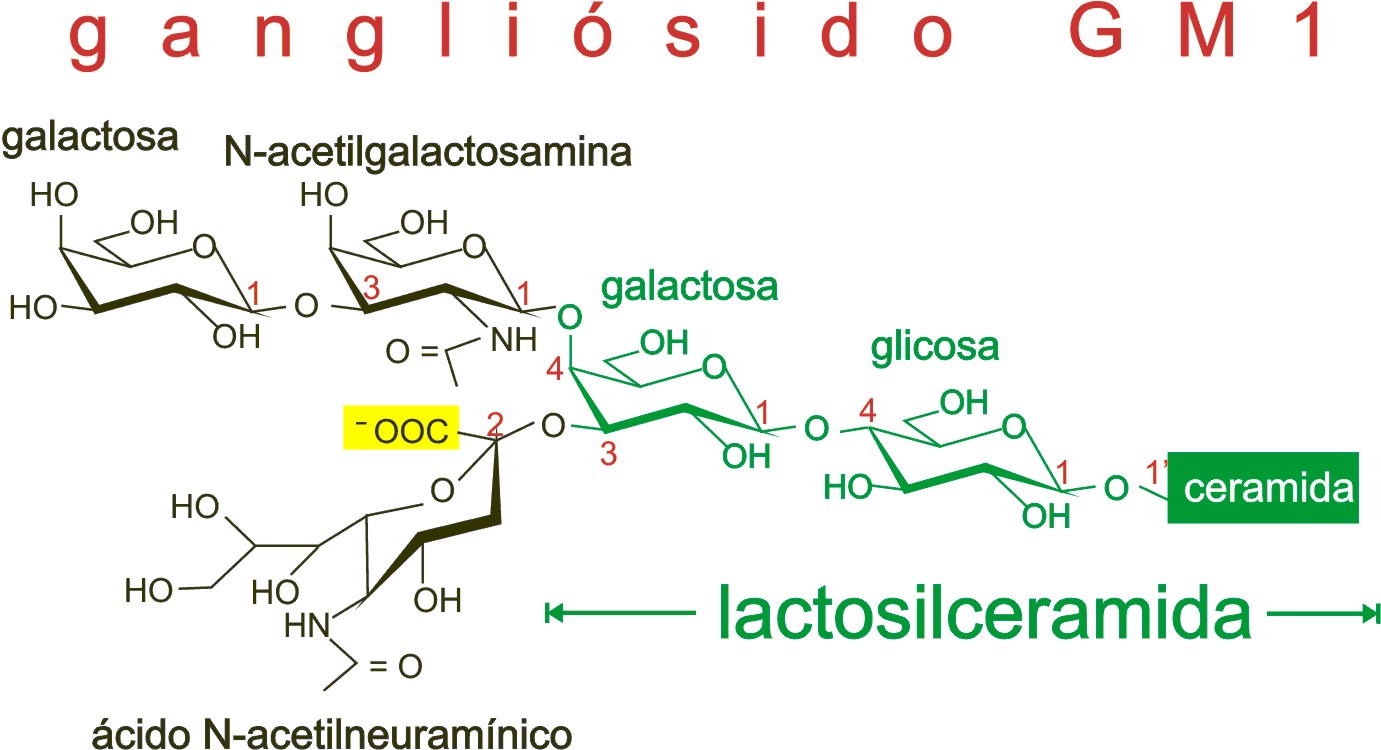
Grupo de distúrbios de armazenamento lisossômico autossômicos recessivos marcados pelo acúmulo de gangliosídeos. Eles são causados por enzimas prejudicadas ou cofatores defeituosos necessários para a degradação normal dos gangliosídeos nos lisossomos. As gangliosidoses são classificadas pelo gangliosídeo específico acumulado na via de degradação defeituosa.
Introdução
O que você precisa saber de cara
A gangliosidose é um grupo de doenças genéticas raras em que certas gorduras celulares, chamadas gangliosídeos, não conseguem ser eliminadas e se acumulam no organismo. Com o passar do tempo, a família costuma notar fraqueza muscular, dificuldade para caminhar, quedas frequentes, além de problemas na visão e na deglutição. No Brasil, a condição ainda não possui protocolo oficial (PCDT) nem medicamentos específicos fornecidos pelo SUS, focando-se o cuidado no apoio aos sintomas. Pesquisas clínicas internacionais e com participação no Brasil continuam estudando novos medicamentos e abordagens de terapia gênica.
Grupo de distúrbios de armazenamento lisossômico autossômicos recessivos marcados pelo acúmulo de gangliosídeos. Eles são causados por enzimas prejudicadas ou cofatores defeituosos necessários para a degradação normal dos gangliosídeos nos lisossomos. As gangliosidoses são classificadas pelo gangliosídeo específico acumulado na via de degradação defeituosa.
O que está sendo pesquisado
Encontrou um erro ou informação desatualizada? Sugira uma correção →
Entender a doença
Do básico ao detalhe, leia no seu ritmo
Preparando trilha educativa...
Sinais e sintomas
O que aparece no corpo e com que frequência cada sintoma acontece
Partes do corpo afetadas
+ 97 sintomas em outras categorias
Características mais comuns
Os sintomas variam de pessoa para pessoa. Abaixo estão as 269 características clínicas mais associadas, ordenadas por frequência.
Linha do tempo da pesquisa
Encontrou um erro ou informação desatualizada? Sugira uma correção →
Genética e causas
O que está alterado no DNA e como passa nas famílias
Genes associados
4 genes identificados com associação a esta condição.
GM2-gangliosidosis 1
An autosomal recessive lysosomal storage disease marked by the accumulation of GM2 gangliosides in the neuronal cells. It is characterized by GM2 gangliosides accumulation in the absence of HEXA activity, leading to neurodegeneration and, in the infantile form, death in early childhood. It exists in several forms: infantile (most common and most severe), juvenile and adult (late-onset).
GM2-gangliosidosis 2
An autosomal recessive lysosomal storage disease marked by the accumulation of GM2 gangliosides in the neuronal cells. Clinically indistinguishable from GM2-gangliosidosis type 1, presenting startle reactions, early blindness, progressive motor and mental deterioration, macrocephaly and cherry-red spots on the macula.
GM2-gangliosidosis AB
An autosomal recessive lysosomal storage disease marked by the accumulation of GM2 gangliosides in the neuronal cells. It is characterized by GM2 gangliosides accumulation in the presence of both normal hexosaminidase A and B.
GM1-gangliosidosis 1
An autosomal recessive lysosomal storage disease marked by the accumulation of GM1 gangliosides, glycoproteins and keratan sulfate primarily in neurons of the central nervous system. GM1-gangliosidosis type 1 is characterized by onset within the first three months of life, central nervous system degeneration, coarse facial features, hepatosplenomegaly, skeletal dysmorphology reminiscent of Hurler syndrome, and rapidly progressive psychomotor deterioration. Urinary oligosaccharide levels are high. It leads to death usually between the first and second year of life.
Medicamentos e terapias
Mecanismo: Ceramide glucosyltransferase inhibitor
Mecanismo: Ceramide glucosyltransferase inhibitor
Mecanismo: Coagulation factor IX exogenous protein
Mecanismo: B-lymphocyte antigen CD20 binding agent
Mecanismo: FK506-binding protein 1A inhibitor
Mecanismo: Glucocorticoid receptor agonist
Mecanismo: Glucocorticoid receptor agonist
Variantes genéticas (ClinVar)
1.561 variantes patogênicas registradas no ClinVar.
Classificação de variantes (ClinVar)
Distribuição de 1.066 variantes classificadas pelo ClinVar.
Vias biológicas (Reactome)
11 vias biológicas associadas aos genes desta condição.
Diagnóstico
Os sinais que médicos procuram e os exames que confirmam
Tratamento e manejo
Remédios, cuidados de apoio e o que precisa acompanhar
Onde tratar no SUS
Hospitais de referência no Brasil e o protocolo oficial do SUS (PCDT)
🇧🇷 Atendimento SUS — Gangliosidose
Selecione um estado ou use sua localização para ver resultados.
Dados de DATASUS/CNES, SBGM, ABNeuro e Ministério da Saúde. Sempre confirme a disponibilidade diretamente com o estabelecimento.
Pesquisa ativa
Ensaios clínicos abertos e novidades científicas recentes
Ensaios em destaque
Com ensaio aberto em 16 países. O ponto verde marca onde há vaga agora.
🟢 Recrutando agora
5 pesquisas recrutando participantes. Converse com seu médico sobre a possibilidade de participar.
Outros ensaios clínicos
30 ensaios clínicos encontrados, 11 ativos.
Publicações mais relevantes
AAV9 Gene Therapy in Type II GM1 Gangliosidosis - A Phase 1-2 Trial.
GM1 gangliosidosis, caused by biallelic variants in GLB1, results from deficiency of lysosomal β-galactosidase, which degrades GM1 ganglioside. This fatal neurodegenerative disease currently has no effective therapy. In a phase 1-2, open-label, dose-escalation study, we assessed immunosuppression and a single intravenous infusion of adeno-associated virus serotype 9 (AAV9) encoding β-galactosidase in children with type II GM1 gangliosidosis with late-infantile or juvenile onset. The primary end point was safety. Secondary end points included changes from baseline in the cerebrospinal fluid (CSF) GM1 ganglioside concentration and β-galactosidase activity, clinical assessments (including the Clinical Global Impression-Improvement [CGI-I] score, assessed on a scale from 1 [very much improved] to 7 [very much worse]), and neuroimaging patterns. Nine participants were enrolled. Over a 3-year period, 124 adverse events occurred, 30 of which (8 gastrointestinal events, 21 laboratory abnormalities associated with inflammation, and 1 tachycardia event) were deemed by the investigator as being possibly, probably, or definitely related to the gene therapy. Five serious adverse events occurred, including vomiting that led to hospitalization in one participant, which was attributed to the gene therapy. Serum aspartate and alanine aminotransferase levels increased in all participants and returned to baseline levels by 18 months. In all participants, the CSF β-galactosidase level increased and CSF GM1 ganglioside level decreased. Expressive communication and gross motor scores appeared stable, but fine motor and receptive communication scores decreased. The median CGI-I score was 3 (indicating minimal improvement) at 2 years and 4 (indicating no change) at 3 years; in historical controls, scores have been shown to increase (indicating worsening) over time. Neuroimaging showed patterns consistent with reduced rates of cerebral atrophy and favorable changes in myelination as compared with baseline. In this study involving nine participants with type II GM1 gangliosidosis, a single infusion of AAV9 encoding β-galactosidase was associated with adverse events, including severe vomiting in one participant and elevated liver-enzyme levels in all participants. Secondary end-point results suggested improvements in biochemical markers and neuroimaging patterns and stable or reduced rates of developmental deterioration in some measures. (Funded by the National Human Genome Research Institute and others; ClinicalTrials.gov number, NCT03952637.).
From Molecule to Meaning: Neuronopathic Biomarkers and Clinical Relevance in GM1.
GM1 gangliosidosis is a rare, progressively neurodegenerative lysosomal storage disorder characterized by profound central nervous system involvement and substantial clinical heterogeneity. The development of reliable biomarkers is essential for tracking disease progression, stratifying patients, and advancing clinical trial readiness. Primary substrate markers, including cerebrospinal fluid (CSF) GM1 ganglioside and related lysosphingolipids, provide direct biochemical indices of lysosomal dysfunction. Emerging glycan signatures may further reflect disruptions in glycosylation pathways and responses to therapeutic intervention. Neurofilament light chain (NfL), a sensitive indicator of axonal injury, is consistently elevated in GM1 and shows promise as a fluid biomarker, although it does not convey regional specificity. Neuroimaging offers complementary insight into the structural and metabolic consequences of disease. Characteristic findings include diffuse white matter abnormalities, thalamic and basal ganglia signal changes, cortical and cerebellar atrophy, and ventriculomegaly. Quantitative MRI and magnetic resonance spectroscopy (MRS) reveal longitudinal declines in tissue volume and neuronal integrity that parallel functional deterioration. Diffusion-based methods, including differential tractography, highlight progressive loss of white matter microstructure relative to age-matched controls. However, severe anatomical distortion in GM1 limits the applicability of standard neuroimaging atlases, necessitating manual or semi-automated segmentation approaches. Together, fluid biomarkers (gangliosides, lysosphingolipids, glycans, NfL) and advanced neuroimaging metrics (volumetry, MRS, diffusion imaging) establish a multimodal framework for evaluating disease burden and therapeutic response. Standardized methodologies, harmonized natural history datasets, and genotype-stratified analyses will be critical for validating these biomarkers across GM1 subtypes. Strengthening this biomarker ecosystem will enable sensitive and clinically meaningful endpoints to support future therapeutic development in GM1 gangliosidosis.
Therapeutic Effects of Nizubaglustat in a Mouse Model of GM2 Gangliosidosis.
Nizubaglustat is a novel selective inhibitor of glucosylceramide synthase (GCS) and the non-lysosomal glucocerebrosidase (NLGase, GbA2) with brain penetrant properties. It is currently in clinical development as an oral treatment for rare lysosomal storage diseases with neurological involvement. One such disease group called GM2 gangliosidosis, to date, has no approved therapeutic treatment. To test the potential efficacy of nizubaglustat in a mouse model of GM2 gangliosidoses, we treated Sandhoff disease (SD) mice carrying a homozygous null mutation in the Hexb gene, as well as healthy heterozygous controls, to understand exposure versus effect under disease conditions. Oral doses of nizubaglustat from 0.2 to 6 mg/kg/day showed linear pharmacokinetics with plasma and brain concentrations sufficient to drive pharmacodynamic changes in markers of target engagement and efficacy. In the brain, an approximately 10-fold increase in GlcCer C16:0 and C18:0 was observed, which is consistent with NLGase inhibition. A statistically significant increase in survival (22%) was noted in SD mice treated at doses as low as 0.2 mg/kg/day compared to controls. Behavioral analyses, which included rotarod and open field tests, were also significantly improved. To understand the added potential mechanism of the improved survival, a subset of neuroinflammatory markers was also examined in specific brain regions. Gene expression studies showed an anti-inflammatory pattern with downregulation of Itgax, Trem2, Cxcl10 genes as an example. Brain immunohistochemistry for GFAP was decreased compared to vehicle treated control animals. These results provide proof-of-concept that nizubaglustat can be a promising therapeutic drug to treat patients with GM2 gangliosidoses.
Lentiviral hematopoietic stem cell gene therapy ameliorates GM1-gangliosidosis in mice.
Lysosomal storage diseases (LSDs) are >70 devasting diseases causing progressive neurodegeneration and systemic symptoms. Hematopoietic stem cell (HSC) gene therapy (GT), i.e., the autologous transplantation of genetically corrected HSCs by lentiviral transduction, has shown transformative efficacy in multiple neurodegenerative LSDs so far. We developed a translational HSC GT approach for GM1-gangliosidosis, a neurodegenerative LSD due to β-galactosidase (β-gal) deficiency, based on a lentiviral vector expressing either the human or the murine therapeutic enzyme. Cells were administered by a standard intravenous injection, or by an innovative, combined systemic and local cell delivery to enhance the GT efficacy. In the murine model of the disease, GT broadly restored enzymatic activity and reduced the lysosomal storage in the brain, ameliorated the neuromuscular phenotype, and increased animal survival. Combined cell-delivery GT with the human enzyme, or standard intravenous GT with the murine β-gal were similarly effective in mitigating disease phenotype, indicating a substantial therapeutic potential of the approach for a future clinical translation.
Alkaline Phosphatase and Infantile GM1 Gangliosidosis: A Simple Biomarker for a Complex Disease?
GM1 gangliosidosis is a lysosomal storage disease (LSD) caused by β-galactosidase deficiency, characterized by the accumulation of gangliosides in various tissues. Among different GM1 forms (infantile form, late-infantile and juvenile form, and late-onset form), the infantile form is the most severe: despite an early clinical onset with rapid neurodegeneration, coarse face, abdominal visceromegaly and skeletal abnormalities, the diagnosis is usually delayed, given the lack of recognized early disease-specific markers. We report the case of a newborn presenting with mild edema of hands and feet, mild transient hypoalbuminemia and isolated hyperphosphatasemia at three weeks of life. The first cardiological evaluation showed mild mitral regurgitation. Despite the absence of neurological symptoms, organomegaly, or a coarse face, the turgid consistency of the limbs, together with mitral regurgitation and persistent hyperphosphatasemia, led to multiorgan investigations with discovery of bilateral cherry-red spots and a beak-shaped lumbar vertebra. The cardiological follow-up revealed a dysplastic mitral valve. In the suspicion of a lysosomal disease, biochemical investigations were planned. An altered profile of urinary oligosaccharides, along with low β-galactosidase activity in leukocytes, led to the diagnosis of infantile GM1 gangliosidosis at 3 months of age. The GLB1 gene analysis confirmed the diagnosis. Genetic testing for GLB1 should be considered in cases of persistent hyperphosphatemia, especially if it is associated with any other clinical indicator of GM1, such as limb edema.
Publicações recentes
Impact of Sinbaglustat on Neurons of the Medial Nucleus of the Trapezoid Body in a Murine Model of Human G(M1)-Gangliosidosis.
Alkaline Phosphatase and Infantile GM1 Gangliosidosis: A Simple Biomarker for a Complex Disease?
Long-term follow-up of a Tay-Sachs disease patient with cherry-red spot.
Novel Galactosidase-Beta-1 Variant in Infantile GM1 Gangliosidosis: A Case Report.
📚 EuropePMC951 artigos no totalmostrando 191
Alkaline Phosphatase and Infantile GM1 Gangliosidosis: A Simple Biomarker for a Complex Disease?
JIMD reportsLong-term follow-up of a Tay-Sachs disease patient with cherry-red spot.
American journal of ophthalmology case reportsNovel Galactosidase-Beta-1 Variant in Infantile GM1 Gangliosidosis: A Case Report.
CureusClinical, Radiological, and Genetic Profiles of Eight Patients with Combined Dystonic Manifestation of Type-III GM1 Gangliosidosis: A Video Case Series from India.
Tremor and other hyperkinetic movements (New York, N.Y.)AAV9 Gene Therapy in Type II GM1 Gangliosidosis - A Phase 1-2 Trial.
The New England journal of medicineBioresponsive MR Imaging Probes for Noninvasive Monitoring of AAV Gene Therapy.
Bioconjugate chemistrySymptomatic Benefit of Acetyl-DL-Leucine for Cerebellar Ataxia in Juvenile Tay-Sachs Disease: A Pediatric Case and Literature Review.
Molecular syndromologyFrom Molecule to Meaning: Neuronopathic Biomarkers and Clinical Relevance in GM1.
Journal of inherited metabolic diseaseTherapeutic Effects of Nizubaglustat in a Mouse Model of GM2 Gangliosidosis.
Journal of inherited metabolic diseaseFirst Reported Case of CLN5 Disease in Japan: Identification of a Novel Homozygous Pathogenic Variant Through Whole Genome Sequencing.
Clinical case reportsNew multiplex LC-MS/MS method for lipid biomarker analysis of inherited neurodegenerative metabolic diseases.
Journal of lipid research3D bioprinted neural scaffolds: a transformative avenue for GM2 gangliosidosis therapy.
Annals of medicine and surgery (2012)Lentiviral hematopoietic stem cell gene therapy ameliorates GM1-gangliosidosis in mice.
Molecular therapy : the journal of the American Society of Gene TherapyA novel HEXA frameshift mutation identified in Angus cattle with GM2 gangliosidosis.
Animal geneticsBurden of caregiving of individuals with GM1 and GM2 gangliosidoses in the United States: a qualitative study.
Orphanet journal of rare diseasesCongenital Dermal Melanocytosis Exhibited in Two Patients with Hurler Syndrome: Clinical Characterization and Report of a Recurrent IDUA Allele in Colombia.
International journal of molecular sciencesCritical Functional Domains in Pediatric Onset TUBB4A-Related Leukodystrophy: A Clinical and Caregiver's Perspective.
Pediatric neurologyGM2 Gangliosidosis AB Variant: A Hidden Truth.
CureusLysosomal Network Defects in Early-Onset Parkinson's Disease Patients Carrying Rare Variants in Lysosomal Hydrolytic Enzyme Genes.
International journal of molecular sciencesSimilarities and Differences in the Late-Onset GM2 Gangliosidoses: Tay-Sachs and Sandhoff Diseases.
medRxiv : the preprint server for health sciencesCharacterization of Human Recombinant β1,4-GalNAc-Transferase B4GALNT1 and Inhibition by Selected Compounds.
Molecules (Basel, Switzerland)Generation of mice with combined Hexa Gly269Ser KI or KO and Neu3 KO alleles to create new models of GM2 gangliosidoses.
Biology openNeuroimaging Spectrum of GM1 Gangliosidosis with Description of Novel Imaging Signs.
AJNR. American journal of neuroradiologyGeneration of three human induced pluripotent stem cell (hiPSC) lines from patients with Late-Onset Tay-Sachs disease (HEXA-related adult-onset GM2-gangliosidosis).
Stem cell researchDual-vector rAAVrh8 gene therapy for GM2 gangliosidosis: a phase 1/2 trial.
Nature medicineRobot-assisted intrathalamic infusion for gene therapy in young children: surgical considerations.
Journal of neurosurgery. PediatricsNovel insights into pathomechanisms of retinal neuronal degeneration and reactive gliosis in a murine model of GM1-gangliosidosis.
Scientific reportsA Comprehensive microRNA-seq Transcriptomic Analysis of Tay-Sachs Disease Mice Revealed Distinct miRNA Profiles in Neuroglial Cells.
Journal of molecular neuroscience : MNAAV9 Gene Therapy in GM1 Gangliosidosis Type II: A Phase 1/2 Trial.
medRxiv : the preprint server for health sciencesβ-Galactosidase inhibition explored by biochemical methods and in silico studies for plant polyphenols.
Archives of biochemistry and biophysicsUnravelling the Global Tapestry of Genetic Ataxias: Epidemiology and Genetic Testing Approaches.
Movement disorders : official journal of the Movement Disorder SocietyPlasma membrane remodeling in GM2 gangliosidoses drives synaptic dysfunction.
PLoS biologySecondary accumulation of lyso-platelet activating factors in lysosomal storage diseases.
Molecular genetics and metabolismDifferential tractography: an imaging marker for tissue degeneration in neurodegenerative diseases.
Brain communicationsSubacute Juvenile Sandhoff Disease: A Progressive Neurodegenerative Disorder.
International journal of clinical pediatric dentistryMyotonic Discharges in Infantile Sandhoff Disease.
The Canadian journal of neurological sciences. Le journal canadien des sciences neurologiquesGM2 activator deficiency: An ultra-rare disorder with a new case and review of 22 published cases.
Molecular genetics and metabolism reportsCorrigendum: Infection of a β-galactosidase-deficient mouse strain with Theiler's murine encephalomyelitis virus reveals limited immunological dysregulations in this lysosomal storage disease.
Frontiers in immunologyBrain Age Prediction in Type II GM1 Gangliosidosis.
medRxiv : the preprint server for health sciencesAt-home wearables and machine learning capture motor impairment and progression in adult ataxias.
Brain : a journal of neurologyDeep Learning Cerebellar Magnetic Resonance Imaging Segmentation in Late-Onset GM2 Gangliosidosis: Implications for Phenotype.
medRxiv : the preprint server for health sciencesCherry-red Spot in Tay-Sachs Disease.
Retina (Philadelphia, Pa.)Infection of a β-galactosidase-deficient mouse strain with Theiler's murine encephalomyelitis virus reveals limited immunological dysregulations in this lysosomal storage disease.
Frontiers in immunologyLate-onset GM2 gangliosidosis: magnetic resonance imaging, diffusion tensor imaging, and correlational fiber tractography differentiate Tay-Sachs and Sandhoff diseases.
Journal of neurologyA Case for Automated Segmentation of MRI Data in Neurodegenerative Diseases: Type II GM1 Gangliosidosis.
NeuroSciSinbaglustat ameliorates disease pathology in a murine model of GM1 gangliosidosis without affecting CNS ganglioside levels.
Neurobiology of diseaseCorrigendum to "Natural history progression of MRI brain volumetrics in type II late-infantile and juvenile GM1 gangliosidosis patients" [Molecular Genetics and Metabolism 2025 Mar;144(3):109025].
Molecular genetics and metabolismNovel Pathogenic Variants in POLR3K Cause POLR3-Related Leukodystrophy.
Human mutationAdeno-associated virus expressing a blood-brain barrier-penetrating enzyme improves GM1 gangliosidosis in a preclinical model.
The Journal of clinical investigationSpectrum of Genetic Mutations Among Iranian Patients with Gangliosidosis.
Biochemical geneticsImaging manifestations in infantile GM1 gangliosidosis: a rare lysosomal storage disorder: a paediatric case report.
BJR case reportsRetrospective assessment of clinical global impression of severity and change in GM1 gangliosidosis: a tool to score natural history data in rare disease cohorts.
Orphanet journal of rare diseasesA Case for Automated Segmentation of MRI Data in Milder Neurodegenerative Diseases.
medRxiv : the preprint server for health sciencesEvaluation of the Landscape of Pharmacodynamic Biomarkers in GM1 and GM2 Gangliosidosis.
Clinical and translational scienceComparison of Inpatient and Emergency Department Costs to Research Funding for Functional Neurologic Disorder: An Economic Analysis.
NeurologyBrainstem Substructure Atrophy in Late-Onset GM2-Gangliosidosis Imaging Using Automated Segmentation.
Cerebellum (London, England)Clinical and genetic analysis of a Chinese family with GM1 gangliosidosis caused by a novel mutation in GLB1 gene.
Frontiers in pediatricsPersistent elevations of alkaline phosphatase as an early indicator of GM1 gangliosidosis.
Molecular genetics and metabolism reportsNatural history progression of MRI brain volumetrics in type II late-infantile and juvenile GM1 gangliosidosis patients.
Molecular genetics and metabolismTay-Sachs and Sandhoff Diseases: Diffusion tensor imaging and correlational fiber tractography findings differentiate late-onset GM2 Gangliosidosis.
medRxiv : the preprint server for health sciencesDysregulation of the NLRP3 Inflammasome and Promotion of Disease by IL-1β in a Murine Model of Sandhoff Disease.
CellsMontreal cognitive assessment as a cognitive outcome measure in progressive supranuclear palsy.
Frontiers in neurologyPrecise template-free correction restores gene function in Tay-Sachs disease while reframing is ineffective.
Molecular therapy. Nucleic acidsClinical and biochemical abnormalities in a feline model of GM2 activator deficiency.
Molecular genetics and metabolismA natural history study of pediatric patients with early onset of GM1 gangliosidosis, GM2 gangliosidoses, or gaucher disease type 2 (RETRIEVE).
Orphanet journal of rare diseasesIntravenous gene therapy improves lifespan and clinical outcomes in feline Sandhoff Disease.
bioRxiv : the preprint server for biologyVoice of the Patient Report on GM2 Gangliosidosis (Tay-Sachs and Sandhoff).
Human gene therapyChaperone therapy: Stabilization and enhancement of endogenous and exogenous lysosomal enzymes.
Brain & development4-Phenylbutyric acid mitigates ER stress-induced neurodegeneration in the spinal cords of a GM2 gangliosidosis mouse model.
Human molecular geneticsPLD3 and PLD4 synthesize S,S-BMP, a key phospholipid enabling lipid degradation in lysosomes.
CellDifferential Tractography: A Biomarker for Neuronal Function in Neurodegenerative Disease.
medRxiv : the preprint server for health sciencesQuantitative reliability assessment of brain MRI volumetric measurements in type II GM1 gangliosidosis patients.
Frontiers in neuroimagingLysosomal storage diseases.
Handbook of clinical neurologyGeneration of an infantile GM1 gangliosidosis induced pluripotent stem cell line (CHOCi005-A) for disease modeling and therapeutic testing.
Stem cell researchBase editing of the GLB1 gene is therapeutic in GM1 gangliosidosis patient-derived cells.
Molecular genetics and metabolismValidation of high-sensitivity assays to quantitate cerebrospinal fluid and serum β-galactosidase activity in patients with GM1-gangliosidosis.
Molecular therapy. Methods & clinical developmentInsights into the Pathobiology of GM1 Gangliosidosis from Single-Nucleus Transcriptomic Analysis of CNS Cells in a Mouse Model.
International journal of molecular sciencesHybrid lipid-AuNP clusters as highly efficient SERS substrates for biomedical applications.
Nature communicationsEstablishment of iPS cell line (SDQLCHi080-A) from a patient with GM1 gangliosidosis due to GLB1 mutation.
Stem cell researchA multiplexed targeted method for profiling of serum gangliosides and glycosphingolipids: application to GM2-gangliosidosis.
Analytical and bioanalytical chemistryMagnetic resonance imaging pattern recognition of metabolic and neurodegenerative encephalopathies in dogs and cats.
Frontiers in veterinary scienceCreation of an in vitro model of GM1 gangliosidosis by CRISPR/Cas9 knocking-out the GLB1 gene in SH-SY5Y human neuronal cell line.
Cell biochemistry and functionRole of Botulinum Toxin in Treatment of Secondary Dystonia: A Case Series and Overview of Literature.
ToxinsTandem mass spectrometric enzyme assay for simultaneous detection of Tay-Sachs and Sandhoff diseases in dried blood spots for newborn screening.
Molecular genetics and metabolismMotor assessment of X-linked dystonia parkinsonism via machine-learning-based analysis of wearable sensor data.
Scientific reportsAtypical granulation in neutrophils of a domestic shorthair cat.
Veterinary clinical pathologyTherapeutic developments for neurodegenerative GM1 gangliosidosis.
Frontiers in neuroscienceInherited metabolic disorders in Cyprus.
Molecular genetics and metabolism reportsClinical, Imaging, Genetic, and Disease Course Characteristics in Patients With GM2 Gangliosidosis: Beyond Age of Onset.
NeurologyGM1 gangliosidosis type II: Results of a 10-year prospective study.
Genetics in medicine : official journal of the American College of Medical GeneticsAltered GM1 catabolism affects NMDAR-mediated Ca2+ signaling at ER-PM junctions and increases synaptic spine formation in a GM1-gangliosidosis model.
Cell reportsGM1 and GM2-Gangliosidosis: Clinical Features, Neuroimaging Findings and Electroencephalography.
Iranian journal of child neurologyCinnamic acid, a natural plant compound, exhibits neuroprotection in a mouse model of Sandhoff disease via PPARα.
NeuroImmune pharmacology and therapeuticsMorquio B disease: a case report.
Frontiers in pediatricsCongenital Heart Malformations Masked by Infantile Gangliosidosis-Case Report and Growing Evidence for Metabolic Disease-Associated Aortopathies.
Diagnostics (Basel, Switzerland)Lysosomal storage disorders identified in adult population from India: Experience of a tertiary genetic centre and review of literature.
JIMD reportsCase report: Preimplantation genetic testing for infantile GM1 gangliosidosis.
Frontiers in geneticsChildhood-onset writer's cramp, with later ataxia: A clue to COQ8A-related disorders.
Parkinsonism & related disordersInfantile Monosialoganglioside2 (GM2) Gangliosidosis With Concurrent Bronchopneumonia: An Extraordinary Case of Tay-Sachs Disease.
CureusIdentification of GM1-Ganglioside Secondary Accumulation in Fibroblasts from Neuropathic Gaucher Patients and Effect of a Trivalent Trihydroxypiperidine Iminosugar Compound on Its Storage Reduction.
Molecules (Basel, Switzerland)Intrathecal delivery of a bicistronic AAV9 vector expressing β-hexosaminidase A corrects Sandhoff disease in a murine model: A dosage study.
Molecular therapy. Methods & clinical developmentExtensive and Persistent Dermal Melanocytosis in a Male Carrier of Mucopolysaccharidosis Type IIIC (Sanfilippo Syndrome): A Case Report.
Children (Basel, Switzerland)Quantitative brain morphometry identifies cerebellar, cortical, and subcortical gray and white matter atrophy in late-onset Tay-Sachs disease.
Journal of inherited metabolic diseaseExtensive Telangiectasias and Mongolian Spots: A Clue towards GM1-Gangliosidosis.
Indian journal of dermatologyCharacterization of a phenotypically severe animal model for human AB-Variant GM2 gangliosidosis.
Frontiers in molecular neuroscienceThe diagnostic journey for patients with late-onset GM2 Gangliosidoses.
Molecular genetics and metabolism reportsA Strategic Translational Research System for Drug Discovery in Tottori University.
Yonago acta medicaValidation of a highly sensitive HaloTag-based assay to evaluate the potency of a novel class of allosteric β-Galactosidase correctors.
PloS oneGene therapy approaches for GM1 gangliosidosis: Focus on animal and cellular studies.
Cell biochemistry and functionClinical and imaging predictors of late-onset GM2 gangliosidosis: A scoping review.
Annals of clinical and translational neurologyWishbone Sign in GM1 Type III Gangliosidosis.
Annals of Indian Academy of NeurologyBiallelic pathogenic variants in POLR3D alter tRNA transcription and cause a hypomyelinating leukodystrophy: A case report.
Frontiers in neurologyTargeting GM2 Ganglioside Accumulation in Dementia: Current Therapeutic Approaches and Future Directions.
Current molecular medicineSialidase NEU3 action on GM1 ganglioside is neuroprotective in GM1 gangliosidosis.
Journal of lipid researchEfficacy of Adeno-Associated Virus Serotype 9-Mediated Gene Therapy for AB-Variant GM2 Gangliosidosis.
International journal of molecular sciencesInborn Errors of Metabolism with Ataxia: Current and Future Treatment Options.
CellsThe development of a broad-spectrum retaining β-exo-galactosidase activity-based probe.
Organic & biomolecular chemistryMongolian spots in a sick patient-A diagnosis of infantile GM1 gangliosidosis.
The Australasian journal of dermatologyHigh genetic heterogeneity of leukodystrophies in Iranian children: the first report of Iranian Leukodystrophy Registry.
NeurogeneticsFrom amaurotic idiocy to biochemically defined lipid storage diseases: the first identification of GM1-Gangliosidosis.
Free neuropathologyLife-Limiting Peripheral Organ Dysfunction in Feline Sandhoff Disease Emerges after Effective CNS Gene Therapy.
Annals of neurologyAltered GM1 catabolism affects NMDAR-mediated Ca 2+ signaling at ER-PM junctions and increases synaptic spine formation.
bioRxiv : the preprint server for biologyIncreasing β-hexosaminidase A activity using genetically modified mesenchymal stem cells.
Neural regeneration researchHypomyelination caused by a novel homozygous pathogenic variant in FOLR1: complete clinical and radiological recovery with oral folinic acid therapy and review of the literature.
Orphanet journal of rare diseasesEndogenous, non-reducing end glycosaminoglycan biomarkers are superior to internal disaccharide glycosaminoglycan biomarkers for newborn screening of mucopolysaccharidoses and GM1 gangliosidosis.
Molecular genetics and metabolismNatural history of GM1 gangliosidosis-Retrospective cohort study of 61 French patients from 1998 to 2019.
Journal of inherited metabolic diseaseGanglioside GM1 and the Central Nervous System.
International journal of molecular sciencesBiochemical Correction of GM2 Ganglioside Accumulation in AB-Variant GM2 Gangliosidosis.
International journal of molecular sciencesA pentasaccharide for monitoring pharmacodynamic response to gene therapy in GM1 gangliosidosis.
EBioMedicineFetal Homozygous GM1 Gangliosidosis Presenting as Transient Non-immune Hydrops Fetalis.
The Israel Medical Association journal : IMAJThe Experience of Parents of Children With Genetically Determined Leukoencephalopathies With the Health Care System: A Qualitative Study.
Journal of child neurologyMultimodal optical imaging and genetic features of AB variant GM2 gangliosidosis: a case report.
Frontiers in pediatricsEfficacy and safety of miglustat in the treatment of GM2 gangliosidosis: A systematic review.
European journal of neurologyCraniofacial features of POLR3-related leukodystrophy caused by biallelic variants in POLR3A, POLR3B and POLR1C.
Journal of medical geneticsUrsodeoxycholic Acid Binds PERK and Ameliorates Neurite Atrophy in a Cellular Model of GM2 Gangliosidosis.
International journal of molecular sciencesSolving inherited white matter disorder etiologies in the neurology clinic: Challenges and lessons learned using next-generation sequencing.
Frontiers in neurologyGM1 gangliosidosis: patients with different phenotypic features and novel mutations.
Journal of pediatric endocrinology & metabolism : JPEMGene Therapy of Sphingolipid Metabolic Disorders.
International journal of molecular sciencesAnalysis of urinary oligosaccharide excretion patterns by UHPLC/HRAM mass spectrometry for screening of lysosomal storage disorders.
Journal of inherited metabolic diseasePlasma GM2 ganglioside potential biomarker for diagnosis, prognosis and disease monitoring of GM2-Gangliosidosis.
Molecular genetics and metabolismGlb1 knockout mouse model shares natural history with type II GM1 gangliosidosis patients.
Molecular genetics and metabolismGene expression changes in Tay-Sachs disease begin early in fetal brain development.
Journal of inherited metabolic diseaseThe Antifungal Antibiotic Filipin as a Diagnostic Tool of Cholesterol Alterations in Lysosomal Storage Diseases and Neurodegenerative Disorders.
Antibiotics (Basel, Switzerland)Gene Editing Corrects In Vitro a G > A GLB1 Transition from a GM1 Gangliosidosis Patient.
The CRISPR journalEmerging Perspectives on Gene Therapy Delivery for Neurodegenerative and Neuromuscular Disorders.
Journal of personalized medicineGM1-gangliosidosis: The caregivers' assessments of symptom impact and most important symptoms to treat.
American journal of medical genetics. Part AAnesthesia outcomes in lysosomal disorders: CLN3 and GM1 gangliosidosis.
American journal of medical genetics. Part AEfficacy and Safety of N-Acetyl-l-Leucine in Children and Adults With GM2 Gangliosidoses.
NeurologyClinical Presentation and Genetic Heterogeneity Including Two Novel Variants in Sri Lankan Patients With Infantile Sandhoff Disease.
Child neurology openGene Expression Profile in the Sandhoff Mouse Brain with Progression of Age.
Genesβ-Galactosidase deficiency in the GLB1 spectrum of lysosomal storage disease can present with severe muscle weakness and atrophy.
JIMD reportsAAVrh10 vector corrects pathology in animal models of GM1 gangliosidosis and achieves widespread distribution in the CNS of nonhuman primates.
Molecular therapy. Methods & clinical developmentObjective Assessment of Upper-Extremity Motor Functions in Spinocerebellar Ataxia Using Wearable Sensors.
Sensors (Basel, Switzerland)Deficiency of the frontotemporal dementia gene GRN results in gangliosidosis.
Nature communicationsQuantitative longitudinal natural history of 8 gangliosidoses-conceptual framework and baseline data of the German 8-in-1 disease registry. A cross-sectional analysis.
Genetics in medicine : official journal of the American College of Medical GeneticsPreclinical Enzyme Replacement Therapy with a Recombinant β-Galactosidase-Lectin Fusion for CNS Delivery and Treatment of GM1-Gangliosidosis.
CellsFluorescent In Situ Staining and Flow Cytometric Procedures as New Pre-Diagnostic Tests for Sialidosis, GM1 Gangliosidosis and Niemann-Pick Type C.
BiomedicinesLessons Learned in Outpatient Physical Therapy for Motor Functional Neurological Disorder.
Journal of neurologic physical therapy : JNPTSingle Institutional Experience with GM1 Gangliosidosis: Clinical and Laboratory Results of 14 Patients.
Balkan medical journalAbnormal DaTscan in GM1-Gangliosidosis Type III Manifesting with Dystonia-Parkinsonism.
Movement disorders clinical practiceGM2 gangliosidosis AB variant: first case of late onset and review of the literature.
Neurological sciences : official journal of the Italian Neurological Society and of the Italian Society of Clinical NeurophysiologySynthesis of a New β-Galactosidase Inhibitor Displaying Pharmacological Chaperone Properties for GM1 Gangliosidosis.
Molecules (Basel, Switzerland)Gangliosides in nervous system development, regeneration, and pathologies.
Neural regeneration research[Progressive psychomotor regression for 2.5 years in a boy aged 5 years].
Zhongguo dang dai er ke za zhi = Chinese journal of contemporary pediatricsCarrier Rate and Mutant Allele Frequency of GM1 Gangliosidosis in Miniature Shiba Inus (Mame Shiba): Population Screening of Breeding Dogs in Japan.
Animals : an open access journal from MDPIHematopoietic stem cell gene therapy ameliorates CNS involvement in murine model of GM1-gangliosidosis.
Molecular therapy. Methods & clinical development[Genetic and clinical analysis of a novel GLB1 gene variant in a Chinese patient with GM1-gangliosidosis].
Zhonghua yi xue yi chuan xue za zhi = Zhonghua yixue yichuanxue zazhi = Chinese journal of medical geneticsRare Diseases in Glycosphingolipid Metabolism.
Advances in experimental medicine and biologyTherapeutic advantages of combined gene/cell therapy strategies in a murine model of GM2 gangliosidosis.
Molecular therapy. Methods & clinical developmentAAV9-coGLB1 Improves Lysosomal Storage and Rescues Central Nervous System Inflammation in a Mutant Mouse Model of GM1 Gangliosidosis.
Current gene therapyPlasma neurofilament light, glial fibrillary acidic protein and lysosphingolipid biomarkers for pharmacodynamics and disease monitoring of GM2 and GM1 gangliosidoses patients.
Molecular genetics and metabolism reportsSkeletal radiographic manifestations of GM2 gangliosidosis variant 0 (Sandhoff disease) in two Japanese domestic cats.
JFMS open reportsRare coexistence of Tay-Sachs disease, coarctation of the aorta and grade V vesicoureteral reflux.
Archivos argentinos de pediatriaA case of spastic paraplegia type 11 mimicking a GM2-gangliosidosis.
Neurological sciences : official journal of the Italian Neurological Society and of the Italian Society of Clinical NeurophysiologyLate-infantile GM1 gangliosidosis: A case report.
MedicineLysosomal Storage Disorders: Clinical, Biochemical and molecular profile from Rare disease centre, India.
Annals of Indian Academy of NeurologyPositioning Head Tilt in Canine Lysosomal Storage Disease: A Retrospective Observational Descriptive Study.
Frontiers in veterinary science[Increased use of genetic health care in Iceland 2012-2017].
LaeknabladidPhenotypical changes of satellite glial cells in a murine model of GM1 -gangliosidosis.
Journal of cellular and molecular medicineAtypical presentation of late-onset Sandhoff disease: a case report.
Ideggyogyaszati szemleL-Arginine Ameliorates Defective Autophagy in GM2 Gangliosidoses by mTOR Modulation.
CellsPharmacological Chaperones for β-Galactosidase Related to GM1 -Gangliosidosis and Morquio B: Recent Advances.
Chemical record (New York, N.Y.)Pontocerebellar atrophy is the hallmark neuroradiological finding in late-onset Tay-Sachs disease.
Neurological sciences : official journal of the Italian Neurological Society and of the Italian Society of Clinical NeurophysiologyReal-time MR tracking of AAV gene therapy with βgal-responsive MR probe in a murine model of GM1-gangliosidosis.
Molecular therapy. Methods & clinical developmentSerum Cytokine Profile, Beta-Hexosaminidase A Enzymatic Activity and GM2 Ganglioside Levels in the Plasma of a Tay-Sachs Disease Patient after Cord Blood Cell Transplantation and Curcumin Administration: A Case Report.
Life (Basel, Switzerland)Chitotriosidase as a biomarker for gangliosidoses.
Molecular genetics and metabolism reportsGM1 Gangliosidosis-A Mini-Review.
Frontiers in geneticsTreatment of GM2 Gangliosidosis in Adult Sandhoff Mice Using an Intravenous Self-Complementary Hexosaminidase Vector.
Current gene therapyCommentary: GM1-Gangliosidosis Type III Associated Parkinsonism.
Movement disorders clinical practiceGM1-Gangliosidosis Type III Associated Parkinsonism.
Movement disorders clinical practiceThe incidence rate of hospitalized lysosomal storage diseases in Poland in 2013-2015 based on data from the National Health Fund.
Pediatric endocrinology, diabetes, and metabolismAssociações
Organizações que acompanham esta doença — pra ter apoio e orientação
Ainda não temos associações cadastradas para Gangliosidose.
É de uma associação que acompanha esta doença? Fale com a gente →
Doença com base genética
Um médico geneticista pode ajudar no diagnóstico de Gangliosidose e no aconselhamento genético da família.
Doenças relacionadas
Doenças com sintomas parecidos — ajudam quem ainda está buscando diagnóstico
Perguntas frequentes
O que as famílias mais perguntam sobre esta doença — cada resposta com a fonte de onde saiu
É um grupo de doenças genéticas lisossômicas de herança autossômica recessiva marcadas pelo acúmulo celular de gangliosídeos. Ela ocorre devido a defeitos em enzimas ou cofatores fundamentais para a degradação desses compostos nos lisossomos.
Referências
Fontes citadas no texto, publicações do grafo e bases de dados usadas neste verbete
9 publicações do grafo RarasNet (PubMed) · 7 bases de dados. Títulos, periódicos e PMIDs vêm direto da fonte, sem intermediação de IA.
Dados compilados pelo RarasNet a partir de fontes abertas (Orphanet, OMIM, MONDO, PubMed/EuropePMC, ClinicalTrials.gov, DATASUS, PCDT/MS). Este conteúdo é informativo e não substitui avaliação médica.
Citar este verbete
Raras. (s.d.). Gangliosidose. Em Raras — Enciclopédia de Doenças Raras do Brasil. https://raras.org/doenca/gangliosidose
Formato APA. Conteúdo sob CC BY 4.0 — reuso livre com atribuição.
Conteúdo mantido por Agente Raras · Médicos e pesquisadores podem colaborar
Gangliosidose
📋 Origem dos dados
Esta página agrega dados de fontes públicas e oficiais. Dados sobre cobertura no SUS (PCDT, CEAF) são verificados ativamente por agente proativo (ver badge no infobox). Demais dados têm atribuição de fonte + data da última sincronização — clique para abrir o original.
- Doença rara (ontologia)
- fonte: Orphanet
- Identificador unificado
- fonte: MONDO
- CID-11 (futuro)
- fonte: WHO ICD-11
- NIH/GARD
- fonte: GARD (NIH)
- Indexação biomédica
- fonte: MeSH (NLM)
- Dado público estruturado
- fonte: Wikidata
- Moléculas estudadas na doença
- fonte: OpenTargets
- Ensaios clínicos
- fonte: ClinicalTrials.gov

