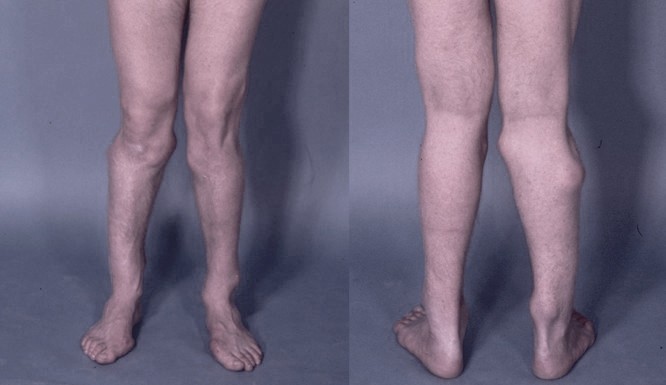
Neoplasia óssea caracterizada pelo desenvolvimento de duas ou mais protuberâncias ósseas revestidas de cartilagem (osteocondromas) dos ossos longos.
Introdução
O que você precisa saber de cara
Os osteocondromas múltiplos são uma condição genética rara em que surgem saliências ósseas benignas cobertas por cartilagem, chamadas osteocondromas, principalmente nas pontas dos ossos longos durante a infância. A família costuma notar caroços firmes nos ossos, diferenças no comprimento dos braços ou pernas e limitações no movimento das articulações. Essa doença não consta na lista oficial de Protocolos Clínicos e Diretrizes Terapêuticas (PCDT) de doenças raras do Ministério da Saúde. O acompanhamento e o tratamento de correções cirúrgicas ou fisioterapia são realizados por meio da rede assistencial do SUS.
Neoplasia óssea caracterizada pelo desenvolvimento de duas ou mais protuberâncias ósseas revestidas de cartilagem (osteocondromas) dos ossos longos.
Escala de raridade
<1/50kMuito rara
1/20kRara
1/10kPouco freq.
1/5kIncomum
1/2k
Encontrou um erro ou informação desatualizada? Sugira uma correção →
Entender a doença
Do básico ao detalhe, leia no seu ritmo
Preparando trilha educativa...
Sinais e sintomas
O que aparece no corpo e com que frequência cada sintoma acontece
Partes do corpo afetadas
+ 32 sintomas em outras categorias
Características mais comuns
Os sintomas variam de pessoa para pessoa. Abaixo estão as 61 características clínicas mais associadas, ordenadas por frequência.
Linha do tempo da pesquisa
Encontrou um erro ou informação desatualizada? Sugira uma correção →
Genética e causas
O que está alterado no DNA e como passa nas famílias
Genes associados
2 genes identificados com associação a esta condição. Padrão de herança: Autosomal dominant.
Hereditary multiple exostoses 2
EXT is a genetically heterogeneous bone disorder caused by genes segregating on human chromosomes 8, 11, and 19 and designated EXT1, EXT2 and EXT3 respectively. EXT is a dominantly inherited skeletal disorder primarily affecting endochondral bone during growth. The disease is characterized by formation of numerous cartilage-capped, benign bone tumors (osteocartilaginous exostoses or osteochondromas) that are often accompanied by skeletal deformities and short stature. In a small percentage of cases exostoses have exhibited malignant transformation resulting in an osteosarcoma or chondrosarcoma. Osteochondromas development can also occur as a sporadic event.
Hereditary multiple exostoses 1
EXT is a genetically heterogeneous bone disorder caused by genes segregating on human chromosomes 8, 11, and 19 and designated EXT1, EXT2 and EXT3 respectively. EXT is a dominantly inherited skeletal disorder primarily affecting endochondral bone during growth. The disease is characterized by formation of numerous cartilage-capped, benign bone tumors (osteocartilaginous exostoses or osteochondromas) that are often accompanied by skeletal deformities and short stature. In a small percentage of cases exostoses have exhibited malignant transformation resulting in an osteosarcoma or chondrosarcoma. Osteochondromas development can also occur as a sporadic event.
Variantes genéticas (ClinVar)
943 variantes patogênicas registradas no ClinVar.
Vias biológicas (Reactome)
3 vias biológicas associadas aos genes desta condição.
Diagnóstico
Os sinais que médicos procuram e os exames que confirmam
Tratamento e manejo
Remédios, cuidados de apoio e o que precisa acompanhar
Onde tratar no SUS
Hospitais de referência no Brasil e o protocolo oficial do SUS (PCDT)
🇧🇷 Atendimento SUS — Osteocondromas múltiplos
Selecione um estado ou use sua localização para ver resultados.
Dados de DATASUS/CNES, SBGM, ABNeuro e Ministério da Saúde. Sempre confirme a disponibilidade diretamente com o estabelecimento.
Pesquisa ativa
Ensaios clínicos abertos e novidades científicas recentes
Ensaios em destaque
Com ensaio aberto em 1 país. O ponto verde marca onde há vaga agora.
🟢 Recrutando agora
3 pesquisas recrutando participantes. Converse com seu médico sobre a possibilidade de participar.
Outros ensaios clínicos
12 ensaios clínicos encontrados, 3 ativos.
Publicações mais relevantes
Robot-assisted resection of a large intrathoracic osteochondroma originating from the third rib in the context of hereditary multiple osteochondroma syndrome.
This video tutorial presents a robot-assisted surgical resection using the da Vinci X system of an intrathoracic osteochondroma originating from the right third rib, in the context of hereditary multiple osteochondromas in a young patient who had previously undergone thoracotomy on the same side for resection of previous osteochondroma.
Radiographic outcomes of a treatment approach for lower leg deformities in patients with hereditary multiple exostoses.
Hereditary multiple exostoses (HME) represent a rare skeletal disorder characterized by multiple osteochondromas, often leading to angular deformities in the lower limbs as well as leg length discrepancy (LLD), managed with tension band plates (TBP) for deformity correction. However, the utility of both angular deformity and LLD in HME has not been comprehensively evaluated. In this study, we retrospectively reviewed 25 pediatric patients with HME who visited our institution and reached skeletal maturity between 2012 and 2024, assessing a total of 50 limbs. Surgical indications included patients aged greater than 10 years with an open growth plate, predicted LLD of greater than or equal to 20 mm at the skeletal maturity, and a mechanical axis zone (MAZ) greater than or equal to Zone 2. We categorized the outcomes into four groups: excellent [LLD < 10 mm; mechanical axis percentage (%MA) ≤ ±25%], good (LLD < 15 mm; %MA ≤ ±50%), fair (LLD < 20 mm or at least one limb classified as %MA ≤ ±100%), and poor (worse than the previous categories). We used paired t-tests for statistical analyses. Among the 17 surgically treated patients, TBP was performed on 27 limbs and 60 physes. In most cases, multisite and staged surgeries were required. Angular deformities improved significantly, with the mean hip-knee-ankle angle reduced from 7.8 to 2.7° (lower extremity < 0.01), and 92% of limbs achieved MAZ Zone 1. LLD was corrected from 17.6 to 5.6 mm (P < 0.01) at an average correction rate of 0.47 mm/month. The final outcomes were excellent, good, and fair or poor in 12, 11, and 2 patients, respectively. Major complications were not observed. TBP treatment is effective in correcting both angular deformity and LLD in patients with HME, offering a minimally invasive strategy for comprehensive correction of this complex skeletal dysplasia. Careful surgical planning and timing are essential and staged multisite procedures are often required.
A Complex Case of Langer-Giedion Syndrome, Cornelia de Lange Syndrome Type 4, and Hereditary Multiple Osteochondromas with Mosaic 8q23.1-q24.12 Deletion.
Langer-Giedion syndrome (LGS), also known as trichorhinophalangeal syndrome type II (TRPS II; OMIM #150230), is a contiguous-gene deletion disorder caused by haploinsufficiency of TRPS1 and EXT1. Cornelia de Lange syndrome (CdLS) is genetically heterogeneous; heterozygous variants in RAD21 cause the milder CdLS type 4 phenotype (OMIM #614701). Because RAD21 lies between TRPS1 and EXT1, overlapping phenotypes may arise when all three genes are deleted. We report a unique case of a 4-year-old female presenting with a blended phenotype of Langer-Giedion Syndrome (LGS) and Cornelia de Lange Syndrome (CdLS) type 4. This case is distinct from previously reported 8q deletions in three key aspects: (1) Complex Genomic Architecture: Chromosomal microarray revealed a novel complex rearrangement consisting of a 13.01 Mb mosaic interstitial deletion at 8q23.1-q24.12, flanked by two large duplications (21.5 Mb at 8q11.23-q23.1 and 25.78 Mb at 8q24.12-q24.3). (2) Rare Mosaicism: This represents only the second reported case of mosaicism affecting this contiguous gene region. Notably, the patient demonstrates a "mosaic rescue" effect, where the mosaicism appears to have mitigated the neurodevelopmental phenotype (the patient is bilingual and ambulatory) while failing to protect the skeleton. (3) First Bone-Specific Therapy: The patient suffered from severe, recurrent fractures due to a synergistic "double hit" of TRPS1-related osteopenia and EXT1-related exostoses. We report the first successful use of bisphosphonate therapy (pamidronate) in this specific mosaic profile, which resulted in a complete cessation of fractures during a 12-month follow-up. This case underscores the utility of detailed microarray analysis in complex phenotypes and suggests bisphosphonates as a viable rescue therapy for refractory syndromic osteoporosis.
Arthroscopic Anterior Cruciate Ligament Reconstruction in a 17-Year-Old Female Athlete with Multiple Hereditary Exostoses Using a Peroneus Longus Autograft: A Rare Case Report.
Hereditary multiple exostoses, also known as multiple osteochondromas, is a rare genetic disorder marked by the formation of osteocartilaginous outgrowths predominantly near the metaphysis of long bones. The knee is a commonly affected joint. Surgical reconstruction of the anterior cruciate ligament in patients with Hereditary multiple exostoses presents unique challenges due to distorted bony anatomy, posing risks to graft harvesting, tunnel positioning, and fixation. We present the case of a 17-year-old female football athlete with symptomatic Anterior cruciate ligament deficiency on a background of Hereditary multiple exostoses. Following persistent instability despite conservative management, she underwent arthroscopic Anterior cruciate ligament reconstruction using a tripled peroneus longus tendon autograft. Special precautions were taken intraoperatively to navigate anatomical distortions and ensure precise tunnel placement while avoiding conflict with osteochondromas. Fixation was achieved using a femoral Endobutton and tibial 'T' button. Anterior cruciate ligament reconstruction in patients with Hereditary multiple exostoses is feasible and can yield excellent functional outcomes when anatomical variations are meticulously accounted for in surgical planning. Peroneus longus graft is a viable option when conventional grafts are compromised or inaccessible due to exostoses. Hereditary multiple osteochondromas (HMO) (also known as multiple hereditary exostoses [MHE]) is characterized by growths of multiple osteochondromas, benign cartilage-capped bone tumors that grow outward from the metaphyses of long bones. Osteochondromas can be associated with shortened stature, bony deformity, restricted joint motion, premature osteoarthrosis, and compression of peripheral nerves. The median age of diagnosis is three years; nearly all affected individuals are diagnosed by age 12 years. The risk for malignant transformation to osteochondrosarcoma increases with age, although the lifetime risk for malignant transformation is low (~2%-10%). The diagnosis of HMO is established in a proband with characteristic radiographic findings of multiple osteochondromas and/or a heterozygous pathogenic variant in EXT1 or EXT2 identified on molecular genetic testing. Treatment of manifestations: Painful lesions in the absence of bone deformity may be treated with surgical excision that includes the cartilage cap and overlying perichondrium to prevent recurrence; forearm deformity may be treated with excision of the osteochondromas, corrective osteotomies, and/or ulnar-lengthening procedures; angular misalignment of the lower limbs may be treated with hemiepiphysiodeses (or osteotomies) at the distal femur, proximal tibia, or distal tibia; leg length inequalities may be treated with epiphysiodesis (growth plate arrest) of the longer leg; early treatment of ankle deformity may prevent or decrease later deterioration of function; sarcomatous degeneration is treated by surgical resection. Surveillance: Clinical assessment for deformity, motor impairment, pain, neurologic manifestations, and/or other clinical manifestations can be considered; there is currently no accepted timeline for surveillance. Monitoring of the size of osteochondromas in adults may aid in early identification of malignant transformation, but no cost-benefit analyses are available to support routine surveillance. Some recommend a screening spine MRI in childhood to identify spinal lesions that may cause pressure on the spinal cord and would warrant close clinical follow up with excision of lesions that cause spinal cord impingement and/or symptoms; others recommend against screening spine MRI except in those with neurologic compromise or osteochondroma(s) of the ribs or pelvis. To date, there are no prospective studies to show benefit of systematic screening MRI in asymptomatic individuals. HMO is inherited in an autosomal dominant manner. Approximately 90% of individuals diagnosed with HMO have an affected parent; approximately 10% of individuals have the disorder as the result of a de novo pathogenic variant. Each child of an individual with HMO has a 50% chance of inheriting an HMO-causing pathogenic variant. If the HMO-causing pathogenic variant has been identified in an affected family member, prenatal and preimplantation genetic testing are possible.
Mycotic popliteal artery aneurysm due to exostosis treated by excision and bypass.
Hereditary exostosis is an autosomal-dominant condition characterized by multiple osteochondromas. A 54-year-old woman presented with 2 months of myalgias, fevers, and deep bone pain in her right lower extremity. Computed tomography angiography demonstrated a 6 × 4 cm popliteal artery aneurysm. She underwent femoral to popliteal artery bypass with the greater saphenous vein. Intraoperatively, a bony prominence was seen protruding into the aneurysm sac and resected. Blood cultures grew Streptococcus mitis, a common oral microbe that may have translocated after dental cleaning. The patient recovered well with a patent bypass and normal PVR at the 2-year follow-up.
Publicações recentes
High-Resolution Genomic Characterization of WAGR Spectrum Disorder: Insights From a Novel Cohort and Literature Synthesis, and Validation of Patient-Reported Data.
Assessment of radiological and clinical follow-up strategies for intrathoracic osteochondromas in hereditary multiple osteochondromas patients.
Commentary on A Diagnostic Odyssey in a Family with Multiple Osteochondromas.
A Diagnostic Odyssey in a Family with Multiple Osteochondromas.
Biallelic inactivation of EXT1 in patient-derived iPSCs confirms the "Two-hit" hypothesis in hereditary multiple osteochondromas.
📚 EuropePMC143 artigos no totalmostrando 180
Robot-assisted resection of a large intrathoracic osteochondroma originating from the third rib in the context of hereditary multiple osteochondroma syndrome.
Multimedia manual of cardiothoracic surgery : MMCTSRadiographic outcomes of a treatment approach for lower leg deformities in patients with hereditary multiple exostoses.
Journal of pediatric orthopedics. Part BA Complex Case of Langer-Giedion Syndrome, Cornelia de Lange Syndrome Type 4, and Hereditary Multiple Osteochondromas with Mosaic 8q23.1-q24.12 Deletion.
GenesArthroscopic Anterior Cruciate Ligament Reconstruction in a 17-Year-Old Female Athlete with Multiple Hereditary Exostoses Using a Peroneus Longus Autograft: A Rare Case Report.
Journal of orthopaedic case reportsBiplanar EOS screening in children with hereditary multiple osteochondromas: a feasible screening method?
Frontiers in pediatricsMycotic popliteal artery aneurysm due to exostosis treated by excision and bypass.
Journal of vascular surgery cases and innovative techniquesOsteochondroma Arising from Dorsal Pedicle Causing Compressive Myelopathy.
Journal of orthopaedic case reportsMalignancy Ratio in Pediatric Patients with Hereditary Multiple Exostoses: True Association or Reporting Bias?
Pediatric reportsGene Variants Characterize and Distinguish Osteochondromas in Patients With Hereditary Multiple Osteochondromas.
Journal of orthopaedic research : official publication of the Orthopaedic Research SocietyHereditary multiple osteochondromas in a child: a case report and discussion of postoperative complication management.
Frontiers in surgeryA probable case of multiple osteochondromas from an Early Medieval burial site in the Venetian lagoon (Italy): Differential diagnosis and review of cases from archaeological contexts.
International journal of paleopathologyTreatment strategies for osteochondromas in the distal ulna - a multicentre comparative cohort study.
The Journal of hand surgery, European volumeAn ectopic Hedgehog signaling axis drives directional tumor outgrowth in a mouse model of hereditary multiple osteochondromas.
Science signalingSecondary Asphyxiating Thoracic Dysplasia Due to Multiple Chondromas: A Novel Surgical Report.
Interdisciplinary cardiovascular and thoracic surgerySpontaneous Regression of Multiple Osteochondromas in a Patient With Hereditary Multiple Exostoses: A Case Report.
CureusIdentification of an IL17RC missense variant in a Chinese family with multiple osteochondromas and ankylosing spondylitis.
Journal of human geneticsBessel-Hagen Disease: A Case Report of a Rare Disease.
CureusThe Role of the Surgical Pathologist in the Recognition of Hereditary Mesenchymal Neoplasms.
Advances in anatomic pathologyPhysical activity level and health-related quality of life in adults with multiple osteochondromas: a Dutch cross-sectional study.
Scientific reportsBone deformities with hereditary multiple osteochondromas.
Danish medical journalClinical factors associated with valgus knee deformities in patients with multiple osteochondromas.
MedicineRate of Spinal Osteochondromas Diagnosed in Pediatric Patients With Hereditary Multiple Osteochondromas: A Systematic Review and Meta-Analysis.
Journal of pediatric orthopedicsPain in patients with multiple inherited osteochondromas: Incidence and potential prognostic factors. A retrospective cohort study.
Journal of bone oncologyHereditary Multiple Osteochondromas and Acute Lymphoblastic Leukemia: A Possible Role for EXT1 and EXT2 in Hematopoietic Malignancies.
American journal of medical genetics. Part AHereditary multiple exostoses: an educational review.
Insights into imagingPaediatric vascular-related hereditary giant rib osteochondroma: report of a successful chest wall reconstruction.
Journal of cardiothoracic surgeryForearm Giant Osteochondromas in a Young Patient With Multiple Hereditary Exostoses: A Case Report.
CureusMinimal-invasive, image guided, 360-degree resection of ilio-lumbo-sacral ostechondroma, planned on the 3D model in a child with hereditary multiple ostechondroma (HMO).
European spine journal : official publication of the European Spine Society, the European Spinal Deformity Society, and the European Section of the Cervical Spine Research SocietyIntrathecal Fentanyl Pump Placement in a Patient With Chronic Pain Caused by Hereditary Multiple Exostoses: A Case Report.
CureusUpdate on Cancer Screening in Children with Syndromes of Bone Lesions, Hereditary Leiomyomatosis and Renal Cell Carcinoma Syndrome, and Other Rare Syndromes.
Clinical cancer research : an official journal of the American Association for Cancer ResearchIsolated synovial chondromatosis of the ankle: A case report.
International journal of surgery case reportsNature-based interventions for individuals with rare skeletal disorders: evaluation of a 5-day sailing program on health-related quality of life.
Scientific reportsOsteosarcoma Arising from Iliac Bone Lesions of Hereditary Multiple Osteochondromas: A Case Report.
Case reports in oncologyHereditary multiple osteochondromas.
Joint bone spineA Novel Pathogenic Large Duplication in EXT1 Identified in a Family with Multiple Osteochondromas.
GenesHereditary Multiple Exostoses with Rare Ocular Finding: A Case Report.
Journal of current ophthalmologyPaediatric Calcaneal Osteochondroma: A Case Report and a Literature Review.
Diseases (Basel, Switzerland)Cases report: Mosaic structural variants of the EXT1 gene in previously genetically unconfirmed multiple osteochondromas.
Frontiers in geneticsA New Classification System for Forearm Deformities Caused by Hereditary Multiple Osteochondromas.
The Journal of hand surgerySurgical Approach and Considerations for Compressive Thoracic Intraspinal Osteochondroma in Familial Hereditary Multiple Exostosis.
Diseases (Basel, Switzerland)Pain and fatigue in adult patients with multiple osteochondromas: The Netherlands.
PloS oneHereditary multiple exostoses with a giant osteochondroma degenerated into chondrosarcoma.
Radiology case reportsSubungual melanoma with cartilaginous differentiation: Molecular insights.
Journal of cutaneous pathologyHealth-related quality of life and associated risk factors in patients with Multiple Osteochondromas: a cross-sectional study.
Quality of life research : an international journal of quality of life aspects of treatment, care and rehabilitationSecondary peripheral chondrosarcoma in multiple osteochondromas: a retrospective single-institution case series.
Orphanet journal of rare diseasesThe Missing Piece of the Puzzle: Unveiling the Role of PTPN11 Gene in Multiple Osteochondromas in a Large Cohort Study.
Human mutationRare coexistence of multiple osteochondromas and solitary osteoid osteoma: A case report.
Molecular and clinical oncologyChondrosarcoma secondary to hereditary multiple osteochondromas with spinal cord compression: A case report and systematic review.
Surgical neurology internationalDefining priorities in the transition from paediatric to adult healthcare for rare bone disease patients: a dialogic approach.
European journal of medical geneticsInsights into pathogenesis, clinical complications and potential treatments of multiple osteochondromas in children: A case report.
Asian journal of surgeryLong-term outcome of total hip arthroplasty in patients with multiple hereditary exostosis.
European journal of orthopaedic surgery & traumatology : orthopedie traumatologieMultiple Distal Femoral Osteochondromas Encasing Popliteal Neurovascular Bundle.
CureusImaging of solitary and multiple osteochondromas: From head to toe - A review.
Clinical imagingThe terminal period findings of late-diagnosed fibrodysplasia ossificans progressiva.
German medical science : GMS e-journalRare retro-patellar multiple osteochondromas in patellar tendon: A case report.
Clinical case reportsChest wall osteochondroma resection with biologic acellular bovine dermal mesh reconstruction in pediatric hereditary multiple exostoses: A case report and review of literature.
World journal of clinical casesAdvanced colon cancer coexisting with multiple Osteochondromatosis in a child; coincidence or causality? - A case report.
International journal of surgery case reportsIs total-body MRI useful as a screening tool to rule out malignant progression in patients with multiple osteochondromas? Results in a single-center cohort of 319 adult patients.
Skeletal radiologyModified gradual ulnar lengthening for treatment of Masada type IIb forearm deformity in children with hereditary multiple osteochondromas.
Frontiers in pediatricsPhenotypic and Molecular Spectrum of a Turkish Cohort with Hereditary Multiple Osteochondromas.
Turkish archives of pediatricsRadiographic evaluation of ulnar deformity in patients with hereditary multiple osteochondroma and its relationship with radial head dislocation.
Orthopaedics & traumatology, surgery & research : OTSRConcurrent intraosseous cartilaginous lesions in patients with multiple osteochondromas identified on total-body MR imaging.
Skeletal radiologyMillennium-old pathogenic Mendelian mutation discovery for multiple osteochondromas from a Gaelic Medieval graveyard.
European journal of human genetics : EJHGClinical and Genetic Analysis of Multiple Osteochondromas in A Cohort of Argentine Patients.
GenesReliability of the Masada Classification for Forearm Involvement in Patients With Hereditary Multiple Osteochondromas (HMO).
Journal of pediatric orthopedicsGenetic analysis of seven pateints with Hereditary Multiple Osteochondromas (HMO).
American journal of translational researchRemodeling an existing rare disease registry to be used in regulatory context: Lessons learned and recommendations.
Frontiers in pharmacologyThe natural history of fibrodysplasia ossificans progressiva: A prospective, global 36-month study.
Genetics in medicine : official journal of the American College of Medical GeneticsHemothorax caused by costal exostosis injuring diaphragm: a case report and literature review.
Journal of cardiothoracic surgeryAn Easy-to-Use Approach to Detect CNV From Targeted NGS Data: Identification of a Novel Pathogenic Variant in MO Disease.
Frontiers in endocrinologyThe Impact of Isolated Versus Multiple Osteochondromas: Analysis of the CoULD Registry.
Journal of pediatric orthopedicsReal-World Data and Budget Impact Analysis (BIA): Evaluation of a Targeted Next-Generation Sequencing Diagnostic Approach in Two Orthopedic Rare Diseases.
Frontiers in pharmacologyHereditary multiple exostoses: A case report and literature review.
SAGE open medical case reportsSolitary Phalangeal Osteochondroma in a 12-Year-Old.
EplastyIn Situ Hybridization of Feline Leukemia Virus in a Case of Osteochondromatosis.
Veterinary sciencesSurgical outcomes of spinal osteochondroma in children: A multicentre observational study.
Orthopaedics & traumatology, surgery & research : OTSRMutations in the heparan sulfate backbone elongating enzymes EXT1 and EXT2 have no major effect on endothelial glycocalyx and the glomerular filtration barrier.
Molecular genetics and genomics : MGGHereditary Multiple Exostoses-A Review of the Molecular Background, Diagnostics, and Potential Therapeutic Strategies.
Frontiers in geneticsModified osteotomy for treatment of forearm deformities (Masada IIb) in hereditary multiple osteochondromas: a retrospective review.
BMC musculoskeletal disordersSubacromial osteochondroma and rotator cuff tear in a young adult with multiple osteochondromas.
JSES reviews, reports, and techniquesThe Rizzoli Multiple Osteochondromas Classification revised: describing the phenotype to improve clinical practice.
American journal of medical genetics. Part AIdentification of a novel EXT2 frameshift mutation in a family with hereditary multiple exostoses by whole-exome sequencing.
Journal of clinical laboratory analysisArthroscopic anterior cruciate ligament reconstruction in a patient with multiple hereditary exostoses.
Acta bio-medica : Atenei ParmensisTransitional care of adolescents with Multiple Osteochondromas: a convergent mixed-method study 'Patients', parents' and healthcare providers' perspectives on the transfer process'.
BMJ openIdentification of Two Novel Frameshift Mutations in Exostosin 1 in Two Families with Multiple Osteochondromas.
Molecular syndromologyNovel Mutations in Chinese Patients with Multiple Osteochondromas Identified Using Whole Exome Sequencing.
Genetic testing and molecular biomarkersOutcomes of Temporary Hemiepiphyseal Stapling for Correcting Genu Valgum in Children with Multiple Osteochondromas: A Single Institution Study.
Children (Basel, Switzerland)Multiple Osteochondromas Comorbid With Enlarged Parietal Foramina, Elongated Styloid Processes, and Tibiofibular Synostosis.
American journal of clinical pathologySolitary Osteochondroma of Posterior Elements of the Spine: A Rare Case Report.
Journal of orthopaedic case reportsMutation spectrum of EXT1 and EXT2 in the Saudi patients with hereditary multiple exostoses.
Orphanet journal of rare diseasesArthroscopic Anterior Cruciate Ligament Reconstruction in a Case of Multiple Osteochondromatosis: A Case Report.
Journal of orthopaedic case reportsSegmental Fibulectomy to Excise the Adherent Distal Tibia Osteochondroma in a Case of Hereditary Multiple Exostosis - A Rare Case Report.
Journal of orthopaedic case reportsIdentification of Novel Mutations in the EXT1 and EXT2 Genes of Chinese Patients with Hereditary Multiple Osteochondromas.
Genetic testing and molecular biomarkersDiagnosis, Management, and Treatment Options: A Cervical Spine Osteochondroma Meta-Analysis.
World neurosurgeryHereditary multiple osteochondromas in Jordanian patients: Mutational and immunohistochemical analysis of EXT1 and EXT2 genes.
Oncology lettersPopliteal artery entrapment syndrome secondary to a femoral osteochondroma.
La Tunisie medicaleA rare case of hereditary multiple osteochondromas.
The Pan African medical journalEXT1 and EXT2 Variants in 22 Chinese Families With Multiple Osteochondromas: Seven New Variants and Potentiation of Preimplantation Genetic Testing and Prenatal Diagnosis.
Frontiers in geneticsGradual ulnar lengthening in Masada type I/IIb deformity in patients with hereditary multiple osteochondromas: a retrospective study with a mean follow-up of 4.2 years.
Journal of orthopaedic surgery and researchBrachymetacarpia and Brachymetatarsia in Patients with Multiple Hereditary Exostosis.
Clinics in orthopedic surgeryForamen magnum osteochondroma causing myelopathy in a patient with hereditary multiple exostoses.
Surgical neurology internationalA Novel Nonsense Mutation in the EXT2 Gene Identified in a Family with Hereditary Multiple Osteochondromas.
Genetic testing and molecular biomarkersCorrelation between mutated genes and forearm deformity in patients with multiple osteochondroma.
Journal of orthopaedic science : official journal of the Japanese Orthopaedic Association[Genetic analysis of five pedigrees affected with multiple osteochondromas].
Zhonghua yi xue yi chuan xue za zhi = Zhonghua yixue yichuanxue zazhi = Chinese journal of medical geneticsThe natural history of multiple osteochondromas in a large Italian cohort of pediatric patients.
BoneAn unusual diagnosis for an usual test.
Italian journal of pediatricsDe Novo SOX6 Variants Cause a Neurodevelopmental Syndrome Associated with ADHD, Craniosynostosis, and Osteochondromas.
American journal of human geneticsProspective spine at risk program for prevalence of intracanal spine lesions in pediatric hereditary multiple osteochondromas.
Spine deformityIdentification of Novel EXT Mutations in Patients with Hereditary Multiple Exostoses Using Whole-Exome Sequencing.
Orthopaedic surgeryTotal knee arthroplasty with simultaneous tibial shaft osteotomy in patient with multiple hereditary osteochondromas and multiaxial limb deformity - a case report.
BMC musculoskeletal disordersMultiple hereditary exostoses and enchondromatosis.
Best practice & research. Clinical rheumatologyClinical and Functional Outcomes of Ulnar Lengthening in the Treatment of Masada Type I Forearm Deformities in Hereditary Multiple Osteochondromas.
The Journal of hand surgeryMultiple osteochondromas of the cervical spine, a potential cause of radiculopathy in the elderly: A case report and review of literature.
International journal of surgery case reportsSpinal Screening MRI Trends in Patients with Multiple Hereditary Exostoses: National Survey.
CureusSarcomatous Transformation of Recurrent Scapular Osteochondroma in a Patient with the Hereditary Multiple Osteochondromas: A Case Report and Literature Review.
CureusHereditary Multiple Exostoses: Current Insights.
Orthopedic research and reviewsSurgical Management of Thoracic Multiple Exostoses.
The Annals of thoracic surgeryAnterior tibial artery occlusion post total knee arthroplasty: A case report.
MedicineOsteochondromatosis (multiple cartilaginous exostoses) in an immature killer whale Orcinus orca.
Diseases of aquatic organismsFatigue and pain in children and adults with multiple osteochondromas in Norway, a cross-sectional study.
International journal of orthopaedic and trauma nursingMutational spectrum and clinical signatures in 114 families with hereditary multiple osteochondromas: insights into molecular properties of selected exostosin variants.
Human molecular geneticsMultiple Exostoses Syndrome and Basilar Artery Aneurysm: A Case Report.
Journal of vascular and interventional neurologyIdentification of a novel mutation in EXT2 in a fourth-generation Korean family with multiple osteochondromas and overview of mutation spectrum.
Annals of human geneticsRNA-Seq detects a SAMD12-EXT1 fusion transcript and leads to the discovery of an EXT1 deletion in a child with multiple osteochondromas.
Molecular genetics & genomic medicineStructural Features of Heparan Sulfate from Multiple Osteochondromas and Chondrosarcomas.
Molecules (Basel, Switzerland)Heterogeneous spectrum of EXT gene mutations in Chinese patients with hereditary multiple osteochondromas.
MedicineA novel EXT2 frameshift mutation identified in a family with multiple osteochondromas.
Oncology lettersAn extremely rare association of multiple familial trichoepitheliomas and hereditary multiple osteochondromas.
International journal of dermatologyEffect of multiple hereditary exostoses on sports activity in children.
Journal of orthopaedicsOsteochondroma of the Distal Clavicle: A Rare Cause of Impingement and Biceps Tear of the Shoulder.
Clinics in shoulder and elbowA Novel EXT1 Mutation Identified in a Family with Multiple Osteochondromas.
Genetic testing and molecular biomarkersOsteochondroma of ventral scapula associated with chest pain due to rib cage compression: A case report.
MedicineUlnar Lengthening/Reconstruction of Interosseous Membrane in Treatment of Osteochondroma.
Journal of wrist surgeryOsteochondromas of the Proximal Humerus. Diagnostic and Therapeutic Management.
Revista espanola de cirugia ortopedica y traumatologia (English ed.)Current paediatric orthopaedic practice in hereditary multiple osteochondromas of the forearm: a systematic review.
SICOT-JSignaling systems affecting the severity of multiple osteochondromas.
BoneAnalysis of mutations in EXT1 and EXT2 in Brazilian patients with multiple osteochondromas.
Molecular genetics & genomic medicineChondrosarcoma in Metachondromatosis: A Rare Case Report.
Acta medica IranicaHereditary multiple exostoses: are there new plausible treatment strategies?
Expert opinion on orphan drugsPalovarotene Inhibits Osteochondroma Formation in a Mouse Model of Multiple Hereditary Exostoses.
Journal of bone and mineral research : the official journal of the American Society for Bone and Mineral ResearchAdvances in the pathogenesis and possible treatments for multiple hereditary exostoses from the 2016 international MHE conference.
Connective tissue researchIdentification of mutations in EXT1 and EXT2 genes in six Chinese families with multiple osteochondromas.
Molecular medicine reportsRetinoid roles and action in skeletal development and growth provide the rationale for an ongoing heterotopic ossification prevention trial.
BoneHereditary multiple exostoses as a novel cause of bilateral popliteal artery aneurysms in the elderly.
Cardiovascular pathology : the official journal of the Society for Cardiovascular PathologyTargeted Next-Generation Sequencing Newly Identifies Mutations in Exostosin-1 and Exostosin-2 Genes of Patients with Multiple Osteochondromas.
The Tohoku journal of experimental medicineButtock Pain and Sciatica Caused by a Femoral Osteochondroma.
The Journal of orthopaedic and sports physical therapyHereditary Multiple Exostoses: New Insights into Pathogenesis, Clinical Complications, and Potential Treatments.
Current osteoporosis reportsAutologous Fat Grafting as a Last Resort for Unsustainable Pain in a Woman with Multiple Osteochondromas.
Archives of plastic surgeryTreatment of forearm deformity with radial head dislocation because of multiple osteochondromas: a series of three cases treated by simple axis correction and distraction osteogenesis of the ulna.
Journal of pediatric orthopedics. Part BMultiple osteochondromas of the antlers and cranium in a free-ranging white-tailed deer (Odocoileus virginianus).
PloS oneDeep peroneal nerve palsy due to osteochondroma arising from fibular head and proximal lateral tibia.
International journal of surgery case reportsDaughter and mother diagnosed with hereditary multiple exostoses: A case report and a review of the literature.
MedicineIdentification of a new mutation in an Iranian family with hereditary multiple osteochondromas.
Therapeutics and clinical risk managementIdentification of a novel mutation in the EXT1 gene from a patient with multiple osteochondromas by exome sequencing.
Molecular medicine reportsBilateral sandwiched scapulae: A rare presentation of hereditary multiple exostoses.
Journal of clinical orthopaedics and traumaDifferential diagnosis of a neoplastic condition in a prehistoric juvenile individual from La Falda site, Northwest Argentina.
International journal of paleopathologyTrichorhinophalangeal syndrome type II presenting with short stature in a child.
Archivos argentinos de pediatriaNovel mutation of EXT2 identified in a large family with multiple osteochondromas.
Molecular medicine reportsFamilial solitary chondrosarcoma resulting from germline EXT2 mutation.
Genes, chromosomes & cancerMultiple osteochondromas (MO) in the forearm: a 12-year single-centre experience.
Strategies in trauma and limb reconstructionUlnar Distraction Osteogenesis in the Treatment of Forearm Deformities in Children With Multiple Hereditary Exostoses.
The Journal of hand surgery[Langer-Giedion syndrome with 8q23.1-q24.12 deletion diagnosed by comparative genomic hybridization].
Archivos argentinos de pediatriaMetachondromatosis without Enchondromas: A Case Report and Review of the Literature.
JBJS case connectorLarge-scale mutational analysis in the EXT1 and EXT2 genes for Japanese patients with multiple osteochondromas.
BMC geneticsDeletion of exon 8 from the EXT1 gene causes multiple osteochondromas (MO) in a family with three affected members.
SpringerPlusMultidetector computed tomography in the evaluation of hereditary multiple exostoses.
European journal of radiologyMultiple Hereditary Exostoses.
Radiologic technologyGenetic screening of EXT1 and EXT2 in Cypriot families with hereditary multiple osteochondromas.
Journal of geneticsIdentification of a rare case of intra-articular osteochondroma manifesting as three loose bodies in a patient with hereditary multiple osteochondromas: A case report.
Oncology lettersA patient with novel mutations causing MEN1 and hereditary multiple osteochondroma.
Endocrinology, diabetes & metabolism case reportsSkeletal maturity of children with multiple osteochondromas: is diminished stature due to a systemic influence?
Journal of children's orthopaedicsSpinal cord stimulation for treatment of the pain associated with hereditary multiple osteochondromas.
Journal of pain research(99m)Tc-MDP bone scintigraphy of three brothers affected by Multiple Osteochondromas.
Revista espanola de medicina nuclear e imagen molecular[Osteochondroma in children and adolescents].
Arkhiv patologiiDisclosing the Hidden Structure and Underlying Mutational Mechanism of a Novel Type of Duplication CNV Responsible for Hereditary Multiple Osteochondromas.
Human mutationSomatic loss of an EXT2 gene mutation during malignant progression in a patient with hereditary multiple osteochondromas.
Cancer geneticsMultiple osteocartilaginous exostoses of the lower extremity: a case report.
Foot (Edinburgh, Scotland)Central chondrosarcoma in patients with multiple osteochondromas: commentary on an article by Annemarie L. Goud, MD, PhD, et al: "Intraosseous atypical chondroid tumor or chondrosarcoma grade 1 in patients with multiple osteochondromas".
The Journal of bone and joint surgery. American volumeIntraosseous atypical chondroid tumor or chondrosarcoma grade 1 in patients with multiple osteochondromas.
The Journal of bone and joint surgery. American volumeCervical myelopathy caused by disc herniation at the segment of existing osteochondroma in a patient with hereditary multiple exostoses.
Asian spine journalAssociações
Organizações que acompanham esta doença — pra ter apoio e orientação
Ainda não temos associações cadastradas para Osteocondromas múltiplos.
É de uma associação que acompanha esta doença? Fale com a gente →
Doença com base genética
Um médico geneticista pode ajudar no diagnóstico de Osteocondromas múltiplos e no aconselhamento genético da família.
Doenças relacionadas
Doenças com sintomas parecidos — ajudam quem ainda está buscando diagnóstico
Perguntas frequentes
O que as famílias mais perguntam sobre esta doença — cada resposta com a fonte de onde saiu
Trata-se de uma neoplasia óssea rara caracterizada pelo desenvolvimento de duas ou mais protuberâncias ósseas revestidas por cartilagem nos ossos longos. O início dos sinais e sintomas ocorre tipicamente durante a infância.
Referências
Fontes citadas no texto, publicações do grafo e bases de dados usadas neste verbete
10 publicações do grafo RarasNet (PubMed) · 7 bases de dados. Títulos, periódicos e PMIDs vêm direto da fonte, sem intermediação de IA.
Dados compilados pelo RarasNet a partir de fontes abertas (Orphanet, OMIM, MONDO, PubMed/EuropePMC, ClinicalTrials.gov, DATASUS, PCDT/MS). Este conteúdo é informativo e não substitui avaliação médica.
Citar este verbete
Raras. (s.d.). Osteocondromas múltiplos. Em Raras — Enciclopédia de Doenças Raras do Brasil. https://raras.org/doenca/osteocondromas-multiplos
Formato APA. Conteúdo sob CC BY 4.0 — reuso livre com atribuição.
Conteúdo mantido por Agente Raras · Médicos e pesquisadores podem colaborar
Osteocondromas múltiplos
📋 Origem dos dados
Esta página agrega dados de fontes públicas e oficiais. Dados sobre cobertura no SUS (PCDT, CEAF) são verificados ativamente por agente proativo (ver badge no infobox). Demais dados têm atribuição de fonte + data da última sincronização — clique para abrir o original.
- Doença rara (ontologia)
- fonte: Orphanet
- Identificador unificado
- fonte: MONDO
- Codificação WHO/SUS
- fonte: WHO ICD-10 / DATASUS
- CID-11 (futuro)
- fonte: WHO ICD-11
- NIH/GARD
- fonte: GARD (NIH)
- Indexação biomédica
- fonte: MeSH (NLM)
- Dado público estruturado
- fonte: Wikidata
- Ensaios clínicos
- fonte: ClinicalTrials.gov

