Doença sindrômica caracterizada por supercrescimento lipomatoso congênito, malformações vasculares tronculares progressivas, complexas e mistas, nevos epidérmicos e anomalia esquelética.
Introdução
O que você precisa saber de cara
A Síndrome CLOVES é uma condição genética rara que se manifesta desde os primeiros meses de vida, causando aumento excessivo de tecido adiposo, malformações nos vasos sanguíneos e alterações nos ossos e dedos. Os sintomas mais visíveis costumam ser nódulos de gordura pelo corpo, dedos das mãos ou dos pés muito aumentados e assimetria no tronco ou nos membros. Ela ocorre devido a uma alteração genética no gene PIK3CA que surge de forma espontânea no embrião, não sendo comumente herdada dos pais. Ainda não existe um remédio aprovado em protocolo oficial do SUS para curar a doença, mas o sistema público cobre procedimentos de diagnóstico genético e sessões de reabilitação especializada.
Doença sindrômica caracterizada por supercrescimento lipomatoso congênito, malformações vasculares tronculares progressivas, complexas e mistas, nevos epidérmicos e anomalia esquelética.
Escala de raridade
<1/50kMuito rara
1/20kRara
1/10kPouco freq.
1/5kIncomum
1/2k
Encontrou um erro ou informação desatualizada? Sugira uma correção →
Entender a doença
Do básico ao detalhe, leia no seu ritmo
Preparando trilha educativa...
Sinais e sintomas
O que aparece no corpo e com que frequência cada sintoma acontece
Partes do corpo afetadas
+ 24 sintomas em outras categorias
Características mais comuns
Os sintomas variam de pessoa para pessoa. Abaixo estão as 55 características clínicas mais associadas, ordenadas por frequência.
Linha do tempo da pesquisa
Encontrou um erro ou informação desatualizada? Sugira uma correção →
Genética e causas
O que está alterado no DNA e como passa nas famílias
Genes associados
1 gene identificado com associação a esta condição. Padrão de herança: Not applicable.
Variantes genéticas (ClinVar)
243 variantes patogênicas registradas no ClinVar.
Classificação de variantes (ClinVar)
Distribuição de 38 variantes classificadas pelo ClinVar.
Vias biológicas (Reactome)
30 vias biológicas associadas aos genes desta condição.
Diagnóstico
Os sinais que médicos procuram e os exames que confirmam
Tratamento e manejo
Remédios, cuidados de apoio e o que precisa acompanhar
Onde tratar no SUS
Hospitais de referência no Brasil e o protocolo oficial do SUS (PCDT)
🇧🇷 Atendimento SUS — Síndrome CLOVES
Selecione um estado ou use sua localização para ver resultados.
Dados de DATASUS/CNES, SBGM, ABNeuro e Ministério da Saúde. Sempre confirme a disponibilidade diretamente com o estabelecimento.
Pesquisa ativa
Ensaios clínicos abertos e novidades científicas recentes
Ensaios em destaque
Com ensaio aberto em 11 países. O ponto verde marca onde há vaga agora.
🟢 Recrutando agora
4 pesquisas recrutando participantes. Converse com seu médico sobre a possibilidade de participar.
Outros ensaios clínicos
6 ensaios clínicos encontrados, 5 ativos.
Publicações mais relevantes
Transvenous biopsy of body cistyc lesions in a 32-year-old man with cloves syndrome and thrombocytopenia: a safe option for high bleeding risk patients.
Image guided percutaneous biopsy is a standard in interventional radiology but can be limited by anatomical or clinical factors. Alternative techniques, such as transvenous biopsy, can aid in cases with these constraints, particularly in patients with thrombocytopenia. A 32-year-old male with PIK3CA related overgrowth syndrome presenting as Congenital, Lipomatous, Overgrowth, Vascular malformations, Epidermal nevi, Spinal/skeletal anomalies and/or scoliosis (CLOVES) syndrome, was admitted to the emergency department with bleeding cystic lesions and severe thrombocytopenia. The initial medical approach for patients with thrombocytopenia must be supported by a genetic or histopathologic examination, as required by insurance protocols. Percutaneous fine-needle biopsy often has low diagnostic yield in such cases. Due to the high risk of bleeding associated with thrombocytopenia and the vascular nature of the cystic lesions, direct percutaneous biopsy was contraindicated. Instead, a transvenous biopsy was performed by accessing the lesion through a venous route under image guidance, allowing for safe tissue sampling without the risk of significant hemorrhage. This approach confirmed PIK3CA involvement and guided subsequent treatment. Transvenous biopsy serves as a safe and effective alternative to standard percutaneous biopsy in high-risk patients with thrombocytopenia and vascular lesions, enabling accurate diagnosis while minimizing bleeding complications.
Case Report: Whole-genome sequencing of urothelial carcinoma in an adult patient with CLOVES syndrome reveals a lack of PIK3CA mutation and a genomic landscape consistent with urothelial carcinoma.
Congenital lipomatous overgrowth, vascular epidermal nevi, and skeletal abnormalities (CLOVES) syndrome is a rare genetic disorder caused by somatic activating mutations in the PIK3CA gene that arise during embryonic development. Mutations in the PI3K-AKT-mTOR pathway have been linked to various benign overgrowth disorders, including syndromes within the PIK3CA-related overgrowth spectrum. Somatic PIK3CA mutations also occur frequently across many cancer types; however, evidence linking CLOVES syndrome to increased cancer risk is not conclusive. Here, we describe a whole-genome sequencing (WGS) study of a primary pT3 high-grade urothelial carcinoma in a 62-year-old male patient diagnosed with CLOVES syndrome. A left laparoscopic nephroureterectomy was completed. Tumour tissue and a matched blood sample were collected for whole-genome sequencing, and somatic variant detection was performed. The somatic alterations were consistent with previous reports of urothelial carcinoma, including homozygous deletions of CDKN2A and CDKN2B. In this case, we could not detect somatic PIK3CA alterations in this patient's urothelial carcinoma and suggest that it is unrelated to CLOVES syndrome.
Vascular malformations: from genetics to therapeutics.
Vascular malformations (VMs) are congenital disorders characterized by structurally abnormal blood and lymphatic vessels. Advances in genetics have revealed that most sporadic VMs result from post-zygotic variants in genes involved in key endothelial signaling pathways, including the phosphoinositide-3-kinase (PI3K) and the mitogen-associated proliferation kinase (MAPK) pathways. As these variants are shared with cancer, genetics now have theragnostic impact by helping predict relevant targeted therapies. mTOR and PI3Kα inhibitors such as sirolimus and alpelisib have shown promising efficacy in slow-flow VMs, while reports have suggested that MAPK inhibitors such as trametinib may improve arteriovenous malformations. Despite these advances, several challenges remain, including obtaining accurate genetic diagnosis, enhancing treatment efficacy while mitigating drug-related toxicities, and personalizing multimodal treatment strategies. Emerging approaches such as mutant-selective inhibitors, proteolysis-targeting chimeras, and gene therapy hold promises for improving treatment specificity and minimizing adverse effects. This review provides an overview of the genetic bases of VMs, recent advances in targeted therapies, and future directions in the field, highlighting the ongoing evolution of precision medicine for VMs.
PIK3CA gain-of-function mutation in Schwann cells leads to severe neuropathy and aerobic glycolysis through a non-cell autonomous effect.
PIK3CA-related disorders are rare genetic disorders due to somatic gain-of-function mutations in PIK3CA during embryonic development, a pathway involved in cell growth, proliferation, and metabolism. Accumulating evidence from patients with PIK3CA-related disorders indicates that peripheral nerves are frequently affected, leading to severe neurological symptoms. However, the exact underlying mechanism of these disorders remains unclear. To address this, we developed a mouse model with a PIK3CA gain-of-function mutation specifically in Schwann cells, which successfully mirrored the clinical features observed in patients. In this model, we observed that PIK3CA-mutated cells communicate with neighboring healthy cells, such as adipocytes and hair follicles, through a unique crosstalk mechanism that triggers their growth, proliferation, and anagen phase expansion. Additionally, we demonstrated that PIK3CA mutation in peripheral nerves leads to a metabolic shift through glycolytic activation. We investigated the effects of alpelisib, an approved pharmacological inhibitor of PIK3CA, in the model. Early administration of alpelisib significantly improved the signs and symptoms in the mice. However, when treatment was delayed, its efficacy was diminished due to the drug's inability to penetrate the myelin sheath effectively. In summary, our study offers a valuable mouse model for studying PIK3CA-related neuropathy, uncovers a unique communication between healthy and affected tissues, and highlights the potential benefits of early pharmacological intervention using alpelisib.
First report of successful pregnancies after treatment with alpelisib for PIK3CA-related overgrowth spectrum.
Alpelisib is a selective PI3Kα inhibitor approved for treating PIK3CA-related overgrowth spectrum (PROS), a group of rare malformation disorders. Given that PI3Kα is a ubiquitous protein involved in cell proliferation, understanding the long-term impact of alpelisib on fertility is of critical importance. Here, we report the favorable outcomes of three pregnancies in PROS patients after prolonged treatment with alpelisib. Although disease progression was observed in all three patients during pregnancy, vascular malformations remained sensitive to alpelisib without evidence of secondary resistance upon resuming treatment. In conclusion, we provide the first evidence that alpelisib does not appear to affect fertility in female patients with PROS.
Publicações recentes
Transvenous biopsy of body cistyc lesions in a 32-year-old man with cloves syndrome and thrombocytopenia: a safe option for high bleeding risk patients.
Case Report: Whole-genome sequencing of urothelial carcinoma in an adult patient with CLOVES syndrome reveals a lack of PIK3CA mutation and a genomic landscape consistent with urothelial carcinoma.
Exploring Prenatal Signs of Congenital Lipomatous Overgrowth, Vascular Malformations, Epidermal Nevi, and Skeletal Anomalies (CLOVES) Syndrome: A Case Report and Literature Review.
Portal vein dilation in Klippel-Trenaunay and CLOVES syndromes.
Genetic basis and imaging findings of neurofibromatosis 1 and other somatic overgrowth disorders.
📚 EuropePMC55 artigos no totalmostrando 89
Transvenous biopsy of body cistyc lesions in a 32-year-old man with cloves syndrome and thrombocytopenia: a safe option for high bleeding risk patients.
CVIR endovascularCase Report: Whole-genome sequencing of urothelial carcinoma in an adult patient with CLOVES syndrome reveals a lack of PIK3CA mutation and a genomic landscape consistent with urothelial carcinoma.
Frontiers in oncologyVascular malformations: from genetics to therapeutics.
EMBO molecular medicineExploring Prenatal Signs of Congenital Lipomatous Overgrowth, Vascular Malformations, Epidermal Nevi, and Skeletal Anomalies (CLOVES) Syndrome: A Case Report and Literature Review.
CureusPIK3CA gain-of-function mutation in Schwann cells leads to severe neuropathy and aerobic glycolysis through a non-cell autonomous effect.
Proceedings of the National Academy of Sciences of the United States of AmericaFirst report of successful pregnancies after treatment with alpelisib for PIK3CA-related overgrowth spectrum.
European journal of human genetics : EJHGPortal vein dilation in Klippel-Trenaunay and CLOVES syndromes.
International angiology : a journal of the International Union of AngiologySomatic PIK3R1 mutations in the iSH2 domain are accessible to PI3Kα inhibition.
EMBO molecular medicineThe Role of Perceived Health-Related Information Adequacy in the Experiences of Parents of Children With Complex Vascular Anomalies.
Pediatric blood & cancerA phase II double-blind multicentre, placebo-controlled trial to assess the efficacy and safety of alpelisib (BYL719) in paediatric and adult patients with Megalencephaly-CApillary malformation Polymicrogyria syndrome (MCAP): the SESAM study protocol.
BMJ openOncogenic PIK3CA corrupts growth factor signaling specificity.
Molecular systems biologyGenetic basis and imaging findings of neurofibromatosis 1 and other somatic overgrowth disorders.
Skeletal radiology[Asymmetrical lower limbs].
La Revue de medecine interneA cystic and bullous lung disease associated with a PIK3CA-related overgrowth syndrome.
ERJ open researchTargeted therapy for capillary-venous malformations.
Signal transduction and targeted therapyDermato-Radiological Evaluation of Congenital Limb Overgrowth Vascular Syndromes.
Indian dermatology online journalPIK3CA inhibition in models of proliferative glomerulonephritis and lupus nephritis.
The Journal of clinical investigationEpidural lipomatosis with foci of hemorrhage and acute compression of the spinal cord in a child with CLOVES syndrome: illustrative case.
Journal of neurosurgery. Case lessonsHuman Cell-Derived Matrix Composite Hydrogels with Diverse Composition for Use in Vasculature-on-chip Models.
Advanced healthcare materialsCombined surgery and sclerotherapy for 13 years: a case report of a patient with CLOVES.
Frontiers in pediatricsThe Practicality of Preparing Skim Breast Milk at Home for Treatment of Infants Requiring Low Fat Diets.
Breastfeeding medicine : the official journal of the Academy of Breastfeeding MedicineFour-month-old with severe PIK3CA-related overgrowth spectrum disorder successfully treated with alpelisb.
Pediatric dermatologyFactors affecting the ability of patients with complex vascular anomalies to navigate the healthcare system.
Orphanet journal of rare diseasesCase report: a step-by-step body contouring approach in a case of young patient with CLOVES syndrome.
Case reports in plastic surgery & hand surgeryDonor-Derived Engineered Microvessels for Cardiovascular Risk Stratification of Patients with Kidney Failure.
Small (Weinheim an der Bergstrasse, Germany)Molecular characterization of 13 patients with PIK3CA-related overgrowth spectrum using a targeted deep sequencing approach.
American journal of medical genetics. Part APIK3CA-related overgrowth spectrum (PROS): a rare case report.
Annals of medicine and surgery (2012)Gastrointestinal Manifestations of CLOVES Syndrome.
ACG case reports journalA case of high-risk neuroblastoma in a child with CLOVES syndrome.
Pediatric blood & cancer[Best macular dystrophy complicated by macular neovascularization: Case report of a young woman with CLOVES syndrome].
Journal francais d'ophtalmologieUltrasound diagnosis of syndromic cases with vascular malformations and soft tissue overgrowth: A rare case of CLOVES syndrome.
Ultrasound (Leeds, England)Ultrasound-Guided Percutaneous Intercostal Cryoneurolysis for Acute-on-Chronic Pain in CLOVES Syndrome.
CureusBilateral Wilms Tumor in CLOVES Syndrome.
UrologyUltrasound Accelerated Catheter Directed Thrombolytic Therapy in a 15-Year-old Pulmonary Embolism Patient with CLOVES Syndrome.
Clinical and applied thrombosis/hemostasis : official journal of the International Academy of Clinical and Applied Thrombosis/HemostasisPIK3CA Mutational Analysis in Patients With Macrodactyly.
Pediatric and developmental pathology : the official journal of the Society for Pediatric Pathology and the Paediatric Pathology SocietyNovel classification for simple peripheral arteriovenous malformations based on anatomic localization: Prevalence data from the tertiary referral center in China.
Frontiers in cardiovascular medicineFactors affecting pathways to care for children and adolescents with complex vascular malformations: parental perspectives.
Orphanet journal of rare diseasesUse of intercostal nerve block for chest wall pain in a patient with CLOVES syndrome.
Pain managementClinical and Molecular Spectrum of Sporadic Vascular Malformations: A Single-Center Study.
BiomedicinesMapping the PIK3CA-related overgrowth spectrum (PROS) patient and caregiver journey using a patient-centered approach.
Orphanet journal of rare diseasesA Review on Cutaneous and Musculoskeletal Manifestations of CLOVES Syndrome.
Clinical, cosmetic and investigational dermatologyPIK3CA-related overgrowth: silver bullets from the cancer arsenal?
Trends in molecular medicineUnusual Cause for Abdominal Pain and Chronic Constipation in a Young Female Patient.
GastroenterologyAlpelisib to treat CLOVES syndrome, a member of the PIK3CA-related overgrowth syndrome spectrum.
British journal of clinical pharmacologyTreatment of two infants with PIK3CA-related overgrowth spectrum by alpelisib.
The Journal of experimental medicineCerebrofacial vascular metameric syndrome is caused by somatic pathogenic variants in PIK3CA.
Cold Spring Harbor molecular case studiesVascular Birthmarks as a Clue for Complex and Syndromic Vascular Anomalies.
Frontiers in pediatricsProteus Syndrome: Case Report with Anatomopathological Correlation.
Fetal and pediatric pathologyControversy on the management of patients carrying RET p.V804M mutation.
EndocrinePIK3CA-Related Overgrowth Spectrum From Diagnosis to Targeted Therapy: A Case of CLOVES Syndrome Treated With Alpelisib.
Frontiers in pediatricsSomatic frameshift mutation in PIK3CA causes CLOVES syndrome by provoking PI3K/AKT/mTOR pathway.
HereditasCLOVES syndrome and cervical arteriovenous fistula: a unique association managed by combined microsurgical and endovascular therapy.
Journal of surgical case reportsCLOVES Syndrome Diagnosis and Treatment in an Adult Patient.
Annals of vascular surgeryCase 289: PIK3CA-related Overgrowth Spectrum (PROS): CLOVES Syndrome and Coexisting Fibroadipose Vascular Anomaly.
RadiologySevere adverse events during sirolimus "off-label" therapy for vascular anomalies.
Pediatric blood & cancerThe role of the PIK3CA gene in the development and aging of the brain.
Scientific reportsTeaching NeuroImages: CLOVES Syndrome.
NeurologyMolecular analysis of a uterine broad ligament leiomyoma in a patient with CLOVES syndrome.
Pathology, research and practiceUnique Case of Congenital Lipomatous Overgrowth With Vascular Malformations, Epidermal Nevi, and Skeletal/Spinal Anomalies Syndrome in a Pediatric Patient.
CureusMechanochemical and surgical ablation of an anomalous upper extremity marginal vein in CLOVES syndrome identifies PIK3CA as the culprit gene mutation.
Journal of vascular surgery cases and innovative techniquesRheumatoid Arthritis and CLOVES Syndrome: A Tricky Diagnosis.
Diagnostics (Basel, Switzerland)CLOVES syndrome: Treatment with oral Rapamycin. Report of two cases.
Revista chilena de pediatriaThe paradox of cancer genes in non-malignant conditions: implications for precision medicine.
Genome medicineCLOVES Syndrome in a Nine-month-old Infant.
CureusVascular malformations syndromes: an update.
Current opinion in pediatricsThrombosis risk factors in PIK3CA-related overgrowth spectrum and Proteus syndrome.
American journal of medical genetics. Part C, Seminars in medical geneticsCloves Syndrome: A Rare Disorder of Overgrowth with Unusual Features - An Uncommon Phenotype?
Indian dermatology online journalAlpelisib Treatment for Genital Vascular Malformation in a Patient with Congenital Lipomatous Overgrowth, Vascular Malformations, Epidermal Nevi, and Spinal/Skeletal Anomalies and/or Scoliosis (CLOVES) Syndrome.
Journal of pediatric and adolescent gynecologyA girl with CLOVES syndrome with a recurrent PIK3CA somatic mutation and pancreatic steatosis.
Human genome variationPulmonary thromboembolic events in patients with congenital lipomatous overgrowth, vascular malformations, epidermal nevi, and spinal/skeletal abnormalities and Klippel-Trénaunay syndrome.
Journal of vascular surgery. Venous and lymphatic disordersTargeted therapy in patients with PIK3CA-related overgrowth syndrome.
NatureMacrodactyly with a complex glomuvenous malformation in congenital lipomatous overgrowth with vascular malformations, epidermal naevi and skeletal anomalies (CLOVES) syndrome.
Histopathology[New nosological and therapeutic perspectives in syndromic vascular malformations with a vein-lymphatic component].
La Revue de medecine internePhosphatidylinositol-4,5-bisphosphate 3-kinase catalytic subunit alpha (PIK3CA)-related overgrowth spectrum: A brief report.
Pediatric dermatologyCausal somatic mutations in urine DNA from persons with the CLOVES subgroup of the PIK3CA-related overgrowth spectrum.
Clinical geneticsSonographic screening for Wilms tumor in children with CLOVES syndrome.
Pediatric blood & cancer[PIK3CA-related overgrowth syndrome (PROS)].
Nephrologie & therapeutiqueCLOVES Syndrome: Severe Neonatal Presentation.
Journal of clinical and diagnostic research : JCDRMolecular Diagnosis of Mosaic Overgrowth Syndromes Using a Custom-Designed Next-Generation Sequencing Panel.
The Journal of molecular diagnostics : JMDComplex Truncal Masses in the Setting of CLOVES Syndrome: Aesthetic and Functional Implications.
Aesthetic plastic surgeryCombined endovascular and microsurgical treatment of a complex spinal arteriovenous fistula associated with CLOVES syndrome in an adult patient.
Journal of clinical neuroscience : official journal of the Neurosurgical Society of AustralasiaAn Extremely Rare Disorder of Somatic Mosaicism: CLOVES Syndrome.
Advances in neonatal care : official journal of the National Association of Neonatal NursesNodular Proliferation in Parkes Weber Syndrome.
Annals of vascular surgeryCLOVES syndrome: review of a PIK3CA-related overgrowth spectrum (PROS).
Clinical geneticsPhenotype/genotype correlations in epidermal nevus syndrome as a neurocristopathy.
Handbook of clinical neurologyKlippel-Trenaunay syndrome belongs to the PIK3CA-related overgrowth spectrum (PROS).
Experimental dermatologyMolecular and Functional Characterization of Three Different Postzygotic Mutations in PIK3CA-Related Overgrowth Spectrum (PROS) Patients: Effects on PI3K/AKT/mTOR Signaling and Sensitivity to PIK3 Inhibitors.
PloS oneA rare newly described overgrowth syndrome with vascular malformations-Cloves syndrome.
The Indian journal of radiology & imagingPIK3CA-related overgrowth spectrum (PROS): diagnostic and testing eligibility criteria, differential diagnosis, and evaluation.
American journal of medical genetics. Part AAssociações
Organizações que acompanham esta doença — pra ter apoio e orientação
Ainda não temos associações cadastradas para Síndrome CLOVES.
É de uma associação que acompanha esta doença? Fale com a gente →
Doença com base genética
Um médico geneticista pode ajudar no diagnóstico de Síndrome CLOVES e no aconselhamento genético da família.
Doenças relacionadas
Doenças com sintomas parecidos — ajudam quem ainda está buscando diagnóstico
Perguntas frequentes
O que as famílias mais perguntam sobre esta doença — cada resposta com a fonte de onde saiu
A síndrome é causada por mutações somáticas ativadoras no gene PIK3CA. A alteração ocorre em mosaico celular durante o desenvolvimento embrionário, não tendo herança habitual transmitida pelos pais.
Referências
Fontes citadas no texto, publicações do grafo e bases de dados usadas neste verbete
8 publicações do grafo RarasNet (PubMed) · 7 bases de dados. Títulos, periódicos e PMIDs vêm direto da fonte, sem intermediação de IA.
Dados compilados pelo RarasNet a partir de fontes abertas (Orphanet, OMIM, MONDO, PubMed/EuropePMC, ClinicalTrials.gov, DATASUS, PCDT/MS). Este conteúdo é informativo e não substitui avaliação médica.
Citar este verbete
Raras. (s.d.). Síndrome CLOVES. Em Raras — Enciclopédia de Doenças Raras do Brasil. https://raras.org/doenca/sindrome-cloves
Formato APA. Conteúdo sob CC BY 4.0 — reuso livre com atribuição.
Conteúdo mantido por Agente Raras · Médicos e pesquisadores podem colaborar
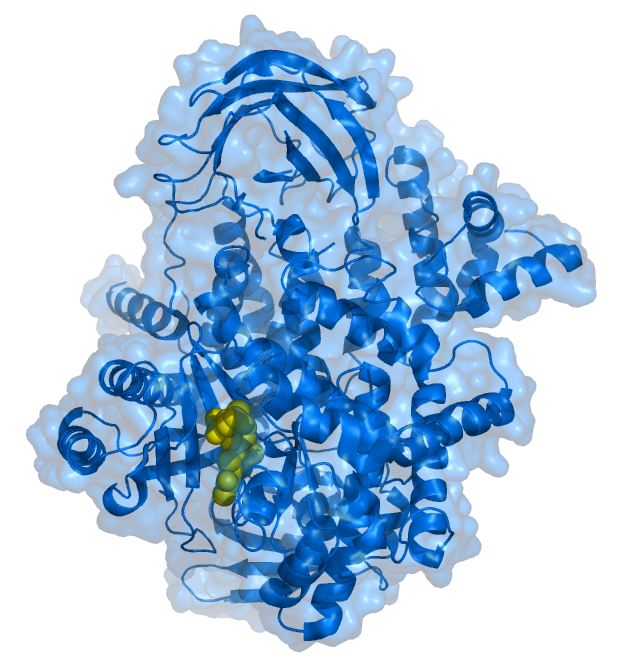
Síndrome CLOVES
📋 Origem dos dados
Esta página agrega dados de fontes públicas e oficiais. Dados sobre cobertura no SUS (PCDT, CEAF) são verificados ativamente por agente proativo (ver badge no infobox). Demais dados têm atribuição de fonte + data da última sincronização — clique para abrir o original.
- Doença rara (ontologia)
- fonte: Orphanet
- Identificador unificado
- fonte: MONDO
- Genética mendeliana
- fonte: OMIM
- Codificação WHO/SUS
- fonte: WHO ICD-10 / DATASUS
- CID-11 (futuro)
- fonte: WHO ICD-11
- NIH/GARD
- fonte: GARD (NIH)
- Indexação biomédica
- fonte: MeSH (NLM)
- Dado público estruturado
- fonte: Wikidata
- Ensaios clínicos
- fonte: ClinicalTrials.gov

