
A deficiência de semialdeído desidrogenase succínico (SSADH) é um distúrbio neurometabólico raro do metabolismo do ácido gama-aminobutírico (GABA) com apresentação clínica inespecífica (variando de leve a grave), sendo os sintomas mais frequentes comprometimento cognitivo com déficit proeminente na linguagem expressiva, hipotonia, ataxia, epilepsia e desregulação comportamental.
Introdução
O que você precisa saber de cara
A deficiência de semialdeído desidrogenase succínico (SSADH) é um distúrbio neurometabólico raro do metabolismo do ácido gama-aminobutírico (GABA) com apresentação clínica inespecífica (variando de leve a grave), sendo os sintomas mais frequentes comprometimento cognitivo com déficit proeminente na linguagem expressiva, hipotonia, ataxia, epilepsia e desregulação comportamental.
Escala de raridade
<1/50kMuito rara
1/20kRara
1/10kPouco freq.
1/5kIncomum
1/2k
Encontrou um erro ou informação desatualizada? Sugira uma correção →
Entender a doença
Do básico ao detalhe, leia no seu ritmo
Preparando trilha educativa...
Sinais e sintomas
O que aparece no corpo e com que frequência cada sintoma acontece
Partes do corpo afetadas
+ 19 sintomas em outras categorias
Características mais comuns
Os sintomas variam de pessoa para pessoa. Abaixo estão as 40 características clínicas mais associadas, ordenadas por frequência.
Linha do tempo da pesquisa
Encontrou um erro ou informação desatualizada? Sugira uma correção →
Genética e causas
O que está alterado no DNA e como passa nas famílias
Genes associados
1 gene identificado com associação a esta condição. Padrão de herança: Autosomal recessive.
Curadoria gene-doença
fontes oficiaisCatalyzes one step in the degradation of the inhibitory neurotransmitter gamma-aminobutyric acid (GABA)
Mitochondrion
Succinic semialdehyde dehydrogenase deficiency
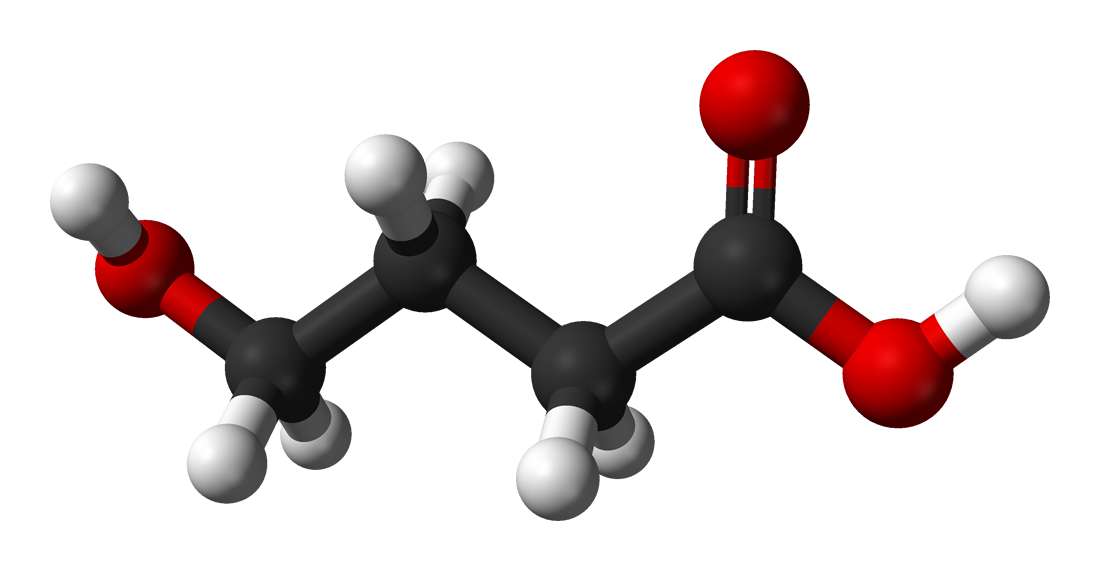
A rare inborn error of 4-aminobutyric acid (GABA) metabolism, which leads to accumulation of 4-hydroxybutyric acid in physiologic fluids of patients. The disease is clinically characterized by developmental delay, hypotonia, intellectual disability, ataxia, seizures, hyperkinetic behavior, aggression, and sleep disturbances.
Variantes genéticas (ClinVar)
239 variantes patogênicas registradas no ClinVar.
Diagnóstico
Os sinais que médicos procuram e os exames que confirmam
Tratamento e manejo
Remédios, cuidados de apoio e o que precisa acompanhar
Onde tratar no SUS
Hospitais de referência no Brasil e o protocolo oficial do SUS (PCDT)
🇧🇷 Atendimento SUS — Deficiência de semialdeído succínico desidrogenase
Selecione um estado ou use sua localização para ver resultados.
Dados de DATASUS/CNES, SBGM, ABNeuro e Ministério da Saúde. Sempre confirme a disponibilidade diretamente com o estabelecimento.
Pesquisa ativa
Ensaios clínicos abertos e novidades científicas recentes
Ensaios em destaque
🟢 Recrutando agora
1 pesquisa recrutando participantes. Converse com seu médico sobre a possibilidade de participar.
Outros ensaios clínicos
5 ensaios clínicos encontrados, 1 ativos.
Publicações mais relevantes
Metabolic Stroke: Atypical Presentation of Succinic Semialdehyde Dehydrogenase Deficiency.
Succinic semialdehyde dehydrogenase (SSADH) deficiency is a rare autosomal recessive neurometabolic disorder caused by biallelic pathogenic variants in ALDH5A1, encoding the mitochondrial enzyme SSADH. This enzyme catalyses the conversion of succinic semialdehyde to succinic acid in the γ-aminobutyric acid (GABA) degradation pathway. SSADH deficiency leads to the accumulation of neurotoxic metabolites, including γ-hydroxybutyrate (GHB), and presents with developmental delay, hypotonia, ataxia, seizures, behavioral disturbances, and intellectual disability. We report a 10-month-old Caucasian male with global developmental delay, central hypotonia, and delayed motor milestones. He presented acutely with left-sided hemiplegia following irritability and vomiting. Brain MRI showed bilateral (right > left) T2 hyperintensities and diffusion restriction in the globus pallidus. Urine organic acid analysis via gas chromatography-mass spectrometry revealed markedly elevated 4-hydroxybutyric acid and 4,5-dihydroxyhexanoic lactone, pathognomonic for SSADH deficiency. Molecular testing identified compound heterozygous ALDH5A1 variants: c.278G>T p.(Cys93Phe) and c.612G>A p.(Trp204*), both previously reported as pathogenic. Parental segregation confirmed trans configuration. Three weeks postillness, he developed focal seizures, which have remained well controlled on levetiracetam. His seizure onset in infancy is notably earlier than the typical early childhood onset (~9 years) reported in SSADH deficiency. This case expands the phenotypic spectrum of SSADH deficiency to include metabolic stroke as a presenting feature in infancy and highlights the importance of early recognition and molecular confirmation to guide management and emerging therapeutic strategies.
Treatable and preventable causes of inborn errors of metabolism: Cohort of neurotransmitter disorders in children from India.
Neurotransmitter disorders are a group of heterogeneous conditions that comprise defects in synthesis, transport, receptor binding, and degradation of neurochemical messengers. These rare disorders range from mild intermittent dystonia to lethal encephalopathies. The natural history and clinical presentation remain far from established. The study was conducted between October 2015 and September 2024. This study aims to describe the spectrum of clinical presentation, laboratory, imaging features, and genetic profiles of children diagnosed with neurotransmitter disorders and to assess the treatment modalities and clinical outcomes in these children. Among 29 patients, the median age was 12 months, with a male predominance. Positive family history was noted in 9 cases. The most frequent presentation was global developmental delay (GDD), dystonia, and seizures with autonomic disturbances, with diurnal variation. Various subcategories of neurotransmitter disorders are aromatic L amino acid decarboxylase deficiency-7 cases, tyrosine hydroxylase deficiency-3 cases, dopamine transporter deficiency syndrome-1 case, vesicular monoamine transporter 2 deficiency (VMAT2)-2 cases, GTP cyclohydrolase type deficiency-1 case, 6-pyruvoyl-tetrahydropterin synthase deficiency-1 case, dihydropteridine reductase deficiency-3, sepiapterin reductase deficiency-1 case, glycine encephalopathy-1 case, FOLR1-related cerebral folate transport deficiency-3 cases, and succinic semialdehyde dehydrogenase deficiency-5 cases. Metabolic workups were normal in all cases, with elevated phenylalanine levels in tandem mass spectrometry (TMS) in 5 children. Neuroimaging and electroencephalogram (EEG) were abnormal in 7 and 5 children, respectively. Multi-pronged and early treatment ensured better outcomes in these children. The most common type of neurotransmitter disorder in our series was aromatic L-amino acid decarboxylase deficiency, with the most common presentation being global developmental delay and dystonia.
Central Dysmyelination in SSADH-Deficient Humans and Mice.
Succinic semialdehyde dehydrogenase deficiency (SSADHD) is an inherited metabolic disorder characterized by an accumulation of γ-aminobutyric (GABA). In addition to its synaptic role as an inhibitory neurotransmitter, GABA also plays an important role in myelination. We aimed to investigate the relationship between GABA and myelination abnormalities in SSADHD patients and the mouse model. Brain MRIs performed on 44 individuals (23 with SSADHD and 21 healthy controls) were independently reviewed by two neuroradiologists and scored using a disease-specific myelination scoring system. Inter-rater reliability (IRR) was assessed by the intraclass correlation coefficient. Myelination scores of SSADHD individuals were correlated with clinical, biochemical, magnetic resonance spectroscopy, and genetic data. Additionally, we investigated the expression of myelin-related genes in a mouse SSADHD model. Dysmyelination in SSADHD patients was overall mild, but significantly greater than in healthy controls (p < 0.001). In SSADHD patients, lower myelination scores were significantly correlated with younger age (R = 0.775, p < 0.001) and higher plasma GABA (R = -0.722, p < 0.001) and γ-hydroxybutyric acid (GHB) (R = -0.683, p = 0.001). In SSADH-deficient mice, there was reduced expression of genes encoding myelin basic protein (p = 0.001), myelin-associated oligodendrocyte basic protein (p = 0.001), and mitochondrial aspartate transporter (p = 0.025). Excessive GABA and GHB, which characterize SSADHD and are further pronounced in younger SSADHD individuals, may account for delayed oligodendrocyte maturation and altered myelination dynamics in this disorder. Studying the properties of dysmyelination in this unique disorder enhances our understanding of GABA's mediating role on myelination and may contribute to monitoring disease progression and managing other white-matter neurological disorders. NCT03758521.
A crucial active site network of titratable residues guides catalysis and NAD+ binding in human succinic semialdehyde dehydrogenase.
Human succinic semialdehyde dehydrogenase is a mitochondrial enzyme fundamental in the neurotransmitter γ-aminobutyric acid catabolism. It catalyzes the NAD+-dependent oxidative degradation of its derivative, succinic semialdehyde, to succinic acid. Mutations in its gene lead to an inherited neurometabolic rare disease, succinic semialdehyde dehydrogenase deficiency, characterized by mental and developmental delay. Due to the poor characterization of this enzyme, we carried out evolutionary and kinetic investigations to contribute to its functional behavior, a prerequisite to interpreting pathogenic variants. An in silico analysis shows that succinic semialdehyde dehydrogenases belong to two families, one human-like and the other of bacterial origin, differing in the oligomeric state and in a network of active site residues. This information is coupled to the biophysical-biochemical characterization of the human recombinant enzyme uncovering that (i) catalysis proceeds by an ordered bi-bi mechanism with NAD+ binding before the aldehyde that exerts a partial non-competitive inhibition; (ii) a stabilizing complex between the catalytic Cys340 and NAD+ is observed and interpreted as a protective mechanism; and (iii) a concerted non-covalent network assists the action of the catalytic residues Cys340 and Glu306. Through mutational analyses of Lys214, Glu306, Cys340, and Glu515 associated with pH studies, we showed that NAD+ binding is controlled by the dyad Lys214-Glu515. Moreover, catalysis is assured by proton transfer exerted by the same dyad networked with the catalytic Glu306, involved in catalytic Cys340 deprotonation/reprotonation. The identification of this weak bond network essential for cofactor binding and catalysis represents a first step to tackling the molecular basis for its deficiency.
Anesthetic Management of a Pediatric Patient With Succinic Semialdehyde Dehydrogenase Deficiency Undergoing Dental Procedures.
Succinic semialdehyde dehydrogenase deficiency is a rare autosomal recessive disorder of Gamma-aminobutyric acid metabolism characterized by neurological deficits and an increased risk of seizures. Patients with succinic semialdehyde dehydrogenase deficiency may present unique challenges in anesthesia management due to altered neurotransmitter levels and possible drug sensitivities. The literature is sparse regarding perioperative management of these patients. We present the case of a 7-year-old boy, who underwent dental procedures under general anesthesia, with genetically confirmed succinic semialdehyde dehydrogenase deficiency. Anesthesia was initiated by intravenous induction, and sevoflurane was used for maintenance, with careful use of intravenous midazolam and rocuronium. Local anesthetic (lidocaine with epinephrine) was administered. The procedure lasted 120 min and was uneventful. The patient recovered without complications and was discharged the same day. This case highlights the feasibility of sevoflurane-based anesthesia in patients with succinic semialdehyde dehydrogenase deficiency. Safe perioperative management can be achieved with individual anesthetic planning, careful drug selection, and appropriate monitoring. Documentation of similar cases is necessary to establish evidence-based anesthetic strategies in this rare patient population.
Publicações recentes
Postnatal gene restoration in succinic semialdehyde dehydrogenase deficiency (SSADHD) reveals phenotype reversibility.
Metabolic Stroke: Atypical Presentation of Succinic Semialdehyde Dehydrogenase Deficiency.
Anesthetic Management of a Pediatric Patient With Succinic Semialdehyde Dehydrogenase Deficiency Undergoing Dental Procedures.
Treatable and preventable causes of inborn errors of metabolism: Cohort of neurotransmitter disorders in children from India.
Severe epilepsy phenotypes in adults with succinic semialdehyde dehydrogenase deficiency: Novel clinical and therapeutic insights from an Italian multicenter retrospective cohort study.
📚 EuropePMC144 artigos no totalmostrando 104
Metabolic Stroke: Atypical Presentation of Succinic Semialdehyde Dehydrogenase Deficiency.
JIMD reportsAnesthetic Management of a Pediatric Patient With Succinic Semialdehyde Dehydrogenase Deficiency Undergoing Dental Procedures.
Case reports in anesthesiologyTreatable and preventable causes of inborn errors of metabolism: Cohort of neurotransmitter disorders in children from India.
Brain & developmentSevere epilepsy phenotypes in adults with succinic semialdehyde dehydrogenase deficiency: Novel clinical and therapeutic insights from an Italian multicenter retrospective cohort study.
SeizureCentral Dysmyelination in SSADH-Deficient Humans and Mice.
Annals of clinical and translational neurologyThe neuropsychological profile of SSADH deficiency, a neurotransmitter disorder of GABA metabolism.
Molecular genetics and metabolismA crucial active site network of titratable residues guides catalysis and NAD+ binding in human succinic semialdehyde dehydrogenase.
Protein science : a publication of the Protein SocietySuccinic semialdehyde dehydrogenase deficiency: a metabolic and genomic approach to diagnosis.
Frontiers in geneticsAutism spectrum disorder and GABA levels in children with succinic semialdehyde dehydrogenase deficiency.
Developmental medicine and child neurologyDeficient brain GABA metabolism leads to widespread impairments of astrocyte and oligodendrocyte function.
GliaClinical features and ALDH5A1 gene findings in 13 Chinese cases with succinic semialdehyde dehydrogenase deficiency.
BMC medical genomicsFunctional Characterization of a Spectrum of Genetic Variants in a Family with Succinic Semialdehyde Dehydrogenase Deficiency.
International journal of molecular sciencesAn Unusual Presentation of Succinic Semialdehyde Dehydrogenase Deficiency: A Fatal Case of Severe Progressive Seizures in a Four-Month-Old Infant.
CureusGeneration and characterization of six human induced pluripotent stem cell lines (hiPSCs) from three individuals with SSADH Deficiency and CRISPR-corrected isogenic controls.
Stem cell researchClinical and molecular outcomes from the 5-Year natural history study of SSADH Deficiency, a model metabolic neurodevelopmental disorder.
Journal of neurodevelopmental disordersGene replacement therapies for inherited disorders of neurotransmission: Current progress in succinic semialdehyde dehydrogenase deficiency.
Journal of inherited metabolic diseaseThe continuously evolving phenotype of succinic semialdehyde dehydrogenase deficiency.
Journal of inherited metabolic diseaseConsensus guidelines for the diagnosis and management of succinic semialdehyde dehydrogenase deficiency.
Molecular genetics and metabolismDelays in latencies of median-nerve evoked magnetic fields in patients with succinic semialdehyde dehydrogenase deficiency.
Clinical neurophysiology : official journal of the International Federation of Clinical NeurophysiologyGlymphatic dysfunction coincides with lower GABA levels and sleep disturbances in succinic semialdehyde dehydrogenase deficiency.
Journal of sleep researchALDH5A1-deficient iPSC-derived excitatory and inhibitory neurons display cell type specific alterations.
Neurobiology of diseasePhenotypic correlates of structural and functional protein impairments resultant from ALDH5A1 variants.
Human geneticsReduced evoked cortical beta and gamma activity and neuronal synchronization in succinic semialdehyde dehydrogenase deficiency, a disorder of γ-aminobutyric acid metabolism.
Brain communicationsSensorineural Hearing Loss in a Child with Succinic Semialdehyde Dehydrogenase Deficiency.
Balkan journal of medical genetics : BJMGSuccinic semialdehyde dehydrogenase deficiency in mice and in humans: An untargeted metabolomics perspective.
Journal of inherited metabolic diseaseSuccinic semialdehyde dehydrogenase deficiency: A model of neurocircuit imbalances in autism and potential insight into new biomarkers.
Developmental medicine and child neurologyEstablishment and validation of a clinical severity scoring system for succinic semialdehyde dehydrogenase deficiency.
Journal of inherited metabolic diseaseThe presence and severity of epilepsy coincide with reduced γ-aminobutyrate and cortical excitatory markers in succinic semialdehyde dehydrogenase deficiency.
EpilepsiaHuman iPSC-derived neural stem cells with ALDH5A1 mutation as a model of succinic semialdehyde dehydrogenase deficiency.
BMC neuroscienceUnderstanding the Molecular Mechanisms of Succinic Semialdehyde Dehydrogenase Deficiency (SSADHD): Towards the Development of SSADH-Targeted Medicine.
International journal of molecular sciences[Analysis of gene variant in an infant with succinic semialdehyde dehydrogenase deficiency].
Zhonghua yi xue yi chuan xue za zhi = Zhonghua yixue yichuanxue zazhi = Chinese journal of medical geneticsIntestinal Dysbiosis as a component of pathophysiology in succinic semialdehyde dehydrogenase deficiency (SSADHD).
Molecular genetics and metabolismAssessing Prevalence and Carrier Frequency of Succinic Semialdehyde Dehydrogenase Deficiency.
Journal of child neurologyProceedings of the International SSADH Deficiency 2020 Conference.
Journal of child neurologyADHD symptoms in neurometabolic diseases: Underlying mechanisms and clinical implications.
Neuroscience and biobehavioral reviewsDevelopment of a Quality-of-Life Survey for Patients With Succinic Semialdehyde Dehydrogenase Deficiency, a Rare Disorder of GABA Metabolism.
Journal of child neurologyAssessment of intellectual impairment, health-related quality of life, and behavioral phenotype in patients with neurotransmitter related disorders: Data from the iNTD registry.
Journal of inherited metabolic diseaseInborn Errors of Metabolism Associated With Autism Spectrum Disorders: Approaches to Intervention.
Frontiers in neuroscienceTranscranial Magnetic Stimulation in Succinic Semialdehyde Dehydrogenase Deficiency: A Measure of Maturational Trajectory of Cortical Excitability.
Journal of child neurologyA Randomized Controlled Trial of SGS-742, a γ-aminobutyric acid B (GABA-B) Receptor Antagonist, for Succinic Semialdehyde Dehydrogenase Deficiency.
Journal of child neurologyPathophysiology and management of neuropsychiatric symptoms in succinic semialdehyde dehydrogenase deficiency.
Psychiatric geneticsSpeech Motor Function and Auditory Perception in Succinic Semialdehyde Dehydrogenase Deficiency: Toward Pre-Supplementary Motor Area (SMA) and SMA-Proper Dysfunctions.
Journal of child neurologyDecreased GABA-A Binding on FMZ-PET in Succinic Semialdehyde Dehydrogenase Deficiency.
NeurologyMagnetic resonance imaging pattern recognition in childhood bilateral basal ganglia disorders.
Brain communicationsEnzyme Replacement Therapy for Succinic Semialdehyde Dehydrogenase Deficiency: Relevance in γ-Aminobutyric Acid Plasticity.
Journal of child neurologyAutism: Screening of inborn errors of metabolism and unexpected results.
Autism research : official journal of the International Society for Autism ResearchPostmortem Analyses in a Patient With Succinic Semialdehyde Dehydrogenase Deficiency (SSADHD): II. Histological, Lipid, and Gene Expression Outcomes in Regional Brain Tissue.
Journal of child neurologyMagnetic Resonance Imaging (MRI) and Spectroscopy in Succinic Semialdehyde Dehydrogenase Deficiency.
Journal of child neurologySyndromic Autism Spectrum Disorder: Let Us Not Forget about Succinic Semialdehyde Dehydrogenase Deficiency. A Case Report with Literature Review.
Journal of pediatric neurosciencesSuccinic semialdehyde dehydrogenase deficiency presenting with central hypothyroidism.
Clinical case reportsSuccinic Semialdehyde Dehydrogenase Deficiency: Review of the Natural History Study.
Journal of child neurologyCellular and molecular outcomes of glutamine supplementation in the brain of succinic semialdehyde dehydrogenase-deficient mice.
JIMD reportsSuccinic Semialdehyde Dehydrogenase Deficiency: In Vitro and In Silico Characterization of a Novel Pathogenic Missense Variant and Analysis of the Mutational Spectrum of ALDH5A1.
International journal of molecular sciencesThe characterization of psychotic symptoms in succinic semialdehyde dehydrogenase deficiency: a review.
Psychiatric geneticsNovel biomarkers and age-related metabolite correlations in plasma and dried blood spots from patients with succinic semialdehyde dehydrogenase deficiency.
Orphanet journal of rare diseasesNovel ALDH5A1 variants and genotype: Phenotype correlation in SSADH deficiency.
NeurologyA Missense Variant in ALDH5A1 Associated with Canine Succinic Semialdehyde Dehydrogenase Deficiency (SSADHD) in the Saluki Dog.
GenesOCD symptoms in succinic semialdehyde dehydrogenase (SSADH) deficiency: a case report.
BMC psychiatryTeaching NeuroImages: Symmetrical abnormalities of the globi pallidi in succinic semialdehyde dehydrogenase deficiency.
NeurologyMetabolic epilepsies amenable to ketogenic therapies: Indications, contraindications, and underlying mechanisms.
Journal of inherited metabolic diseaseBi-allelic Mutations in ALDH5A1 is associated with succinic semialdehyde dehydrogenase deficiency and severe intellectual disability.
GeneFunctional analysis of thirty-four suspected pathogenic missense variants in ALDH5A1 gene associated with succinic semialdehyde dehydrogenase deficiency.
Molecular genetics and metabolismLongitudinal metabolomics in dried bloodspots yields profiles informing newborn screening for succinic semialdehyde dehydrogenase deficiency.
JIMD reportsNovel mutations in a Chinese family with two patients with succinic semialdehyde dehydrogenase deficiency.
Gynecological endocrinology : the official journal of the International Society of Gynecological Endocrinology123I-FP-CIT Brain SPECT Findings in Succinic Semialdehyde Dehydrogenase (SSADH) Deficiency.
Current radiopharmaceuticalsPost-mortem tissue analyses in a patient with succinic semialdehyde dehydrogenase deficiency (SSADHD). I. Metabolomic outcomes.
Metabolic brain diseaseSuccinic Semialdehyde Dehydrogenase Deficiency: An Update.
CellsMetabolic Stroke: A Novel Presentation in a Child with Succinic Semialdehyde Dehydrogenase Deficiency.
Annals of Indian Academy of NeurologyTemporal metabolomics in dried bloodspots suggests multipathway disruptions in aldh5a1-/- mice, a model of succinic semialdehyde dehydrogenase deficiency.
Molecular genetics and metabolismGamma-Hydroxybutyrate content in dried bloodspots facilitates newborn detection of succinic semialdehyde dehydrogenase deficiency.
Molecular genetics and metabolismMicrobiota Manipulation as a Metagenomic Therapeutic Approach for Rare Inherited Metabolic Disorders.
Clinical pharmacology and therapeuticsNovel mutations in two unrelated Italian patients with SSADH deficiency.
Metabolic brain diseaseClinical diagnosis and mutation analysis of four Chinese families with succinic semialdehyde dehydrogenase deficiency.
BMC medical geneticsMaternal glutamine supplementation in murine succinic semialdehyde dehydrogenase deficiency, a disorder of γ-aminobutyric acid metabolism.
Journal of inherited metabolic diseaseRett syndrome (MECP2) and succinic semialdehyde dehydrogenase (ALDH5A1) deficiency in a developmentally delayed female.
Molecular genetics & genomic medicineAcute Psychotic Syndrome in a Male Adolescent with Succinic Semialdehyde Dehydrogenase Deficiency.
Psychiatry investigationAge-related phenotype and biomarker changes in SSADH deficiency.
Annals of clinical and translational neurologySuccinic semialdehyde dehydrogenase deficiency: The combination of a novel ALDH5A1 gene mutation and a missense SNP strongly affects SSADH enzyme activity and stability.
Molecular genetics and metabolismMetabolism of amino acid neurotransmitters: the synaptic disorder underlying inherited metabolic diseases.
Journal of inherited metabolic diseaseSuccinic semialdehyde dehydrogenase deficiency, a disorder of GABA metabolism: an update on pharmacological and enzyme-replacement therapeutic strategies.
Journal of inherited metabolic diseaseIn vitro modeling of experimental succinic semialdehyde dehydrogenase deficiency (SSADHD) using brain-derived neural stem cells.
PloS oneToxicologic/transport properties of NCS-382, a γ-hydroxybutyrate (GHB) receptor ligand, in neuronal and epithelial cells: Therapeutic implications for SSADH deficiency, a GABA metabolic disorder.
Toxicology in vitro : an international journal published in association with BIBRAImpact on GABA systems in monogenetic developmental CNS disorders: Clues to symptomatic treatment.
NeuropharmacologySSADH deficiency in an Italian family: a novel ALDH5A1 gene mutation affecting the succinic semialdehyde substrate binding site.
Metabolic brain diseaseTargeted screening of succinic semialdehyde dehydrogenase deficiency (SSADHD) employing an enzymatic assay for γ-hydroxybutyric acid (GHB) in biofluids.
Molecular genetics and metabolism reportsGamma-Hydroxybutyrate (GHB) Content in Hair Samples Correlates Negatively with Age in Succinic Semialdehyde Dehydrogenase Deficiency.
JIMD reports[Identification of ALDH5A1 gene mutations in a Chinese family affected with succinic semialdehyde dehydrogenase deficiency].
Zhonghua yi xue yi chuan xue za zhi = Zhonghua yixue yichuanxue zazhi = Chinese journal of medical geneticsA pharmacokinetic evaluation and metabolite identification of the GHB receptor antagonist NCS-382 in mouse informs novel therapeutic strategies for the treatment of GHB intoxication.
Pharmacology research & perspectivesTherapeutic relevance of mTOR inhibition in murine succinate semialdehyde dehydrogenase deficiency (SSADHD), a disorder of GABA metabolism.
Biochimica et biophysica acta. Molecular basis of diseaseCorrelation of blood biomarkers with age informs pathomechanisms in succinic semialdehyde dehydrogenase deficiency (SSADHD), a disorder of GABA metabolism.
Journal of inherited metabolic diseasemTOR inhibitors rescue premature lethality and attenuate dysregulation of GABAergic/glutamatergic transcription in murine succinate semialdehyde dehydrogenase deficiency (SSADHD), a disorder of GABA metabolism.
Journal of inherited metabolic diseaseBiomarkers in a Taurine Trial for Succinic Semialdehyde Dehydrogenase Deficiency.
JIMD reportsSuccinic semialdehyde dehydrogenase deficiency (SSADHD): Pathophysiological complexity and multifactorial trait associations in a rare monogenic disorder of GABA metabolism.
Neurochemistry internationalAcute Infantile Encephalopathy as Presentation of Succinic Semialdehyde Dehydrogenase Deficiency.
Pediatric neurologyNeuropathological Mechanisms of Seizures in Autism Spectrum Disorder.
Frontiers in neuroscienceA case of succinic semialdehyde dehydrogenase deficiency with status epilepticus and rapid regression.
Brain & developmentEye Findings on Vigabatrin and Taurine Treatment in Two Patients with Succinic Semialdehyde Dehydrogenase Deficiency.
NeuropediatricsCorrigendum to succinic semialdehyde dehydrogenase deficiency of four Chinese patients and prenatal diagnosis for three fetuses [Gene 574(2015) 41-47].
GeneSSADH deficiency possibly associated with enzyme activity-reducing SNPs.
Brain & developmentPsychomotor delay, hypotonia, and behavioural disorders: A case of succinic semialdehyde dehydrogenase deficiency.
NeurologiaSuccinic Semialdehyde Dehydrogenase Deficiency Presenting as Autism Spectrum Disorder.
Indian journal of pediatricsA case of acute onset succinic semialdehyde dehydrogenase deficiency: neuroimaging findings and literature review.
Child's nervous system : ChNS : official journal of the International Society for Pediatric NeurosurgeryNatural history of succinic semialdehyde dehydrogenase deficiency through adulthood.
NeurologySuccinic semialdehyde dehydrogenase deficiency of four Chinese patients and prenatal diagnosis for three fetuses.
GeneAssociações
Organizações que acompanham esta doença — pra ter apoio e orientação
Ainda não temos associações cadastradas para Deficiência de semialdeído succínico desidrogenase.
É de uma associação que acompanha esta doença? Fale com a gente →
Comunidades
Grupos ativos de quem convive com esta doença aqui no Raras
Ainda não existe comunidade no Raras para Deficiência de semialdeído succínico desidrogenase
Pacientes, familiares e cuidadores se organizam em comunidades pra compartilhar experiências, fazer perguntas e se apoiar. Você pode ser o primeiro.
Tire suas dúvidas
Perguntas, dicas e experiências compartilhadas aqui na página
Participe da discussão
Faça login para postar dúvidas, compartilhar experiências e interagir com especialistas.
Fazer loginDoenças relacionadas
Doenças com sintomas parecidos — ajudam quem ainda está buscando diagnóstico
Referências e fontes
Bases de dados externas citadas neste artigo
Publicações científicas
Artigos indexados no PubMed ligados a esta doença no grafo RarasNet — título, periódico e PMID direto da fonte, sem intermediação de IA.
- Metabolic Stroke: Atypical Presentation of Succinic Semialdehyde Dehydrogenase Deficiency.
- Treatable and preventable causes of inborn errors of metabolism: Cohort of neurotransmitter disorders in children from India.
- Central Dysmyelination in SSADH-Deficient Humans and Mice.
- A crucial active site network of titratable residues guides catalysis and NAD+ binding in human succinic semialdehyde dehydrogenase.
- Anesthetic Management of a Pediatric Patient With Succinic Semialdehyde Dehydrogenase Deficiency Undergoing Dental Procedures.
- Postnatal gene restoration in succinic semialdehyde dehydrogenase deficiency (SSADHD) reveals phenotype reversibility.
- Severe epilepsy phenotypes in adults with succinic semialdehyde dehydrogenase deficiency: Novel clinical and therapeutic insights from an Italian multicenter retrospective cohort study.
Bases de dados e fontes oficiais
Identificadores e referências canônicas usadas para montar este verbete.
- ORPHA:22(Orphanet)
- OMIM OMIM:271980(OMIM)
- MONDO:0010083(MONDO)
- GARD:7695(GARD (NIH))
- Variantes catalogadas(ClinVar)
- Busca completa no PubMed(PubMed)
- Q2823333(Wikidata)
Dados compilados pelo RarasNet a partir de fontes abertas (Orphanet, OMIM, MONDO, PubMed/EuropePMC, ClinicalTrials.gov, DATASUS, PCDT/MS). Este conteúdo é informativo e não substitui avaliação médica.
Conteúdo mantido por Agente Raras · Médicos e pesquisadores podem colaborar
Deficiência de semialdeído succínico desidrogenase
📋 Origem dos dados
Esta página agrega dados de fontes públicas e oficiais. Dados sobre cobertura no SUS (PCDT, CEAF) são verificados ativamente por agente proativo (ver badge no infobox). Demais dados têm atribuição de fonte + data da última sincronização — clique para abrir o original.
- Doença rara (ontologia)
- fonte: Orphanet
- Identificador unificado
- fonte: MONDO
- Genética mendeliana
- fonte: OMIM
- Codificação WHO/SUS
- fonte: WHO ICD-10 / DATASUS
- CID-11 (futuro)
- fonte: WHO ICD-11
- NIH/GARD
- fonte: GARD (NIH)
- Indexação biomédica
- fonte: MeSH (NLM)
- Dado público estruturado
- fonte: Wikidata
- Ensaios clínicos
- fonte: ClinicalTrials.gov