
A Doença de Gaucher (DG) é uma doença genética em que o corpo não consegue processar certas substâncias dentro das células (nos lisossomos), o que causa o acúmulo delas. Ela apresenta três formas principais (tipos 1, 2 e 3), uma forma que afeta o feto e uma variante que causa problemas cardíacos (conhecida como Doença de Gaucher com paralisia dos músculos dos olhos e acúmulo de cálcio nos vasos sanguíneos e no coração, ou doença similar à de Gaucher).
Introdução
O que você precisa saber de cara
A Doença de Gaucher (DG) é uma doença genética em que o corpo não consegue processar certas substâncias dentro das células (nos lisossomos), o que causa o acúmulo delas. Ela apresenta três formas principais (tipos 1, 2 e 3), uma forma que afeta o feto e uma variante que causa problemas cardíacos (conhecida como Doença de Gaucher com paralisia dos músculos dos olhos e acúmulo de cálcio nos vasos sanguíneos e no coração, ou doença similar à de Gaucher).
Tem tratamento?
Escala de raridade
<1/50kMuito rara
1/20kRara
1/10kPouco freq.
1/5kIncomum
1/2k
Encontrou um erro ou informação desatualizada? Sugira uma correção →
Entender a doença
Do básico ao detalhe, leia no seu ritmo
Preparando trilha educativa...
Sinais e sintomas
O que aparece no corpo e com que frequência cada sintoma acontece
Partes do corpo afetadas
+ 76 sintomas em outras categorias
Características mais comuns
Os sintomas variam de pessoa para pessoa. Abaixo estão as 228 características clínicas mais associadas, ordenadas por frequência.
Linha do tempo da pesquisa
Triagem neonatal (Teste do Pezinho)
A triagem neonatal permite diagnóstico precoce e início imediato do tratamento.
Encontrou um erro ou informação desatualizada? Sugira uma correção →
Genética e causas
O que está alterado no DNA e como passa nas famílias
Genes associados
2 genes identificados com associação a esta condição. Padrão de herança: Autosomal recessive.
Curadoria gene-doença
fontes oficiaisGlucosylceramidase that catalyzes, within the lysosomal compartment, the hydrolysis of glucosylceramides/GlcCers (such as beta-D-glucosyl-(1<->1')-N-acylsphing-4-enine) into free ceramides (such as N-acylsphing-4-enine) and glucose (PubMed:15916907, PubMed:24211208, PubMed:32144204, PubMed:39395789, PubMed:9201993). Plays a central role in the degradation of complex lipids and the turnover of cellular membranes (PubMed:27378698). Through the production of ceramides, participates in the PKC-activ
Lysosome membrane
Gaucher disease
An autosomal recessive lysosomal storage disease due to deficient activity of lysosomal beta-glucocerebrosidase, and characterized by accumulation of glucosylceramide in the reticulo-endothelial system. GD is a multisystem disease historically divided into three main subtypes on the basis of the presence of neurologic involvement, age at onset and progression rate: type 1 is the non-neuropathic form, type 2 is the acute neuropathic form with early onset and rapid neurologic deterioration, type 3 is the chronic neuropathic form with slow progression of neurologic features. GD shows a marked phenotypic diversity ranging from adult asymptomatic forms, at the mild end, to perinatal lethal forms at the severe end of the disease spectrum. Formal diagnosis of Gaucher disease is based on the measurement of glucocerebrosidase levels in circulating leukocytes and molecular genetic analysis.
Acts as a lysosomal receptor for glucosylceramidase (GBA1) targeting (Microbial infection) Acts as a receptor for enterovirus 71
Lysosome membrane
Epilepsy, progressive myoclonic 4, with or without renal failure
A form of progressive myoclonic epilepsy, a clinically and genetically heterogeneous group of disorders defined by the combination of action and reflex myoclonus, other types of epileptic seizures, and progressive neurodegeneration and neurocognitive impairment. EPM4 is an autosomal recessive form associated with renal failure in some cases. Cognitive function is preserved.
Medicamentos e terapias
Mecanismo: Ceramide glucosyltransferase inhibitor
Mecanismo: Ceramide glucosyltransferase inhibitor
Mecanismo: Ceramide glucosyltransferase inhibitor
Mecanismo: Beta-glucocerebrosidase stabiliser
Mecanismo: Beta-glucocerebrosidase stabiliser
Mecanismo: FK506-binding protein 1A inhibitor
Mecanismo: Glucocorticoid receptor agonist
Mecanismo: Glucocorticoid receptor agonist
Variantes genéticas (ClinVar)
480 variantes patogênicas registradas no ClinVar.
Classificação de variantes (ClinVar)
Distribuição de 431 variantes classificadas pelo ClinVar.
Vias biológicas (Reactome)
4 vias biológicas associadas aos genes desta condição.
Diagnóstico
Os sinais que médicos procuram e os exames que confirmam
Tratamento e manejo
Remédios, cuidados de apoio e o que precisa acompanhar
Onde tratar no SUS
Hospitais de referência no Brasil e o protocolo oficial do SUS (PCDT)
🇧🇷 Atendimento SUS — Doença de Gaucher
Centros de Referência SUS
21 centros habilitados pelo SUS para Doença de Gaucher
Centros para Doença de Gaucher
Detalhes dos centros
Hospital Universitário Prof. Edgard Santos (HUPES)
R. Dr. Augusto Viana, s/n - Canela, Salvador - BA, 40110-060 · CNES 0003808
Serviço de Referência
Hospital de Apoio de Brasília (HAB)
AENW 3 Lote A Setor Noroeste - Plano Piloto, Brasília - DF, 70684-831 · CNES 0010456
Serviço de Referência
Hospital Estadual Infantil e Maternidade Alzir Bernardino Alves (HIABA)
Av. Min. Salgado Filho, 918 - Soteco, Vila Velha - ES, 29106-010 · CNES 6631207
Serviço de Referência
Hospital das Clínicas da UFG
Rua 235 QD. 68 Lote Área, Nº 285, s/nº - Setor Leste Universitário, Goiânia - GO, 74605-050 · CNES 2338424
Serviço de Referência
Hospital das Clínicas da UFMG
Av. Prof. Alfredo Balena, 110 - Santa Efigênia, Belo Horizonte - MG, 30130-100 · CNES 2280167
Serviço de Referência
NUPAD / Faculdade de Medicina UFMG
Av. Prof. Alfredo Balena, 189 - 5 andar - Centro, Belo Horizonte - MG, 30130-100 · CNES 2183226
Serviço de Referência
Hospital Universitário João de Barros Barreto
R. dos Mundurucus, 4487 - Guamá, Belém - PA, 66073-000 · CNES 2337878
Serviço de Referência
Hospital de Clínicas da Universidade Federal de Pernambuco
Av. Prof. Moraes Rego, 1235 - Cidade Universitária, Recife - PE, 50670-901 · CNES 2561492
Atenção Especializada
Instituto de Medicina Integral Prof. Fernando Figueira (IMIP)
R. dos Coelhos, 300 - Boa Vista, Recife - PE, 50070-902 · CNES 0000647
Serviço de Referência
Hospital de Clínicas da UFPR
R. Gen. Carneiro, 181 - Alto da Glória, Curitiba - PR, 80060-900 · CNES 2364980
Serviço de Referência
Hospital Universitário Pedro Ernesto (HUPE-UERJ)
Blvd. 28 de Setembro, 77 - Vila Isabel, Rio de Janeiro - RJ, 20551-030 · CNES 2280221
Serviço de Referência
Instituto Nacional de Saúde da Mulher, da Criança e do Adolescente Fernandes Figueira (IFF/Fiocruz)
Av. Rui Barbosa, 716 - Flamengo, Rio de Janeiro - RJ, 22250-020 · CNES 2269988
Serviço de Referência
Hospital Universitário Onofre Lopes (HUOL)
Av. Nilo Peçanha, 620 - Petrópolis, Natal - RN, 59012-300 · CNES 2408570
Atenção Especializada
Hospital São Lucas da PUCRS
Av. Ipiranga, 6690 - Jardim Botânico, Porto Alegre - RS, 90610-000 · CNES 2232928
Serviço de Referência
Hospital de Clínicas de Porto Alegre (HCPA)
Rua Ramiro Barcelos, 2350 Bloco A - Av. Protásio Alves, 211 - Bloco B e C - Santa Cecília, Porto Alegre - RS, 90035-903 · CNES 2237601
Serviço de Referência
Hospital Universitário da UFSC (HU-UFSC)
R. Profa. Maria Flora Pausewang - Trindade, Florianópolis - SC, 88036-800 · CNES 2560356
Serviço de Referência
Hospital das Clínicas da FMUSP
R. Dr. Ovídio Pires de Campos, 225 - Cerqueira César, São Paulo - SP, 05403-010 · CNES 2077485
Serviço de Referência
Hospital de Clínicas da UNICAMP
R. Vital Brasil, 251 - Cidade Universitária, Campinas - SP, 13083-888 · CNES 2748223
Serviço de Referência
Hospital de Clínicas de Ribeirão Preto (HCRP-USP)
R. Ten. Catão Roxo, 3900 - Vila Monte Alegre, Ribeirão Preto - SP, 14015-010 · CNES 2082187
Serviço de Referência
Instituto da Criança e do Adolescente (ICr-HCFMUSP)
Av. Dr. Enéas Carvalho de Aguiar, 647 - Cerqueira César, São Paulo - SP, 05403-000 · CNES 2081695
Serviço de Referência
UNIFESP / Hospital São Paulo
R. Napoleão de Barros, 715 - Vila Clementino, São Paulo - SP, 04024-002 · CNES 2688689
Serviço de Referência
Dados de DATASUS/CNES, SBGM, ABNeuro e Ministério da Saúde. Sempre confirme a disponibilidade diretamente com o estabelecimento.
Pesquisa ativa
Ensaios clínicos abertos e novidades científicas recentes
Ensaios em destaque
🟢 Recrutando agora
20 pesquisas recrutando participantes. Converse com seu médico sobre a possibilidade de participar.
Outros ensaios clínicos
Publicações mais relevantes
Mostrando amostra de 200 publicações de um total de 1.820
The dual impact of GBA1 in disease: from germline mutations in neurological disorders to alterations in cancer.
The GBA1 gene encodes the enzyme glucocerebrosidase, which is responsible for lysosomal degradation of the glycosphingolipid glucosylceramide. Biallelic mutations in GBA1 are causative for Gaucher disease, whereas either monoallelic or biallelic mutations are a risk factor for Parkinson's disease. GBA1 mutations, beside reducing enzymatic activity and leading to substrate accumulation, influence a number of molecular and cellular pathways, including lipid homeostasis, endosome-lysosome pathway, endoplasmic reticulum to Golgi protein trafficking, autophagy and mitophagy. Given the critical role of GBA1 in these key pathways for cellular homeostasis, it can be expected that alterations in this enzyme may influence also cancer development and/or pathology, keeping in mind that Gaucher disease is associated with an increased risk of cancer development. Notably, a large fraction of patients affected by different cancer types carry an amplification of the long arm of chromosome 1, that includes the GBA1 gene. Furthermore, GBA1 expression is elevated in different cancer tissues, compared with healthy counterparts and associated with outcome in some cases. In this perspective, we narratively review the main evidence supporting a role for GBA1 in influencing tumorigenesis and we present our analyses on GBA1 amplification and expression throughout different cancer types. Taken together, these data suggest that the presence of a GBA1 germline mutation or a somatic amplification may influence cancer pathogenesis and/or response to therapies through context-dependent mechanisms that are still to be characterized.
Glucosylsphingosine (Lyso-Gb1): An Update on Its Use as a Biomarker in Gaucher Disease.
Gaucher disease (GD) is a lysosomal storage disorder caused by mutations in the glucocerebrosidase gene (GBA1), leading to acid β-glucosidase deficiency and the accumulation of glucosylceramide-derived glycosphingolipids. Its three phenotypes (non-neuronopathic, acute neuronopathic, and chronic neuronopathic) have variable clinical presentations including hepatosplenomegaly, cytopenia, bone disease, and neurological involvement. Early diagnosis and treatment are critical for improving outcomes, but GD is under-recognized due to non-specific symptoms and limited access to appropriate diagnostic testing. Glucosylsphingosine (lyso-Gb1), a deacylated metabolite of glucosylceramide, has been identified as a candidate biomarker for diagnosis and monitoring. This narrative review examines the role of biomarkers in GD, focusing on lyso-Gb1 as a potential diagnostic and prognostic biomarker. Lyso-Gb1 is markedly elevated in GD patients and correlates with disease burden, severity, and response to therapy. It is detectable in plasma and dried blood spots, making it suitable for newborn screening, diagnosis, and monitoring. Lyso-Gb1 is a sensitive and specific biomarker for GD, facilitating early detection, guiding treatment decisions, and enabling personalized disease management. Lyso-Gb1 levels reflect substrate accumulation and therapeutic response more reliably than other biomarkers such as chitotriosidase or CCL18. Ongoing research aims to refine diagnostic thresholds and integrate lyso-Gb1 monitoring into routine clinical practice for optimal patient outcomes.
Stability study of pharmacy compounded high-dose ambroxol hydrochloride capsules for an n-of-1 clinical trial involving Dutch patients with Gaucher disease type 3.
Several studies have investigated the effectiveness of high-dose ambroxol in treating patients with Gaucher disease type 3. Since there are no registered high-dose ambroxol preparations available, information on the development of this preparation can be important to improve access. The pharmacy and clinical pharmacology department of Amsterdam University Medical Center has developed a simple 75 mg ambroxol hydrochloride (HCl) capsule formulation for this purpose. The aim of this study was to investigate the stability of 75 mg ambroxol capsules. Three batches (n=1000) of 75 mg ambroxol HCl capsules were produced and stored in climate chambers for 6 months under accelerated (40±2°C and 75% relative humidity (RH)±5% RH) and long-term (25±2°C and 60% RH±5% RH) conditions. At 0, 3 and 6 months, appearance, identity, related substances, assay, uniformity of dosage units (content uniformity (CU)), dissolution and microbiology were evaluated. The specifications and acceptance criteria were derived from the European Pharmacopoeia and the International Council for Harmonisation of Technical Requirements for Pharmaceuticals for Human Use guidelines. All parameters met the predefined specifications from t=0 to t=6 months for both the accelerated and long-term stability studies. There were no visible changes in appearance of the capsule content, no degradation products above 0.05%, and no decrease in ambroxol content. Furthermore, the capsules met the criteria for CU with an acceptance value ≤15.0. The dissolution was rapid, with ≥80% of ambroxol released from the capsules within 30 min, and no microbiological growth was observed. The 75 mg ambroxol HCl capsules are stable for at least 6 months at room temperature. This paper provides guidance to pharmacies for compounding of high-dose ambroxol HCl capsules to ensure the availability of ambroxol for patients in need.
Exploring delayed diagnosis in Gaucher disease: insights from a community survey and potential solutions.
Gaucher disease is a rare lysosomal storage disorder caused by insufficient activity of the enzyme β-glucocerebrosidase. This leads to the accumulation of fatty deposits in cells and tissues and damages multiple organ systems. Diagnosing Gaucher disease often involves a prolonged and challenging "diagnostic odyssey". The International Gaucher Alliance (IGA) conducted a survey among individuals living with Gaucher disease, including patients, families, and caregivers, to investigate diagnostic challenges. Distributed primarily in English language, with a Spanish translation for relevant IGA members, the survey was completed by 142 respondents from 40 different countries between November 2024 and February 2025. The study aims to guide future efforts to promote timely diagnosis, access to expert management, and treatment before irreversible damage occurs. Early diagnosis also brings emotional and practical benefits, including informed family planning and support networks. The survey revealed that diagnostic delays remain prevalent, with 58% of respondents waiting more than a year for diagnosis. Key contributors to delays included low awareness among physicians and inadequate communication between medical specialties. Common "red flag" symptoms identified in guidelines were often linked to eventual diagnosis, highlighting the need to educate healthcare professionals, especially those likely to encounter patients but not consider Gaucher disease (e.g., internal medicine specialists and gastroenterologists). Notably, 17% of respondents were not made aware of the genetic nature of Gaucher disease when they were diagnosed, potentially missing opportunities to identify affected relatives or influence family planning. Respondents suggested that increased awareness among healthcare professionals, expanded access to newborn screening, and greater availability of genetic and enzymatic testing could significantly accelerate the process. As well as continuing to engage in education and awareness activities for specialists that commonly diagnose Gaucher, targeted awareness campaigns for secondary care clinicians that do not commonly diagnose Gaucher, but are regularly seen in the journey to diagnosis could reduce diagnostic delays. Providing lay-friendly resources to help specialists explain genetic inheritance to newly diagnosed patients may enhance early family diagnoses. Country-specific surveys to understand local diagnostic experiences could shape tailored interventions. Lastly, advocacy efforts to address access barriers, should amplify patient voices and prioritise community needs.
Maternal and Fetal Outcomes in Imiglucerase-Treated Patients With Gaucher Disease: Real-World Evidence From the International Collaborative Gaucher Group (ICGG) Gaucher Registry Pregnancy Sub-Registry.
Untreated women with Gaucher disease (GD) are at an increased risk of GD-related complications during pregnancy. Enzyme replacement therapy with imiglucerase is effective at improving hematologic, visceral, and bone manifestations of GD, and the Food & Drug Administration prescribing information supports that imiglucerase is not associated with adverse maternal or fetal outcomes when used during pregnancy. This study population included women with GD enrolled in the International Collaborative Gaucher Group Gaucher Registry (NCT00358943) Pregnancy Sub-Registry who were treated with imiglucerase during at least one pregnancy as of October 2023. We describe frequency of pregnancy outcomes, birth outcomes, and maternal and neonatal complications. Imiglucerase exposure was reported in 110 pregnancies in 68 women with GD type 1; 68% of pregnancies were exposed during all three trimesters. Of 104 fetuses with reported data, 92 were live births (88.5%), eight were spontaneous abortions (7.7%), and four were elective/therapeutic terminations (3.8%); no stillbirths (> 20 weeks gestation) were reported. The majority of infants (80 of 85 [94.1%]) were born at term. Among 108 pregnancies with data, maternal pregnancy, labor and delivery, and post-partum complications were reported for 33 (30.6%), 26 (24.1%), and 24 (22.2%) pregnancies, respectively, with anemia, thrombocytopenia, and vaginal bleeding among the most prevalent complications. Among 74 infants with data, neonatal complications were reported for seven infants (9.5%). Most pregnancies to women with GD treated with imiglucerase resulted in live births and healthy infants, with risk of spontaneous abortions similar to that of the general population (12%-18%).
Publicações recentes
Genomic Structural Equation Modeling Provides an Initial View of the Genetic Architecture Related to Type 1 Gaucher Disease.
Improvement of Bone Mineral Density in Patients with Type 1 Gaucher Disease Treated with Velaglucerase Alfa: Results from Clinical Studies.
Progression of GBA1 severe and risk variants: a longitudinal mixed model analysis.
Effect of Glu235Ser on enzyme performance and in vitro characterization of human β-glucocerebrosidase in a Pichia pastoris.
A bioinformatics-guided analytical approach for drug repositioning: Colchicine as a candidate for gaucher disease treatment.
📚 EuropePMC2.853 artigos no totalmostrando 195
The dual impact of GBA1 in disease: from germline mutations in neurological disorders to alterations in cancer.
Cell death discoveryDevelopment and optimization of human glucocerebrosidase-encoding mRNA for Gaucher disease therapy.
Biochemical and biophysical research communicationsThe global impact of imiglucerase therapy in children with Gaucher disease types 1 and 3: a real-world analysis from the International Collaborative Gaucher Group Gaucher Registry.
Orphanet journal of rare diseasesRepurposing Gaucher disease therapy for Saposin C deficiency: Proof-of-concept with eliglustat.
Molecular genetics and metabolismMiglustat: a first-in-class enzyme stabilizer for cipaglucosidase alfa for the treatment of late-onset Pompe disease.
Therapeutic advances in rare diseaseIncreased intervals in enzyme replacement therapy for stable type 1 Gaucher disease: A non-inferiority sequential trial emulation.
Journal of internal medicineGlucosylsphingosine (Lyso-Gb1): An Update on Its Use as a Biomarker in Gaucher Disease.
International journal of molecular sciencesStability study of pharmacy compounded high-dose ambroxol hydrochloride capsules for an n-of-1 clinical trial involving Dutch patients with Gaucher disease type 3.
European journal of hospital pharmacy : science and practiceGaucher disease masked by childhood splenectomy: a forty-year diagnostic delay.
Polish archives of internal medicineTikTok as a Platform for Patient Education and Health Information in Rare Genetic Diseases: Cross-Sectional Study.
JMIR formative researchDevelopment of Nickel Prussian Blue Analogue Nanoparticles Stabilizing the Glucocerebrosidase in the Treatment of Gaucher Disease (GD).
ACS applied materials & interfacesExploring delayed diagnosis in Gaucher disease: insights from a community survey and potential solutions.
Orphanet journal of rare diseasesStructural analysis of the plant glycoside hydrolase family 116 glucosylceramidase AtGCD3 by cryogenic electron microscopy.
International journal of biological macromoleculesLessons from late-onset Pompe disease identified by Newborn screening: A systematic review.
Molecular genetics and metabolismMaternal and Fetal Outcomes in Imiglucerase-Treated Patients With Gaucher Disease: Real-World Evidence From the International Collaborative Gaucher Group (ICGG) Gaucher Registry Pregnancy Sub-Registry.
Journal of inherited metabolic diseaseExcess Risk of Monoclonal Gammopathy in Patients With Gaucher Disease.
American journal of hematologyUnveiling an Uncommon Glucosylceramidase (GBA) Mutation: Gaucher Disease Due to p.Ser276Phe Substitution.
CureusN-Alkyl Derivatives of Deoxynojirimycin (DNJ) as Antiviral Agents: Overview and Update.
Molecules (Basel, Switzerland)Case Report: Progressive myoclonus epilepsy as an early manifestation of neuronopathic Gaucher disease.
Frontiers in neuroscienceExploring the long-term use of ambroxol in Gaucher disease type 2: insights from two pediatric cases.
Frontiers in neurologyInvestigating the therapeutic profile of velaglucerase alfa in paediatric patients with Gaucher disease: a systematic review across all paediatric age groups.
Orphanet journal of rare diseasesImproving access to rare disease diagnostics in Africa: insights from a multinational pilot study.
Orphanet journal of rare diseasesEarly Diagnosis of Gaucher Disease and ASMD in Sardinia: The "Ichnos" Project.
Mediterranean journal of hematology and infectious diseasesQuantitative and Comparative Assessment of Recombinant Human β-Glucocerebrosidase Uptake Bioactivity Using a Stable hMMR-Expressing CHO Cell Model.
Molecules (Basel, Switzerland)Development of national biobank for lysosomal storage disorders in India- a step towards advancing research and precision medicine.
Orphanet journal of rare diseasesEarly Initiation of Enzyme Replacement Therapy in Infantile Onset Pompe Disease Improves Cardiac Outcomes: A Longitudinal Analysis.
JIMD reportsEvaluation of Patients Diagnosed with Inherited Metabolic Diseases in Adulthood.
Sisli Etfal Hastanesi tip bulteniElevated serum glucosylsphingosine level in children with obesity: relation to plasma atherogenesis.
International journal of obesity (2005)Constraint-based modelling of metabolic dysregulation in Gaucher disease: mitochondrial dysfunction and disrupted cholesterol homeostasis.
Orphanet journal of rare diseasesModeling rare genetic skeletal disorders with bone organoids: a narrative review.
BonePlasma Glucosylsphingosine in GBA1 E365K, N409S, and L483P Heterozygous Mutation Carriers.
Movement disorders : official journal of the Movement Disorder SocietyHEPES in Cell Culture Alters the Multi-Omics Profile Exhibited by Gaucher Disease Fibroblasts.
Journal of cellular biochemistryAssociation between plasma glucosylsphingosine levels and dyskinesia burden in GBA1-related Parkinson's disease.
Neurobiology of diseaseEarly initiation of enzyme replacement therapy as facilitated by newborn screening improves health outcomes among patients with infantile-onset Pompe disease.
Genetics in medicine openPhenotypic Spectrum of Type 2-3 Gaucher Disease: A Case Study in the Balkan Genotype.
The American journal of case reportsNatural-History Mapping of Lysosomal Storage Disorders (LSDs): Gaucher Disease as a Model for Precision Care.
Journal of inherited metabolic diseaseGenetic Modeling of Lysosomal Storage Disorders (LSDs) in the Brain-Midgut Axis of Drosophila melanogaster During Aging.
CellsAssessment of liver and spleen stiffness and hepatic steatosis by transient elastography (Fibroscan®) in type 1 Gaucher disease: a single center case-control cohort study.
Orphanet journal of rare diseases[Disease severity assessment and standardized follow-up for Gaucher disease].
Zhonghua nei ke za zhiCrossing the barrier: nanomedicine as a frontier therapy for neuropathic Gaucher disease type 3.
Annals of medicine and surgery (2012)Plasma glial fibrillary acidic protein (GFAP) is a biomarker for central nervous system involvement in infantile-onset Pompe disease.
EBioMedicineCommentary on Prenatal Testing of a Complex Pathogenic Variant following Positive Carrier Screening for Gaucher Disease.
Clinical chemistryPrenatal Testing of a Complex Pathogenic Variant following Positive Carrier Screening for Gaucher Disease.
Clinical chemistryLysosomal storage diseases in North America: a comprehensive review of enzyme therapies and unmet needs.
Therapeutic advances in rare diseaseRefining Mouse Models of Gaucher Disease: Advancing Mechanistic Insights, Biomarker Discovery, and Therapeutic Strategies.
International journal of molecular sciencesThe Race to Salvage Glucocerebrosidase: Understanding Small-Molecule Therapies for GBA1-Associated Parkinsonism.
Movement disorders : official journal of the Movement Disorder SocietyHomozygous GBA1 p.T82I variant in type 1 Gaucher disease: clinical and biochemical characterization.
Personalized medicineNeutral sp2-iminosugars exploiting non-glycone interactions for selective acid α- and β-glucosidase activity modulation: Pharmacological chaperones for Gaucher and Pompe diseases.
European journal of medicinal chemistryMicrobiome-gut-heart axis in cardiac complications of Gaucher disease type 3.
Annals of medicine and surgery (2012)AAV gene therapy for GBA1-related diseases.
Molecular therapy : the journal of the American Society of Gene Therapy[Bone infarctions-from pathophysiology to imaging].
Radiologie (Heidelberg, Germany)Rare in Rare: Overlapping Clinical Features in a Patient With Both Gaucher Disease Type 1 and B4GALT-CDG: Expanding the Clinical Spectrum With a Novel Pathogenic Variant.
Clinical geneticsThe Application of Machine-Learning Algorithms for Multiclass Classification of Microcytic Anemia Revealed That a Minimum Required Number of Hematological Parameters Is Enough to Achieve High Diagnostic Accuracy.
International journal of laboratory hematologyTranscriptomic signatures in Gaucher disease subtypes: A systems biology perspective.
Molecular genetics and metabolism reportsGBA1 Gene-Associated Transcriptomic Signatures Reveal Risk Genes in Parkinson's Disease.
BiomedicinesSecondary Mitochondrial Dysfunction in Gaucher Disease Type I, II and III-Review of the Experimental and Clinical Evidence.
GenesGaucher Disease-Correlation of Lyso-Gb1 with Haematology and Biochemical Parameters.
MetabolitesElevated Transaminases: Does It Always Warrant a Liver Biopsy? Lessons Learned From Pompe Disease.
JIMD reportsPrecision genomic profiling in Gaucher disease: insights from atypical presentations.
Frontiers in geneticsPatient-Specific Midbrain Organoids with CRISPR Correction Reveal Disease Mechanisms and Enable Therapeutic Evaluation in Neuronopathic Gaucher Disease.
bioRxiv : the preprint server for biologyMarkers of Inflammation and Autoinflammation in Patients With Gaucher Disease: A Single-Center Observational Study.
Clinical pediatricsBone involvement in Gaucher disease: Data from a North African registry.
Reumatologia clinicaPerinatal-Onset Neuronopathic Gaucher Disease Is Refractory to High-Dose Ambroxol: A Case Report and Literature Review.
NeonatologyLiver involvement in Gaucher disease type I: a retrospective single-center study from Ukraine.
Frontiers in medicineMotor and Cognitive Outcome After Subthalamic Nucleus Deep Brain Stimulation in Patients with Parkinson's Disease Harboring GBA1 Variant.
Movement disorders clinical practiceInhibition or genetic reduction of ASAH1/acid ceramidase restore α-synuclein clearance in mutant GBA1 dopamine neurons from Parkinson's patients.
Human molecular geneticsThe Gaucher Earlier Diagnosis Consensus point-scoring system for children and young adults: a retrospective and prospective evaluation in Korea.
Orphanet journal of rare diseasesMiglustat as a Treatment for Adults with Tangier Disease Neuropathy: The MUSTANG N-of-1 Trial with 21 months Clinical Observation.
Neurology and therapyMyGauchTM: a patient-centered digital health app for Gaucher disease.
mHealthCorrelation of Plasma Lyso-GL1 Levels with Clinical Phenotype and Treatment Decisions in Patients with Gaucher Disease.
Molecular genetics and metabolismSphingolipids in Gaucher disease: a systematic review.
Orphanet journal of rare diseasesEnzyme replacement therapy in infants and very young children with Gaucher disease using velaglucerase alfa: a single-center experience.
Frontiers in pediatricsCytotoxic lymphocyte effector function is unaffected in patients with Gaucher disease.
Frontiers in immunologyAn injectable hydrogel containing N-acetylglycine for the treatment of Gaucher disease.
RSC advancesQSP-Copilot: An AI-Augmented Platform for Accelerating Quantitative Systems Pharmacology Model Development.
CPT: pharmacometrics & systems pharmacologyClinical Variability and Genotype-Phenotype Correlation in Spanish Patients with Type 1 Gaucher Disease: A Focus on Non-c.[1226A>G]; [1448T>C] Genotypes.
International journal of molecular sciencesCentral Roles of Glucosylceramide in Driving Cancer Pathogenesis.
International journal of molecular sciencesGlycoprotein non-metastatic melanoma protein B is a biomarker of inflammation in individuals with Gaucher disease: relationship to clinico-pathological subtypes.
Orphanet journal of rare diseasesSelenoureido-N-alkyl-3,4,5-trihydroxypiperidines: probing their dual-target role in Gaucher disease.
Bioorganic & medicinal chemistryFrench national diagnosis and care protocol (Protocole National De Diagnostic et de Soins; PNDS): Gaucher disease.
Orphanet journal of rare diseasesShort- and long-term effects of transfusion in β-thalassemia: a longitudinal study of transfusion efficiency factors.
Blood advancesPulmonary Manifestations of Lysosomal Storage Disorders in Adults.
Clinics in chest medicineGaucher syndrome: report of six cases and review of genetic mutations among Iranian patients.
NeurogeneticsTen-Year Follow-Up of Taliglucerase Alfa in Type 1 Gaucher Disease: Real-World Evidence from Albania.
Journal of clinical medicineHeterogeneous bone manifestations in a patient with Gaucher disease demonstrated by 18F-FDG positron emission tomography/computed tomography (PET/CT) and Al18F-FAPI-04 PET/CT: a case description.
Quantitative imaging in medicine and surgeryGenotype Meets Phenotype: Unraveling Gaucher's Genetic Landscape in the Indian Population.
CureusSaccadic Eye Movement as a Harbinger of Gaucher's Disease in Children: A Case Report of Diagnostic Difficulty.
Clinical case reportsReal-world experience of switching to taliglucerase among patients with Gaucher disease in Québec: A case series.
Molecular genetics and metabolism reportsUnexpected Gaucher disease in a case of steroid-resistant nephrotic syndrome.
Pediatric nephrology (Berlin, Germany)Case Report: Clinical case analysis of gaucher disease management in a resource-limited setting: a single center experience from Kashigar, Xinjiang Uygur Autonomous Region, the Western China.
Frontiers in pediatricsEarly diagnosis and management in Gaucher disease: A case series emphasizing the critical role of newborn screening.
Molecular genetics and metabolism reportsSerum hepcidin as a biomarker of treatment response in Gaucher disease.
Molecular genetics and metabolism reportsManagement of Gaucher Disease Type 1 in a Resource-Limited Setting: A Pediatric Case Study.
Clinical case reportsAcid β-glucosidase (GBA1) gene mutational spectrum and clinical phenotypes in patients with gaucher disease: seven novel mutations in a multicenter retrospective cohort study from upper Egypt.
Molecular and cellular pediatricsA Common PD-Risk GBA1 Variant Disrupts LIMP2 Interaction, Impairs Glucocerebrosidase Function, and Drives Lysosomal and Mitochondrial Dysfunction.
bioRxiv : the preprint server for biologySplenic Artery Aneurysm in Gaucher Disease: A Hybrid Study Combining Case Report, Scoping Review, and Clinical Survey.
JIMD reportsQuantitative muscle ultrasound as a window into disease progression in infantile-onset Pompe disease.
Molecular genetics and metabolismInfantile-onset Pompe disease entering adulthood: Insights from 2 decades of enzyme replacement therapy experience.
Genetics in medicine : official journal of the American College of Medical GeneticsA large long-term database of Gaucher disease patients demonstrates increased risk of lymphoma and myeloma, but not of solid tumours.
Internal medicine journalA surgical challenge: correcting hallux duplication and syndactyly in a pediatric patient with Gaucher disease and unprecedented skeletal manifestations.
Journal of surgical case reportsEffect of Exposure to Enzyme Replacement Therapy on Bone Mineral Density in Children With Gaucher Disease.
Journal of inherited metabolic diseaseLooking for Fabry, Finding More: LVH Screening Yields Unexpected Gaucher Diagnosis.
Medical sciences (Basel, Switzerland)Clinical features and infection risks of Chinese children with different types of Gaucher disease.
Frontiers in pediatricsPeriodontal Manifestations of Systemic Diseases.
Journal of periodontal researchClinical utility of bone marrow biopsy and significance of early diagnosis of Gaucher's disease.
BMJ case reportsIn silico biophysics and rheology of blood and red blood cells in Gaucher Disease.
PLoS computational biologyPre-retinal deposits in Type 1 Gaucher disease.
Eye (London, England)Case Report: A case of surgical and enzyme replacement therapy for type I Gaucher disease complicating femoral shaft pathological fracture.
Frontiers in surgeryNavigating the Emotional and Practical Challenges of Newborn Screening for Late-Onset Pompe Disease: Insights From Parental Perspectives.
Pediatric neurologyAddition of Lyso-Gb1 to enzyme activity to first-tier test for Gaucher in DBS improves diagnostic accuracy and reduces patient recall rate.
Clinica chimica acta; international journal of clinical chemistryAutologous genome-edited hematopoietic stem cells correct Gaucher disease and establish a platform for clinical translation.
Research squareThe Double Toxic MPTP+CBE Presymptomatic Parkinson-Like Phenotype in Mice.
Biochemistry. BiokhimiiaA pathogenic alpha synuclein variant exacerbates disease progression in a neuron-specific Gba-KO mouse.
Neurobiology of diseaseMedical Expert Knowledge Meets AI to Enhance Symptom Checker Performance for Rare Disease Identification in Fabry Disease: Mixed Methods Study.
JMIR AIEpigenetic Profiling of Cell-Free DNA in Cerebrospinal Fluid: A Novel Biomarker Approach for Metabolic Brain Diseases.
Life (Basel, Switzerland)Multiorgan fibrosis in Gaucher disease type I: an unmet goal of enzyme replacement therapy.
Clinics and research in hepatology and gastroenterologyGlucosylsphingosine affects mitochondrial function in a neuronal cell model.
Communications biologyEfficacy and safety of avalglucosidase alfa in patients with late-onset Pompe disease after 145 weeks of treatment during the COMET trial.
Journal of neurologyHigh-Resolution Mass Spectrometry Method for Targeted Screening and Monitoring of Fabry, Gaucher and ASMD Using Dried Blood Spots and Capitainers: Impact of Sample Matrix on Measurement Results.
International journal of molecular sciencesDevelopment of a Lentiviral Vector for High-Yield Production of Synthetic and Recombinant GCase for Gaucher Disease Therapy.
International journal of molecular sciencesProsaposin: A Multifaceted Protein Orchestrating Biological Processes and Diseases.
CellsEfficacy of Switching Therapy From Alglucosidase Alfa to Avalglucosidase Alfa on Respiratory Function in Participants With Late-Onset Pompe Disease: A Post Hoc Analysis From the COMET Trial.
JIMD reportsDiagnosis and genetic analysis of Gaucher disease in a pediatric case: a case report.
Frontiers in pediatricsEvaluation and study of adverse reactions to imiglucerase based on the FAERS database.
Orphanet journal of rare diseasesClassification of GBA1 variants and their impact on Parkinson's disease: an in silico score analysis.
NPJ Parkinson's diseaseIncreased Lyso-Gb1 Levels in an Obese Splenectomized Gaucher Disease Type 1 Patient Treated with Eliglustat: Unacknowledged Poor Compliance or Underlying Factors.
MetabolitesJapanese experience of newborn screening for lysosomal storage diseases and adrenoleukodystrophy.
Orphanet journal of rare diseasesAge-related inflammatory biomarkers in early-onset osteoporosis in females with Gaucher disease.
Frontiers in endocrinologyBidirectional regulation of glycoprotein nonmetastatic melanoma protein B by β-glucocerebrosidase deficiency in GBA1 isogenic dopaminergic neurons from a patient with Gaucher disease and parkinsonism.
bioRxiv : the preprint server for biologyLong-Term Outcomes of Disease Modifying Therapies in Gaucher Disease: Authors' Reply.
Indian journal of pediatricsLIMP-2 deficiency-associated glycolipid abnormalities in mice.
Biochimica et biophysica acta. Molecular and cell biology of lipidsGlucosylsphingosine is a potential fluid-based biomarker of lysosomal dysfunction in Cln3Δex7/8 mice.
Neurobiology of diseaseEarly Enzyme Replacement Therapy Does Not Prevent the Protein Losing Enteropathy Syndrome in Neurovisceral Gaucher Disease.
American journal of medical genetics. Part AExpression Profiles of Exosomal miRNAs in Gaucher Patients and Their Association With Severity of Bone Involvement.
Journal of inherited metabolic diseaseGaucher disease, state of the art and perspectives.
Journal of internal medicineSystemically delivered lipid nanoparticle-mRNA encoding lysosomal acid β-glucosidase restores the enzyme deficiency in a murine Gaucher disease model.
Gene therapyLong-Term Outcomes of Disease Modifying Therapies in Gaucher Disease: Correspondence.
Indian journal of pediatricsThe clinical utility of neurofilament light chain for early detection and prediction of disease burden and severity in neuronopathic Gaucher disease.
Molecular genetics and metabolismEvaluation of Induced Pluripotent Stem Cell-Derived Dopaminergic Neurons from Siblings with Gaucher Disease Discordant for Parkinsonism.
Movement disorders : official journal of the Movement Disorder SocietyDissecting the biological impact of GBA1 mutations using multi-omics in an isogenic setting.
bioRxiv : the preprint server for biologyCase Report: Novel treatment approach for severe interstitial lung disease in type 3 Gaucher disease.
Frontiers in pediatricsProdromal Parkinsonian Features in Carriers of Gaucher Disease Compared to Controls.
Life (Basel, Switzerland)The Hidden Burden: Gastrointestinal Involvement in Lysosomal Storage Disorders.
MetabolitesAnalysis of the Effect of Demographic Variables on Lysosomal Enzyme Activities in the Missouri Newborn Screening Program.
International journal of neonatal screeningGaucher disease type 3: Classification of the chronic neuronopathic variant informed by genotype in a phenotypically diverse cohort.
Genetics in medicine : official journal of the American College of Medical GeneticsA Randomized, Double-Blind, 2-Treatment, 2-Period, Crossover Phase 1 Study to Compare the Pharmacokinetics, Safety and Tolerability of 60 IU/Kg of Abcertin and Cerezyme in Healthy Volunteers Following a Single Intravenous Administration.
Molecular genetics & genomic medicineOlfactory Perception in Parkinson's Disease: The Impact of GBA1 Variants (Sidransky Syndrome).
International journal of molecular sciencesEvent-based real-life outcomes of patients with non-neuronopathic Gaucher disease receiving ert.
Orphanet journal of rare diseasesBroken Balance: Emerging Cross-Talk Between Proteostasis and Lipostasis in Neurodegenerative Diseases.
CellsCardiovascular Gaucher Disease Type 3c Associated With Homozygous Asp448His GBA1 Variant: First Case Series From Kuwait.
American journal of medical genetics. Part ASplenoMegaly study (SMS): exploring the etiologies for "unexplained" splenomegalies in the real world.
Orphanet journal of rare diseasesThe most common structural variant expected at the GBA1 locus may be detected by a simple amplification method: Implications for screening Parkinson's disease variants.
Clinical parkinsonism & related disordersThe Mini-COMET Clinical Trial: Safety and Efficacy of Avalglucosidase Alfa after 97 Weeks of Treatment in Children with Infantile-Onset Pompe Disease Previously Treated with Alglucosidase Alfa.
The Journal of pediatricsA Multiomic Network Approach to Uncover Disease Modifying Mechanisms of Inborn Errors of Metabolism.
Journal of inherited metabolic diseaseAudiovestibular Findings in Gaucher Disease Types I and III: Evidence of Vestibular Involvement in GD1.
Journal of inherited metabolic diseaseCost-effectiveness analysis of ambroxol for the treatment of Chinese patients with Gaucher disease.
Frontiers in medicineGeneration and Treatment of a Novel Severe Model of Visceral Gaucher Disease by Genetic Therapy.
PharmaceuticsDeveloping nanobodies as allosteric molecular chaperones of glucocerebrosidase function.
Nature communicationsSphingolipid de novo synthesis is upregulated in a macrophage model of Gaucher disease.
Molecular genetics and metabolismNewborn Screening for Gaucher Disease: The New Jersey Experience.
International journal of neonatal screeningDiagnosis of Inherited Metabolic Disease in Older Patients: A Systematic Literature Review.
Journal of inherited metabolic diseaseA novel allosteric GCase modulator prevents Tau accumulation in GBA1WT and GBA1L444P/L444P cellular models.
Scientific reportsHyperuricaemia in type 1 Gaucher disease: is uric acid a biomarker for disease severity?
Internal medicine journalAutophagic dysregulation triggers innate immune activation in glucocerebrosidase deficiency.
Autophagy reports[Screening of high risk children for lysosomal storage diseases and analysis of disease spectrum].
Zhonghua er ke za zhi = Chinese journal of pediatricsAn analysis of bone marrow burden scores in a retrospective analysis of adult patients with type 1 Gaucher disease.
Blood cells, molecules & diseasesLight-responsive glycosidase inhibitors: Tuning enzyme selectivity and switching factors through integrated chemical and optoglycomic strategies.
Bioorganic chemistryPlant molecular farming: a promising frontier for orphan drug production.
Biotechnology lettersEfficient GBA1 editing via HDR with ssODNs by outcompeting pseudogene-mediated gene conversion upon CRISPR/Cas9 cleavage.
Frontiers in genome editingAllosteric Modulation of GCase Enhances Lysosomal Activity and Reduces ER Stress in GCase-Related Disorders.
International journal of molecular sciencesEpidemiology of Gaucher Disease in France: Trends in Incidence, Mortality, Management, and Complications Over Three Decades.
Journal of inherited metabolic diseaseFLT201, a novel liver-directed AAV gene therapy candidate for Gaucher disease type 1.
Molecular therapy : the journal of the American Society of Gene Therapy250 cases of "type 2 Gaucher disease": A novel system of clinical categorisation and evidence of genotype: Phenotype correlation.
Molecular genetics and metabolismAAV delivery of GBA1 suppresses α-synuclein accumulation in Parkinson's disease models and restores functions in Gaucher's disease models.
PloS oneIdentification of Novel Mutations in Patients Affected by Gaucher Disease.
International journal of molecular sciencesInvestigation of the Oxidative Process by Measuring Total Antioxidant Capacity and Total Oxidant Capacity in Patients with Gaucher Disease.
Klinische PadiatrieGaucher Disease: Hope on the Horizon!
Indian journal of pediatricsAssessing the Value for Money of Enzyme Replacement Therapy in Gaucher Disease Types 1 and 3b: Can Expanded Coverage Be Justified?
PharmacoEconomics - openMultiplex Ligation Probe Amplification and Sanger Sequencing: Light and Shade in the Diagnosis of Lysosomal Storage Disorders.
BiomedicinesProduct Development of High-Dose Ambroxol HCl Capsules for an n-of-1 Clinical Trial Involving Dutch Patients with Gaucher Disease Type 3.
PharmaceuticsStudy of Adult and Pediatric Spanish Patients with Cryptogenic Splenomegaly and Splenectomy.
Diseases (Basel, Switzerland)Role of Biomarkers in Diagnosing Disease, Assessing the Severity and Progression of Disease, and Evaluating the Efficacy of Therapies.
Journal of inherited metabolic diseaseSphingolipidoses: expanding the spectrum of α-synucleinopathies.
Journal of neural transmission (Vienna, Austria : 1996)Sidransky Syndrome-GBA1-Related Parkinson's Disease and Its Targeted Therapies.
International journal of molecular sciences[Results of a prospective observational study of imiglucerase biosimilar in adults with type I Gaucher disease].
Terapevticheskii arkhivAtypical case of neonatal-onset Gaucher disease type 3b: A case report.
Molecular genetics and metabolism reportsBenefits of early intervention with olipudase alfa in symptomatic children with acid sphingomyelinase deficiency: A sibling case-comparison study.
Molecular genetics and metabolism reportsElectroencephalogram and phenotype patterns in neuronopathic Gaucher disease patients - ten years of experience in a single center.
Acta epileptologicaGaucher disease type 3 from infancy through adulthood: a conceptual model of signs, symptoms, and impacts associated with ataxia and cognitive impairment.
Orphanet journal of rare diseasesRare biochemical & genetic conditions: clues for broader mechanistic insights.
Cellular and molecular life sciences : CMLSClinical and Laboratory Characteristics of Gaucher Disease Caused by Complex Heterozygous Mutation.
Clinical laboratoryAAV-mediated GBA1 and GDNF rescue neurological defects in a murine model of neuronopathic Gaucher disease.
Molecular therapy. Nucleic acidsModeling bone marrow microenvironment and hematopoietic dysregulation in Gaucher disease through VavCre mediated Gba deletion.
Human molecular geneticsPharmacogenomics and rare diseases: optimizing drug development and personalized therapeutics.
PharmacogenomicsA novel mouse model of chronic neuronopathic Gaucher disease exhibits Parkinson's disease-like phenotypes.
Neurobiology of diseaseAssociações
Organizações que acompanham esta doença — pra ter apoio e orientação
Associação brasileira dedicada a Doença de Gaucher.
Associação brasileira dedicada a Doença de Gaucher.
Associação brasileira dedicada a Doença de Gaucher.
Comunidades
Grupos ativos de quem convive com esta doença aqui no Raras
Ainda não existe comunidade no Raras para Doença de Gaucher
Pacientes, familiares e cuidadores se organizam em comunidades pra compartilhar experiências, fazer perguntas e se apoiar. Você pode ser o primeiro.
Tire suas dúvidas
Perguntas, dicas e experiências compartilhadas aqui na página
Participe da discussão
Faça login para postar dúvidas, compartilhar experiências e interagir com especialistas.
Fazer loginDoenças relacionadas
Doenças com sintomas parecidos — ajudam quem ainda está buscando diagnóstico
Referências e fontes
Bases de dados externas citadas neste artigo
Publicações científicas
Artigos indexados no PubMed ligados a esta doença no grafo RarasNet — título, periódico e PMID direto da fonte, sem intermediação de IA.
- The dual impact of GBA1 in disease: from germline mutations in neurological disorders to alterations in cancer.
- Glucosylsphingosine (Lyso-Gb1): An Update on Its Use as a Biomarker in Gaucher Disease.
- Stability study of pharmacy compounded high-dose ambroxol hydrochloride capsules for an n-of-1 clinical trial involving Dutch patients with Gaucher disease type 3.
- Exploring delayed diagnosis in Gaucher disease: insights from a community survey and potential solutions.
- Maternal and Fetal Outcomes in Imiglucerase-Treated Patients With Gaucher Disease: Real-World Evidence From the International Collaborative Gaucher Group (ICGG) Gaucher Registry Pregnancy Sub-Registry.
- Genomic Structural Equation Modeling Provides an Initial View of the Genetic Architecture Related to Type 1 Gaucher Disease.
- Improvement of Bone Mineral Density in Patients with Type 1 Gaucher Disease Treated with Velaglucerase Alfa: Results from Clinical Studies.
- Progression of GBA1 severe and risk variants: a longitudinal mixed model analysis.
- Effect of Glu235Ser on enzyme performance and in vitro characterization of human β-glucocerebrosidase in a Pichia pastoris.
- A bioinformatics-guided analytical approach for drug repositioning: Colchicine as a candidate for gaucher disease treatment.
Bases de dados e fontes oficiais
Identificadores e referências canônicas usadas para montar este verbete.
- ORPHA:355(Orphanet)
- MONDO:0018150(MONDO)
- GARD:8233(GARD (NIH))
- Variantes catalogadas(ClinVar)
- Busca completa no PubMed(PubMed)
- Artigo Wikipedia(Wikipedia)
- Q861645(Wikidata)
Dados compilados pelo RarasNet a partir de fontes abertas (Orphanet, OMIM, MONDO, PubMed/EuropePMC, ClinicalTrials.gov, DATASUS, PCDT/MS). Este conteúdo é informativo e não substitui avaliação médica.
Conteúdo mantido por Agente Raras · Médicos e pesquisadores podem colaborar
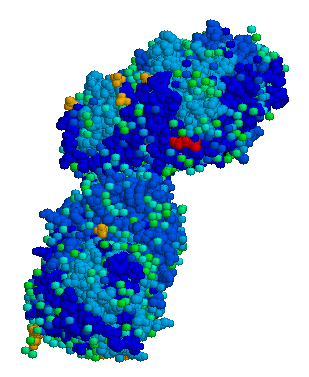
Doença de Gaucher
📋 Origem dos dados
Esta página agrega dados de fontes públicas e oficiais. Dados sobre cobertura no SUS (PCDT, CEAF) são verificados ativamente por agente proativo (ver badge no infobox). Demais dados têm atribuição de fonte + data da última sincronização — clique para abrir o original.
- Doença rara (ontologia)
- fonte: Orphanet
- Identificador unificado
- fonte: MONDO
- Codificação WHO/SUS
- fonte: WHO ICD-10 / DATASUS
- CID-11 (futuro)
- fonte: WHO ICD-11
- NIH/GARD
- fonte: GARD (NIH)
- Indexação biomédica
- fonte: MeSH (NLM)
- Dado público estruturado
- fonte: Wikidata
- Medicamentos (literatura)
- fonte: Orphanet
- Reposicionamento
- fonte: Drug Repurposing Hub
- Ensaios clínicos
- fonte: ClinicalTrials.gov