
Distúrbio hereditário do metabolismo peptídico caracterizado por lesões cutâneas graves, infecções recorrentes (envolvendo principalmente a pele e o sistema respiratório), características faciais dismórficas, comprometimento cognitivo variável e esplenomegalia.
Introdução
O que você precisa saber de cara
Distúrbio hereditário do metabolismo peptídico caracterizado por lesões cutâneas graves, infecções recorrentes (envolvendo principalmente a pele e o sistema respiratório), características faciais dismórficas, comprometimento cognitivo variável e esplenomegalia.
Escala de raridade
<1/50kMuito rara
1/20kRara
1/10kPouco freq.
1/5kIncomum
1/2k
Encontrou um erro ou informação desatualizada? Sugira uma correção →
Entender a doença
Do básico ao detalhe, leia no seu ritmo
Preparando trilha educativa...
Sinais e sintomas
O que aparece no corpo e com que frequência cada sintoma acontece
Partes do corpo afetadas
+ 16 sintomas em outras categorias
Características mais comuns
Os sintomas variam de pessoa para pessoa. Abaixo estão as 67 características clínicas mais associadas, ordenadas por frequência.
Linha do tempo da pesquisa
Encontrou um erro ou informação desatualizada? Sugira uma correção →
Genética e causas
O que está alterado no DNA e como passa nas famílias
Genes associados
1 gene identificado com associação a esta condição. Padrão de herança: Autosomal recessive.
Curadoria gene-doença
fontes oficiaisDipeptidase that catalyzes the hydrolysis of dipeptides with a prolyl (Xaa-Pro) or hydroxyprolyl residue in the C-terminal position (PubMed:17081196, PubMed:35165443). The preferred dipeptide substrate is Gly-Pro, but other Xaa-Pro dipeptides, such as Ala-Pro, Met-Pro, Phe-Pro, Val-Pro and Leu-Pro, can be cleaved (PubMed:17081196). Plays an important role in collagen metabolism because the high level of iminoacids in collagen (PubMed:2925654)
Prolidase deficiency
A multisystem disorder associated with massive iminodipeptiduria and lack of or reduced prolidase activity in erythrocytes, leukocytes, or cultured fibroblasts. Clinical features include skin ulcers, developmental delay, recurrent infections, and a characteristic facies.
Variantes genéticas (ClinVar)
114 variantes patogênicas registradas no ClinVar.
Classificação de variantes (ClinVar)
Distribuição de 106 variantes classificadas pelo ClinVar.
Diagnóstico
Os sinais que médicos procuram e os exames que confirmam
Tratamento e manejo
Remédios, cuidados de apoio e o que precisa acompanhar
Onde tratar no SUS
Hospitais de referência no Brasil e o protocolo oficial do SUS (PCDT)
🇧🇷 Atendimento SUS — Deficiência de prolidase
Selecione um estado ou use sua localização para ver resultados.
Dados de DATASUS/CNES, SBGM, ABNeuro e Ministério da Saúde. Sempre confirme a disponibilidade diretamente com o estabelecimento.
Pesquisa ativa
Ensaios clínicos abertos e novidades científicas recentes
Ensaios em destaque
Pesquisa e ensaios clínicos
1 ensaios clínicos encontrados.
Publicações mais relevantes
Monogenic and SLE-like disorders in the pediatric population: insights from a Northern Israel cohort.
IntroductionWhile Systemic Lupus Erythematosus (SLE) typically presents with a multifactorial etiology, rare monogenic forms exist, usually diagnosed during childhood with a severe clinical course. This study aims to identify monogenic causes of SLE within the pediatric population of Northern Israel and to suggest criteria for genetic evaluation in patients with childhood-onset SLE.MethodsClinical and genetic data were collected from a single tertiary pediatric medical center in Israel, between 2010 and 2021. Patients diagnosed with SLE before the age of 18 years were enrolled in the study. Monogenic SLE was suspected in patients with any of the following criteria: (1) family history of SLE, (2) consanguinity, (3) early onset of symptoms (under 10 years), (4), atypical clinical course, (5) male gender, (6) syndromic features. Genetic evaluations were performed for these patients.ResultsSeventy-five patients were diagnosed with SLE, of whom 18 (24%) met the criteria for suspected monogenic SLE. Genetic evaluations were conducted for 13 out of the 18 patients (72%) leading to a diagnosis of a monogenic form of SLE in 6 of the 13 patients (46%), and total of 8% from the entire cohort. Four patients were diagnosed with prolidase deficiency, one patient with Aicardi-Goutières syndrome (AGS) and one patient with Spondyloenchondrodysplasia with immune dysregulation (SPENCDI) syndrome. Additionally, candidate variants in C4B and ITPR3 genes were detected in an additional pedigree.ConclusionsMonogenic SLE was identified in 46% of the children within this selected cohort. A genetic diagnosis can yield direct clinical implications and enhance our understanding of the mechanisms involved in the more common sporadic forms of SLE.
Prolidase Deficiency Presenting With Pulmonary Arteriovenous Malformations and Seizures: Report of Two Cases From Iran.
Prolidase deficiency (PD) is a rare autosomal recessive metabolic disorder caused by pathogenic variants in the PEPD gene, which is responsible for making prolidase and collagen resynthesize. It leads to a wide range of clinical symptoms, including skin ulcers, intellectual disability, and recurrent infections. Diagnostics are based on the presence of dipeptides in the urine and prolidase activity in various cells, as well as the detection of the pathogenic variant in the PEPD gene; however, no standard method is currently known for its diagnosis nor for its treatment. Case 1 presents a 17-year-old male with dyspnea, cyanosis, and pulmonary arteriovenous malformations (AVMs), an atypical presentation for PD. Case 2, a one-year-old female with fever, seizures, productive coughs, erythematous ulcers, and developmental delays, highlights the disease's broad symptoms. This study widens our understanding of PD, especially for lesser-known populations, such as the population in Iran. It indicates considering PD in the differential diagnosis of various diseases and also a global collaboration for managing PD. The study also recommends a standard approach to diagnosing PD and a personal management system due to its broad manifestations. In addition, it indicates the need to consider different ethnic and geographical groups in future PD studies to further enhance our understanding of this rare disease.
Beyond Dermatological Findings: Multisystem Involvement in Prolidase Deficiency.
Objective: Prolidase deficiency is a metabolic and immunological disorder that is inherited in an autosomal recessive manner. In prolidase deficiency, a broad spectrum of differences is observed in patients, ranging from asymptomatic to multisystem involvement. There is scarce information in the literature on the atypical features and immunophenotypes of this disease. Aim of this study is to present 4 new cases to provide information on the rare features of the disease and to raise awareness. Materials and Methods: This study included 4 female patients with prolidase deficiency. Their demographic, clinical, and immunologic characteristics were obtained from their medical records. Results: There were 4 female patients (P1-P4), with a mean age of 18.5 years (min-max: 10-29) and a mean age of symptom onset of 6.9 years (min-max: 0.04-27). The main presenting complaints of the patients were skin lesions (100%), dysmorphic features (100%), neurodevelopmental delay (100%), frequent infections (100%), and prolonged diarrhea (50%). P2 had diffuse large B-cell lymphoma, resulting in early death. Interestingly, P1 and P2 experienced opportunistic infections such as cytomegalovirus, Epstein-Barr virus, and Pneumocystis jirovecii. Three patients (75%) had lymphopenia. Two patients had elevated IgE levels. Lymphocyte subgroup analysis showed an inverted CD4/CD8 ratio in all patients. In patients P1 and P2, the percentages of naive T cells and recent thymic emigrants were reduced, suggesting combined immune deficiency at the time of diagnosis. CD19+ B cells were also low in P1 and P2. Metabolic evaluations revealed low prolidase enzyme activity in P1 and P2. Conclusion: Beyond the well-known classical dermatological findings, the presence of recurrent opportunistic infections, gastrointestinal involvement, malignancy, and flow cytometry findings suggestive of combined immunodeficiency indicate that the diagnosis of prolidase deficiency may be underestimated. Knowing the atypical and rare presentations will facilitate diagnosis and treatment of affected patients.
Porto-sinusoidal vascular disorder in a pediatric patient with prolidase deficiency: A case report.
Prolidase deficiency (PD) is a rare autosomal recessive disorder affecting collagen turnover, leading to diverse clinical manifestations including dermatologic lesions, hepatosplenomegaly, and vascular anomalies. Liver involvement in PD is poorly understood, with few reported cases. We present a child with early-onset non-cirrhotic portal hypertension and PD. The patient initially presented with neonatal hemolytic anemia and hepatosplenomegaly. At age 9, recurrent epistaxis and splenomegaly led to splenectomy. Liver biopsy revealed sinusoidal dilation and parenchymal nodularity, later progressing to esophageal varices. Genetic testing identified pathogenic variants in peptidase-D gene, suggestive of PD, and biochemical testing confirmed the diagnosis. Given suspected vasculopathy, tocilizumab was initiated with clinical improvement. This case suggests a potential link between PD and porto-sinusoidal vascular disorder (PSVD), particularly nodular regenerative hyperplasia. Further research is needed to explore prolidase's role in vascular remodeling and its contribution to PSVD-related liver pathology. Early recognition may improve management and outcomes.
Clinical and biochemical characterization of a patient with prolidase deficiency, a rare disorder of collagen metabolism.
Prolidase deficiency (PD) is an autosomal recessive inborn error of metabolism, with an estimated incidence of 1 per 1.25 million births. Prolidase is critical for the turnover of proline and hydroxyproline-rich proteins, such as collagen. Collagen metabolism is essential for matrix regeneration during cellular proliferation and complex bodily functions such as wound healing and immunological cell differentiation. PD clinical manifestations include persistent skin ulcerations and poor wound healing, hypertelorism, high arched palate, depressed nasal bridge, micrognathia, splenomegaly, intellectual disability, recurring infections, and hematological abnormalities. Biochemically, a diagnosis of PD is supported by increased urinary excretion of glycyl-proline and other proline-containing iminopeptides detected by amino acid analysis. There are no current targeted therapies, but suggested interventions have included topical proline-glycine ointment, manganese supplementation, topical and oral steroids, and immunomodulation with monoclonal antibodies. Here, we describe a 30-year-old patient with PD whose clinical course has been characterized by recurrent skin ulcerations/cysts with secondary scarring, recurrent infections, anemia, thrombocytopenia, lymphopenia, elevated liver enzymes, hirsutism, and seemingly unrelated papillary thyroid cancer. Skin manifestations were particularly severe due to the added complication of a diagnosis of hidradenitis suppurativa. Quantitative analysis of amino acids and related compounds revealed markedly elevated glycyl-proline in urine and plasma. To further characterize the biochemical phenotype, untargeted metabolomic analysis was sent on both plasma and urine. An increase was noted in several metabolites from the prolidase-dependent dipeptide recycling pathways. A better understanding of the pathophysiological mechanisms involved in prolidase deficiency may prove useful as different therapeutic approaches are being considered.
Publicações recentes
Challenging diagnosis: prolidase deficiency presenting as nonhealing ulcers and pancytopenia complicated by gluten enteropathy-a case report.
Custom-compounded glycine-proline jelly for ulcers in prolidase deficiency.
Monogenic and SLE-like disorders in the pediatric population: insights from a Northern Israel cohort.
IgA-Dominant Mesangial Proliferative Glomerulonephritis in Prolidase Deficiency.
Porto-sinusoidal vascular disorder in a pediatric patient with prolidase deficiency: A case report.
📚 EuropePMC182 artigos no totalmostrando 75
Monogenic and SLE-like disorders in the pediatric population: insights from a Northern Israel cohort.
LupusIgA-Dominant Mesangial Proliferative Glomerulonephritis in Prolidase Deficiency.
Kidney international reportsPorto-sinusoidal vascular disorder in a pediatric patient with prolidase deficiency: A case report.
JPGN reportsProlidase Deficiency Presenting With Pulmonary Arteriovenous Malformations and Seizures: Report of Two Cases From Iran.
Case reports in pediatricsClinical and biochemical characterization of a patient with prolidase deficiency, a rare disorder of collagen metabolism.
Molecular genetics and metabolism reportsA Case of Prolidase Deficiency With Long-Term Clinical Follow-Up.
The Journal of dermatologyBeyond proline shortage: New insights into the pathophysiology of prolidase deficiency.
Molecular genetics and metabolismPatient With Prolidase Deficiency due to an Homozygous PEPD Variant, Induced by Paternal Uniparental Isodisomy of Chromosome 19.
American journal of medical genetics. Part AInterstitial Lung Disease in a Girl with Prolidase Deficiency.
Journal of clinical immunologyBeyond Dermatological Findings: Multisystem Involvement in Prolidase Deficiency.
Turkish archives of pediatricsA rare cause of immune dysregulation, prolidase deficiency: a case report and review of the literature.
Immunologic researchFurther Clinical Delineation of Prolidase Deficiency Associated with c.1103T>G Variant.
Molecular syndromologyMultiorgan Failure and Sepsis in an ICU Patient with Prolidase Enzyme Deficiency-The Specificity of Treatment and Care: A Case Report.
Medicina (Kaunas, Lithuania)Chronic Liver Disease in Patients with Prolidase Deficiency: A Case Series.
Case reports in gastroenterologyCluster Case of Prolidase Deficiency: Varied Clinical Presentations and Management in a Sibling Trio.
CureusRituximab to treat prolidase deficiency due to a novel pathogenic copy number variation in PEPD.
RMD openTopical Insulin Application in the Management of Resistant Leg Ulcers in a Patient With Prolidase Deficiency: A Case Report.
CureusExpanding the clinical and immunological phenotype of prolidase deficiency: A case report.
Pediatric dermatologyEstablishment of a human induced pluripotent stem cell line, KMUGMCi007-A, from a patient with prolidase deficiency (PD) bearing homozygous in-frame mutation in the PEPD gene.
Stem cell researchProlidase deficiency: A novel PEPD missense variant in exon 2.
American journal of medical genetics. Part AProlidase Deficiency Causes Spontaneous T Cell Activation and Lupus-like Autoimmunity.
Journal of immunology (Baltimore, Md. : 1950)[Pulmonary phenotypes of inborn errors of metabolism].
Revue des maladies respiratoiresAtopic Dermatitis-like Genodermatosis: Disease Diagnosis and Management.
Diagnostics (Basel, Switzerland)PEPD-Related Prolidase Deficiency Presenting as Hyper-immunoglobulin E Syndrome.
Journal of clinical immunologyProlidase deficiency, a rare inborn error of immunity, clinical phenotypes, immunological features, and proposed treatments in twins.
Allergy, asthma, and clinical immunology : official journal of the Canadian Society of Allergy and Clinical ImmunologyObstinate leg ulceration secondary to prolidase deficiency, treated with 5% topical proline.
Clinical and experimental dermatologyRecurrent Skin Ulcers with Facial Dysmorphism and Sinopulmonary Infections: Thinking Beyond Hyper-IgE Syndrome.
Journal of pediatric geneticsLC-MS/MS Identification of Prolidase Deficiency: A Rare Cause of Infantile Hepatosplenomegaly.
Clinical chemistryA case of prolidase deficiency in a male patient.
Pediatric dermatologyProlidase deficiency in an infant with an incidental finding of methaemoglobinaemia.
BMJ case reportsProlidase Deficiency Causing Recalcitrant Leg Ulcerations in Siblings.
Advances in skin & wound careOsteoarticular Manifestations of Prolidase Deficiency and Disability: Case Reports of Two Moroccan Sisters.
CureusPROLIDASE: A Review from Discovery to its Role in Health and Disease.
Frontiers in molecular biosciencesMacrophage Activation Syndrome in a Patient with Prolidase Deficiency: a Rare Genetic Disorder Associated with Elevated IgE and Lupus-Like Syndrome.
Journal of clinical immunologyLeg ulcers in childhood: A multicenter study in France.
Annales de dermatologie et de venereologieQuantitative analysis of the natural history of prolidase deficiency: description of 17 families and systematic review of published cases.
Genetics in medicine : official journal of the American College of Medical GeneticsStructural analysis of new compound heterozygous variants in PEPD gene identified in a patient with Prolidase Deficiency diagnosed by exome sequencing.
Genetics and molecular biologyAn Adult with Recurrent Severe Pneumococcal Pneumonia Secondary to Prolidase Deficiency.
The Israel Medical Association journal : IMAJProlidase Deficiency in Very Early Onset Inflammatory Bowel Disease (VEO-IBD).
Indian journal of pediatricsProlidase - A protein with many faces.
BiochimieRefractory leg ulcers in prolidase deficiency with antiphospholipid antibody positivity responding to aspirin-hydroxychloroquine-vitamin C combination therapy.
Dermatologic therapyCurrent Understanding of the Emerging Role of Prolidase in Cellular Metabolism.
International journal of molecular sciencesCo-expression with chaperones can affect protein 3D structure as exemplified by loss-of-function variants of human prolidase.
FEBS lettersPolidistrectual videocapillaroscopic evaluation in a patient with prolidase deficiency.
Clinical and experimental rheumatologyClinical Genetics of Prolidase Deficiency: An Updated Review.
BiologyProlidase deficiency in two dermatological patients in western Sicily.
Giornale italiano di dermatologia e venereologia : organo ufficiale, Societa italiana di dermatologia e sifilografiaInduction therapy with rituximab for lupus nephritis due to prolidase deficiency.
Rheumatology (Oxford, England)Prolidase deficiency: a new genetic cause of combined pulmonary fibrosis and emphysema syndrome in the adult.
The European respiratory journalTopical tacrolimus therapy in the management of lower extremity ulcers due to prolidase deficiency.
Pediatric dermatologyUlceration in Prolidase Deficiency: Successful Treatment with Anticoagulants.
Acta dermato-venereologicaProlidase enzyme is required for extracellular matrix integrity and impacts on postnatal cerebellar cortex development.
The Journal of comparative neurologyA rare case of prolidase deficiency with situs inversus totalis, identified by a novel mutation in the PEPD gene.
JAAD case reportsA Novel Manifestation of Prolidase Deficiency in a Toddler Diagnosed With Very-early-onset Crohn Disease.
Journal of pediatric gastroenterology and nutritionA rare cause of cutaneous ulceration: Prolidase deficiency.
International wound journalProlidase deficiency diagnosed by whole exome sequencing in a child with pulmonary capillaritis.
ERJ open researchRare diseases that mimic Systemic Lupus Erythematosus (Lupus mimickers).
Joint bone spineStructural basis for prolidase deficiency disease mechanisms.
The FEBS journalTopical proline therapy in prolidase deficiency.
Clinical and experimental dermatologyProlidase deficiency in two sisters with recurrent ulcerations of the lower extremities.
Journal der Deutschen Dermatologischen Gesellschaft = Journal of the German Society of Dermatology : JDDGA Case Of 13-Year-Old Girl With Prolidase Deficiency.
Journal of Ayub Medical College, Abbottabad : JAMCSubstrate specificity and reaction mechanism of human prolidase.
The FEBS journalEvidence-based (S3) Guidelines for Diagnostics and treatment of venous leg ulcers - Answer to Dr Bertolini.
Journal of the European Academy of Dermatology and Venereology : JEADVLeg ulcers caused by genetic disease 'prolidase deficiency'.
Journal of the European Academy of Dermatology and Venereology : JEADVHyperbaric oxygen therapy in the management of severe leg ulcers from prolidase deficiency.
BMJ case reportsPulmonary manifestations of prolidase deficiency.
Pediatric pulmonologyProlidase Deficiency in a Mexican-American Patient Identified by Array CGH Reveals a Novel and the Largest PEPD Gene Deletion.
Molecular syndromologySpurious Elevation of Multiple Urine Amino Acids by Ion-Exchange Chromatography in Patients with Prolidase Deficiency.
JIMD reportsA Rare Cause of Lower Extremity Ulcers: Prolidase Deficiency.
The international journal of lower extremity woundsDifferential Diagnosis of Genetic Disorders Associated with Moderate to Severe Refractory Eczema and Elevated Immunoglobulin E.
Actas dermo-sifiliograficas[Septic shock originating with a skin infection in a patient with prolidase deficiency].
Emergencias : revista de la Sociedad Espanola de Medicina de EmergenciasINFLAMMATORY BOWEL DISEASE-LIKE PHENOTYPE IN A YOUNG GIRL WITH PROLIDASE DEFICIENCY: A NEW SPECTRUM OF CLINICAL MANIFESTATION.
Genetic counseling (Geneva, Switzerland)Plasma Prolidase Activity and Oxidative Stress in Patients with Parkinson's Disease.
Parkinson's diseaseFlavivirus Antagonism of Type I Interferon Signaling Reveals Prolidase as a Regulator of IFNAR1 Surface Expression.
Cell host & microbeA case of prolidase deficiency accompanying leg ulcers.
The international journal of lower extremity woundsSolitary Mastocytoma of the Eyelid in an Adult Patient With Prolidase Deficiency.
Ophthalmic plastic and reconstructive surgeryAssociações
Organizações que acompanham esta doença — pra ter apoio e orientação
Ainda não temos associações cadastradas para Deficiência de prolidase.
É de uma associação que acompanha esta doença? Fale com a gente →
Comunidades
Grupos ativos de quem convive com esta doença aqui no Raras
Ainda não existe comunidade no Raras para Deficiência de prolidase
Pacientes, familiares e cuidadores se organizam em comunidades pra compartilhar experiências, fazer perguntas e se apoiar. Você pode ser o primeiro.
Tire suas dúvidas
Perguntas, dicas e experiências compartilhadas aqui na página
Participe da discussão
Faça login para postar dúvidas, compartilhar experiências e interagir com especialistas.
Fazer loginDoenças relacionadas
Doenças com sintomas parecidos — ajudam quem ainda está buscando diagnóstico
Referências e fontes
Bases de dados externas citadas neste artigo
Publicações científicas
Artigos indexados no PubMed ligados a esta doença no grafo RarasNet — título, periódico e PMID direto da fonte, sem intermediação de IA.
- Monogenic and SLE-like disorders in the pediatric population: insights from a Northern Israel cohort.
- Prolidase Deficiency Presenting With Pulmonary Arteriovenous Malformations and Seizures: Report of Two Cases From Iran.
- Beyond Dermatological Findings: Multisystem Involvement in Prolidase Deficiency.
- Porto-sinusoidal vascular disorder in a pediatric patient with prolidase deficiency: A case report.
- Clinical and biochemical characterization of a patient with prolidase deficiency, a rare disorder of collagen metabolism.
- Challenging diagnosis: prolidase deficiency presenting as nonhealing ulcers and pancytopenia complicated by gluten enteropathy-a case report.
- Custom-compounded glycine-proline jelly for ulcers in prolidase deficiency.
- IgA-Dominant Mesangial Proliferative Glomerulonephritis in Prolidase Deficiency.
Bases de dados e fontes oficiais
Identificadores e referências canônicas usadas para montar este verbete.
- ORPHA:742(Orphanet)
- OMIM OMIM:170100(OMIM)
- MONDO:0008221(MONDO)
- GARD:7473(GARD (NIH))
- Variantes catalogadas(ClinVar)
- Busca completa no PubMed(PubMed)
- Q7249599(Wikidata)
Dados compilados pelo RarasNet a partir de fontes abertas (Orphanet, OMIM, MONDO, PubMed/EuropePMC, ClinicalTrials.gov, DATASUS, PCDT/MS). Este conteúdo é informativo e não substitui avaliação médica.
Conteúdo mantido por Agente Raras · Médicos e pesquisadores podem colaborar
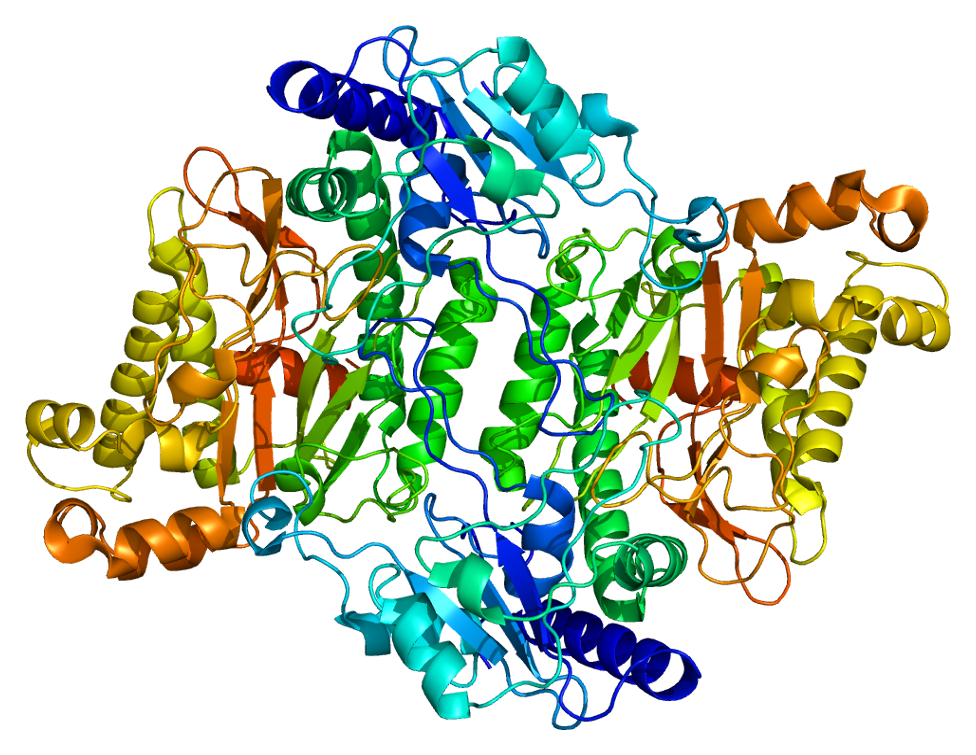
Deficiência de prolidase
📋 Origem dos dados
Esta página agrega dados de fontes públicas e oficiais. Dados sobre cobertura no SUS (PCDT, CEAF) são verificados ativamente por agente proativo (ver badge no infobox). Demais dados têm atribuição de fonte + data da última sincronização — clique para abrir o original.
- Doença rara (ontologia)
- fonte: Orphanet
- Identificador unificado
- fonte: MONDO
- Genética mendeliana
- fonte: OMIM
- Codificação WHO/SUS
- fonte: WHO ICD-10 / DATASUS
- CID-11 (futuro)
- fonte: WHO ICD-11
- NIH/GARD
- fonte: GARD (NIH)
- Indexação biomédica
- fonte: MeSH (NLM)
- Dado público estruturado
- fonte: Wikidata