
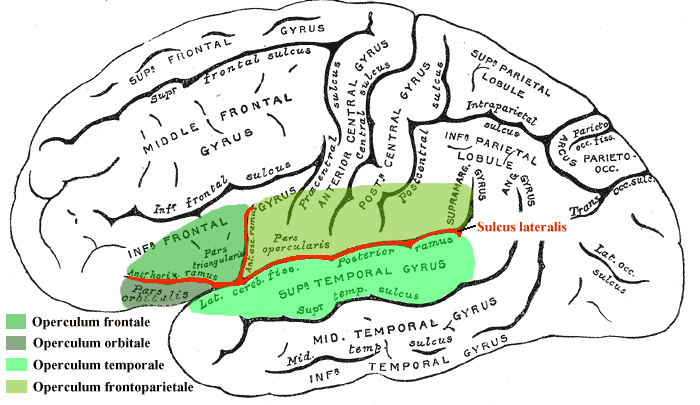
A Síndrome de Foix-Chavany-Marie (SFCM) é um tipo de paralisia cerebral que atinge os nervos que controlam a parte inferior do rosto, garganta e língua. Ela se caracteriza por dificuldade grave para falar (disartria) e para engolir (disfagia), associadas a uma paralisia que afeta os dois lados dos músculos da face, faringe (garganta), língua e mastigação. Uma característica importante é que há uma diferença notável entre os movimentos voluntários e involuntários: a pessoa tem dificuldade de mover esses músculos por vontade própria, mas os movimentos automáticos ou involuntários desses músculos são mantidos.
Introdução
O que você precisa saber de cara
A Síndrome de Foix-Chavany-Marie (SFCM) é um tipo de paralisia cerebral que atinge os nervos que controlam a parte inferior do rosto, garganta e língua. Ela se caracteriza por dificuldade grave para falar (disartria) e para engolir (disfagia), associadas a uma paralisia que afeta os dois lados dos músculos da face, faringe (garganta), língua e mastigação. Uma característica importante é que há uma diferença notável entre os movimentos voluntários e involuntários: a pessoa tem dificuldade de mover esses músculos por vontade própria, mas os movimentos automáticos ou involuntários desses músculos são mantidos.
Escala de raridade
<1/50kMuito rara
1/20kRara
1/10kPouco freq.
1/5kIncomum
1/2k
Encontrou um erro ou informação desatualizada? Sugira uma correção →
Entender a doença
Do básico ao detalhe, leia no seu ritmo
Preparando trilha educativa...
Sinais e sintomas
O que aparece no corpo e com que frequência cada sintoma acontece
Partes do corpo afetadas
+ 3 sintomas em outras categorias
Características mais comuns
Os sintomas variam de pessoa para pessoa. Abaixo estão as 8 características clínicas mais associadas, ordenadas por frequência.
Linha do tempo da pesquisa
Encontrou um erro ou informação desatualizada? Sugira uma correção →
Genética e causas
O que está alterado no DNA e como passa nas famílias
Nenhum gene associado encontrado
Os dados genéticos desta condição ainda estão sendo catalogados.
Diagnóstico
Os sinais que médicos procuram e os exames que confirmam
Tratamento e manejo
Remédios, cuidados de apoio e o que precisa acompanhar
Onde tratar no SUS
Hospitais de referência no Brasil e o protocolo oficial do SUS (PCDT)
🇧🇷 Atendimento SUS — Síndrome Foix-Chavany-Marie
Selecione um estado ou use sua localização para ver resultados.
Dados de DATASUS/CNES, SBGM, ABNeuro e Ministério da Saúde. Sempre confirme a disponibilidade diretamente com o estabelecimento.
Pesquisa ativa
Ensaios clínicos abertos e novidades científicas recentes
Pesquisa e ensaios clínicos
Nenhum ensaio clínico registrado para esta condição.
Publicações mais relevantes
A Case of Foix-Chavany-Marie Syndrome with History of Glioblastoma Showing Partial Recovery.
Foix-Chavany-Marie syndrome (FCMS) or bilateral opercular syndrome (OPS) is a rare pseudobulbar palsy characterized by facial, lingual, pharyngeal, and masticatory voluntary muscle paralysis resulting in anarthria with preservation of autonomic, involuntary, and reflexive functions. Damage to the posterior part of the inferior frontal gyrus and inferior part of precentral gyrus play a role in the pathogenesis of FCMS. We report a rare case of bilateral OPS following an acute right middle cerebral artery (MCA) infarct in a patient with history of glioblastoma, and resection in the left MCA territory within the cingulate gyrus, showing recovery of speech and swallowing despite intensive bilateral opercular lesions owing to extensive multidisciplinary team support. However, the patient was discharged with a percutaneous endoscopic gastrostomy tube for long-term enteral feeding support due to partial recovery. The patient's history of glioblastoma, left MCA cingulate gyrus resection and right MCA infarction with automatic-voluntary dissociation led to the diagnosis of FCMS. Rehabilitation surprisingly showed mild improvement in speech and swallowing despite extensive bilateral opercular lesions proving that there are still chances of improvement in speech and swallowing in OPS with the right multidisciplinary approach. Patients with a history of brain tumours like glioblastoma can develop bilateral OPS later in life in case of other vascular events that cause lesions in a previously unaffected operculum, triggering symptoms. Extensive involvement of the speech and language team is of significant in the management of FCMS cases as above where some recovery might still be seen. Foix-Chavany-Marie syndrome (FCMS) can be caused by bilateral opercular lesions (new or old or a combination of both) in patients with history of high-grade brain tumours.Patients with bilateral opercular syndrome experience full or partial or no recovery at all of speech and swallowing, hence proper rehabilitation with a Speech and Language Team is significant.Understanding automatic-voluntary dissociation in FCMS and being able to differentiate it from bulbar palsy and other similar phenomena is crucial in making a diagnosis of FCMS.
Partial Anterior Opercular Syndrome as Surgical Complication: Case Presentation and Brief Review of Literature.
Anterior opercular syndrome (a.k.a. Foix-Chavany-Marie syndrome) is a rare neurological condition, described as a paralysis of the mouth and tongue usually caused by a bilateral lesion of the frontal opercular area. The patient presents with speaking, chewing, and swallowing impairment, but autonomic and emotional functions-like smiling and yawning-are typically preserved. We present our patient's clinical data after critical analysis, together with a brief literature review about anterior opercular syndrome caused by unilateral opercular lesions. To our knowledge, less than 20 cases of anterior opercular syndrome caused by unilateral lesions are described in the literature. In some patients, a contralateral lesion can be detected on brain imaging in regions different from the anterior opercular cortex. This syndrome can rarely occur as a consequence of unilateral opercular cortex damage. The possible role of contralateral lesions located in neuronal pathways functionally related to the anterior operculum requires further investigation.
Speech motor rehabilitation in opercular syndrome: a case study.
Anterior Opercular Syndrome, or Foix-Chavany-Marie Syndrome (FCMS), is a rare pseudobulbar palsy that severely impacts speech and swallowing due to orofacial muscle weakness. Limited research exists on therapeutic approaches targeting motor speech deficits in this condition. This case study aimed to evaluate the efficacy of speech based oromotor exercises in improving speech intelligibility and oromotor control in a 20-year-old male with FCMS. A personalized therapy regimen emphasizing the strength and mobility of jaw, lip, and tongue and exercises to improve intraoral pressure was implemented thrice weekly over three weeks. Progress was systematically recorded using the domains of Frenchay Dysarthria Assessment. Steady improvements in articulatory precision, speech clarity, and specific oromotor functions were observed, with significant gains in intelligibility was observed. However, slow progress was noted in tongue lateralization and intraoral pressure. This study demonstrates the potential of structured speech-based oromotor therapy to enhance speech outcomes in FCMS, offering a foundation for further research into targeted therapeutic models for this rare condition.
Foix-Chavany-Marie syndrome: A rare presentation with arachnoid cyst involvement.
Foix-Chavany-Marie syndrome, also known as opercular syndrome, is a rare neurological condition typically caused by bilateral lesions of the opercular cortex. Involvement of arachnoid cysts in the pathogenesis is extremely uncommon. We report the case of a 66-year-old male who presented with sudden-onset dysarthria, dysphagia, and bilateral lower facial paralysis, but retained the ability to yawn and smile, demonstrating the characteristic dissociation between voluntary and involuntary orofacial movements. Magnetic resonance imaging revealed an acute infarction in the left corona radiata and a right-sided arachnoid cyst, leading to a diagnosis of Foix-Chavany-Marie syndrome. This case highlights a classic presentation of Foix-Chavany-Marie syndrome with a potentially novel pathogenic contribution from an arachnoid cyst.
Opercular Syndrome without Involvement of Opercular Area-An Uncommon Presentation of Stroke: A Case Report.
Foix Chavany Marie syndrome (FCMS), or opercular syndrome, is a rare type of pseudobulbar palsy characterized by paralysis of bilateral facio-linguovelo-masticatory and pharyngeal muscles with automatic-voluntary dissociation. This syndrome was first described by Magnus in 1837 and further defined by two French neurologists, Charles Foix and Jean Alfred Emile Chavany, along with one French pediatrician, Julie Marie, who reported it first in 1926. Since then, a few cases have been reported across the world. We hereby report a case of FCMS in a 61-year-old male patient who presented to us with two different cerebrovascular events.
Publicações recentes
A Case of Foix-Chavany-Marie Syndrome with History of Glioblastoma Showing Partial Recovery.
Partial Anterior Opercular Syndrome as Surgical Complication: Case Presentation and Brief Review of Literature.
Speech motor rehabilitation in opercular syndrome: a case study.
Foix-Chavany-Marie syndrome: A rare presentation with arachnoid cyst involvement.
Opercular Syndrome without Involvement of Opercular Area-An Uncommon Presentation of Stroke: A Case Report.
📚 EuropePMC74 artigos no totalmostrando 49
A Case of Foix-Chavany-Marie Syndrome with History of Glioblastoma Showing Partial Recovery.
European journal of case reports in internal medicinePartial Anterior Opercular Syndrome as Surgical Complication: Case Presentation and Brief Review of Literature.
Case reports in neurological medicineSpeech motor rehabilitation in opercular syndrome: a case study.
European archives of oto-rhino-laryngology : official journal of the European Federation of Oto-Rhino-Laryngological Societies (EUFOS) : affiliated with the German Society for Oto-Rhino-Laryngology - Head and Neck SurgeryFoix-Chavany-Marie syndrome: A rare presentation with arachnoid cyst involvement.
Radiology case reportsOpercular Syndrome without Involvement of Opercular Area-An Uncommon Presentation of Stroke: A Case Report.
The Journal of the Association of Physicians of IndiaA Rare Case of a Good Neurological Outcome following Traumatic Foix-Chavany-Marie Syndrome.
Case reports in critical careRecurrent lacunar strokes in a patient with small vessel disease: rare but not negligible cause of Foix-Chavany-Marie syndrome.
Neurological sciences : official journal of the Italian Neurological Society and of the Italian Society of Clinical NeurophysiologyFoix-Chavany-Marie syndrome due to unilateral opercular infarction-A case report.
Clinical case reportsCorticobasal syndrome mimicking Foix-Chavany-Marie syndrome with suggested 4-repeat tauopathy by tau PET.
BMC geriatricsAtypical Presentations of Foix-Chavany-Marie Syndrome (FCMS) in Stroke.
Cureus[A rare caseof anarthriaand dysphagia].
Ugeskrift for laegerA Case of Foix-Chavany-Marie Syndrome With Asynchronous Bilateral Opercular Infarcts and Chronic Bilateral Cerebellar Infarcts.
CureusFoix-Chavany-Marie syndrome as a heralding feature of acute disseminated encephalomyelitis.
Acta neurologica BelgicaFoix-Chavany-Marie Syndrome as Result of Acute Bilateral Frontal-Opercular Strokes.
The NeurohospitalistThe nature of the automatic-voluntary dissociation in Foix-Chavany-Marie syndrome.
Acta neurologica BelgicaFoix-Chavany-Marie Syndrome - A Rare Presentation of Unilateral Opercular Infarction.
Neurology IndiaFoix-Chavany-Marie syndrome due to bilateral opercular ischemic lesions.
Acta neurologica BelgicaThe Foix-Chavany-Marie syndrome due to herpes symplex virus encephalitis type 2.
NeurologiaA case of aphemia following non-dominant sub-insular stroke: unveiling the Foix-Chavany-Marie phenomenon.
NeurocaseFoix-Chavany-Marie Syndrome as a Manifestation of Unilateral Opercular Stroke.
European journal of case reports in internal medicineFoix-Chavany-Marie syndrome due to unilateral anterior opercular infarction with leukoaraiosis.
Proceedings (Baylor University. Medical Center)Importance of Rapid Clinical Recognition of the Anterior Opercular Syndrome (Foix-Chavany-Marie Syndrome): A Case Report.
Case reports in neurologyThe Frontal Aslant Tract: A Systematic Review for Neurosurgical Applications.
Frontiers in neurologyIschemic stroke during the puerperium presenting as a bilateral anterior opercular (Foix-Chavany-Marie) syndrome.
Clinical neurology and neurosurgeryRare case of bilateral carotid artery dissection presenting with Foix-Chavany-Marie syndrome.
BMJ case reportsSyndrome of the Trephined presenting as Foix-Chavany-Marie syndrome.
Clinical neurology and neurosurgeryFoix-Chavany-Marie Syndrome due to Unilateral Anterior Opercular Damage with Contralateral Infarction of Corona Radiata.
Case reports in neurologyFoix-Chavany-Marie syndrome due to type E TDP43 pathology.
Neuropathology and applied neurobiologyFrench neurologists Charles Foix and Jean Alfred Émile Chavany and French pediatrician Julien Marie and the Foix-Chavany-Marie syndrome.
Child's nervous system : ChNS : official journal of the International Society for Pediatric NeurosurgeryAn unusual case of bilateral anterior opercular syndrome from a neuro-rehabilitation perspective.
JAAPA : official journal of the American Academy of Physician AssistantsTeaching Video NeuroImages: Foix-Chavany-Marie syndrome.
Neurology[Foix-Chavany-Marie Syndrome: A Clinical Overview].
Brain and nerve = Shinkei kenkyu no shinpoThe patient's perspective: follow-up Foix-Chavany-Marie syndrome secondary to bilateral traumatic operculum injury.
Acta neurochirurgicaFoix-Chavany-Marie syndrome as the presenting sign of HIV-related PML.
Neurology. Clinical practiceFoix-Chavany-Marie syndrome secondary to bilateral traumatic operculum injury.
Acta neurochirurgicaFoix-Chavany-Marie Syndrome Induced by a Unilateral Brain Abscess.
Internal medicine (Tokyo, Japan)Jaw clonus and opercular syndrome in ALS: a rare and interesting finding.
Acta neurologica BelgicaDysphagia management in bilateral frontal opercular syndrome (Foix-Chavany-Marie syndrome).
BMJ case reportsProgressive anterior operculum syndrome due to frontotemporal lobar degeneration.
Neurological sciences : official journal of the Italian Neurological Society and of the Italian Society of Clinical NeurophysiologyBilateral Anterior Opercular Syndrome.
The Journal of the Association of Physicians of IndiaReversible opercular syndrome secondary to osmotic demyelination.
Clinical neurology and neurosurgeryProlonged acyclovir treatment in a child with opercular syndrome related to herpes simplex encephalitis.
Journal of infection and public healthNeural substrates of the 'low-level' system for speech articulation: Evidence from primary opercular syndrome.
Journal of neuropsychologyClinical Reasoning: An 11-year-old boy with language disorder and epilepsy.
NeurologyFoix-Chavany-Marie syndrome after an isolated pontine infarct: A 7-year follow-up.
Neurology India[Foix-Chavany-Marie syndrome presenting as multiple sclerosis].
Revista de neurologiaFoix-Chavany-Marie Syndrome after Unilateral Stroke.
European neurologyFoix-Chavany-Marie or opercular syndrome.
JBR-BTR : organe de la Societe royale belge de radiologie (SRBR) = orgaan van de Koninklijke Belgische Vereniging voor Radiologie (KBVR)Anterior opercular syndrome induced by Epstein-Barr virus encephalitis.
NeurocaseAssociações
Organizações que acompanham esta doença — pra ter apoio e orientação
Ainda não temos associações cadastradas para Síndrome Foix-Chavany-Marie.
É de uma associação que acompanha esta doença? Fale com a gente →
Comunidades
Grupos ativos de quem convive com esta doença aqui no Raras
Ainda não existe comunidade no Raras para Síndrome Foix-Chavany-Marie
Pacientes, familiares e cuidadores se organizam em comunidades pra compartilhar experiências, fazer perguntas e se apoiar. Você pode ser o primeiro.
Tire suas dúvidas
Perguntas, dicas e experiências compartilhadas aqui na página
Participe da discussão
Faça login para postar dúvidas, compartilhar experiências e interagir com especialistas.
Fazer loginDoenças relacionadas
Doenças com sintomas parecidos — ajudam quem ainda está buscando diagnóstico
Referências e fontes
Bases de dados externas citadas neste artigo
Publicações científicas
Artigos indexados no PubMed ligados a esta doença no grafo RarasNet — título, periódico e PMID direto da fonte, sem intermediação de IA.
- A Case of Foix-Chavany-Marie Syndrome with History of Glioblastoma Showing Partial Recovery.
- Partial Anterior Opercular Syndrome as Surgical Complication: Case Presentation and Brief Review of Literature.
- Speech motor rehabilitation in opercular syndrome: a case study.European archives of oto-rhino-laryngology : official journal of the European Federation of Oto-Rhino-Laryngological Societies (EUFOS) : affiliated with the German Society for Oto-Rhino-Laryngology - Head and Neck Surgery· 2025· PMID 40699226mais citado
- Foix-Chavany-Marie syndrome: A rare presentation with arachnoid cyst involvement.
- Opercular Syndrome without Involvement of Opercular Area-An Uncommon Presentation of Stroke: A Case Report.
Bases de dados e fontes oficiais
Identificadores e referências canônicas usadas para montar este verbete.
- ORPHA:2048(Orphanet)
- MONDO:0023171(MONDO)
- GARD:2351(GARD (NIH))
- Busca completa no PubMed(PubMed)
- Q1435202(Wikidata)
Dados compilados pelo RarasNet a partir de fontes abertas (Orphanet, OMIM, MONDO, PubMed/EuropePMC, ClinicalTrials.gov, DATASUS, PCDT/MS). Este conteúdo é informativo e não substitui avaliação médica.
Conteúdo mantido por Agente Raras · Médicos e pesquisadores podem colaborar
Síndrome Foix-Chavany-Marie
📋 Origem dos dados
Esta página agrega dados de fontes públicas e oficiais. Dados sobre cobertura no SUS (PCDT, CEAF) são verificados ativamente por agente proativo (ver badge no infobox). Demais dados têm atribuição de fonte + data da última sincronização — clique para abrir o original.
- Doença rara (ontologia)
- fonte: Orphanet
- Identificador unificado
- fonte: MONDO
- Codificação WHO/SUS
- fonte: WHO ICD-10 / DATASUS
- NIH/GARD
- fonte: GARD (NIH)
- Indexação biomédica
- fonte: MeSH (NLM)
- Dado público estruturado
- fonte: Wikidata