
Síndrome de resistência aos hormônios tireoidianos caracterizada por resistência na glândula pituitária e na maioria ou em todos os tecidos periféricos.
Introdução
O que você precisa saber de cara
Síndrome de resistência aos hormônios tireoidianos caracterizada por resistência na glândula pituitária e na maioria ou em todos os tecidos periféricos.
Encontrou um erro ou informação desatualizada? Sugira uma correção →
Entender a doença
Do básico ao detalhe, leia no seu ritmo
Preparando trilha educativa...
Sinais e sintomas
O que aparece no corpo e com que frequência cada sintoma acontece
Partes do corpo afetadas
+ 24 sintomas em outras categorias
Características mais comuns
Os sintomas variam de pessoa para pessoa. Abaixo estão as 64 características clínicas mais associadas, ordenadas por frequência.
Linha do tempo da pesquisa
Encontrou um erro ou informação desatualizada? Sugira uma correção →
Genética e causas
O que está alterado no DNA e como passa nas famílias
Genes associados
7 genes identificados com associação a esta condição.
Nuclear hormone receptor that can act as a repressor or activator of transcription. High affinity receptor for thyroid hormones, including triiodothyronine and thyroxine
Nucleus
Thyroid hormone resistance, generalized, autosomal dominant
An autosomal dominant disease characterized by high levels of circulating thyroid hormones (T3-T4), goiter, abnormal mental functions, increased susceptibility to infections, abnormal growth and bone maturation, tachycardia and deafness. Affected individuals may also have attention deficit-hyperactivity disorders (ADHD) and language difficulties. Patients have normal or slightly elevated thyroid stimulating hormone (TSH).
Transcription factor required for the development of the heart and the spleen (PubMed:22560297). During heart development, acts as a transcriptional activator of NPPA/ANF in cooperation with GATA4 (By similarity). May cooperate with TBX2 to negatively modulate expression of NPPA/ANF in the atrioventricular canal (By similarity). Binds to the core DNA motif of NPPA promoter (PubMed:22849347, PubMed:26926761). Together with PBX1, required for spleen development through a mechanism that involves CD
Nucleus
Atrial septal defect 7, with or without atrioventricular conduction defects
A congenital heart malformation characterized by incomplete closure of the wall between the atria resulting in blood flow from the left to the right atria, and atrioventricular conduction defects in some cases.
Transcription factor that binds consensus sites on a variety of gene promoters and activate their transcription. Involved in proper palate formation, most probably through the expression of MSX1 and TGFB3 genes which are direct targets of this transcription factor. Also implicated in thyroid gland morphogenesis. May indirectly play a role in cell growth and migration through the regulation of WNT5A expression
Nucleus
Bamforth-Lazarus syndrome
An autosomal recessive disease characterized by congenital hypothyroidism due to thyroid agenesis or thyroid hypoplasia, cleft palate, spiky hair, with or without choanal atresia, and bifid epiglottis.
Receptor for the thyroid-stimulating hormone (TSH) or thyrotropin (PubMed:11847099, PubMed:12045258). Also acts as a receptor for the heterodimeric glycoprotein hormone (GPHA2:GPHB5) or thyrostimulin (PubMed:12045258). TSHR is coupled to G(s) proteins and mediates the activation of adenylate cyclase (PubMed:11847099, PubMed:35940205, PubMed:35940204). This leads to the generation of cyclic adenosine monophosphate (cAMP), which in turn activates protein kinase A (PKA). PKA subsequently phosphoryl
Cell membraneBasolateral cell membrane
Sodium-independent transporter of chloride and iodide (PubMed:10192399, PubMed:11932316, PubMed:12107249, PubMed:16684826, PubMed:24051746). Mediates electroneutral chloride-bicarbonate, chloride-iodide and chloride-formate exchange with 1:1 stoichiometry (PubMed:10644529, PubMed:15155570, PubMed:24051746, PubMed:35601831). Mediates electroneutral iodide-bicarbonate exchange (By similarity)
Cell membraneApical cell membrane
Pendred syndrome
An autosomal recessive disorder characterized by congenital sensorineural hearing loss in association with thyroid goiter. The disorder may account for up to 10% of the cases of hereditary deafness. The deafness is most often associated with a Mondini cochlear defect. Deafness occurs early, starting at birth or during the first years of life. It is bilateral, sometimes asymmetrical, fluctuant and often progressive. Thyroid perturbations, such as thyroid goiter and/or hypothyroidism appear most commonly during adolescence, but they can be congenital or appear later.
Transcription factor for the thyroid-specific expression of the genes exclusively expressed in the thyroid cell type, maintaining the functional differentiation of such cells
Nucleus
Hypothyroidism, congenital, non-goitrous, 2
A disease characterized by thyroid dysgenesis, the most frequent cause of congenital hypothyroidism, accounting for 85% of case. The thyroid gland can be completely absent (athyreosis), ectopically located and/or severely hypoplastic. Ectopic thyroid gland is the most frequent malformation, with thyroid tissue being found most often at the base of the tongue.
Transcription factor that binds and activates the promoter of thyroid specific genes such as thyroglobulin, thyroperoxidase, and thyrotropin receptor. Crucial in the maintenance of the thyroid differentiation phenotype. May play a role in lung development and surfactant homeostasis. Forms a regulatory loop with GRHL2 that coordinates lung epithelial cell morphogenesis and differentiation. Activates the transcription of GNRHR and plays a role in enhancing the circadian oscillation of its gene exp
Nucleus
Chorea, hereditary benign
A rare autosomal dominant movement disorder, defined by early onset in childhood, a stable or non-progressive course of chorea, and no mental deterioration. Chorea is characterized by involuntary, forcible, rapid, jerky movements that may be subtle or become confluent, markedly altering normal patterns of movement.
Variantes genéticas (ClinVar)
430 variantes patogênicas registradas no ClinVar.
Classificação de variantes (ClinVar)
Distribuição de 6 variantes classificadas pelo ClinVar.
Vias biológicas (Reactome)
13 vias biológicas associadas aos genes desta condição.
Diagnóstico
Os sinais que médicos procuram e os exames que confirmam
Tratamento e manejo
Remédios, cuidados de apoio e o que precisa acompanhar
Onde tratar no SUS
Hospitais de referência no Brasil e o protocolo oficial do SUS (PCDT)
🇧🇷 Atendimento SUS — Resistência ao hormônio tireoidiano generalizada
Selecione um estado ou use sua localização para ver resultados.
Dados de DATASUS/CNES, SBGM, ABNeuro e Ministério da Saúde. Sempre confirme a disponibilidade diretamente com o estabelecimento.
Pesquisa ativa
Ensaios clínicos abertos e novidades científicas recentes
Ensaios em destaque
🟢 Recrutando agora
1 pesquisa recrutando participantes. Converse com seu médico sobre a possibilidade de participar.
Outros ensaios clínicos
Publicações mais relevantes
Publicações recentes
Familial Dysalbuminemic Hyperthyroxinemia in a Japanese Man Caused by a Point Albumin Gene Mutation (R218P).
Evaluation of thyroid hormone action in a case of generalized resistance to thyroid hormone with chronic thyroiditis: discovery of a novel heterozygous missense mutation (G347A).
[Some neurologic and psychiatric complications in endocrine disorders: the thyroid gland].
Thyroid hormone resistance: the role of mutational analysis.
The role of polyhalogenated aromatic hydrocarbons on thyroid hormone disruption and cognitive function: a review.
Associações
Organizações que acompanham esta doença — pra ter apoio e orientação
Ainda não temos associações cadastradas para Resistência ao hormônio tireoidiano generalizada.
É de uma associação que acompanha esta doença? Fale com a gente →
Comunidades
Grupos ativos de quem convive com esta doença aqui no Raras
Ainda não existe comunidade no Raras para Resistência ao hormônio tireoidiano generalizada
Pacientes, familiares e cuidadores se organizam em comunidades pra compartilhar experiências, fazer perguntas e se apoiar. Você pode ser o primeiro.
Tire suas dúvidas
Perguntas, dicas e experiências compartilhadas aqui na página
Participe da discussão
Faça login para postar dúvidas, compartilhar experiências e interagir com especialistas.
Fazer loginDoenças relacionadas
Doenças com sintomas parecidos — ajudam quem ainda está buscando diagnóstico
Referências e fontes
Bases de dados externas citadas neste artigo
Publicações científicas
Artigos indexados no PubMed ligados a esta doença no grafo RarasNet — título, periódico e PMID direto da fonte, sem intermediação de IA.
- Familial Dysalbuminemic Hyperthyroxinemia in a Japanese Man Caused by a Point Albumin Gene Mutation (R218P).
- Evaluation of thyroid hormone action in a case of generalized resistance to thyroid hormone with chronic thyroiditis: discovery of a novel heterozygous missense mutation (G347A).
- [Some neurologic and psychiatric complications in endocrine disorders: the thyroid gland].
- Thyroid hormone resistance: the role of mutational analysis.
- The role of polyhalogenated aromatic hydrocarbons on thyroid hormone disruption and cognitive function: a review.
Bases de dados e fontes oficiais
Identificadores e referências canônicas usadas para montar este verbete.
- ORPHA:3221(Orphanet)
- MONDO:0009043(MONDO)
- GARD:301(GARD (NIH))
- Variantes catalogadas(ClinVar)
- Busca completa no PubMed(PubMed)
- Q55998569(Wikidata)
Dados compilados pelo RarasNet a partir de fontes abertas (Orphanet, OMIM, MONDO, PubMed/EuropePMC, ClinicalTrials.gov, DATASUS, PCDT/MS). Este conteúdo é informativo e não substitui avaliação médica.
Conteúdo mantido por Agente Raras · Médicos e pesquisadores podem colaborar
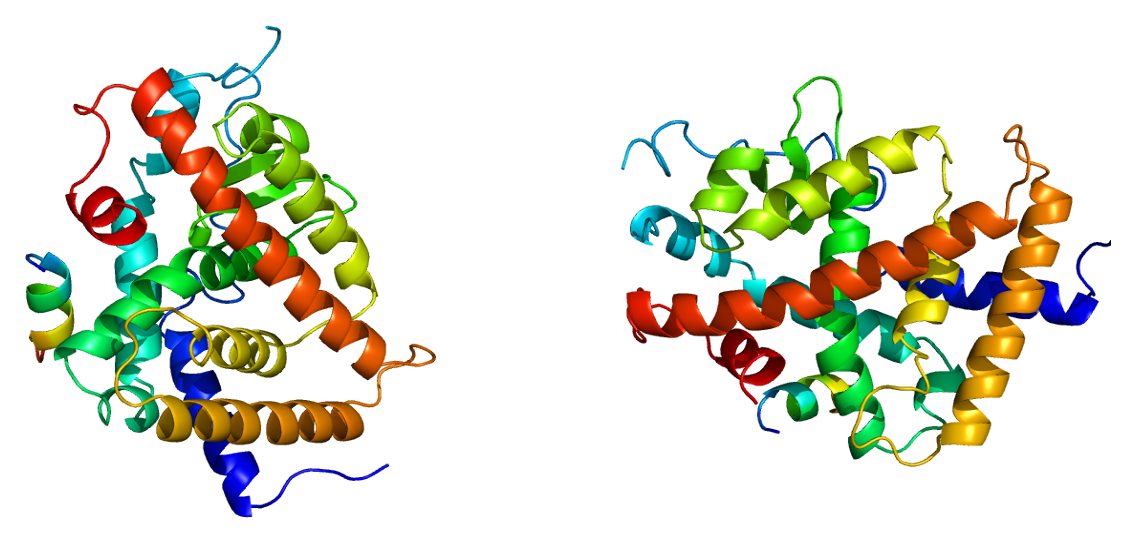
Resistência ao hormônio tireoidiano generalizada
📋 Origem dos dados
Esta página agrega dados de fontes públicas e oficiais. Dados sobre cobertura no SUS (PCDT, CEAF) são verificados ativamente por agente proativo (ver badge no infobox). Demais dados têm atribuição de fonte + data da última sincronização — clique para abrir o original.
- Doença rara (ontologia)
- fonte: Orphanet
- Identificador unificado
- fonte: MONDO
- NIH/GARD
- fonte: GARD (NIH)
- Dado público estruturado
- fonte: Wikidata
- Ensaios clínicos
- fonte: ClinicalTrials.gov