
Uma condição rara que afeta o sistema nervoso. Os sinais e sintomas da doença podem desenvolver-se a qualquer momento desde o nascimento até à idade adulta e podem incluir demência progressiva, convulsões, falta de coordenação muscular e perda de visão. CLN10-NCL é causada por alterações (mutações) no gene CTSD e é herdada de forma autossômica recessiva. As opções de tratamento são limitadas a terapias que podem ajudar a aliviar alguns dos sintomas.
Introdução
O que você precisa saber de cara
Uma condição rara que afeta o sistema nervoso. Os sinais e sintomas da doença podem desenvolver-se a qualquer momento desde o nascimento até à idade adulta e podem incluir demência progressiva, convulsões, falta de coordenação muscular e perda de visão. CLN10-NCL é causada por alterações (mutações) no gene CTSD e é herdada de forma autossômica recessiva. As opções de tratamento são limitadas a terapias que podem ajudar a aliviar alguns dos sintomas.
Escala de raridade
<1/50kMuito rara
1/20kRara
1/10kPouco freq.
1/5kIncomum
1/2k
Encontrou um erro ou informação desatualizada? Sugira uma correção →
Entender a doença
Do básico ao detalhe, leia no seu ritmo
Preparando trilha educativa...
Sinais e sintomas
O que aparece no corpo e com que frequência cada sintoma acontece
Partes do corpo afetadas
+ 8 sintomas em outras categorias
Características mais comuns
Os sintomas variam de pessoa para pessoa. Abaixo estão as 31 características clínicas mais associadas, ordenadas por frequência.
Linha do tempo da pesquisa
Encontrou um erro ou informação desatualizada? Sugira uma correção →
Genética e causas
O que está alterado no DNA e como passa nas famílias
Genes associados
1 gene identificado com associação a esta condição. Padrão de herança: Autosomal recessive.
Curadoria gene-doença
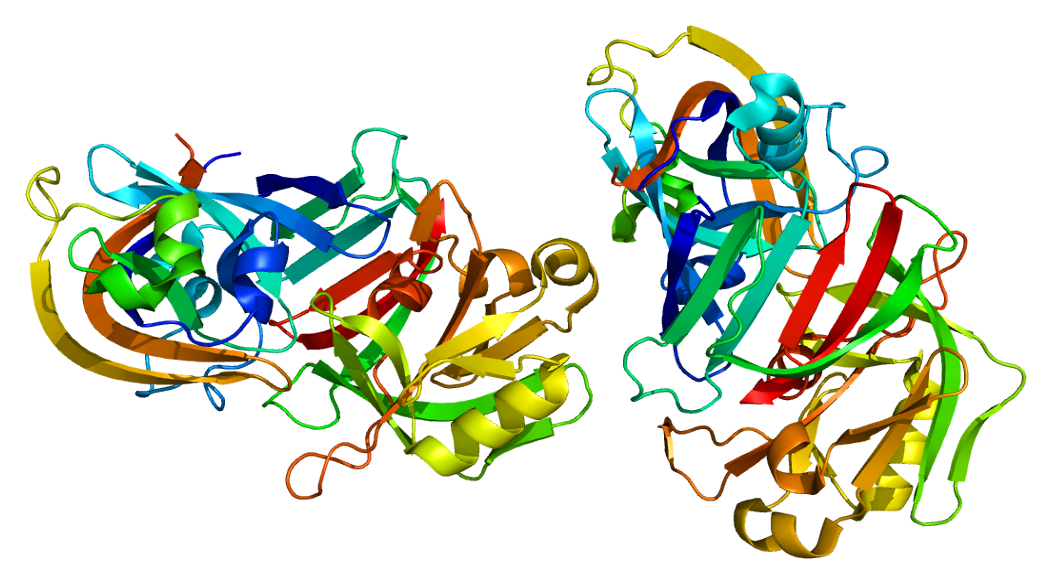
fontes oficiaisAcid protease active in intracellular protein breakdown. Plays a role in APP processing following cleavage and activation by ADAM30 which leads to APP degradation (PubMed:27333034). Involved in the pathogenesis of several diseases such as breast cancer and possibly Alzheimer disease
LysosomeMelanosomeSecreted, extracellular space
Ceroid lipofuscinosis, neuronal, 10
A form of neuronal ceroid lipofuscinosis with onset at birth or early childhood. Neuronal ceroid lipofuscinoses are progressive neurodegenerative, lysosomal storage diseases characterized by intracellular accumulation of autofluorescent liposomal material, and clinically by seizures, dementia, visual loss, and/or cerebral atrophy.
Variantes genéticas (ClinVar)
151 variantes patogênicas registradas no ClinVar.
Vias biológicas (Reactome)
6 vias biológicas associadas aos genes desta condição.
Diagnóstico
Os sinais que médicos procuram e os exames que confirmam
Tratamento e manejo
Remédios, cuidados de apoio e o que precisa acompanhar
Onde tratar no SUS
Hospitais de referência no Brasil e o protocolo oficial do SUS (PCDT)
🇧🇷 Atendimento SUS — Doença CLN10
Selecione um estado ou use sua localização para ver resultados.
Dados de DATASUS/CNES, SBGM, ABNeuro e Ministério da Saúde. Sempre confirme a disponibilidade diretamente com o estabelecimento.
Pesquisa ativa
Ensaios clínicos abertos e novidades científicas recentes
Ensaios em destaque
🟢 Recrutando agora
1 pesquisa recrutando participantes. Converse com seu médico sobre a possibilidade de participar.
Outros ensaios clínicos
Publicações mais relevantes
Mechanisms regulating the intracellular trafficking and release of CLN5 and CTSD.
Ceroid lipofuscinosis neuronal 5 (CLN5) and cathepsin D (CTSD) are soluble lysosomal enzymes that also localize extracellularly. In humans, homozygous mutations in CLN5 and CTSD cause CLN5 disease and CLN10 disease, respectively, which are two subtypes of neuronal ceroid lipofuscinosis (commonly known as Batten disease). The mechanisms regulating the intracellular trafficking of CLN5 and CTSD and their release from cells are not well understood. Here, we used the social amoeba Dictyostelium discoideum as a model system to examine the pathways and cellular components that regulate the intracellular trafficking and release of the D. discoideum homologs of human CLN5 (Cln5) and CTSD (CtsD). We show that both Cln5 and CtsD contain signal peptides for secretion that facilitate their release from cells. Like Cln5, extracellular CtsD is glycosylated. In addition, Cln5 release is regulated by the amount of extracellular CtsD. Autophagy induction promotes the release of Cln5, and to a lesser extent CtsD. Release of Cln5 requires the autophagy proteins Atg1, Atg5, and Atg9, as well as autophagosomal-lysosomal fusion. Atg1 and Atg5 are required for the release of CtsD. Together, these data support a model where Cln5 and CtsD are actively released from cells via their signal peptides for secretion and pathways linked to autophagy. The release of Cln5 and CtsD from cells also requires microfilaments and the D. discoideum homologs of human AP-3 complex mu subunit, the lysosomal-trafficking regulator LYST, mucopilin-1, and the Wiskott-Aldrich syndrome-associated protein WASH, which all regulate lysosomal exocytosis in this model organism. These findings suggest that lysosomal exocytosis also facilitates the release of Cln5 and CtsD from cells. In addition, we report the roles of ABC transporters, microtubules, osmotic stress, and the putative D. discoideum homologs of human sortilin and cation-independent mannose-6-phosphate receptor in regulating the intracellular/extracellular distribution of Cln5 and CtsD. In total, this study identifies the cellular mechanisms regulating the release of Cln5 and CtsD from D. discoideum cells and provides insight into how altered trafficking of CLN5 and CTSD causes disease in humans.
Lack of Cathepsin D in the central nervous system results in microglia and astrocyte activation and the accumulation of proteinopathy-related proteins.
Neuronal ceroid lipofuscinosis is one of many neurodegenerative storage diseases characterized by excessive accumulation of lipofuscins. CLN10 disease, an early infantile neuronal ceroid lipofuscinosis, is associated with a gene that encodes cathepsin D (CtsD), one of the major lysosomal proteases. Whole body CtsD-knockout mice show neurodegenerative phenotypes with the accumulation of lipofuscins in the brain and also show defects in other tissues including intestinal necrosis. To clarify the precise role of CtsD in the central nervous system (CNS), we generated a CNS-specific CtsD-knockout mouse (CtsD-CKO). CtsD-CKO mice were born normally but developed seizures and their growth stunted at around postnatal day 23 ± 1. CtsD-CKO did not exhibit apparent intestinal symptoms as those observed in whole body knockout. Histologically, autofluorescent materials were detected in several areas of the CtsD-CKO mouse's brain, including: thalamus, cerebral cortex, hippocampus, and cerebellum. Expression of ubiquitin and autophagy-associated proteins was also increased, suggesting that the autophagy-lysosome system was impaired. Microglia and astrocytes were activated in the CtsD-CKO thalamus, and inducible nitric oxide synthase (iNOS), an inflammation marker, was increased in the microglia. Interestingly, deposits of proteinopathy-related proteins, phosphorylated α-synuclein, and Tau protein were also increased in the thalamus of CtsD-CKO infant mice. Considering these results, we propose thatt the CtsD-CKO mouse is a useful mouse model to investigate the contribution of cathepsin D to the early phases of neurodegenerative diseases in relation to lipofuscins, proteinopathy-related proteins and activation of microglia and astrocytes.
Intravitreal gene therapy restores the autophagy-lysosomal pathway and attenuates retinal degeneration in cathepsin D-deficient mice.
Loss of vision due to progressive retinal degeneration is a hallmark of neuronal ceroid lipofuscinoses (NCL), a group of fatal neurodegenerative lysosomal storage diseases. Enzyme substitution therapies represent promising treatment options for NCLs caused by dysfunctions of soluble lysosomal enzymes. Here, we compared the efficacy of a cell-based enzyme substitution strategy and a gene therapy approach to attenuate the retinal pathology in cathepsin D- (CTSD) deficient mice, an animal model of CLN10 disease. Levels of enzymatically active CTSD in mutant retinas were significantly higher after an adeno-associated virus vector-mediated CTSD transfer to retinal glial cells and retinal pigment epithelial cells than after intravitreal transplantations of a CTSD overexpressing clonal neural stem cell line. In line with this finding, the gene therapy treatment restored the disrupted autophagy-lysosomal pathway more effectively than the cell-based approach, as indicated by a complete clearance of storage, significant attenuation of lysosomal hypertrophy, and normalized levels of the autophagy marker sequestosome 1/p62 and microtubule-associated protein 1 light chain 3-II. While the cell-based treatment did not prevent the rapidly progressing loss of various retinal cell types, the gene therapy approach markedly attenuated retinal degeneration as demonstrated by a pronounced rescue of photoreceptor cells and rod bipolar cells.
Rapid and Progressive Loss of Multiple Retinal Cell Types in Cathepsin D-Deficient Mice-An Animal Model of CLN10 Disease.
Vision loss is among the characteristic symptoms of neuronal ceroid lipofuscinosis (NCL), a fatal neurodegenerative lysosomal storage disorder. Here, we performed an in-depth analysis of retinal degeneration at the molecular and cellular levels in mice lacking the lysosomal aspartyl protease cathepsin D, an animal model of congenital CLN10 disease. We observed an early-onset accumulation of storage material as indicated by elevated levels of saposin D and subunit C of the mitochondrial ATP synthase. The accumulation of storage material was accompanied by reactive astrogliosis and microgliosis, elevated expression of the autophagy marker sequestosome 1/p62 and a dysregulated expression of several lysosomal proteins. The number of cone photoreceptor cells was reduced as early as at postnatal day 5. At the end stage of the disease, the outer nuclear layer was almost atrophied, and all cones were lost. A significant loss of rod and cone bipolar cells, amacrine cells and ganglion cells was found at advanced stages of the disease. Results demonstrate that cathepsin D deficiency results in an early-onset and rapidly progressing retinal dystrophy that involves all retinal cell types. Data of the present study will serve as a reference for studies aimed at developing treatments for retinal degeneration in CLN10 disease.
Prenatal-onset of congenital neuronal ceroid lipofuscinosis with a novel CTSD mutation.
Neuronal ceroid lipofuscinoses (NCLs) form a clinically and genetically heterogeneous group of inherited neurodegenerative disorders that share common neuropathological features. Although they are the first cause of neurodegenerative disorders in children, their congenital forms are rarely documented. They are classically due to mutations in the CTSD gene (the CLN10 disease). Affected newborns usually present severe microcephaly, seizures and respiratory failure leading to death within the first postnatal days or weeks. We report on two siblings, in which exome sequencing identified a novel homozygous CTSD variant. The first sib presented at birth with seizures, rapidly progressive postnatal microcephaly and visual deficiency related to retinal dysfunction. Progressive neurological deterioration leads to death at the age of 24 months. Cathepsin D activity was reduced in the cultured fibroblasts of this patient. The second sib, a fetus of 36 weeks of gestation, was delivered after pregnancy termination for brain abnormalities (in accordance with French Legislation) suggesting a recurrence of the disease. Fetal postmortem examination disclosed neuropathological features consistent with NCL. Congenital NCL related to CTSD mutations is a neuronal storage disorder that produces in the developing brain diffuse neurodegeneration and white matter atrophy resulting in a progressive and rapidly lethal microcephaly.
Publicações recentes
Mechanisms regulating the intracellular trafficking and release of CLN5 and CTSD.
Lack of Cathepsin D in the central nervous system results in microglia and astrocyte activation and the accumulation of proteinopathy-related proteins.
Intravitreal gene therapy restores the autophagy-lysosomal pathway and attenuates retinal degeneration in cathepsin D-deficient mice.
Prenatal-onset of congenital neuronal ceroid lipofuscinosis with a novel CTSD mutation.
The c.863A>G (p.Glu288Gly) variant of the CTSD gene is not associated with CLN10 disease.
📚 EuropePMC3 artigos no totalmostrando 8
Mechanisms regulating the intracellular trafficking and release of CLN5 and CTSD.
Traffic (Copenhagen, Denmark)Lack of Cathepsin D in the central nervous system results in microglia and astrocyte activation and the accumulation of proteinopathy-related proteins.
Scientific reportsIntravitreal gene therapy restores the autophagy-lysosomal pathway and attenuates retinal degeneration in cathepsin D-deficient mice.
Neurobiology of diseasePrenatal-onset of congenital neuronal ceroid lipofuscinosis with a novel CTSD mutation.
Birth defects researchThe c.863A>G (p.Glu288Gly) variant of the CTSD gene is not associated with CLN10 disease.
Molecular genetics & genomic medicineRapid and Progressive Loss of Multiple Retinal Cell Types in Cathepsin D-Deficient Mice-An Animal Model of CLN10 Disease.
CellsEarly infantile neuronal ceroid lipofuscinosis (CLN10 disease) associated with a novel mutation in CTSD.
Journal of neurologyCongenital CLN disease in two siblings.
Wiener medizinische Wochenschrift (1946)Associações
Organizações que acompanham esta doença — pra ter apoio e orientação
Ainda não temos associações cadastradas para Doença CLN10.
É de uma associação que acompanha esta doença? Fale com a gente →
Comunidades
Grupos ativos de quem convive com esta doença aqui no Raras
Ainda não existe comunidade no Raras para Doença CLN10
Pacientes, familiares e cuidadores se organizam em comunidades pra compartilhar experiências, fazer perguntas e se apoiar. Você pode ser o primeiro.
Tire suas dúvidas
Perguntas, dicas e experiências compartilhadas aqui na página
Participe da discussão
Faça login para postar dúvidas, compartilhar experiências e interagir com especialistas.
Fazer loginDoenças relacionadas
Doenças com sintomas parecidos — ajudam quem ainda está buscando diagnóstico
Referências e fontes
Bases de dados externas citadas neste artigo
Publicações científicas
Artigos indexados no PubMed ligados a esta doença no grafo RarasNet — título, periódico e PMID direto da fonte, sem intermediação de IA.
- Mechanisms regulating the intracellular trafficking and release of CLN5 and CTSD.
- Lack of Cathepsin D in the central nervous system results in microglia and astrocyte activation and the accumulation of proteinopathy-related proteins.
- Intravitreal gene therapy restores the autophagy-lysosomal pathway and attenuates retinal degeneration in cathepsin D-deficient mice.
- Rapid and Progressive Loss of Multiple Retinal Cell Types in Cathepsin D-Deficient Mice-An Animal Model of CLN10 Disease.
- Prenatal-onset of congenital neuronal ceroid lipofuscinosis with a novel CTSD mutation.
- The c.863A>G (p.Glu288Gly) variant of the CTSD gene is not associated with CLN10 disease.
Bases de dados e fontes oficiais
Identificadores e referências canônicas usadas para montar este verbete.
- ORPHA:228337(Orphanet)
- OMIM OMIM:610127(OMIM)
- MONDO:0012414(MONDO)
- GARD:1218(GARD (NIH))
- Variantes catalogadas(ClinVar)
- Busca completa no PubMed(PubMed)
- Q32140575(Wikidata)
Dados compilados pelo RarasNet a partir de fontes abertas (Orphanet, OMIM, MONDO, PubMed/EuropePMC, ClinicalTrials.gov, DATASUS, PCDT/MS). Este conteúdo é informativo e não substitui avaliação médica.
Conteúdo mantido por Agente Raras · Médicos e pesquisadores podem colaborar
Doença CLN10
📋 Origem dos dados
Esta página agrega dados de fontes públicas e oficiais. Dados sobre cobertura no SUS (PCDT, CEAF) são verificados ativamente por agente proativo (ver badge no infobox). Demais dados têm atribuição de fonte + data da última sincronização — clique para abrir o original.
- Doença rara (ontologia)
- fonte: Orphanet
- Identificador unificado
- fonte: MONDO
- Genética mendeliana
- fonte: OMIM
- Codificação WHO/SUS
- fonte: WHO ICD-10 / DATASUS
- CID-11 (futuro)
- fonte: WHO ICD-11
- NIH/GARD
- fonte: GARD (NIH)
- Indexação biomédica
- fonte: MeSH (NLM)
- Dado público estruturado
- fonte: Wikidata
- Ensaios clínicos
- fonte: ClinicalTrials.gov