
É uma síndrome genética rara que aumenta o risco de câncer em crianças, causada pela herança de duas cópias alteradas (mutações) dos genes MLH1, MSH2, MSH6 ou PMS2. Ela se caracteriza pelo desenvolvimento de cânceres na infância, geralmente cânceres do sangue (como leucemia ou linfoma) e/ou tumores cerebrais, além de câncer de intestino (colorretal) com vários pólipos intestinais. A maioria dos pacientes também apresenta sinais de neurofibromatose tipo 1.
Introdução
O que você precisa saber de cara
É uma síndrome genética rara que aumenta o risco de câncer em crianças, causada pela herança de duas cópias alteradas (mutações) dos genes MLH1, MSH2, MSH6 ou PMS2. Ela se caracteriza pelo desenvolvimento de cânceres na infância, geralmente cânceres do sangue (como leucemia ou linfoma) e/ou tumores cerebrais, além de câncer de intestino (colorretal) com vários pólipos intestinais. A maioria dos pacientes também apresenta sinais de neurofibromatose tipo 1.
Escala de raridade
<1/50kMuito rara
1/20kRara
1/10kPouco freq.
1/5kIncomum
1/2k
Encontrou um erro ou informação desatualizada? Sugira uma correção →
Entender a doença
Do básico ao detalhe, leia no seu ritmo
Preparando trilha educativa...
Sinais e sintomas
O que aparece no corpo e com que frequência cada sintoma acontece
Partes do corpo afetadas
+ 13 sintomas em outras categorias
Características mais comuns
Os sintomas variam de pessoa para pessoa. Abaixo estão as 26 características clínicas mais associadas, ordenadas por frequência.
Linha do tempo da pesquisa
Encontrou um erro ou informação desatualizada? Sugira uma correção →
Genética e causas
O que está alterado no DNA e como passa nas famílias
Genes associados
4 genes identificados com associação a esta condição. Padrão de herança: Autosomal recessive.
Component of the post-replicative DNA mismatch repair system (MMR) (PubMed:30653781, PubMed:35189042). Heterodimerizes with MLH1 to form MutL alpha. DNA repair is initiated by MutS alpha (MSH2-MSH6) or MutS beta (MSH2-MSH3) binding to a dsDNA mismatch, then MutL alpha is recruited to the heteroduplex. Assembly of the MutL-MutS-heteroduplex ternary complex in presence of RFC and PCNA is sufficient to activate endonuclease activity of PMS2. It introduces single-strand breaks near the mismatch and
Nucleus
Lynch syndrome 4
A form of Lynch syndrome, an autosomal dominant disease associated with marked increase in cancer susceptibility. It is characterized by a familial predisposition to early-onset colorectal carcinoma (CRC) and extra-colonic tumors of the gastrointestinal, urological and female reproductive tracts. Lynch syndrome is reported to be the most common form of inherited colorectal cancer in the Western world. Clinically, it is often divided into two subgroups. Type I is characterized by hereditary predisposition to colorectal cancer, a young age of onset, and carcinoma observed in the proximal colon. Type II is characterized by increased risk for cancers in certain tissues such as the uterus, ovary, breast, stomach, small intestine, skin, and larynx in addition to the colon. Diagnosis of classical Lynch syndrome is based on the Amsterdam criteria: 3 or more relatives affected by colorectal cancer, one a first degree relative of the other two; 2 or more generation affected; 1 or more colorectal cancers presenting before 50 years of age; exclusion of hereditary polyposis syndromes. The term 'suspected Lynch syndrome' or 'incomplete Lynch syndrome' can be used to describe families who do not or only partially fulfill the Amsterdam criteria, but in whom a genetic basis for colon cancer is strongly suspected.
Component of the post-replicative DNA mismatch repair system (MMR). Heterodimerizes with MSH2 to form MutS alpha, which binds to DNA mismatches thereby initiating DNA repair. When bound, MutS alpha bends the DNA helix and shields approximately 20 base pairs, and recognizes single base mismatches and dinucleotide insertion-deletion loops (IDL) in the DNA. After mismatch binding, forms a ternary complex with the MutL alpha heterodimer, which is thought to be responsible for directing the downstrea
NucleusChromosome
Lynch syndrome 5
A form of Lynch syndrome, an autosomal dominant disease associated with marked increase in cancer susceptibility. It is characterized by a familial predisposition to early-onset colorectal carcinoma (CRC) and extra-colonic tumors of the gastrointestinal, urological and female reproductive tracts. Lynch syndrome is reported to be the most common form of inherited colorectal cancer in the Western world. Clinically, it is often divided into two subgroups. Type I is characterized by hereditary predisposition to colorectal cancer, a young age of onset, and carcinoma observed in the proximal colon. Type II is characterized by increased risk for cancers in certain tissues such as the uterus, ovary, breast, stomach, small intestine, skin, and larynx in addition to the colon. Diagnosis of classical Lynch syndrome is based on the Amsterdam criteria: 3 or more relatives affected by colorectal cancer, one a first degree relative of the other two; 2 or more generation affected; 1 or more colorectal cancers presenting before 50 years of age; exclusion of hereditary polyposis syndromes. The term 'suspected Lynch syndrome' or 'incomplete Lynch syndrome' can be used to describe families who do not or only partially fulfill the Amsterdam criteria, but in whom a genetic basis for colon cancer is strongly suspected.
Component of the post-replicative DNA mismatch repair system (MMR). Forms two different heterodimers: MutS alpha (MSH2-MSH6 heterodimer) and MutS beta (MSH2-MSH3 heterodimer) which binds to DNA mismatches thereby initiating DNA repair. When bound, heterodimers bend the DNA helix and shields approximately 20 base pairs. MutS alpha recognizes single base mismatches and dinucleotide insertion-deletion loops (IDL) in the DNA. MutS beta recognizes larger insertion-deletion loops up to 13 nucleotides
NucleusChromosome
Lynch syndrome 1
A form of Lynch syndrome, an autosomal dominant disease associated with marked increase in cancer susceptibility. It is characterized by a familial predisposition to early-onset colorectal carcinoma (CRC) and extra-colonic tumors of the gastrointestinal, urological and female reproductive tracts. Lynch syndrome is reported to be the most common form of inherited colorectal cancer in the Western world. Clinically, it is often divided into two subgroups. Type I is characterized by hereditary predisposition to colorectal cancer, a young age of onset, and carcinoma observed in the proximal colon. Type II is characterized by increased risk for cancers in certain tissues such as the uterus, ovary, breast, stomach, small intestine, skin, and larynx in addition to the colon. Diagnosis of classical Lynch syndrome is based on the Amsterdam criteria: 3 or more relatives affected by colorectal cancer, one a first degree relative of the other two; 2 or more generation affected; 1 or more colorectal cancers presenting before 50 years of age; exclusion of hereditary polyposis syndromes. The term 'suspected Lynch syndrome' or 'incomplete Lynch syndrome' can be used to describe families who do not or only partially fulfill the Amsterdam criteria, but in whom a genetic basis for colon cancer is strongly suspected.
Heterodimerizes with PMS2 to form MutL alpha, a component of the post-replicative DNA mismatch repair system (MMR). DNA repair is initiated by MutS alpha (MSH2-MSH6) or MutS beta (MSH2-MSH3) binding to a dsDNA mismatch, then MutL alpha is recruited to the heteroduplex. Assembly of the MutL-MutS-heteroduplex ternary complex in presence of RFC and PCNA is sufficient to activate endonuclease activity of PMS2. It introduces single-strand breaks near the mismatch and thus generates new entry points f
NucleusChromosome
Lynch syndrome 2
A form of Lynch syndrome, an autosomal dominant disease associated with marked increase in cancer susceptibility. It is characterized by a familial predisposition to early-onset colorectal carcinoma (CRC) and extra-colonic tumors of the gastrointestinal, urological and female reproductive tracts. Lynch syndrome is reported to be the most common form of inherited colorectal cancer in the Western world. Clinically, it is often divided into two subgroups. Type I is characterized by hereditary predisposition to colorectal cancer, a young age of onset, and carcinoma observed in the proximal colon. Type II is characterized by increased risk for cancers in certain tissues such as the uterus, ovary, breast, stomach, small intestine, skin, and larynx in addition to the colon. Diagnosis of classical Lynch syndrome is based on the Amsterdam criteria: 3 or more relatives affected by colorectal cancer, one a first degree relative of the other two; 2 or more generation affected; 1 or more colorectal cancers presenting before 50 years of age; exclusion of hereditary polyposis syndromes. The term 'suspected Lynch syndrome' or 'incomplete Lynch syndrome' can be used to describe families who do not or only partially fulfill the Amsterdam criteria, but in whom a genetic basis for colon cancer is strongly suspected.
Variantes genéticas (ClinVar)
13.539 variantes patogênicas registradas no ClinVar.
Classificação de variantes (ClinVar)
Distribuição de 1 variantes classificadas pelo ClinVar.
Vias biológicas (Reactome)
9 vias biológicas associadas aos genes desta condição.
Diagnóstico
Os sinais que médicos procuram e os exames que confirmam
Tratamento e manejo
Remédios, cuidados de apoio e o que precisa acompanhar
Onde tratar no SUS
Hospitais de referência no Brasil e o protocolo oficial do SUS (PCDT)
🇧🇷 Atendimento SUS — Síndrome de deficiência constitucional da reparação dos erros de emparelhamento
Selecione um estado ou use sua localização para ver resultados.
Dados de DATASUS/CNES, SBGM, ABNeuro e Ministério da Saúde. Sempre confirme a disponibilidade diretamente com o estabelecimento.
Pesquisa ativa
Ensaios clínicos abertos e novidades científicas recentes
Ensaios em destaque
🟢 Recrutando agora
7 pesquisas recrutando participantes. Converse com seu médico sobre a possibilidade de participar.
Outros ensaios clínicos
64 ensaios clínicos encontrados, 13 ativos.
Publicações mais relevantes
Clinical and molecular characteristics of constitutional mismatch repair deficiency syndrome: a case series of five children and appraisal of diagnostic guidelines.
DNA mismatch repair (MMR) is critical for maintaining genome integrity through correction of single-base mismatches and insertion-deletion loops arising from DNA replication. Heterozygous germline alteration of MMR genes (MSH2, MSH6, MLH1, PMS2) cause autosomal dominant Lynch syndrome (LS), most commonly manifesting as colonic or endometrial cancers, although brain, ovarian, and other organ systems may be involved. Neoplasia in LS usually arises after the age of 30 years. Constitutional mismatch repair deficiency (CMMRD) is inherited in an autosomal recessive manner due to biallelic germline alteration in one of the four MMR genes. Individuals with CMMRD typically develop cancer in the first decade of life, although some may present during the second decade. We present a series of five children who developed cancer prior to the age of 20 years (range: 2-12 years) with malignancies including colonic adenocarcinoma (N = 1), T-lymphoblastic lymphoma (N = 3), and high-grade glioma (N = 4). Two patients with MSH6 alterations developed a constellation of three primary tumors: high-grade glioma, T-lymphoblastic lymphoma, and colonic neoplasia including colonic adenocarcinoma in one patient and a tubular adenoma in the other.
A missed opportunity for preventing CMMRD: is it time to include Lynch syndrome genes in prenatal genetic testing?
This manuscript highlights the importance of incorporating Lynch syndrome-related genes into prenatal genetic testing to facilitate early detection of constitutional mismatch repair deficiency syndrome (CMMRD). CMMRD, linked to biallelic pathogenic variants in mismatch repair genes, is an aggressive hereditary cancer syndrome. A couple conceived through in vitro fertilisation (IVF), unaware they were carriers of Lynch syndrome. Their child, initially healthy, was diagnosed with acute bilineal leukaemia and later found to have CMMRD. His diagnosis highlighted gaps in prenatal testing. Advances in next-generation sequencing enable broader genetic screening, offering parents crucial risk assessment tools, especially those undergoing IVF, to make informed reproductive choices.
Cancer Predisposition Syndromes With Involvement of the Head and Neck Regions in Children: An Imaging Guide.
Cancer predisposition syndromes (CPSs) are a group of inherited disorders that significantly increase the risk of developing various cancers, ranging from infancy through adulthood. CPSs account for about 10% of the pediatric cancers, and they represent a major cause of morbidity and mortality in affected children. The inheritance pattern and the variable penetrance influence the age of onset and the clinical course, resulting in substantial variation in presentation, even within a single family. Early recognition of CPSs is crucial, as timely diagnosis allows for health surveillance, preventive interventions, and genetic counselling for patients and their families. Guidelines and surveillance programs have been developed to identify at-risk patients and coordinate long-term care. This review focuses on the most common CPSs associated with pediatric cancers, with particular emphasis on the involvement of the head and neck region. For each syndrome, we provide a background summary including its genetics and clinical manifestations, followed by a detailed description of characteristic head and neck imaging findings. Illustrative case examples are then presented to demonstrate the spectrum of clinical and imaging features. It highlights imaging features to assist providers reading these studies in the early identification of all possible pathological manifestations in these syndromes. Key CPSs covered include retinoblastoma, Li-Fraumeni syndrome, neurofibromatosis type 1, DICER1 syndrome, rhabdoid tumor predisposition syndrome, Gorlin-Goltz syndrome, hereditary paraganglioma-pheochromocytoma syndrome, constitutional mismatch repair deficiency syndrome, and neuroblastoma predisposition syndrome.
Mismatch Repair Cancer Syndrome presenting as synchronous high-grade glioma and diffuse large B cell lymphoma in a pediatric patient.
Development of multiple distinct, synchronous cancer types in a pediatric patient is very rare and should raise suspicion for an underlying genetic predisposition to cancer. We present a previously healthy seven-year-old male who was diagnosed with diffuse large B cell lymphoma after a ruptured appendicitis. During the same hospitalization, he was diagnosed with a high-grade glioma. He underwent subsequent genetic testing, which showed compound heterozygosity for PMS2. He was ultimately diagnosed with Mismatch Repair Cancer Syndrome-4, a subtype of Constitutional Mismatch Repair Deficiency syndrome. His newly discovered cancer predisposition syndrome led to multiple additional family members receiving the same diagnosis, which was especially important in a sibling with leukemia who received hematopoietic stem cell transplantation from an unaffected sibling donor. While rare, cancer predisposition syndromes should be suspected in pediatric patients presenting with two or more synchronous, distinct cancer types.
Utility of Whole-Body Magnetic Resonance Imaging Surveillance in Children and Adults With Cancer Predisposition Syndromes: A Retrospective Study.
Surveillance improves patient outcomes by diagnosing cancer at an early and curable stage for individuals with cancer predisposition syndromes (CPS). Whole-body magnetic resonance imaging (WB-MRI) provides head-to-thigh imaging in one sitting without radiation exposure and is recommended for individuals with increased risk of multisite tumors or cancers. In this study, we evaluated the diagnostic performance of WB-MRI as a screening tool for Li-Fraumeni syndrome (LFS), constitutional mismatch repair deficiency syndrome, hereditary paraganglioma-pheochromocytoma syndrome (HPGL-PCC), and other CPS. A retrospective review of patients with CPS seen at the Cancer Genetics Service, National Cancer Center Singapore was conducted. Patients who underwent WB-MRI screening from 2014 to 2024 were identified to determine the sensitivity and specificity of WB-MRI in early cancer detection. Of the 103 patients with CPS recommended for WB-MRI surveillance, 59 underwent the procedure (57% uptake rate). Among them, 34 (57%) were female and the median age was 32 years (range, 1-74 years). The CPS distributions included 22 (37%) with LFS, 14 (24%) with neurofibromatosis type 1, eight (14%) with Von Hippel Lindau syndrome, and eight (14%) with HPGL-PCC. WB-MRI screening led to a diagnosis of cancer in seven (12%) patients (renal cell carcinoma, prostate adenocarcinoma, osteosarcoma, neuroendocrine tumor); of these, four (57%) received curative treatment. Twelve (20%) patients required additional investigations, with eight (14%) having benign findings. The sensitivity and specificity of WB-MRI in our cohort were 64% and 92%, respectively, with a false-positive rate (FPR) of 8% and a false-negative rate of 36%. WB-MRI is an effective screening tool in patients with specific CPS, demonstrating a high specificity and low FPR.
Publicações recentes
Clinical and molecular characteristics of constitutional mismatch repair deficiency syndrome: a case series of five children and appraisal of diagnostic guidelines.
A missed opportunity for preventing CMMRD: is it time to include Lynch syndrome genes in prenatal genetic testing?
Cancer Predisposition Syndromes With Involvement of the Head and Neck Regions in Children: An Imaging Guide.
Mismatch Repair Cancer Syndrome presenting as synchronous high-grade glioma and diffuse large B cell lymphoma in a pediatric patient.
Utility of Whole-Body Magnetic Resonance Imaging Surveillance in Children and Adults With Cancer Predisposition Syndromes: A Retrospective Study.
📚 EuropePMC51 artigos no totalmostrando 75
Clinical and molecular characteristics of constitutional mismatch repair deficiency syndrome: a case series of five children and appraisal of diagnostic guidelines.
Diagnostic pathologyA missed opportunity for preventing CMMRD: is it time to include Lynch syndrome genes in prenatal genetic testing?
BMJ case reportsCancer Predisposition Syndromes With Involvement of the Head and Neck Regions in Children: An Imaging Guide.
Journal of neuroimaging : official journal of the American Society of NeuroimagingMismatch Repair Cancer Syndrome presenting as synchronous high-grade glioma and diffuse large B cell lymphoma in a pediatric patient.
Cancer geneticsUtility of Whole-Body Magnetic Resonance Imaging Surveillance in Children and Adults With Cancer Predisposition Syndromes: A Retrospective Study.
JCO precision oncology[Advances in constitutional mismatch repair deficiency syndrome associated tumors].
Zhonghua bing li xue za zhi = Chinese journal of pathologyThis is not Lynch syndrome: lessons from misattributed diagnoses in constitutional mismatch repair deficiency.
ESMO gastrointestinal oncologyComprehensive analysis of constitutional mismatch repair deficiency-associated non-Hodgkin lymphomas in a global cohort.
Pediatric blood & cancerLong-term survivors in 976 supratentorial glioblastoma, IDH-wildtype patients.
Journal of neurosurgerySpecific brain MRI features of constitutional mismatch repair deficiency syndrome in children with high-grade gliomas.
European radiologyPrecision immuno-oncology approach for four malignant tumors in siblings with constitutional mismatch repair deficiency syndrome.
NPJ precision oncologyClinical and biological landscape of constitutional mismatch-repair deficiency syndrome: an International Replication Repair Deficiency Consortium cohort study.
The Lancet. OncologyOrganoids and metastatic orthotopic mouse model for mismatch repair-deficient colorectal cancer.
Frontiers in oncologyConstitutional mismatch repair deficiency syndrome with atypical features caused by a homozygous MLH1 missense variant (c.1918C>A, p.(Pro640Thr)): a case report.
Frontiers in oncologyConstitutional Mismatch Repair Deficiency (CMMRD) Syndrome: A Case Report of a Patient With Multiple Metachronous Malignancies.
CureusConstitutional Mismatch Repair Deficiency Syndrome as a Cause of Numerous Malignancies in a Teenage Patient-A Case Report.
Journal of pediatric hematology/oncologyDiagnosis and Management of Constitutional Mismatch Repair Deficiency Syndrome.
The American surgeonUnexpected moves: a conformational change in MutSα enables high-affinity DNA mismatch binding.
Nucleic acids researchClinical and molecular features of pediatric cancer patients with Lynch syndrome.
Pediatric blood & cancerA Constitutional Mismatch Repair Deficiency Syndrome Presented With an Advanced Rectal Cancer in a Juvenile Female: A Case Report and Literature Review.
CureusMerged testing for colorectal cancer syndromes and re-evaluation of genetic variants improve diagnostic yield: Results from a nationwide prospective cohort.
Genes, chromosomes & cancer[Pediatric Hemispheric Glioma].
No shinkei geka. Neurological surgeryPresentation of Acute Lymphoblastic Lymphoma and Colorectal Carcinoma in the Context of Constitutional Mismatch Repair Deficiency Syndrome: A Case Report with Literature Review.
Journal of cancer & allied specialtiesMismatch repair deficiency in early-onset duodenal, ampullary, and pancreatic carcinomas is a strong indicator for a hereditary defect.
The journal of pathology. Clinical researchCancer and constitutional Mismatch Repair Deficiency syndrome due to homozygous MSH 6 mutation in children with Café au Lait Spots and review of literature.
The Turkish journal of pediatricsCould the immune checkpoint inhibitor against colorectal cancer in constitutional mismatch repair deficiency syndrome prevent new cancer formation?
Pediatric blood & cancerChallenges of Neoantigen Targeting in Lynch Syndrome and Constitutional Mismatch Repair Deficiency Syndrome.
CancersSurvival Benefit for Individuals With Constitutional Mismatch Repair Deficiency Undergoing Surveillance.
Journal of clinical oncology : official journal of the American Society of Clinical OncologyThe Challenge of Diagnosing Constitutional Mismatch Repair Deficiency Syndrome in Brain Malignancies from Young Individuals.
International journal of molecular sciencesDiagnostic criteria for constitutional mismatch repair deficiency (CMMRD): recommendations from the international consensus working group.
Journal of medical geneticsConstitutional Mismatch Repair Deficiency Syndrome in a patient from India.
Clinical case reportsClonal relationship and directionality of progression of synchronous endometrial and ovarian carcinomas in patients with DNA mismatch repair-deficiency associated syndromes.
Modern pathology : an official journal of the United States and Canadian Academy of Pathology, IncConstitutional mismatch repair deficiency (CMMRD) presenting with high-grade glioma, multiple developmental venous anomalies and malformations of cortical development-a multidisciplinary/multicentre approach and neuroimaging clues to clinching the diagnosis.
Child's nervous system : ChNS : official journal of the International Society for Pediatric NeurosurgeryMolecular Profiling of Pediatric and Adult Glioblastoma.
American journal of clinical pathologyCoexistence of Constitutional Mismatch Repair Deficiency syndrome and Lynch syndrome in a family of seven : MSH6 mutation and childhood colorectal cancer - a case series.
Acta gastro-enterologica BelgicaPilomatricomas and café au lait macules as herald signs of constitutional mismatch repair deficiency (CMMRD) syndrome-A case report.
Pediatric dermatologyPosition paper: Challenges and specific strategies for constitutional mismatch repair deficiency syndrome in low-resource settings.
Pediatric blood & cancerNeuroimaging Findings in Children with Constitutional Mismatch Repair Deficiency Syndrome.
AJNR. American journal of neuroradiology[Hereditary predisposition to tumors of the central and peripheral nervous systems].
Annales de pathologieMetachronous Wilms Tumor, Glioblastoma, and T-cell Leukemia in an Child With Constitutional Mismatch Repair Deficiency syndrome due to Novel Mutation in MSH6 (c.2590G>T).
Journal of pediatric hematology/oncologyLynch syndrome-associated ultra-hypermutated pediatric glioblastoma mimicking a constitutional mismatch repair deficiency syndrome.
Cold Spring Harbor molecular case studiesOngoing issues with the management of children with Constitutional Mismatch Repair Deficiency syndrome.
European journal of medical geneticsB-cell acute lymphoblastic leukemia with high mutation burden presenting in a child with constitutional mismatch repair deficiency.
Blood advancesEffective Immunotherapy of Glioblastoma in an Adolescent with Constitutional Mismatch Repair-Deficiency Syndrome.
Klinicka onkologie : casopis Ceske a Slovenske onkologicke spolecnostiMutational landscape of T-cell lymphoma in mice lacking the DNA mismatch repair gene Mlh1: no synergism with ionizing radiation.
CarcinogenesisUpdates on progress in cancer screening for children with hereditary cancer predisposition syndromes.
Current opinion in pediatricsMultiple Brain Developmental Venous Anomalies as a Marker for Constitutional Mismatch Repair Deficiency Syndrome.
AJNR. American journal of neuroradiologyDelineating a new feature of constitutional mismatch repair deficiency (CMMRD) syndrome: breast cancer.
Familial cancerCurrent clinical topics of Lynch syndrome.
International journal of clinical oncologyThe changing landscape of Lynch syndrome due to PMS2 mutations.
Clinical geneticsConcomitant IDH wild-type glioblastoma and IDH1-mutant anaplastic astrocytoma in a patient with constitutional mismatch repair deficiency syndrome.
Neuropathology and applied neurobiologyImmunotherapy holds the key to cancer treatment and prevention in constitutional mismatch repair deficiency (CMMRD) syndrome.
Cancer lettersClinical Management and Tumor Surveillance Recommendations of Inherited Mismatch Repair Deficiency in Childhood.
Clinical cancer research : an official journal of the American Association for Cancer ResearchBiallelic PMS2 Mutation and Heterozygous DICER1 Mutation Presenting as Constitutional Mismatch Repair Deficiency With Corpus Callosum Agenesis: Case Report and Review of Literature.
Journal of pediatric hematology/oncologyFirst reported case of alveolar soft part sarcoma in constitutional mismatch repair deficiency syndrome tumor spectrum - diagnosed in one of the siblings with constitutional mismatch repair deficiency.
South Asian journal of cancerHomozygous germ-line mutation of the PMS2 mismatch repair gene: a unique case report of constitutional mismatch repair deficiency (CMMRD).
BMC medical geneticsAtypical dermal melanocytosis: a diagnostic clue in constitutional mismatch repair deficiency syndrome.
The British journal of dermatologyMicrosatellite Instability Pathway and EMAST in Colorectal Cancer.
Current colorectal cancer reportsRecommendations on Surveillance and Management of Biallelic Mismatch Repair Deficiency (BMMRD) Syndrome: A Consensus Statement by the US Multi-Society Task Force on Colorectal Cancer.
GastroenterologyRecommendations on Surveillance and Management of Biallelic Mismatch Repair Deficiency (BMMRD) Syndrome: A Consensus Statement by the US Multi-Society Task Force on Colorectal Cancer.
The American journal of gastroenterologyHEREDITARY, SPORADIC AND METASTATIC COLORECTAL CANCER ARE COMMONLY DRIVEN BY SPECIFIC SPECTRUMS OF DEFECTIVE DNA MISMATCH REPAIR COMPONENTS.
Transactions of the American Clinical and Climatological AssociationInvasive High-grade Upper Tract Urothelial Carcinoma in a 14-Year-Old Girl.
UrologyConnections between constitutional mismatch repair deficiency syndrome and neurofibromatosis type 1.
Clinical geneticsComprehensive Mutation Analysis of PMS2 in a Large Cohort of Probands Suspected of Lynch Syndrome or Constitutional Mismatch Repair Deficiency Syndrome.
Human mutationMetachronous T-Lymphoblastic Lymphoma and Burkitt Lymphoma in a Child With Constitutional Mismatch Repair Deficiency Syndrome.
Pediatric blood & cancerIdentification of a novel PMS2 alteration c.505C>G (R169G) in trans with a PMS2 pathogenic mutation in a patient with constitutional mismatch repair deficiency.
Familial cancerSuccessful matched sibling cord blood transplant for ALL in a child with constitutional mismatch repair deficiency syndrome.
Bone marrow transplantationReview: Clinical aspects of hereditary DNA Mismatch repair gene mutations.
DNA repairAcute lymphoblastic leukemia and lymphoma in the context of constitutional mismatch repair deficiency syndrome.
European journal of medical geneticsGenetic Counselors' Experiences Regarding Communication of Reproductive Risks with Autosomal Recessive Conditions found on Cancer Panels.
Journal of genetic counselingConstitutional mismatch repair deficiency syndrome: clinical description in a French cohort.
Journal of medical geneticsLynch syndrome and Lynch syndrome mimics: The growing complex landscape of hereditary colon cancer.
World journal of gastroenterology[Constitutional mismatch repair deficiency syndrome].
Nederlands tijdschrift voor geneeskundeDiagnosis of Constitutional Mismatch Repair-Deficiency Syndrome Based on Microsatellite Instability and Lymphocyte Tolerance to Methylating Agents.
GastroenterologyAn Unusual Case of Constitutional Mismatch Repair Deficiency Syndrome With Anaplastic Ganglioglioma, Colonic Adenocarcinoma, Osteosarcoma, Acute Myeloid Leukemia, and Signs of Neurofibromatosis Type 1: Case Report.
NeurosurgeryAssociações
Organizações que acompanham esta doença — pra ter apoio e orientação
Ainda não temos associações cadastradas para Síndrome de deficiência constitucional da reparação dos erros de emparelhamento.
É de uma associação que acompanha esta doença? Fale com a gente →
Comunidades
Grupos ativos de quem convive com esta doença aqui no Raras
Ainda não existe comunidade no Raras para Síndrome de deficiência constitucional da reparação dos erros de emparelhamento
Pacientes, familiares e cuidadores se organizam em comunidades pra compartilhar experiências, fazer perguntas e se apoiar. Você pode ser o primeiro.
Tire suas dúvidas
Perguntas, dicas e experiências compartilhadas aqui na página
Participe da discussão
Faça login para postar dúvidas, compartilhar experiências e interagir com especialistas.
Fazer loginDoenças relacionadas
Doenças com sintomas parecidos — ajudam quem ainda está buscando diagnóstico
Referências e fontes
Bases de dados externas citadas neste artigo
Publicações científicas
Artigos indexados no PubMed ligados a esta doença no grafo RarasNet — título, periódico e PMID direto da fonte, sem intermediação de IA.
- Clinical and molecular characteristics of constitutional mismatch repair deficiency syndrome: a case series of five children and appraisal of diagnostic guidelines.
- A missed opportunity for preventing CMMRD: is it time to include Lynch syndrome genes in prenatal genetic testing?
- Cancer Predisposition Syndromes With Involvement of the Head and Neck Regions in Children: An Imaging Guide.Journal of neuroimaging : official journal of the American Society of Neuroimaging· 2025· PMID 41029896mais citado
- Mismatch Repair Cancer Syndrome presenting as synchronous high-grade glioma and diffuse large B cell lymphoma in a pediatric patient.
- Utility of Whole-Body Magnetic Resonance Imaging Surveillance in Children and Adults With Cancer Predisposition Syndromes: A Retrospective Study.
Bases de dados e fontes oficiais
Identificadores e referências canônicas usadas para montar este verbete.
- ORPHA:252202(Orphanet)
- MONDO:0031219(MONDO)
- GARD:17217(GARD (NIH))
- Variantes catalogadas(ClinVar)
- Busca completa no PubMed(PubMed)
- Q736633(Wikidata)
Dados compilados pelo RarasNet a partir de fontes abertas (Orphanet, OMIM, MONDO, PubMed/EuropePMC, ClinicalTrials.gov, DATASUS, PCDT/MS). Este conteúdo é informativo e não substitui avaliação médica.
Conteúdo mantido por Agente Raras · Médicos e pesquisadores podem colaborar
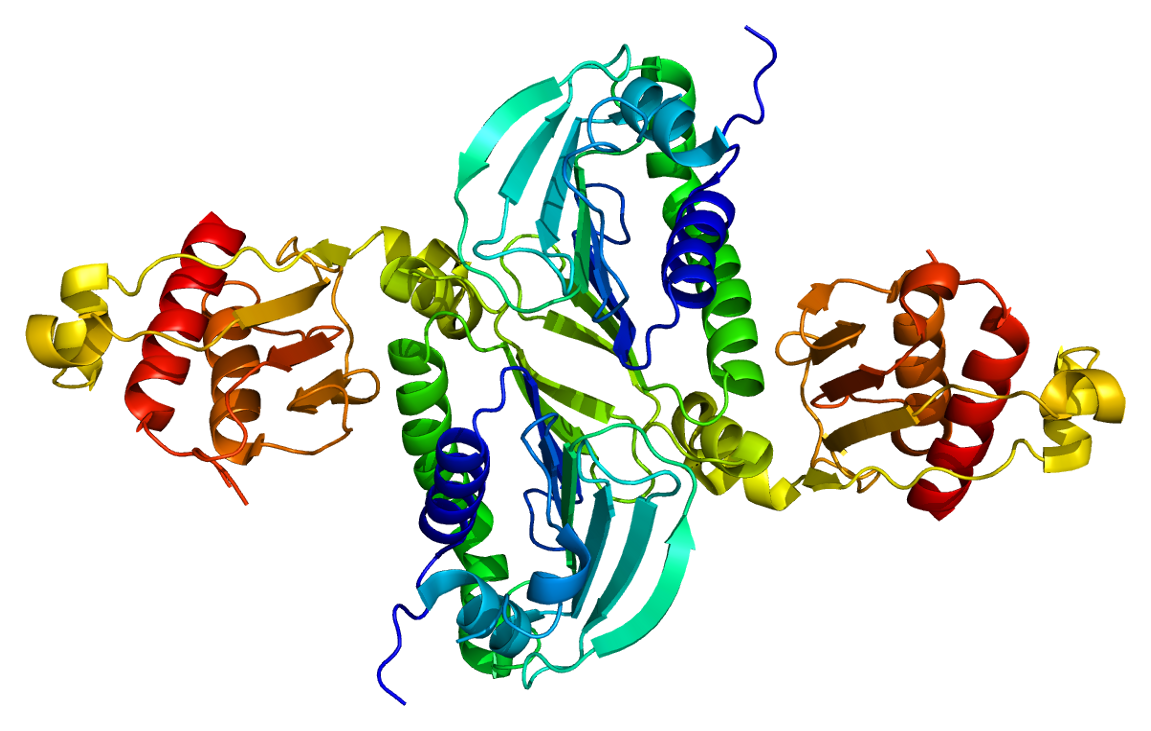
Síndrome de deficiência constitucional da reparação dos erros de emparelhamento
📋 Origem dos dados
Esta página agrega dados de fontes públicas e oficiais. Dados sobre cobertura no SUS (PCDT, CEAF) são verificados ativamente por agente proativo (ver badge no infobox). Demais dados têm atribuição de fonte + data da última sincronização — clique para abrir o original.
- Doença rara (ontologia)
- fonte: Orphanet
- Identificador unificado
- fonte: MONDO
- Codificação WHO/SUS
- fonte: WHO ICD-10 / DATASUS
- NIH/GARD
- fonte: GARD (NIH)
- Indexação biomédica
- fonte: MeSH (NLM)
- Dado público estruturado
- fonte: Wikidata
- Ensaios clínicos
- fonte: ClinicalTrials.gov