
Doença genética rara com padrão de herança autossômico recessivo. É causada pela biossíntese ineficaz ou diminuída do terceiro componente do complemento, C3. A deficiência de C3 também pode ser adquirida de forma aguda após a infecção ou cronicamente devido a doenças autoimunes comórbidas. Se o C3 for sintetizado adequadamente, a sua rápida depleção pode resultar numa deficiência funcional. Os sinais clínicos da deficiência hereditária apresentam-se na primeira década de vida e são consistentes com os sinais de infecção sistêmica recorrente ou doença do complexo imune. A deficiência de C3 sérico e do seu principal produto de clivagem, C3b, diminuirá a resposta imunitária humoral eficaz às bactérias encapsuladas. A deficiência de C3 também prejudica a depuração dos complexos imunes circulantes e, portanto, predispõe a doenças reumáticas e renais.
Introdução
O que você precisa saber de cara
Doença genética rara com padrão de herança autossômico recessivo. É causada pela biossíntese ineficaz ou diminuída do terceiro componente do complemento, C3. A deficiência de C3 também pode ser adquirida de forma aguda após a infecção ou cronicamente devido a doenças autoimunes comórbidas. Se o C3 for sintetizado adequadamente, a sua rápida depleção pode resultar numa deficiência funcional. Os sinais clínicos da deficiência hereditária apresentam-se na primeira década de vida e são consistentes com os sinais de infecção sistêmica recorrente ou doença do complexo imune. A deficiência de C3 sérico e do seu principal produto de clivagem, C3b, diminuirá a resposta imunitária humoral eficaz às bactérias encapsuladas. A deficiência de C3 também prejudica a depuração dos complexos imunes circulantes e, portanto, predispõe a doenças reumáticas e renais.
Escala de raridade
<1/50kMuito rara
1/20kRara
1/10kPouco freq.
1/5kIncomum
1/2k
Encontrou um erro ou informação desatualizada? Sugira uma correção →
Entender a doença
Do básico ao detalhe, leia no seu ritmo
Preparando trilha educativa...
Sinais e sintomas
O que aparece no corpo e com que frequência cada sintoma acontece
Partes do corpo afetadas
+ 7 sintomas em outras categorias
Características mais comuns
Os sintomas variam de pessoa para pessoa. Abaixo estão as 12 características clínicas mais associadas, ordenadas por frequência.
Linha do tempo da pesquisa
Encontrou um erro ou informação desatualizada? Sugira uma correção →
Genética e causas
O que está alterado no DNA e como passa nas famílias
Genes associados
1 gene identificado com associação a esta condição. Padrão de herança: Autosomal recessive.
Curadoria gene-doença
fontes oficiaisPrecursor of non-enzymatic components of the classical, alternative, lectin and GZMK complement pathways, which consist in a cascade of proteins that leads to phagocytosis and breakdown of pathogens and signaling that strengthens the adaptive immune system Non-enzymatic component of C5 convertase (PubMed:28264884, PubMed:31507604, PubMed:3653927, PubMed:3897448). Generated following cleavage by C3 convertase, it covalently attaches to the surface of pathogens, where it acts as an opsonin that ma
SecretedCell surface
Complement component 3 deficiency
A rare defect of the complement classical pathway. Patients develop recurrent, severe, pyogenic infections because of ineffective opsonization of pathogens. Some patients may also develop autoimmune disorders, such as arthralgia and vasculitic rashes, lupus-like syndrome and membranoproliferative glomerulonephritis.
Variantes genéticas (ClinVar)
134 variantes patogênicas registradas no ClinVar.
Classificação de variantes (ClinVar)
Distribuição de 507 variantes classificadas pelo ClinVar.
Vias biológicas (Reactome)
10 vias biológicas associadas aos genes desta condição.
Diagnóstico
Os sinais que médicos procuram e os exames que confirmam
Tratamento e manejo
Remédios, cuidados de apoio e o que precisa acompanhar
Onde tratar no SUS
Hospitais de referência no Brasil e o protocolo oficial do SUS (PCDT)
🇧🇷 Atendimento SUS — Deficiência de componente 3 do complemento
Selecione um estado ou use sua localização para ver resultados.
Dados de DATASUS/CNES, SBGM, ABNeuro e Ministério da Saúde. Sempre confirme a disponibilidade diretamente com o estabelecimento.
Pesquisa ativa
Ensaios clínicos abertos e novidades científicas recentes
Ensaios em destaque
Pesquisa e ensaios clínicos
3 ensaios clínicos encontrados.
Publicações mais relevantes
Differences in the Effectiveness of Uridine and Liriope platyphylla L. Between Complement Component 3 Deficiency- and Loperamide-Induced Constipation May Be Associated with the Alternative Regulation of the Cyclic Adenosine Monophosphate Downstream Signaling Pathway.
Background/Objectives: Constipation can be induced in animal models through various factors such as loperamide (Lop) or complement component 3 (C3) deficiency. The effectiveness of therapeutic agents in the clinical management of constipation has been primarily evaluated within only one model, but between-model comparisons have not been performed so far. Therefore, we investigated whether the effectiveness of the laxative drugs for the clinical management is related to etiological factors. Methods: The changes in the key parameters for defecation were compared between C3 knockout (KO) mice with C3-deficiency-induced constipation and ICR mice with Lop-induced constipation after the oral administration of Uridine (Urd) and aqueous extract of Liriope platyphylla L. (AELP). Results: Similar effectiveness of Urd and AELP were detected on the stool frequency, intestinal epithelial barrier structure, and mucin secretion in both models. However, other parameters (namely gastrointestinal (GI) transit, water retention, and enteric nervous system (ENS) structure and function) showed higher effectiveness in C3 KO mice than in the Lop-induced model. Only the effectiveness of the two therapeutic agents on the histological structure of the mid-colon was greater in the Lop-induced mice model compared to the C3 KO mice model. Furthermore, these differences in the therapeutic effectiveness of Urd and AELP were partially reflected in alterations in the cyclic adenosine monophosphate (cAMP) downstream signaling pathway. Conclusions: The results suggest that the therapeutic effectiveness of Urd and AELP is sensitive to C3-deficiency-induced constipation and these differences may be linked to the alternative regulation of the cAMP downstream signaling.
Novel Role of the ALPI Gene Associated with Constipation Caused by Complement Component 3 Deficiency.
Complement component 3 (C3) deficiency has recently been reported as one of the novel causes of constipation. To identify a unique gene specific to constipation caused by C3 deficiency, the total RNA extracted from the mid colon of C3 knockout (C3 KO) mice was hybridized to oligonucleotide microarrays, and the function of the candidate gene was verified in in vitro and in vivo models. C3 KO mice used for microarrays showed definite phenotypes of constipation. Overall, compared to the wild type (WT), 1237 genes were upregulated, and 1292 genes were downregulated in the C3 KO mice. Of these, the major genes included were lysine (K)-specific demethylase 5D (KDM5D), olfactory receptor 870 (Olfr870), pancreatic lipase (PNLIP), and alkaline phosphatase intestinal (ALPI). Specifically, the ALPI gene was selected as a novel gene candidate based on alterations during loperamide (Lop)-induced constipation and intestinal bowel disease (IBD). The upregulation of ALPI expression treated with acetate recovered the expression level of mucin-related genes in primary epithelial cells of C3 KO mice as well as most phenotypes of constipation in C3 KO mice. These results indicate that ALPI plays an important role as the novel gene associated with C3 deficiency-induced constipation.
Identification and structural analysis of dimeric chicken complement component 3d and its binding with chicken complement receptor 2.
Complement component 3d (C3d), the final cleavage product of complement component C3, interacts with CR2 and thus plays a crucial role in linking the innate and adaptive immune systems. Additionally, human C3d executes various functions in its dimeric form, which is more effective than its monomeric form. In this study, we aimed to explored whether chicken C3d (chC3d) exhibits similar characteristics, namely dimerization and binding of dimeric chC3d to chicken CR2 (chCR2). We investigated the interaction and co-localization of chC3d with itself using coimmunoprecipitation and confocal laser scanning microscopy, respectively. Then, dimeric chC3d was detected using native polyacrylamide gel electrophoresis and western blotting, and its equilibrium dissociation constant KD (827 nM) was determined using surface plasmon resonance. Finally, the interaction modes of dimeric chC3d were identified using molecular docking simulations, which revealed that dimeric chC3d could crosslink with chCR2 receptor. Overall, our findings will facilitate future explorations of the chicken complement system.
Complement component 3 deficiency prolongs MHC-II disparate skin allograft survival by increasing the CD4(+) CD25(+) regulatory T cells population.
Recent reports suggest that complement system contributes to allograft rejection. However, its underlying mechanism is poorly understood. Herein, we investigate the role of complement component 3 (C3) in a single MHC-II molecule mismatched murine model of allograft rejection using C3 deficient mice (C3(-/-)) as skin graft donors or recipients. Compared with C3(+/+) B6 allografts, C3(-/-) B6 grafts dramatically prolonged survival in MHC-II molecule mismatched H-2(bm12) B6 recipients, indicating that C3 plays a critical role in allograft rejection. Compared with C3(+/+) allografts, both Th17 cell infiltration and Th1/Th17 associated cytokine mRNA levels were clearly reduced in C3(-/-) allografts. Moreover, C3(-/-) allografts caused attenuated Th1/Th17 responses, but increased CD4(+)CD25(+)Foxp3(+) regulatory T (Treg) cell expression markedly in local intragraft and H-2(bm12) recipients. Depletion of Treg cells by anti-CD25 monoclonal antibody (mAb) negated the survival advantages conferred by C3 deficiency. Our results indicate for the first time that C3 deficiency can prolong MHC-II molecule mismatched skin allograft survival, which is further confirmed to be associated with increased CD4(+) CD25(+) Treg cell population expansion and attenuated Th1/Th17 response.
Clinical characteristics and genotype-phenotype correlations in C3 deficiency.
Publicações recentes
Differences in the Effectiveness of Uridine and Liriope platyphylla L. Between Complement Component 3 Deficiency- and Loperamide-Induced Constipation May Be Associated with the Alternative Regulation of the Cyclic Adenosine Monophosphate Downstream Signaling Pathway.
Novel Role of the ALPI Gene Associated with Constipation Caused by Complement Component 3 Deficiency.
Complement component 3 deficiency prolongs MHC-II disparate skin allograft survival by increasing the CD4(+) CD25(+) regulatory T cells population.
📚 EuropePMC3 artigos no totalmostrando 5
Differences in the Effectiveness of Uridine and Liriope platyphylla L. Between Complement Component 3 Deficiency- and Loperamide-Induced Constipation May Be Associated with the Alternative Regulation of the Cyclic Adenosine Monophosphate Downstream Signaling Pathway.
Pharmaceuticals (Basel, Switzerland)Novel Role of the ALPI Gene Associated with Constipation Caused by Complement Component 3 Deficiency.
International journal of molecular sciencesIdentification and structural analysis of dimeric chicken complement component 3d and its binding with chicken complement receptor 2.
Developmental and comparative immunologyComplement component 3 deficiency prolongs MHC-II disparate skin allograft survival by increasing the CD4(+) CD25(+) regulatory T cells population.
Scientific reportsClinical characteristics and genotype-phenotype correlations in C3 deficiency.
The Journal of allergy and clinical immunologyAssociações
Organizações que acompanham esta doença — pra ter apoio e orientação
Ainda não temos associações cadastradas para Deficiência de componente 3 do complemento.
É de uma associação que acompanha esta doença? Fale com a gente →
Comunidades
Grupos ativos de quem convive com esta doença aqui no Raras
Ainda não existe comunidade no Raras para Deficiência de componente 3 do complemento
Pacientes, familiares e cuidadores se organizam em comunidades pra compartilhar experiências, fazer perguntas e se apoiar. Você pode ser o primeiro.
Tire suas dúvidas
Perguntas, dicas e experiências compartilhadas aqui na página
Participe da discussão
Faça login para postar dúvidas, compartilhar experiências e interagir com especialistas.
Fazer loginDoenças relacionadas
Doenças com sintomas parecidos — ajudam quem ainda está buscando diagnóstico
Referências e fontes
Bases de dados externas citadas neste artigo
Publicações científicas
Artigos indexados no PubMed ligados a esta doença no grafo RarasNet — título, periódico e PMID direto da fonte, sem intermediação de IA.
- Differences in the Effectiveness of Uridine and Liriope platyphylla L. Between Complement Component 3 Deficiency- and Loperamide-Induced Constipation May Be Associated with the Alternative Regulation of the Cyclic Adenosine Monophosphate Downstream Signaling Pathway.
- Novel Role of the ALPI Gene Associated with Constipation Caused by Complement Component 3 Deficiency.
- Identification and structural analysis of dimeric chicken complement component 3d and its binding with chicken complement receptor 2.
- Complement component 3 deficiency prolongs MHC-II disparate skin allograft survival by increasing the CD4(+) CD25(+) regulatory T cells population.
- Clinical characteristics and genotype-phenotype correlations in C3 deficiency.
Bases de dados e fontes oficiais
Identificadores e referências canônicas usadas para montar este verbete.
- ORPHA:280133(Orphanet)
- OMIM OMIM:613779(OMIM)
- MONDO:0013417(MONDO)
- GARD:16489(GARD (NIH))
- Variantes catalogadas(ClinVar)
- Busca completa no PubMed(PubMed)
- Q5156400(Wikidata)
Dados compilados pelo RarasNet a partir de fontes abertas (Orphanet, OMIM, MONDO, PubMed/EuropePMC, ClinicalTrials.gov, DATASUS, PCDT/MS). Este conteúdo é informativo e não substitui avaliação médica.
Conteúdo mantido por Agente Raras · Médicos e pesquisadores podem colaborar
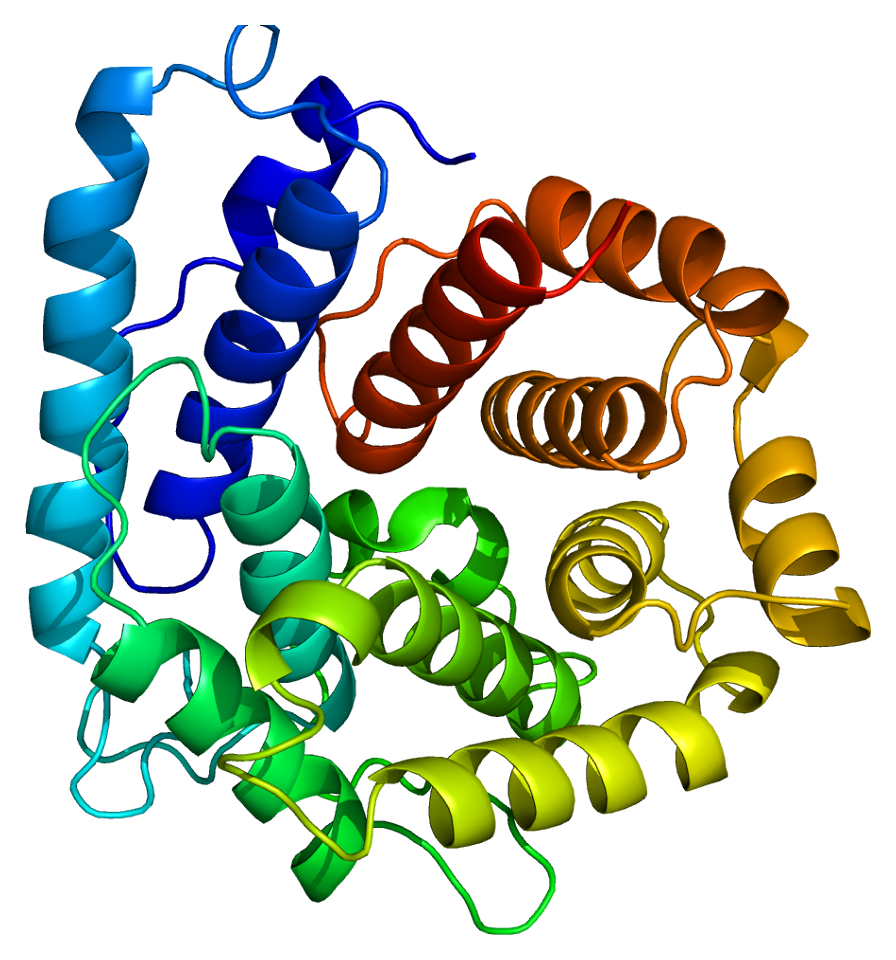
Deficiência de componente 3 do complemento
📋 Origem dos dados
Esta página agrega dados de fontes públicas e oficiais. Dados sobre cobertura no SUS (PCDT, CEAF) são verificados ativamente por agente proativo (ver badge no infobox). Demais dados têm atribuição de fonte + data da última sincronização — clique para abrir o original.
- Doença rara (ontologia)
- fonte: Orphanet
- Identificador unificado
- fonte: MONDO
- Genética mendeliana
- fonte: OMIM
- Codificação WHO/SUS
- fonte: WHO ICD-10 / DATASUS
- CID-11 (futuro)
- fonte: WHO ICD-11
- NIH/GARD
- fonte: GARD (NIH)
- Indexação biomédica
- fonte: MeSH (NLM)
- Dado público estruturado
- fonte: Wikidata