
O diabetes insípido central hereditário é um subtipo genético raro de diabetes insípido central (CDI), caracterizado por poliúria e polidipsia devido a uma deficiência na síntese de vasopressina (AVP).
Introdução
O que você precisa saber de cara
O diabetes insípido central hereditário é um subtipo genético raro de diabetes insípido central (CDI), caracterizado por poliúria e polidipsia devido a uma deficiência na síntese de vasopressina (AVP).
Escala de raridade
<1/50kMuito rara
1/20kRara
1/10kPouco freq.
1/5kIncomum
1/2k
Encontrou um erro ou informação desatualizada? Sugira uma correção →
Entender a doença
Do básico ao detalhe, leia no seu ritmo
Preparando trilha educativa...
Sinais e sintomas
O que aparece no corpo e com que frequência cada sintoma acontece
Partes do corpo afetadas
+ 5 sintomas em outras categorias
Características mais comuns
Os sintomas variam de pessoa para pessoa. Abaixo estão as 18 características clínicas mais associadas, ordenadas por frequência.
Linha do tempo da pesquisa
Encontrou um erro ou informação desatualizada? Sugira uma correção →
Genética e causas
O que está alterado no DNA e como passa nas famílias
Genes associados
1 gene identificado com associação a esta condição. Padrão de herança: Autosomal dominant, Autosomal recessive, X-linked dominant.
Curadoria gene-doença
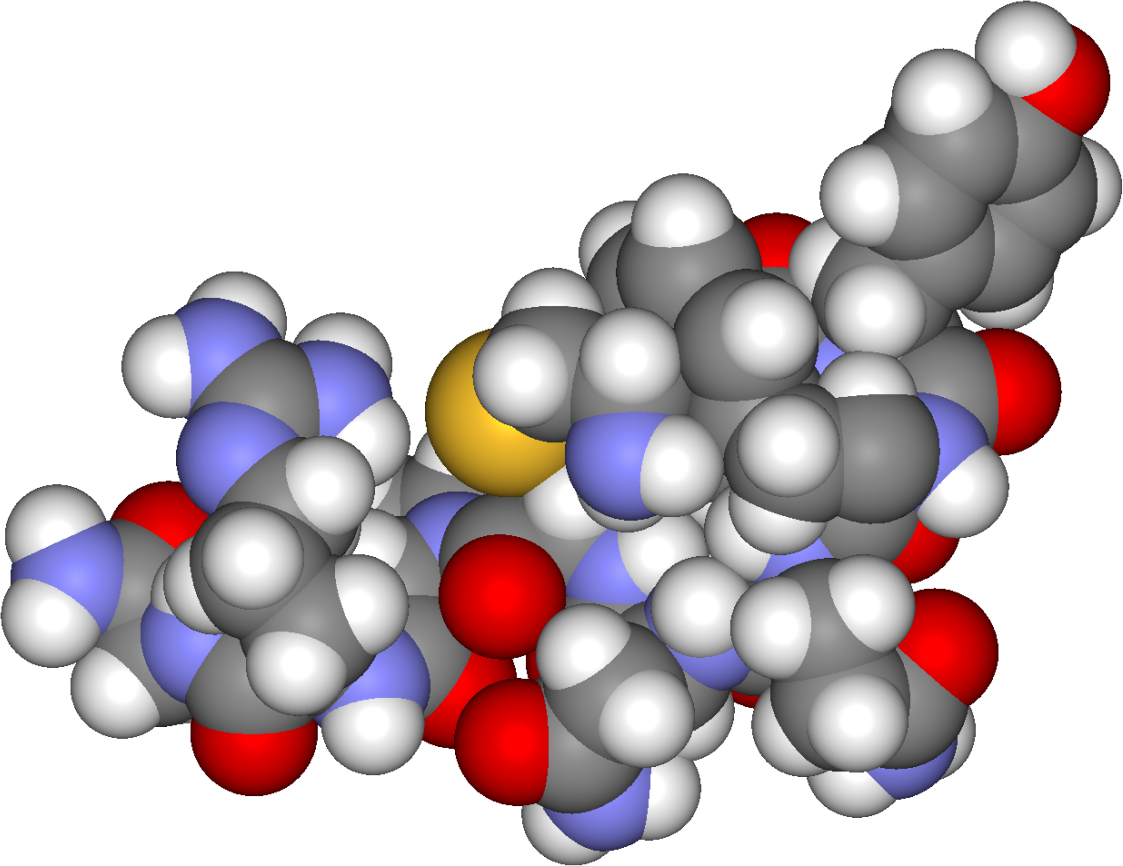
fontes oficiaisHas a direct antidiuretic action on the kidney, it also causes vasoconstriction of the peripheral vessels. Acts by binding to vasopressin receptors (V1bR/AVPR1B, V1aR/AVPR1A, and V2R/AVPR2) Specifically binds vasopressin
Secreted
Diabetes insipidus, neurohypophyseal
A disease characterized by persistent thirst, polydipsia and polyuria. Affected individuals are apparently normal at birth, but characteristically develop symptoms of vasopressin deficiency during childhood.
Variantes genéticas (ClinVar)
73 variantes patogênicas registradas no ClinVar.
Vias biológicas (Reactome)
10 vias biológicas associadas aos genes desta condição.
Diagnóstico
Os sinais que médicos procuram e os exames que confirmam
Tratamento e manejo
Remédios, cuidados de apoio e o que precisa acompanhar
Onde tratar no SUS
Hospitais de referência no Brasil e o protocolo oficial do SUS (PCDT)
🇧🇷 Atendimento SUS — Deficiência de arginina vasopressina hereditária
Selecione um estado ou use sua localização para ver resultados.
Dados de DATASUS/CNES, SBGM, ABNeuro e Ministério da Saúde. Sempre confirme a disponibilidade diretamente com o estabelecimento.
Pesquisa ativa
Ensaios clínicos abertos e novidades científicas recentes
Ensaios em destaque
🟢 Recrutando agora
1 pesquisa recrutando participantes. Converse com seu médico sobre a possibilidade de participar.
Outros ensaios clínicos
0 ensaios clínicos encontrados.
Publicações mais relevantes
Family experience with individuals of different ages and clinical presentations diagnosed with DI: do familial DI cases tolerate polyuria better?
Familial neurohypophyseal diabetes insipidus (DI) is a rare genetic disorder caused by vasopressin deficiency due to AVP gene mutations. This case report describes the genetic findings and clinical profiles of three generations within a family affected by hereditary central DI and managed with desmopressin. An 8-month-old male infant was admitted due to persistent polyuria and polydipsia that had been present since birth. History revealed a daily fluid intake of 7,200 mL and required 13 full diapers. The water deprivation test revealed a serum osmolality >300 mOsm/kg with a concurrently low urine osmolality (<300 mOsm/kg), confirming the diagnosis of DI. Desmopressin therapy was initiated for the patient. Using next-generation sequencing, a heterozygous variant c.329G>A (p.Cys110Tyr) was detected in the AVP gene. Following our patient's diagnosis, we evaluated first cousin once removed (on the maternal side) for similar symptoms. Upon identification of the heterozygous AVP variant via next-generation sequencing, desmopressin treatment was started. The same variant was detected in our patient's grandfather, mother, aunt, great-uncle, and first cousin once removed. Polyuria and polydipsia were present in all patients included in our case series. The grandfather and great-uncle, who were initially diagnosed, experienced delayed diagnosis and later developed renal complications. In contrast, the following generations of the family were diagnosed early. In familial cases, parents are often familiar with the clinical features of DI, allowing them to ensure adequate hydration, manage polyuria, and minimize the risk of dehydration. However, early diagnosis reduces the risk of long-term complications and enables effective family screening, allowing identification of previously unrecognized mild cases.
Construction of arginine vasopressin receptor 2-deficient rats by the rGONAD method.
Congenital nephrogenic diabetes insipidus (NDI) is a hereditary disease characterized by a reduced response to arginine vasopressin in the renal collecting duct. NDI is primarily caused by mutations in the arginine vasopressin receptor 2 (AVPR2). Several animal models have been developed for congenital NDI; however, the appropriate models are limited. Thus, we constructed a novel Avpr2-deficient rat model using gene-editing technology to study the pathophysiological mechanisms of NDI. Avpr2-deficient rats were generated via a novel genome editing approach termed the rat Genome-editing via Oviductal Nucleic Acid Delivery (rGONAD) method. The phenotypes were analyzed using biological, molecular, and histological examinations. The effects of hydrochlorothiazide (40 mg/kg/d) on 24-h water intake, urine volume, and urine osmolality were evaluated in a metabolic cage. Avpr2-deficient rats were born and weaned under normal rearing conditions and exhibited symptoms similar to those of human congenital NDI, such as polydipsia, polyuria, and growth retardation. Although they exhibited hydronephrosis-like kidneys, no glomerular or tubular damage was observed. Aquaporin-2 was retained in the cytoplasm of collecting duct cells, and its phosphorylation was suppressed. Administration of hydrochlorothiazide decreased urine volume and improved urine osmolality in Avpr2-deficient rats. Avpr2-deficient rats are a reliable model of congenital NDI for elucidating the underlying mechanisms and identifying therapeutic targets.
Diagnosis and Treatment of Hereditary Central Diabetes Insipidus in a Swiss Family With a Mutation in the AVP Gene.
Hereditary central diabetes insipidus (CDI) is a genetic disorder characterized by polydipsia and polyuria. Most known mutations are located in the arginine-vasopressin (AVP) gene. Here, we describe a Swiss family with an autosomal dominant mutation in the AVP gene region encoding for the carrier protein neurophysin II (P55R). In addition, we discuss the algorithm for diagnosing and treating patients with hereditary CDI based on this Swiss family.
Neuroimaging of central diabetes insipidus.
Central diabetes insipidus (CDI) occurs secondary to deficient synthesis or secretion of arginine vasopressin peptide from the hypothalamo-neurohypophyseal system (HNS). It is characterized by polydipsia and polyuria (urine output >30mL/kg/day in adults and >2l/m2/24h in children) of dilute urine (<250mOsm/L). It can result from any pathology affecting one or more components of the HNS including the hypothalamic osmoreceptors, supraoptic or paraventricular nuclei, and median eminence of the hypothalamus, infundibulum, stalk or the posterior pituitary gland. MRI is the imaging modality of choice for evaluation of the hypothalamic-pituitary axis (HPA), and a dedicated pituitary or sella protocol is essential. CT can provide complimentary diagnostic information and is also of value when MRI is contraindicated. The most common causes are benign or malignant neoplasia of the HPA (25%), surgery (20%), and head trauma (16%). No cause is identified in up to 30% of cases, classified as idiopathic CDI. Knowledge of the anatomy and physiology of the HNS is crucial when evaluating a patient with CDI. Establishing the etiology of CDI with MRI in combination with clinical and biochemical assessment facilitates appropriate targeted treatment. This chapter illustrates the wide variety of causes and imaging correlates of CDI on neuroimaging, discusses the optimal imaging protocols, and revises the detailed neuroanatomy required to interpret these studies.
Role of protein aggregation and degradation in autosomal dominant neurohypophyseal diabetes insipidus.
This review focuses on the cellular and molecular aspects underlying familial neurohypophyseal diabetes insipidus (DI), a rare disorder that is usually transmitted in an autosomal-dominant fashion. The disease, manifesting in infancy or early childhood and gradually progressing in severity, is caused by fully penetrant heterozygous mutations in the gene encoding prepro-vasopressin-neurophysin II, the precursor of the antidiuretic hormone arginine vasopressin (AVP). Post mortem studies in affected adults have shown cell degeneration in vasopressinergic hypothalamic nuclei. Studies in cells expressing pathogenic mutants and knock-in rodent models have shown that the mutant precursors are folding incompetent and fail to exit the endoplasmic reticulum (ER), as occurs normally with proteins that have entered the regulated secretory pathway. A portion of these mutants is eliminated via ER-associated degradation (ERAD) by proteasomes after retrotranslocation to the cytosol. Another portion forms large disulfide-linked fibrillar aggregates within the ER, in which wild-type precursor is trapped. Aggregation capacity is independently conferred by two domains of the prohormone, namely the AVP moiety and the C-terminal glycopeptide (copeptin). The same domains are also required for packaging into dense-core secretory granules and regulated secretion, suggesting a disturbed balance between the physiological self-aggregation at the trans-Golgi network and avoiding premature aggregate formation at the ER in the disease. The critical role of ERAD in maintaining physiological water balance has been underscored by experiments in mice expressing wild-type AVP but lacking critical components of the ERAD machinery. These animals also develop DI and show amyloid-like aggregates in the ER lumen. Thus, the capacity of the ERAD is exceeded in autosomal dominant DI, which can be viewed as a neurodegenerative disorder associated with the formation of amyloid ER aggregates. While DI symptoms develop prior to detectable cell death in transgenic DI mice, the eventual loss of vasopressinergic neurons is accompanied by autophagy, but the mechanism leading to cell degeneration in autosomal dominant neurohypophyseal DI still remains unknown.
Publicações recentes
Diagnosis and Treatment of Hereditary Central Diabetes Insipidus in a Swiss Family With a Mutation in the AVP Gene.
Mice deficient for ERAD machinery component Sel1L develop central diabetes insipidus.
[Water metabolism and its disturbances].
Contribution of vasopressin to progression of chronic renal failure: study in Brattleboro rats.
Vasopressin processing defects in the Brattleboro rat: implications for hereditary central diabetes insipidus in humans?
📚 EuropePMCmostrando 19
Family experience with individuals of different ages and clinical presentations diagnosed with DI: do familial DI cases tolerate polyuria better?
Journal of pediatric endocrinology & metabolism : JPEMConstruction of arginine vasopressin receptor 2-deficient rats by the rGONAD method.
Clinical and experimental nephrologyDiagnosis and Treatment of Hereditary Central Diabetes Insipidus in a Swiss Family With a Mutation in the AVP Gene.
JCEM case reportsNeuroimaging of central diabetes insipidus.
Handbook of clinical neurologyGenetic forms of neurohypophyseal diabetes insipidus.
Best practice & research. Clinical endocrinology & metabolismCentral Diabetes Insipidus Caused by Arginine Vasopressin Gene Mutation: Report of a Novel Mutation and Review of Literature.
Hormone and metabolic research = Hormon- und Stoffwechselforschung = Hormones et metabolismeFrom infancy to adulthood: challenges in congenital nephrogenic diabetes insipidus.
Journal of pediatric endocrinology & metabolism : JPEMRole of protein aggregation and degradation in autosomal dominant neurohypophyseal diabetes insipidus.
Molecular and cellular endocrinologyHereditary Neurohypophyseal Diabetes Insipidus.
Experientia supplementum (2012)Strategies for Individualized Dosing of Clotting Factor Concentrates and Desmopressin in Hemophilia A and B.
Therapeutic drug monitoringJuvenile-onset gout and adipsic diabetes insipidus: A case report and literature review.
The Journal of international medical researchMice deficient for ERAD machinery component Sel1L develop central diabetes insipidus.
The Journal of clinical investigationNew treatment approaches to von Willebrand disease.
Hematology. American Society of Hematology. Education ProgramEfficiency of Osmotic Concentration after Combined Treatment with Vasopressin and Blockage of Prostaglandin Synthesis.
Bulletin of experimental biology and medicineTwo novel mutations in seven Czech and Slovak kindreds with familial neurohypophyseal diabetes insipidus-benefit of genetic testing.
European journal of pediatricsAnimal models of Central Diabetes Insipidus: Human relevance of acquired beyond hereditary syndromes and the role of oxytocin.
Neuroscience and biobehavioral reviewsNovel Vasoregulatory Aspects of Hereditary Angioedema: the Role of Arginine Vasopressin, Adrenomedullin and Endothelin-1.
Journal of clinical immunology[Features of the immune proteasome expression in ascite Zajdela hepatoma after implantation into Brattleboro rats with the hereditary defect of arginine-vasopressin synthesis].
Bioorganicheskaia khimiiaEarly-onset central diabetes insipidus is associated with de novo arginine vasopressin-neurophysin II or Wolfram syndrome 1 gene mutations.
European journal of endocrinologyAssociações
Organizações que acompanham esta doença — pra ter apoio e orientação
Ainda não temos associações cadastradas para Deficiência de arginina vasopressina hereditária.
É de uma associação que acompanha esta doença? Fale com a gente →
Comunidades
Grupos ativos de quem convive com esta doença aqui no Raras
Ainda não existe comunidade no Raras para Deficiência de arginina vasopressina hereditária
Pacientes, familiares e cuidadores se organizam em comunidades pra compartilhar experiências, fazer perguntas e se apoiar. Você pode ser o primeiro.
Tire suas dúvidas
Perguntas, dicas e experiências compartilhadas aqui na página
Participe da discussão
Faça login para postar dúvidas, compartilhar experiências e interagir com especialistas.
Fazer loginDoenças relacionadas
Doenças com sintomas parecidos — ajudam quem ainda está buscando diagnóstico
Referências e fontes
Bases de dados externas citadas neste artigo
Publicações científicas
Artigos indexados no PubMed ligados a esta doença no grafo RarasNet — título, periódico e PMID direto da fonte, sem intermediação de IA.
- Family experience with individuals of different ages and clinical presentations diagnosed with DI: do familial DI cases tolerate polyuria better?
- Construction of arginine vasopressin receptor 2-deficient rats by the rGONAD method.
- Diagnosis and Treatment of Hereditary Central Diabetes Insipidus in a Swiss Family With a Mutation in the AVP Gene.
- Neuroimaging of central diabetes insipidus.
- Role of protein aggregation and degradation in autosomal dominant neurohypophyseal diabetes insipidus.
- Mice deficient for ERAD machinery component Sel1L develop central diabetes insipidus.
- [Water metabolism and its disturbances].
- Contribution of vasopressin to progression of chronic renal failure: study in Brattleboro rats.
- Vasopressin processing defects in the Brattleboro rat: implications for hereditary central diabetes insipidus in humans?
Bases de dados e fontes oficiais
Identificadores e referências canônicas usadas para montar este verbete.
- ORPHA:30925(Orphanet)
- OMIM OMIM:125700(OMIM)
- MONDO:0007450(MONDO)
- GARD:16629(GARD (NIH))
- Variantes catalogadas(ClinVar)
- Busca completa no PubMed(PubMed)
- Q138495840(Wikidata)
Dados compilados pelo RarasNet a partir de fontes abertas (Orphanet, OMIM, MONDO, PubMed/EuropePMC, ClinicalTrials.gov, DATASUS, PCDT/MS). Este conteúdo é informativo e não substitui avaliação médica.
Conteúdo mantido por Agente Raras · Médicos e pesquisadores podem colaborar
Deficiência de arginina vasopressina hereditária
📋 Origem dos dados
Esta página agrega dados de fontes públicas e oficiais. Dados sobre cobertura no SUS (PCDT, CEAF) são verificados ativamente por agente proativo (ver badge no infobox). Demais dados têm atribuição de fonte + data da última sincronização — clique para abrir o original.
- Doença rara (ontologia)
- fonte: Orphanet
- Identificador unificado
- fonte: MONDO
- Genética mendeliana
- fonte: OMIM
- Codificação WHO/SUS
- fonte: WHO ICD-10 / DATASUS
- CID-11 (futuro)
- fonte: WHO ICD-11
- NIH/GARD
- fonte: GARD (NIH)
- Dado público estruturado
- fonte: Wikidata