
Doença congênita rara, não ligada ao X, de ciclosilação devido à deficiência de esteróide 5 alfa redutase tipo 3, caracterizada por um fenótipo altamente variável, geralmente apresentando deficiência visual grave, anomalias oculares variáveis (como hipoplasia/atrofia do nervo óptico, coloboma da íris e do nervo óptico, catarata congênita, glaucoma), deficiência intelectual, anomalias cerebelares, nistagmo, hipotonia, ataxia e/ou lesões cutâneas ictiosiformes. Outras manifestações relatadas incluem retinite pigmentosa, cifose, defeitos cardíacos congênitos, hipertricose e coagulação anormal.
Introdução
O que você precisa saber de cara
Doença congênita rara, não ligada ao X, de ciclosilação devido à deficiência de esteróide 5 alfa redutase tipo 3, caracterizada por um fenótipo altamente variável, geralmente apresentando deficiência visual grave, anomalias oculares variáveis (como hipoplasia/atrofia do nervo óptico, coloboma da íris e do nervo óptico, catarata congênita, glaucoma), deficiência intelectual, anomalias cerebelares, nistagmo, hipotonia, ataxia e/ou lesões cutâneas ictiosiformes. Outras manifestações relatadas incluem retinite pigmentosa, cifose, defeitos cardíacos congênitos, hipertricose e coagulação anormal.
Escala de raridade
<1/50kMuito rara
1/20kRara
1/10kPouco freq.
1/5kIncomum
1/2k
Encontrou um erro ou informação desatualizada? Sugira uma correção →
Entender a doença
Do básico ao detalhe, leia no seu ritmo
Preparando trilha educativa...
Sinais e sintomas
O que aparece no corpo e com que frequência cada sintoma acontece
Partes do corpo afetadas
+ 13 sintomas em outras categorias
Características mais comuns
Os sintomas variam de pessoa para pessoa. Abaixo estão as 55 características clínicas mais associadas, ordenadas por frequência.
Linha do tempo da pesquisa
Encontrou um erro ou informação desatualizada? Sugira uma correção →
Genética e causas
O que está alterado no DNA e como passa nas famílias
Genes associados
1 gene identificado com associação a esta condição. Padrão de herança: Autosomal recessive.
Curadoria gene-doença
fontes oficiaisPlays a key role in early steps of protein N-linked glycosylation by being involved in the conversion of polyprenol into dolichol (PubMed:20637498, PubMed:38821050). Acts as a polyprenal reductase that mediates the reduction of polyprenal into dolichal in a NADP-dependent mechanism (PubMed:38821050). Dolichols are required for the synthesis of dolichol-linked monosaccharides and the oligosaccharide precursor used for N-glycosylation (PubMed:20637498, PubMed:38821050). Also able to convert testos
Endoplasmic reticulum membrane
Congenital disorder of glycosylation 1Q
A form of congenital disorder of glycosylation, a multisystem disorder caused by a defect in glycoprotein biosynthesis and characterized by under-glycosylated serum glycoproteins. Congenital disorders of glycosylation result in a wide variety of clinical features, such as defects in the nervous system development, psychomotor retardation, dysmorphic features, hypotonia, coagulation disorders, and immunodeficiency. The broad spectrum of features reflects the critical role of N-glycoproteins during embryonic development, differentiation, and maintenance of cell functions.
Variantes genéticas (ClinVar)
58 variantes patogênicas registradas no ClinVar.
Vias biológicas (Reactome)
3 vias biológicas associadas aos genes desta condição.
Diagnóstico
Os sinais que médicos procuram e os exames que confirmam
Tratamento e manejo
Remédios, cuidados de apoio e o que precisa acompanhar
Onde tratar no SUS
Hospitais de referência no Brasil e o protocolo oficial do SUS (PCDT)
🇧🇷 Atendimento SUS — Síndrome SRD5A3-CDG
Selecione um estado ou use sua localização para ver resultados.
Dados de DATASUS/CNES, SBGM, ABNeuro e Ministério da Saúde. Sempre confirme a disponibilidade diretamente com o estabelecimento.
Pesquisa ativa
Ensaios clínicos abertos e novidades científicas recentes
Ensaios em destaque
🟢 Recrutando agora
1 pesquisa recrutando participantes. Converse com seu médico sobre a possibilidade de participar.
Outros ensaios clínicos
Publicações mais relevantes
Extensive Hypoglycosylation of Serum N-Glycoproteins in SRD5A3 Deficiency.
Polyprenal reductase is an enzyme encoded by the SRD5A3 gene, which is involved in the synthesis of dolichol from polyprenol. Dolichol serves as a carrier for glycan precursors or monosaccharides in N-linked glycosylation. Pathogenic variants in SRD5A3 can result in a congenital disorder of glycosylation (CDG), SRD5A3-CDG, which is inherited in an autosomal recessive manner. Most plasma proteins are glycosylated and changes in the glycosylation of several glycoproteins are associated with pathological consequences. Despite the critical role of SRD5A3 in glycosylation, the impact of its deficiency on the glycosylation of serum proteins remains largely unexplored. In this study, we used tandem mass tag-based multiplexed quantitative approach to analyze serum N-glycoproteomics and proteomics in SRD5A3-CDG patients and controls. We quantified 2200 serum N-glycopeptides from 359 N-glycosites from 204 serum proteins. Extensive hypoglycosylation of serum proteins was observed in patients, with 245 of 291 altered glycopeptides decreased in SRD5A3-CDG. Altered glycopeptides included those derived from haptoglobin, plasma serine protease inhibitor, alpha-1-B glycoprotein, alpha-2-macroglobulin, and ceruloplasmin. Some of these proteins have previously been reported to be associated with liver dysfunction, anemia, and coagulopathy, which could underlie similar clinical features observed in SRD5A3-CDG patients. Overall, our study provides novel insights into alterations in the glycosylation status of specific serum proteins in SRD5A3-CDG. Some of these alterations could be further pursued to develop glycopeptide-based biomarkers as the current diagnosis of SRD5A3-CDG by screening assays remains challenging. In addition, knowledge of altered glycoproteins could enhance our understanding of the disease spectrum and potentially unveil additional therapeutic avenues.
Neuro-Ophthalmic Presentation of Steroid 5a-Reductase Type 3 Congenital Disorder of Glycosylation: A Case of Monozygotic Twins.
We report a very rare autosomal recessive metabolic disorder in monozygotic twin sisters caused by the steroid 5a-reductase type 3 (SRD5A3) gene defect, a subtype of congenital disorder of glycosylation (CDG). SRD5A3 activity is required for N-glycosylation of proteins. This step is important for the protein to gain its function. The condition is characterized by severe neurodevelopmental delay, cerebellar atrophy or hypoplasia, ocular abnormalities, and ichthyotic skin changes. We describe 20-month-old female monozygotic twins born to non-consanguineous South Asian parents. Notably, both twins exhibited generalized tonic-clonic seizures starting in early infancy - a feature less commonly reported in SRD5A3-CDG. Physical examination of both children showed central hypotonia and bilateral horizontal nystagmus. Fundoscopy of the twins showed optic disc pallor suggestive of optic atrophy. Other features, such as ichthyosis and joint laxity, were absent. Crucially, despite prominent neurological symptoms, brain MRIs at 20 months were entirely normal, showing no evidence of cerebellar hypoplasia or atrophy typically associated with this condition. Whole-exome sequencing identified a homozygous nonsense mutation at exon 1 c.57G>A (p.Trp19Ter), in the SRD5A3 gene, classified as a pathogenic variant as per the American College of Medical Genetics and Genomics (ACMG), helping in establishing the diagnosis. SRD5A3-CDG should be one of the differentials in infants with unexplained seizures, hypotonia, and early ocular signs. This case highlights the phenotypic diversity of SRD5A3-CDG and demonstrates that structural brain anomalies may be absent in the early years of life. It underscores the importance of considering CDG as a differential in infants with unexplained hypotonia and ocular signs, even in the setting of normal neuroimaging.
Albumin as a glycoprotein biomarker in congenital disorders of glycosylation.
Congenital disorders of glycosylation (CDG) are rare inherited disorders resulting from defects in cellular glycosylation machinery. Albumin has recently been shown to be N-glycosylated at two non-canonical glycosylation sites. We applied multiplexed mass spectrometry-based glycoproteomics to identify site-specific N-glycosylation alterations in albumin from patients with PMM2-CDG, MPI-CDG, SRD5A3-CDG, MAN1B1-CDG and PGM1-CDG. Our findings demonstrate that the glycosylation of albumin is indeed affected in CDG and indicate a potential role for albumin-derived glycopeptides as diagnostic biomarkers.
Repurposing the HMG-CoA Reductase Inhibitor Atorvastatin for SRD5A3-CDG.
SRD5A3-CDG is a rare autosomal recessive congenital disorder of glycosylation characterized by multisystemic dysfunction, including neurological, psychomotor, cognitive, and visual impairments. Approximately 60 cases have been reported, with treatment limited to symptomatic management. SRD5A3 encodes a polyprenal reductase enzyme essential for synthesizing dolichol, a lipid carrier of the oligosaccharide precursor in N-glycosylation. To address the lack of effective treatments and disease models suitable for high-throughput screening, we developed the first C. elegans model of SRD5A3-CDG, harboring the homozygous W19X nonsense mutation commonly observed in patients. This model recapitulates disease-relevant phenotypes, including developmental delays, neurological dysfunction, and mevalonate pathway dysregulation. Using this model, we conducted a high-throughput motility-based drug repurposing screen and identified atorvastatin, an FDA-approved HMG-CoA reductase inhibitor, as a repurposing candidate. Atorvastatin rescued disease-relevant phenotypes in the worm model and restored polyprenol-to-dolichol ratios in patient fibroblasts. These findings highlight atorvastatin as a promising drug repurposing candidate for SRD5A3-CDG.
Predicting disease-overarching therapeutic approaches for congenital disorders of glycosylation using multi-OMICS.
Congenital Disorders of Glycosylation (CDG) are a rapidly expanding group of inherited metabolic diseases caused by defects in glycosylation. Although over 190 genetic defects have been identified, effective treatments remain available for only a few. We hypothesized that integrative analysis of multi-omics datasets from individuals with various CDG could uncover common molecular signatures and highlight shared therapeutic targets. We compiled all publicly available RNA sequencing, proteomics and glycoproteomics datasets from patients with PMM2-CDG, ALG1-CDG, SRD5A3-CDG, NGLY1-CDDG, ALG13-CDG and PGM1-CDG, spanning different tissues, including induced cardiomyocytes, human cortical organoids, fibroblasts, and lymphoblasts. Differential expression and glycosylation analyses were performed, followed by Gene Set Enrichment Analysis (GSEA) to identify commonly dysregulated pathways. We then applied the EMUDRA drug prediction algorithm to prioritize candidate compounds capable of reversing these shared molecular signatures. We identified four glycoproteins with consistent differential glycosylation across all eight glycoproteomics datasets. Six glycosylation sites and glycan structures were recurrently altered across CDG and showed partial correction with treatment. Pathway analysis revealed shared disruptions in autophagy, vesicle trafficking, and mitochondrial function. EMUDRA predicted several repurposable drug classes, including muscle relaxants, antioxidants, beta-adrenergic agonists, antibiotics, and NSAIDs, that could reverse key pathway abnormalities, particularly those involving autophagy and N-glycosylation. Most dysregulated pathways were shared across CDG, suggesting the potential for common therapeutic strategies. Several candidate drugs targeting these shared abnormalities emerged from integrative analysis and warrant validation in future in vitro studies.
Publicações recentes
Neuro-Ophthalmic Presentation of Steroid 5a-Reductase Type 3 Congenital Disorder of Glycosylation: A Case of Monozygotic Twins.
Extensive Hypoglycosylation of Serum N-Glycoproteins in SRD5A3 Deficiency.
Albumin as a glycoprotein biomarker in congenital disorders of glycosylation.
Repurposing the HMG-CoA Reductase Inhibitor Atorvastatin for SRD5A3-CDG.
Predicting disease-overarching therapeutic approaches for congenital disorders of glycosylation using multi-OMICS.
📚 EuropePMC12 artigos no totalmostrando 20
Neuro-Ophthalmic Presentation of Steroid 5a-Reductase Type 3 Congenital Disorder of Glycosylation: A Case of Monozygotic Twins.
CureusExtensive Hypoglycosylation of Serum N-Glycoproteins in SRD5A3 Deficiency.
Journal of inherited metabolic diseaseAlbumin as a glycoprotein biomarker in congenital disorders of glycosylation.
Molecular genetics and metabolismRepurposing the HMG-CoA Reductase Inhibitor Atorvastatin for SRD5A3-CDG.
bioRxiv : the preprint server for biologyPredicting disease-overarching therapeutic approaches for congenital disorders of glycosylation using multi-OMICS.
Molecular genetics and metabolismN-glycoproteomic and proteomic alterations in SRD5A3-deficient fibroblasts.
GlycobiologyAbnormal expression of lysosomal glycoproteins in patients with congenital disorders of glycosylation.
BMC research notesUnique clinical presentations and follow-up outcomes from experience with congenital disorders of glycosylation: PMM2-PGM1-DPAGT1-MPI-POMT2-B3GALNT2-DPM1-SRD5A3-CDG.
Journal of pediatric endocrinology & metabolism : JPEMQuantification of Dolichyl Phosphates Using Phosphate Methylation and Reverse-Phase Liquid Chromatography-High Resolution Mass Spectrometry.
Analytical chemistrySRD5A3-CDG: A Patient with a Novel Variant and Brain Neoplasm.
Journal of the College of Physicians and Surgeons--Pakistan : JCPSPA rare case of SRD5A3-CDG in a patient with ataxia and telangiectasia: A case report.
Clinical case reportsSRD5A3-CDG: Twins with an intragenic tandem duplication.
European journal of medical geneticsSRD5A3-CDG: Emerging Phenotypic Features of an Ultrarare CDG Subtype.
Frontiers in geneticsCongenital disorders of glycosylation in children - Histopathological and ultrastructural changes in the liver.
Pediatrics and neonatologyClinical, biochemical and molecular phenotype of congenital disorders of glycosylation: long-term follow-up.
Orphanet journal of rare diseasesSRD5A3-CDG: 3D structure modeling, clinical spectrum, and computer-based dysmorphic facial recognition.
American journal of medical genetics. Part AReview of SRD5A3 Disease-Causing Sequence Variants and Ocular Findings in Steroid 5α-Reductase Type 3 Congenital Disorder of Glycosylation, and a Detailed New Case.
Folia biologicaEarly-onset retinal dystrophy and chronic dermatitis in a girl with an undiagnosed congenital disorder of glycosylation (SRD5A3-CDG).
Ophthalmic geneticsAssociation of Steroid 5α-Reductase Type 3 Congenital Disorder of Glycosylation With Early-Onset Retinal Dystrophy.
JAMA ophthalmologySRD5A3-CDG: Expanding the phenotype of a congenital disorder of glycosylation with emphasis on adult onset features.
American journal of medical genetics. Part AAssociações
Organizações que acompanham esta doença — pra ter apoio e orientação
Ainda não temos associações cadastradas para Síndrome SRD5A3-CDG.
É de uma associação que acompanha esta doença? Fale com a gente →
Comunidades
Grupos ativos de quem convive com esta doença aqui no Raras
Ainda não existe comunidade no Raras para Síndrome SRD5A3-CDG
Pacientes, familiares e cuidadores se organizam em comunidades pra compartilhar experiências, fazer perguntas e se apoiar. Você pode ser o primeiro.
Tire suas dúvidas
Perguntas, dicas e experiências compartilhadas aqui na página
Participe da discussão
Faça login para postar dúvidas, compartilhar experiências e interagir com especialistas.
Fazer loginDoenças relacionadas
Doenças com sintomas parecidos — ajudam quem ainda está buscando diagnóstico
Referências e fontes
Bases de dados externas citadas neste artigo
Publicações científicas
Artigos indexados no PubMed ligados a esta doença no grafo RarasNet — título, periódico e PMID direto da fonte, sem intermediação de IA.
- Extensive Hypoglycosylation of Serum N-Glycoproteins in SRD5A3 Deficiency.
- Neuro-Ophthalmic Presentation of Steroid 5a-Reductase Type 3 Congenital Disorder of Glycosylation: A Case of Monozygotic Twins.
- Albumin as a glycoprotein biomarker in congenital disorders of glycosylation.
- Repurposing the HMG-CoA Reductase Inhibitor Atorvastatin for SRD5A3-CDG.
- Predicting disease-overarching therapeutic approaches for congenital disorders of glycosylation using multi-OMICS.
Bases de dados e fontes oficiais
Identificadores e referências canônicas usadas para montar este verbete.
- ORPHA:324737(Orphanet)
- OMIM OMIM:612379(OMIM)
- MONDO:0012885(MONDO)
- GARD:12397(GARD (NIH))
- Variantes catalogadas(ClinVar)
- Busca completa no PubMed(PubMed)
- Q66299846(Wikidata)
Dados compilados pelo RarasNet a partir de fontes abertas (Orphanet, OMIM, MONDO, PubMed/EuropePMC, ClinicalTrials.gov, DATASUS, PCDT/MS). Este conteúdo é informativo e não substitui avaliação médica.
Conteúdo mantido por Agente Raras · Médicos e pesquisadores podem colaborar
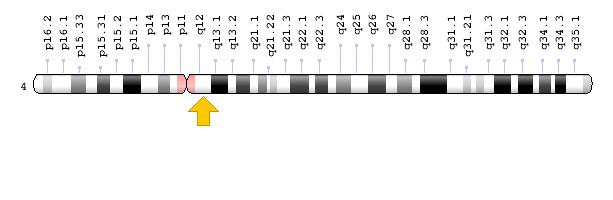
Síndrome SRD5A3-CDG
📋 Origem dos dados
Esta página agrega dados de fontes públicas e oficiais. Dados sobre cobertura no SUS (PCDT, CEAF) são verificados ativamente por agente proativo (ver badge no infobox). Demais dados têm atribuição de fonte + data da última sincronização — clique para abrir o original.
- Doença rara (ontologia)
- fonte: Orphanet
- Identificador unificado
- fonte: MONDO
- Genética mendeliana
- fonte: OMIM
- Codificação WHO/SUS
- fonte: WHO ICD-10 / DATASUS
- CID-11 (futuro)
- fonte: WHO ICD-11
- NIH/GARD
- fonte: GARD (NIH)
- Dado público estruturado
- fonte: Wikidata