É a forma mais comum de um distúrbio congênito (de nascença) da N-glicosilação. Caracteriza-se por disfunção cerebelar (problemas no cerebelo, a parte do cérebro que controla o equilíbrio e a coordenação), distribuição anormal de gordura, mamilos invertidos, estrabismo (olhos vesgos) e hipotonia (músculos flácidos ou fracos). Podem-se distinguir 3 formas de PMM2-CDG: o tipo infantil multissistêmico (que afeta vários sistemas do corpo), o tipo infantil tardio e infantil com ataxia (falta de coordenação) e deficiência intelectual (entre 3 e 10 anos), e o tipo adulto com deficiência estável. Bebês geralmente desenvolvem ataxia, atraso psicomotor (atraso para aprender a andar, falar, etc.) e manifestações extraneurológicas (sintomas fora do sistema nervoso), incluindo dificuldade de crescimento, problemas intestinais, disfunção hepática (problemas no fígado), anormalidades na coagulação (problemas de coagulação do sangue) e envolvimento cardíaco e renal (problemas no coração e nos rins). No entanto, a forma como a doença se apresenta é muito variável, podendo ir desde bebês que falecem no primeiro ano de vida até adultos com sintomas leves.
Introdução
O que você precisa saber de cara
A PMM2-CDG é uma condição genética rara que se caracteriza como a forma mais comum dos distúrbios congênitos da N-glicosilação. Os primeiros sinais costumam surgir na infância e incluem fraqueza ou flacidez muscular, atraso no desenvolvimento motor e estrabismo. A doença pode atingir também outros órgãos vitais, provocando alterações no fígado, nos rins, no coração e na coagulação sanguínea. Embora não haja remédio curativo dispensado na rede pública, o SUS oferece suporte por meio de exames diagnósticos e atendimento em reabilitação.
É a forma mais comum de um distúrbio congênito (de nascença) da N-glicosilação. Caracteriza-se por disfunção cerebelar (problemas no cerebelo, a parte do cérebro que controla o equilíbrio e a coordenação), distribuição anormal de gordura, mamilos invertidos, estrabismo (olhos vesgos) e hipotonia (músculos flácidos ou fracos). Podem-se distinguir 3 formas de PMM2-CDG: o tipo infantil multissistêmico (que afeta vários sistemas do corpo), o tipo infantil tardio e infantil com ataxia (falta de coordenação) e deficiência intelectual (entre 3 e 10 anos), e o tipo adulto com deficiência estável. Bebês geralmente desenvolvem ataxia, atraso psicomotor (atraso para aprender a andar, falar, etc.) e manifestações extraneurológicas (sintomas fora do sistema nervoso), incluindo dificuldade de crescimento, problemas intestinais, disfunção hepática (problemas no fígado), anormalidades na coagulação (problemas de coagulação do sangue) e envolvimento cardíaco e renal (problemas no coração e nos rins). No entanto, a forma como a doença se apresenta é muito variável, podendo ir desde bebês que falecem no primeiro ano de vida até adultos com sintomas leves.
O que está sendo pesquisado
Escala de raridade
<1/50kMuito rara
1/20kRara
1/10kPouco freq.
1/5kIncomum
1/2k
Encontrou um erro ou informação desatualizada? Sugira uma correção →
Entender a doença
Do básico ao detalhe, leia no seu ritmo
Preparando trilha educativa...
Sinais e sintomas
O que aparece no corpo e com que frequência cada sintoma acontece
Partes do corpo afetadas
+ 52 sintomas em outras categorias
Características mais comuns
Os sintomas variam de pessoa para pessoa. Abaixo estão as 138 características clínicas mais associadas, ordenadas por frequência.
Linha do tempo da pesquisa
Encontrou um erro ou informação desatualizada? Sugira uma correção →
Genética e causas
O que está alterado no DNA e como passa nas famílias
Genes associados
1 gene identificado com associação a esta condição. Padrão de herança: Autosomal recessive.
Curadoria gene-doença
fontes oficiaisCongenital disorder of glycosylation 1A
A form of congenital disorder of glycosylation, a multisystem disorder caused by a defect in glycoprotein biosynthesis and characterized by under-glycosylated serum glycoproteins. Congenital disorders of glycosylation result in a wide variety of clinical features, such as defects in the nervous system development, psychomotor retardation, dysmorphic features, hypotonia, coagulation disorders, and immunodeficiency. The broad spectrum of features reflects the critical role of N-glycoproteins during embryonic development, differentiation, and maintenance of cell functions. CDG1A is an autosomal recessive disorder characterized by a severe encephalopathy with axial hypotonia, abnormal eye movement, and pronounced psychomotor retardation, as well as peripheral neuropathy, cerebellar hypoplasia, and retinitis pigmentosa. Patients show a peculiar distribution of subcutaneous fat, nipple retraction, and hypogonadism.
Medicamentos e terapias
Mecanismo: Aldose reductase inhibitor
Mecanismo: Carbonic anhydrase XII inhibitor
Variantes genéticas (ClinVar)
340 variantes patogênicas registradas no ClinVar.
Vias biológicas (Reactome)
2 vias biológicas associadas aos genes desta condição.
Diagnóstico
Os sinais que médicos procuram e os exames que confirmam
Tratamento e manejo
Remédios, cuidados de apoio e o que precisa acompanhar
Onde tratar no SUS
Hospitais de referência no Brasil e o protocolo oficial do SUS (PCDT)
🇧🇷 Atendimento SUS — PMM2-CDG
Selecione um estado ou use sua localização para ver resultados.
Dados de DATASUS/CNES, SBGM, ABNeuro e Ministério da Saúde. Sempre confirme a disponibilidade diretamente com o estabelecimento.
Pesquisa ativa
Ensaios clínicos abertos e novidades científicas recentes
Ensaios em destaque
Nenhum país com ensaio aberto no momento.
🟢 Recrutando agora
1 pesquisa recrutando participantes. Converse com seu médico sobre a possibilidade de participar.
Outros ensaios clínicos
6 ensaios clínicos encontrados, 2 ativos.
Publicações mais relevantes
Exploring Secondary Biotinidase Deficiency and Biotin Supplementation in PMM2-CDG.
The congenital disorders of glycosylation (CDG) encompass >190 multiorgan disorders with predominantly neurodevelopmental phenotypes with no causative treatment available. The glycoprotein biotinidase (BTD) provides biotin, an essential cofactor for carboxylases in ubiquitous metabolic pathways. Individuals with (partial) BTD deficiency (BTDD) and CDG patients show overlapping phenotypes like movement disorders, seizures, and neurodevelopmental issues. Biotin is a water-soluble, inexpensive, and safe food supplement. Patients with primary BTDD respond well to oral biotin supplement. We here explore secondary BTDD and the effect of biotin supplementation in PMM2-CDG in an initial open-label study.BTD activity in dried blood spots from 29 individuals with PMM2-CDG indicated a mean reduction to 27% (range: 23.0-40.5%) at group level. Patients (mean: 19.6 ± 11.9 years) were supplemented with 10 mg biotin daily for 12 months. The parents/caretaker reported positive responses in 62 to 69% of patients across seven (performance, social, at home, self-control, self-care, leisure, health) of the nine categories covered by the Adaptive Behavior Assessment System-II (ABAS-II) questionnaires. The reported positive effect of biotin supplementation differed between age groups, ranging from 54% (16-43 years) via 62% (2-5 years) to 80% (6-13 years). Its effect was reported to be the highest in the moderate to severely affected patient subgroups, with significant improvements in home functioning, health, performance, leisure, self-control. No adverse effects were reported.Given the absence of other treatments, the supportive effect of Biotin in PMM2-CDG deserves further exploration.
Unilateral Multicystic Dysplastic Kidney in a Fetus Associated With Parental Genetic and Environmental Risk Factors: A Case Report.
Multicystic dysplastic kidney (MCDK) is a congenital renal anomaly identified on prenatal ultrasound. They often arise sporadically and unilaterally. Our case involves an isolated unilateral MCDK in a fetus born to a mother with generalized anxiety disorder (GAD), obsessive-compulsive disorder (OCD), and gastroesophageal reflux disease (GERD), with the father having chronic occupational lead exposure and a congenital disorder of glycosylation type 1A (PMM2-CDG). Our case highlights the multifactorial etiology of renal dysplasia and its potential role of glycosylation defects and environmental toxicity in abnormal kidney development. Contributions from genetic, environmental, and metabolic influences during nephrogenesis contribute to MCDK.
A founder variant in Tunisian PMM2-CDG patients: An integrated clinical, radiological, biochemical, and genetic study.
PMM2-CDG is the most common congenital disorder of glycosylation, characterized by a broad phenotypic spectrum involving the nervous system and multiple other organ systems. The disorder is caused by biallelic variants in the PMM2 gene, leading to impaired glycosylation of proteins. Our objective was to provide a detailed clinical characterization and define the mutational spectrum of PMM2-CDG in the Tunisian population. We conducted a retrospective study on patients with genetically confirmed PMM2-CDG, followed between 2005 and 2024. Ten patients from six unrelated Tunisian families were enrolled. All presented with neurological symptoms, including psychomotor delay (10/10), cerebellar ataxia (9/10) and strabismus (9/10). Brain MRI revealed cerebellar atrophy in all patients. Dysmorphic features were common including almond-shaped eyes (9/10), large mouth (6/10), and thin upper lip (6/10). Skeletal anomalies were observed in 9/10 patients. Peripheral neuropathy was confirmed in 6/7 patients. Laboratory analyses revealed elevated transaminases (6/10), hypocholesterolemia (7/10), elevated LDH (7/10), hypoalbuminemia (2/6), and IgA deficiency (3/5). Renal anomalies included hyperechogenicity (2/9) and a duplicated collecting system (1/9). Genetic analysis revealed a homozygous variant NM_000303.3(PMM2): c.395 T > C; p.(Ile132Thr) in all patients. Haplotype analysis of the PMM2 locus showed that all 6 families shared an identical allele. In conclusion, this is the first study to characterize the clinical and genetic profile of PMM2-CDG in the Tunisian population. Despite a shared genotype, patients exhibited moderate neurological phenotypes with inter- and intrafamilial variability. The recurrent homozygous c.395 T > C; p.(Ile132Thr) variant and identical haplotype confirm a founder effect in the Tunisian population.
Albumin as a glycoprotein biomarker in congenital disorders of glycosylation.
Congenital disorders of glycosylation (CDG) are rare inherited disorders resulting from defects in cellular glycosylation machinery. Albumin has recently been shown to be N-glycosylated at two non-canonical glycosylation sites. We applied multiplexed mass spectrometry-based glycoproteomics to identify site-specific N-glycosylation alterations in albumin from patients with PMM2-CDG, MPI-CDG, SRD5A3-CDG, MAN1B1-CDG and PGM1-CDG. Our findings demonstrate that the glycosylation of albumin is indeed affected in CDG and indicate a potential role for albumin-derived glycopeptides as diagnostic biomarkers.
PMM2-CDG and the Role of Liver Transplantation as a Long-Term Solution: A Case Report.
Phosphomannomutase-2 congenital disorder of glycosylation (PMM2-CDG) is the most common congenital disorder of glycosylation, affecting protein glycosylation across multiple organ systems. Hepatic involvement may range from isolated elevations in liver transaminases to end-stage liver disease. Reported outcomes of liver transplantation as a treatment modality are sparse. We describe one of the first reported cases of liver transplantation in a child with PMM2-CDG and interim post-transplant outcomes. This patient was diagnosed at 4 months of age after presenting with failure to thrive, lipodystrophy, hypotonia, developmental delay, elevated transaminases, hypoalbuminemia, and coagulopathy. He developed cirrhosis and portal hypertension as well as sequelae of poor protein glycosylation. All these included coagulopathy, protein-losing enteropathy, and refractory ascites requiring serial intravenous fresh frozen plasma and furosemide. He ultimately underwent a liver transplant, after which his ascites resolved. Post-transplant, he developed new-onset recurrent pericardial effusions, suspected to be from a viral etiology versus extrahepatic manifestations of PMM2-CDG, and elevated transaminases following transplantation. Liver transplantation may offer clinical benefit in PMM2-CDG with severe hepatic involvement, including resolution of ascites and improved quality of life, due to its potential to restore liver glycosylation function. However, this is only a partial correction as persistent extrahepatic manifestations underscore the need for further research into transplant outcomes and systemic disease progression in CDG.
Publicações recentes
Lipo-Glc-1,6-P(2): A Bioprecursor Prodrug for Phosphomannomutase-2 Congenital Disorder of Glycosylation.
🥉 Relato de casoBiochemical genetic testing for congenital disorders of glycosylation after sequencing produces equivocal results.
Unilateral Multicystic Dysplastic Kidney in a Fetus Associated With Parental Genetic and Environmental Risk Factors: A Case Report.
A founder variant in Tunisian PMM2-CDG patients: An integrated clinical, radiological, biochemical, and genetic study.
🥉 Relato de casoAlbumin as a glycoprotein biomarker in congenital disorders of glycosylation.
📚 EuropePMC110 artigos no totalmostrando 183
Unilateral Multicystic Dysplastic Kidney in a Fetus Associated With Parental Genetic and Environmental Risk Factors: A Case Report.
CureusA founder variant in Tunisian PMM2-CDG patients: An integrated clinical, radiological, biochemical, and genetic study.
Molecular genetics and metabolismAlbumin as a glycoprotein biomarker in congenital disorders of glycosylation.
Molecular genetics and metabolismPMM2-CDG and the Role of Liver Transplantation as a Long-Term Solution: A Case Report.
Pediatric transplantationEstablishing an auxin-inducible GFP nanobody-based acute protein knockdown system to mimic hypomorphic mutations during early medaka embryogenesis.
Biology openTreatment of Single Patient With PMM2-Congenital Disorder of Glycosylation With Govorestat (AT-007), an Aldose Reductase Inhibitor.
JIMD reportsExploring a Circulating miRNA Signature for PMM2-CDG: Initial Insights Toward Diagnosis, Stratification, and Monitoring.
Journal of inherited metabolic diseaseSuspected Central Adrenal Insufficiency in a Patient with Phosphomannomutase 2-Congenital Disorder of Glycosylation.
JCEM case reportsExploring Secondary Biotinidase Deficiency and Biotin Supplementation in PMM2-CDG.
NeuropediatricsImmunopathology in PMM2-CDG: Defective glycosylation impact in the TNFα -TNFR1 signalling pathway.
Frontiers in immunologyInvestigation of the Clinical and Genetic Spectrum of PMM2-CDG: Insights from a Family with a Novel Variant and Previous Studies.
Archives of Iranian medicineActivity values of the enzyme phosphomanomutase 2 for diagnosing the CDG Ia glycosylation defect.
Clinica chimica acta; international journal of clinical chemistryAAV-based gene replacement reverses Neurexin-2 downregulation in the cerebellum of a mouse model of phosphomannomutase 2 deficiency (PMM2-CDG).
bioRxiv : the preprint server for biologyPhosphomannomutase 2-congenital disorder of glycosylation: exploring the role of N-glycosylation on the endocrine axes.
Frontiers in endocrinologyPredicting disease-overarching therapeutic approaches for congenital disorders of glycosylation using multi-OMICS.
Molecular genetics and metabolismIncidence and prevalence of phosphomannomutase 2-congenital disorder of glycosylation: Past, present, and future.
Molecular genetics and metabolismIn Silico Analysis of Phosphomannomutase-2 Dimer Interface Stability and Heterodimerization with Phosphomannomutase-1.
Molecules (Basel, Switzerland)Multiorgan involvement and genetic spectrum of 20 Chinese patients with PMM2-CDG.
Molecular genetics and metabolismNovel mouse model reveals neurodevelopmental origin of PMM2-CDG brain pathology.
bioRxiv : the preprint server for biologyTargeted metabolomic evaluation of peripheral blood mononucleated cells from patients with PMM2-CDG.
Scientific reportsA comprehensive update of genotype-phenotype correlations in PMM2-CDG: insights from molecular and structural analyses.
Orphanet journal of rare diseasesGenotype/Phenotype Relationship: Lessons From 137 Patients With PMM2-CDG.
Human mutationClinical and Molecular Features of Patients With Congenital Disorders of Glycosylation in Japan.
JIMD reportsBeneficial effects of Glc-1,6-P2 modulation on mutant phosphomannomutase-2.
Biochimica et biophysica acta. Molecular cell researchGoal attainment in PMM2-CDG: A new approach measuring meaningful clinical outcomes.
Molecular genetics and metabolismAAV-based gene replacement therapy prevents and halts manifestation of abnormal neurological phenotypes in a novel mouse model of PMM2-CDG.
Gene therapyCysteine variants in PMM2 lead to protein instability and higher sensitivity to oxidative stress in PMM2-CDG.
International journal of biological macromoleculesCauses of mortality in the congenital disorders of glycosylation.
Molecular genetics and metabolismClinical severity and cardiac phenotype in phosphomannomutase 2-congenital disorders of glycosylation : Insights into genetics and management recommendations.
Journal of inherited metabolic diseaseO-GlcNAcylation modulates expression and abundance of N-glycosylation machinery in an inherited glycosylation disorder.
Cell reportsMapping the diagnostic odyssey of congenital disorders of glycosylation (CDG): insights from the community.
Orphanet journal of rare diseasesSensitivity of transferrin isoform analysis for PMM2-CDG.
Molecular genetics and metabolismNeurodevelopmental profiles of 14 individuals with phosphomannomutase deficiency (PMM2-CDG).
Journal of inherited metabolic diseaseHepG2 PMM2-CDG knockout model: A versatile platform for variant and therapeutic evaluation.
Molecular genetics and metabolismIn vitro treatment with liposome-encapsulated Mannose-1-phosphate restores N-glycosylation in PMM2-CDG patient-derived fibroblasts.
Molecular genetics and metabolismFrontiers in congenital disorders of glycosylation consortium, a cross-sectional study report at year 5 of 280 individuals in the natural history cohort.
Molecular genetics and metabolismCardiomyopathy, an uncommon phenotype of congenital disorders of glycosylation: Recommendations for baseline screening and follow-up evaluation.
Molecular genetics and metabolismLiposome-encapsulated mannose-1-phosphate therapy improves global N-glycosylation in different congenital disorders of glycosylation.
Molecular genetics and metabolismTranscriptomic analysis identifies dysregulated pathways and therapeutic targets in PMM2-CDG.
Biochimica et biophysica acta. Molecular basis of diseaseDeficient glycan extension and endoplasmic reticulum stresses in ALG3-CDG.
Journal of inherited metabolic diseaseA complement C4-derived glycopeptide is a biomarker for PMM2-CDG.
JCI insightRevisiting the immunopathology of congenital disorders of glycosylation: an updated review.
Frontiers in immunologyGlycosphingolipids in congenital disorders of glycosylation (CDG).
Molecular genetics and metabolismExploring ligand interactions with human phosphomannomutases using recombinant bacterial thermal shift assay and biochemical validation.
BiochimieResilience in patients and family caregivers living with congenital disorders of glycosylation (CDG): a quantitative study using the brief resilience coping scale (BRCS).
Orphanet journal of rare diseasesNeural and metabolic dysregulation in PMM2-deficient human in vitro neural models.
Cell reportsMotor improvement in children with PMM2-CDG syndrome following a six-month rehabilitation treatment utilising whole-body vibration; a retrospective study.
Journal of musculoskeletal & neuronal interactionsInstrumented assessment of gait disturbance in PMM2-CDG adults: a feasibility analysis.
Orphanet journal of rare diseasesAAV9-based PMM2 gene replacement augments PMM2 expression and improves glycosylation in primary fibroblasts of patients with phosphomannomutase 2 deficiency (PMM2-CDG).
Molecular genetics and metabolism reportsUntangling adaptive functioning of PMM2-CDG across age and its impact on parental stress: a cross-sectional study.
Scientific reportsReBaTSA: A simplified CeTSA protocol for studying recombinant mutant proteins in bacterial extracts.
Biochimica et biophysica acta. General subjectsNeurological manifestations in PMM2-congenital disorders of glycosylation (PMM2-CDG): Insights into clinico-radiological characteristics, recommendations for follow-up, and future directions.
Genetics in medicine : official journal of the American College of Medical Genetics"Hide and seek": Misleading transferrin variants in PMM2-CDG complicate diagnostics.
Proteomics. Clinical applicationsCongenital disorders of glycosylation: narration of a story through its patents.
Orphanet journal of rare diseasesInterplay of Impaired Cellular Bioenergetics and Autophagy in PMM2-CDG.
GenesCombined PMM2-CDG and hereditary fructose intolerance in a patient with mild clinical presentation.
Molecular genetics and metabolismAn oligogenic case of severe neonatal thrombocytopenia and a purportedly benign variant in GFI1B requiring reinterpretation.
PlateletsAssociation between acute complications in PMM2-CDG patients and haemostasis anomalies: Data from a multicentric study and suggestions for acute management.
Molecular genetics and metabolismMetabolic adaptation of human skin fibroblasts to ER stress caused by glycosylation defect in PMM2-CDG.
Molecular genetics and metabolismPMM2 -CDG T237M Mutation in a Patient with Cerebral Palsy-Like Phenotypes Reported from South India.
Global medical geneticsA liposomal carbohydrate vaccine, adjuvanted with an NKT cell agonist, induces rapid and enhanced immune responses and antibody class switching.
Journal of nanobiotechnologyTracer metabolomics reveals the role of aldose reductase in glycosylation.
Cell reports. MedicineComplex metabolic disharmony in PMM2-CDG paves the way to new therapeutic approaches.
Molecular genetics and metabolismCoagulation abnormalities in a prospective cohort of 50 patients with PMM2-congenital disorder of glycosylation.
Molecular genetics and metabolismCongenital disorder of glycosylation - one size does not fit all: a parent's perspective.
Therapeutic advances in rare diseaseUnique clinical presentations and follow-up outcomes from experience with congenital disorders of glycosylation: PMM2-PGM1-DPAGT1-MPI-POMT2-B3GALNT2-DPM1-SRD5A3-CDG.
Journal of pediatric endocrinology & metabolism : JPEMLiver transplantation recovers hepatic N-glycosylation with persistent IgG glycosylation abnormalities: Three-year follow-up in a patient with phosphomannomutase-2-congenital disorder of glycosylation.
Molecular genetics and metabolism[Advances in the diagnosis and treatment of phosphomannomutase 2 deficiency].
Zhongguo dang dai er ke za zhi = Chinese journal of contemporary pediatricsPhosphomannomutase 2 (PMM2) variants leading to hyperinsulinism-polycystic kidney disease are associated with early-onset inflammatory bowel disease and gastric antral foveolar hyperplasia.
Human geneticsCysteine Pathogenic Variants of PMM2 Are Sensitive to Environmental Stress with Loss of Structural Stability.
Oxidative medicine and cellular longevityElevated oxysterol and N-palmitoyl-O-phosphocholineserine levels in congenital disorders of glycosylation.
Journal of inherited metabolic diseaseHyperinsulinemic Hypoglycemia Due to PMM2 Mutation in Two Siblings with Autosomal Recessive Polycystic Kidney Disease.
Pediatric reportsPatient reported outcomes for phosphomannomutase 2 congenital disorder of glycosylation (PMM2-CDG): listening to what matters for the patients and health professionals.
Orphanet journal of rare diseasesA Participatory Framework for Plain Language Clinical Management Guideline Development.
International journal of environmental research and public healthA PMM2-CDG caused by an A108V mutation associated with a heterozygous 70 kilobases deletion case report.
Italian journal of pediatricsEvolutionary rescue of phosphomannomutase deficiency in yeast models of human disease.
eLifeA functional platform for the selection of pathogenic variants of PMM2 amenable to rescue via the use of pharmacological chaperones.
Human mutationA 6-Month-Old Infant with Severe Failure to Thrive during COVID-19 Pandemic.
Clinical chemistryEvaluation of Cell Models to Study Monocyte Functions in PMM2 Congenital Disorders of Glycosylation.
Frontiers in immunologyPatient-reported outcomes and quality of life in PMM2-CDG.
Molecular genetics and metabolismHyperinsulinism May Be Underreported in Hypoglycemic Patients with Phosphomannomutase 2 Deficiency.
Journal of clinical research in pediatric endocrinologyThe development of end stage renal disease in two patients with PMM2-CDG.
JIMD reportsDefective IGF-1 prohormone N-glycosylation and reduced IGF-1 receptor signaling activation in congenital disorders of glycosylation.
Cellular and molecular life sciences : CMLSPMM2-CDG and nephrotic syndrome: A case report.
Clinical case reportsAssessing the effects of PMM2 variants on protein stability.
Molecular genetics and metabolismInsight on molecular pathogenesis and pharmacochaperoning potential in phosphomannomutase 2 deficiency, provided by novel human phosphomannomutase 2 structures.
Journal of inherited metabolic diseaseGenotype-Phenotype Correlations in PMM2-CDG.
GenesProtease-dependent defects in N-cadherin processing drive PMM2-CDG pathogenesis.
JCI insightStroke-Like Episodes in PMM2-CDG: When the Lack of Other Evidence Is the Only Evidence.
Frontiers in pediatricsAnthropometric Phenotype of Patients with PMM2-CDG.
Children (Basel, Switzerland)Sorbitol Is a Severity Biomarker for PMM2-CDG with Therapeutic Implications.
Annals of neurologyTRAPPC11-related muscular dystrophy with hypoglycosylation of alpha-dystroglycan in skeletal muscle and brain.
Neuropathology and applied neurobiologyThe Estimated Prevalence of N-Linked Congenital Disorders of Glycosylation Across Various Populations Based on Allele Frequencies in General Population Databases.
Frontiers in geneticsSkeletal and Bone Mineral Density Features, Genetic Profile in Congenital Disorders of Glycosylation: Review.
Diagnostics (Basel, Switzerland)Prevalence of Congenital Disorders of Glycosylation in Childhood Epilepsy and Effects of Anti-Epileptic Drugs on the Transferrin Isoelectric Focusing Test.
GenesDissecting the transcriptional program of phosphomannomutase 2-deficient cells: Lymphoblastoide B cell lines as a valuable model for congenital disorders of glycosylation studies.
GlycobiologyMannose supplementation in PMM2-CDG.
Orphanet journal of rare diseasesNon-functional alternative splicing caused by a Latino pathogenic variant in a case of PMM2-CDG.
Molecular genetics and metabolism reportsShould patients with Phosphomannomutase 2-CDG (PMM2-CDG) be screened for adrenal insufficiency?
Molecular genetics and metabolismRecurrent fetal truncus arteriosus associated with PMM2-CDG.
JIMD reportsNovel Treatment for Congenital Disorder of Glycosylation in a Patient with Novel Homozygote Mutation of PMM2: A Case Report and Review Literature.
Endocrine, metabolic & immune disorders drug targetsD-galactose supplementation in individuals with PMM2-CDG: results of a multicenter, open label, prospective pilot clinical trial.
Orphanet journal of rare diseasesCongenital disorders of glycosylation in children - Histopathological and ultrastructural changes in the liver.
Pediatrics and neonatologyCongenital disorders of glycosylation: Prevalence, incidence and mutational spectrum in the Polish population.
Molecular genetics and metabolism reportsSpontaneous improvement of carbohydrate-deficient transferrin in PMM2-CDG without mannose observed in CDG natural history study.
Orphanet journal of rare diseasesClinical and radiological correlates of activities of daily living in cerebellar atrophy caused by PMM2 mutations (PMM2-CDG).
Cerebellum (London, England)Primary ovarian insufficiency in a female with phosphomannomutase-2 gene (PMM2) mutations for congenital disorder of glycosylation.
Endocrine journalLiver manifestations in a cohort of 39 patients with congenital disorders of glycosylation: pin-pointing the characteristics of liver injury and proposing recommendations for follow-up.
Orphanet journal of rare diseasesClinical, biochemical and molecular phenotype of congenital disorders of glycosylation: long-term follow-up.
Orphanet journal of rare diseasesCongenital Disorders of Glycosylation in Portugal-Two Decades of Experience.
The Journal of pediatricsFatal outcome after heart surgery in PMM2-CDG due to a rare homozygous gene variant with double effects.
Molecular genetics and metabolism reportsVascular ring anomaly in a patient with phosphomannomutase 2 deficiency: A case report and review of the literature.
JIMD reportsNovel Splicing Variant in the PMM2 Gene in a Patient With PMM2-CDG Syndrome Presenting With Pericardial Effusion: A Case Report.
Frontiers in geneticsFactor XII in PMM2-CDG patients: role of N-glycosylation in the secretion and function of the first element of the contact pathway.
Orphanet journal of rare diseasesDietary mannose supplementation in phosphomannomutase 2 deficiency (PMM2-CDG).
Orphanet journal of rare diseasesIdentification through exome sequencing of the first PMM2-CDG individual of Mexican mestizo origin.
Molecular genetics and metabolism reportsNew and potential strategies for the treatment of PMM2-CDG.
Biochimica et biophysica acta. General subjectsPMM2-CDG caused by uniparental disomy: Case report and literature review.
JIMD reportsNew Insights into Immunological Involvement in Congenital Disorders of Glycosylation (CDG) from a People-Centric Approach.
Journal of clinical medicineProteostasis regulators as potential rescuers of PMM2 activity.
Biochimica et biophysica acta. Molecular basis of diseaseHypoglycemia in CDG patients due to PMM2 mutations: Follow up on hyperinsulinemic patients.
JIMD reportsGenotypes and estimated prevalence of phosphomannomutase 2 deficiency in Turkey differ significantly from those in Europe.
American journal of medical genetics. Part ANovel PMM2 missense mutation in a Chinese family with non-syndromic premature ovarian insufficiency.
Journal of assisted reproduction and geneticsIdentification of potential inhibitors against pathogenic missense mutations of PMM2 using a structure-based virtual screening approach.
Journal of biomolecular structure & dynamicsOphthalmological and electrophysiological findings in monozygotic twin sisters with phosphomannomutase 2 deficiency (PMM2-CDG) over a period of 37 years.
GMS ophthalmology casesClinical and whole-exome sequencing findings in two siblings from Hani ethnic minority with congenital glycosylation disorders.
BMC medical geneticsTransferrin isoelectric focusing for the investigation of congenital disorders of glycosylation: analysis of a ten-year experience in a Brazilian center.
Jornal de pediatriaUnsuccessful intravenous D-mannose treatment in PMM2-CDG.
Orphanet journal of rare diseasesRepurposing the aldose reductase inhibitor and diabetic neuropathy drug epalrestat for the congenital disorder of glycosylation PMM2-CDG.
Disease models & mechanismsβ-Glucose-1,6-Bisphosphate Stabilizes Pathological Phophomannomutase2 Mutants In Vitro and Represents a Lead Compound to Develop Pharmacological Chaperones for the Most Common Disorder of Glycosylation, PMM2-CDG.
International journal of molecular sciencesHypolipidaemia among patients with PMM2-CDG is associated with low circulating PCSK9 levels: a case report followed by observational and experimental studies.
Journal of medical geneticsMultifactorial hypercoagulable state associated with a thrombotic phenotype in phosphomannomutase-2 congenital disorder of glycosylation (PMM2-CDG): Case report and brief review of the literature.
Thrombosis researchAZATAX: Acetazolamide safety and efficacy in cerebellar syndrome in PMM2 congenital disorder of glycosylation (PMM2-CDG).
Annals of neurologyUnusual Presentation of PMM2-Congenital Disorder of Glycosylation With Isolated Strokelike Episodes in a Young Girl.
Journal of child neurologyInternational clinical guidelines for the management of phosphomannomutase 2-congenital disorders of glycosylation: Diagnosis, treatment and follow up.
Journal of inherited metabolic diseaseCongenital disorders of glycosylation.
Annals of translational medicineClinical and molecular diagnosis of non-phosphomannomutase 2 N-linked congenital disorders of glycosylation in Spain.
Clinical geneticsYeast Models of Phosphomannomutase 2 Deficiency, a Congenital Disorder of Glycosylation.
G3 (Bethesda, Md.)From gestalt to gene: early predictive dysmorphic features of PMM2-CDG.
Journal of medical geneticsThe challenge of CDG diagnosis.
Molecular genetics and metabolismTen years of screening for congenital disorders of glycosylation in Argentina: case studies and pitfalls.
Pediatric researchClinical Assessment of Dysarthria in Children with Cerebellar Syndrome Associated with PMM2-CDG.
NeuropediatricsLong-term follow-up in PMM2-CDG: are we ready to start treatment trials?
Genetics in medicine : official journal of the American College of Medical GeneticsA family with floppy neonates with severe respiratory insufficiency: A lethal phenotype of RFT1-CDG due to a novel mutation.
European journal of medical geneticsThe Analysis of Variants in the General Population Reveals That PMM2 Is Extremely Tolerant to Missense Mutations and That Diagnosis of PMM2-CDG Can Benefit from the Identification of Modifiers.
International journal of molecular sciencesAn Electronic Questionnaire for Liver Assessment in Congenital Disorders of Glycosylation (LeQCDG): A Patient-Centered Study.
JIMD reportsRecognizable phenotypes in CDG.
Journal of inherited metabolic diseaseNrf2 activation attenuates genetic endoplasmic reticulum stress induced by a mutation in the phosphomannomutase 2 gene in zebrafish.
Proceedings of the National Academy of Sciences of the United States of AmericaStroke-Like Episodes and Cerebellar Syndrome in Phosphomannomutase Deficiency (PMM2-CDG): Evidence for Hypoglycosylation-Driven Channelopathy.
International journal of molecular sciencesA mutant of phosphomannomutase1 retains full enzymatic activity, but is not activated by IMP: Possible implications for the disease PMM2-CDG.
PloS oneRenal involvement in PMM2-CDG, a mini-review.
Molecular genetics and metabolismCongenital disorders of glycosylation (CDG): Quo vadis?
European journal of medical geneticsClinical, laboratory and molecular findings and long-term follow-up data in 96 French patients with PMM2-CDG (phosphomannomutase 2-congenital disorder of glycosylation) and review of the literature.
Journal of medical geneticsA quantitative assessment of the evolution of cerebellar syndrome in children with phosphomannomutase-deficiency (PMM2-CDG).
Orphanet journal of rare diseasesA novel PMCA3 mutation in an ataxic patient with hypomorphic phosphomannomutase 2 (PMM2) heterozygote mutations: Biochemical characterization of the pump defect.
Biochimica et biophysica acta. Molecular basis of diseasePMM2-CDG and sensorineural hearing loss.
Journal of inherited metabolic diseaseCongenital disorders of glycosylation: The Saudi experience.
American journal of medical genetics. Part AThe Prevalence of PMM2-CDG in Estonia Based on Population Carrier Frequencies and Diagnosed Patients.
JIMD reportsProtein misfolding diseases: Prospects of pharmacological treatment.
Clinical geneticsDPAGT1-CDG: Functional analysis of disease-causing pathogenic mutations and role of endoplasmic reticulum stress.
PloS oneThree families with mild PMM2-CDG and normal cognitive development.
American journal of medical genetics. Part ALongitudinal volumetric and 2D assessment of cerebellar atrophy in a large cohort of children with phosphomannomutase deficiency (PMM2-CDG).
Journal of inherited metabolic diseaseA Population-Based Study on Congenital Disorders of Protein N- and Combined with O-Glycosylation Experience in Clinical and Genetic Diagnosis.
The Journal of pediatricsPhenotypic and genotypic spectrum of congenital disorders of glycosylation type I and type II.
Molecular genetics and metabolismLiver involvement in congenital disorders of glycosylation (CDG). A systematic review of the literature.
Journal of inherited metabolic diseaseAnesthetic management of a child with phosphomannomutase-2 congenital disorder of glycosylation (PMM2-CDG).
JA clinical reportsA mouse model of a human congenital disorder of glycosylation caused by loss of PMM2.
Human molecular geneticsPharmacological Chaperoning: A Potential Treatment for PMM2-CDG.
Human mutationNatural Killer Cell Receptors and Cytotoxic Activity in Phosphomannomutase 2 Deficiency (PMM2-CDG).
PloS oneA case of fatal Type I congenital disorders of glycosylation (CDG I) associated with low dehydrodolichol diphosphate synthase (DHDDS) activity.
Orphanet journal of rare diseasesGlobal serum glycoform profiling for the investigation of dystroglycanopathies & Congenital Disorders of Glycosylation.
Molecular genetics and metabolism reportsSynaptic roles for phosphomannomutase type 2 in a new Drosophila congenital disorder of glycosylation disease model.
Disease models & mechanisms[Clinical and genetic analysis for two children with congenital disturbance of glycosylation with PMM2 gene mutations].
Zhonghua er ke za zhi = Chinese journal of pediatricsMitotic Intragenic Recombination: A Mechanism of Survival for Several Congenital Disorders of Glycosylation.
American journal of human geneticsGlycomic Characterization of Induced Pluripotent Stem Cells Derived from a Patient Suffering from Phosphomannomutase 2 Congenital Disorder of Glycosylation (PMM2-CDG).
Molecular & cellular proteomics : MCPPhosphomannomutase deficiency (PMM2-CDG): ataxia and cerebellar assessment.
Orphanet journal of rare diseasesHeterodimerization of Two Pathological Mutants Enhances the Activity of Human Phosphomannomutase2.
PloS oneElectroclinical Features of Early-Onset Epileptic Encephalopathies in Congenital Disorders of Glycosylation (CDGs).
JIMD reportsA Novel N-Tetrasaccharide in Patients with Congenital Disorders of Glycosylation, Including Asparagine-Linked Glycosylation Protein 1, Phosphomannomutase 2, and Mannose Phosphate Isomerase Deficiencies.
Clinical chemistrySerum transferrin carrying the xeno-tetrasaccharide NeuAc-Gal-GlcNAc2 is a biomarker of ALG1-CDG.
Journal of inherited metabolic diseaseLack of phosphomannomutase 2 affects Xenopus laevis morphogenesis and the non-canonical Wnt5a/Ror2 signalling.
Journal of inherited metabolic diseaseThe Effects of PMM2-CDG-Causing Mutations on the Folding, Activity, and Stability of the PMM2 Protein.
Human mutationApplication of whole exome sequencing to a rare inherited metabolic disease with neurological and gastrointestinal manifestations: a congenital disorder of glycosylation mimicking glycogen storage disease.
Clinica chimica acta; international journal of clinical chemistryAssociações
Organizações que acompanham esta doença — pra ter apoio e orientação
Ainda não temos associações cadastradas para PMM2-CDG.
É de uma associação que acompanha esta doença? Fale com a gente →
Doença com base genética
Um médico geneticista pode ajudar no diagnóstico de PMM2-CDG e no aconselhamento genético da família.
Doenças relacionadas
Doenças com sintomas parecidos — ajudam quem ainda está buscando diagnóstico
Perguntas frequentes
O que as famílias mais perguntam sobre esta doença — cada resposta com a fonte de onde saiu
A PMM2-CDG é uma doença genética rara que afeta a via celular de N-glicosilação de proteínas. Ela se apresenta desde os primeiros meses de vida e pode comprometer múltiplos sistemas do organismo.
Referências
Fontes citadas no texto, publicações do grafo e bases de dados usadas neste verbete
7 publicações do grafo RarasNet (PubMed) · 7 bases de dados. Títulos, periódicos e PMIDs vêm direto da fonte, sem intermediação de IA.
Dados compilados pelo RarasNet a partir de fontes abertas (Orphanet, OMIM, MONDO, PubMed/EuropePMC, ClinicalTrials.gov, DATASUS, PCDT/MS). Este conteúdo é informativo e não substitui avaliação médica.
Citar este verbete
Raras. (s.d.). PMM2-CDG. Em Raras — Enciclopédia de Doenças Raras do Brasil. https://raras.org/doenca/pmm2-cdg
Formato APA. Conteúdo sob CC BY 4.0 — reuso livre com atribuição.
Conteúdo mantido por Agente Raras · Médicos e pesquisadores podem colaborar
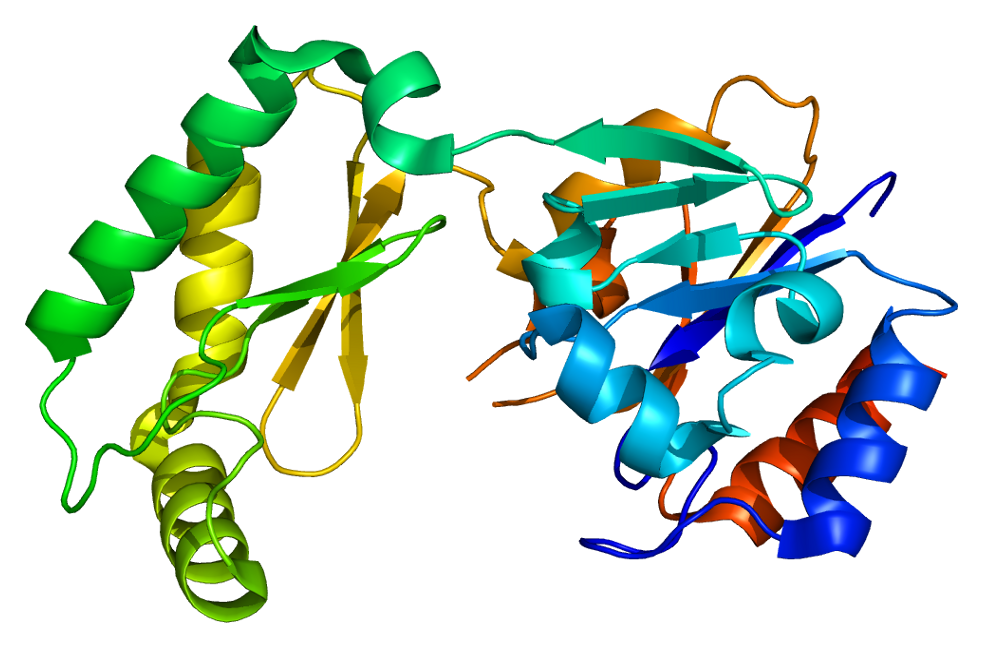
PMM2-CDG
📋 Origem dos dados
Esta página agrega dados de fontes públicas e oficiais. Dados sobre cobertura no SUS (PCDT, CEAF) são verificados ativamente por agente proativo (ver badge no infobox). Demais dados têm atribuição de fonte + data da última sincronização — clique para abrir o original.
- Doença rara (ontologia)
- fonte: Orphanet
- Identificador unificado
- fonte: MONDO
- Genética mendeliana
- fonte: OMIM
- Codificação WHO/SUS
- fonte: WHO ICD-10 / DATASUS
- CID-11 (futuro)
- fonte: WHO ICD-11
- NIH/GARD
- fonte: GARD (NIH)
- Indexação biomédica
- fonte: MeSH (NLM)
- Dado público estruturado
- fonte: Wikidata
- Moléculas estudadas na doença
- fonte: OpenTargets
- Ensaios clínicos
- fonte: ClinicalTrials.gov

