
Qualquer hipogonadismo hipogonadotrópico em que a causa da doença é uma mutação no gene FSHB.
Introdução
O que você precisa saber de cara
Qualquer hipogonadismo hipogonadotrópico em que a causa da doença é uma mutação no gene FSHB.
Escala de raridade
<1/50kMuito rara
1/20kRara
1/10kPouco freq.
1/5kIncomum
1/2k
Encontrou um erro ou informação desatualizada? Sugira uma correção →
Entender a doença
Do básico ao detalhe, leia no seu ritmo
Preparando trilha educativa...
Sinais e sintomas
O que aparece no corpo e com que frequência cada sintoma acontece
Partes do corpo afetadas
+ 18 sintomas em outras categorias
Características mais comuns
Os sintomas variam de pessoa para pessoa. Abaixo estão as 30 características clínicas mais associadas, ordenadas por frequência.
Linha do tempo da pesquisa
Encontrou um erro ou informação desatualizada? Sugira uma correção →
Genética e causas
O que está alterado no DNA e como passa nas famílias
Genes associados
1 gene identificado com associação a esta condição. Padrão de herança: Autosomal recessive.
Curadoria gene-doença
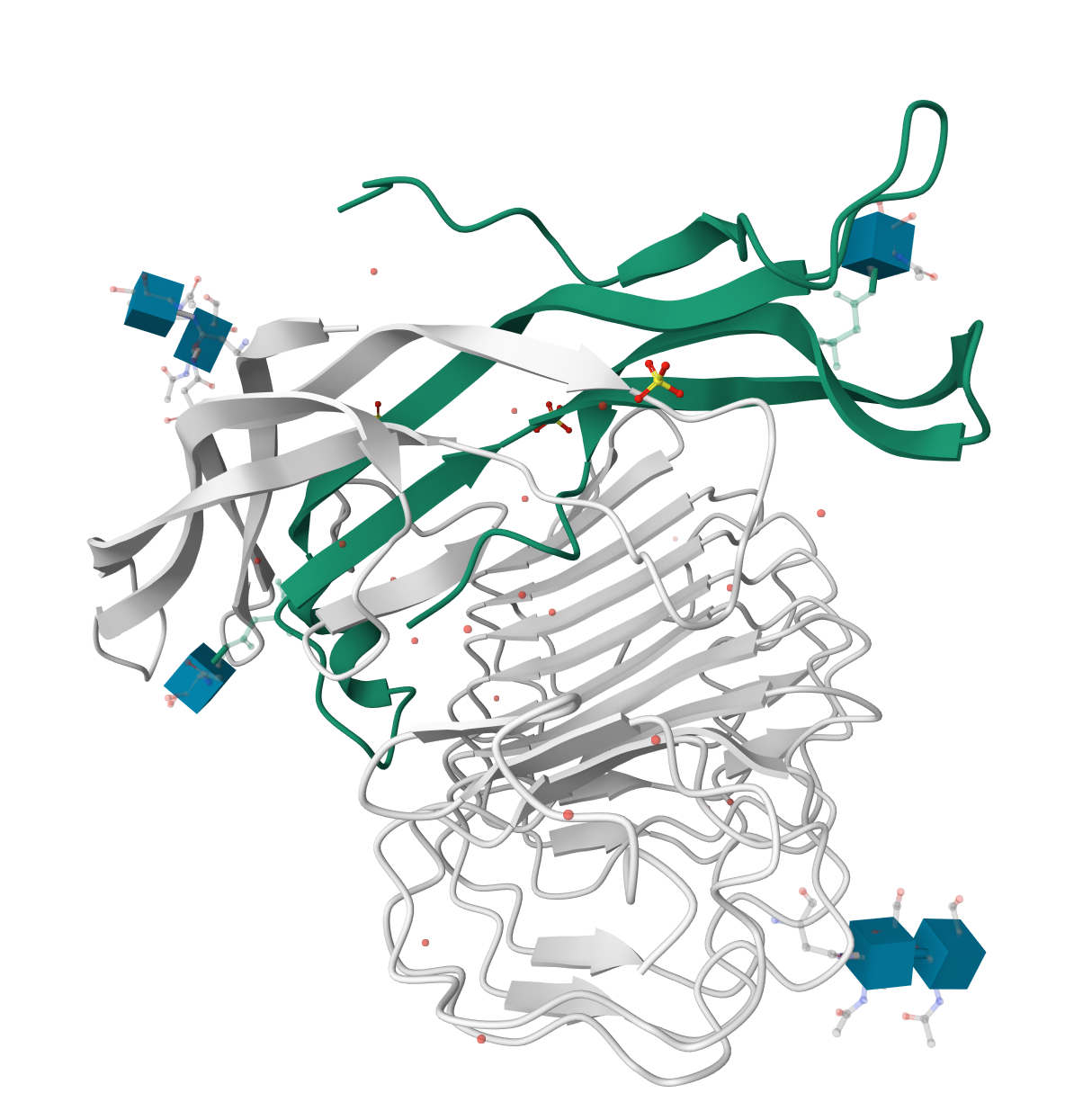
fontes oficiaisTogether with the alpha chain CGA constitutes follitropin, the follicle-stimulating hormone, and provides its biological specificity to the hormone heterodimer. Binds FSHR, a G protein-coupled receptor, on target cells to activate downstream signaling pathways (PubMed:24692546, PubMed:2494176). Follitropin is involved in follicle development and spermatogenesis in reproductive organs (PubMed:407105, PubMed:8220432)
Secreted
Hypogonadotropic hypogonadism 24 with or without anosmia
A form of hypogonadotropic hypogonadism, a group of disorders characterized by absent or incomplete sexual maturation by the age of 18 years, in conjunction with low levels of circulating gonadotropins and testosterone and no other abnormalities of the hypothalamic-pituitary axis. HH24 is characterized by primary amenorrhea in women, oligo or azoospermia with low to normal testosterone levels in men, and infertility.
Variantes genéticas (ClinVar)
31 variantes patogênicas registradas no ClinVar.
Vias biológicas (Reactome)
3 vias biológicas associadas aos genes desta condição.
Diagnóstico
Os sinais que médicos procuram e os exames que confirmam
Tratamento e manejo
Remédios, cuidados de apoio e o que precisa acompanhar
Onde tratar no SUS
Hospitais de referência no Brasil e o protocolo oficial do SUS (PCDT)
🇧🇷 Atendimento SUS — Deficiência de hormônio folículo-estimulante isolada
Selecione um estado ou use sua localização para ver resultados.
Dados de DATASUS/CNES, SBGM, ABNeuro e Ministério da Saúde. Sempre confirme a disponibilidade diretamente com o estabelecimento.
Pesquisa ativa
Ensaios clínicos abertos e novidades científicas recentes
Pesquisa e ensaios clínicos
Nenhum ensaio clínico registrado para esta condição.
Publicações mais relevantes
Clinical and genetic analysis of an isolated follicle-stimulating hormone deficiency female patient.
To characterize the clinical features of a female patient with isolated follicle-stimulating hormone (FSH) deficiency and to investigate the underlying mechanisms of FSH inactivation. The proband was a 29-year-old woman with primary amenorrhea, impaired pubertal development, and infertility. Subsequently, reproductive endocrine was screened. DNA sequencing was conducted for the identification of FSHβ mutation. RT-PCR, western blots, in vitro immunometric assay, and bioassay were performed to confirm the impact of the mutation on FSH expression and biological activity. Molecular model consisting of FSHα and mutant FSHβ subunit was built for the structural analysis of FSH protein. The evaluation of reproductive endocrine revealed undetectable basal and GnRH-stimulated serum FSH. Sequencing of the FSHβ gene identified a homozygous nonsense mutation at codon 97 (Arg97X). RT-PCR and western blot analysis revealed the mutation Arg97X did not affect FSHβ mRNA and protein expression. But in vitro immunometric assay and bioassay demonstrated the production of normal bioactive FSH protein was disturbed by the mutation Arg97X. Structural analysis showed the surface structure of the resulting mutant FSH presented with lock-and-key, mosaic binding pattern, while the native structure was an encircling binding mode. The mutation Arg97X could disturb structural stability of the resulting FSH protein consisting of FSHα and mutant FSHβ subunit, which may lead to FSH deficiency.
Isolated follicle stimulated hormone deficiency in male: case report.
Recent rapid advances in assisted reproductive health technologies enables couples with subfertility to conceive through various intervention. Majority of treatment modalities target the female partner. However it is important to identify and treat male factor subfertility right at the outset. We report a case of isolated follicle stimulating hormone deficiency resulting in azoospermia and primary subfertility. A 28 year otherwise healthy male presented with primary subfertility with a healthy female counterpart. He was found to have non obstructive azoospermia with low seminal fluid volume. He had normal external genitalia and potency with increased libido. Further evaluation revealed an isolated deficiency of follicle stimulating hormone with elevated testosterone levels. His luteinizing hormone and prolactin levels were normal. Contrast enhanced CT scan of chest, abdomen and pelvis and MRI scan of the pituitary fossa were normal too. In the era of modern reproductive technology it is important to further evaluate males with non-obstructive azoospermia to detect underlying gonadotropin deficiency.
Isolated Follicle-stimulating Hormone Deficiency Coincidentally Diagnosed by Hematospermia.
Clinical and Hormonal Features of a Male Adolescent with Congenital Isolated Follicle-Stimulating Hormone Deficiency.
Our aim was to describe the clinical and genetic findings in an adolescent male with isolated follicle-stimulating hormone (FSH) deficiency and demonstrate the efficacy of recombinant human FSH (rhFSH) replacement in this case. A 14.5-year-old adolescent male was referred with normal pubertal development and small testes. Serum testosterone, FSH, and luteinising hormone (LH) were measured at baseline and after gonadotropin-releasing hormone (GnRH) stimulation. Testicular biopsy was performed, and rhFSH replacement was administered for 6 months. The patient's FSHβ gene was amplified and sequenced. Basal and GnRH-stimulated FSH levels were undetectable, in contrast with increased LH levels under both conditions. Histopathological investigation of a testicular biopsy specimen revealed a reduced number of Sertoli cells, the absence of germ cells, Leydig cell hyperplasia, and a thickened basement membrane in seminiferous tubules. The testicular size changed from 1 ml at baseline to 6 ml after 6 months of rhFSH replacement. Sequencing of the FSHβ gene exon 3 revealed a new missense mutation (c.364T>C, resulting in p.Cys122Arg) in a homozygous state in the patient; both parents and a sister carried the same mutation in a heterozygous state. We also compared our case with all similar cases published previously. We herein described an adolescent male with isolated FSH deficiency due to a novel FSHβ gene mutation associated with a prepubertal testes size and normal virilisation.
Publicações recentes
Clinical and genetic analysis of an isolated follicle-stimulating hormone deficiency female patient.
Isolated Follicle-stimulating Hormone Deficiency Coincidentally Diagnosed by Hematospermia.
Isolated follicle stimulated hormone deficiency in male: case report.
Clinical and Hormonal Features of a Male Adolescent with Congenital Isolated Follicle-Stimulating Hormone Deficiency.
Effect of follicle-stimulating hormone on ovarian androgen production in a woman with isolated follicle-stimulating hormone deficiency.
📚 EuropePMC9 artigos no totalmostrando 4
Clinical and genetic analysis of an isolated follicle-stimulating hormone deficiency female patient.
Journal of assisted reproduction and geneticsIsolated Follicle-stimulating Hormone Deficiency Coincidentally Diagnosed by Hematospermia.
Internal medicine (Tokyo, Japan)Isolated follicle stimulated hormone deficiency in male: case report.
BMC research notesClinical and Hormonal Features of a Male Adolescent with Congenital Isolated Follicle-Stimulating Hormone Deficiency.
Hormone research in paediatricsAssociações
Organizações que acompanham esta doença — pra ter apoio e orientação
Ainda não temos associações cadastradas para Deficiência de hormônio folículo-estimulante isolada.
É de uma associação que acompanha esta doença? Fale com a gente →
Comunidades
Grupos ativos de quem convive com esta doença aqui no Raras
Ainda não existe comunidade no Raras para Deficiência de hormônio folículo-estimulante isolada
Pacientes, familiares e cuidadores se organizam em comunidades pra compartilhar experiências, fazer perguntas e se apoiar. Você pode ser o primeiro.
Tire suas dúvidas
Perguntas, dicas e experiências compartilhadas aqui na página
Participe da discussão
Faça login para postar dúvidas, compartilhar experiências e interagir com especialistas.
Fazer loginDoenças relacionadas
Doenças com sintomas parecidos — ajudam quem ainda está buscando diagnóstico
Referências e fontes
Bases de dados externas citadas neste artigo
Publicações científicas
Artigos indexados no PubMed ligados a esta doença no grafo RarasNet — título, periódico e PMID direto da fonte, sem intermediação de IA.
- Clinical and genetic analysis of an isolated follicle-stimulating hormone deficiency female patient.
- Isolated follicle stimulated hormone deficiency in male: case report.
- Isolated Follicle-stimulating Hormone Deficiency Coincidentally Diagnosed by Hematospermia.
- Clinical and Hormonal Features of a Male Adolescent with Congenital Isolated Follicle-Stimulating Hormone Deficiency.
- Effect of follicle-stimulating hormone on ovarian androgen production in a woman with isolated follicle-stimulating hormone deficiency.
Bases de dados e fontes oficiais
Identificadores e referências canônicas usadas para montar este verbete.
- ORPHA:52901(Orphanet)
- OMIM OMIM:229070(OMIM)
- MONDO:0009239(MONDO)
- GARD:10128(GARD (NIH))
- Variantes catalogadas(ClinVar)
- Busca completa no PubMed(PubMed)
- Q30989716(Wikidata)
Dados compilados pelo RarasNet a partir de fontes abertas (Orphanet, OMIM, MONDO, PubMed/EuropePMC, ClinicalTrials.gov, DATASUS, PCDT/MS). Este conteúdo é informativo e não substitui avaliação médica.
Conteúdo mantido por Agente Raras · Médicos e pesquisadores podem colaborar
Deficiência de hormônio folículo-estimulante isolada
📋 Origem dos dados
Esta página agrega dados de fontes públicas e oficiais. Dados sobre cobertura no SUS (PCDT, CEAF) são verificados ativamente por agente proativo (ver badge no infobox). Demais dados têm atribuição de fonte + data da última sincronização — clique para abrir o original.
- Doença rara (ontologia)
- fonte: Orphanet
- Identificador unificado
- fonte: MONDO
- Genética mendeliana
- fonte: OMIM
- Codificação WHO/SUS
- fonte: WHO ICD-10 / DATASUS
- CID-11 (futuro)
- fonte: WHO ICD-11
- NIH/GARD
- fonte: GARD (NIH)
- Indexação biomédica
- fonte: MeSH (NLM)
- Dado público estruturado
- fonte: Wikidata