
A Distrofia Muscular das Cinturas Autossômica Dominante (LGMD1G) é um tipo leve de distrofia muscular das cinturas, uma doença genética que geralmente se manifesta na idade adulta. Ela é caracterizada por uma fraqueza muscular leve e progressiva, que afeta principalmente os músculos do quadril e dos ombros (aqueles mais próximos ao tronco). Além disso, causa uma dificuldade progressiva e permanente para dobrar os dedos das mãos e dos pés, mas sem que os dedos fiquem travados permanentemente na posição dobrada. Os exames de sangue podem mostrar níveis de normais a muito elevados de creatina quinase (CK), uma enzima que indica danos musculares.
Introdução
O que você precisa saber de cara
A Distrofia Muscular das Cinturas Autossômica Dominante (LGMD1G) é um tipo leve de distrofia muscular das cinturas, uma doença genética que geralmente se manifesta na idade adulta. Ela é caracterizada por uma fraqueza muscular leve e progressiva, que afeta principalmente os músculos do quadril e dos ombros (aqueles mais próximos ao tronco). Além disso, causa uma dificuldade progressiva e permanente para dobrar os dedos das mãos e dos pés, mas sem que os dedos fiquem travados permanentemente na posição dobrada. Os exames de sangue podem mostrar níveis de normais a muito elevados de creatina quinase (CK), uma enzima que indica danos musculares.
Escala de raridade
<1/50kMuito rara
1/20kRara
1/10kPouco freq.
1/5kIncomum
1/2k
Encontrou um erro ou informação desatualizada? Sugira uma correção →
Entender a doença
Do básico ao detalhe, leia no seu ritmo
Preparando trilha educativa...
Sinais e sintomas
O que aparece no corpo e com que frequência cada sintoma acontece
Partes do corpo afetadas
+ 6 sintomas em outras categorias
Características mais comuns
Os sintomas variam de pessoa para pessoa. Abaixo estão as 16 características clínicas mais associadas, ordenadas por frequência.
Linha do tempo da pesquisa
Encontrou um erro ou informação desatualizada? Sugira uma correção →
Genética e causas
O que está alterado no DNA e como passa nas famílias
Genes associados
1 gene identificado com associação a esta condição. Padrão de herança: Autosomal dominant.
Curadoria gene-doença
fontes oficiaisActs as a transcriptional regulator. Promotes transcription repression. Promotes transcription activation in differentiated myotubes (By similarity). Binds to double- and single-stranded DNA sequences. Binds to the transcription suppressor CATR sequence of the COX5B promoter (By similarity). Binds with high affinity to RNA molecules that contain AU-rich elements (AREs) found within the 3'-UTR of many proto-oncogenes and cytokine mRNAs. Binds both to nuclear and cytoplasmic poly(A) mRNAs. Binds t
NucleusCytoplasm
Muscular dystrophy, limb-girdle, autosomal dominant 3
An autosomal dominant degenerative myopathy characterized by slowly progressive wasting and weakness of the proximal muscles of arms and legs around the pelvic or shoulder girdles, elevated creatine kinase levels and dystrophic features on muscle biopsy. LGMDD3 is characterized by a mild late-onset and is associated with progressive fingers and toes flexion limitation. Affected individuals may also develop cataracts before age 50.
Variantes genéticas (ClinVar)
54 variantes patogênicas registradas no ClinVar.
Vias biológicas (Reactome)
1 via biológica associada aos genes desta condição.
Diagnóstico
Os sinais que médicos procuram e os exames que confirmam
Tratamento e manejo
Remédios, cuidados de apoio e o que precisa acompanhar
Onde tratar no SUS
Hospitais de referência no Brasil e o protocolo oficial do SUS (PCDT)
🇧🇷 Atendimento SUS — Distrofia muscular das cinturas dos membros D3 HNRNPDL-relacionada
Selecione um estado ou use sua localização para ver resultados.
Dados de DATASUS/CNES, SBGM, ABNeuro e Ministério da Saúde. Sempre confirme a disponibilidade diretamente com o estabelecimento.
Pesquisa ativa
Ensaios clínicos abertos e novidades científicas recentes
Pesquisa e ensaios clínicos
Nenhum ensaio clínico registrado para esta condição.
Publicações mais relevantes
HNRNPDL-related limb girdle muscular dystrophy in a Spanish family with scapulo-peroneal phenotype, the first family in Europe.
Respiratory muscle involvement in HNRNPDL LGMD D3 muscular dystrophy: an extensive clinical description of the first Italian patient.
Limb girdle muscular dystrophy is a genetically inherited condition that primarily affects skeletal muscle leading to progressive, predominantly proximal muscle weakness at presentation. Autosomal dominant LGMD represent 10% of all LGMDs. HNRNPDL-related muscular dystrophy, LGMD1G/LGMD D3 (MIM#609115), is an extremely rare autosomal dominant adult onset myopathy described in a handful of families. Here we fully characterized the muscular and respiratory involvement of a 58 years old Italian woman presenting the previously reported pathogenic variant c.1132G > C p.(Asp378Asn) in the HNRNPDL gene.
HNRNPDL-related muscular dystrophy: expanding the clinical, morphological and MRI phenotypes.
Autosomal dominant limb girdle muscular dystrophy D3 HNRNPDL-related is a rare dominant myopathy caused by mutations in HNRNPDL. Only three unrelated families have been described worldwide, a Brazilian and a Chinese carrying the mutation c.1132G>A p.(Asp378Asn), and one Uruguayan with the mutation c.1132G>C p. (Asp378His), both mutations occurring in the same codon. The present study enlarges the clinical, morphological and muscle MRI spectrum of AD-HNRNPDL-related myopathies demonstrating the significant particularities of the disease. We describe two new unrelated Argentinean families, carrying the previously reported c.1132G>C p.(Asp378His) HNRNPDL mutation. There was a wide phenotypic spectrum including oligo-symptomatic cases, pure limb girdle muscle involvement or distal lower limb muscle weakness. Scapular winging was the most common finding, observed in all patients. Muscle MRIs of the thigh, at different stages of the disease, showed particular involvement of adductor magnus and vastus besides a constant preservation of the rectus femoris and the adductor longus muscles, defining a novel MRI pattern. Muscle biopsy findings were characterized by the presence of numerous rimmed vacuoles, cytoplasmic bodies, and abundant autophagic material at the histochemistry and ultrastructural levels. HNRNPDL-related LGMD D3 results in a wide range of clinical phenotypes from the classic proximal form of LGMD to a more distal phenotype. Thigh MRI suggests a specific pattern. Codon 378 of HNRNPDL gene can be considered a mutation hotspot for HNRNPDL-related myopathy. Pathologically, the disease can be classified among the autophagic rimmed vacuolar myopathies as with the other multisystem proteinopathies.
Limb girdle muscular dystrophy D3 HNRNPDL related in a Chinese family with distal muscle weakness caused by a mutation in the prion-like domain.
Limb-girdle muscular dystrophies (LGMD) are a group of clinically and genetically heterogeneous diseases characterized by weakness and wasting of the pelvic and shoulder girdle muscles. Twenty-four recessive LGMD (types R1-R24) and five dominant LGMD (types D1-D5) have been identified with characterization of mutations in various genes. To date, LGMD D3 (previously known as LGMD1G) has been characterized in only two families with Brazilian or Uruguayan origin. Each was caused by a distinct mutation at codon 378 in the prion-like domain of HNRNPDL encoding heterogeneous nuclear ribonucleoprotein D like (HNRNPDL), an RNA processing protein. Our study characterized eight patients suffering from LGMD D3 in a Chinese family spanning three generations. Muscle biopsy specimens from two patients showed a myopathy with rimmed vacuoles. Sequencing analysis revealed a heterozygous c.1132G > A (p.D378N) mutation in HNRNPDL that co-segregated with disease phenotype in the family. The same mutation has been identified previously in the Brazilian family with LGMD D3. However, most patients in the current family showed distal as well as proximal limb weakness rather than weakness of toe and finger flexor muscles that were typical features in the other two LGMD D3 families reported previously. The present study indicates that the same mutation in HNRNPDL results in various phenotypes of LGMD D3. That all mutations in three unrelated families with different ethnic background occur at the same position in codon 378 of HNRNPDL gene suggests a mutation hotspot. Acceleration of intrinsic self-aggregation of HNRNPDL caused by mutation of the prior-like domain may contribute to the pathogenesis of the disease.
Publicações recentes
Autosomal Dominant Calpainopathy in a Diabetic Patient Complicated by Functional Gitelman Syndrome.
Variants in CAPN3 Causing Autosomal Dominant Limb-Girdle Muscular Dystrophy Combined With Calpain-3 Deficiency.
Identification and functional characterization of a novel heterozygous splice‑site mutation in the calpain 3 gene causes rare autosomal dominant limb‑girdle muscular dystrophy.
Novel Titin Gene Mutation Causing Autosomal Dominant Limb-Girdle Muscular Dystrophy.
Caveolin 3 suppresses phosphorylation-dependent activation of sarcolemmal nNOS.
📚 EuropePMCmostrando 4
Respiratory muscle involvement in HNRNPDL LGMD D3 muscular dystrophy: an extensive clinical description of the first Italian patient.
Acta myologica : myopathies and cardiomyopathies : official journal of the Mediterranean Society of MyologyHNRNPDL-related limb girdle muscular dystrophy in a Spanish family with scapulo-peroneal phenotype, the first family in Europe.
Journal of the neurological sciencesHNRNPDL-related muscular dystrophy: expanding the clinical, morphological and MRI phenotypes.
Journal of neurologyLimb girdle muscular dystrophy D3 HNRNPDL related in a Chinese family with distal muscle weakness caused by a mutation in the prion-like domain.
Journal of neurologyAssociações
Organizações que acompanham esta doença — pra ter apoio e orientação
Ainda não temos associações cadastradas para Distrofia muscular das cinturas dos membros D3 HNRNPDL-relacionada.
É de uma associação que acompanha esta doença? Fale com a gente →
Comunidades
Grupos ativos de quem convive com esta doença aqui no Raras
Ainda não existe comunidade no Raras para Distrofia muscular das cinturas dos membros D3 HNRNPDL-relacionada
Pacientes, familiares e cuidadores se organizam em comunidades pra compartilhar experiências, fazer perguntas e se apoiar. Você pode ser o primeiro.
Tire suas dúvidas
Perguntas, dicas e experiências compartilhadas aqui na página
Participe da discussão
Faça login para postar dúvidas, compartilhar experiências e interagir com especialistas.
Fazer loginDoenças relacionadas
Doenças com sintomas parecidos — ajudam quem ainda está buscando diagnóstico
Referências e fontes
Bases de dados externas citadas neste artigo
Publicações científicas
Artigos indexados no PubMed ligados a esta doença no grafo RarasNet — título, periódico e PMID direto da fonte, sem intermediação de IA.
- HNRNPDL-related limb girdle muscular dystrophy in a Spanish family with scapulo-peroneal phenotype, the first family in Europe.
- Respiratory muscle involvement in HNRNPDL LGMD D3 muscular dystrophy: an extensive clinical description of the first Italian patient.Acta myologica : myopathies and cardiomyopathies : official journal of the Mediterranean Society of Myology· 2020· PMID 32904822mais citado
- HNRNPDL-related muscular dystrophy: expanding the clinical, morphological and MRI phenotypes.
- Limb girdle muscular dystrophy D3 HNRNPDL related in a Chinese family with distal muscle weakness caused by a mutation in the prion-like domain.
- Autosomal Dominant Calpainopathy in a Diabetic Patient Complicated by Functional Gitelman Syndrome.
- Variants in CAPN3 Causing Autosomal Dominant Limb-Girdle Muscular Dystrophy Combined With Calpain-3 Deficiency.
- Identification and functional characterization of a novel heterozygous splice‑site mutation in the calpain 3 gene causes rare autosomal dominant limb‑girdle muscular dystrophy.
- Novel Titin Gene Mutation Causing Autosomal Dominant Limb-Girdle Muscular Dystrophy.
- Caveolin 3 suppresses phosphorylation-dependent activation of sarcolemmal nNOS.
Bases de dados e fontes oficiais
Identificadores e referências canônicas usadas para montar este verbete.
- ORPHA:55596(Orphanet)
- OMIM OMIM:609115(OMIM)
- MONDO:0012193(MONDO)
- GARD:12531(GARD (NIH))
- Variantes catalogadas(ClinVar)
- Busca completa no PubMed(PubMed)
- Q1531329(Wikidata)
Dados compilados pelo RarasNet a partir de fontes abertas (Orphanet, OMIM, MONDO, PubMed/EuropePMC, ClinicalTrials.gov, DATASUS, PCDT/MS). Este conteúdo é informativo e não substitui avaliação médica.
Conteúdo mantido por Agente Raras · Médicos e pesquisadores podem colaborar
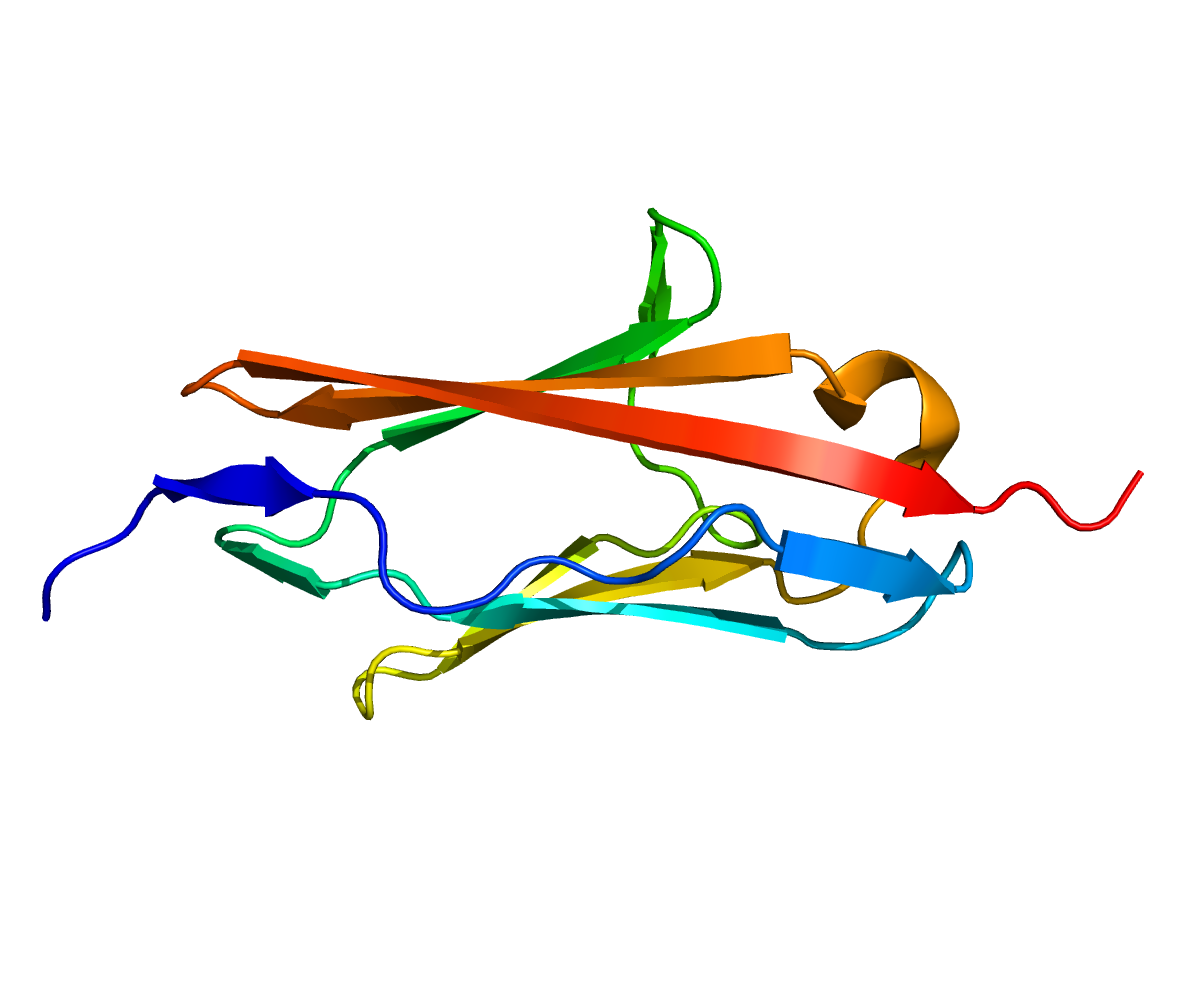
Distrofia muscular das cinturas dos membros D3 HNRNPDL-relacionada
📋 Origem dos dados
Esta página agrega dados de fontes públicas e oficiais. Dados sobre cobertura no SUS (PCDT, CEAF) são verificados ativamente por agente proativo (ver badge no infobox). Demais dados têm atribuição de fonte + data da última sincronização — clique para abrir o original.
- Doença rara (ontologia)
- fonte: Orphanet
- Identificador unificado
- fonte: MONDO
- Genética mendeliana
- fonte: OMIM
- Codificação WHO/SUS
- fonte: WHO ICD-10 / DATASUS
- NIH/GARD
- fonte: GARD (NIH)
- Indexação biomédica
- fonte: MeSH (NLM)
- Dado público estruturado
- fonte: Wikidata