
É uma doença genética autossômica dominante que causa deficiência intelectual, caracterizada por atraso no desenvolvimento, atraso predominante na fala, características de autismo ou de Transtorno de Déficit de Atenção e Hiperatividade (TDAH), ser amigável demais, músculos mais flácidos em todo o corpo (hipotonia generalizada), sobrepeso ou obesidade, e características físicas diferentes (dismórficas).
Introdução
O que você precisa saber de cara
É uma doença genética autossômica dominante que causa deficiência intelectual, caracterizada por atraso no desenvolvimento, atraso predominante na fala, características de autismo ou de Transtorno de Déficit de Atenção e Hiperatividade (TDAH), ser amigável demais, músculos mais flácidos em todo o corpo (hipotonia generalizada), sobrepeso ou obesidade, e características físicas diferentes (dismórficas).
Encontrou um erro ou informação desatualizada? Sugira uma correção →
Entender a doença
Do básico ao detalhe, leia no seu ritmo
Preparando trilha educativa...
Sinais e sintomas
O que aparece no corpo e com que frequência cada sintoma acontece
Partes do corpo afetadas
+ 12 sintomas em outras categorias
Características mais comuns
Os sintomas variam de pessoa para pessoa. Abaixo estão as 35 características clínicas mais associadas, ordenadas por frequência.
Linha do tempo da pesquisa
Encontrou um erro ou informação desatualizada? Sugira uma correção →
Genética e causas
O que está alterado no DNA e como passa nas famílias
Genes associados
1 gene identificado com associação a esta condição.
Curadoria gene-doença
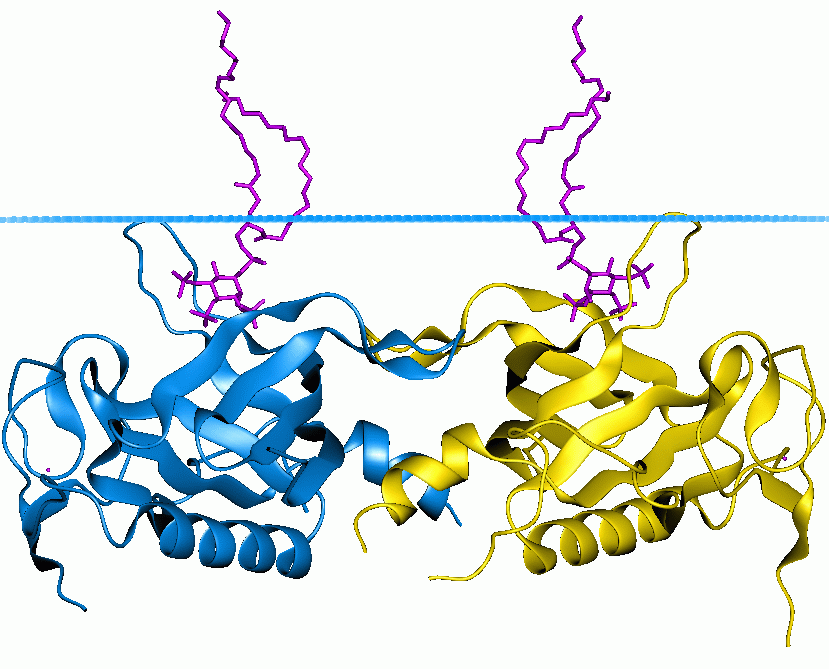
fontes oficiaisRequired for pre-mRNA splicing as component of the spliceosome. As a component of the minor spliceosome, involved in the splicing of U12-type introns in pre-mRNAs (Probable)
NucleusNucleus speckle
Intellectual developmental disorder, autosomal dominant 72
An autosomal dominant disorder characterized by mild developmental delay and intellectual disability, predominant speech delay, autistic or attention deficit-hyperactivity disorder features, overfriendliness, generalized hypotonia, overweight, and dysmorphic facial features.
Variantes genéticas (ClinVar)
232 variantes patogênicas registradas no ClinVar.
Vias biológicas (Reactome)
3 vias biológicas associadas aos genes desta condição.
Diagnóstico
Os sinais que médicos procuram e os exames que confirmam
Tratamento e manejo
Remédios, cuidados de apoio e o que precisa acompanhar
Onde tratar no SUS
Hospitais de referência no Brasil e o protocolo oficial do SUS (PCDT)
🇧🇷 Atendimento SUS — Síndrome de perturbação do desenvolvimento-sobrecrescimento-dismorfia facial-perturbação comportamental
Centros de Referência SUS
13 centros habilitados pelo SUS para Síndrome de perturbação do desenvolvimento-sobrecrescimento-dismorfia facial-perturbação comportamental
Centros para Síndrome de perturbação do desenvolvimento-sobrecrescimento-dismorfia facial-perturbação comportamental
Detalhes dos centros
Hospital Infantil Albert Sabin
R. Tertuliano Sales, 544 - Vila União, Fortaleza - CE, 60410-794 · CNES 2407876
Serviço de Referência
Hospital de Apoio de Brasília (HAB)
AENW 3 Lote A Setor Noroeste - Plano Piloto, Brasília - DF, 70684-831 · CNES 0010456
Serviço de Referência
Hospital Estadual Infantil e Maternidade Alzir Bernardino Alves (HIABA)
Av. Min. Salgado Filho, 918 - Soteco, Vila Velha - ES, 29106-010 · CNES 6631207
Serviço de Referência
Hospital das Clínicas da UFMG
Av. Prof. Alfredo Balena, 110 - Santa Efigênia, Belo Horizonte - MG, 30130-100 · CNES 2280167
Serviço de Referência
Hospital Universitário João de Barros Barreto
R. dos Mundurucus, 4487 - Guamá, Belém - PA, 66073-000 · CNES 2337878
Serviço de Referência
Instituto de Medicina Integral Prof. Fernando Figueira (IMIP)
R. dos Coelhos, 300 - Boa Vista, Recife - PE, 50070-902 · CNES 0000647
Serviço de Referência
Hospital Pequeno Príncipe
R. Des. Motta, 1070 - Água Verde, Curitiba - PR, 80250-060 · CNES 3143805
Serviço de Referência
Hospital de Clínicas da UFPR
R. Gen. Carneiro, 181 - Alto da Glória, Curitiba - PR, 80060-900 · CNES 2364980
Serviço de Referência
Instituto Nacional de Saúde da Mulher, da Criança e do Adolescente Fernandes Figueira (IFF/Fiocruz)
Av. Rui Barbosa, 716 - Flamengo, Rio de Janeiro - RJ, 22250-020 · CNES 2269988
Serviço de Referência
Hospital de Clínicas de Porto Alegre (HCPA)
Rua Ramiro Barcelos, 2350 Bloco A - Av. Protásio Alves, 211 - Bloco B e C - Santa Cecília, Porto Alegre - RS, 90035-903 · CNES 2237601
Serviço de Referência
Hospital das Clínicas da FMUSP
R. Dr. Ovídio Pires de Campos, 225 - Cerqueira César, São Paulo - SP, 05403-010 · CNES 2077485
Serviço de Referência
Hospital de Clínicas da UNICAMP
R. Vital Brasil, 251 - Cidade Universitária, Campinas - SP, 13083-888 · CNES 2748223
Serviço de Referência
Hospital de Clínicas de Ribeirão Preto (HCRP-USP)
R. Ten. Catão Roxo, 3900 - Vila Monte Alegre, Ribeirão Preto - SP, 14015-010 · CNES 2082187
Serviço de Referência
Dados de DATASUS/CNES, SBGM, ABNeuro e Ministério da Saúde. Sempre confirme a disponibilidade diretamente com o estabelecimento.
Pesquisa ativa
Ensaios clínicos abertos e novidades científicas recentes
Pesquisa e ensaios clínicos
Nenhum ensaio clínico registrado para esta condição.
Publicações mais relevantes
Tau pathology in epilepsy: emerging mechanisms and translational opportunities.
The onset of epilepsy in adulthood occurs most commonly after 55 years of age. Given the ageing global population, this disorder represents an increasing burden on healthcare and society. The bidirectional link between epilepsy and dementia is a focus of intense research with underlying tau pathology highlighted as a potential mechanistic link. In this review, we examine the evidence for tau-related neurodegenerative processes in epilepsy beginning with how changes in biochemical and structural properties of the tau protein can lead to abnormal phosphorylation and pathological aggregation. We consider the role of tau in seizure occurrence and cognitive difficulties in experimental animal epilepsy models to human epileptic syndromes. Seizure prevalence is evaluated across established primary and secondary tauopathies to understand the associated hyperexcitability phenotype. We discuss the use of neurophysiology, metabolic imaging and novel fluid biomarkers as non-invasive measures of potential underlying neurodegeneration in epilepsy. It may, for example, be that these can be combined with remote measures of cognition and other physiological parameters to provide accurate longitudinal monitoring of cognition and underlying pathology. We also explore clinical trials that have targeted pathological tau accumulation in neurodegenerative conditions and consider an ongoing clinical study with sodium selenate, an enhancer of protein phosphatase enzyme PP2A, in people with epilepsy. These efforts signify a novel disease-modifying era with treatments that reduce seizures and modify cognitive outcomes in people with epilepsy. Our analysis of the literature underscores the need for more in-depth characterization of tau pathology, at biochemical and structural levels, in brain tissue and peripheral samples from people with epilepsy as an important step to deciphering the role of tau in the pathogenesis of epilepsy and related disorders. Examining the relationships between tau pathology and cognitive impairment in those with epilepsy provides critical perspectives on a potential causal tau pathomechanism that may have important roles in epileptogenesis and dementia.
Novel PCDH12 pathogenic missense variants cause neurodevelopmental disorders with ocular malformation.
Protocadherin-12 (PCDH12), a cell-adhesion protein belonging to the non-clustered protocadherin family, plays a crucial role in the establishment and regulation of neuronal connections and communication. Bi-allelic loss-of-function (LoF) variants in the PCDH12 gene have been associated with several neurodevelopmental disorders (NDDs) such as diencephalic-mesencephalic junction dysplasia syndrome, cerebral palsy, and cerebellar ataxia, often accompanied by ocular abnormalities. However, genotypes exhibit variable expressivity. Affected individuals sharing the same PCDH12 variant presenting differing phenotypic severities have posed major challenges towards identification of the underlying pathogenic mechanisms. Here, we report three affected individuals from two families, each harbouring non-truncating pathogenic missense variants in PCDH12 . The patients are compound heterozygous, with each individual carrying one extracellular [c.1742T>G (p.Val581Gly) and c.1861_2del/insCA (p.Ile621His)] and one intracellular variant [c.3370C>T (p.Arg1124Cys) and c.3445G>A (p.Asp1149Asn] on each allele. The children present with a range of phenotypes similar to those associated with LoF variants. One child exhibited microcephaly and seizures, while the two siblings displayed developmental delays and severe behavioral disorders. All three children experienced some degree of visual impairment. The missense variants provided new insights into the neurodevelopmental consequences of compromised PCDH12 function by distinguishing the specific consequences associated with dysfunction in the extracellular versus intracellular domains of PCDH12. All identified missense variants are predicted to be deleterious and destabilizing. The expression of PCDH12 in HEK293T and HeLa cells demonstrated that PCDH12 is expressed effectively, regardless of the presence of missense variants. However, the extracellular variants p.Val581Gly and p.Ile621His compromised the stability of PCDH12's homophilic adhesion. Additionally, we found evidence of an interaction between PCDH12 and the extracellular domain of the epilepsy-associated PCDH19 protein. PCDH12 extracellular missense variants also affect PCDH19 stability. Our study provides evidence that PCDH12 mediates both homophilic and heterophilic interactions. Our findings also highlight the importance of stable PCDH12-mediated adhesion, emphasizing the need to further study the functional consequences of PCDH12 missense variants on brain and visual system development.
Characterizing SCN1A -Related Disorders Using Real-World Data Across 681 Patient-Years.
SCN1A -related disorders are the single most common monogenic cause of epilepsy and represent a major focus of precision medicine efforts. In conjunction with existing prospective studies, the analysis of real-world data obtained during routine clinical care can expand upon the scale and duration of available data and contribute to the development of meaningful outcomes for clinical trials. Here, we leveraged real-world data to delineate the longitudinal disease history of 100 individuals with SCN1A -related disorders using a systematic approach. We mapped a total of 671 unique clinical terms to a standardized framework in monthly increments across 681 patient-years, including 75 terms related to seizure types. Within this cohort, 89 individuals had presumed loss-of-function variants in SCN1A based on variant type and clinical diagnosis, including those with Dravet syndrome ( N = 79) and genetic epilepsy with febrile seizures plus ( N = 10). Ten individuals had a non-Dravet developmental and epileptic encephalopathy caused by gain-of-function variants in SCN1A . By annotating seizure type and frequency in monthly time-bins, we assessed seizure burden. A median of 17 changes in seizure frequency and ten terms referring to seizure type were identified per participant. Myoclonic seizures occurred with high frequency (median >5 daily), whereas hemiclonic, focal impaired consciousness, and bilateral tonic-clonic seizures occurred more rarely (median monthly). Retrospective analysis of developmental histories showed a range of cognitive abilities. Neurodevelopmental differences were observed in 83% (83/100) of individuals, of whom 83% (69/83) demonstrated delayed language skills. Motor coordination impairments, including gait disturbance, ataxia, hypotonia, and imbalance were annotated in 69% (69/100) of participants. EEG findings varied with age; most were reported as normal before nine months of age, after which the prevalence of abnormal interictal findings increased. Individuals with different clinical syndromes had unique medication landscapes, with 554 prescriptions of 37 unique therapies. Changes in treatment coincided with the diagnosis of an SCN1A -related disorder, with an increase in cannabidiol, clobazam, and fenfluramine and reduction in sodium channel-blocker use following genetic diagnosis. In summary, we reconstructed the longitudinal disease history of SCN1A -related disorders from electronic medical records using a standardized framework for the analysis of real-world clinical data. We refine existing natural history data of SCN1A -related disorders by providing a granular landscape of seizures, comorbidities, and treatment approaches over time.
Recessive Loss of DIAPH1 Function Causes a Progressive Neurodevelopmental Syndrome with Variable Immunological Involvement.
Biallelic DIAPH1 pathogenic variants cause a neurodevelopmental syndrome occasionally associated with immunodeficiency. This study aims to define the clinical and immunological spectrum of DIAPH1-related neuroimmunological syndrome and explore the gene's developmental role using vertebrate models. 53 individuals with biallelic DIAPH1 variants, including 33 previously unreported patients were studied. Clinical features were analysed and functional studies were conducted using knockout models in Danio rerio and Xenopus tropicalis. Clinical features included developmental delay, intellectual disability, progressive microcephaly, cortical visual impairment or blindness, epilepsy, and frequent occipital-predominant brain abnormalities. Almost half suffered from infections, mainly affecting their respiratory tract related to epilepsy and aspiration. Although the majority had normal lymphocyte subsets and serum immunoglobulins, T-cell receptor excision circles and naïve T-lymphocyte counts were consistently low. The Xenopus model mirrored growth and eye defects seen in humans, while zebrafish exhibited no overt malformations but showed seizure-like behaviour in Phenothiazine assays. DIAPH1 is critical for neurodevelopment, immune regulation, and DNA repair. The DNA repair defect may influence susceptibility to infection, lymphoma, or treatment-related toxicity. Although absolute T-cell numbers are not consistent with SCID, impaired T-cell maturation suggests these patients could be identified by TREC newborn screening before neurological symptoms develop.
Disturbed mitochondrial maturation in cardiolipin remodeling-deficient cardiomyocytes.
Barth syndrome, a rare X-linked genetic disorder, features early-onset cardiomyopathy. The causal gene, TAFAZZIN, encodes a transacylase that mediates the acyl chain remodeling of cardiolipin, a critical phospholipid in the inner mitochondrial membrane. While Barth syndrome exhibits hallmark cardiolipin abnormalities, the precise mechanisms linking TAFAZZIN deficiency and disturbed cardiolipin metabolism to progressive cardiac dysfunction remain unclear. In this study, we modeled Barth syndrome cardiomyopathy in human induced pluripotent stem cell-derived cardiomyocytes with in vitro maturation treatments that simulate heart developmental stimuli. We found that cardiomyocyte maturation involves progressive cristae dynamics associated with protein and lipid alterations in the inner mitochondrial membrane. TAFAZZIN-deficient cardiomyocytes fail to adapt to the developmental stimuli, resulting in damaged cristae, compromised mitochondrial respiration, and cardiomyocyte dysfunction. These results demonstrate that TAFAZZIN deficiency perturbs functional and structural development of mitochondria, which may contribute to mitochondrial dysfunction and associated childhood progression to cardiomyopathy in Barth syndrome.
Publicações recentes
Bi-allelic variants in FSD1L cause a neurodevelopmental disorder overlapping with L1 syndrome.
Bi-allelic PRMT9 loss-of-function variants cause a syndromic form of intellectual disability.
A rare variant of USP9X associated with female-restricted X-linked syndromic intellectual disability.
Novel variant causing OTUD6B-related syndrome with ocular dysplasia and hypothyroidism: the first Chinese case.
Whole-genome sequencing reveals individual and cohort level insights into chromosome 9p syndromes.
📚 EuropePMCmostrando 200
The selective 5-HT1A receptor biased agonist, NLX-101, corrects anomalous behavioral phenotype in a mouse model of fragile X syndrome.
Progress in neuro-psychopharmacology & biological psychiatryClinical and genetic basis of congenital gonadotropin deficiency.
Human reproduction openTau pathology in epilepsy: emerging mechanisms and translational opportunities.
Brain : a journal of neurologyUpdate on Congenital Cranial Dysinnervation Disorders (CCDDs).
International ophthalmology clinicsNovel PCDH12 pathogenic missense variants cause neurodevelopmental disorders with ocular malformation.
medRxiv : the preprint server for health sciencesCharacterizing SCN1A -Related Disorders Using Real-World Data Across 681 Patient-Years.
medRxiv : the preprint server for health sciencesRecessive Loss of DIAPH1 Function Causes a Progressive Neurodevelopmental Syndrome with Variable Immunological Involvement.
Genetics in medicine : official journal of the American College of Medical GeneticsEstablished and emerging non-cellular therapies in inherited bone marrow failure syndromes.
Frontiers in immunologyDisturbed mitochondrial maturation in cardiolipin remodeling-deficient cardiomyocytes.
iScienceClinical and molecular findings in Cornelia de Lange syndrome. Case series.
Andes pediatrica : revista Chilena de pediatriaStrengthening Undergraduate Medical Education for Inclusive Health Care for People With Down Syndrome and Intellectual and Developmental Disabilities in Medical Schools: Protocol for a Scoping Review.
JMIR research protocolsIdentification of autosomal and sex chromosome aneuploidies using next generation sequencing.
Bioinformatics (Oxford, England)Case Report: Compound heterozygous mutations in the IDUA gene causing mucopolysaccharidosis type I with uterine developmental abnormality.
Frontiers in pediatricsA Novel Phenotypic Presentation of Absence Seizures in a 15-Month-Old with PIGK-Related GPI Biosynthesis Disorder: A Case Report.
Case reports in neurologyThe 9th International RASopathies Symposium.
American journal of medical genetics. Part AA novel KDM6A c.2429dup mutation causing kabuki syndrome type 2 identified in a fetus with increased nuchal translucency.
The journal of maternal-fetal & neonatal medicine : the official journal of the European Association of Perinatal Medicine, the Federation of Asia and Oceania Perinatal Societies, the International Society of Perinatal ObstetriciansClinical-genetic features of the TBCE-related spectrum disorders: A focus on the childhood-onset neurodegenerative phenotype.
Molecular genetics and metabolismRare and emerging arterial diseases of the supra-aortic trunks: Diagnostic and therapeutic insights.
Vascular diseases (Paris, France)Deubiquitinase USP8 regulates the spindle assembly checkpoint in oocytes.
Science advancesUltra-rare biallelic THAP12 variants cause loss of function and underlie severe epileptic encephalopathy.
medRxiv : the preprint server for health sciencesThe Management of Evolving Neuropsychiatric Symptoms in a Female with Fragile X Syndrome: A Case Report.
Psychopharmacology bulletinProtocol for an open-label, randomised, controlled trial to evaluate the efficacy and safety of sotatercept add-on therapy compared with pulmonary vasodilator-based standard of care for pulmonary vasodilator-resistant pulmonary arterial hypertension associated with unrepaired congenital shunts (atrial septal defect, ventricular septal defect or patent ductus arteriosus), including Eisenmenger syndrome: the SuMILE trial.
BMJ openRight ureterovesical junction cyst associated with ipsilateral renal agenesis: a case report of a possible Wolffian duct maldevelopment.
Frontiers in medicine[Analysis of clinical features and genetic variants in a Chinese pedigree affected with Spondyloepiphyseal dysplasia type Ehlers-Danlos syndrome due to variants of B3GALT6 gene].
Zhonghua yi xue yi chuan xue za zhi = Zhonghua yixue yichuanxue zazhi = Chinese journal of medical geneticsA novel heterozygous pathogenic variation in the MECP2 gene causing typical Rett syndrome: a case report.
Translational pediatricsIdentification of an emerging heterozygous variant in KAT6A by whole exome sequencing: a case report.
Translational pediatricsNovel ANKRD11 Mutation in KBG Syndrome: A diagnostic triad of hearing loss, radiological macrodontia and artificial intelligence-assisted facial phenotyping.
Sultan Qaboos University medical journalCongenital Ocular Motor Apraxia as the First Sign of Joubert Syndrome: A Case Report.
CureusDe Novo 3q27.1 Microdeletion Refines the Critical Region and Implicates PSMD2 Haploinsufficiency in Growth and Neurodevelopmental Abnormalities.
American journal of medical genetics. Part ACongenital Symptomatic Scaphoid-Trapezium Coalition in a Pediatric Patient With VACTERL Association.
Journal of hand surgery global onlineEarly Childhood-Onset Prosopometamorphopsia Following Respiratory Tract Infection With Serological Evidence of Mycoplasma pneumoniae Exposure: A Pediatric Case Report.
CureusExpanding the Coffin-Siris syndrome spectrum: genetic, dysmorphic, and endocrine findings in eight cases.
European journal of pediatricsEvaluating the Diagnostic Yield of Prenatal Trio Exome Sequencing in Families With a History of Developmental Delay and Intellectual Disability.
American journal of medical genetics. Part AOrgan-Specific Histopathological Effects of Prenatal Alcohol Exposure: A Narrative Review.
Congenital anomaliesCommunity Based Pre-School Screening to Detect Developmental, Behavioural, Hearing and Vision Problems in Survivors of Neonatal Cardiac Surgery.
Journal of paediatrics and child healthChild Neurology: Multiple Genetic Etiologies Causing Dandy-Walker Variant With Microcephaly, Epilepsy, and Global Developmental Delay.
NeurologyGenetic analysis of triplicated genes affecting sex-specific skeletal deficits in Down syndrome model mice.
G3 (Bethesda, Md.)Navigating challenges: a child with Apert syndrome and global developmental delay from a low-income family.
BMJ case reportsContext-dependent effects of adaptive immunity on IFN-α-mediated neurotoxicity in Aicardi-Goutières syndrome.
Neurobiology of diseaseAnalysis of treatment outcome variations in infantile epileptic spasms syndrome.
Frontiers in neurologyEtiological Analysis and Classification of 108 Patients with Infantile Epileptic Spasms Syndrome Based on the 2017 International League Against Epilepsy Classification.
Noro psikiyatri arsiviAnimal models of hypoplastic left heart syndrome: genetic and anatomical approaches.
Pediatric researchCollectin-11 regulates osteoclastogenesis and bone maintenance via a complement-dependent mechanism.
Proceedings of the National Academy of Sciences of the United States of AmericaMutation type-specific transcriptomic signatures and readthrough therapy rescue in SMC1A-related developmental and epileptic encephalopathy.
EpilepsiaComparative Evaluation of Sella Turcica Morphology and Dimensions in Skeletal Class III Malocclusion and Cleft Lip and Palate Patients Versus Class I Individuals.
Clinical and experimental dental researchElevated gamma spectral event peak power during auditory chirp is associated with neuropsychiatric features in Fragile X syndrome.
Clinical neurophysiology : official journal of the International Federation of Clinical NeurophysiologyCell-type-specific alternative splicing in the brain and kidney of a Setbp1S858R Schinzel-Giedion syndrome mouse.
Disease models & mechanismsMacrodystrophia Lipomatosa: A Rare Case of Right Lower Extremity Gigantism Associated With Syndactyly.
Clinical case reportsCongenital Temporomandibular Joint Ankylosis: Investigating Potential Genetic Etiologies with Whole Exome Sequencing.
Journal of clinical medicineSleep-Disordered Breathing in Chung-Jansen Syndrome.
International journal of molecular sciencesXp22.33 Duplication Encompassing PAR1 in a Male with Syndromic Neurodevelopmental Disorder and Tall Stature.
GenesFoundations of an Ovine Model of Fragile X Syndrome.
GenesA Splice Acceptor Variant in DLL3 Is Associated with Spondylocostal Dysostosis in a Litter of Mixed-Breed Dogs.
GenesA Clinical Practice Example of Smith-Magenis Syndrome in the Neuropediatric Clinic: Etiology, Clinical Presentation, Diagnostics and Therapeutic Approaches-A Case Report.
Children (Basel, Switzerland)Orofacial clefting in PHF6-related Börjeson-Forssman-Lehmann syndrome.
BMJ case reportsFenfluramine in SCN1A-related GEFS+: A multicenter observational study on efficacy, EEG improvement, and tolerability.
Epilepsia openCongenital core myopathy linked to SOX5: Expanding the phenotypical spectrum of Lamb-Shaffer syndrome.
Journal of neuromuscular diseasesCardiac conduction system malformations in heterotaxy result from dysregulated Pitx2 expression.
JCI insightCase Report: A female case of X-linked intellectual disability syndrome type 34 caused by a NONO frameshift variant and literature review.
Frontiers in pediatricsInput-and cell-type-specific developmental alterations to thalamic synapses in a Dravet syndrome mouse model.
bioRxiv : the preprint server for biologyMulti-omics investigation of thyroid development and dysfunction in down syndrome.
Human molecular geneticsNovel Mutations in KCNJ10 Gene Associated With SeSAME Syndrome: Rare Disorder With Possible Common Mutation.
Molecular genetics & genomic medicineUse of fenfluramine in MECP2-related Rett syndrome: Findings from a retrospective multicenter pediatric case series.
Epilepsy & behavior : E&BBi-allelic variants in FSD1L cause a neurodevelopmental disorder overlapping with L1 syndrome.
American journal of human geneticsMyosin VB is critical for progenitor cell identity and function in the intestine.
Stem cell reportsThe microcephaly-associated protein YIPF5 differentially regulates ER export.
iScienceIn vivo base editing of Chd3 rescues behavioural abnormalities in mice.
NatureCommunicative Development Inventories (CDIs) in etiologically diverse developmental conditions: A systematic review.
Research in developmental disabilitiesNONO-Related Syndromic X-Linked Developmental Disability 34: Further Clinical and Molecular Delineation in a Prenatal Cohort.
Prenatal diagnosisAnalysis of intracellular organelles in neurons differentiated from iPSCs of Chédiak-Higashi syndrome patients.
Pediatrics international : official journal of the Japan Pediatric SocietyFetal Rapid Eye Movement Sleep Dysfunction as a Potential Early Indicator for NALCN-Related CLIFAHDD Syndrome: A Case Report.
Prenatal diagnosisBörjeson-Forssman-Lehmann Syndrome in a Pediatric Patient: A Four-Year Longitudinal Case Report Focused on Functional Evolution and Rehabilitation.
CureusCase Report: Nephrocalcinosis from pancreatic hypoplasia in HNF1B disease: a multigenerational expression with genetic confirmation in the youngest generation.
Frontiers in medicineA novel NMD-escaping STAG2 variant associated with syndromic neurodevelopmental delay, growth failure, and distinctive dysmorphism: expanding the phenotype in male patients and literature review.
GeneDifferential disruption of gonadal development by DEHP and paracetamol in male and female Wistar rats.
Reproductive toxicology (Elmsford, N.Y.)Comprehensive analysis of copy number variations in congenital heart defects Tunisian patients: chromosomal microarray analysis insights.
Molecular cytogeneticsRole of SPAG6 in regulating physiological functions and tumorigenesis (Review).
International journal of oncologyClinical Presentation, Genetics, and Laboratory Testing with Integrated Genetic Analysis of Molecular Mechanisms in Prader-Willi and Angelman Syndromes: A Review.
International journal of molecular sciencesHydrogel-imposed boundary conditions guide single-lumen neuroepithelial morphogenesis.
bioRxiv : the preprint server for biologyProtective role of early Tnfsf15 upregulation in limiting glomerular injury and proteinuria in experimental Alport Syndrome.
Journal of pharmacological sciencesWAS Protein Deficiency Disrupts Memory B Cell Formation During Acute LCMV Infection.
Journal of clinical immunologyFour women whose pioneering contributions to science have been largely overlooked.
eLifeExpanding the Clinical Spectrum of RERE-Related Disorders: A Case Report of Neurodevelopmental Disorder with Brain Malformations Including Chiari Type I.
Molecular syndromologyNager Syndrome Revisited: Integrating In Vivo and In Vitro Models to Decipher SF3B4-Dependent Tissue Coordination.
WIREs mechanisms of diseaseA human electrophysiological signature of Fragile X pathophysiology is shared in V1 of Fmr1-/y mice.
Nature communicationsMolecular convergence enables precision medicine for pediatric low grade gliomas.
Discover oncologyASXL3 gene variants causing Bainbridge-Ropers syndrome: clinical and genetic analysis of four Chinese patients.
Frontiers in neuroscienceRapid Eye Movement (REM) Sleep Behaviour Disorder in Moebius Syndrome: A Rare Pediatric Case.
CureusNeurological Consequences of Infantile Vitamin B12 Deficiency - A Prospective Cohort Study.
Pediatric neurologyMSTO1-related mitochondrial myopathy and ataxia syndrome: Case series and literature review.
Neuromuscular disorders : NMDAnalysis of Eya1 and Tbx1 mutants highlights interactions between the muscle and developing cartilage during external ear formation.
Development (Cambridge, England)Computed Tomography Analysis of Craniofacial Features in Japanese Patients With Cleidocranial Dysplasia.
Congenital anomalies[Analysis of variants of VPS13B gene in a child with Cohen syndrome].
Zhonghua yi xue yi chuan xue za zhi = Zhonghua yixue yichuanxue zazhi = Chinese journal of medical genetics[Analysis of a child with You-Hoover-Fong syndrome due to compound heterozygous variants of the TELO2 gene and a literature review].
Zhonghua yi xue yi chuan xue za zhi = Zhonghua yixue yichuanxue zazhi = Chinese journal of medical genetics[Clinical and genetic analysis of two children with Knobloch syndrome due to variants of COL18A1 gene].
Zhonghua yi xue yi chuan xue za zhi = Zhonghua yixue yichuanxue zazhi = Chinese journal of medical geneticsFlocoumafen exposure induces skeletal developmental toxicity and neurotoxicity in zebrafish (Danio rerio).
Toxicology lettersBi-allelic loss-of-function variants in JKAMP cause a neurodevelopmental syndrome associated with dysregulation of GPR37 trafficking.
American journal of human geneticsLife expectancy of people with intellectual disability: a retrospective cohort study from New South Wales, Australia.
BMJ openCaregiver-reported social impacts in down syndrome regression disorder.
PloS one[Research progress in diagnosis and treatment of non-tumorous salivary gland diseases].
Beijing da xue xue bao. Yi xue ban = Journal of Peking University. Health sciencesLoss of Zmiz1 in Mice Leads to Impaired Cortical Development and Autistic-Like Behaviors.
Biological psychiatryMelatonin protects against fluoride-induced developmental neurotoxicity by alleviating abnormal mitophagy and apoptosis via the PINK1/Parkin pathway.
Ecotoxicology and environmental safetyA dual-reporter mouse for therapeutic discovery in Angelman syndrome.
JCI insightMuscle Thickness in Lower Extremity and Locomotor Functions in Children With Down Syndrome and Typical Developing Peers.
Journal of intellectual disability research : JIDRA Patient With Intellectual Disability, Agenesis of Corpus Callosum, and Congenital Heart Disease Associated With Chromosome 10p11.2 Microdeletion.
American journal of medical genetics. Part AA novel de Novo KCNC1 mutation (c.1147 C > T) presenting with epilepsy and ADHD: a case report and literature review.
BMC neurology[Research advance on the clinical phenotypes and molecular genetic mechanisms of Microcephalic primordial dwarfism].
Zhonghua yi xue yi chuan xue za zhi = Zhonghua yixue yichuanxue zazhi = Chinese journal of medical genetics[Prenatal ultrasound manifestations and postnatal follow-up of fetuses with 22q11.2 microdeletion syndrome].
Zhonghua yi xue yi chuan xue za zhi = Zhonghua yixue yichuanxue zazhi = Chinese journal of medical genetics[Clinical phenotypes and genetic analysis of five children with Lamb-Shaffer syndrome due to novel variants of SOX5 gene].
Zhonghua yi xue yi chuan xue za zhi = Zhonghua yixue yichuanxue zazhi = Chinese journal of medical geneticsEarly rebalancing of neuroinflammatory cascades lastingly rescues prefrontal deficits in a 22q11.2ds model.
Brain, behavior, and immunityThe impact of maternal flavivirus infections on fetal neurological outcomes: a scoping review.
Virology journalProgressive neuroinflammation and deficits in motor function in a mouse model with an Epg5 pathogenic variant of Vici syndrome.
Experimental & molecular medicineThe genetic background of Mayer-Rokitansky-Küster-Hauser (MRKH) syndrome: A systematic review.
Best practice & research. Clinical obstetrics & gynaecologyEBF2 variant identified in a patient with atypical partial lipodystrophy causes adipose fibrosis and dysfunction.
The Journal of clinical investigationThe 129S1/SvImJ Mouse Strain Is Resistant to the Effects of Early Embryonic Alcohol and Other Sonic Hedgehog Inhibitors.
Birth defects researchSagittal Craniosynostosis Associated With Chromosome 16p13.3 Duplication.
The Journal of craniofacial surgeryEpigenetic Mechanisms of Reproductive Dysfunction Induced by Endocrine-Disrupting Chemicals: Evidence From Molecular Studies.
Frontiers in bioscience (Landmark edition)Population developmental hazard of over-the-counter NSAIDs.
Folia medica CracoviensiaSerum and cerebral folate are normal in Down Syndrome Regression Disorder.
Molecular autismCognitive and neuropsychomotor development in craniosynostosis: an evaluation of the most affected functions.
Child's nervous system : ChNS : official journal of the International Society for Pediatric NeurosurgeryNeurodevelopmental outcomes in children with craniosynostosis: a retrospective cross-sectional analysis.
Child's nervous system : ChNS : official journal of the International Society for Pediatric NeurosurgeryDistinct thalamic functional connectivity and volume patterns across focal epilepsies in children: A multimodal neuroimaging study.
EpilepsiaExpanding the Phenotype of STAMBP-Related Microcephaly-Capillary Malformation Syndrome.
American journal of medical genetics. Part AAtypical Histopathological Findings in an Epilepsy Surgery Case of Sturge-Weber Syndrome With Coexisting Developmental Venous Anomaly.
Neuropathology : official journal of the Japanese Society of NeuropathologyDigital Technologies in Diagnosing Solitary Median Maxillary Central Incisor Syndrome.
Children (Basel, Switzerland)Interstitial 12p Deletion Syndrome: Revised Minimal Critical Region and Review of the Literature.
GenesBeyond Neurodevelopmental Delay: BICRA-Related Coffin-Siris Syndrome 12 with Severe Intestinal Dysmotility and Recurrent Pneumothorax.
GenesGenetic, Epigenetic, and Non-Genetic Factors in Testicular Dysgenesis Syndrome: A Narrative Review.
GenesA Systematic Review Illustrates the Expanding Clinical and Molecular Landscape of Helsmoortel-Van der Aa Syndrome.
Brain sciencesDoppler Assessment of the Fetal Brain Circulation.
Diagnostics (Basel, Switzerland)Cohen syndrome with novel VPS13B variants presenting as early-onset diabetes: a case report.
Acta diabetologicaRodent models of genetic epilepsy and its association with neurocognitive impairment- a systematic review.
Frontiers in pharmacologyClinical and Molecular Characterization of Five Additional Individuals With SATB2-Associated Syndrome in Guangxi.
Biochemical geneticsClinical, Psychosocial, and Care Coordination Concerns in Macrocephaly Capillary Malformation Syndrome: Insights From a Large International Survey.
Pediatric blood & cancerA systematic review and meta-analysis of morphosyntactic skills in Williams syndrome.
Acta psychologicaAssociation between cranial morphology and dysgnathias in adolescents and adults: A prospective case-control study.
Journal of cranio-maxillo-facial surgery : official publication of the European Association for Cranio-Maxillo-Facial SurgeryTranscription factor ZEB2 is essential for ureteral smooth muscle cell differentiation.
PLoS geneticsPrenatal Diagnosis of Radio-Tartaglia Syndrome Caused by a Loss-of-Function Variant in SPEN in a Chinese Family.
International journal of developmental neuroscience : the official journal of the International Society for Developmental NeuroscienceA novel variant in SIAH1 associated with autosomal dominant Buratti-Harel syndrome.
Frontiers in neuroscienceMicrophthalmia and Infantile Spasms Leading to the Diagnosis of Aicardi Syndrome: A Case Report and Literature Review of a Rare Entity.
CureusMapping the Prenatal Growth of the Mandible.
The Journal of craniofacial surgeryMalformation Pattern and Molecular Findings in the FGFR1-Related Hartsfield Syndrome Phenotype.
Medical sciences (Basel, Switzerland)Posterior Cranial Decompression in ERF-Mutated Multisuture Craniosynostosis.
The Journal of craniofacial surgeryNovel variants in STAG2 and PKD1 associate with multiple congenital malformations and autosomal dominant polycystic kidney disease in a Chinese family: A case report and literature review.
Experimental and therapeutic medicineClinical and genotypic characteristics of 19 children with STXBP1-encephalopathy.
MedicineNeonicotinoid-Induced Neurotoxicity in Developing Brain: A Systematic Review.
International journal of developmental neuroscience : the official journal of the International Society for Developmental NeuroscienceLong-term benefit of GPi-DBS in YY1-related dystonia: a case report.
Acta neurologica BelgicaInternational Registry of NKX2-1-Related Disorders: Clinical, Genetic, and Imaging Perspectives.
Movement disorders : official journal of the Movement Disorder SocietyMultidisciplinary Approach to Comprehensive Dental Care in Sturge-Weber Syndrome: A Case Report.
International journal of clinical pediatric dentistryBrain volume trajectories in Down syndrome and autosomal dominant Alzheimer's disease.
Alzheimer's & dementia : the journal of the Alzheimer's AssociationBiomarker discovery in Lennox-Gastaut syndrome: Advances and challenges in electrophysiological, genetic, neuroimaging, and neuroinflammatory approaches.
Epilepsy & behavior : E&BIdentification of novel variants in the ARID1B gene causing Coffin-Siris syndrome.
European journal of pediatricsSingle-cell atlas of the developing Down syndrome brain cortex.
Nature medicineLoss of Drosophila UBE3A phenocopies Piezo dysfunction and drives hyperphagic feeding in Drosophila.
FlyAI-Based CT Image Recognition With Med-Gemini-3D in the Diagnosis of a Rare Craniofacial Condition: A Catlin Mark Skull.
The Journal of craniofacial surgeryClinical Factors Associated with Postnatal Urinary Titin N-Fragment in Neonates.
Clinical laboratoryCaregiver-Reported Attainment of Developmental Skills in Down Syndrome.
PediatricsBiallelic Rare COL18A1 Variants in Patients With Neurological Phenotypes Without Severe Ophthalmologic Abnormalities.
Pediatric neurologyAltered hepatic metabolism in Down syndrome.
Cell reports[Nuclear Factor I-X Regulates Molecular Pathways Related to Craniofacial Development Through Phase Separation].
Sichuan da xue xue bao. Yi xue ban = Journal of Sichuan University. Medical science editionFertility preservation and counselling in prepubertal and pubertal girls with Turner syndrome.
Human reproduction (Oxford, England)Development of a patient-centered conceptual disease model in Ring 14 syndrome: a patient-centered model of lived experience.
Quality of life research : an international journal of quality of life aspects of treatment, care and rehabilitationClinical and Genetic Analysis of SMARCC2-Related Diseases in Three Chinese Patients.
Molecular genetics & genomic medicineDescriptive Exploration of Features Among Infants With Prenatal Fentanyl Exposure in a Multisite Cohort of Maternal-Infant Dyads Affected by Opioid Use Disorder.
Journal of addiction medicineEtiology of Infantile Epileptic Spasms Syndrome and Clinical Response With Vigabatrin as the First Treatment.
Pediatric neurologyGallbladder Agenesis in a Patient With Klinefelter Syndrome Presenting With Hematemesis and Right Upper-Quadrant Pain.
The American journal of case reportsChromosome engineering to correct a complex rearrangement on Chromosome 8 reveals the effects of 8p syndrome on gene expression and neural differentiation.
Genome researchThe Italian Angelman Syndrome Registry (IReAS): a tool for standardized data collection and genotype-phenotype analysis.
European journal of medical geneticsWhat Motivates Parents of Young Children With Down Syndrome to Participate in Research: A Focus Group Analysis.
Journal of applied research in intellectual disabilities : JARIDOccipital Extracranial Dermoid Cyst in a Neonate With Cardiofaciocutaneous Syndrome Type 4 (CFC4): A Case Report.
Clinical case reportsProceedings of the 12th International Meeting on Neuroacanthocytosis, Cohen Syndrome, and Other VPS13-Related Disorders.
Tremor and other hyperkinetic movements (New York, N.Y.)The Sh3Pxd2bnee-/- mouse reveals developmental features of Frank-ter Haar syndrome.
Development (Cambridge, England)MicroRNAs in fetal alcohol spectrum disorders: A systematic review of prenatal exposure and molecular targets.
Reproductive toxicology (Elmsford, N.Y.)Mechanisms of D‑tetramethrin‑induced neurotoxicity and locomotor abnormalities in zebrafish embryos revealed by transcriptomic analysis.
Journal of hazardous materialsWhole Exome Sequencing Uncovers Genetic Syndromes Associated with Orofacial Clefts presenting with Limb abnormalities in a Sub-Saharan African cohort.
Research squareThe missense mutation Y65C in PQBP1 causes microcephaly and cognitive deficits through a combination of partial loss-of-function and gain-of-function effects.
Nature communicationsTemporal transcriptomic changes during neurodevelopment in a mouse model of Smith-Lemli-Opitz syndrome.
The Journal of steroid biochemistry and molecular biologyExplaining the Comprehension-Production Vocabulary Gap Through Neural Networks and Cross-Syndrome Evidence: Insights From Williams Syndrome.
Developmental scienceElevated serotonin receptor 2A signaling restores learning and memory in a Fragile X syndrome model.
Scientific reportsAlterations in electroencephalography signals in female fragile X syndrome mouse model on a C57BL/6J background.
Physiology & behaviorDelayed diagnosis of Townes-Brocks syndrome accompanied with kidney failure.
CEN case reportsCornelia de Lange syndrome: What should a dermatologist know?
Advances in clinical and experimental medicine : official organ Wroclaw Medical UniversityHeterozygous nonsense FLI1 p.Met100∗ variant results in thrombocytopenia and increased erythroid gene expression.
Research and practice in thrombosis and haemostasisBilateral congenital glaucoma in a child with Nicolaides-Baraitser syndrome: a case report.
Annals of medicine and surgery (2012)Griscelli syndrome type 2: A rare case report of pediatric immunodeficiency and neurological implications.
MedicineIdentification of a new frameshift homozygous variant of PEX3 gene in a preterm infant with profound global developmental delay and bilateral ptosis: a case report and updated literature review.
BMC pediatricsReview of early development in children with Down syndrome: family and clinician partnership.
BMJ paediatrics openCase Report: An exploration of the neurodevelopmental phenotype of five patients with 48,XXYY during early childhood years.
Frontiers in endocrinologyImpact of consanguineous marriage on developmental dental anomalies: a cross-sectional study.
BMC oral healthDe novo MAP2K4 variants cause a novel neurodevelopmental syndrome with impaired JNK signaling in iPSC-derived neurons.
medRxiv : the preprint server for health sciencesClinical and Genetic Significance of Chromosomal Microarray Screening of Asymptomatic Newborns.
Journal of clinical laboratory analysisExpanding the clinicopathological spectrum of nevoid basal cell carcinoma syndrome associated with odontogenic keratocyst in the Indian population: an institutional experience of 39 cases and review of the literature.
International journal of oral and maxillofacial surgeryTherapeutic GSK-3β targeting stabilizes multifunctional β-catenin to rescue neuronal and behavioral deficits in fragile X messenger ribonucleoprotein 1 knockout mice.
Brain research bulletinCerebral Cavernous Malformations Presenting With Epileptic Spasms in Children.
Pediatric neurologyJoint hypermobility as a manifestation of neonatal Sotos syndrome.
BMJ case reportsCase report and literature review of neurodevelopmental syndrome linked to DOT1L variants.
GeneResults of dedicated venous nitinol stents in treating chronic inferior vena cava occlusions.
Journal of vascular surgery. Venous and lymphatic disordersNeuropsychiatric signatures across the Alzheimer's disease continuum in Down syndrome and sporadic forms: A biomarker-driven comparison.
Journal of Alzheimer's disease : JADNF1-Specific Growth Charts for Head Circumference Over the First 3 Years of Life.
NeurologyExpanding the Genetic Spectrum of Non-Syndromic Cleft Lip and Palate Through Whole-Exome Sequencing.
International journal of molecular sciencesAssociações
Organizações que acompanham esta doença — pra ter apoio e orientação
Ainda não temos associações cadastradas para Síndrome de perturbação do desenvolvimento-sobrecrescimento-dismorfia facial-perturbação comportamental.
É de uma associação que acompanha esta doença? Fale com a gente →
Comunidades
Grupos ativos de quem convive com esta doença aqui no Raras
Ainda não existe comunidade no Raras para Síndrome de perturbação do desenvolvimento-sobrecrescimento-dismorfia facial-perturbação comportamental
Pacientes, familiares e cuidadores se organizam em comunidades pra compartilhar experiências, fazer perguntas e se apoiar. Você pode ser o primeiro.
Tire suas dúvidas
Perguntas, dicas e experiências compartilhadas aqui na página
Participe da discussão
Faça login para postar dúvidas, compartilhar experiências e interagir com especialistas.
Fazer loginDoenças relacionadas
Doenças com sintomas parecidos — ajudam quem ainda está buscando diagnóstico
Referências e fontes
Bases de dados externas citadas neste artigo
Publicações científicas
Artigos indexados no PubMed ligados a esta doença no grafo RarasNet — título, periódico e PMID direto da fonte, sem intermediação de IA.
- Tau pathology in epilepsy: emerging mechanisms and translational opportunities.
- Novel PCDH12 pathogenic missense variants cause neurodevelopmental disorders with ocular malformation.
- Characterizing SCN1A -Related Disorders Using Real-World Data Across 681 Patient-Years.
- Recessive Loss of DIAPH1 Function Causes a Progressive Neurodevelopmental Syndrome with Variable Immunological Involvement.Genetics in medicine : official journal of the American College of Medical Genetics· 2026· PMID 41860019mais citado
- Disturbed mitochondrial maturation in cardiolipin remodeling-deficient cardiomyocytes.
- Bi-allelic variants in FSD1L cause a neurodevelopmental disorder overlapping with L1 syndrome.
- Bi-allelic PRMT9 loss-of-function variants cause a syndromic form of intellectual disability.
- A rare variant of USP9X associated with female-restricted X-linked syndromic intellectual disability.
- Novel variant causing OTUD6B-related syndrome with ocular dysplasia and hypothyroidism: the first Chinese case.
- Whole-genome sequencing reveals individual and cohort level insights into chromosome 9p syndromes.
Bases de dados e fontes oficiais
Identificadores e referências canônicas usadas para montar este verbete.
- ORPHA:652487(Orphanet)
- OMIM OMIM:620439(OMIM)
- MONDO:0957397(MONDO)
- Variantes catalogadas(ClinVar)
- Busca completa no PubMed(PubMed)
Dados compilados pelo RarasNet a partir de fontes abertas (Orphanet, OMIM, MONDO, PubMed/EuropePMC, ClinicalTrials.gov, DATASUS, PCDT/MS). Este conteúdo é informativo e não substitui avaliação médica.
Conteúdo mantido por Agente Raras · Médicos e pesquisadores podem colaborar
Síndrome de perturbação do desenvolvimento-sobrecrescimento-dismorfia facial-perturbação comportamental
📋 Origem dos dados
Esta página agrega dados de fontes públicas e oficiais. Dados sobre cobertura no SUS (PCDT, CEAF) são verificados ativamente por agente proativo (ver badge no infobox). Demais dados têm atribuição de fonte + data da última sincronização — clique para abrir o original.
- Doença rara (ontologia)
- fonte: Orphanet
- Identificador unificado
- fonte: MONDO
- Genética mendeliana
- fonte: OMIM
- Codificação WHO/SUS
- fonte: WHO ICD-10 / DATASUS